
Revamp Your Warehouse Shelving With Barbara Corcoran’s Expert Tips
By Tom Seest
At RackingWorld, we help guide you through selecting warehouse storage systems and racking.
Be sure to read our other related stories at RackingWorld to learn more about warehouse storage systems.
Can Barbara Corcoran’s Strategies Transform Your Warehouse Shelving?
When you think of transformation in business, you might picture flashy marketing campaigns or cutting-edge technology. However, the real game-changer may not lie in those realms; instead, it could reside in your warehouse shelving strategies—specifically, with a focus on pallet racking. Barbara Corcoran, the renowned entrepreneur and motivational powerhouse, has a knack for finding hidden potential in overlooked areas, just like optimizing your warehouse can yield significant benefits.
Consider the current economic climate, where supply chain disruptions and rapid e-commerce growth put pressure on businesses to maximize efficiency. Pallet racking systems are not merely about storage; they are about revolutionizing your operational efficiency. By rethinking your shelving layout and embracing innovative pallet racking solutions, you can streamline product accessibility, ultimately reducing downtime and labor costs.
For instance, take a page from Corcoran’s playbook: she consistently emphasizes the importance of maximizing opportunities. One of the most effective ways to accomplish this is by diversifying your storage options. Integrating adjustable pallet racking allows for flexibility to adapt as your inventory needs change. Seasonal spikes in demand, which we’ve seen with holiday shopping, require a shelving solution that evolves with your business—a principle Corcoran champions.
Moreover, effective pallet racking isn’t just about physical space; it’s about precision and efficiency. Implementing best practices like the FIFO (First In, First Out) method can help ensure that goods don’t expire while sitting on the shelf. Just as Corcoran outmaneuvered competitors by thinking strategically, your warehouse operations can thrive with similar foresight.
Additionally, the visual merchandising techniques that Corcoran swears by can also apply to warehouse shelving. You would not display products haphazardly; they need to be arranged thoughtfully. Color coding your pallet racks or labeling clearly can speed up picking times and minimize errors—of course, good visual organization is a hallmark of effective warehousing.
To sum it up, in the quest for success, don’t overlook the untapped potential in your warehouse. Embracing Barbara Corcoran’s strategic mindset concerning pallet racking can lead to transformative results. In an era where every detail matters, your warehouse shelving could very well be the key to unlocking increased productivity and profitability. With the right approach, your operational back end could shine just as brightly as your marketing front end.

Can Barbara Corcoran’s Strategies Transform Your Warehouse Shelving?
Can Barbara Corcoran’s Strategies Transform Your Warehouse Shelving?
- Transformation in business may focus on overlooked areas like warehouse shelving strategies, particularly pallet racking.
- The current economic climate necessitates maximizing efficiency due to supply chain disruptions and e-commerce growth.
- Pallet racking systems enhance operational efficiency by streamlining product accessibility and reducing downtime and labor costs.
- Diversifying storage options with adjustable pallet racking allows flexibility to adapt to changing inventory needs.
- Implementing best practices, such as the FIFO method, ensures goods don’t expire and optimizes warehouse operations.
- Visual merchandising techniques, like color coding and clear labeling, improve organization and speed up picking times.
- Embracing strategic pallet racking can unlock increased productivity and profitability, enhancing overall business success.

Can Barbara Corcoran’s Strategies Transform Your Warehouse Shelving?
Table Of Contents
- Can Barbara Corcoran’s Strategies Transform Your Warehouse Shelving?
- How Can I Apply These Strategies To Warehouse Shelving?
- How Does Effective Shelving Impact Warehouse Efficiency?
- Can I Improve My Warehouse Organization Using These Techniques?
- What Are Common Mistakes In Warehouse Shelving To Avoid?
- How Can Strategic Shelving Reduce Operational Costs?
- What Are The Best Practices In Warehouse Shelving Design?
- Conclusion
- Other Resources
- Glossary Of Terms
- Other Questions
- Checklist
How Can I Apply These Strategies To Warehouse Shelving?
When it comes to maximizing efficiency, boosting productivity, and ultimately enhancing profitability in your warehouse, the strategies you apply to your shelving solutions can make a monumental difference. Warehouse shelving, particularly with systems such as pallet racking, is an area ripe for innovation and improvement. Let’s delve into how you can implement these strategies to supercharge your operations.
First and foremost, embrace the notion of space optimization. In today’s economy, where supply chain disruptions can throw a wrench in operations, leveraging every inch of your warehouse is paramount. Consider dynamic pallet racking systems that allow for the vertical stacking of products, giving you more storage space without the need to expand your physical footprint. For example, a company recently restructured its warehouse layout by incorporating adjustable pallet racking, increasing their storage capacity by up to 30%. This kind of innovative shelving approach can significantly reduce overhead costs, translating to increased margins.
Next, streamline your picking process. Speed and accuracy in order fulfillment are non-negotiable in today’s e-commerce landscape. Implementing a first-in, first-out (FIFO) inventory system with strategically positioned pallet racking can drastically enhance your picking efficiency. Using modern technologies like barcode scanning and warehouse management systems (WMS) helps ensure that items are quickly and accurately picked from the shelves, further reducing the time between order receipt and shipment. In a recent report, companies that adopted such high-tech solutions saw a 25% reduction in picking errors, leading to higher customer satisfaction rates.
Invest in employee training and ergonomics. Warehouse shelving isn’t just a system; it’s a way to support your team and improve their work environment. By properly training employees on the best practices for using pallet racking, such as safe lifting techniques and optimal organization methods, you reduce injuries and increase productivity. Remember, happy employees are productive employees!
Finally, stay attuned to industry trends. The current shift toward automation means that warehouses need to adapt quickly. Consider pallet racking systems that integrate with robotic picking tools or automated guided vehicles (AGVs). Implementing these technologies could allow your warehouse to operate at a whole new level, enhancing throughput and scaling operations to meet increasing demands—a necessity as the world wrestles with supply chain upheavals.
By applying these targeted strategies to your warehouse shelving, especially through intelligent use of pallet racking, you can position your business for success in an increasingly competitive landscape. Make your shelving an asset, not just a necessity!
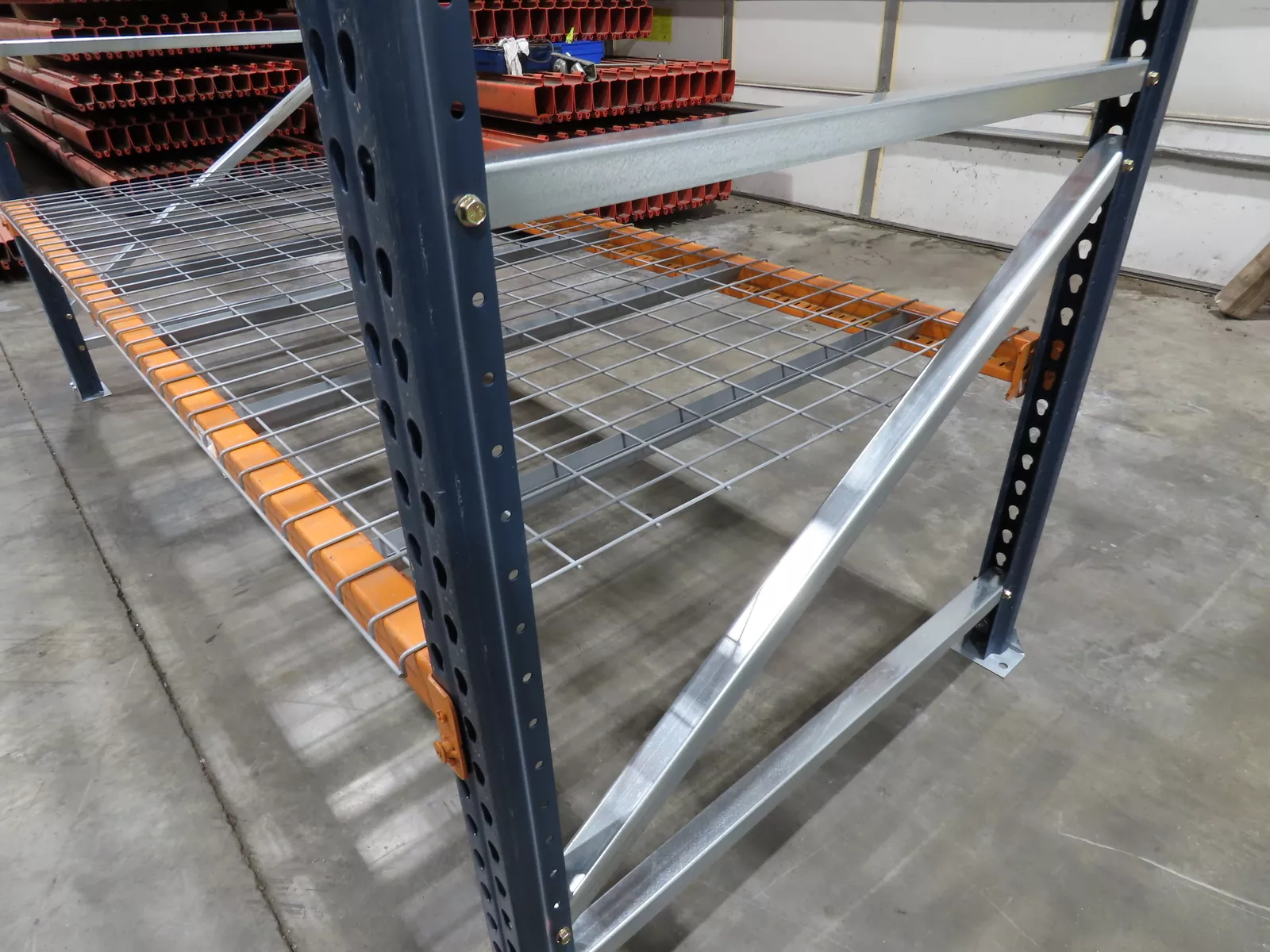
How Can I Apply These Strategies To Warehouse Shelving?
How Can I Apply These Strategies To Warehouse Shelving?
- Optimize warehouse space using dynamic pallet racking for vertical stacking, increasing storage capacity without expanding the physical footprint.
- Implement adjustable pallet racking to potentially increase storage capacity by up to 30%, reducing overhead costs and increasing profit margins.
- Streamline the picking process using a first-in, first-out (FIFO) inventory system to enhance picking efficiency in order fulfillment.
- Incorporate modern technologies like barcode scanning and warehouse management systems (WMS) to minimize picking errors and enhance customer satisfaction.
- Invest in employee training on best practices for using pallet racking, improving workplace ergonomics and productivity.
- Stay updated with industry trends, such as automation and integration of pallet racking systems with robotic picking tools and automated guided vehicles (AGVs).
- Position warehouse shelving as an asset to drive success in a competitive landscape, rather than just a necessity.

How Can I Apply These Strategies To Warehouse Shelving?
How Does Effective Shelving Impact Warehouse Efficiency?
In today’s fast-paced logistics world, the significance of effective shelving cannot be overstated. It’s more than just a matter of organization; it’s a strategic advantage that can propel your business to the next level. With the right shelving solutions, particularly pallet racking, you can unlock monumental efficiencies that drive down costs and boost productivity.
Consider the following scenario: A warehouse employing outdated shelving methods struggles with inventory accessibility. Workers sift through stacks of goods, wasting precious minutes. Now, picture the same warehouse equipped with a state-of-the-art pallet racking system. Forklifts glide effortlessly down aisles, workers find products in seconds, and shipments are processed faster than ever. This is the power of effective shelving.
One cannot ignore the trend shaping logistics this year—the shift towards e-commerce-driven warehouse operations. As retail giants like Amazon continuously innovate their supply chains, businesses must adapt to remain competitive. Effective shelving, particularly with adjustable pallet racking, allows for the dynamic storage of different product sizes and quantities. This flexibility is crucial for meeting the unpredictable demands of consumers in real time.
Let’s delve deeper into the benefits: Effective shelving systems streamline inventory management. With the proliferation of technologies like RFID, tracking items becomes seamless when paired with pallet racking. Imagine a scenario where every item is accounted for without tedious manual counts, thanks to organized shelving that facilitates the quick scanning of items. This efficiency not only saves labor costs but also minimizes errors—an costly problem for any operation.
Also noteworthy is the impact on safety. A well-implemented shelving solution alleviates the hazards that often accompany disorganized warehouses. Properly installed pallet racking not only optimizes space but also ensures that products are stored securely. Stats indicate that around 20% of workplace injuries in warehouses are related to improper storage solutions. By investing in effective shelving systems, you’re not just protecting your bottom line; you’re fostering a safer workplace.
Moreover, as economic influences fluctuate and shelf space becomes increasingly valuable, the importance of effective shelving is magnified. Global supply chain disruptions have stressed the need for efficiency and adaptability in warehouses. Effective shelving solutions make it possible to pivot and adapt to changes in demand without missing a beat.
The integration of effective shelving, particularly through robust pallet racking systems, substantially impacts warehouse efficiency. By enhancing access, facilitating inventory management, improving safety, and fostering adaptability, you create an operational powerhouse. In a world where efficiency isn’t just an option but a necessity, the time to act is now. Don’t let your warehouse fall behind; reimagine your storage solutions today.
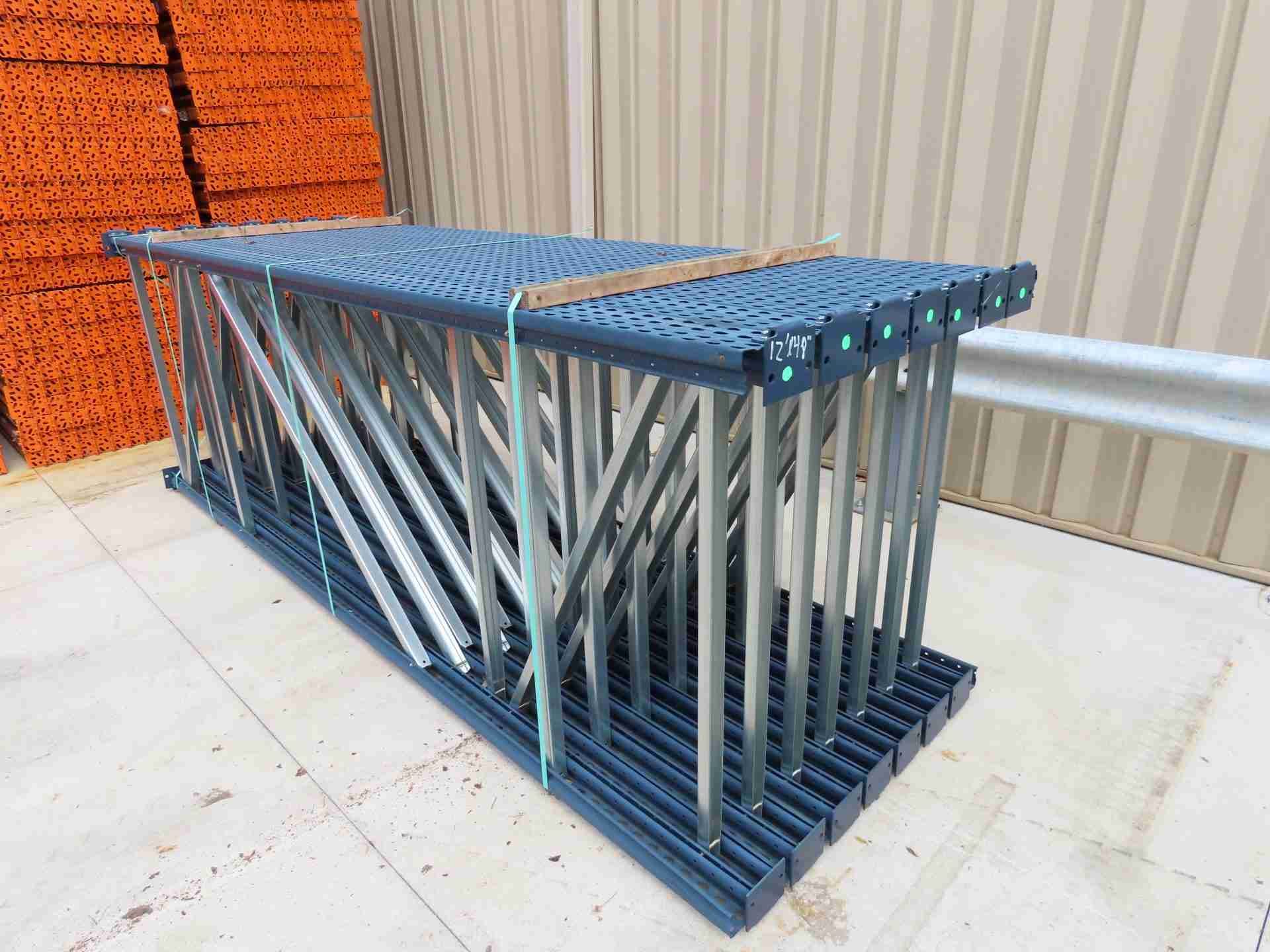
How Does Effective Shelving Impact Warehouse Efficiency?
How Does Effective Shelving Impact Warehouse Efficiency?
- Effective shelving is a strategic advantage in logistics, enhancing organization and productivity.
- Upgrading to pallet racking systems improves inventory accessibility and streamlines operations.
- The rise of e-commerce necessitates adaptable shelving solutions to meet fluctuating consumer demands.
- Effective shelving systems optimize inventory management with technology integration like RFID for seamless tracking.
- Investing in proper shelving solutions increases safety by reducing workplace injuries related to disorganized storage.
- Economic fluctuations highlight the need for efficiency and adaptability in modern warehouse operations.
- Robust pallet racking systems significantly enhance access, safety, and operational effectiveness in warehouses.

How Does Effective Shelving Impact Warehouse Efficiency?
Can I Improve My Warehouse Organization Using These Techniques?
In today’s fast-paced market, efficient warehouse organization is not just a nicety; it’s a necessity. You may be asking yourself, “Can I really improve my warehouse organization using these techniques?” The answer is a resounding yes! Let’s explore some proven strategies that can significantly enhance your warehousing efficiency and boost your bottom line.
One powerful technique is the implementation of pallet racking systems. This method allows you to optimize vertical space while keeping your products easily accessible. Imagine a warehouse filled with towering shelves, each stacked with meticulously labeled pallets of goods. Not only does this increase storage capacity, but it also simplifies inventory management. For example, companies like Amazon have mastered pallet racking to streamline their fulfillment processes, enabling them to ship millions of orders efficiently every day.
Consider the impact of current events on supply chains globally. With global logistics facing unprecedented challenges, such as shipping delays and increased demand for e-commerce, having an organized warehouse becomes a strategic advantage. By implementing effective pallet racking, you can reduce retrieval times and keep inventory flowing smoothly even in turbulent times.
Another technique worth exploring is the use of technology. Implementing warehouse management systems (WMS) can help you track inventory in real-time, allowing you to make informed decisions based on current stock levels and sales trends. Imagine a scenario where a sudden rise in demand for a particular product could be met without overstocking or understocking—a dream come true for any warehouse manager!
Additionally, consider adopting a Just-In-Time (JIT) inventory strategy. This method minimizes excess inventory and reduces storage costs. JIT is particularly relevant now as businesses try to navigate a shifting economy. By synchronizing your inventory with actual customer demand, you’ll not only improve cash flow but also ensure that your warehouse remains organized and clutter-free.
Lastly, regular training and staff engagement are crucial. Involving your team in the organization process fosters a sense of ownership and accountability. For instance, conducting routine workshops on effective pallet racking techniques can lead to new insights and improvement suggestions from your employees.
Improving your warehouse organization is not just about physical space; it’s about strategic thinking and leveraging resources to stay ahead. By employing techniques like pallet racking, utilizing technology, and adopting JIT strategies, you can transform your warehouse into a well-oiled machine. The time to act is now—don’t let disorganization be your downfall in this competitive landscape!

Can I Improve My Warehouse Organization Using These Techniques?
Can I Improve My Warehouse Organization Using These Techniques?
- Efficient warehouse organization is essential in today’s fast-paced market.
- Implementing pallet racking systems optimizes vertical space and simplifies inventory management.
- Global logistics challenges make organized warehouses a strategic advantage for reducing retrieval times.
- Warehouse Management Systems (WMS) help track inventory in real-time to avoid overstocking or understocking.
- Adopting a Just-In-Time (JIT) inventory strategy minimizes excess inventory and improves cash flow.
- Regular training and staff engagement fosters ownership and accountability in warehouse organization.
- Improving warehouse organization involves strategic thinking and resource leverage to enhance efficiency.
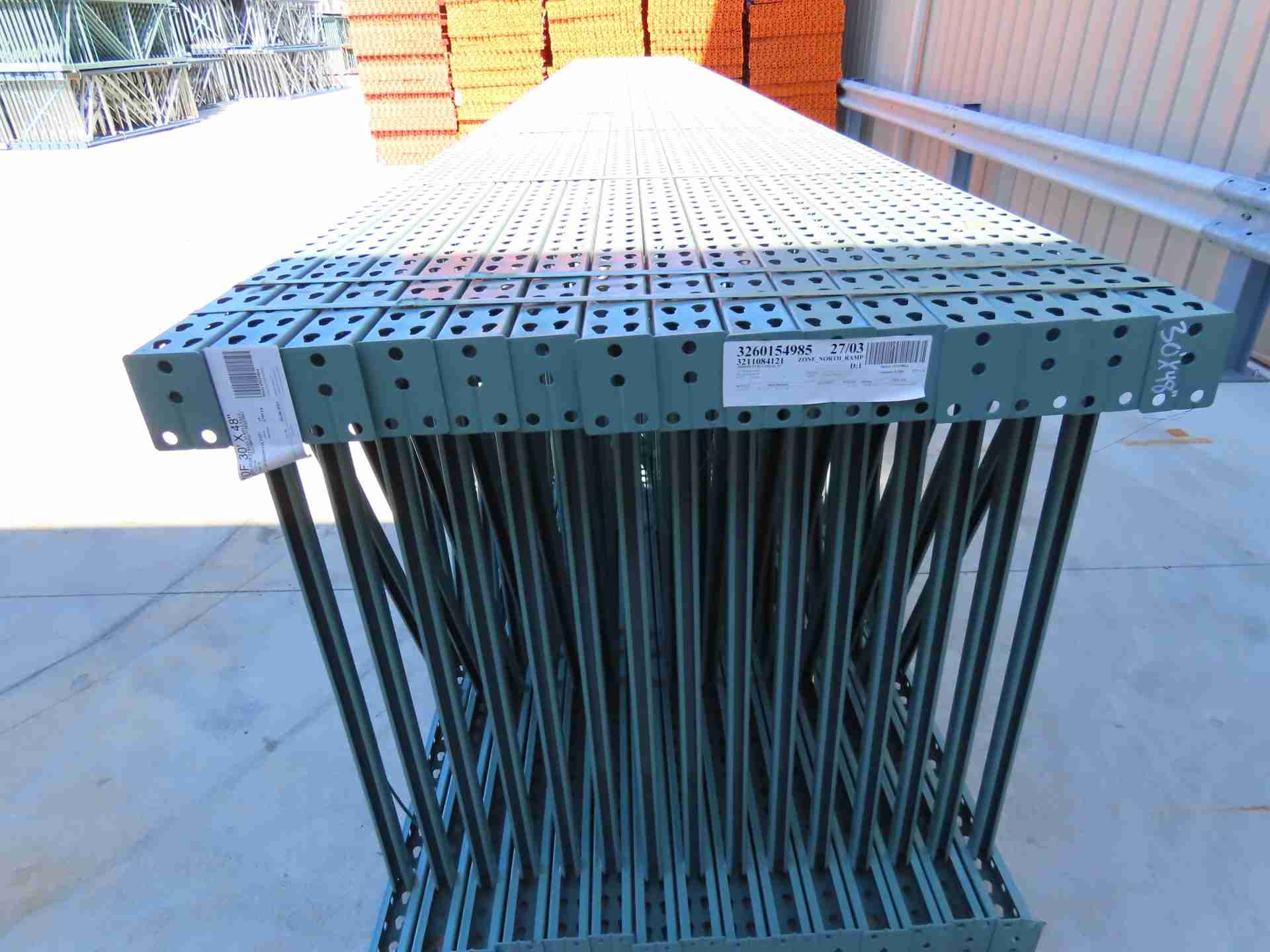
Can I Improve My Warehouse Organization Using These Techniques?
What Are Common Mistakes In Warehouse Shelving To Avoid?
When it comes to optimizing your warehouse shelving, avoiding common pitfalls can save you time, money, and stress. Many businesses fall into traps that not only hinder efficiency but can also lead to safety hazards. Here’s how you can sidestep these blunders—starting with pallet racking, the backbone of efficient warehouse storage.
1. Ignoring Weight Limits on Pallet Racking
A frequent mistake is neglecting the weight capacities of your pallet racking systems. Every racking system has a maximum load it can safely handle. Overloading can lead to structural failure, risking not only your inventory but also the safety of your employees. For instance, in early 2023, a major retail warehouse in California faced a significant accident due to overloading, resulting in costly lawsuits and operational shut-downs. Always ensure your racking is engineered for the weight it will bear.
2. Poor Layout Decisions
Imagine a chess game where your pieces are all huddled in one corner. This creates inefficiency, right? The same goes for your warehouse layout. Placing shelves too close together or making aisles too narrow inhibits movement. Keep your workflow in mind. For example, a study conducted in 2022 by Logistics Magazine found that companies employing a streamlined warehouse layout improved picking speeds by over 30%. Use pallet racking configurations that allow for easy access and a logical flow of goods, reducing time wasted in searching and retrieving items.
3. Lack of Organization
A chaotic warehouse is a recipe for disaster. When you lack organization, the time spent finding inventory skyrockets. This not only slows down your operations but also frustrates employees, leading to decreased morale. Implement clear labeling and a logical product placement strategy on your pallet racking systems. This is especially relevant as e-commerce continues to grow—companies are racing to meet shipping deadlines, and those with organized shelves are winning the game.
4. Skipping Regular Inspections
Don’t let negligence be the undoing of your warehouse efficiency. Regular inspections of your pallet racking and shelving systems are vital. In 2023, an inspection report revealed that a surprising number of warehouses had outdated racking systems that were prone to failure. These inspections can help identify weak points before they lead to disaster, keeping your operations running smoothly.
5. Failure to Train Employees
Lastly, don’t underestimate the power of training. Ensure your staff understands how to utilize your shelving, especially your pallet racking correctly. Give them the tools to succeed, so they don’t inadvertently contribute to a hazardous environment.
By steering clear of these common mistakes, your warehouse can become a streamlined, efficient powerhouse—ready to meet the demands of today’s fast-paced marketplace.
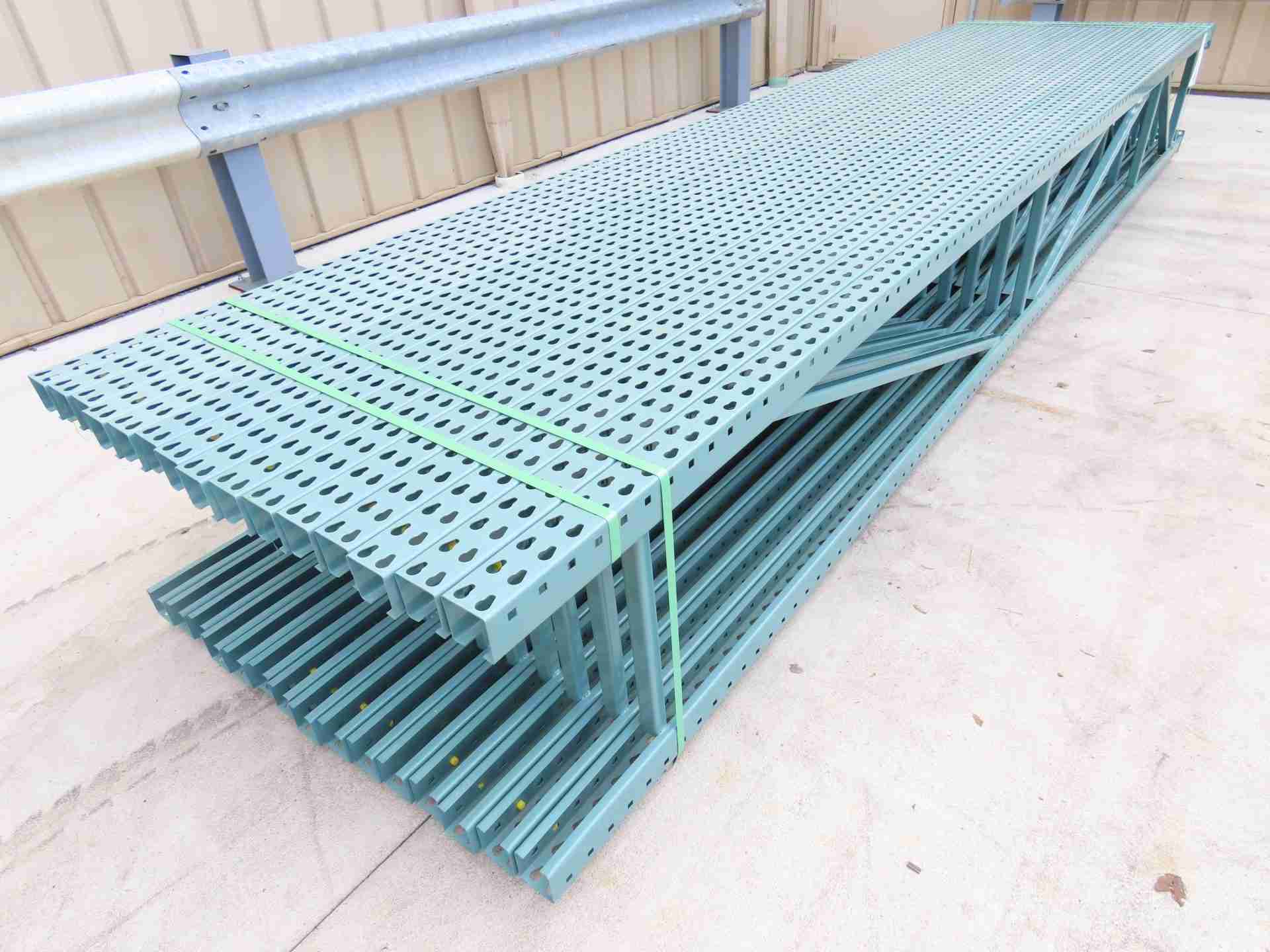
What Are Common Mistakes In Warehouse Shelving To Avoid?
What Are Common Mistakes In Warehouse Shelving To Avoid?
- Optimizing warehouse shelving avoids common pitfalls that waste time, money, and create safety hazards.
- Not adhering to weight limits on pallet racking can lead to structural failure and safety risks, as seen in a 2023 incident in California.
- Poor layout decisions, like narrow aisles and crowded shelves, hinder movement and efficiency; streamlined layouts can improve picking speeds significantly.
- Lack of organization in warehouses slows down operations and frustrates employees; clear labeling and logical product placement are essential.
- Skipping regular inspections of pallet racking can result in outdated systems prone to failure; inspections identify weak points early.
- Employee training on correct shelving usage is crucial to prevent hazardous conditions in the warehouse.
- Avoiding these common mistakes will lead to a more efficient and competitive warehouse operation.

What Are Common Mistakes In Warehouse Shelving To Avoid?
How Can Strategic Shelving Reduce Operational Costs?
In today’s fiercely competitive marketplace, businesses are constantly seeking ways to optimize their operations and cut costs. One often-overlooked strategy is the implementation of strategic shelving solutions, particularly Pallet Racking systems, which have proven to be a game-changer for organizations managing inventory.
Pallet Racking is not just about storing goods; it’s about maximizing space and improving efficiency. By configuring your warehouse to use vertical space effectively, you can dramatically reduce the footprint needed for storage. For instance, imagine a retail operation that previously kept inventory on traditional shelving; by switching to a Pallet Racking system, they could reallocate valuable floor space. As supply chain pressures mount—exacerbated by recent global events, such as the disruptions caused by the pandemic—the ability to house more inventory under one roof becomes invaluable. With space freed up, businesses can divert resources to areas that drive revenue, such as enhanced customer service and marketing initiatives.
Moreover, strategic shelving can greatly improve pick rates and reduce labor costs. An organization that transitions to a smart, organized Pallet Racking layout enables its staff to retrieve products with less effort and in less time. For example, if a company used to employ ten workers in a chaotic warehouse environment, a well-planned shelf organization might allow them to operate with only eight—resulting in substantial savings over the course of the year.
As online shopping continues to burgeon—something we’ve seen accelerate in recent years—efficient warehouse management becomes critical. Companies like Amazon and Walmart have set the bar high, emphasizing the importance of speed and efficiency in fulfillment. Strategic shelving isn’t just a cost-saver; it paves the way for agility. A streamlined racking system makes it easier to adapt to fluctuating demand, especially during peak seasons when inventory turnover rates spike.
Investing in strategically designed shelving solutions, such as adjustable Pallet Racking, not only positions businesses to lower their operational costs but also creates a more adaptable workspace. With the right arrangement, you can pivot quickly to eddying market demands, ensuring you are not just surviving but thriving in a rapidly changing environment.
By focusing on strategic shelving, you empower your organization to lower costs while simultaneously increasing efficiency, setting the stage for future growth. Whether you’re a small start-up or a large enterprise, integrating a well-thought-out Pallet Racking strategy could be the secret weapon you need to bolster your bottom line.

How Can Strategic Shelving Reduce Operational Costs?
How Can Strategic Shelving Reduce Operational Costs?
- Businesses strive for operational optimization and cost reduction in a competitive marketplace.
- Pallet Racking systems enhance inventory management by maximizing space and efficiency.
- Vertical space utilization can significantly reduce storage footprint and free up floor space.
- Efficient space management allows businesses to reallocate resources towards revenue-driving areas.
- Strategic shelving improves pick rates and reduces labor costs, allowing for streamlined operations.
- E-commerce growth emphasizes the need for efficient warehouse management and agile fulfillment systems.
- Investing in adjustable Pallet Racking enables businesses to adapt to market demands and fosters future growth.

How Can Strategic Shelving Reduce Operational Costs?
What Are The Best Practices In Warehouse Shelving Design?
When it comes to warehouse shelving design, optimizing space and ensuring operational efficiency are paramount. A well-thought-out system can dramatically increase productivity and contribute to a smoother workflow. Here are some best practices to guide your warehouse shelving design.
# 1. Identify Your Needs
Before diving into design, conduct a thorough analysis of your inventory and how it moves through your warehouse. Different types of products require different shelving configurations. For example, pallet racking is an excellent choice for heavy or bulk items. By choosing the right system from the get-go, you can ensure that your shelving meets your specific needs, reducing wasted space and time.
# 2. Maximize Vertical Space
In today’s economic environment, where efficiency is more critical than ever, maximizing vertical space should be a top priority. Wish your warehouse could be taller? It can be! Use tall pallet racking systems that allow you to stack items high while keeping accessibility in mind. Just as skyscrapers make cities more efficient, an upward design can enhance your storage capacity significantly.
# 3. Keep Accessibility in Mind
No one wants to spend extra time searching for products. Design your shelving layout for easy access. Using a “first-in, first-out” (FIFO) system is an effective way to ensure that older stock is used before newer stock, which is essential in industries like food and pharmaceuticals. Accessibility should come first; otherwise, you’ll see productivity levels plummet and operational costs soar.
# 4. Incorporate Flexibility
As the market dynamics shift, so should your shelving design. The recent global supply chain disruptions have highlighted the need for flexibility in warehouse operations. Adjustable pallet racking systems can accommodate changes in product size or volume, allowing you to reposition and reorganize inventory swiftly. If you stay flexible, you can respond effortlessly to market demands and changes in consumer behavior.
# 5. Emphasize Safety
Ensuring the safety of your workers and products is non-negotiable. Proper bracing, load limits, and safety features in your pallet racking systems can prevent accidents and damage. With increasing scrutiny on workplace safety, a robust design will not only protect employees but also reinforce your brand’s reputation as a responsible business.
A well-considered warehouse shelving design leverages the right structure, maximizes space, prioritizes accessibility, incorporates flexibility, and emphasizes safety. Adhering to these best practices can turn your warehouse into a well-oiled machine, capable of navigating today’s economic landscape with ease. Implement these principles today and watch as you elevate your operations to new heights!
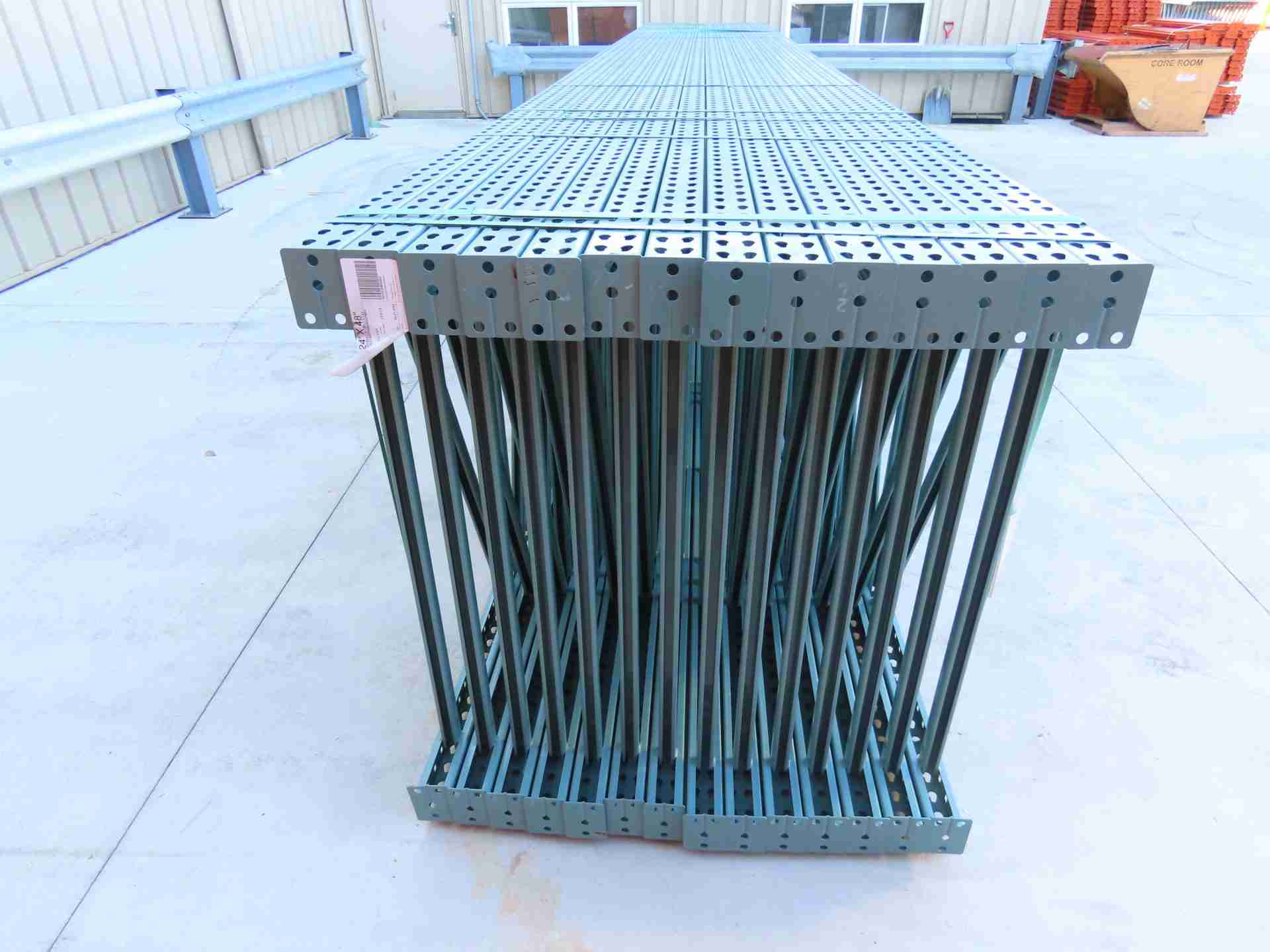
What Are The Best Practices In Warehouse Shelving Design?
What Are The Best Practices In Warehouse Shelving Design?
- Identify Your Needs: Conduct an analysis of inventory and movement; choose suitable shelving configurations like pallet racking for heavy items to optimize space.
- Maximize Vertical Space: Prioritize using tall pallet racking systems to enhance storage capacity by stacking items high.
- Keep Accessibility in Mind: Design shelving for easy access and implement a “first-in, first-out” (FIFO) system to manage stock effectively.
- Incorporate Flexibility: Use adjustable pallet racking systems to accommodate changes in product size/volume and respond to market demands.
- Emphasize Safety: Implement safety features, load limits, and proper bracing in your shelving design to protect workers and inventory.
- Leverage Best Practices: A well-considered design maximizes space, prioritizes accessibility, ensures flexibility, and emphasizes safety.
- Elevate Operations: Implement these principles to transform the warehouse into an efficient operation that responds to today’s economic challenges.
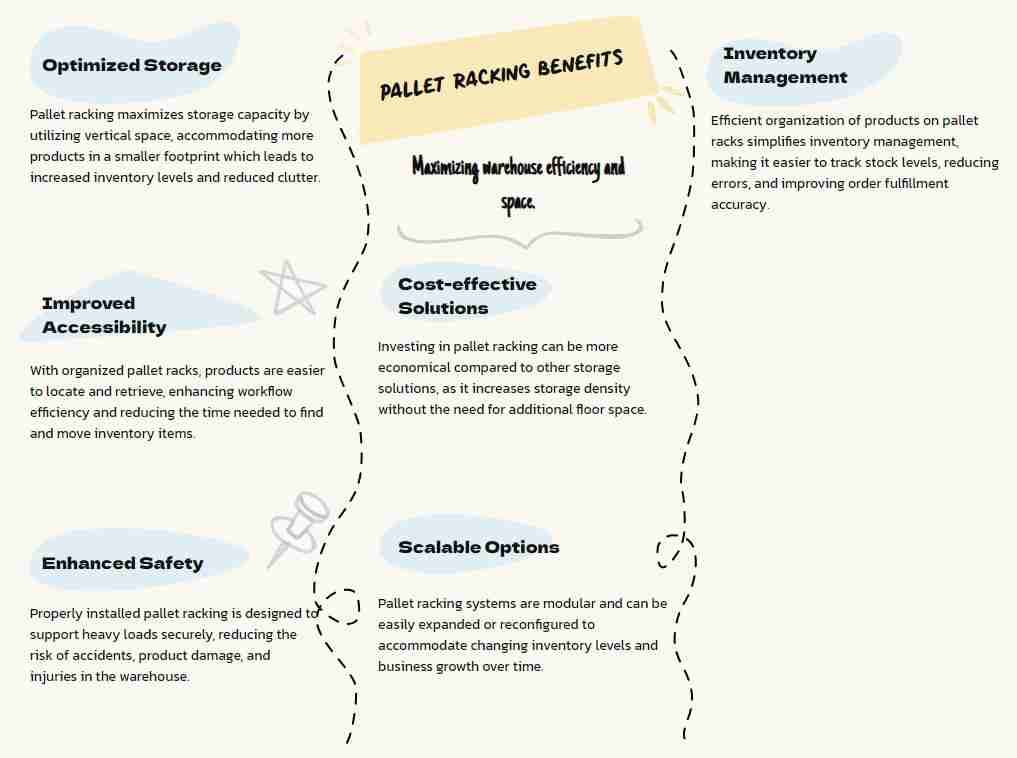
What Are The Best Practices In Warehouse Shelving Design?
Conclusion
In the fast-paced and ever-evolving world of logistics, the condition of your warehouse can serve as either a powerful catalyst for success or a silent detractor from your profitability. As we’ve explored throughout this guide, the strategic implementation of warehouse shelving—particularly through the innovative lens of pallet racking—can fundamentally transform your operations. It’s not merely about creating space; it’s about optimizing every inch of that space to unlock productivity and cost savings.
The timeless principles championed by Barbara Corcoran—who focuses on uncovering potential in every corner of business—resonate deeply in the context of warehouse shelving. By embracing effective shelving strategies, businesses can pivot away from inefficiency and towards streamlined operations. Consider the impressive gains reported by companies that integrated intelligent shelving solutions: increased storage capacity, enhanced order accuracy, and expedited picking times that can lead to a substantial competitive edge.
Moreover, these changes aren’t just a matter of preference but of necessity in today’s market where supply chain complexities and e-commerce demands escalate daily. As your peers innovate, you can’t afford to lag behind with outdated shelving systems that stifle growth and hinder operational agility. Whether you’re facing seasonal supply spikes or navigating global disruptions, dynamic and flexible pallet racking systems position you to adapt swiftly, helping you stay ahead in the race for customer satisfaction.
But transforming your warehouse doesn’t have to be a daunting task. Start with graduate steps towards optimization: introduce adjustable pallet racking, apply FIFO methodologies, and foster a culture of safety through regular inspections and employee training. Today’s logistics landscape is demanding, but with these actionable insights, you can turn your warehouse into a model of efficiency and productivity.
Don’t let the complexities of warehouse management overwhelm you any longer. The time to act is now! Call Arrow Industrial Sales at (574) 349-6575 today to explore customized shelving solutions that empower your warehouse to perform at its best. Elevate your operations, increase your bottom line, and watch as your warehouse transforms from a common storage unit into an indispensable asset. Remember, opportunity doesn’t wait—seize it with the right shelving solutions tailored just for you!

Conclusion
Conclusion:
- Warehouse condition can significantly impact profitability and success in logistics.
- Implementing strategic shelving, especially through pallet racking, optimizes space and increases productivity.
- Effective shelving strategies can lead to increased storage capacity, order accuracy, and faster picking times.
- Modern supply chain complexities demand flexible shelving solutions to keep up with market changes.
- Introducing adjustable pallet racking and applying FIFO methodologies can facilitate warehouse optimization.
- Empower your warehouse with customized shelving solutions from professionals.
- Act now to transform your warehouse into a valuable asset that enhances operational efficiency.

Conclusion
Other Resources

Other Resources
Here is a list of other resources you can review online to learn more:
- Warehouse Automation
- Storage Equipment Manufacturers Association
- Mustang Material Handling
- Shipping Boxes, Packaging Materials, Pallet Racking
- The Ultimate Pallet Racking Guide – Speedrack West
- Warehousing Education and Research Council: https://www.werc.org/
- What is Cantilever Racking? – AK Material Handling Systems
- Teardrop Pallet Rack – Ridg-U-Rak
- Pallet Racking systems in Illinois, Great Lakes
- Intro to Warehouse Racks & Warehouse Racking Systems – ShipBob
Use This Prompt To Get More Resources With Your Favorite Online AI Tool: Please provide me with a list of online articles with their URLs in a bulleted list that I can read regarding Can Barbara Corcoran’s Strategies Transform Your Warehouse Shelving?

Other Resources
Glossary Terms
Can Barbara Corcoran’s Strategies Transform Your Warehouse Shelving? – Glossary Of Terms
1. Warehouse Management: The process of overseeing and controlling warehouse operations to optimize storage and distribution.
2. Shelving Systems: Frameworks used to store goods efficiently, often designed to maximize vertical space.
3. Inventory Optimization: Strategies employed to ensure the right amount of product is stored to meet demand without overstocking.
4. Lean Principles: A methodology that emphasizes the elimination of waste and continuous improvement, applicable in warehouse settings.
5. Space Utilization: The effective use of physical space in a warehouse, ensuring maximum storage capacity.
6. FIFO (First In, First Out): A stock management approach where the oldest inventory items are used or sold first.
7. Racking Systems: Structures that support warehouse shelving, designed for heavy-duty storage needs.
8. Cross-Docking: A logistics practice where incoming goods are directly shipped out without lengthy storage, streamlining warehouse flow.
9. Ergonomics: The study of how to design work environments that enhance efficiency and reduce injury risk for workers.
10. Barcoding: A method of tracking inventory through the use of barcodes for easy identification and management.
11. Lean Warehousing: Adopting lean principles specifically to streamline warehouse processes and reduce waste.
12. Pick-and-Pack: The process of selecting items from shelves and packing them for shipping, crucial in warehouse efficiency.
13. Vertical Storage: Utilizing vertical space for shelving to maximize storage capacity in a warehouse.
14. SKU (Stock Keeping Unit): A unique identifier for a specific product that helps in inventory management.
15. Palletization: The process of stacking goods on pallets to facilitate storage and transportation within a warehouse.
16. Just-In-Time (JIT): A strategy that aims to reduce inventory costs by receiving goods only as they are needed.
17. Order Fulfillment: The entire process from receiving an order to delivering goods to the customer, requiring efficient shelving methods.
18. Dynamic Slotting: A method of determining optimal storage locations for products within a warehouse based on demand patterns.
19. Accessibility: The ease with which personnel can access inventory, impacting efficiency and productivity in warehouse operations.
20. Tech Integration: Incorporating technology, such as automation and software, into warehouse systems to improve efficiency.
21. Resource Allocation: The process of distributing resources effectively to ensure optimal warehouse operations.
22. Safety Protocols: Guidelines and measures taken to ensure the safety of workers and inventory within the warehouse.
23. Employee Training: Programs designed to equip warehouse staff with the skills needed to execute shelving strategies effectively.
24. Warehouse Layout: The arrangement of shelves, aisles, and storage systems within a warehouse to enhance workflow.
25. Data Analytics: The use of data analysis to forecast inventory needs and inform shelving decisions.
26. Material Handling: The process of moving, protecting, and storing products throughout the warehouse.
27. Standard Operating Procedures (SOPs): Established guidelines that dictate how warehouse tasks should be performed, ensuring consistency and efficiency.
28. Sustainability: Practices aimed at reducing the environmental impact of warehouse operations, often influencing shelving choices.
29. Performance Metrics: Measurements that evaluate the efficiency of warehouse operations, including shelving effectiveness.
30. Continuous Improvement: A commitment to regularly enhancing processes and strategies for better performance within the warehouse.

Glossary Of Terms
Other Questions
Can Barbara Corcoran’s Strategies Transform Your Warehouse Shelving? – Other Questions
If you wish to explore and discover more, consider looking for answers to these questions:
- What specific pallet racking systems does Barbara Corcoran recommend?
- How can I assess the current efficiency of my warehouse shelving?
- What role does employee training play in optimizing warehouse shelving?
- What are some examples of businesses that have successfully implemented these strategies?
- How often should I conduct inspections of my pallet racking systems?
- What technological tools can assist in managing warehouse shelving more effectively?
- How do seasonal inventory changes affect shelving strategies?
- What are the costs associated with implementing new shelving systems?
- Are there specific industries that can benefit more from these shelving strategies?
- How can I ensure safety while enhancing my warehouse shelving efficiency?
- What impact does warehouse shelving design have on employee morale?
- How can I implement a Just-In-Time inventory strategy in my warehouse?
- What metrics should I track to evaluate the success of new shelving practices?
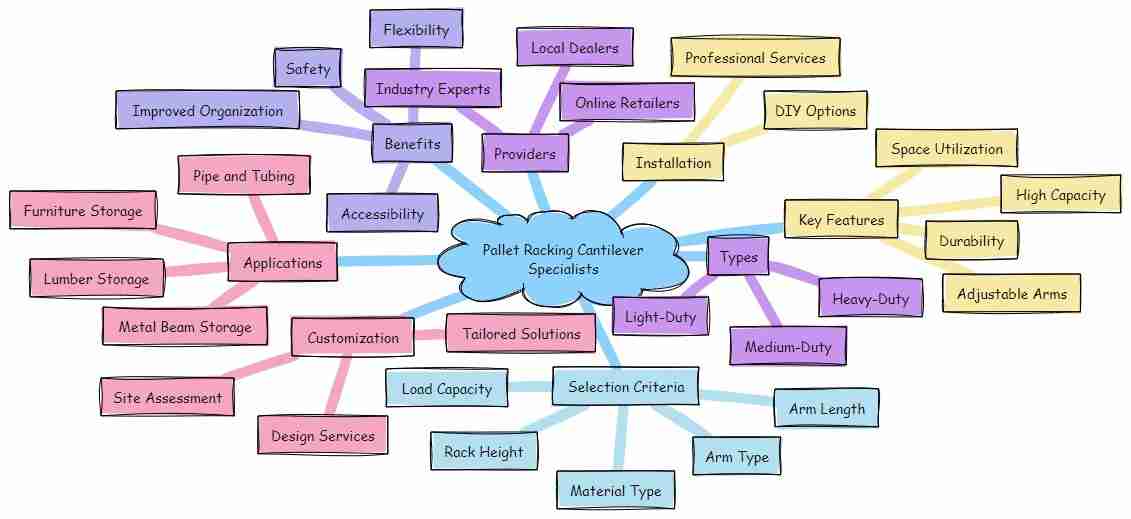
Other Questions
Checklist
Can Barbara Corcoran’s Strategies Transform Your Warehouse Shelving? – A Checklist
Space Optimization
_____ Evaluate your current shelving layout for efficiency.
_____ Implement dynamic pallet racking systems to optimize vertical space.
_____ Consider adjustable pallet racking to adapt to seasonal demand.
Process Streamlining
_____ Adopt the FIFO (First In, First Out) method for inventory management.
_____ Use technology such as barcode scanning and a Warehouse Management System (WMS) to enhance picking efficiency.
_____ Organize products in a logical flow that aligns with your picking process.
Employee Training & Engagement
_____ Conduct training sessions on safe lifting techniques and effective pallet racking use.
_____ Involve employees in the organization process to foster ownership.
_____ Schedule regular workshops to get feedback on operational improvements.
Safety Measures
_____ Regularly inspect pallet racking systems for weight limits and structural integrity.
_____ Implement clear labeling on shelving for better visibility and reduced errors.
_____ Ensure aisles and workspaces are clear to prevent workplace accidents.
Technology Adoption
_____ Integrate tech solutions that enhance inventory tracking (e. g. , RFID technology).
_____ Consider automation tools like robotic picking systems or automated guided vehicles (AGVs).
_____ Stay updated on emerging technologies that can further streamline operations.
Organizational Strategies
_____ Establish a clear labeling system for all products in your warehouse.
_____ Incorporate color coding to enhance visual organization of pallet racks.
_____ Utilize a Just-In-Time (JIT) inventory strategy to align stock levels with customer demand.
Regular Review & Adaptation
_____ Schedule regular assessments of shelving effectiveness and efficiency.
_____ Stay attuned to industry trends and be ready to adapt your shelving systems accordingly.
_____ Re-evaluate your shelving needs periodically as your inventory and market conditions change.
Cost Management
_____ Analyze the impact of your new shelving strategies on operational costs and productivity.
_____ Monitor labor savings and improved pick rates after implementing changes.
_____ Reassess resource allocation based on the efficiency gains from new shelving solutions.
By completing this checklist, you’ll move toward a more organized, efficient, and profitable warehouse operation, leveraging Barbara Corcoran’s strategic insights to drive transformation.
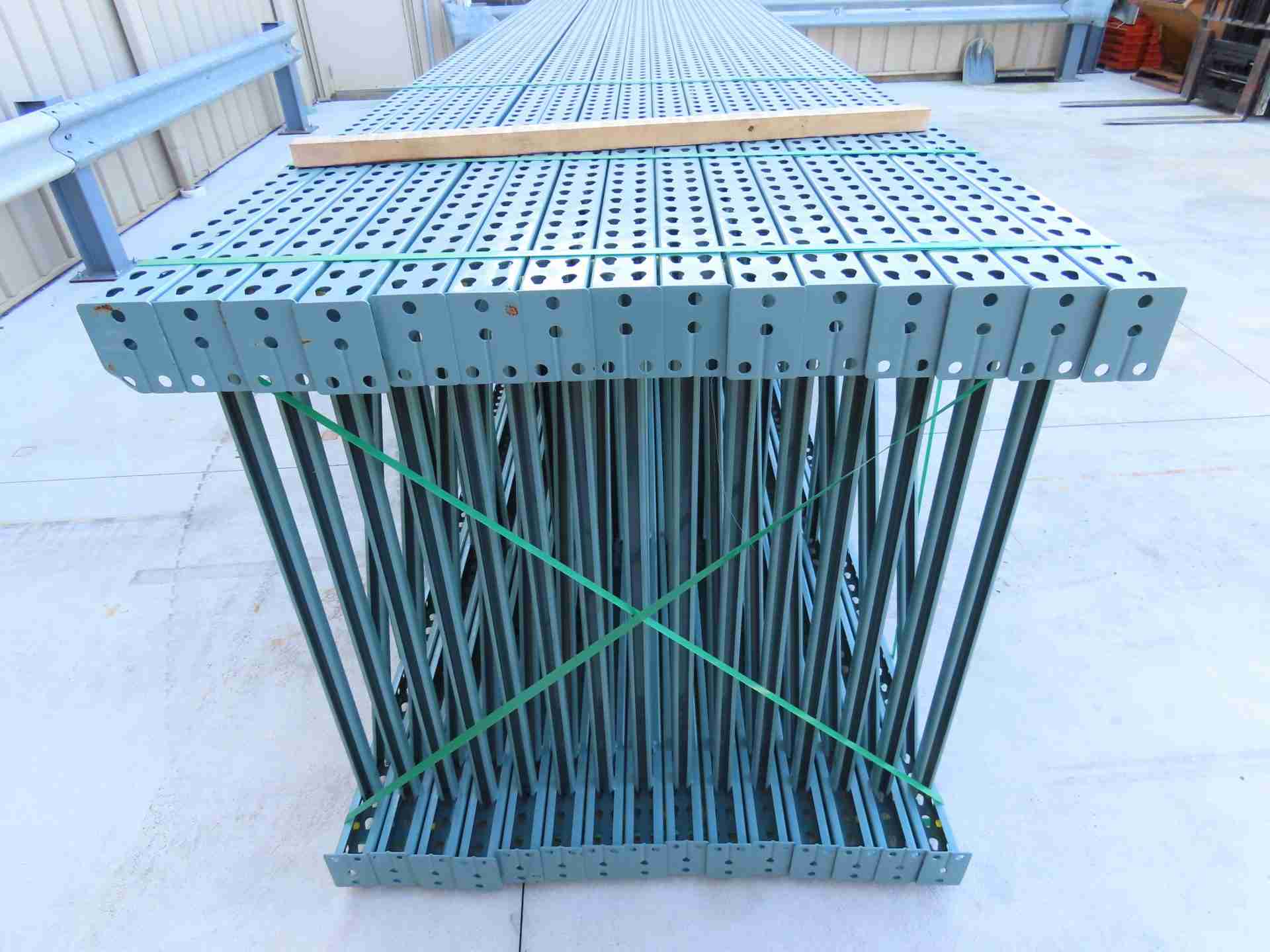
Checklist
At RackingWorld, we help guide you through selecting warehouse storage systems and racking.
Be sure to read our other related stories at RackingWorld to learn more about warehouse storage systems.
0 Comments