
Unveiling The Real Price Of Storage: A Guide To Wise Choices
By Tom Seest
At RackingWorld, we help guide you through selecting warehouse storage systems and racking.
Be sure to read our other related stories at RackingWorld to learn more about warehouse storage systems.
Calculating True Storage Cost Per Unit
Calculating true storage cost per unit is a task that requires not just numbers and formulas but a genuine understanding of the impact these costs have on our daily operations and bottom lines. Picture a bustling warehouse where every square foot matters. We’re not just stacking boxes; we’re building dreams, fueling businesses, and sometimes, just trying to keep our heads above water.
When you’re standing in front of a racking system full of goods, each item represents money—yours, your team’s, your family’s. That’s where the importance of calculating your storage costs comes in. It’s not just about the price of shelving or the rental fees; it’s about the entire overhead. Consider labor costs, the time spent retrieving products, and even the cost associated with inventory losses due to overstocks and damages. Every dollar spent impacts your ability to expand, hire, or invest in new equipment.
Imagine you’ve invested in state-of-the-art racking systems to maximize your storage efficiency, but if you’re not tracking the costs accurately, you might be surprised by how much those racks are really costing you. Reflect on the good days when your team efficiently retrieves products without a hitch and the bad days when squabbles over misplaced items or the chaos of overcrowded aisles drain energy and morale. These experiences shape our understanding of true costs beyond the balance sheet—it’s about human lives, livelihood, and community.
Take a moment and think about the stories that come from your warehouse: the athlete who needs that one piece of gear, the small business relying on timely shipments to keep the wheels turning. Each unit’s storage cost can directly affect their experience and your reputation as a reliable partner. Ethical decision-making in calculating these costs ensures you remain transparent, fostering trust amongst your clients, your workers, and even your competitors.
In a world where we often chase quick profits, let’s not forget the power of solid, grounded, blue-collar thinking. Look back on your journey; every penny saved on correctly managing storage costs can lead to investment back into the community—be it through hiring local talent, supporting nearby vendors, or even contributing to local charities. Remember, in each calculation, there’s a human story waiting to be honored. So, dive into that ledger, embrace those numbers, and find the true cost per unit; for every calculation can help pave the way to brighter, more prosperous days for all of us.

Calculating True Storage Cost Per Unit
Calculating True Storage Cost Per Unit
- Calculating true storage costs requires understanding their impact on operations and finances.
- Each item in storage represents potential revenue, making accurate cost assessment crucial.
- Consider various overheads including labor, retrieval time, and losses from overstocks or damages.
- Mismanagement of storage costs can lead to unexpected expenses even with advanced systems.
- Real-world experiences from the warehouse influence perceptions of cost and efficiency.
- Storage costs can affect customer experiences and company reputation.
- Ethical management of these costs can foster trust and support community investments.
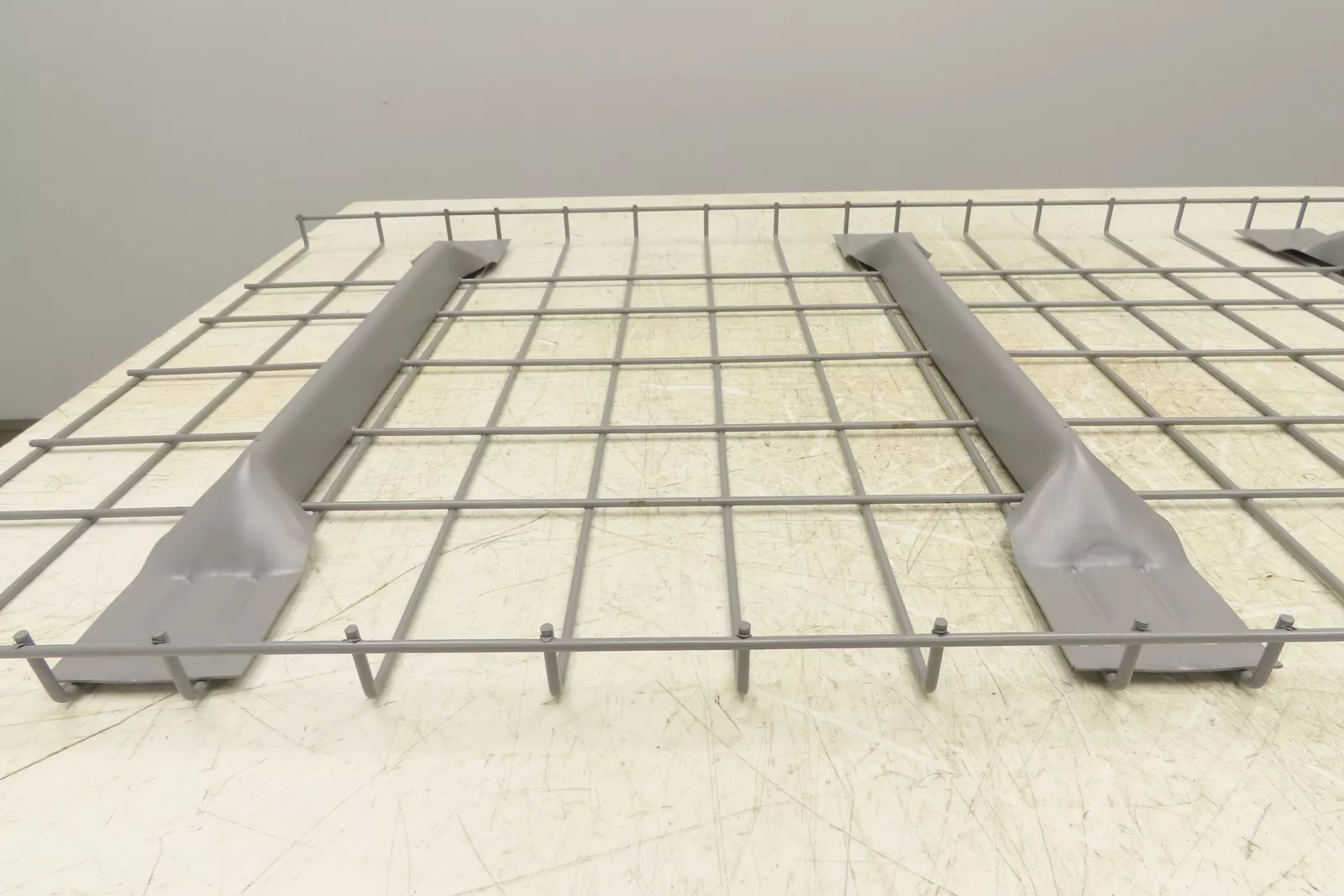
Calculating True Storage Cost Per Unit
Table Of Contents
- Calculating True Storage Cost Per Unit
- How Does True Storage Cost Impact Your Bottom Line?
- What Hidden Fees Inflate Your Storage Costs?
- Are You Aware Of the Long-Term Costs Of Storage?
- How Can Optimizing Storage Save You Money?
- What Are the True Expenses Of Maintaining Storage Units?
- Have You Calculated Your Cost Per Unit Accurately?
- Conclusion
- Other Resources
- Glossary Of Terms
- Other Questions
- Checklist
How Does True Storage Cost Impact Your Bottom Line?
When it comes to running a business, the numbers are king, but there’s more to the story than just dollars and cents. Let’s talk about true storage costs and how they hit your bottom line like a freight train if you’re not paying attention. It’s easy to think that cheaper options are the way to go, but investing in quality racking systems can mean the difference between profits and losses.
Imagine walking into a warehouse cluttered with disorganized goods. It doesn’t just feel chaotic; it costs real money. Every inch of wasted space represents lost sales opportunities and wasted resources. A robust racking system doesn’t just optimize space; it transforms chaos into order, enhancing productivity and morale. Employees feel proud and more efficient when they can find what they need quickly, instead of tripping over piles of pallets. That’s the kind of environment that keeps your team engaged and motivated, leading to better results and a stronger bottom line.
But let’s be real. Costs aren’t just about the price tag. They encompass maintenance, time wasted on disorganization, and higher labor costs when employees are floundering. By investing in a reliable racking system, you’re also investing in peace of mind. These systems are built to last, reducing the need for frequent replacements and repairs that can quickly drain your budget. When you choose quality, you not only maintain a safer work environment but also foster a sense of trust with your team who rely on these systems. Safety and reliability aren’t just good ethics; they’re good business.
There’s a human element here. Every dollar spent on improving your storage solutions can lead to increased capacity, allowing you to take on more orders and serve more customers. It’s a direct line to revenue growth and customer satisfaction. You create a community around your business, where employees feel part of something greater when they see their efforts translate into tangible success—every neatly stored item is a win.
True storage costs aren’t just numbers on a spreadsheet; they reflect your commitment to your business, your team, and ultimately your customers. The right racking systems pave the way for efficiency and growth, reinforcing that what’s good for your organization is, indeed, good for your bottom line. So, don’t just look at the upfront costs—consider the long haul, and invest wisely. Your bottom line will thank you.

How Does True Storage Cost Impact Your Bottom Line?
How Does True Storage Cost Impact Your Bottom Line?
- True storage costs significantly impact a business’s bottom line beyond just initial expenses.
- Investing in quality racking systems can prevent losses and enhance profits.
- Disorganized warehouses lead to wasted space, lost sales opportunities, and inefficiencies.
- Effective racking systems improve productivity and employee morale by creating an organized environment.
- Costs include maintenance and labor inefficiencies associated with disorganization.
- Reliable racking systems foster safety and trust among employees, reducing maintenance and repair expenses.
- Investing in storage solutions contributes to business growth and customer satisfaction by increasing capacity.

How Does True Storage Cost Impact Your Bottom Line?
What Hidden Fees Inflate Your Storage Costs?
When you think about storing your belongings, you might picture a tidy space with your things stacked neatly on Racking Systems, ready for safe keeping. But behind that clean facade lurks a shadowy world of hidden fees that can balloon your storage costs faster than a flat tire on a bumpy road. It’s easy to overlook these sneaky expenses, but knowing what to look for can save you a bundle.
First off, there’s the initial setup fee. It might seem benign—just a one-time cost—but often, it’s just the iceberg’s tip. Some facilities charge for the privilege of getting started. Then, there’s the elusive admin fee that may not be spelled out clearly in your contract. It’s akin to that extra charge when you’re trying to get your car repaired, and suddenly the estimate skyrockets once they dig a little deeper.
Late payment penalties are another juggernaut lurking in the shadows. Life can throw curveballs, and if you miss a payment deadline, those fees can start to pile up, squeezing your wallet tighter than a vise. Knowing that these costs can stack on in no time can induce some serious anxiety; the last thing you want is for storage to become a financial burden that keeps you up at night.
Insurance is another tricky player in this game. While it’s vital for protecting your goods, many facilities require coverage—sometimes even their own policies, which can be overpriced. Take a beat and shop around; you might find better deals from independent insurers that suit your needs without emptying your pockets.
Then there are access fees, often hidden in the fine print. Facilities might charge for visits beyond a certain number each month. This can catch you off-guard when you’re just trying to grab a few seasonal items or check in on your belongings. Being aware of these potential quirks can empower you to negotiate better terms or search for a facility that respects your budget.
Finally, consider the value of community and reputation. Many facilities charge higher rates simply because they can—often relying on their longstanding presence in the area. Engaging with local reviews or talking to neighbors can help ground your decision, ensuring you choose a facility that values its customers over its bottom line.
Navigating storage options doesn’t have to feel overwhelming. By being aware of these hidden fees and staying informed, you can approach your storage needs with confidence, ensuring your hard-earned money is spent wisely. The journey starts with curiosity and ends with peace of mind—something we all deserve when it comes to safeguarding our cherished belongings.

What Hidden Fees Inflate Your Storage Costs?
What Hidden Fees Inflate Your Storage Costs?
- Storage costs can increase due to hidden fees, often overlooked.
- Initial setup fees may be charged by storage facilities, representing additional costs.
- Admin fees can be unclear and added unexpectedly, similar to surprise repair charges.
- Late payment penalties can accumulate quickly, creating financial stress.
- Insurance is essential but can be overpriced; comparison shopping is recommended.
- Access fees may be charged for visits beyond a set limit, potentially catching users unaware.
- Researching community and reputation can lead to better facility choices and pricing.
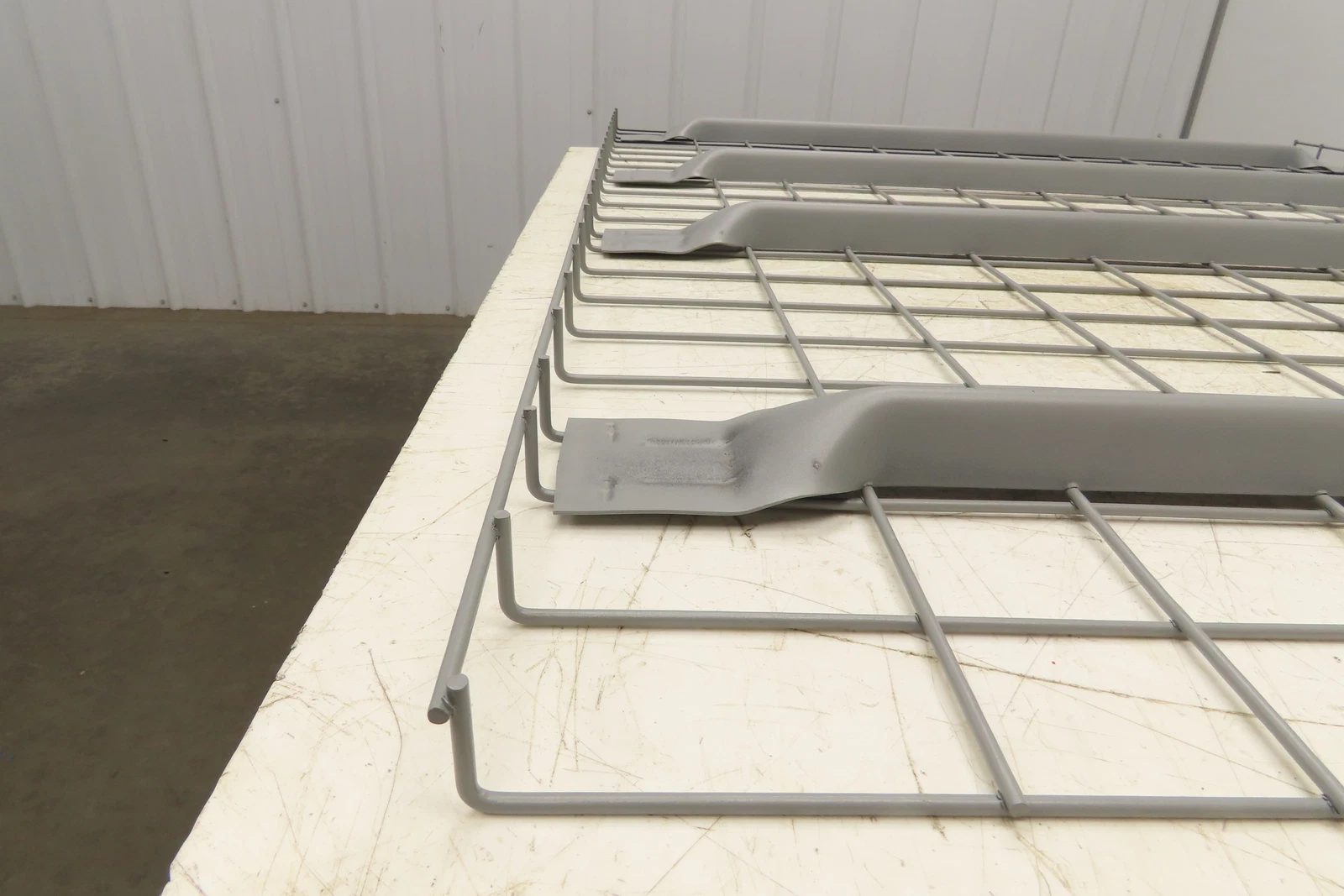
What Hidden Fees Inflate Your Storage Costs?
Are You Aware Of the Long-Term Costs Of Storage?
When it comes to storage, many folks think about the immediate costs—renting the space, buying some boxes, maybe installing a few racking systems. But have you ever stopped to consider the long-term ramifications? It’s not just about having a spot to stash your stuff; it’s about what happens down the road when that stuff turns into chaos.
Imagine this: you’ve got your storage unit packed to the brim, racking systems full of items you thought you’d need. But after a year, do you even remember what’s in there? Chances are, you don’t. That’s money wasted. Every month you’re shelling out cash for a unit, and maybe even for the racking systems you bought, thinking they’d be the answer. Racking systems can help maximize efficiency, but if they’re just holding onto dust-covered relics of the past, what’s the point?
There’s an emotional toll, too. Each time you drive past that storage facility, you’re reminded of what you’ve packed away. What’s it all for? You might feel guilty for holding onto things you don’t need or, worse, feel overwhelmed by the weight of everything you’ve accumulated. It’s a heavy load both financially and mentally.
And let’s not forget the ethical considerations. Holding onto unnecessary items can blind you to the needs of others. Think of how many people could benefit from a fraction of what you’ve stashed away. Downsizing can lead to community connection—donating those items can create a ripple effect of goodwill and generosity.
The practical side is worth noting, too. Every time you add to your storage, consider what it’ll take to manage it. There are costs beyond the monthly fee—time spent organizing, maintaining the space, and the possible deterioration of what you’re storing. Every year that goes by without a solid plan just compounds those expenses.
Ultimately, think of storage not just as a box for your belongings, but as a mirror reflecting your current priorities. Take action; evaluate what you really need. That clutter may be hiding potential opportunities or connections. Embrace the challenge of reevaluating your storage strategy, and you might not only lighten your load but also deepen your sense of purpose and community.

Are You Aware Of the Long-Term Costs Of Storage?
Are You Aware Of the Long-Term Costs Of Storage?
- Immediate storage costs include rent, boxes, and racking systems.
- Long-term implications of storage can lead to wasted money and forgotten items.
- Emotional burdens arise from unnecessary belongings, causing guilt and overwhelm.
- Ethical considerations involve recognizing the needs of others and the potential for community support through donations.
- Storage management involves additional costs, such as time and maintenance, beyond monthly fees.
- Storage reflects current priorities and can hide opportunities for connection.
- Reevaluating storage strategies can lighten emotional and physical burdens and promote purposeful living.

Are You Aware Of the Long-Term Costs Of Storage?
How Can Optimizing Storage Save You Money?
Optimizing storage isn’t just about tidiness; it’s about giving you the breathing room to thrive, both financially and mentally. Think of the racking systems in your warehouse or garage, those unsung heroes quietly holding up your life’s work. When these systems are well-organized, they become the backbone of efficiency, easing your daily grind. You can find what you need right when you need it, preventing wasted time and irritating delays. That little nagging stress of misplacing tools or materials? Gone.
The rational side of this equation comes through in hard numbers. Efficient storage can drastically reduce your operational costs. By maximizing the vertical space with smart racking systems, you can store more without the need for costly expansions. Each square inch saved translates to savings, letting you allocate those dollars elsewhere—maybe even in your pocket. Consider the cost of downtime that comes from a disorganized space; a few minutes lost can pile up quick, making a perfectly organized space a financial win.
On the ethical side, being mindful with your resources shows responsibility. In a world where waste is a growing concern, optimizing your storage reflects a commitment to sustainability. Fewer materials wasted means less impact on our environment. It’s not just about saving money; it’s about being a steward of your resources and the planet.
Socially, a well-kept space fosters a sense of pride among team members. When everyone can find what they need and see their workplace as organized and efficient, morale boosts. Working in a space that oozes order encourages collaboration and boosts productivity, creating a community that works better together.
Let’s ground this in a story: Think about a small business owner who, after years of chaos, finally decided to invest in upgraded racking systems. At first, it was just a few shelves in the back, but over time, it transformed into a well-oiled machine. The owner didn’t just save money; they felt the change—less stress, more time with family, and a thriving business. They saw the value of a neat and organized space, fueling not just their bottom line but their quality of life.
Optimizing storage is more than an efficiency move—it’s a lifestyle change that pays dividends in emotional peace, financial savings, and a sense of communal pride. Don’t wait to take control of your space; those racking systems can be the key to your future.

How Can Optimizing Storage Save You Money?
How Can Optimizing Storage Save You Money?
- Optimizing storage enhances financial and mental well-being.
- Well-organized racking systems boost efficiency and save time.
- Efficient storage reduces operational costs by maximizing vertical space.
- Minimized downtime in disorganized spaces translates to financial benefits.
- Responsible resource management reflects a commitment to sustainability.
- A well-kept space improves team morale and encourages collaboration.
- Investing in storage solutions can lead to a significant lifestyle transformation.
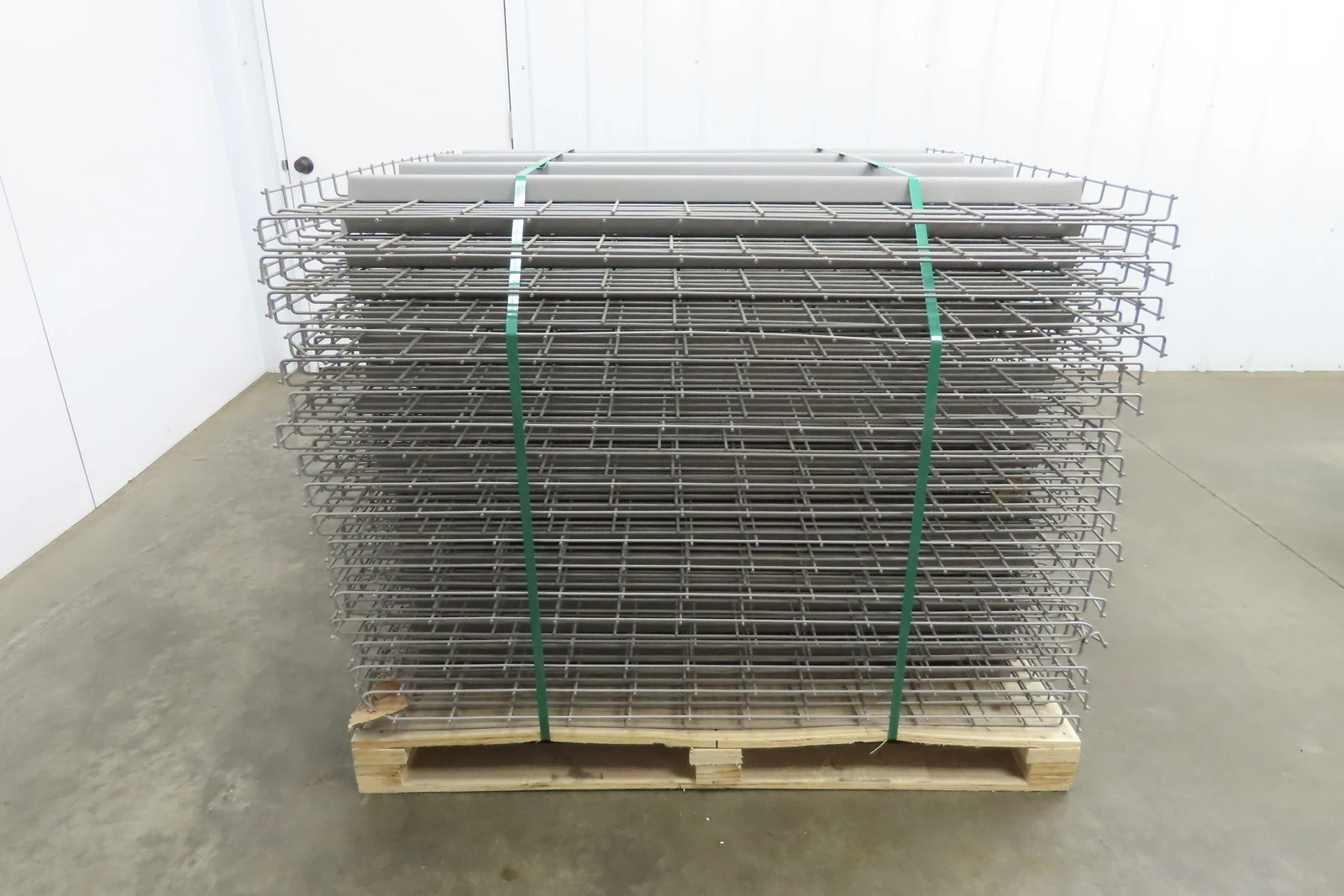
How Can Optimizing Storage Save You Money?
What Are the True Expenses Of Maintaining Storage Units?
When you think of storage units, you might envision a simple solution for clutter, but the reality is a bit more complex. Sure, it starts off easy enough—just rent a space and toss in what you don’t need right now. But behind that straightforward facade, there’s a whole set of expenses that can sneak up on you like a stray cat at a barbecue.
First off, there’s the monthly rent. This can fluctuate based on the size of the unit, location, and demand. But don’t stop there; factor in the cost of insurance. Having your belongings protected against theft or damage may bring peace of mind, but it’s an extra bite out of your budget. Then there’s the maintenance and upkeep of the unit itself. While most facilities handle that, think about potential costs like pest control or any needed repairs that could arise—unexpected expenses are often lurking just around the corner.
Now, diving deeper, you might be tempted to install racking systems inside your unit to maximize space. Racking can turn chaos into order, allowing you to find that old guitar or seasonal decorations without digging through countless boxes. But who’s footing the bill? These systems aren’t cheap and might require significant investment. Consider if that clutter is really worth the price tag.
Beyond the money, there are emotional costs tied to using storage units. Seeing your belongings packed away can bring on a sense of loss, like a chapter of your life locked behind steel doors. It’s easy to accumulate things over time, but what does it really mean to hold onto them? For some, those boxes symbolize dreams once had or memories tied to family but can also weigh on you when they become just another task on your overflowing to-do list.
Let’s not forget the ethical angles here, either. The environment plays a role; accumulating stuff often leads to waste—plastic bins, cardboard boxes, and stressed-out nature from overflowing landfills. Asking yourself if you truly need all that stuff might be the most valuable lesson of all.
Maintaining a storage unit is more than just a financial commitment. It’s an emotional journey, a chance to reflect on what you value and why. Be mindful, choose wisely, and perhaps consider purging more than you keep, for every item has a story, but the cost of keeping them can stack up faster than you think.

What Are the True Expenses Of Maintaining Storage Units?
What Are the True Expenses Of Maintaining Storage Units?
- Storage units seem simple but involve hidden complexities.
- Monthly rent varies by unit size, location, and demand.
- Insurance costs add to the budget for protecting belongings.
- Potential maintenance costs may arise, including pest control and repairs.
- Installing racking systems in units can maximize space but requires investment.
- Emotional costs include feelings of loss associated with stored belongings.
- Ethical considerations involve waste generation and the importance of assessing material needs.
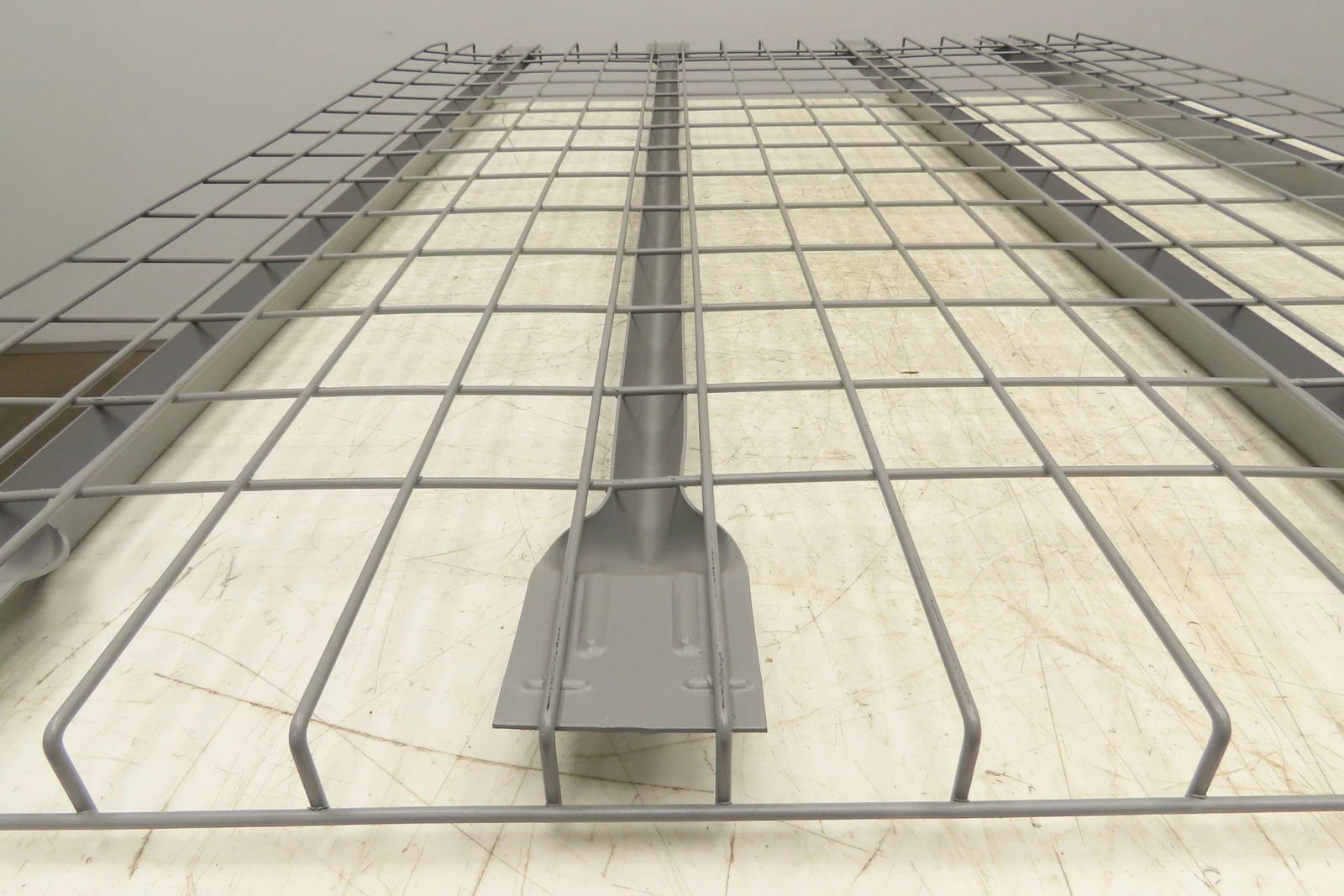
What Are the True Expenses Of Maintaining Storage Units?
Have You Calculated Your Cost Per Unit Accurately?
Calculating your cost per unit isn’t just a number on a spreadsheet; it’s the lifeblood of your operation. Picture a bustling warehouse filled with racking systems stacked to the ceiling, each shelf brimming with product. Now imagine the relief when you finally put the number to paper and see it’s lower than you thought. That savings isn’t just a good feeling; it means you can invest back into your business or have a little extra for the family barbecue.
Every business, whether it’s a small shop or a massive warehouse, has its unique set of expenses—from rent on that prime location to the high utility bills following the busy season. But what often gets overlooked is the cost of each item you handle. Skipping this calculation might feel like a shortcut, but it’s a gamble that could cost you dearly in the long run. Understanding your cost per unit is like checking the oil in your truck before a long haul; it’s a safeguard, an assurance that you’re running smoothly and not heading toward an unexpected standstill.
Take a moment and think about the last time you faced a tight budget. Did you cut corners? Maybe you purchased materials last minute, unaware of how it would affect your overall costs. If you’re not tracking that cost per unit accurately, you may be selling yourself short on profits without even realizing it. Get it right, and suddenly you’re opened up to better pricing strategies and more meaningful engagement with your customers.
Being transparent about your costs builds trust within your team and with your clients. People appreciate honesty. They want to know what they’re paying for and why. Letting them know you’ve done your homework on your costs can elevate your standing in their eyes. It’s not just business; it’s about relationships built on reliability and mutual respect.
Digging into your numbers might not be the most glamorous job at first, but once you start peeling back those layers, you’ll find clarity. This is hands-on work, just like using those racking systems to optimize your storage space. Both demand diligence and foresight. So, take the time. Roll up your sleeves and dive deep into your calculations. The rewards, both in confidence and in profit, will pay off in ways you might not be expecting. Getting it right isn’t just a tick in the box; it’s the foundation upon which you’ll build your success.

Have You Calculated Your Cost Per Unit Accurately?
Have You Calculated Your Cost Per Unit Accurately?
- Calculating cost per unit is essential for business operations.
- Identifying lower costs can lead to reinvestment in the business.
- Every business has unique expenses that should not overlook item costs.
- Missing this calculation can lead to long-term financial consequences.
- Accurate tracking of costs enhances pricing strategies and customer engagement.
- Transparency in costs fosters trust with clients and team members.
- Investing time in calculations leads to clarity and ultimately boosts profits.

Have You Calculated Your Cost Per Unit Accurately?
Conclusion
Calculating the true storage cost per unit is more than just a task; it’s a window into the heart of your operational efficiency and financial health. Each item in a warehouse translates to investments—money, time, and effort from every member of the team. It’s vital to recognize that costs stretch beyond mere rent or shelving. They encompass all related expenses: labor, retrieval time, and the risks of inventory losses. A well-structured, efficiently utilized storage system can mean the difference between thriving and merely surviving in the fast-paced business environment.
Reflect on the daily realities in the warehouse. Picture the satisfaction of smooth operations versus the frustration of misplaced items and crowded aisles. Every dollar spent impacts morale as much as it does profitability. Ethical management of storage costs not only builds transparency but also nurtures trust and loyalty among clients and employees alike. This trust is invaluable, creating a network of support that reinforces community ties. Saving on storage isn’t just about bolstering profits; it’s about reinvesting in local communities, hiring talent, and supporting small businesses.
Taking control of hidden fees often overlooked can lead to significant savings. Initial setup costs, administrative fees, and insurance can inflate your expenses without warning. Being aware of these helps you avoid pitfalls that could strain your budget. Choosing wisely where to store your belongings—negotiating better terms or finding reputable facilities—turns a stressful situation into a manageable one. It’s about armoring yourself with knowledge, empowering you to make decisions that serve your best interests.
Then there’s the emotional toll of managing storage long-term. Many people stuff their units with the past, creating a heavy burden that can weigh down aspirations and clutter future possibilities. A proactive assessment of what you hold dear fosters a sense of purpose and connection within the community while sparking growth. Reflecting on your journey shouldn’t just be an exercise in number-crunching but a step toward clarity and intentional living.
Ultimately, optimizing storage costs is a testament to pride in one’s work and community. The effort put into calculating these costs ensures not just financial health but personal fulfillment and better lives for those around us. Embrace the challenge, dig into the details, and let this journey lead not only to clearer ledgers but to a brighter, more together future.
Conclusion
Conclusion:
- Calculating true storage costs reveals insights into operational efficiency and financial health.
- Warehouse costs include not only rent and shelving but also labor, retrieval time, and inventory loss risks.
- Efficient storage can distinguish between business thriving or merely surviving.
- Ethical management of storage costs fosters transparency, trust, and loyalty among clients and employees.
- Aware of hidden fees like setup costs and insurance can lead to significant savings.
- Proactive assessment of stored items promotes community connection and personal growth.
- Optimizing storage costs contributes to financial health, personal fulfillment, and community well-being.

Conclusion
Other Resources

Other Resources
Here is a list of other resources you can review online to learn more:
- Interlake Mecalux
- Warehouse Storage Racking in Illinois
- The Ultimate Pallet Racking Guide – Speedrack West
- IIWS Inc. Rack Installation Illinois & Rack Repairs Illinois
- ASSP
- American Society of Safety Professionals
- Pallet Racking systems in Illinois and Great Lakes
- Iowa Illinois Warehouse Racking
- Mustang Material Handling
- Pallet Rack Systems – New and Used Pallet Racking and Shelving Experts
- American Surplus
- Chicago Pallet Racking
- Heavy-Duty Cantilever Storage Racks
- What is Selective Racking: Understanding Benefits & Options
- Warehouse Racking System: Powerful Guide to Optimise, 2024
- SEMA
- Warehouse Storage Racks
- Warehouse Racking Systems: Beginner’s Guide to Rack Systems
- BMH Equipment LLC
- Illinois Pallet Racking – Storage Solutions
Use This Prompt To Get More Resources With Your Favorite Online AI Tool: Please provide me with a list of online articles with their URLs in a bulleted list that I can read regarding Calculating True Storage Cost Per Unit

Other Resources
Glossary Terms
Calculating True Storage Cost Per Unit – Glossary Of Terms
1. Absorption Costing: A method that assigns all manufacturing costs to products, including fixed and variable costs.
2. Activity-Based Costing: A costing method that assigns overhead and indirect costs to specific activities related to production.
3. Allocation: The process of distributing costs among different departments or products.
4. Capital Cost: The cost incurred to acquire assets that will benefit the company in future periods.
5. Cost Per Unit: The total cost of production divided by the number of units produced.
6. Depreciation: The reduction in value of an asset over time due to wear and tear or obsolescence.
7. Direct Costs: Expenses that can be directly traced to a specific product or service.
8. Fixed Costs: Expenses that do not change with production volume, such as rent and salaries.
9. Indirect Costs: Costs that are not directly traceable to a specific product, often referred to as overhead.
10. Inventory Valuation: The method used to assign a monetary value to the inventory held by a company.
11. Marginal Cost: The cost added by producing one additional unit of a product.
12. Opportunity Cost: The lost benefit from choosing one option over another.
13. Overhead: Indirect costs associated with manufacturing that cannot be directly linked to the production of goods.
14. Raw Material Cost: The expense associated with purchasing the basic materials needed for manufacturing a product.
15. Return on Investment (ROI): A financial metric used to evaluate the profitability of an investment relative to its cost.
16. Scrap Value: The estimated resale value of an asset at the end of its useful life.
17. Standard Cost: The budgeted or expected cost of producing a product under normal circumstances.
18. Supply Chain Cost: Costs associated with the entire production process, from material acquisition to product delivery.
19. Total Cost: The sum of all costs incurred in the production and distribution of goods.
20. Unit Economics: An analysis of the average revenue and costs per unit sold to determine profitability.
21. Variable Costs: Costs that vary directly with the level of production, such as materials and labor.
22. Cost Allocation Base: A measure used to distribute indirect costs among different cost objects, like products or departments.
23. Break-even Point: The level of production at which total revenues equal total costs, resulting in no profit or loss.
24. Economies of Scale: Cost advantages gained by increasing production levels, leading to lower per-unit costs.
25. Just-in-Time (JIT): An inventory management strategy that aligns production closely with demand to minimize costs.
26. Contribution Margin: The selling price per unit minus variable costs per unit, indicating how much revenue contributes to fixed costs.
27. Life Cycle Costing: The total cost of owning an asset over its entire life, including acquisition, operation, and disposal costs.
28. Financial Audit: An independent examination of financial information to ensure accuracy and compliance with regulations.
29. Cost-Benefit Analysis: A systematic approach to estimating the strengths and weaknesses of alternatives to determine the best option.
30. Demand Forecasting: The process of estimating future customer demand to optimize production and inventory management.

Glossary Of Terms
Other Questions
Calculating True Storage Cost Per Unit – Other Questions
If you wish to explore and discover more, consider looking for answers to these questions:
- What exact costs should be included when calculating true storage cost per unit?
- How do you define a “unit” for cost-per-unit calculations (per SKU, per pallet, per cubic foot)?
- What formula(s) can I use to calculate true storage cost per unit?
- How do fixed vs. variable storage costs affect the per-unit calculation?
- How should rent or lease costs be allocated across units and time?
- How do labor and handling times translate into a per-unit storage cost?
- How do you account for racking systems, shelving, and equipment depreciation?
- How should utilities, security, and facility maintenance be apportioned per unit?
- Which hidden fees (setup, admin, access, late payments, insurance) are most commonly missed?
- How do insurance requirements and premiums impact overall storage cost?
- How do inventory shrinkage, damage, and obsolescence factor into cost-per-unit?
- How do seasonal fluctuations and peak-period surcharges affect long-term costs?
- What role does inventory turnover play in lowering or raising storage costs?
- How do you measure space utilization and convert it into cost savings per unit?
- What metrics and KPIs should businesses track to monitor true storage costs?
- How can racking and layout optimization reduce cost per unit, and what are typical ROI timelines?
- When is it better to expand existing space versus outsourcing to third-party warehousing?
- How do you compare self-storage, leased warehouses, and 3PL providers on a cost-per-unit basis?
- How should capital investments (racking, forklifts) be amortized in cost calculations?
- What software tools or spreadsheets are recommended for accurate cost-per-unit modeling?
- How often should cost-per-unit be recalculated and reviewed?
- How do taxes, permits, and regulatory compliance costs factor into per-unit storage cost?
- What negotiation tactics can reduce hidden fees in storage contracts?
- How do sustainability initiatives (reduced packaging, recycling) impact long-term storage costs?
- How should costs be allocated for mixed-use spaces or multi-client warehouses?
- What are common accounting treatments for storage-related expenses?
- How can you estimate the emotional or opportunity costs associated with stored goods?
- Which best practices reduce labor time spent retrieving and replenishing inventory?
- How can benchmarking against industry averages help validate your cost-per-unit?
- What case studies or examples illustrate dramatic cost savings from storage optimization?
- How do safety incidents, insurance claims, and downtime influence long-term storage costs?
- How should donations, disposals, or liquidation of stored goods be factored into cost analysis?
- What training or process changes yield the highest cost-per-unit reductions?
- How do you build a business case for investing in new racking systems or automation?

Other Questions
Checklist
Calculating True Storage Cost Per Unit – A Checklist
Define Scope and Unit
✅______ Define the storage objective (overflow, fulfillment, long-term, archive).
✅______ Select the unit of measure for costing (per pallet, per case, per SKU, per cubic foot).
✅______ Set the costing period (weekly, monthly, quarterly).
✅______ Choose the allocation basis (units, cube, weight, dwell time).
Inventory and Demand Profile
✅______ Classify SKUs by velocity (ABC) and access frequency.
✅______ Calculate average days on hand by SKU or class.
✅______ Identify slow movers, obsolete items, and excess stock.
✅______ Map seasonality and peak and valley volumes.
Space and Equipment
✅______ Measure usable cubic capacity and current occupancy rate.
✅______ Verify racking configuration, weight limits, and vertical utilization.
✅______ Record racking purchase or lease costs, depreciation, and financing costs.
✅______ Include equipment maintenance, inspections, and repair budgets.
Facility and Overhead
✅______ Capture rent or lease or mortgage costs.
✅______ Include utilities (electricity, HVAC, lighting, water).
✅______ Add property taxes, CAM charges, and security monitoring.
✅______ Include cleaning, pest control, and waste removal.
✅______ Account for climate control surcharges where applicable.
Labor and Process
✅______ List roles and fully loaded rates (wages, benefits, payroll taxes).
✅______ Time key tasks: receiving, putaway, picking, cycle counting, replenishment.
✅______ Include administrative and inventory control time.
✅______ Quantify time lost to searching, congestion, or rework.
✅______ Track injury and incident downtime and associated costs.
Systems and Materials
✅______ Include WMS and ERP licenses, scanners, labels, and integrations.
✅______ Add packaging materials, pallets, dunnage, and consumables.
✅______ Include IT support and hardware depreciation.
Risk, Shrink, and Quality
✅______ Record shrinkage (loss and theft), damage, and spoilage rates.
✅______ Include obsolescence write-downs and returns handling.
✅______ Add insurance premiums and deductibles.
✅______ Include compliance, training, PPE, and safety inspections.
External Storage and Hidden Fees (for third-party or self-storage)
✅______ Setup and onboarding fees and administrative fees.
✅______ Mandatory insurance markups versus independent coverage.
✅______ Access and after-hours fees and visit limits.
✅______ Rate escalators after promotional periods.
✅______ Late payment penalties and lock or rekey fees.
✅______ Move-in and move-out, cleaning, or disposal charges.
Throughput and Flow
✅______ Measure pick path length, travel time, and touches per order.
✅______ Slot fast movers in first-access locations.
✅______ Balance density and accessibility for each SKU class.
✅______ Verify dock, staging, and cross-dock constraints.
Opportunity and Intangible Costs
✅______ Quantify the opportunity cost of space (alternative-use value).
✅______ Capture detention and demurrage from staging delays.
✅______ Consider team morale, stress from disorganization, and reputation impact.
✅______ Evaluate environmental costs and recycling or reuse options.
Data Sources and Cadence
✅______ Pull ledger data for all cost categories for the period.
✅______ Extract average on-hand units and cube by SKU or class.
✅______ Validate with cycle counts and physical audits.
✅______ Set monthly review and quarterly deep dive.
Core Calculations
✅______ Total Period Storage Cost = Facility + Equipment + Labor + Systems + Materials + Utilities + Insurance + Taxes and Fees + Shrink and Damage + Obsolescence + Compliance and Safety + External and Hidden Fees + Financing – Recoveries.
✅______ Average Units Stored = time-weighted average inventory units (or cube-adjusted units).
✅______ Storage Cost per Unit per Period = Total Period Storage Cost ÷ Average Units Stored.
✅______ Storage Cost per Unit per Day = Storage Cost per Unit per Period ÷ days in period.
✅______ Allocated Storage Cost per Shipped Unit = Storage Cost per Unit per Day × average days on hand (by SKU or class).
✅______ Perform sensitivity tests at low, medium, and high occupancy and productivity.
Action and Optimization
✅______ Remove or liquidate obsolete or slow-moving stock; donate where viable.
✅______ Re-slot inventory and standardize locations and labels.
✅______ Increase vertical utilization safely; right-size aisles and bays.
✅______ Streamline pick paths; reduce touches with batch or wave processing as needed.
✅______ Negotiate leases, insurance, and vendor terms; lock rates where prudent.
✅______ Schedule preventive maintenance for racking and MHE.
✅______ Track KPIs: occupancy percentage, cost per unit, damage rate, pick rate, and dwell time.
Sign-Off
✅______ Document assumptions and methods.
✅______ Share results with stakeholders for transparency and alignment.
✅______ Set targets and the next review date.

Checklist
At RackingWorld, we help guide you through selecting warehouse storage systems and racking.
Be sure to read our other related stories at RackingWorld to learn more about warehouse storage systems.
0 Comments