
Maximizing Value And Practicality In Outdoor Storage Solutions
By Tom Seest
At RackingWorld, we help guide you through selecting warehouse storage systems and racking.
Be sure to read our other related stories at RackingWorld to learn more about warehouse storage systems.
Buying Used Racks for Outdoor Storage: What to Know
Buying used racks for outdoor storage might seem like just another task on your never-ending to-do list, but let’s take a pause and really ponder what this decision could mean for you, your space, and the environment. Every time you opt for a pre-owned storage solution, you’re doing more than just saving a few bucks—you’re joining a movement towards sustainability and wise resource management.
Now, let’s get into the nitty-gritty. Racking systems are the backbone of organization, and when you’re hunting for used racks, consider what they bring to your garden shed, garage, or outdoor workspace. The right rack can transform chaos into order, giving your tools and supplies a proper home. Imagine walking into your space to find everything neatly arranged, easy to find, and ready for action. It saves you time, and let’s be honest, saves you from that gut-wrenching frustration when you can’t find what you need, when you need it.
But here’s where the heart of this decision really lies. Buying used isn’t just about the dollars and cents; it’s about making a conscious choice that benefits us all. When you choose to refurbish and reuse, you’re taking a stand against the throwaway culture that has permeated our society. You’re saying, “I see value in things that others might overlook.” And that’s not just smart; it’s ethical. That racking system you buy from a local business or a private seller is not just a piece of metal; it’s a story—one that you get to write with every item you store on it.
And let’s not forget about community. When you invest in used racks, you’re supporting a local economy. Each transaction builds connections that enrich your life and the lives of those around you. Perhaps you’ll strike up a conversation with the previous owner, learning about the history of that rack—its adventures in his or her garage, the family projects completed because of it, and maybe even a few tips on best practices for care and maintenance.
So as you step into this venture, remember: you’re not just buying racks; you’re opting for smart, sustainable choices that uplift our shared values and foster connections. Now that’s worth every penny.
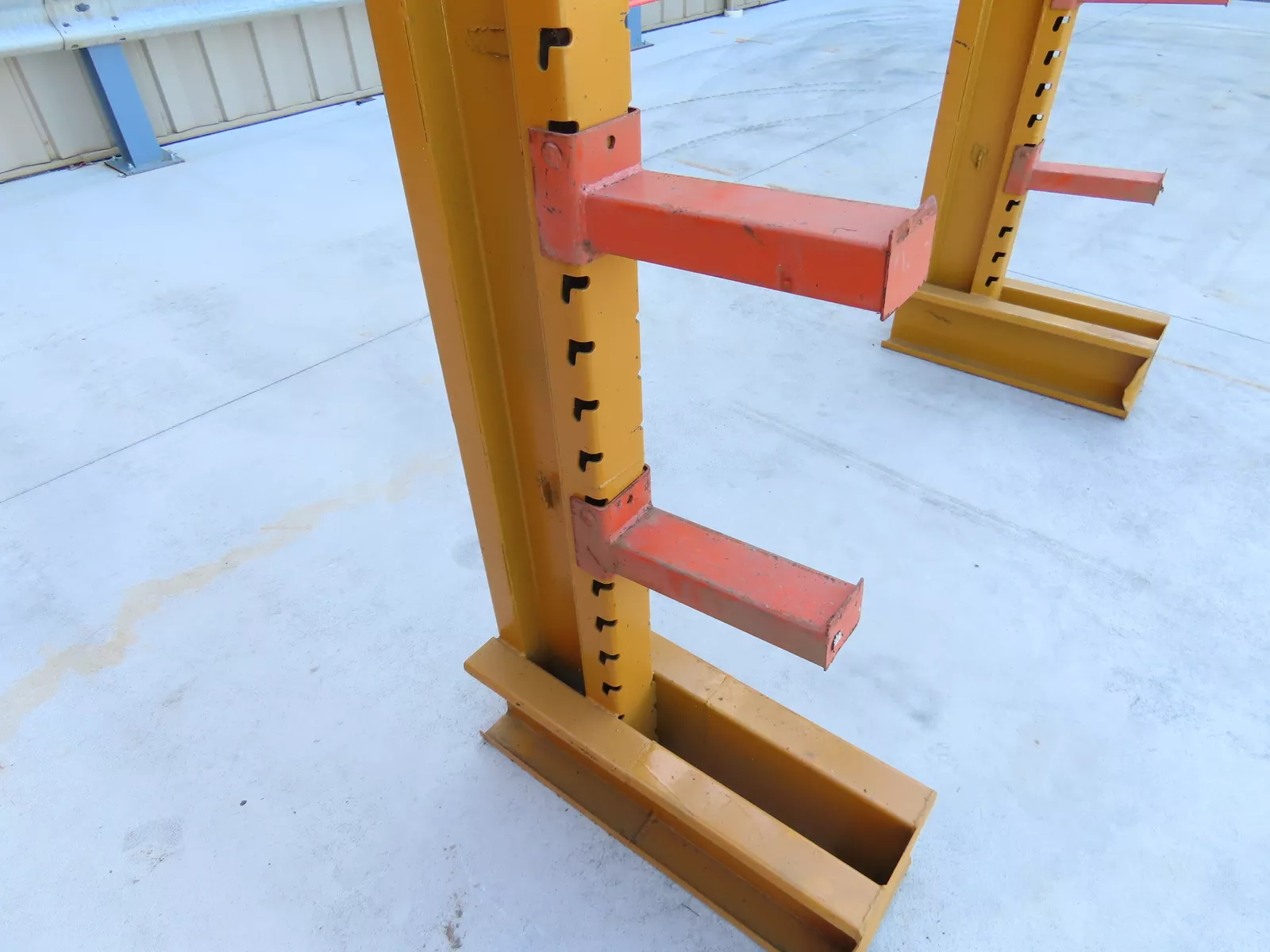
Buying Used Racks for Outdoor Storage: What to Know
Buying Used Racks for Outdoor Storage: What to Know
- Buying used racks for outdoor storage promotes sustainability and resource management.
- Used racking systems help organize spaces like sheds and garages, saving time and reducing frustration.
- Opting for pre-owned storage solutions reflects an ethical stance against throwaway culture.
- Purchasing used racks allows you to see value in items others might overlook.
- Each used rack has a unique history and story, enhancing its value beyond mere function.
- Investing in used racks supports local economies and fosters community connections.
- This decision enriches your life while contributing to shared values and sustainability efforts.
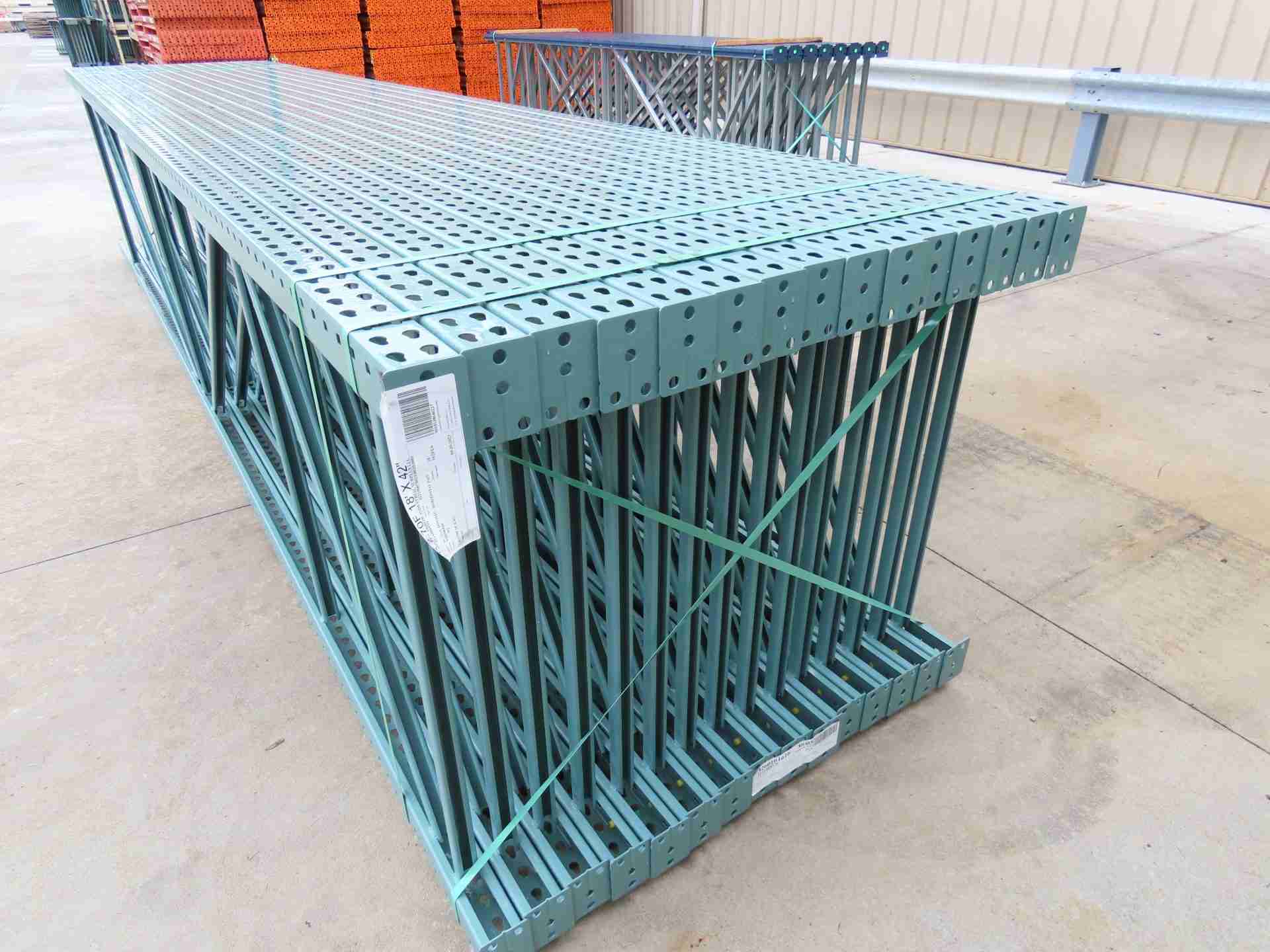
Buying Used Racks for Outdoor Storage: What to Know
Table Of Contents
- Buying Used Racks for Outdoor Storage: What to Know
- What Are the Hidden Risks Of Buying Used Outdoor Storage Racks?
- How Can You Ensure the Quality Of Used Racks You Consider?
- What Are the Top Ethical Considerations When Buying Second-Hand Racks?
- How Does the Condition Of a Used Rack Affect Long-Term Costs?
- How Can Purchasing Used Racks Benefit the Environment?
- Conclusion
- Other Resources
- Glossary Of Terms
- Other Questions
- Checklist
What Are the Hidden Risks Of Buying Used Outdoor Storage Racks?
When you set out to buy used outdoor storage racks, it’s easy to think you’re scoring a deal. After all, who doesn’t appreciate smooth savings and grit when it comes to home organization? But let’s take a moment to peel back the layers of that bargain and look for the hidden risks lurking beneath the surface.
First, there’s the emotional weight of purchasing something that may carry more than just the burden of rust. You see, racks are meant to support your dreams—whether that’s your beloved garden tools, a collection of camping gear, or even seasonal decorations. Imagine the disappointment when you realize that a seemingly sturdy rack can’t hold what’s important to you because it’s compromised. It’s like trusting a shaky ladder to take you to the top.
From a rational standpoint, think about wear and tear. Racking systems aren’t impervious to time and elements. When acquiring a used item, you might be bringing home more than you bargained for: weak welds, unseen corrosion, or even improperly rated weight limits can come along for the ride. It’s vital to ask not just about the price but about the story of that rack—its history, how it’s been used, and the conditions it’s endured.
Ethically speaking, the secondhand market can often feel like the Wild West—full of opportunities but equally swamped with potential pitfalls. You deserve to purchase responsibly, supporting sellers who value integrity and transparency about their equipment. Always be sure to collect as much information as possible; the more informed you are, the less likely you are to fall into the trap of hidden risks.
Consider the authority of those who’ve tread this path before you. There’s a wealth of wisdom out there, from online forums to local trade groups. Tap into that collective experience and arm yourself with advice—just because someone is selling doesn’t mean you have to buy.
Finally, let’s not underestimate the social aspect. Your friends and family might chime in, urging you to invest in quality over quantity. Remember, the goal is to create a safe, organized space for the things you cherish. A little caution in your quest can result in a reliable storage solution that lasts. You’ll foster trust in your choices and confidence in your decision-making. So, before you commit, take a breath, and ensure that rack is truly ready to stand tall for you.
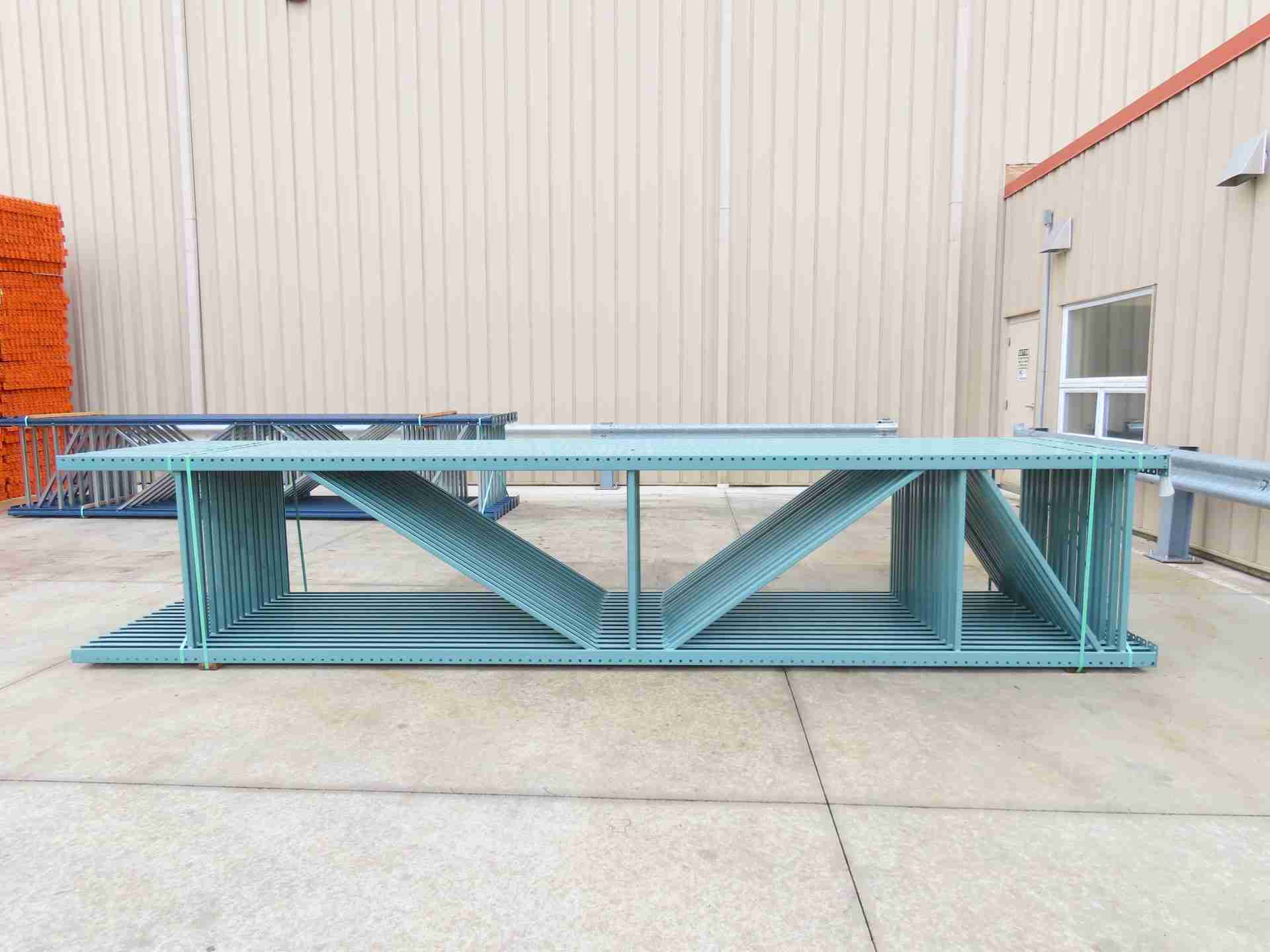
What Are the Hidden Risks Of Buying Used Outdoor Storage Racks?
What Are the Hidden Risks Of Buying Used Outdoor Storage Racks?
- Buying used outdoor storage racks may seem like a good deal but involves hidden risks.
- Emotional attachment to what the rack will hold can lead to disappointment if it fails.
- Wear and tear issues may include weak welds, corrosion, and unsafe weight limits.
- It’s crucial to inquire about the rack’s history and its previous conditions.
- Support ethical sellers who prioritize transparency in their products.
- Utilize resources such as online forums and local trade groups for informed decisions.
- Prioritize quality over quantity to create a safe and organized space for your belongings.
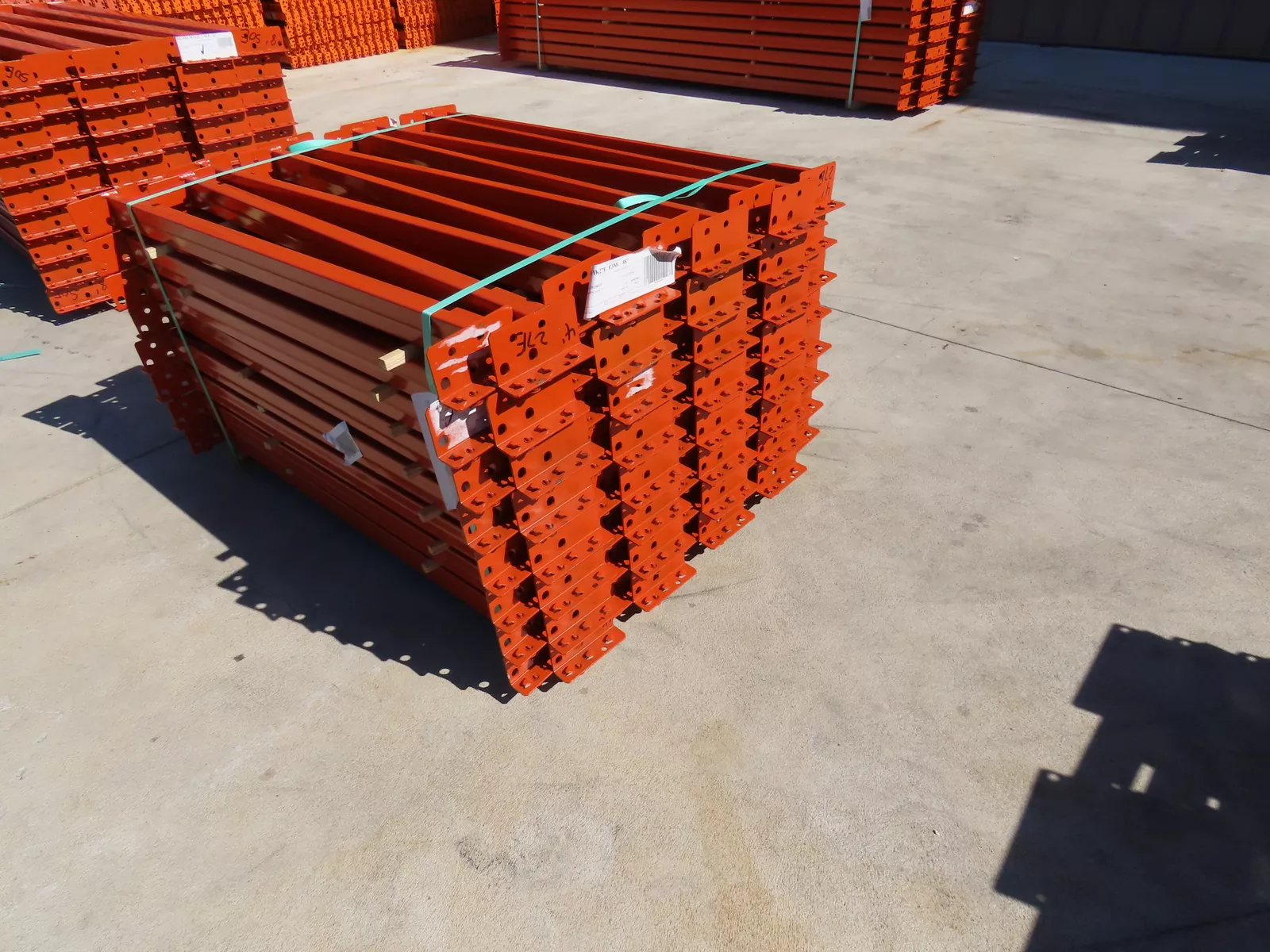
What Are the Hidden Risks Of Buying Used Outdoor Storage Racks?
How Can You Ensure the Quality Of Used Racks You Consider?
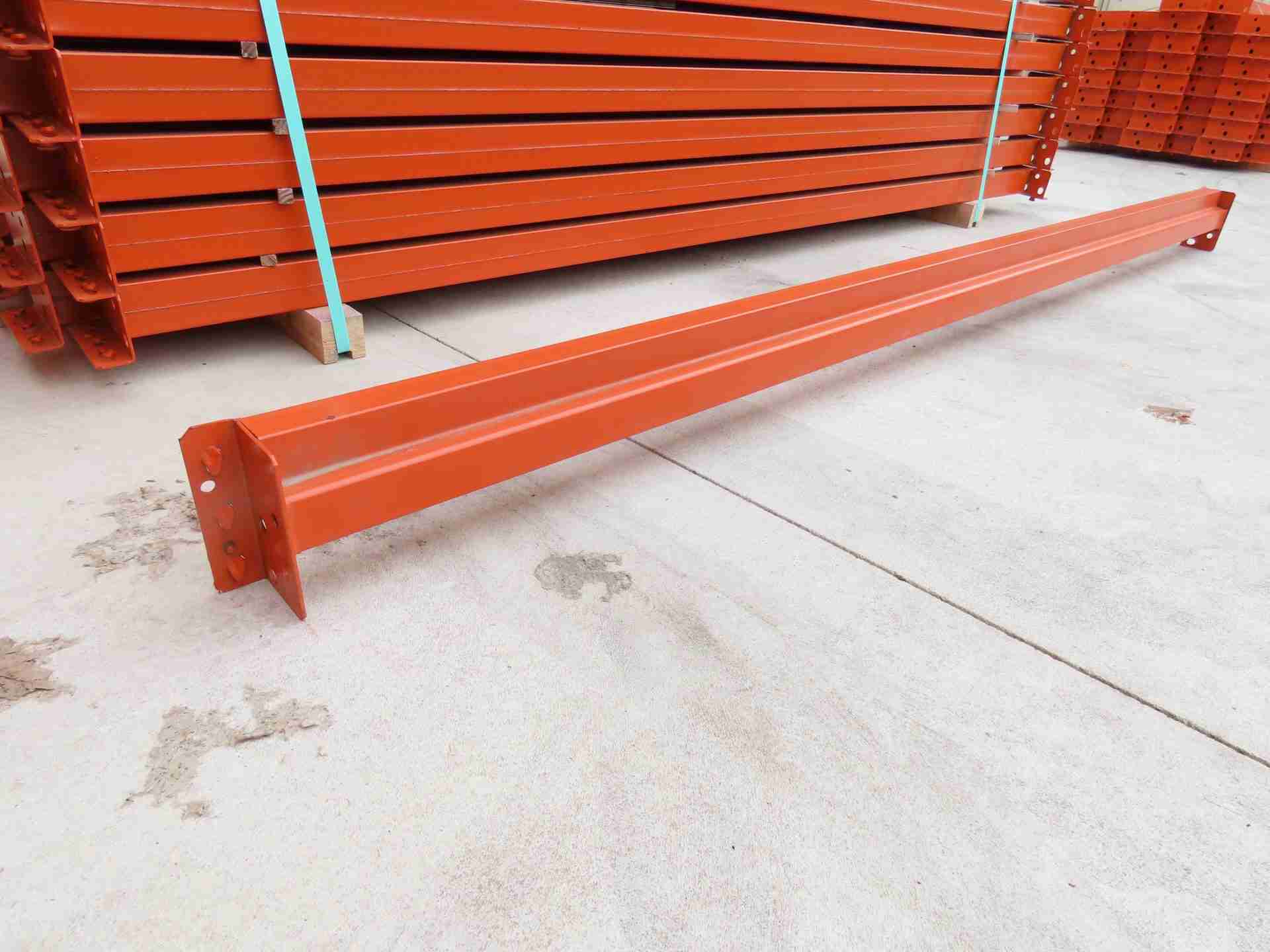
When it comes to acquiring used racking systems, understanding quality isn’t just about assessing metal and joints; it’s about knowing the heartbeat of your operation. Picture this: each rack is not merely a structure that holds goods; it represents the very foundation of your business. Rooted in every beam and bolt is the potential to enhance efficiency, drive progress, and protect your workforce. So, how do you ensure you’re choosing racking that will stand tall for years to come?
First, let’s engage your head with a bit of rationality. Look for a seller who’s straightforward about their racking’s history. Ask questions about its previous life—how long it stood in service, what loads it carried, and whether it was subject to wear and tear. Reliable vendors shouldn’t just hand you a price tag; they should offer a clear narrative. An honest seller will share stories of its past, acknowledging any repairs or refurbishments.
Now, consider this from an ethical perspective: Who are you buying from? Trustworthy companies prioritize safety over profit. They’ll provide certifications or inspections, ensuring their racking meets industry standards. A responsible vendor doesn’t just sell—you’re entering a partnership where both sides are committed to upholding safety and quality. This connection fosters a sense of community among businesses; you’re not just a transaction; you’re a member of a larger effort to uphold integrity in your industry.
Let’s tap into your gut feeling. Picture the chaos of a collapsible rack under heavy load—misfortune is never an option in our line of work. Great racking keeps your product secure and your employees safe. So when you look at those used racks, envision the consequences; ask yourself if you’re really willing to gamble on anything less than reliable.
Finally, lean on the power of authority. Seek testimonials or case studies from previous customers. If others in your industry speak highly of the racking you consider, this gives weight to your decision, reinforcing confidence in what you choose.
Purchasing used racking isn’t just about ensuring it can hold up your inventory; it’s about safeguarding your employees, your bottom line, and your reputation. Make the choice to invest in quality, and you’ll not only elevate your operation but also foster a culture of respect for those who depend on you.
How Can You Ensure the Quality Of Used Racks You Consider?
How Can You Ensure the Quality Of Used Racks You Consider?
- Understanding used racking systems involves knowing their role in your business, enhancing efficiency and workforce safety.
- Choose sellers who provide clear histories of racking, including service duration and past loads carried.
- Ethics matter; prioritize vendors who focus on safety, providing certifications and inspections to meet industry standards.
- Consider the long-term impact of used racking on safety and reliability; avoid risky, unreliable options.
- Seek testimonials from previous customers to reinforce confidence in your purchasing decision.
- Investing in quality racking elevates operations while safeguarding employees and enhancing your business reputation.
- A commitment to integrity fosters a sense of community among businesses when buying and selling racking systems.
How Can You Ensure the Quality Of Used Racks You Consider?
What Are the Top Ethical Considerations When Buying Second-Hand Racks?
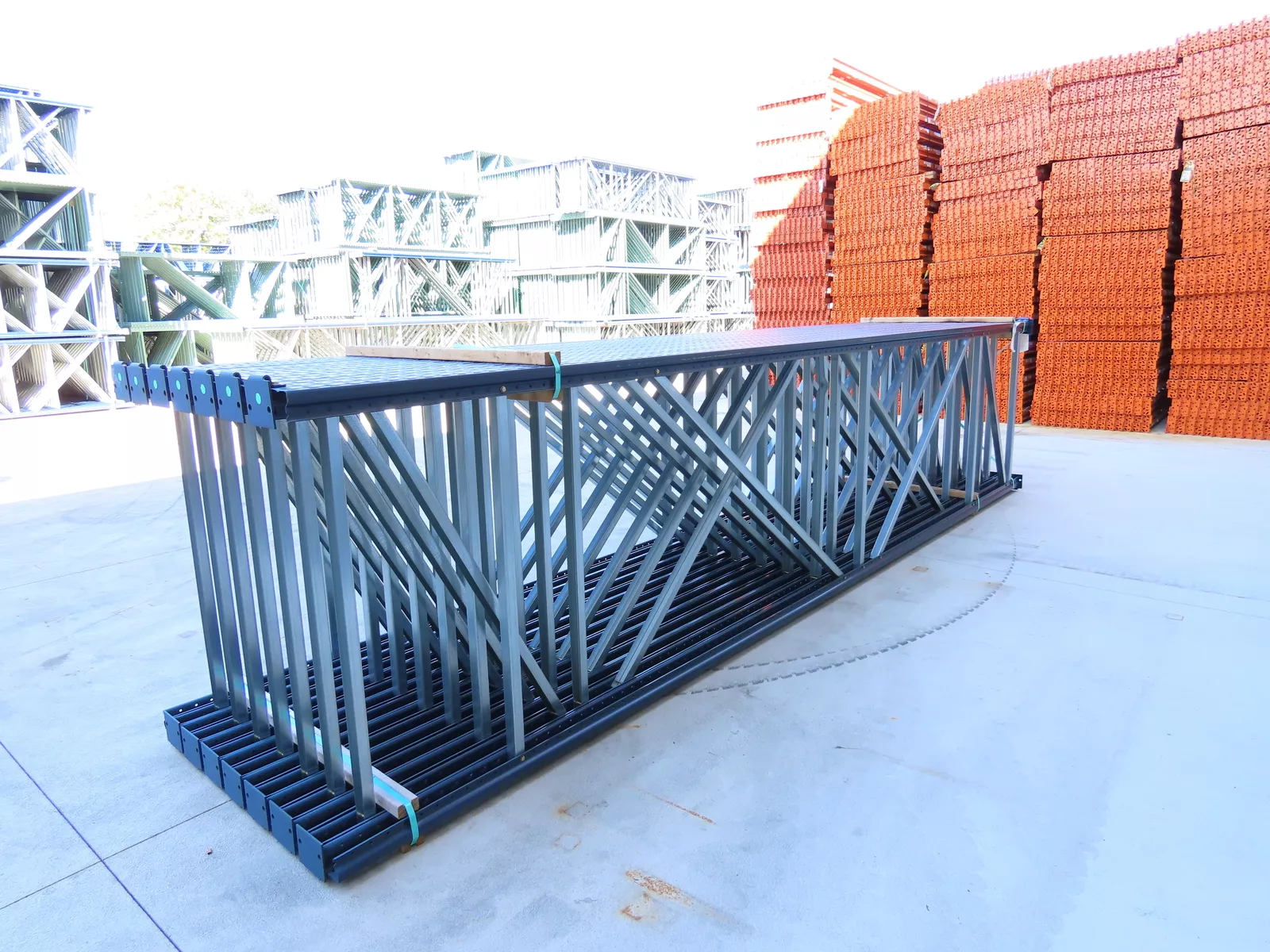
When it comes to buying second-hand racks, the decision isn’t merely transactional; it’s deeply woven into the fabric of responsible consumerism. Have you ever considered how your choices ripple through your community? Purchasing second-hand racking can be both an eco-conscious act and a statement about values that matter. Here’s where the ethical considerations come into play, touching our hearts, provoking thought, and stirring our instincts.
First off, think about sustainability. In a world wrestling with excess waste, every piece of used racking you choose is one less item sprawling in a landfill. This choice reflects a commitment to reducing the footprint of your business—showcasing your values as someone conscientious about environmental impact. It resonates with those who understand that every rack, every tool, and every material can be repurposed, giving new life to something that may have seemed destined for obsolescence.
Now, consider the financial angle. New racking solutions can be a hefty investment. By choosing second-hand options, you open the door to savings that can be reinvested back into your business—or better yet, shared with your employees or community. This rational perspective on cost-effectiveness should prompt you to question: why pay more for new when quality used options can provide the same functionality?
Ethically speaking, you’re also participating in a broader ecosystem. Buying second-hand often means supporting small businesses or local vendors. This goodwill fosters connections among people and enriches the social fabric of your community. You’re not just buying a rack; you’re collaborating with fellow entrepreneurs, upholding the spirit of a shared economy, and affirming that mindful choices can lead to collective benefits.
Then, let’s talk trust. Engaging with a reputable seller of second-hand racking isn’t just a matter of checking a box; it’s about forming a partnership. Know who you’re buying from. Community reputation matters—consider reaching out to previous buyers or reading reviews. When you buy from someone who prioritizes quality and transparency, you align your values with theirs, building a solid foundation of trust.
Ultimately, the choice to buy second-hand racks is more than just about acquiring a physical object. It’s about making an emotional investment in the future—a future shaped by environmentally friendly decisions, ethical business practices, and community support. So next time you consider purchasing racking, remember that your decision, big or small, holds power. Make it count.
What Are the Top Ethical Considerations When Buying Second-Hand Racks?
What Are the Top Ethical Considerations When Buying Second-Hand Racks?
- Buying second-hand racks is more than a transaction; it reflects responsible consumerism.
- Purchasing second-hand racking promotes sustainability by reducing waste and landfill contributions.
- Choosing used racking demonstrates a commitment to environmental impact and repurposing materials.
- Second-hand options offer significant cost savings, allowing reinvestment in your business or community.
- Buying used racks supports small businesses and local vendors, enhancing community connections.
- Establishing trust with reputable sellers fosters partnerships and aligns values in transactions.
- The decision to buy second-hand is an emotional investment in a more sustainable and ethical future.

What Are the Top Ethical Considerations When Buying Second-Hand Racks?
How Does the Condition Of a Used Rack Affect Long-Term Costs?
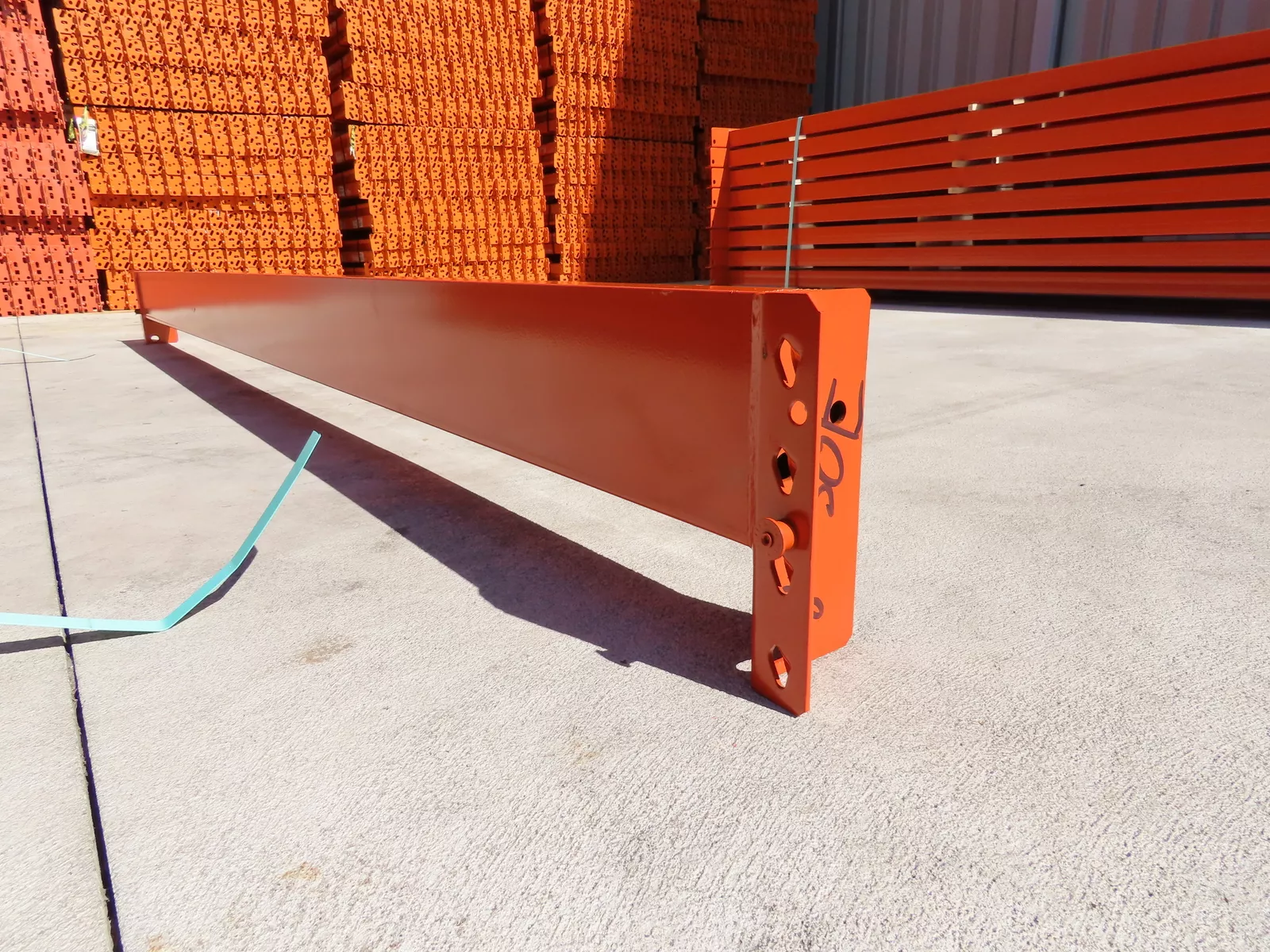
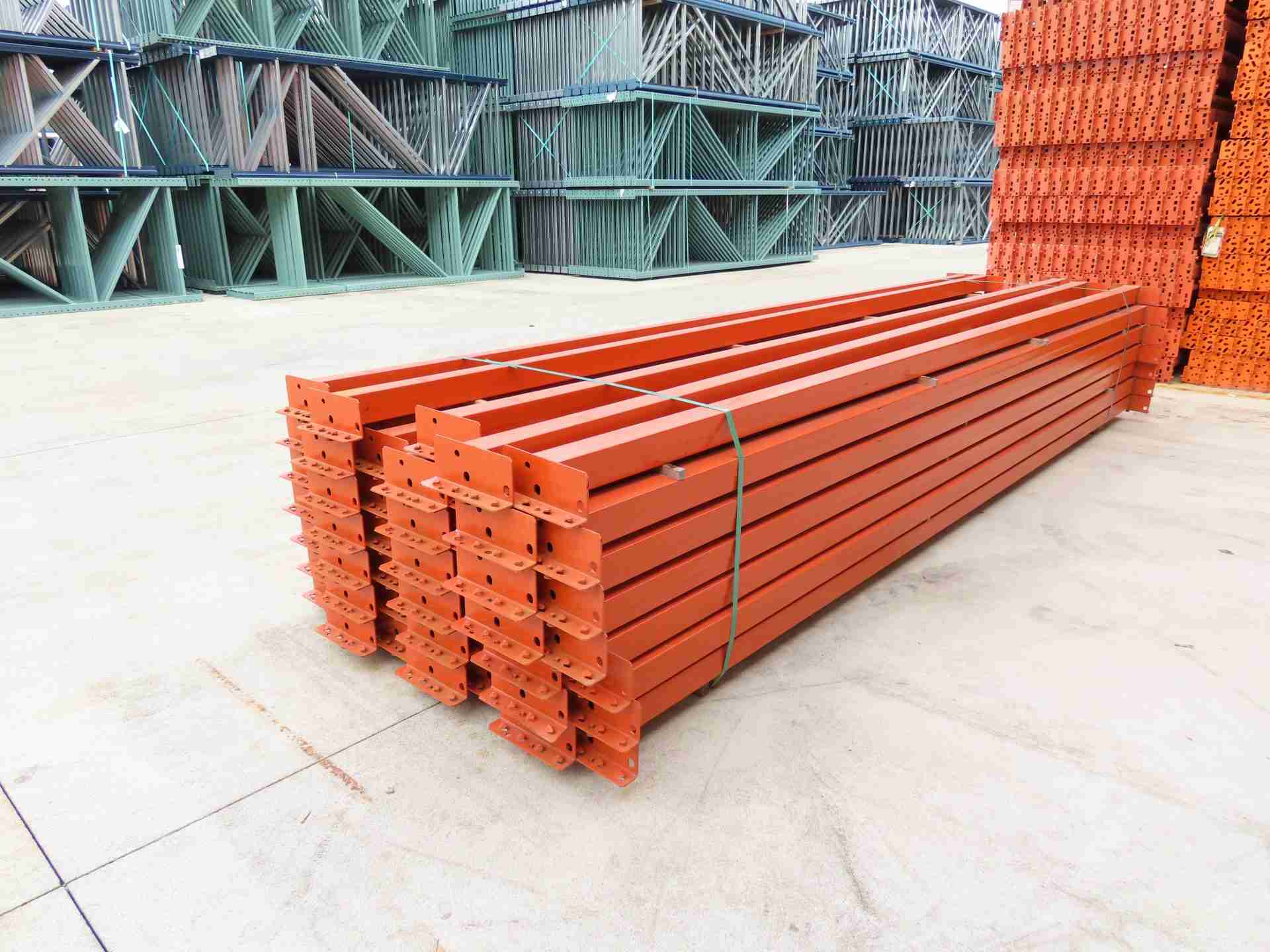
When you step into a warehouse lined with towering metal racking, it’s easy to overlook the silent sentinels that support the logistical ballet of our economy. But the condition of that racking matters more than you might think. It’s not just about holding boxes of widgets; it’s about the safety, efficiency, and financial health of your operation. Imagine the consequences of a poorly maintained rack collapsing under a heavy load, a scenario nobody wants to envision, yet one that can dramatically inflate your long-term costs.
Ethically, investing in racking that’s seen better days diminishes not just your bottom line but the well-being of your employees. Each dent and rust spot tells a story—stories of neglect, of cost-cutting measures that could leave your team in harm’s way. A safe and sturdy racking setup is a commitment to your crew and your business. It’s about creating a culture of care—one where every worker deserves a secure environment to do their jobs, fostering loyalty and morale.
From a practical standpoint, worn-out racking means more frequent repairs and replacements, not to mention potential fines for safety violations. Your head knows that every penny spent on deferred maintenance is a dollar added to the bottom line down the road. And let’s face it—the appeal of shiny, new racking might tempt your heart, but it’s the wisdom of investing in the right equipment that will keep the wheels of your operation turning smoothly.
Consider the narrative here: a well-maintained racking system doesn’t just hold products; it holds your business together. Each shelf, each bolt, is a thread in the fabric of your operation. Think about the camaraderie forged among teams working safely and efficiently. The racking you choose becomes a silent partner in your mission, echoing your commitment to quality and reliability.
By opting for used but well-cared-for racking, you’re not just saving upfront; you’re telling a story of mindful stewardship and responsibility. You’re showing your coworkers—and your customers—that you value quality, safety, and sustainability. It’s about more than just racking; it’s about building a legacy rooted in trust, compassion, and an unwavering commitment to excellence. Every intelligent decision in this space contributes to not just your success, but the health of the industry as a whole.
How Does the Condition Of a Used Rack Affect Long-Term Costs?
How Does the Condition Of a Used Rack Affect Long-Term Costs?
- The condition of warehouse racking is crucial for safety, efficiency, and financial health.
- Neglecting racking maintenance can lead to dangerous collapses and inflated long-term costs.
- Investing in reliable racking reflects a commitment to employee wellbeing and a safe work environment.
- Worn-out racking leads to more repairs, potential safety fines, and increased operational costs.
- A well-maintained racking system supports business functionality and team morale.
- Choosing used but well-cared-for racking promotes sustainability and responsible stewardship.
- Smart racking investments contribute to individual success and the overall health of the industry.
How Does the Condition Of a Used Rack Affect Long-Term Costs?
How Can Purchasing Used Racks Benefit the Environment?
When you think about racking, what often comes to mind? Steel beams neatly arranged to hold weight, right? But behind those cold metal structures lies a story that’s worth your time—and your conscience. Buying used racking isn’t just a savvy business decision; it’s a meaningful choice, one that contributes to a healthier planet.
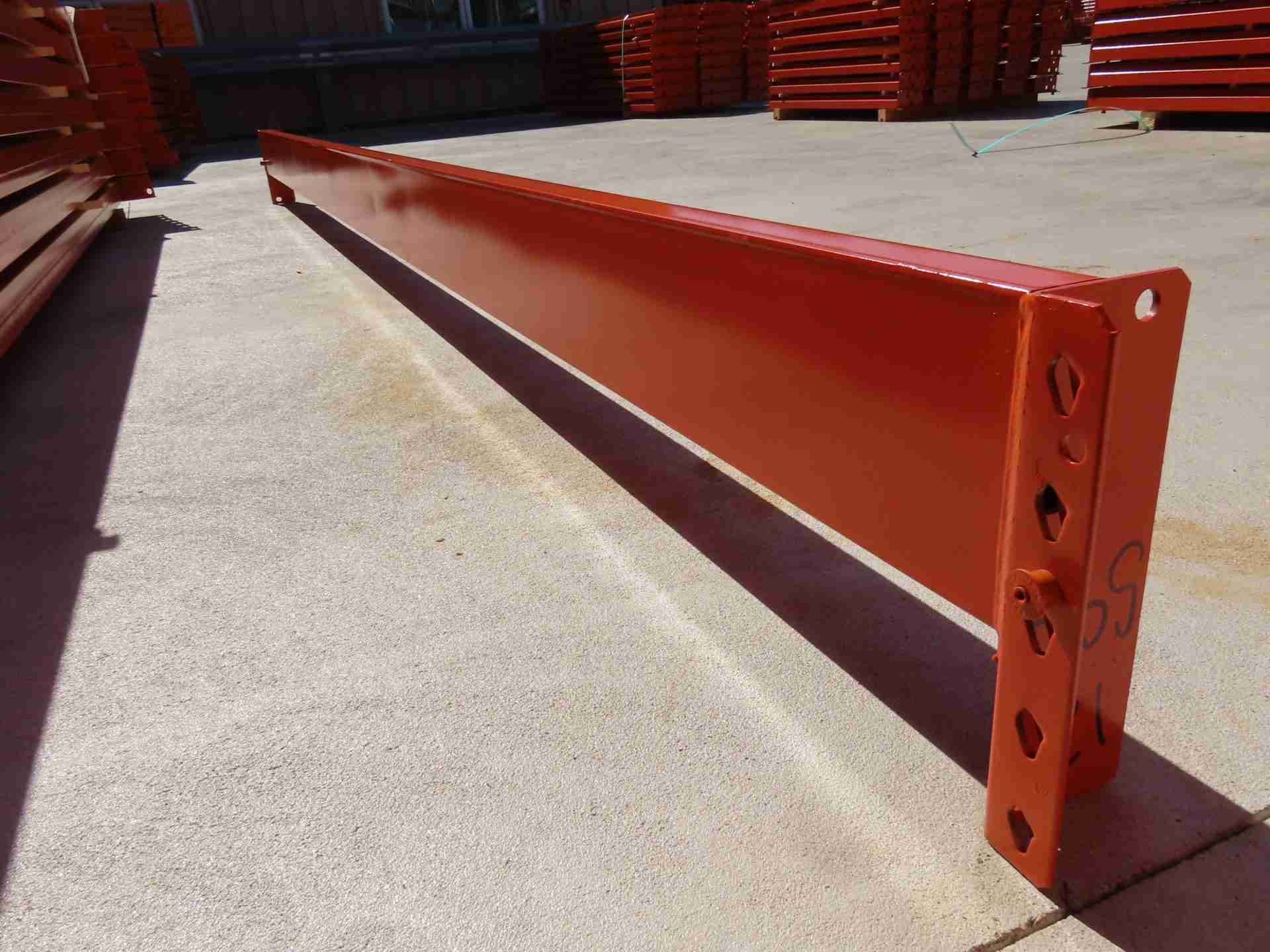
Imagine a world where every warehouse, factory, and retail space not only operates efficiently but does so with an eye toward sustainability. When you opt for pre-owned racking systems, you’re diverting materials from landfills and reducing the demand for new resources. This isn’t just about dollars and cents; it’s about preserving the earth’s finite resources for future generations. You can feel good about your purchasing choices, knowing that you’re participating in a cycle of reuse and reclamation that echoes the values of responsibility and stewardship.
Let’s engage the brain for a moment: the production of new racking systems involves significant energy consumption and raw materials—think about the carbon footprint of manufacturing. By choosing used racking, you’re taking a stand against wastefulness and overconsumption. Each metal beam you choose to repurpose carries a history, a purpose, and a chance for a new lease on life. You’re not just buying steel; you’re embracing an innovative approach to resource management.
But this isn’t just a cerebral issue—it’s also a matter of ethics and social responsibility. As consumers become more aware of environmental issues, there’s a growing expectation for businesses to lead the charge. By investing in used racking, you’re making a statement to your customers and the community: you care about the planet and are willing to take actionable steps toward sustainability. It’s an idea worth rallying around, one that builds trust and credibility in your brand.
And here’s a story worth sharing: countless businesses have made the switch to used racking and found not only financial savings but also a renewed sense of purpose. Picture a small business owner pouring every penny into their venture, struggling to make ends meet but still keeping sustainability at the core of their mission. Each piece of racking they buy used not only saves money but reinforces their commitment to protecting the environment. Their success becomes a beacon of hope, inspiring others to follow suit.
Invest in used racking. It’s an opportunity to improve your business while leaving a positive mark on the planet. Join the ranks of those who believe that every choice counts—because it truly does.
How Can Purchasing Used Racks Benefit the Environment?
How Can Purchasing Used Racks Benefit the Environment?
- Buying used racking promotes sustainability and contributes to a healthier planet.
- Pre-owned racking systems reduce waste by diverting materials from landfills and lessening the demand for new resources.
- Choosing secondhand racking reflects responsible resource management and preserves finite resources for future generations.
- The production of new racking systems has a significant carbon footprint, making used racking a more eco-friendly choice.
- Investing in used racking demonstrates ethical business practices and social responsibility to customers and the community.
- Many businesses experience financial savings and a renewed commitment to sustainability by switching to used racking.
- Every purchasing decision counts; investing in used racking positively impacts both business and the environment.
How Can Purchasing Used Racks Benefit the Environment?
Conclusion
When it comes to buying used racks for outdoor storage, this choice isn’t just a functional one—it’s a powerful statement that reverberates through your life, your community, and the planet. Think about it: every time you opt for pre-owned over brand new, you’re stepping into a larger story, one that’s driven by sustainability and conscious consumerism. This isn’t merely about saving money; it’s about making a statement against a culture of disposability.
When you bring home that second-hand rack, you are not just acquiring a piece of metal; you’re adopting its history. You’re embracing the tales of past projects and the hidden craftsman’s touch that went into its making. This connection fosters a sense of ownership and responsibility, enriching your experience and making your storage space more than just organized chaos—it becomes an ode to mindful living.
However, the critical aspect of this journey involves understanding the inherent risks. Just as you wouldn’t trust a shaky ladder to take you to new heights, you shouldn’t rush into buying used racks without evaluating their condition. Unseen structural issues can lead not only to wasted money but also, more gravely, to safety hazards. It requires a keen eye and a willingness to ask tough questions about the rack’s backstory. Seek transparency, seek quality, and align with sellers who prioritize safety, as your choices don’t just impact your finances—they also safeguard the well-being of your family and coworkers.
This is where the emotional weight of this decision becomes stark. You aren’t just supporting your own endeavors; you’re uplifting local businesses and contributing to a community stitched together by ethical choices. Every rack purchased translates to a vote for the local economy and a step towards sustainable practices that echo across generations.
Finally, the environmental impact of buying used can’t be overstated. By choosing to give pre-owned items a new life, you’re actively participating in a cycle of reclamation and responsibility. It’s not just about your immediate needs but contributing to a larger narrative about valuing our planet’s finite resources. You’re part of a movement that seeks to redefine consumer habits—where sustainability isn’t an afterthought, but the framework upon which we build our lives and businesses.
So, as you navigate the world of used racks, remember you’re not just making a transaction; you’re making a choice. A choice to embrace value, to foster community, and to respect our shared environment. Every decision matters, and this one, my friends, is well worth the effort.
Conclusion
Conclusion:
- Buying used racks for outdoor storage is a powerful statement tied to sustainability and conscious consumerism.
- Opting for pre-owned items reflects a commitment to countering a culture of disposability.
- Purchasing second-hand racks connects you to their history and craftsmanship, enhancing your ownership experience.
- Evaluate the condition of used racks carefully to avoid safety hazards and wasted money.
- Support local businesses and contribute to a community driven by ethical consumer choices.
- Choosing pre-owned items promotes a sustainable lifestyle and helps conserve finite resources.
- Your decision to buy used racks is not just a transaction; it’s a commitment to value, community, and environmental respect.
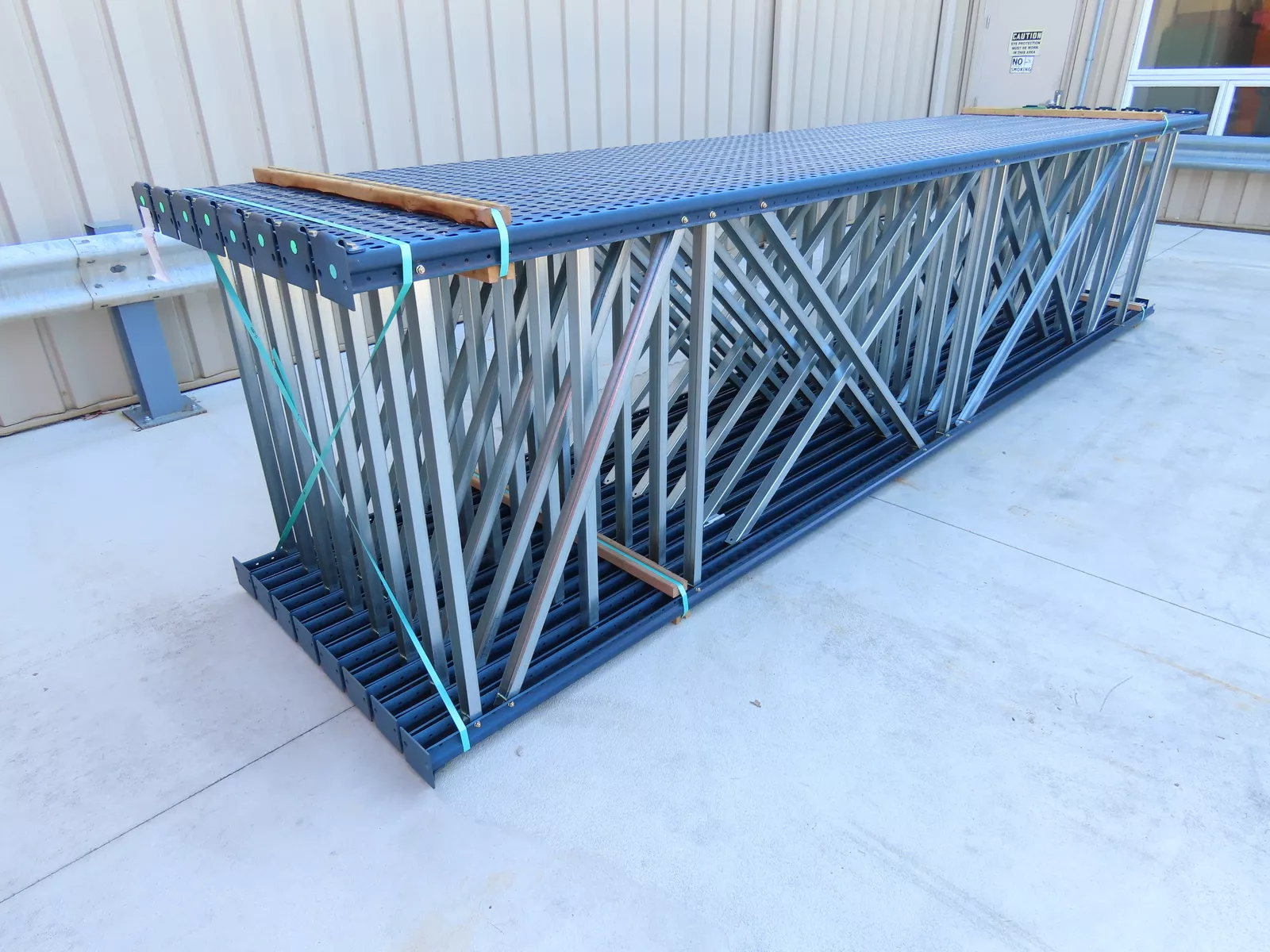
Conclusion
Other Resources
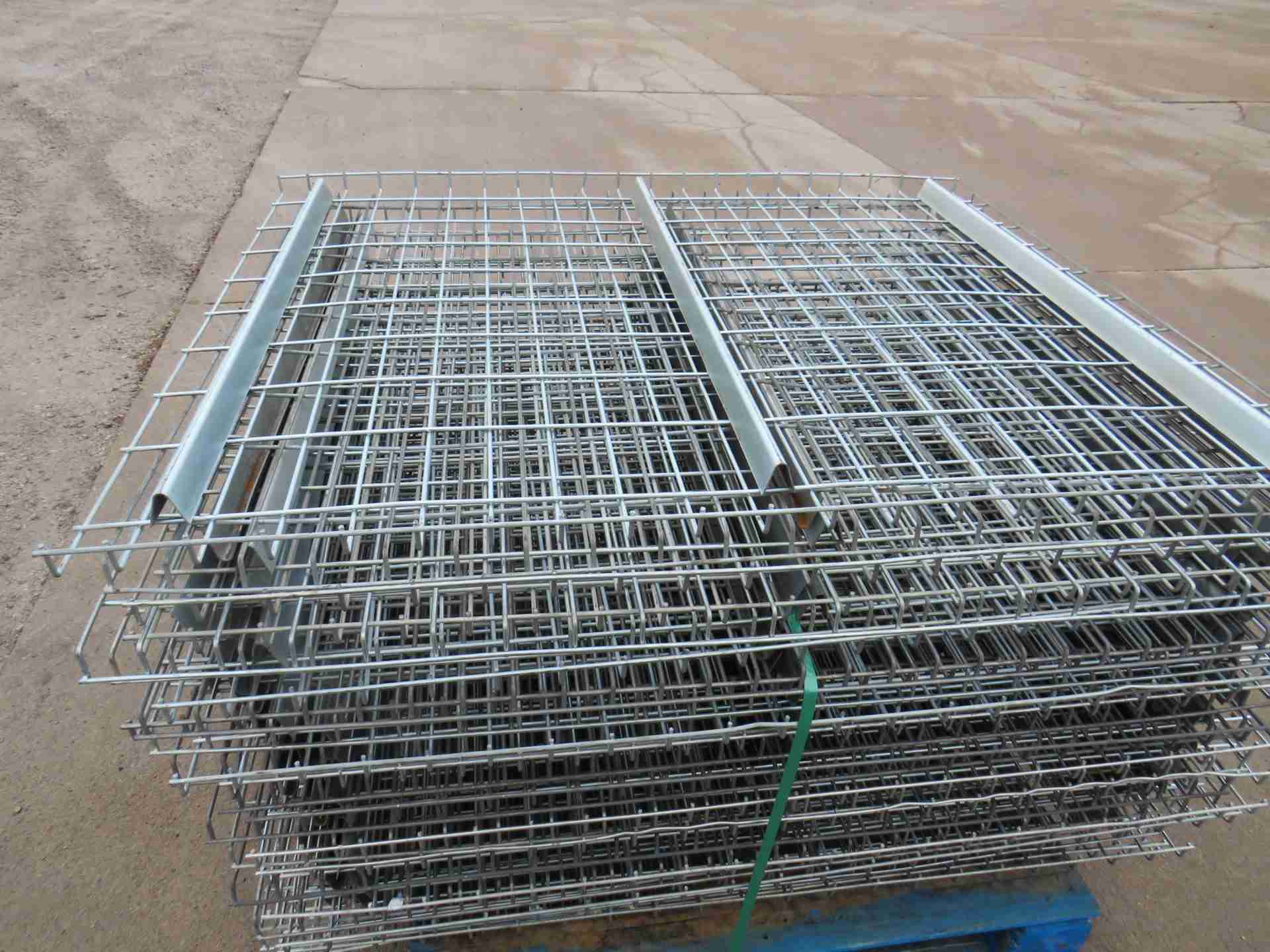
Other Resources
Here is a list of other resources you can review online to learn more:
- IIWS Inc. Rack Installation Illinois & Rack Repairs Illinois
- CA Wire
- Pallet Racking systems in Illinois and Great Lakes
- Warehousing and Fulfillment
- International Warehouse Logistics Association
- Warehouse Racking Chicago, IL
- Storage Equipment Manufacturers Association
- Warehouse Storage Racking in Illinois
- Cantilever Rack Guide: Ordering Cantilever Racking
- New Cantilever Racks and Racking Kits
- Warehouse Storage Racks
- Pallet Racks, Pallet Racking, Pallet Shelves in Stock – ULINE
- Selective Pallet Racking Systems
- Chicago Pallet Racking
- Pallet Rack Systems – New and Used Pallet Racking and Shelving Experts
- Cantilever Racking Specialists – Get the Right Racks
- Chicago Pallet Racking
- Total Warehouse
- Crane Manufacturers Association Of America Inc.
- The Complete Pallet Rack Guide – Simply Rack
Use This Prompt To Get More Resources With Your Favorite Online AI Tool: Please provide me with a list of online articles with their URLs in a bulleted list that I can read regarding Buying Used Racks for Outdoor Storage: What to Know
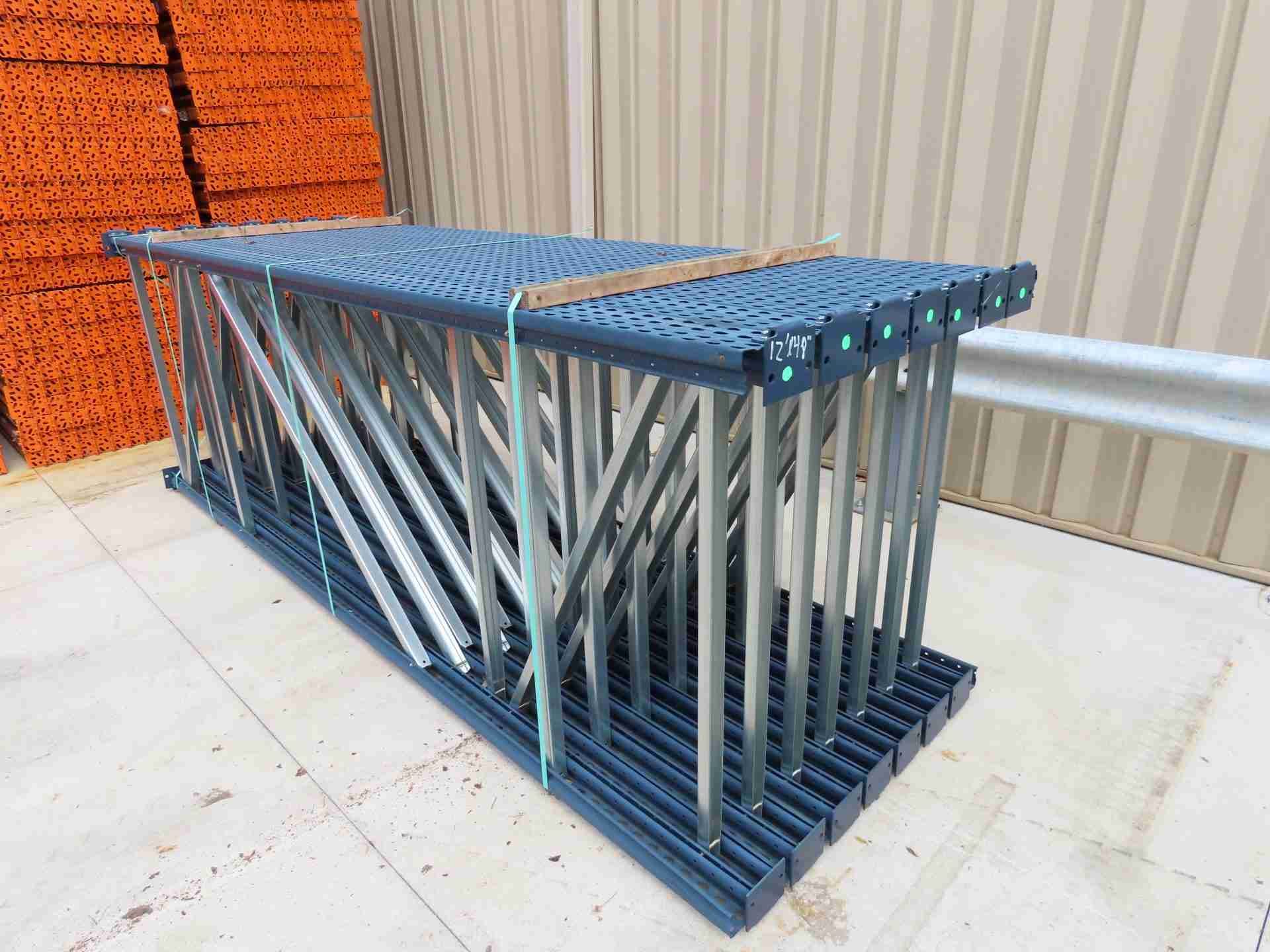
Other Resources
Glossary Terms
Buying Used Racks for Outdoor Storage: What to Know – Glossary Of Terms
1. Racks: Structures designed for holding, supporting, or storing items in an organized manner.
2. Outdoor Storage: An area designated for storing items outside, often protected from environmental elements.
3. Used Racks: Pre-owned storage racks that are resold after previous use, often at a lower cost.
4. Durability: The ability of a rack to withstand wear, pressure, or damage over time, especially in outdoor conditions.
5. Material: The substance or combination of substances (e. g. , metal, wood, plastic) that make up the rack.
6. Load Capacity: The maximum weight a rack can safely support without risk of failure.
7. Corrosion Resistance: A property that prevents deterioration of metal due to moisture, chemicals, or environmental exposure.
8. Weatherproofing: The process of treating materials to protect against damage from wind, rain, and UV rays.
9. Assembly: The process of putting together individual parts of a rack to create a complete structure.
10. Design: The arrangement or configuration of a storage rack, affecting its function and aesthetic appeal.
11. Functionality: The practical use or effectiveness of the rack in storing or displaying items.
12. Versatility: The ability of a rack to serve multiple purposes or accommodate various types of items.
13. Tips and Guides: Informative material offering advice on selecting, installing, and maintaining used outdoor racks.
14. Marketplace: A platform or venue where used racks are bought and sold, both online and offline.
15. Inspection: A thorough examination of a used rack’s condition to assess quality and safety before purchase.
16. Reconditioning: The process of repairing or upgrading used racks to restore them to good working condition.
17. Delivery: The transportation service for delivering purchased racks to the buyer’s location.
18. Vendor: An individual or entity that sells used racks in the marketplace.
19. Pricing: The process of determining the cost of used racks based on condition, material, and demand.
20. Warranty: A guarantee provided by the seller regarding the quality and reliability of a used rack for a specified period.
21. Storage Efficiency: The optimal use of space to maximize capacity and accessibility.
22. Safety Standards: Established criteria ensuring that racks are designed and constructed to prevent accidents or injuries.
23. Eco-friendly: Describes used racks that are made from sustainable materials or produced with minimal environmental impact.
24. Customization: Modifications made to a rack to meet specific storage needs or preferences.
25. Mobility: The ease of moving a rack, often facilitated by wheels or a lightweight design.
26. Maintenance: Routine care required to keep a rack in optimal condition, including cleaning and repairs.
27. Storage Solutions: Various methods or systems employed to store items efficiently and effectively.
28. Fitment: The compatibility of a rack with a particular space or environment, considering size and layout.
29. Commercial Use: Applications of storage racks in business settings, such as warehouses or retail stores.
30. Pooling: Organizing shared use of racks among multiple users, often in community or cooperative settings.
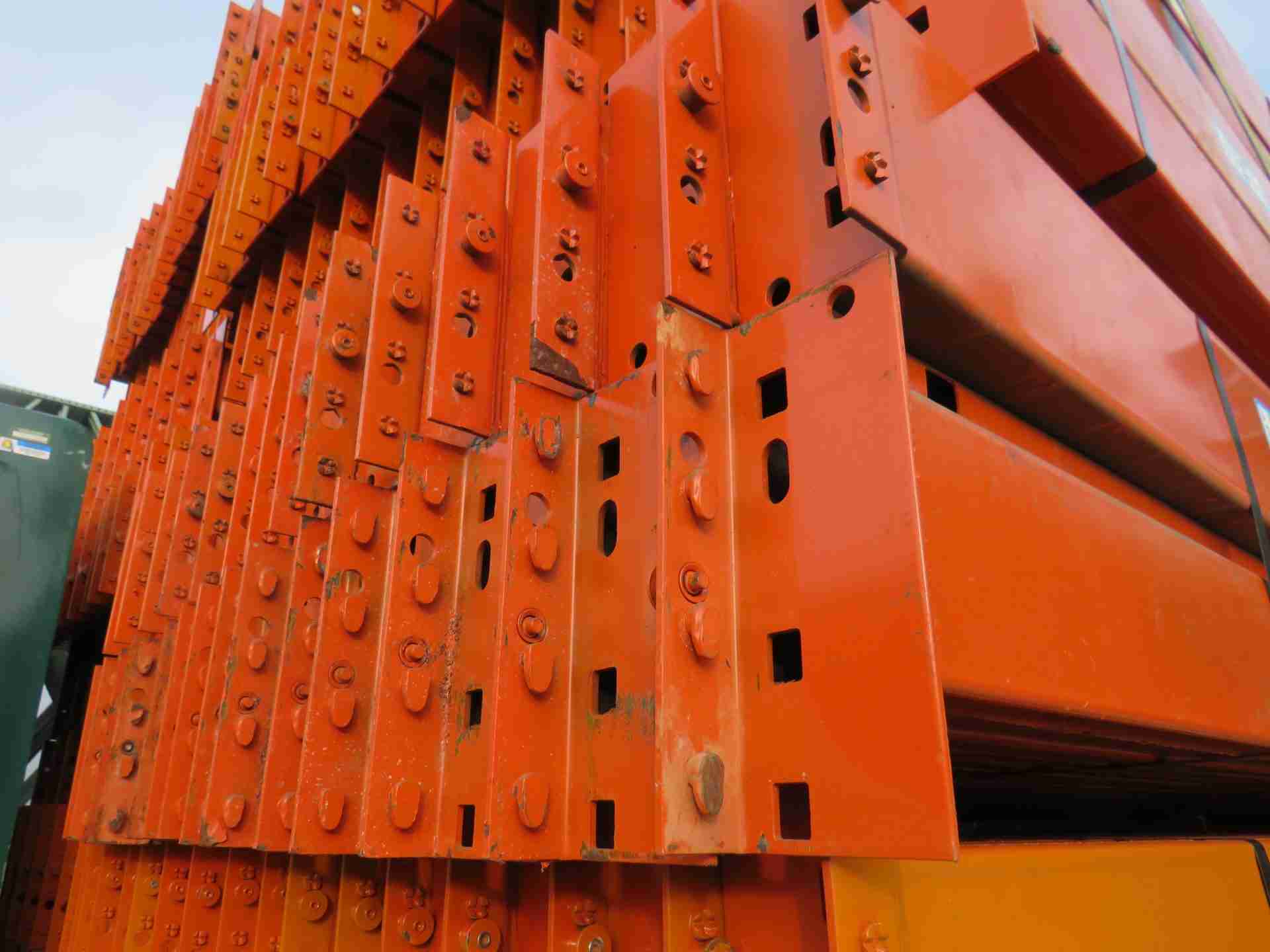
Glossary Of Terms
Other Questions
Buying Used Racks for Outdoor Storage: What to Know – Other Questions
If you wish to explore and discover more, consider looking for answers to these questions:
- What types of used racks are most suitable for outdoor storage?
- How can I determine the right size of racks for my outdoor space?
- What should I inspect when evaluating the condition of a used rack?
- Are there specific brands that are more reliable for used outdoor racks?
- How can I properly maintain used racks to ensure their longevity?
- What are the best places to find used racks for sale?
- How can I safely transport a used rack to my location?
- What are common issues people face after purchasing used racks?
- How do I know if a used rack meets safety standards?
- Are there any warranties or guarantees for used outdoor racks?
- What are the potential environmental impacts of buying new versus used racks?
- How can I effectively negotiate the price of a used rack?
- Can I customize a used rack to better fit my needs?
- What are the benefits of buying racks from local sellers versus online platforms?
- How can I dispose of a used rack responsibly if it’s no longer needed?
Other Questions
Checklist
Buying Used Racks for Outdoor Storage: What to Know – A Checklist
Heart
_____ Reflect on the emotional benefits of organized space: Picture how a tidy area can reduce stress and boost productivity.
_____ Consider the story behind each pre-owned rack: What experiences and memories could you create with it?
_____ Recognize the value of supporting local businesses: Think about the potential connections you can foster in your community through your purchase.
Head
_____ Research the seller’s reputation: Gather information on their history, customer reviews, and reliability.
_____ Examine the rack’s condition: Check for signs of wear, corrosion, or damage that could affect its functionality.
_____ Assess weight limits and structural integrity: Ensure the rack meets safety standards for your specific needs.
Gut
_____ Trust your instincts: If something feels off about the purchase, take a step back and reconsider.
_____ Visualize the consequences: Picture a scenario where improperly maintained racks fail—could this jeopardize your safety or belongings?
_____ Consider your long-term financial sustainability: Assess the potential costs of frequent repairs versus the initial savings.
Ethical
_____ Prioritize sustainability: Reflect on how choosing second-hand options reduces waste and supports a circular economy.
_____ Seek transparent sellers: Ensure that you are purchasing from those who value honesty and integrity in their business practices.
_____ Evaluate your impact: Think about how your purchasing decisions align with your values regarding responsible consumerism.
Authority
_____ Consult industry resources: Look for testimonials or advice from individuals with experience in buying used racks.
_____ Understand industry standards: Familiarize yourself with safety regulations that apply to racking systems.
_____ Leverage online forums or local trade groups: Seek recommendations and insights from those who have made similar purchases.
Narrative
_____ Create a vision: Envision how the used rack will transform your space, making it more functional and inviting.
_____ Share your decision: Talk about your purchase journey with friends or family; what inspired you to choose used racks?
_____ Document your experience: Consider keeping a record of how your new racks impact your organization and productivity over time.
Social
_____ Involve your community: Consider sharing your purchase story on social media to inspire others to choose sustainability.
_____ Encourage discussions: Engage friends or colleagues in conversations about the benefits of buying pre-owned items.
_____ Build a network: Connect with local businesses or individuals who share your values of ethical consumerism.
Checklist
At RackingWorld, we help guide you through selecting warehouse storage systems and racking.
Be sure to read our other related stories at RackingWorld to learn more about warehouse storage systems.
0 Comments