
Empowering Operations With Adaptable Rack Solutions
By Tom Seest
At RackingWorld, we help guide you through selecting warehouse storage systems and racking.
Be sure to read our other related stories at RackingWorld to learn more about warehouse storage systems.
Building Resilience Through Flexible Rack Systems
In a world where challenges rise like the tide, businesses must learn to adapt, evolve, and yes, even thrive. When it comes to storage solutions, flexibility is not just a buzzword; it’s a lifeline. Enter flexible rack systems—unassuming giants of industry that promise to revolutionize how we think about storage and organization. Imagine a system that mimics the adaptability of nature, bending but never breaking, ready to take on whatever weight life throws its way.
Picture a bustling warehouse, buzzing with activity. Every inch of space is precious; every item tells a story. Now consider a racking system that can be reconfigured on the fly. Maybe a new product line is taking off, or perhaps a seasonal surge demands a swift response. Traditional racks can be unforgiving, rigid structures that don’t easily dance with change. But flexible rack systems? They’re like seasoned dancers, adjusting gracefully to the rhythm of business needs, ensuring that growth doesn’t feel like a burden but rather a well-choreographed performance.
But let’s not merely marvel at the mechanics. There’s a deeper narrative here—one that resonates with the heart. The choice to invest in flexible racking reflects our commitment to better practices, to sustainability, and to our teams. When employees feel understood and empowered to utilize systems that cater to their needs, productivity soars. A less congested, more efficient workspace fosters not just efficiency, but camaraderie—a shared victory in the face of obstacles.
And we know that in times of crisis, when the economy wobbles or demand fluctuates, it’s this very resilience that sets the successful apart from the stagnated. A flexible rack system is not just about physical storage; it becomes a metaphor for the agility and determination that define every thriving enterprise.
As stories of adaptability echo through the industry, a social network forms around those willing to embrace change. Businesses find strength in shared experiences, learning from one another as they venture into the unknown. Just as a well-constructed rack stabilizes a diverse range of items, our collective wisdom fortifies us against the tempests of uncertainty.
Ultimately, flexible rack systems aren’t just about saving space—they’re about building the confidence and trust that fuel innovation. With resilient structures, we lay the groundwork for future growth, ready to tackle whatever comes next with the strength of a well-built foundation beneath us. So, here’s the simple truth: if you want to weather the storm, you’ve got to build a structure that can bend without breaking.
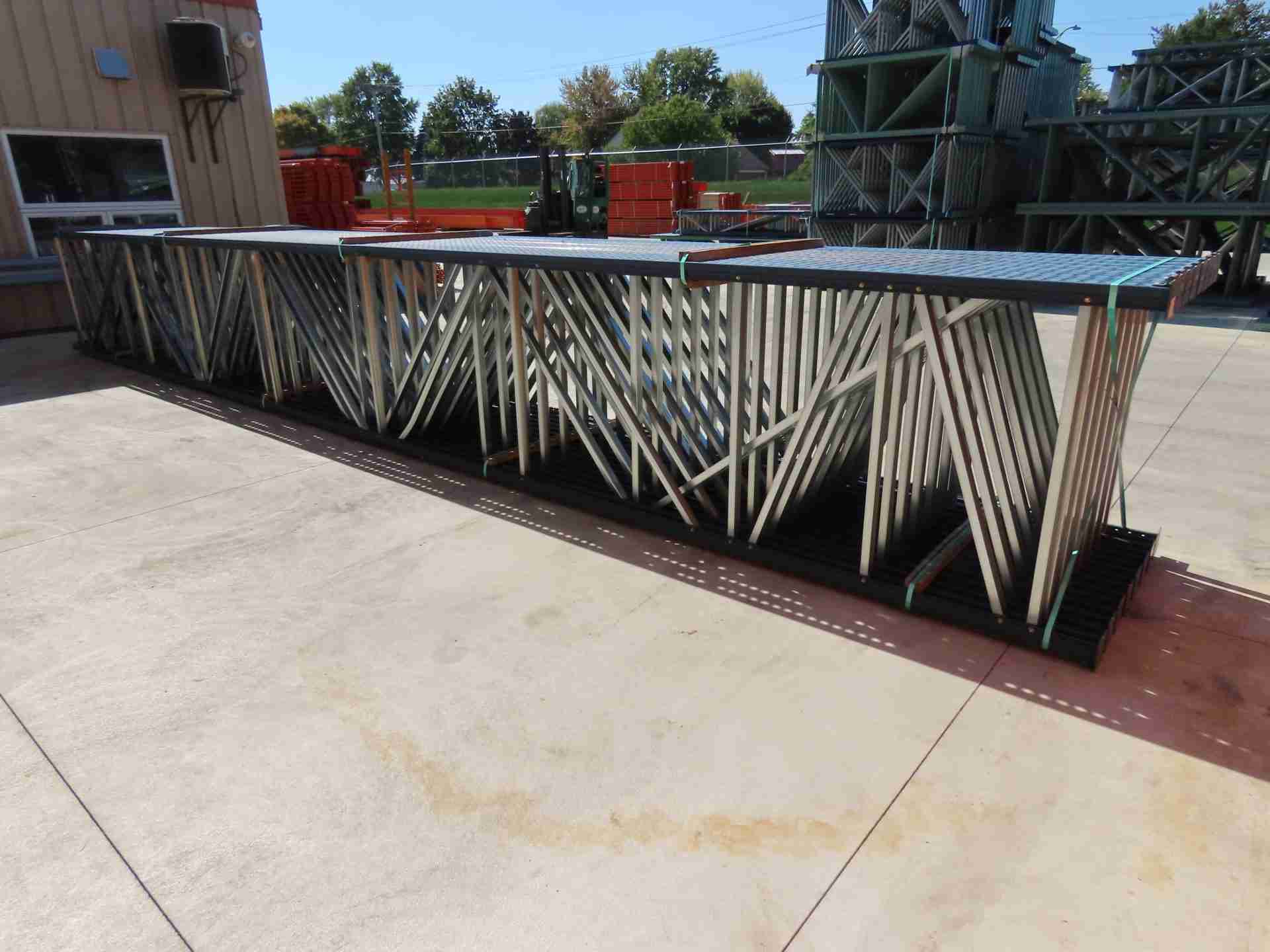
Building Resilience Through Flexible Rack Systems
Building Resilience Through Flexible Rack Systems
- Business challenges necessitate adaptability and evolution to thrive in a competitive landscape.
- Flexible rack systems provide essential flexibility for storage, allowing businesses to swiftly reorganize in response to changing needs.
- These systems can adjust to fluctuations in product lines and seasonal demand, unlike traditional, rigid racks.
- Investing in flexible racking demonstrates a commitment to sustainability and better practices, boosting employee productivity and morale.
- A streamlined workspace helps foster camaraderie and a shared sense of achievement among teams.
- Flexible racks symbolize resilience and agility, crucial traits for businesses to succeed during economic fluctuations.
- Ultimately, these systems build confidence and trust, laying a foundation for innovation and future growth.
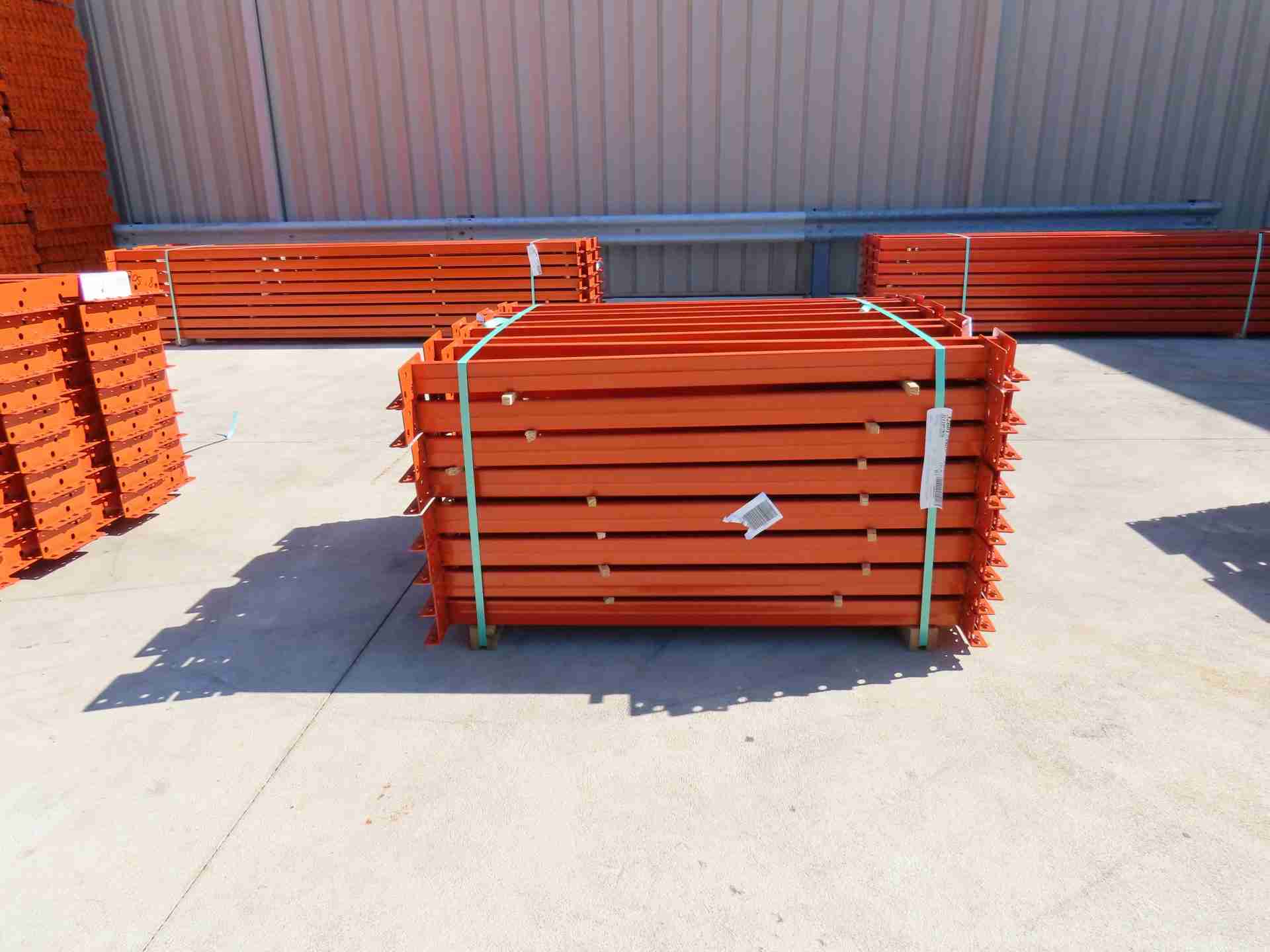
Building Resilience Through Flexible Rack Systems
Table Of Contents
- Building Resilience Through Flexible Rack Systems
- What Challenges Do You Face In Maintaining System Flexibility?
- What Emotional Impact Do Logistics Struggles Have on Your Team?
- Why Is Building Resilience Crucial for Long-Term Success In Business?
- How Do Flexible Rack Systems Contribute to Sustainability Efforts?
- What Expert Insights Can Guide You In Choosing the Right Systems?
- Conclusion
- Other Resources
- Glossary Of Terms
- Other Questions
- Checklist
What Challenges Do You Face In Maintaining System Flexibility?
Maintaining system flexibility is like climbing a mountain during a storm—every gust threatens to knock you off balance, and every misstep can lead to an avalanche of problems. It’s not just a technical challenge; it’s an emotional battle as well. Picture yourself racking your brain trying to find the perfect balance between adaptability and structure, all while your team looks to you for guidance. That pressure can feel like a weight on your shoulders, but it’s crucial to remember that this is where true leadership is forged.
The first hurdle is the resistance to change. People are wired to seek stability. When you introduce new processes, it can spark anxiety. Colleagues may fear they’ll have to abandon familiar routines that, while imperfect, have always given them a sense of control. It’s here that the gut instinct of a leader kicks in. You have to show vulnerability and share your own fears around change, opening the floor to honest conversations where everyone can express their concerns. By doing so, you create a culture of trust, where team members feel safe to explore the unknown together.
From a rational perspective, maintaining flexibility requires a fine-tuned understanding of your resources. Think of the endless cycle of training and re-training, often at the cost of time and productivity. Taking a methodical approach—assessing your systems regularly and ensuring they’re equipped with the right tools—can stave off the anxiety that comes with feeling unprepared. Decisions should be data-driven; showing measurable outcomes keeps everyone aligned and invested in the process.
Ethically speaking, the responsibility falls on leaders to make their teams resilient. It goes beyond profit margins to the well-being of the individuals within the organization. You’re not just cultivating skills; you’re nurturing dreams and aspirations, planting seeds of potential. And when you celebrate each small triumph along the way, you strengthen those unbreakable bonds that turn a group of individuals into a cohesive unit.
Finally, don’t underestimate the social aspect of flexibility. Foster an environment where collaboration is cherished, not stifled. Allow open dialogue and creativity to flourish, and watch how quickly a team transforms challenges into opportunities. You’ll not only maintain flexibility but inspire confidence that extends well beyond the workplace. When your team knows you’re in it together, they become champions of change, rather than mere participants, and the mountain feels a little less daunting.
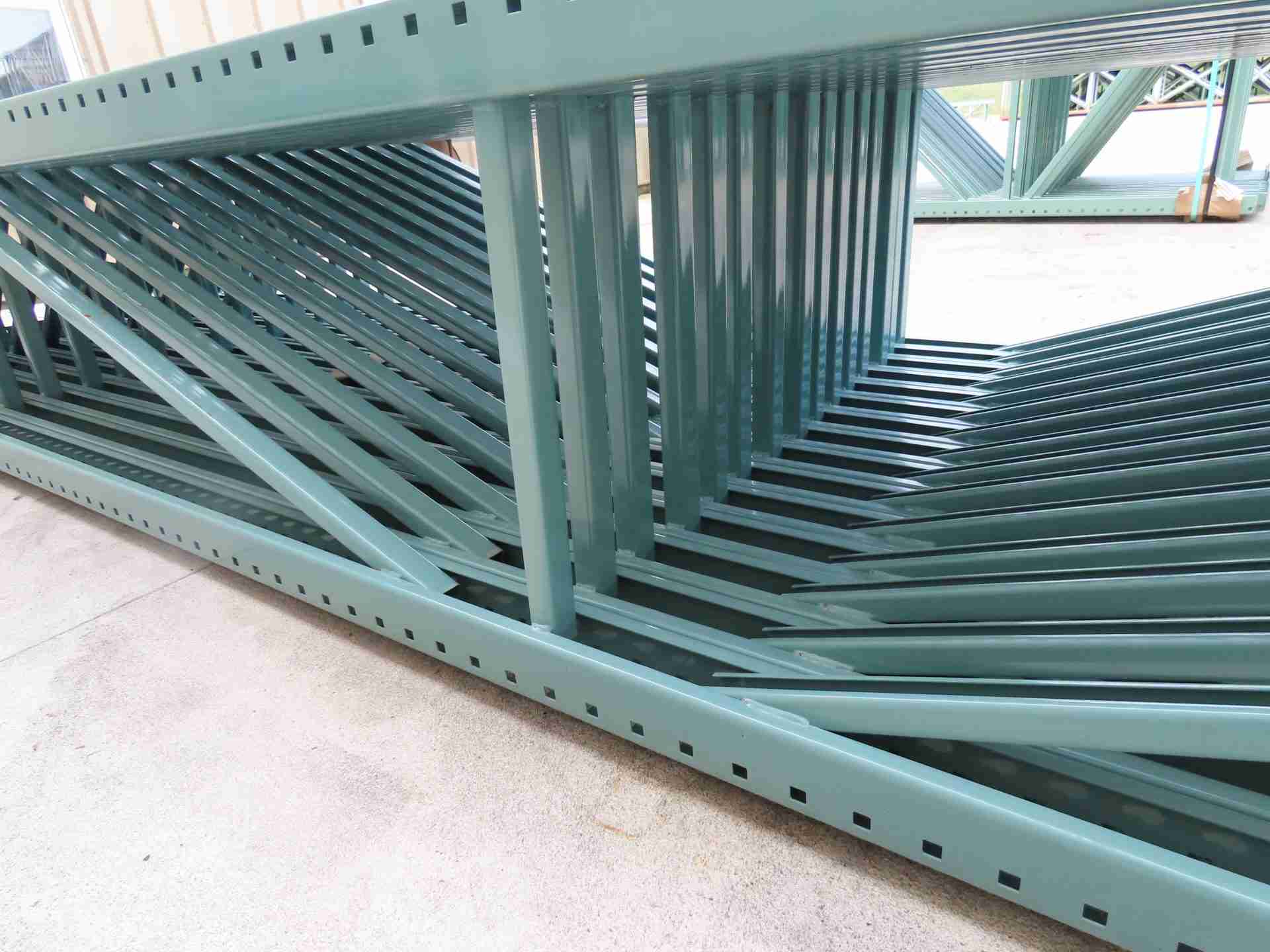
What Challenges Do You Face In Maintaining System Flexibility?
What Challenges Do You Face In Maintaining System Flexibility?
- Maintaining system flexibility is a challenging and emotional process, akin to climbing a mountain in a storm.
- Resistance to change is a major hurdle as people prefer stability; introducing new processes can cause anxiety.
- Leaders should show vulnerability and foster honest conversations to create a culture of trust among team members.
- A methodical approach to assessing resources and ensuring proper training can mitigate feelings of unpreparedness.
- Decisions should be data-driven to align team members and keep them invested in the process.
- Leaders have an ethical responsibility to nurture individual potential and celebrate small victories to strengthen team bonds.
- Encouraging collaboration and open dialogue transforms challenges into opportunities, inspiring confidence in the team.
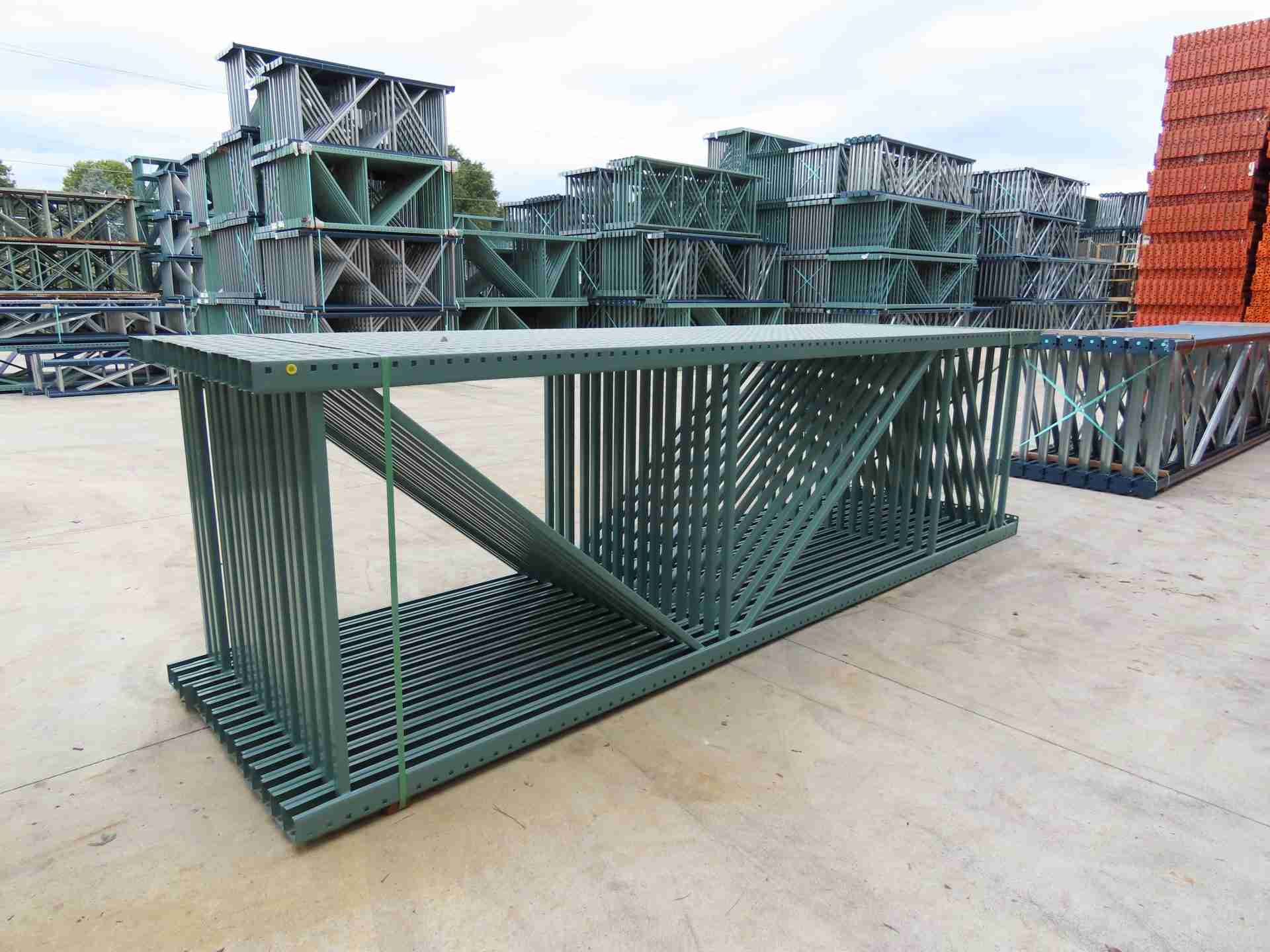
What Challenges Do You Face In Maintaining System Flexibility?
What Emotional Impact Do Logistics Struggles Have on Your Team?
When logistics struggles rear their heads, the emotional impact on your team can be as profound as a thunderous storm rolling across a flat plains. Picture a racking system, meant to streamline operations and keep things in order, instead becoming a bottleneck. Each delay isn’t just a minor hiccup; it adds to the stress that seeps into the morale of your team like a relentless drizzle.
Think about it. Your employees roll in with dreams of seamless processes and a well-oiled machine, but when faced with unexpected shortages or broken transport links, frustration mounts. It’s not just about missing targets; it’s about their contributions, their pride, and their sense of purpose being undermined daily. They may show up to work with smiling faces, but inside, their disappointment simmers. These logistics challenges can fracture the very foundation of teamwork and trust. When one team member feels the weight of these struggles, it drags down motivation across the board.
Now, consider the rational side. The truth is that these logistics dilemmas can lead to costly inefficiencies. Hearts may ache for those feeling overburdened, but the numbers tell their own tale—lost revenue, declining customer satisfaction, and an increase in turnover rates. The weight of these issues can feel heavy, creating an environment of anxiety rather than one of innovation. Employing effective logistics isn’t merely a strategic benefit; it’s an ethical obligation to support your team and keep spirits high.
Moreover, there’s an authority that comes with shared experience. Managers who acknowledge these challenges openly foster a sense of unity. When they stand in the trenches with their teams, tackling these issues head-on, a transformation occurs. The narrative shifts from “us versus them” to “we are in this together.” By addressing the struggles openly, leaders inspire confidence in their teams, nurturing resilience against ongoing adversities.
The social fabric of a workplace thrives on connections. It’s natural to rally together in tough times, finding camaraderie in shared challenges. Organizations that embrace transparency and proactive solutions not only retain talent but build a culture of loyalty and commitment. When teams feel supported, they can face any storm with courage, turning logistical mayhem into a springboard for innovation and growth. The invitation is clear: Let’s confront these challenges together, ensuring that every team member feels valued, empowered, and ready to take on the world.
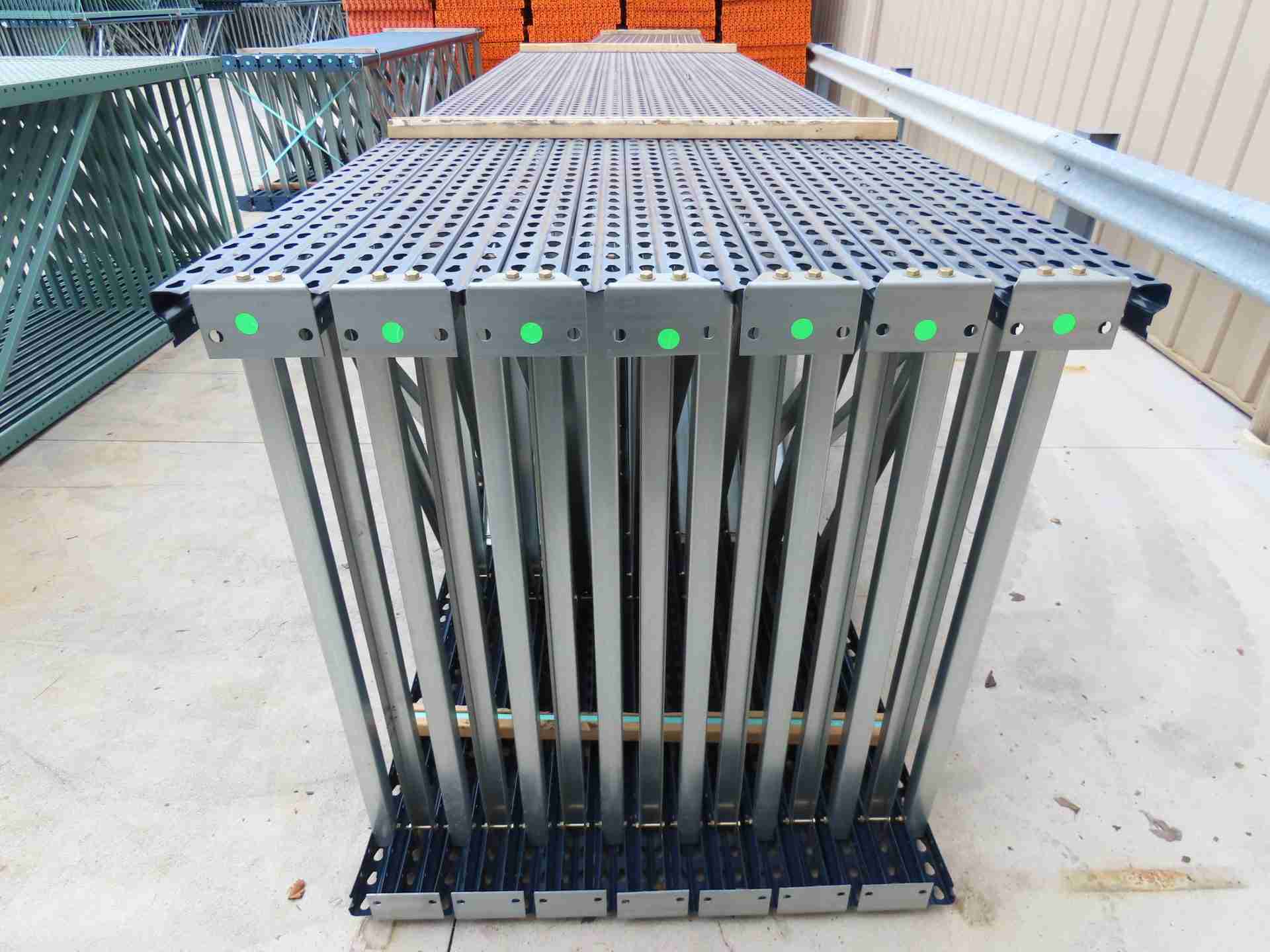
What Emotional Impact Do Logistics Struggles Have on Your Team?
What Emotional Impact Do Logistics Struggles Have on Your Team?
- Logistics struggles can significantly impact team morale, akin to a storm over flat plains.
- A racking system intended for efficiency can become a bottleneck, causing stress and frustration.
- Employees may feel their contributions and sense of purpose are undermined by unexpected operational challenges.
- Logistics issues result in costly inefficiencies, including lost revenue and increased turnover rates.
- Effective logistics are not just strategic but an ethical obligation to maintain team morale.
- Openly acknowledging challenges fosters unity and transforms the narrative from “us versus them” to “we are in this together.”.
- Organizations that prioritize transparency and support can build loyalty and empower teams to innovate through adversity.
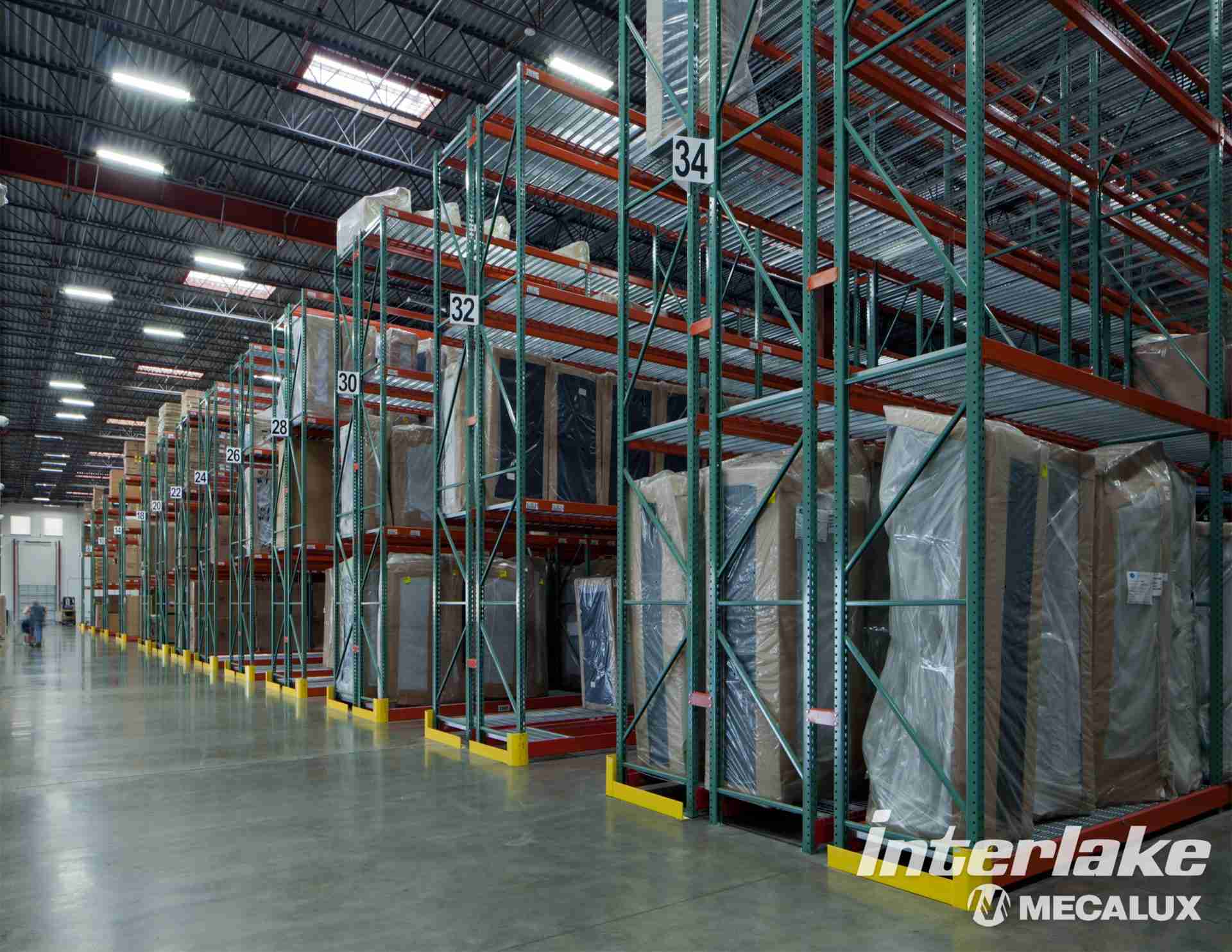
What Emotional Impact Do Logistics Struggles Have on Your Team?
Why Is Building Resilience Crucial for Long-Term Success In Business?
Building resilience is the cornerstone of long-term success in business. It’s not just about weathering the storm; it’s about learning to dance in the rain and finding beauty in the struggle. Picture this: a small business owner who launched their dream with passion and grit, only to face the harsh realities of market fluctuations and unforeseen challenges. This is where resilience comes into play. It’s the capacity to adapt, to pivot, and most importantly, to keep moving forward despite setbacks.
From a rational perspective, resilient businesses are far more likely to thrive, even in turbulent times. According to studies, organizations with strong resilience strategies can rebound more swiftly and effectively from disruptions — be it economic downturns or shifts in consumer behavior. This is not merely conjecture; it’s backed by data. Businesses that invest in building robust systems and nurturing a resilient culture do not just survive; they excel.
Ethically, fostering resilience speaks to a core value that resonates with teams and customers alike: perseverance. When leaders demonstrate resilience, they inspire their employees to embrace challenges rather than cower before them. It cultivates an environment where failure is not a dead end but a stepping stone. Imagine a workplace where employees feel empowered to take risks, knowing that mistakes are a part of growth. That’s a recipe for innovation.
Stories of resilience can serve as powerful narratives. Consider a brand that faced substantial backlash, perhaps due to a misstep in public perception. With humility and a commitment to learn, they not only addressed the issue but transformed it into a foundational lesson, ultimately captivating their audience even more. Such tales don’t just resonate; they create trust—a vital currency in business.
Socially, resilience attracts like-minded individuals and partners. In times of difficulty, people flock to those who stand firm. Your network becomes a lifeline when you demonstrate the guts to face adversity head-on. Think of the community you build when you show vulnerability and strength in equal measure.
So as we venture into this landscape of uncertainty and ambition, remember: building resilience isn’t just a strategy; it’s an ethic, a way of life. When you embrace resilience, you’re not just preparing your business for the next setback—you’re forging a path toward unshakeable success.
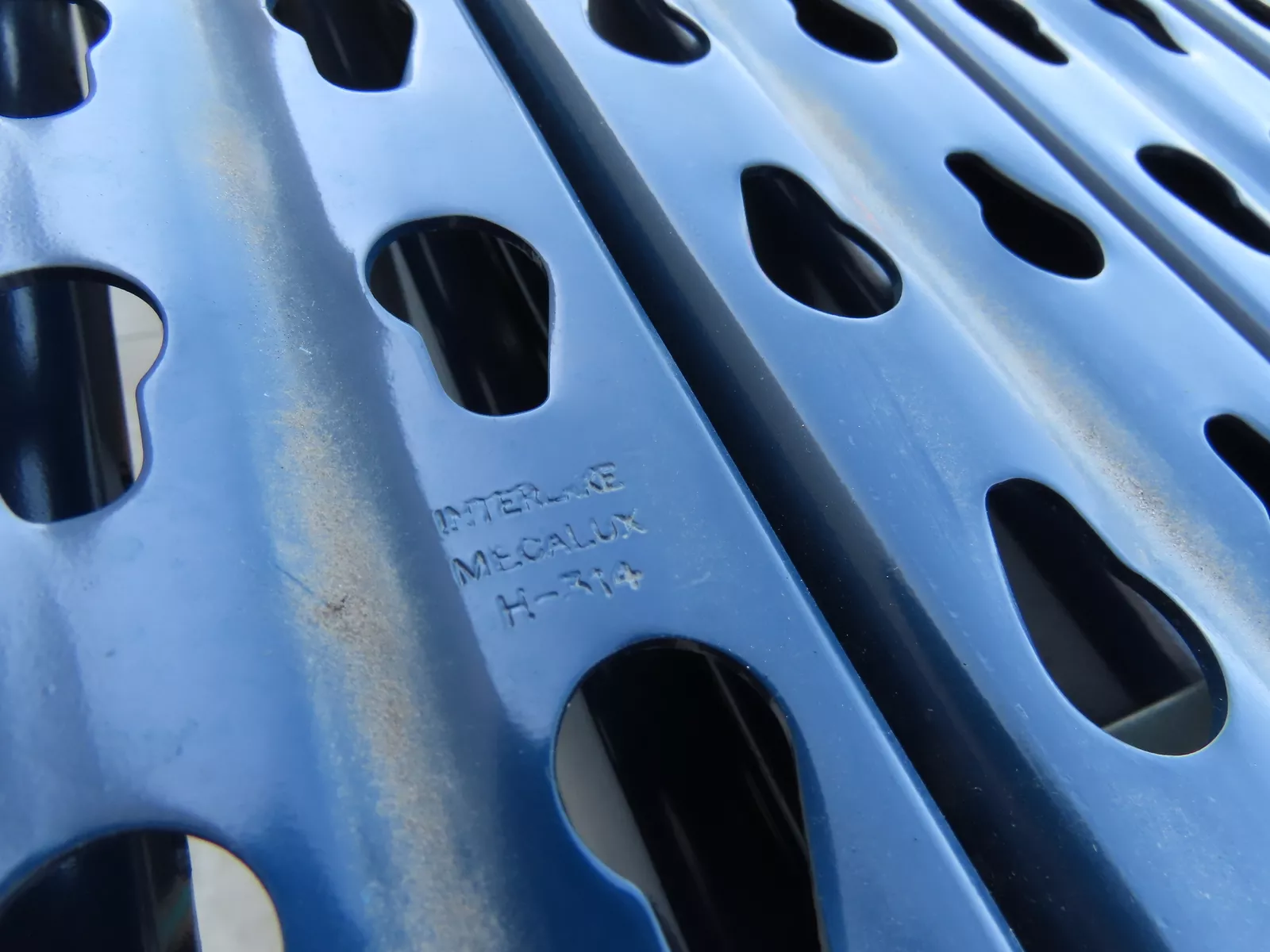
Why Is Building Resilience Crucial for Long-Term Success In Business?
Why Is Building Resilience Crucial for Long-Term Success In Business?
- Building resilience is essential for long-term business success, enabling adaptation and continuous movement forward despite challenges.
- Resilient businesses are statistically more likely to thrive during economic fluctuations and disruptions.
- Investing in robust systems and a resilient culture allows businesses not only to survive but to excel.
- Leaders who demonstrate resilience inspire teams to embrace challenges, fostering an innovative atmosphere where failure is a learning opportunity.
- Powerful stories of resilience can transform setbacks into lessons that build trust and strengthen brand connections with audiences.
- Resilience attracts like-minded individuals and partners, creating a supportive community during difficult times.
- Embracing resilience is a foundational ethic that prepares businesses for setbacks and leads to enduring success.
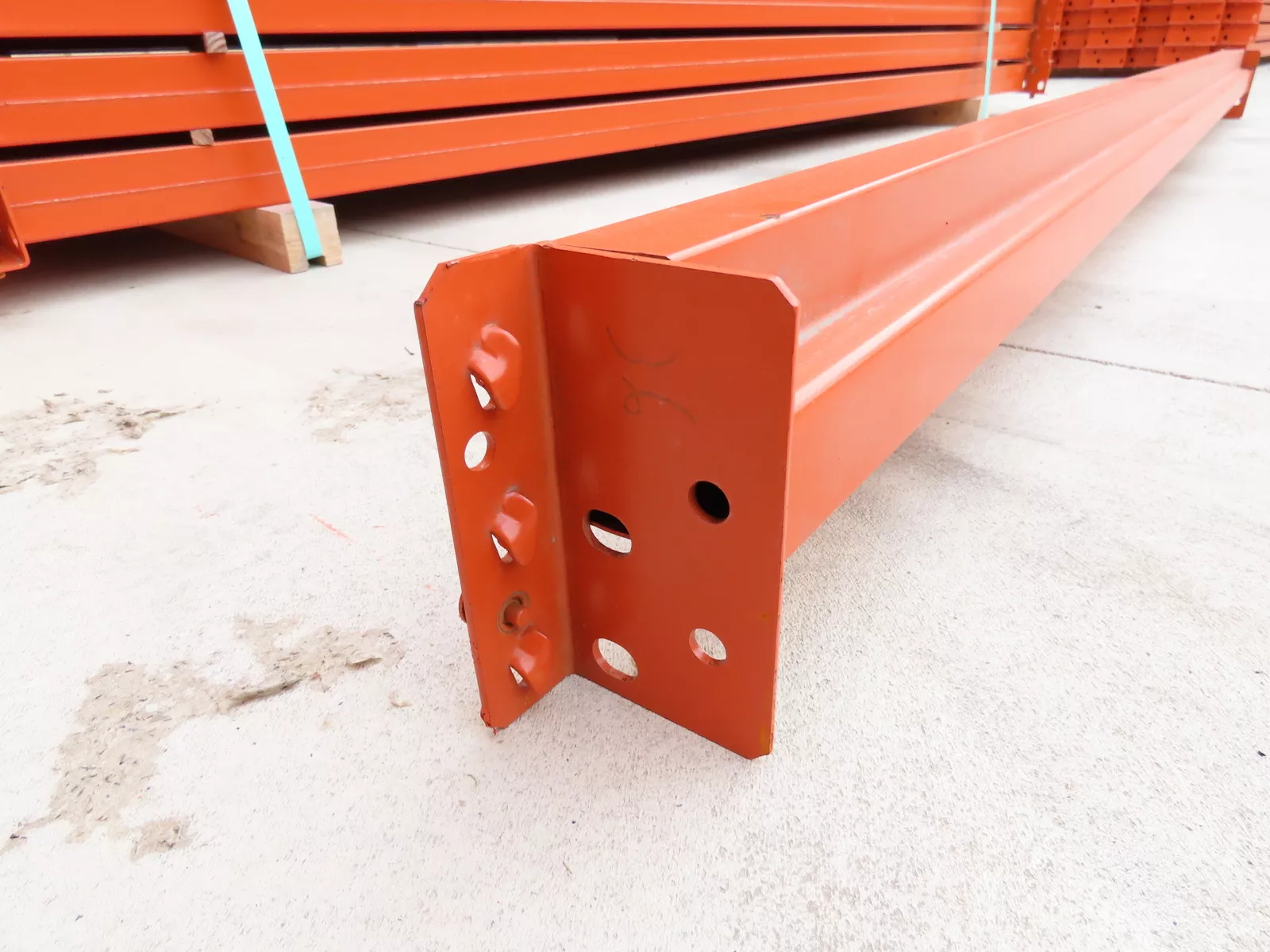
Why Is Building Resilience Crucial for Long-Term Success In Business?
How Do Flexible Rack Systems Contribute to Sustainability Efforts?
In today’s ever-evolving landscape, where the weight of human impact hangs heavy on our conscience, flexible rack systems are emerging as unsung heroes in the quest for sustainability. These racking solutions serve more than just a practical purpose; they embody a commitment to a greener, smarter future. Think about it: a warehouse bustling with activity, where every item has its designated spot, not just for efficiency but for reducing waste and maximizing space. That’s not just clever logistics—it’s forward thinking.
These systems are engineered to adapt, to change with the demands of the marketplace without the need for extensive renovations or excessive resource consumption. They transform spaces that churn out profit while minimizing environmental footprints. Imagine an operation where materials flow seamlessly—a fluid dance of purpose. This adaptability speaks to our ability to evolve, reminding us that change, when harnessed wisely, can lead to profound outcomes. The head recognizes this as a brilliant strategy for efficiency, while the heart celebrates the thoughtful stewardship of our planet.
From an ethical standpoint, every time we choose a racking solution that reduces energy consumption, or repurposes existing structures rather than demolishing them, we’re making a statement. We’re part of a community that values the future, not just our own but for generations to come. By employing flexible rack systems, businesses are not merely fulfilling logistics needs; they’re engaging in a mission, investing in a lifestyle that respects the earth. It’s a shared journey, wherein each decision ripples through communities both locally and globally.
The narrative here is not just about structures and space; it’s about stewardship and responsibility. In connecting to sustainability, we forge alliances with nature and with one another. We tell a story—one that speaks of harmony between productivity and preservation, a symbiotic relationship that echoes in every commitment to reduce, reuse, and recycle.
So, when considering warehouse solutions, don’t overlook those flexible racks. They are more than mere metal frameworks; they are the pillars of a sustainable future. Let’s champion these systems—not just for their operational excellence, but for their invitation to a broader societal conversation about ethics, responsibility, and the impact we can have when we commit to making a difference. This isn’t just logistics; it’s a movement. Join it, and be part of something larger than profit. Be part of real change.
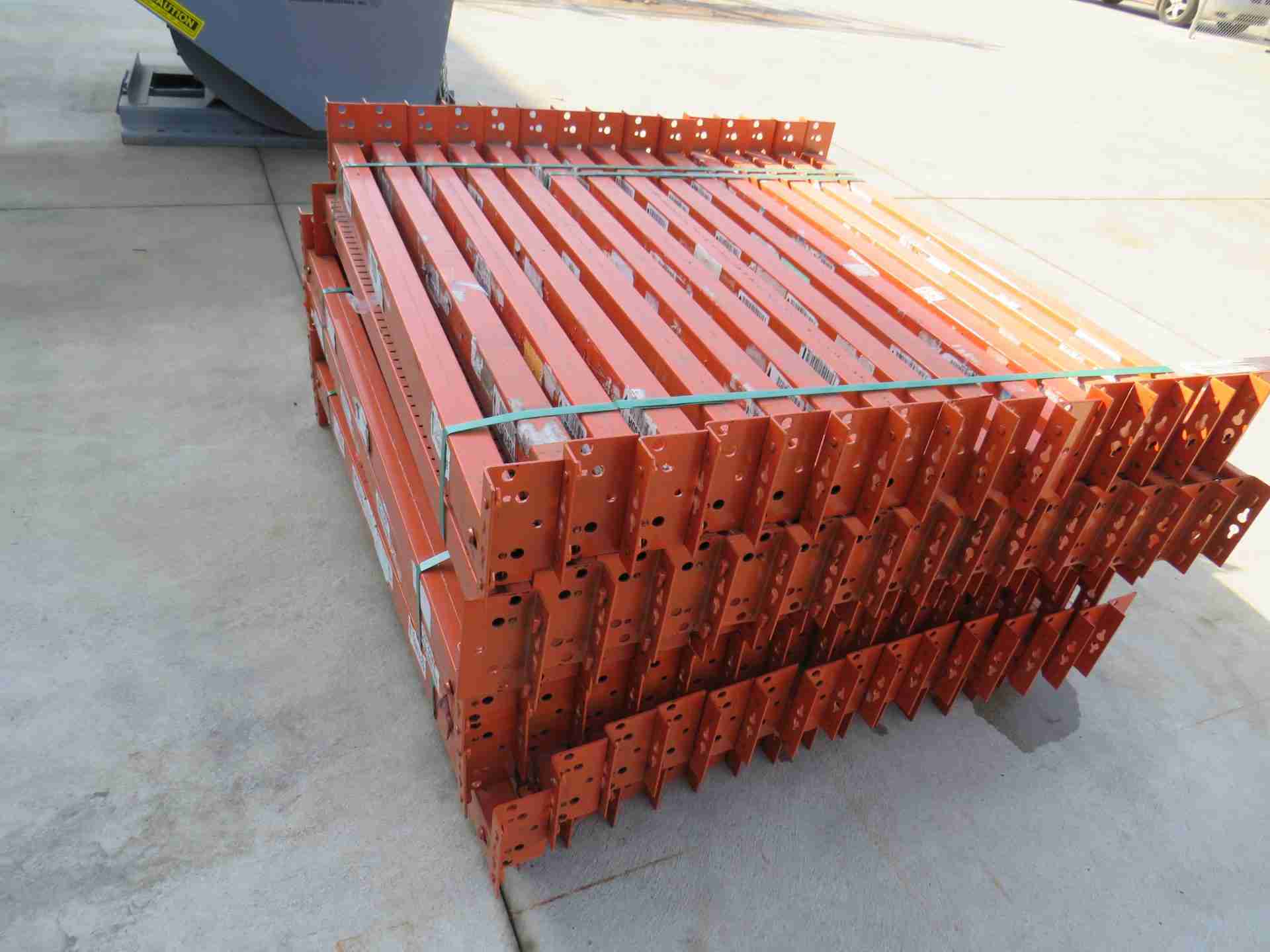
How Do Flexible Rack Systems Contribute to Sustainability Efforts?
How Do Flexible Rack Systems Contribute to Sustainability Efforts?
- Flexible rack systems are vital for sustainability in warehouses, balancing efficiency with environmental responsibility.
- These adaptable racking solutions minimize resource consumption and reduce waste without requiring major renovations.
- They enable seamless material flow and optimize space while supporting profitability and lower environmental footprints.
- Using sustainable racking options reflects a commitment to future generations and ethical stewardship of the planet.
- Employing flexible racks fosters community engagement and enhances local and global sustainability efforts.
- The focus is on creating harmony between productivity and preservation, emphasizing the principles of reduce, reuse, and recycle.
- Choosing flexible rack systems is a step towards participating in a larger movement that values ethics and responsibility in logistics.
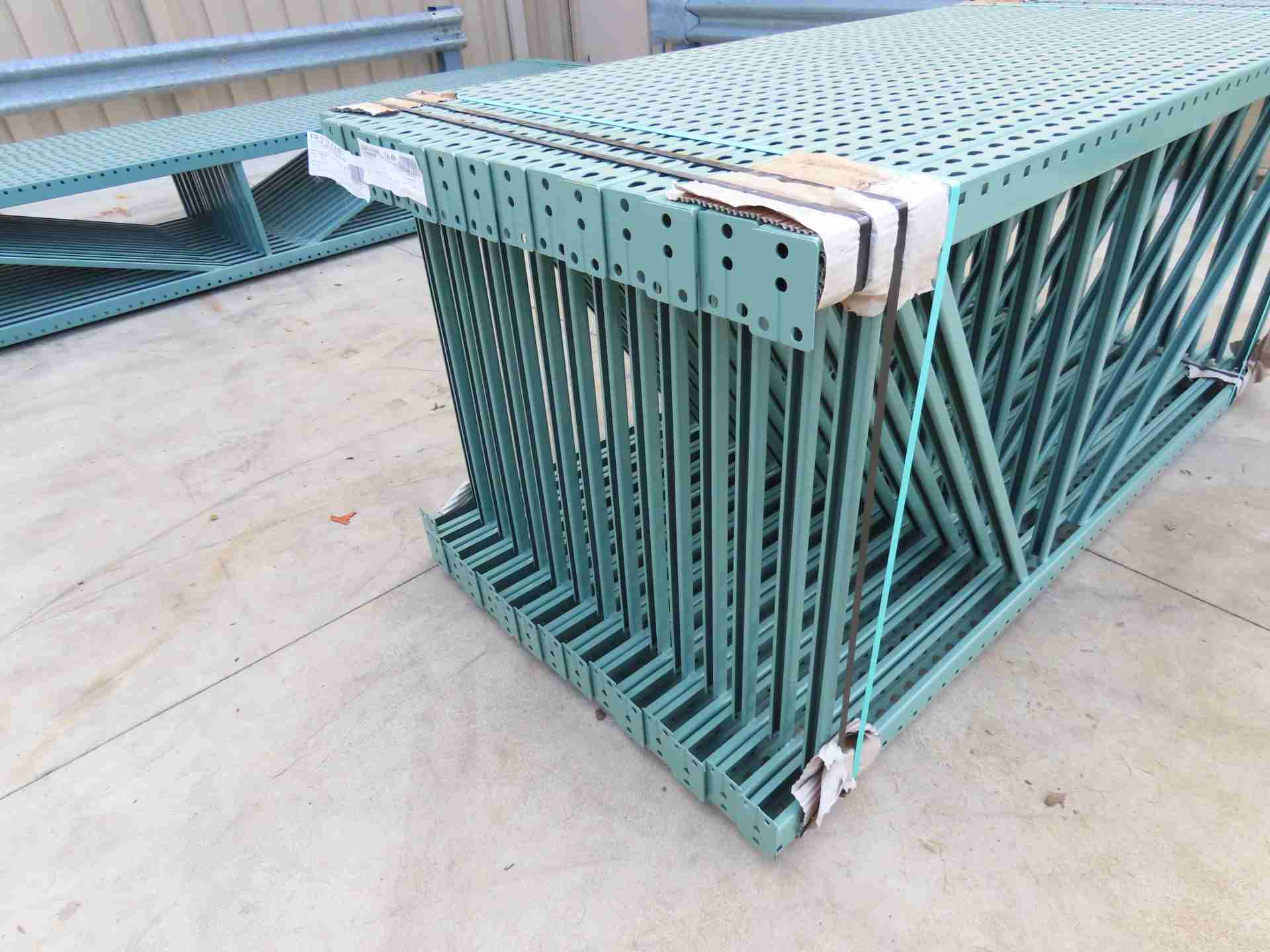
How Do Flexible Rack Systems Contribute to Sustainability Efforts?
What Expert Insights Can Guide You In Choosing the Right Systems?
When it comes to choosing the right systems for your needs, expert insights can be your guiding star. Think of it like assembling a lifelong toolkit; each tool serves a purpose, contributing to the bigger project of your success. You wouldn’t trust a hammer to do the job of a wrench, and the same applies to systems. Let’s face it: making the right choice isn’t just about what looks good on paper—it’s about what resonates with your heart, challenges your mind, and stirs your gut.
Picture yourself surrounded by a well-organized racking system, each shelf holding the promise of efficiency and productivity. What makes a system “right” is deeply personal and varies for each of us. Expert insights come from the trenches, shaped by real-world experiences—mistakes learned and victories celebrated. Those who’ve been there, who’ve felt the sting of confusion, and the sweet relief of clarity can offer the wisdom that nimbly balances emotional resonance and intellectual rigor.
Imagine a veteran in your field sharing stories of how the wrong system caused chaos, aggravation, and even failure. Their narrative serves as a cautionary tale, compelling you to consider not just functionality but the ethical implications of your choices. How will these systems affect your team? Your customers? Your vision for the future? Trust is built on a foundation of shared values.
Engagement doesn’t solely rest in hard data; it flourishes in conversation. Reach out to those who have already journeyed down this path. Social connections can provide invaluable insights, illuminating blind spots and expanding your perspective. Join forums, participate in discussions, absorb the knowledge of your community. These voices create a chorus of understanding that not only inspires confidence but ignites action.
So, as you stand at the crossroads of decision-making, remember that the best systems are those that have been tested and refined, that feel right in your gut, that make sense to your mind, and that echo with the values of your heart. Embrace the expert insights around you. Ask questions, challenge assumptions, and dive deep into what truly makes a system worthwhile. You’re not just choosing a system; you’re laying the groundwork for your future, and every wise decision brings you a step closer to the success you seek.
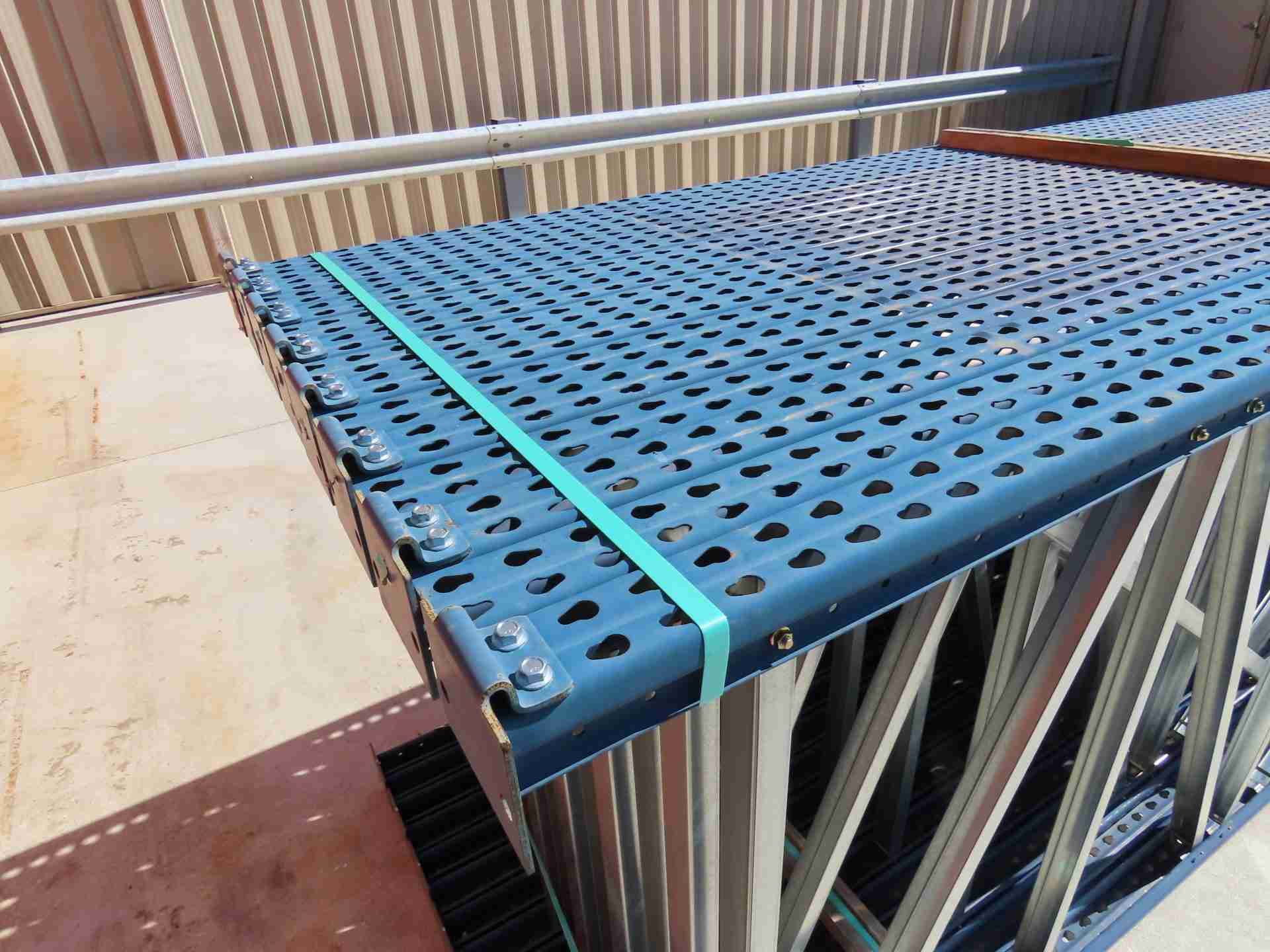
What Expert Insights Can Guide You In Choosing the Right Systems?
What Expert Insights Can Guide You In Choosing the Right Systems?
- Expert insights serve as a guiding star in choosing the right systems for your needs.
- Each tool in your toolkit has a purpose, contributing to your overall success.
- Making the right choice resonates emotionally and intellectually, not just based on appearance.
- The concept of a “right” system is personal and varies for each individual.
- Learning from experienced veterans offers cautionary tales and wisdom shaped by real-world experiences.
- Engagement through conversation and social connections can provide invaluable insights and broaden perspectives.
- Choosing the right systems lays the groundwork for your future success, requiring thoughtful consideration and questions.

What Expert Insights Can Guide You In Choosing the Right Systems?
Conclusion
In the relentless world of business, where every moment presents fresh challenges, human resilience is tested and often highlighted with grace under pressure. Flexible rack systems demonstrate the kind of adaptability that mirrors the tenacity required in these turbulent times. Just as nature bends with the wind, businesses must learn to adjust to their surroundings and demands. These systems are not merely storage solutions; they are essential frameworks that allow organizations to thrive under the weight of uncertainty.
Imagine a bustling warehouse, a place where chaos is tamed through strategic organization. Every square inch is laboriously optimized for efficiency, yet it remains dynamic—ready to pivot as needs change. This shift from rigid, traditional racks to flexible systems is not just a technological upgrade; it reflects a fundamental transformation in how we approach business resilience, revealing a vision that embraces change rather than shying away from it. This isn’t just a pragmatic shift; it’s an emotional one—a testament to the belief that success doesn’t come from unwavering stability but from the willingness to evolve.
The narrative of flexibility intertwines hope and responsibility. When leaders invest in adaptable structures, they send a message: they are committed not just to profits but to the welfare of their teams. Empowering employees to navigate an efficient, supportive workspace boosts morale and cultivates solidarity in facing challenges. As we support one another through tough times, we foster a culture of trust that transforms individuals into a cohesive team, all driven by a shared purpose.
From a rational standpoint, consider how logistics struggles ripple across the fabric of an organization. Delays and bottlenecks don’t just subtract from profits; they chip away at the morale, leading to disengagement and turnover—a reality none of us can afford. So, making the deliberate choice to implement flexible rack systems becomes more than just good practice; it’s an ethical mandate. Resilience isn’t simply a business asset; it embodies our collective commitment to nurture potential, inspire innovation, and build strong communities that thrive even amidst adversity.
As we step into the future, let’s honor the power of flexibility in shaping a sustainable and empathetic workplace. Each decision we make echoes far beyond immediate concerns, laying the groundwork for lasting success and carving out pathways for future resilience. Together, let’s embrace change—it’s here we’ll find not just survival but the very essence of growth. In a world that demands our adaptability, remember: to bend is to thrive.

Conclusion
Conclusion:
- Human resilience is tested in the business world, where adaptability is essential.
- Flexible rack systems exemplify the tenacity required to thrive amidst uncertainty.
- These systems facilitate strategic organization in dynamic environments, optimizing efficiency.
- The shift to flexible systems reflects a fundamental transformation in business resilience.
- Investing in adaptable structures promotes employee welfare and bolsters team morale.
- Implementing flexible racks is not only a practical decision but also an ethical commitment to nurture innovation and community.
- Embracing flexibility is crucial for success, enabling organizations to grow and thrive in challenging circumstances.
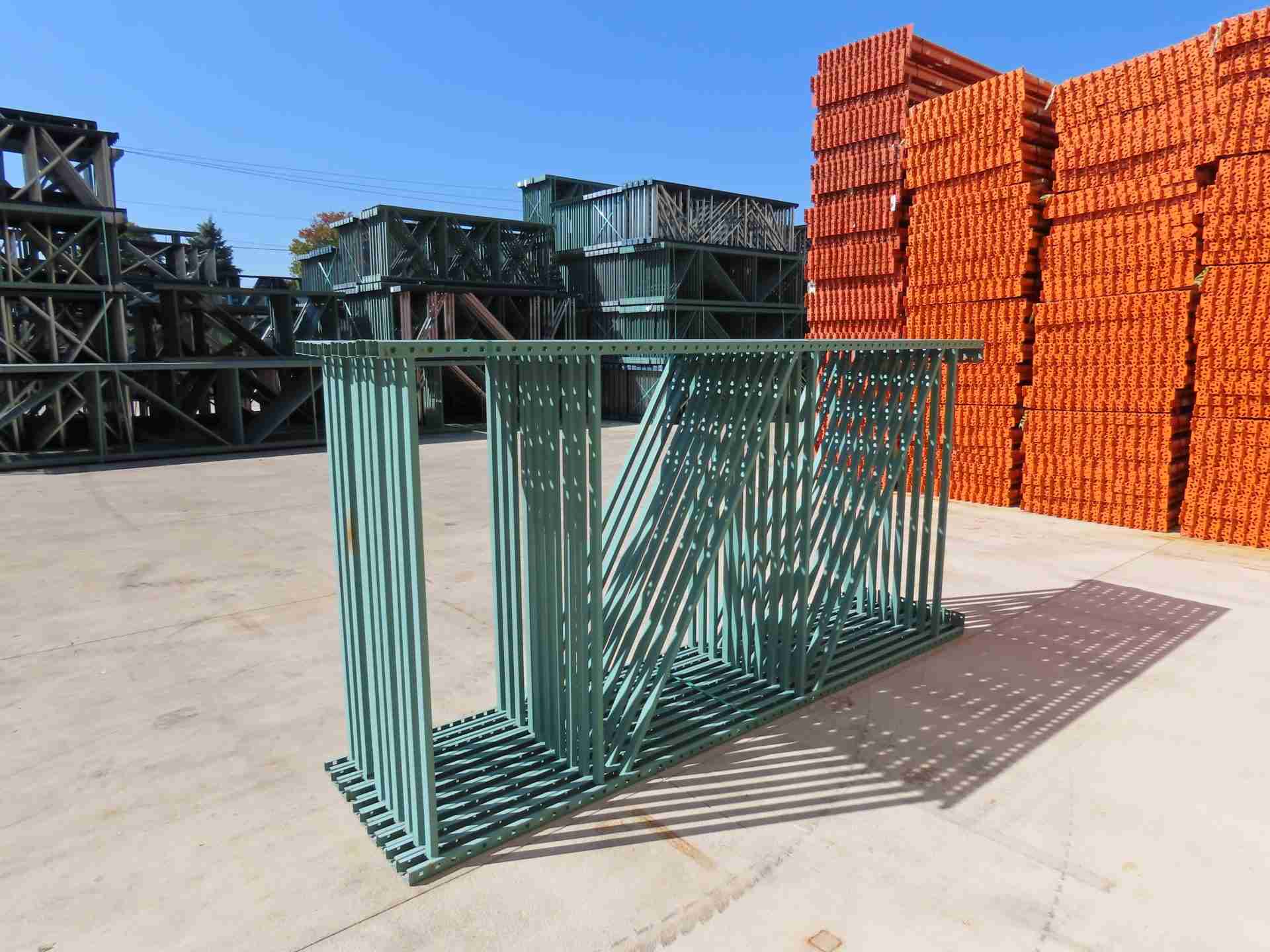
Conclusion
Other Resources
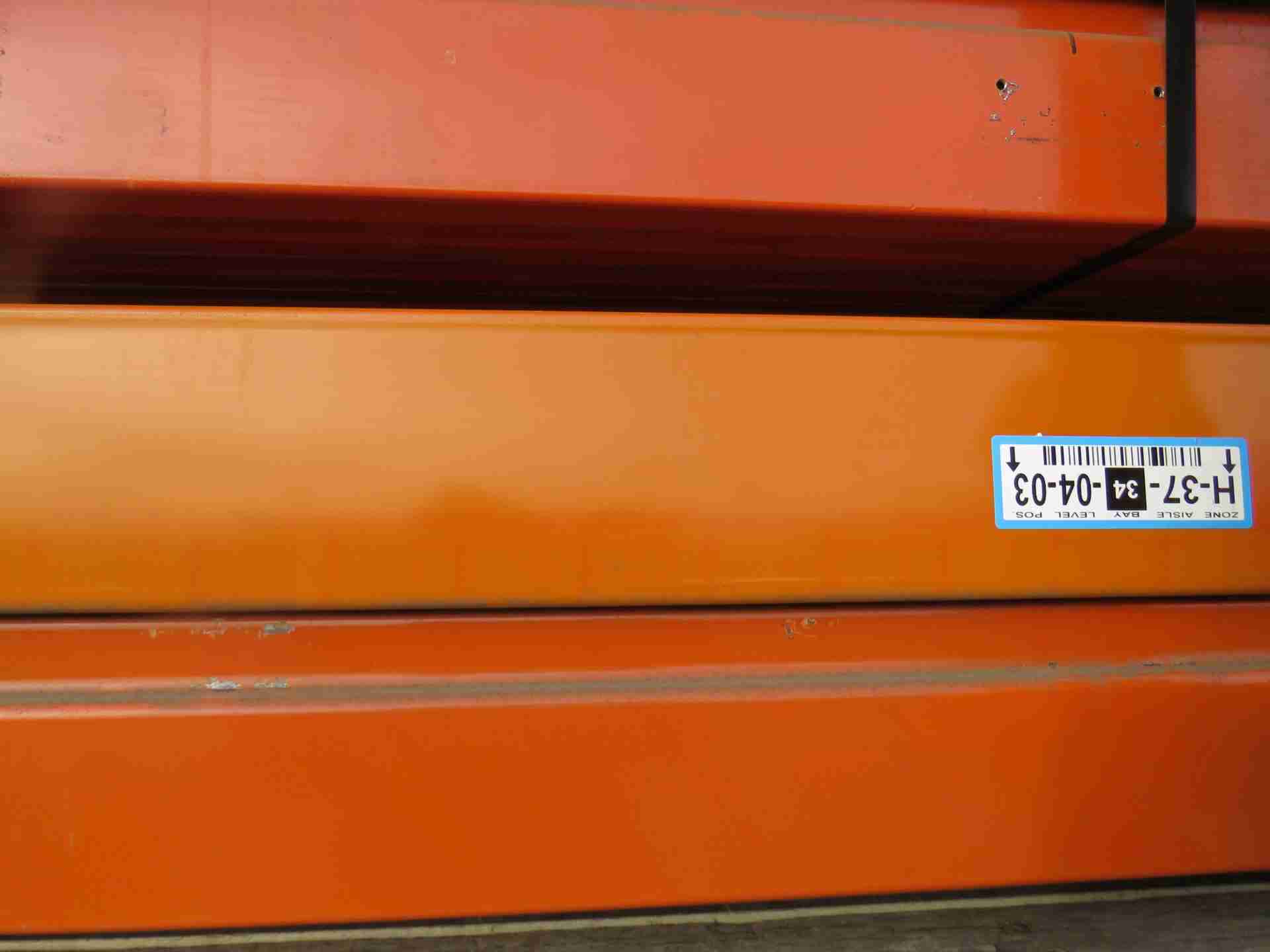
Other Resources
Here is a list of other resources you can review online to learn more:
- Warehousing Education and Research Council: https://www.werc.org/
- Pallet Racking systems in Illinois and Great Lakes
- Crane Manufacturers Association Of America Inc.
- BMH Equipment LLC
- Cantilever Rack Guide: Ordering Cantilever Racking
- Iowa Illinois Warehouse Racking
- ASSP
- International Warehouse Logistics Association
- Arrow Industrial Sales
- Illinois Pallet Racking – Storage Solutions
- Pallet Racking 101: A Comprehensive Guide & Options Explained
- Interlake Mecalux
- Warehouse Storage Racks
- Material Handling Industry
- CMMA
- Shipping Boxes, Packaging Materials, Pallet Racking
- Overhead Lifting
- Warehouse Racking Systems: Beginner’s Guide to Rack Systems
- Teardrop Industrial Shelving Rack
- Warehouse Racking System: Powerful Guide to Optimise, 2024
Use This Prompt To Get More Resources With Your Favorite Online AI Tool: Please provide me with a list of online articles with their URLs in a bulleted list that I can read regarding Building Resilience Through Flexible Rack Systems
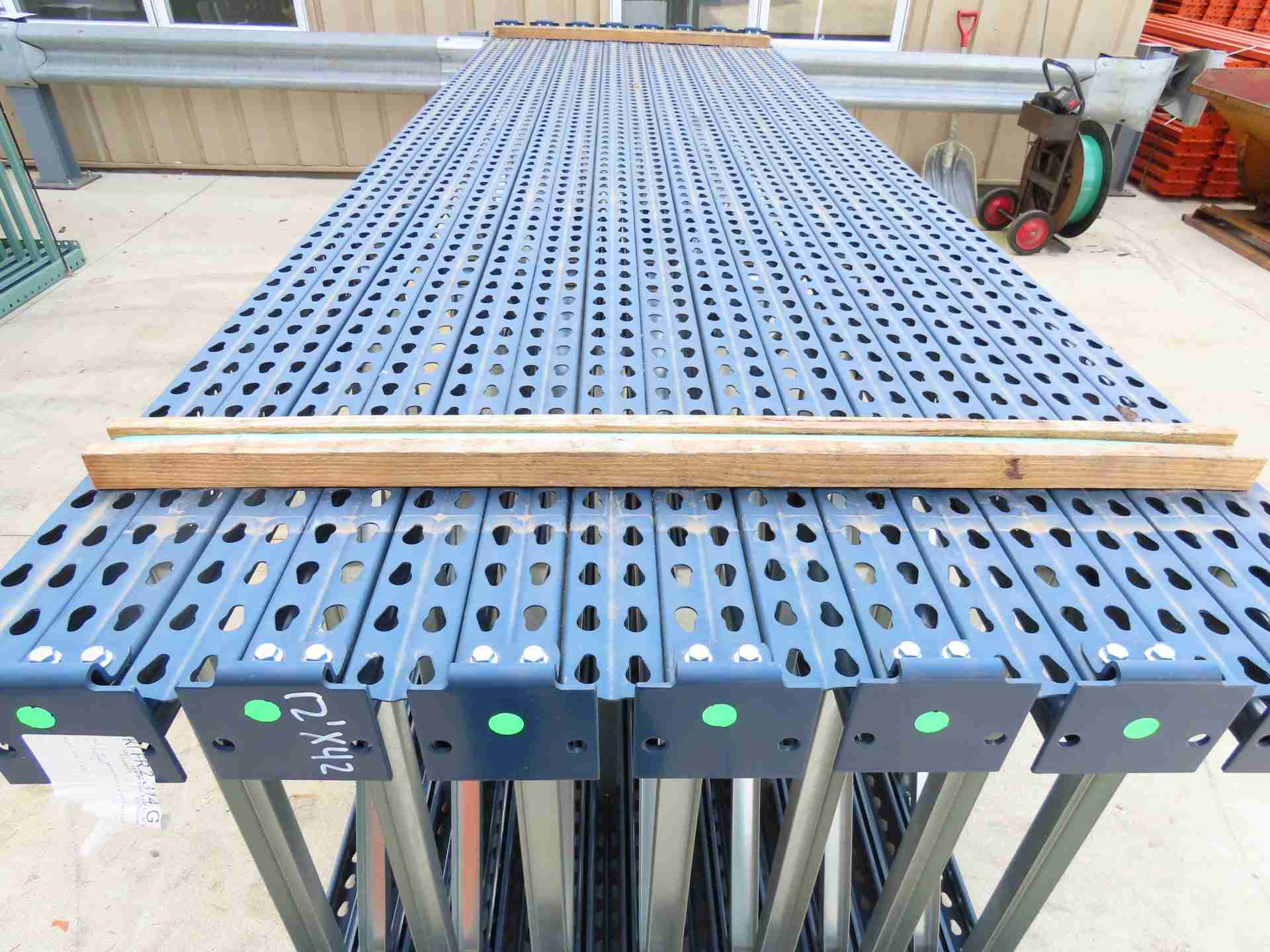
Other Resources
Glossary Terms
Building Resilience Through Flexible Rack Systems – Glossary Of Terms
1. Resilience: The ability to adapt and recover from setbacks or challenges, particularly in a logistical or operational context.
2. Flexibility: The capacity of a system or structure to accommodate changes and variations without compromising performance.
3. Rack Systems: Frameworks used to store, organize, and manage items, typically designed to maximize space and improve accessibility.
4. Modular Design: An approach that allows for components of a system to be easily added, removed, or rearranged to suit specific needs.
5. Load Capacity: The maximum weight or volume a rack system can safely hold while maintaining structural integrity.
6. Scalability: The ability of a system to grow and manage increased demand without losing performance or efficiency.
7. Inventory Management: The process of overseeing and controlling stock levels, orders, and storage to ensure adequate supply and minimize waste.
8. Safety Standards: Regulations and guidelines that dictate acceptable safety practices for the design and use of storage systems.
9. Space Optimization: Techniques aimed at maximizing the efficient use of available storage space to enhance operational efficiency.
10. Supply Chain: The entire system of production, processing, and distribution of goods from origin to consumer.
11. Operational Efficiency: The capability to deliver products or services in the most cost-effective manner while maintaining high quality.
12. Durability: The ability of a product or system to withstand wear, pressure, or damage over time.
13. Customization: The modification of system components to meet specific requirements or preferences of individual users.
14. Accessibility: The ease with which items can be stored and retrieved from a rack system.
15. Risk Management: The identification, assessment, and prioritization of risks, alongside the application of resources to minimize their impact.
16. Environmental Adaptability: The capacity of a rack system to function effectively within various environmental conditions.
17. Cross-Docking: A logistics practice where incoming goods are directly transferred to outbound shipping without long-term storage.
18. Just-in-Time Inventory: A strategy to increase efficiency by receiving goods only as they are needed in the production process.
19. Lean Management: A methodology focused on minimizing waste and maximizing value in all aspects of operations.
20. Load-Balancing: Distributing weight evenly across a rack system to enhance stability and prevent hazards.
21. Material Handling: The movement, protection, and control of materials throughout the manufacturing, warehousing, distribution, consumption, and disposal stages.
22. Mobile Racking: A system where racks are mounted on wheeled bases, allowing for compact storage and easy access.
23. Dynamic Storage: A method of storage that utilizes adjustable systems to accommodate varying inventory levels and types.
24. Shelf Life: The duration for which a product remains usable or saleable, influencing storage practices.
25. Inventory Turnover: A ratio displaying how often inventory is sold and replaced within a given time frame.
26. Technology Integration: The incorporation of advanced technologies such as automation and software into rack systems for enhanced functionality.
27. Pallet Racking: A type of storage system designed to hold pallets of goods, optimizing vertical space.
28. Warehouse Management System (WMS): Software designed to support and optimize warehouse functionality and distribution center management.
29. Heat Treatment: A process involving controlled heating and cooling of materials to alter their physical and sometimes chemical properties.
30. Visual Management: Techniques that use visual signals to communicate information and enhance operational efficiency within a storage system.
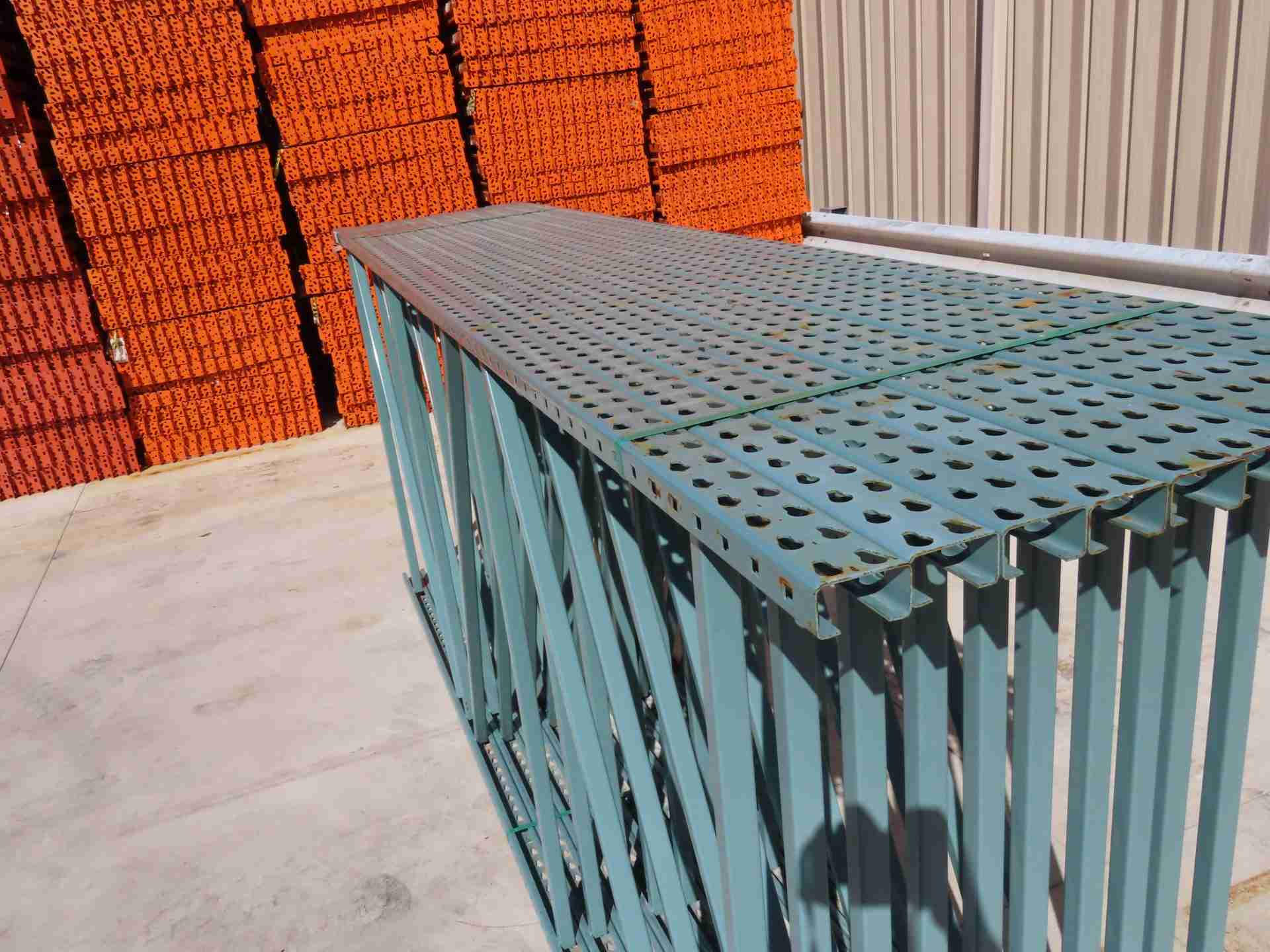
Glossary Of Terms
Other Questions
Building Resilience Through Flexible Rack Systems – Other Questions
If you wish to explore and discover more, consider looking for answers to these questions:
- What are the key features of flexible rack systems?
- How do flexible rack systems compare to traditional storage systems?
- What industries can benefit from adaptable rack solutions?
- How can businesses measure the success of implementing flexible rack systems?
- What are some common mistakes to avoid when transitioning to flexible rack systems?
- How can we ensure employee buy-in when introducing flexible rack systems?
- What are the initial costs associated with implementing flexible rack systems?
- How do flexible rack systems enhance operational efficiency?
- What training is necessary for staff to effectively use flexible rack systems?
- How can flexible rack systems improve inventory management?
- What role does technology play in optimizing flexible rack systems?
- What are the long-term environmental benefits of using flexible rack systems?
- How do flexible rack systems support disaster recovery efforts?
- What case studies highlight successful implementation of flexible rack systems?
- How can companies balance flexibility with structural integrity in their rack systems?
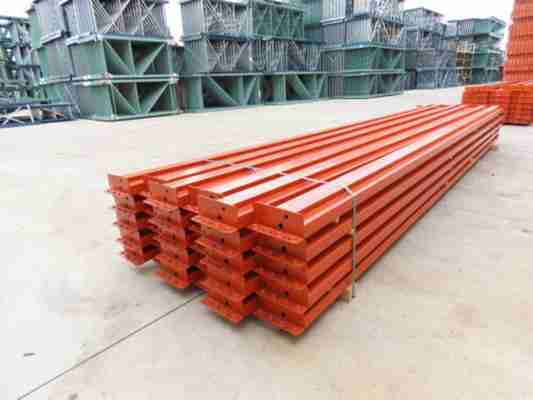
Other Questions
Checklist
Building Resilience Through Flexible Rack Systems – A Checklist
Emotional Appeals:
_____ Reflect on how flexible rack systems can ease your team’s stress and boost morale.
_____ Visualize the sense of accomplishment and empowerment that comes when your team can adapt quickly to changes.
_____ Foster an environment of trust and support; share your own experiences and fears about change.
Rational Appeals:
_____ Assess your current storage solutions to identify areas where flexibility can improve efficiency.
_____ Gather data on the productivity outcomes related to the implementation of flexible rack systems.
_____ Regularly review system performance metrics to ensure continual alignment with business needs.
Ethical Appeals:
_____ Consider the long-term impact of your choices on your team’s well-being and development.
_____ Reflect on the importance of nurturing a culture that encourages resilience and embraces challenges.
_____ Ensure that your storage solutions align with sustainable practices that benefit the community and environment.
Authority Appeals:
_____ Seek expert insights before choosing systems; learn from industry veterans who have navigated similar challenges.
_____ Reference case studies or testimonials from organizations that experienced successful transitions to flexible rack systems.
_____ Collaborate with professionals to evaluate the ethical implications of your logistics choices.
Narrative Appeals:
_____ Share success stories of businesses that thrived due to their agility and innovative storage solutions.
_____ Create a compelling narrative around how flexibility in systems leads to breakthroughs during tough times.
_____ Highlight individual journeys within your organization that exemplify overcoming logistical challenges.
Social Appeals:
_____ Build a community around shared experiences of adapting to change; encourage open discussions among teams.
_____ Establish forums or platforms for employees to provide feedback and suggestions on maintaining system flexibility.
_____ Celebrate collective achievements and small wins as a team, reinforcing the importance of collaboration and camaraderie.
Use this checklist to inspire action and reflection as you explore the transformative potential of flexible rack systems in your organization.
Checklist
At RackingWorld, we help guide you through selecting warehouse storage systems and racking.
Be sure to read our other related stories at RackingWorld to learn more about warehouse storage systems.
0 Comments