
Securing Our Future: The Vital Importance Of Physical Storage Integrity
By Tom Seest
At RackingWorld, we help guide you through selecting warehouse storage systems and racking.
Be sure to read our other related stories at RackingWorld to learn more about warehouse storage systems.
Building Physical Controls Into Storage Systems
In the world of warehousing and storage, ensuring the safety and efficiency of your racking systems isn’t just about fitting every last box into a tight space. It’s about understanding the human element in your operations. Imagine a busy warehouse, where workers navigate through towering shelves stacked high with goods. Without proper physical controls, the risk isn’t just related to inventory damage; it’s about the very real danger to the people who work there every day.
When we talk about building physical controls into our storage systems, we’re not just ticking boxes on a safety checklist. We’re crafting an environment where employees feel secure and valued. A well-designed racking system with physical barriers can prevent accidents that might send someone to the hospital, and that’s something no manager should ever take lightly. It’s about respect for your team; they deserve a workplace that protects them. Workers are not just pieces of equipment; they’re the backbone of any operation. This isn’t just good ethics—it’s smart business.
Think about the efficiency that comes with well-implemented physical controls. Picture shelves with guard rails, signage that directs foot traffic, and proper spacing that allows easy access while maintaining order. That’s not just planning; that’s showing your staff that you understand their needs. It boosts morale when they see the company is committed to their safety, fostering loyalty that translates into lower turnover and higher productivity. It’s the kind of investment that pays off in more ways than one.
We’ve all got stories about the old days when safety wasn’t always a priority. You’ve likely seen close calls and near misses, where a simple adjustment in the layout of racking systems could have changed the outcome. Learning from those experiences fosters a culture not just of compliance, but of proactive safety, where everyone feels responsible for not only their safety but that of their coworkers.
Designing modern storage solutions is like telling a story through your racking systems. Each shelf holds potential, each control measure speaks volumes about your commitment to safety. This isn’t just about laws and regulations; it’s about instilling trust, building confidence, and setting a standard for how we operate. When strong physical controls are a part of your racking systems, you’re not just shielding your assets; you’re safeguarding your people—and that’s the bottom line.
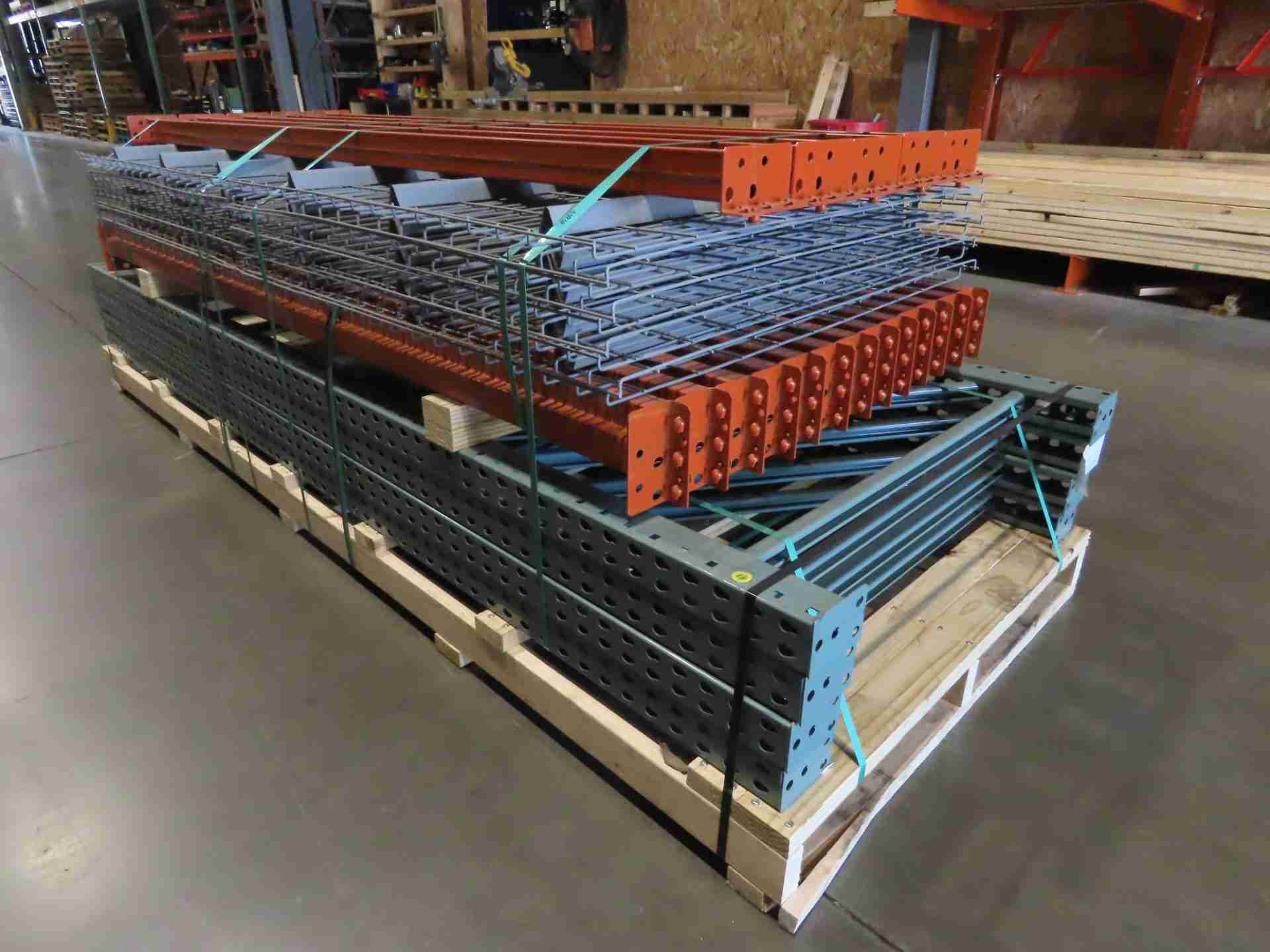
Building Physical Controls Into Storage Systems
Building Physical Controls Into Storage Systems
- Safety and efficiency in warehousing depend on understanding the human element, not just maximizing storage space.
- Proper physical controls in racking systems protect workers from accidents and demonstrate respect for their safety.
- A well-designed storage environment fosters employee morale and loyalty, contributing to lower turnover and higher productivity.
- Implementing safety measures, like guard rails and clear signage, shows commitment to employee needs and well-being.
- Learning from past safety incidents promotes a proactive safety culture among all employees.
- Modern storage solutions reflect a commitment to safety, building trust and confidence within the workforce.
- Effective physical controls not only protect assets but also ensure the safety and well-being of all personnel.
Building Physical Controls Into Storage Systems
Table Of Contents
- Building Physical Controls Into Storage Systems
- What Key Benefits Do Physical Controls Offer In Storage Systems?
- How Can Physical Controls Enhance Security In Warehouses?
- What Types Of Physical Controls Are Most Effective for Storage?
- How Do Physical Controls Help In Compliance with Regulations?
- What Are the Risks Of Neglecting Physical Controls In Storage Areas?
- How Can Emotional Biases Affect Decisions on Physical Controls?
- Conclusion
- Other Resources
- Glossary Of Terms
- Other Questions
- Checklist
What Key Benefits Do Physical Controls Offer In Storage Systems?
When it comes to storage systems, especially in warehouses or busy workshops, physical controls aren’t just a nice-to-have; they’re a necessity. Racking systems, for instance, tackle the chaos of cluttered aisles and mind-boggling inventory by bringing order to the madness. It’s like taking a deep breath after a long day—suddenly, it’s all clearer.
Imagine a place where tools, materials, and products are neatly organized on sturdy racks, waiting for the next job. That’s the beauty of a well-designed racking system. Everything has its place, cutting down the time wasted searching for items. For blue-collar workers who hustle every day, this means less frustration and more focus on the job at hand. Emotional connection runs deep here; the satisfaction of finding that wrench when you need it brings a sense of victory that’s hard to beat.
Moving from the heart to the head, consider the practical benefits. Employing physical controls in storage systems reduces the risk of accidents. Properly secured items are less likely to fall or be misplaced, making the workplace safer for everyone involved. This isn’t just about following rules; it’s about fostering a culture where safety isn’t an afterthought. Workers gain confidence when they know their environment is secure. There’s an unspoken trust that develops, knowing everyone is committed to maintaining that safety.
Ethically, physical controls uphold accountability. When everyone knows where everything belongs, it encourages responsibility among team members. No more hiding behind excuses of lost items—everyone plays a part in maintaining order. This shared responsibility builds camaraderie and pride, creating a stronger team dynamic.
On the authority front, investing in high-quality racking systems sends a message to workers and clients alike: we mean business. It shows that a company values efficiency and quality, attracting new clients and retaining existing ones. A solid storage system, like a dependable pair of boots, becomes a symbol of reliability in a world of uncertainty.
Ultimately, it’s not just about metal and screws; it’s about the lives people lead in these environments. When physical controls simplify daily tasks, they allow folks to focus on what truly matters—the work that feeds them and their families. A reliable storage system isn’t just an asset; it’s a lifeline, and that’s worth every penny spent.
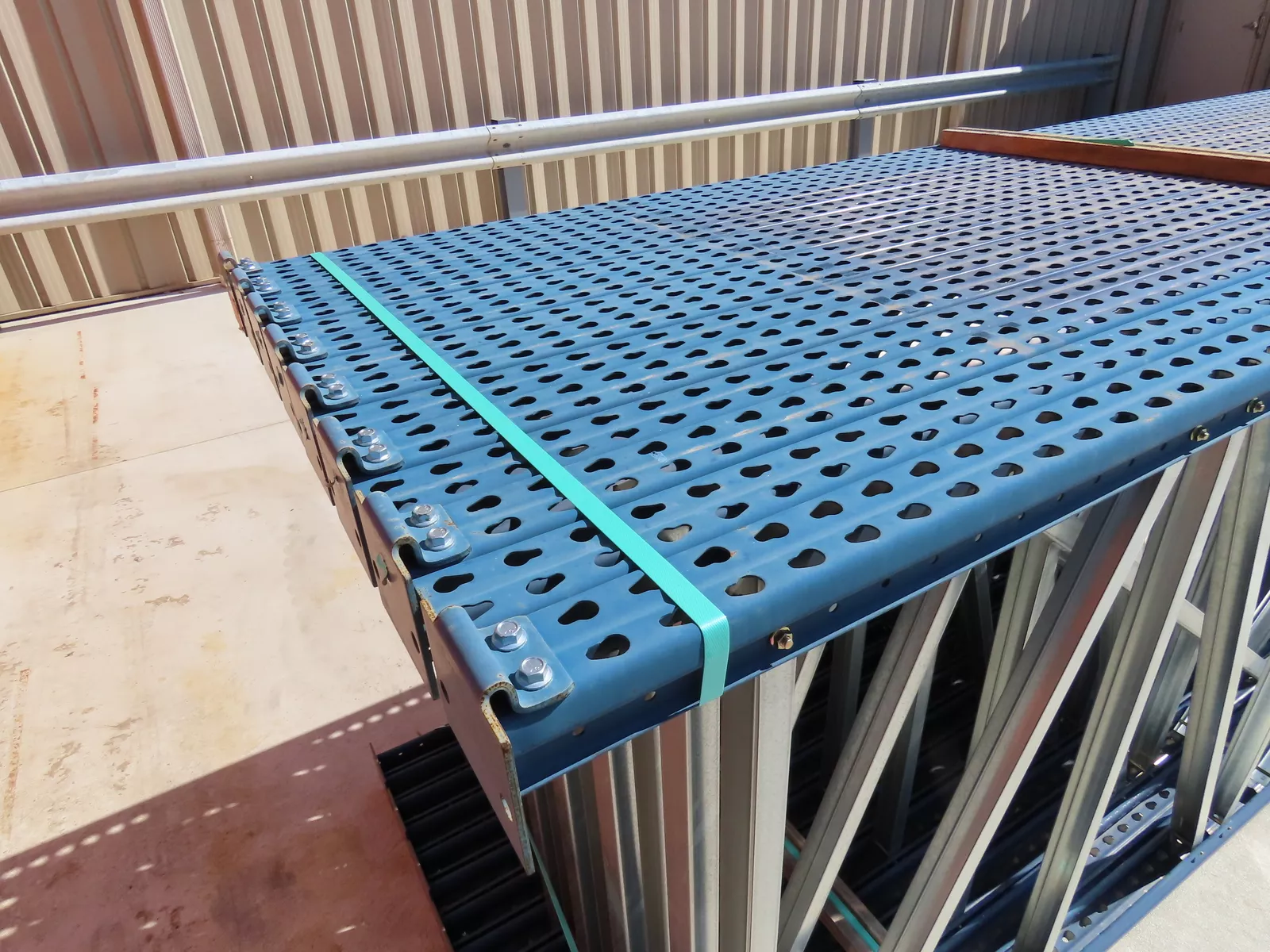
What Key Benefits Do Physical Controls Offer In Storage Systems?
What Key Benefits Do Physical Controls Offer In Storage Systems?
- Physical controls in storage systems are essential for maintaining order in warehouses and workshops.
- Well-designed racking systems organize tools and materials, reducing search time and frustration for workers.
- Implementing physical controls decreases the risk of accidents, enhancing workplace safety.
- Clear organization fosters accountability and encourages responsibility among team members.
- Investing in high-quality racking systems signals a commitment to efficiency and quality to workers and clients.
- Reliable storage systems enable workers to concentrate on essential tasks without distraction.
- A dependable storage system acts as a lifeline for workers, proving its worth through improved productivity and safety.

What Key Benefits Do Physical Controls Offer In Storage Systems?
How Can Physical Controls Enhance Security In Warehouses?
When it comes to keeping a warehouse secure, the right physical controls are more than just practical solutions—they’re the backbone of a safe and efficient operation. Picture this: the heart of your business runs out of a massive space filled with racking systems stacked high with valuable inventory. If that space isn’t secured properly, the risks can be staggering, both financially and emotionally. That’s where physical controls, like access barriers and surveillance systems, step in to not only protect your goods but also instill a sense of trust among your team.
Think about it. You invest countless hours into ensuring that your warehouse runs like a well-oiled machine. Your employees work hard to meet deadlines and keep operations flowing smoothly. Knowing that their hard work is safeguarded by robust physical controls creates an environment where they can focus on the job rather than worry about theft or damage. It’s not just about preventing loss; it’s about protecting the dignity and pride that comes with hard work.
On a practical level, physical controls offer rational solutions that make sense. Security cameras placed strategically around the racking systems can deter would-be thieves and provide critical evidence in case of incidents. Access control systems ensure that only authorized personnel can enter secure areas, significantly reducing the risk of internal theft or mishaps. These are investments in peace of mind, the kind that proves invaluable over time, keeping both your inventory safe and your operations running smoothly.
Ethically, it’s about doing right by your employees and your community. A secure warehouse isn’t just a fortress against external threats; it’s a commitment to providing a safe working environment. When workers feel secure, they are more likely to be engaged and invested in the company’s success. It’s a win-win that fosters a culture of trust and responsibility.
Finally, telling the stories of those who’ve experienced theft or losses firsthand can resonate deeply. Every incident leaves a mark—not just on the company’s bottom line but on the morale of the people who make it thrive. Those stories aren’t just cautionary tales; they are calls to action. The need for robust physical controls isn’t just about security; it’s about creating a community that values every single individual’s contributions.
In the world of warehousing, investing in physical controls isn’t just a matter of protecting assets; it’s about embracing the humanity behind the operation, ensuring that every person feels valued and every effort is safeguarded.

How Can Physical Controls Enhance Security In Warehouses?
How Can Physical Controls Enhance Security In Warehouses?
- Proper physical controls are essential for a secure and efficient warehouse operation.
- Physical controls, such as access barriers and surveillance systems, protect inventory and build trust within the team.
- Effective security measures allow employees to focus on their tasks without worrying about theft or damage.
- Security cameras and access control systems reduce risks of theft and ensure only authorized personnel access secure areas.
- A secure environment enhances employee engagement and fosters a culture of trust and responsibility.
- Personal stories of theft impact morale and emphasize the importance of effective security measures.
- Investing in physical controls values employee contributions and creates a sense of community within the warehouse.

How Can Physical Controls Enhance Security In Warehouses?
What Types Of Physical Controls Are Most Effective for Storage?
When it comes to storage, there’s no shortage of options, but knowing what really works can make all the difference. Let’s talk about something that’s often overlooked in the hustle and bustle of everyday operations: Racking Systems. These aren’t just metal shelves; they’re the backbone of a well-organized storage space, and they offer a unique blend of practicality, safety, and efficiency.
Imagine walking into a warehouse where everything has its place. Goods are neatly stored on racking systems, allowing for easy access and optimal use of space. It’s not just about stacking boxes haphazardly; proper racking prevents accidents and injuries, giving you peace of mind. Trust me, there’s nothing like knowing you’ve minimized the risk for your team.
From a practical standpoint, racking systems maximize floor space and storage capacity. Vertical storage creates room for more inventory, letting businesses thrive without the constant hassle of expansion. Think about the savings—less need for additional square footage translates to lower overhead costs. This kind of smart storage gives you a competitive edge and ensures you’re not throwing money out the window.
Ethically speaking, investing in robust racking systems signals a commitment to safety and quality. It shows your workforce that you care. When employees see that you’ve taken steps to ensure their well-being, it fosters loyalty and trust. They are more likely to put forth their best effort when they know you’ve got their backs.
We can’t ignore the social aspect here. A workplace that emphasizes safety and organization cultivates a culture of respect and teamwork. When everyone looks out for one another, productivity jumps. Racking systems aren’t just a means to store goods; they’re a rallying point for collaboration and shared responsibility.
Let’s not forget the narrative—everyone loves a good story. Picture this: a small business owner struggles to keep up with demand. Their cluttered storage leads to mishaps and errors, dimming their spirit. But once they invest in a proper racking system, everything changes. Orders are filled accurately, deadlines are met, and that once-stressed owner is now able to finally breathe a sigh of relief, seeing their hard work pay off.
Effective storage isn’t merely about shelves and space; it’s about creating a safe, efficient, and inspiring environment for everyone involved. Embrace the power of racking systems, and watch as your operation transforms into something remarkable.

What Types Of Physical Controls Are Most Effective for Storage?
What Types Of Physical Controls Are Most Effective for Storage?
- Racking systems are essential for organized storage, offering practicality, safety, and efficiency.
- Proper racking maximizes space and facilitates easy access to stored goods, reducing accidents.
- Vertical storage enhances inventory capacity, minimizing the need for additional square footage and lowering costs.
- Investing in racking systems reflects a commitment to employee safety and fosters loyalty and trust.
- A well-organized workplace promotes teamwork and respect, boosting overall productivity.
- Successful stories highlight the transformation businesses undergo after implementing racking systems.
- Effective storage creates a safe and inspiring environment, enhancing operational efficiency.
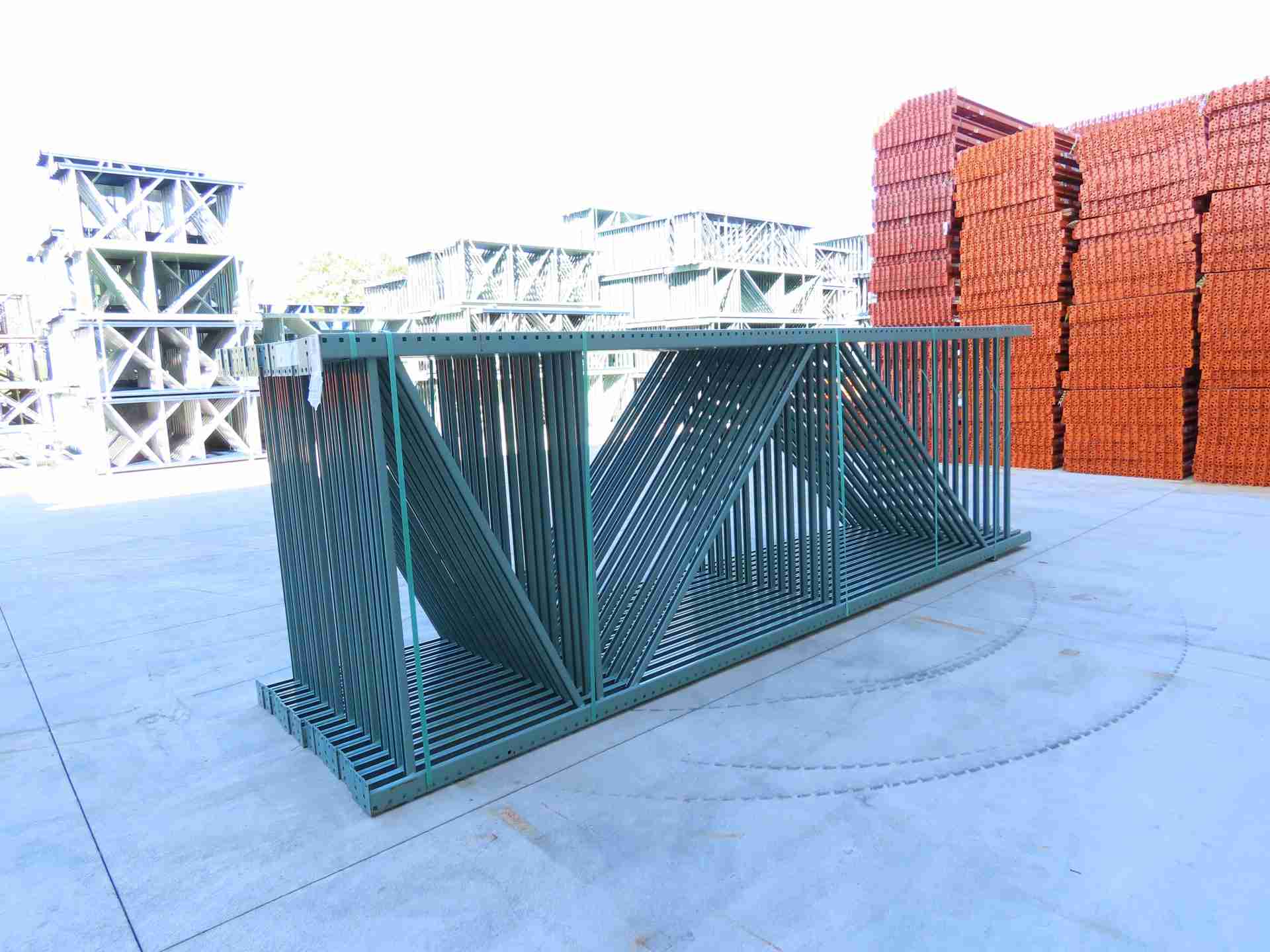
What Types Of Physical Controls Are Most Effective for Storage?
How Do Physical Controls Help In Compliance with Regulations?
In a world where rules and regulations seem to multiply like weeds in a garden, physical controls serve as sturdy fences, keeping the chaos at bay. Think about the last time you walked through a well-organized warehouse. Racking systems stand tall, managing the inventory like soldiers in formation. These systems aren’t just about aesthetics; they’re lifelines that maintain order and safety. When everything is in its place and labeled correctly, workers can find what they need without turning a warehouse into an obstacle course.
From a practical standpoint, racking systems enhance efficiency, allowing workers to focus on their tasks rather than waste precious minutes hunting for supplies. This efficiency doesn’t just lower stress; it often translates to better productivity, which keeps the bottom line healthy. You work hard for your paycheck, and the last thing you want is to see it wasted because something as simple as a misplaced tool or material led to downtime. Properly organized spaces cultivate a sense of pride and ownership among the crew. When employees can see how their environment supports compliance, they tend to take more responsibility for maintaining those standards.
On a deeper level, physical controls like racking systems foster an ethical commitment to safety and accountability. It’s not just about avoiding fines; it’s about protecting the people who keep the wheels turning. When safety becomes ingrained in the workplace culture, it resonates with employees, making them feel valued and protected. This isn’t just legal jargon; it’s a moral obligation to ensure that everyone returns home safe and sound after a long day of work.
Moreover, by showcasing efficient use of racking systems, companies can build trust with clients and regulators alike. When inspectors walk in and see organized aisles and compliant operations, it sends a clear message: this place stands for quality, order, and respect for the law. It creates a bond—a community feeling—which is crucial for team morale and external relationships. Let’s face it; when our workplace looks professional, it speaks volumes about who we are and what we represent.
Lastly, embracing physical controls inspires action. They’re not just structures; they’re symbols of progress and commitment to doing things right. In an industry constantly on the move, investing in racking systems isn’t just a decision; it’s a statement about one’s values and dedication to compliance. So, let’s keep our racking systems tidy and our minds focused; the road to compliance isn’t just paved with regulations but also with the everyday choices we make.
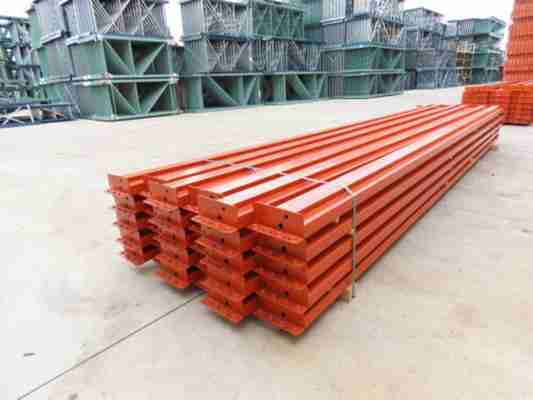
How Do Physical Controls Help In Compliance with Regulations?
How Do Physical Controls Help In Compliance with Regulations?
- Physical controls, like racking systems, maintain order and safety in warehouses.
- Efficient organization enhances worker productivity and reduces stress.
- Properly organized spaces foster employee pride and responsibility for maintaining standards.
- Physical controls support a commitment to safety and accountability in the workplace.
- Efficient racking systems build trust with clients and regulators by showcasing compliance.
- A well-organized workplace promotes team morale and reflects company values.
- Investing in racking systems signifies a commitment to compliance and continuous improvement.

How Do Physical Controls Help In Compliance with Regulations?
What Are the Risks Of Neglecting Physical Controls In Storage Areas?
Neglecting physical controls in storage areas can lead to serious risks that impact everyone involved, from warehouse workers to business owners. Imagine stepping into a storage area where racking systems are sagging under the weight of improperly stored materials. It’s not just an eyesore; it’s an accident waiting to happen. When safety takes a backseat, the heart of the operation becomes vulnerable.
Racking systems are designed to hold heavy loads, but without proper maintenance and oversight, they can become unstable. Picture a heavy box toppling off a shelf due to poor organization or forgotten protocols. The fallout isn’t merely a lost inventory item; it’s the potential harm to a teammate, a friend. When accidents occur, they don’t just affect productivity; they create a ripple effect of fear and mistrust among workers who rely on a safe environment.
From a practical standpoint, neglecting these controls equates to ignoring basic best practices. Rational thinking dictates that regular inspections and proper training aren’t optional— they are essential. Ethical responsibility demands that we ensure the well-being of our colleagues. Each item stored improperly on racking systems can become a ticking time bomb. A warehouse that prioritizes safety fosters a culture where everyone looks out for each other, building camaraderie and trust.
Authority figures within the workplace must lead by example. When management invests in proper safety training and infrastructure, it sends a clear message: the well-being of employees is paramount. Stories circulate in the trenches—each near-miss or slip-up is a lesson that urges teams to engage in proactive safety measures. Workers learn to inspect their environments, ensuring that racking systems are securely loaded and organized.
Moreover, consider the social consequences of neglecting safety. A culture of care breeds loyalty and pride among workers. If individuals believe their workplace values their safety, they’re more likely to stay engaged, focused, and productive. Conversely, a neglectful approach breeds tension and disengagement, preventing teams from performing at their best.
Neglecting physical controls in storage areas ends in heart-stopping moments and costly consequences. The investment in safety is an investment in your workforce’s trust, confidence, and ultimately, the heart of your business. Emphasizing the importance of racking systems and rigorous safety protocols isn’t just good practice; it’s a commitment to safeguarding the lives and livelihoods of all involved.

What Are the Risks Of Neglecting Physical Controls In Storage Areas?
What Are the Risks Of Neglecting Physical Controls In Storage Areas?
- Neglecting physical controls in storage areas poses serious risks to warehouse workers and business owners.
- Improperly stored materials can lead to unstable racking systems and potential accidents.
- Accidents cause productivity loss and create a culture of fear and mistrust among employees.
- Regular inspections and proper training are essential for maintaining safety in storage areas.
- Management should lead by example, emphasizing safety training and infrastructure to enhance employee well-being.
- A culture that prioritizes safety fosters loyalty, pride, and productivity among workers.
- Investing in safety is vital for the trust and confidence of the workforce, impacting the overall business health.

What Are the Risks Of Neglecting Physical Controls In Storage Areas?
How Can Emotional Biases Affect Decisions on Physical Controls?
Emotional biases play a significant role in how we approach decisions regarding physical controls, like racking systems in a warehouse or storage facility. When faced with choices, it’s easy to let our feelings override our better judgment, especially when the stakes seem high or when we’ve had past experiences that shape our views. For instance, if a racking system has worked well in the past, the emotional attachment to that success can cloud our ability to see its flaws. We might overlook safety features or ignore new innovations simply because we’re comfortable with what we know.
This isn’t just about personal experience; it resonates deeply with all of us who’ve faced obstacles in work settings that impact our daily lives. We’ve all seen the consequences of letting emotions steer decisions. Someone may recall the stress of a near-miss incident due to inadequate racking systems and become overly cautious, potentially missing out on updated systems that could enhance safety and efficiency. This emotional bias isn’t just a personal issue; it affects teams. Decisions driven by fear or nostalgia can hold back collective progress, stifling innovation and growth.
Thinking critically about these biases is essential. When we sit back and weigh our options logically, we start to see the bigger picture. Yes, racking systems must feel right, but they also need to be grounded in data and evidence. Seeking input from colleagues or consulting with experts who specialize in storage solutions can provide invaluable insights. These authorities bring a fresh perspective that might be harder to see when we’re mired in our emotions.
The ethics of decision-making are also important in this context. Choosing a racking system isn’t merely a business decision; it impacts everyone involved—from the warehouse staff that rely on safety to the customers depending on timely deliveries. A poor choice can have ripple effects that extend far beyond the initial decision.
Listening to stories from peers, sharing both triumphs and setbacks with racking systems, creates a sense of camaraderie that can rally a team around a common goal. When we openly discuss our experiences, it builds trust and encourages more informed decisions that balance heart, head, and gut. Creating a workplace that prioritizes solid, evidence-based choices, in combination with acknowledged feelings and experiences, ensures that we make choices that serve us all best.
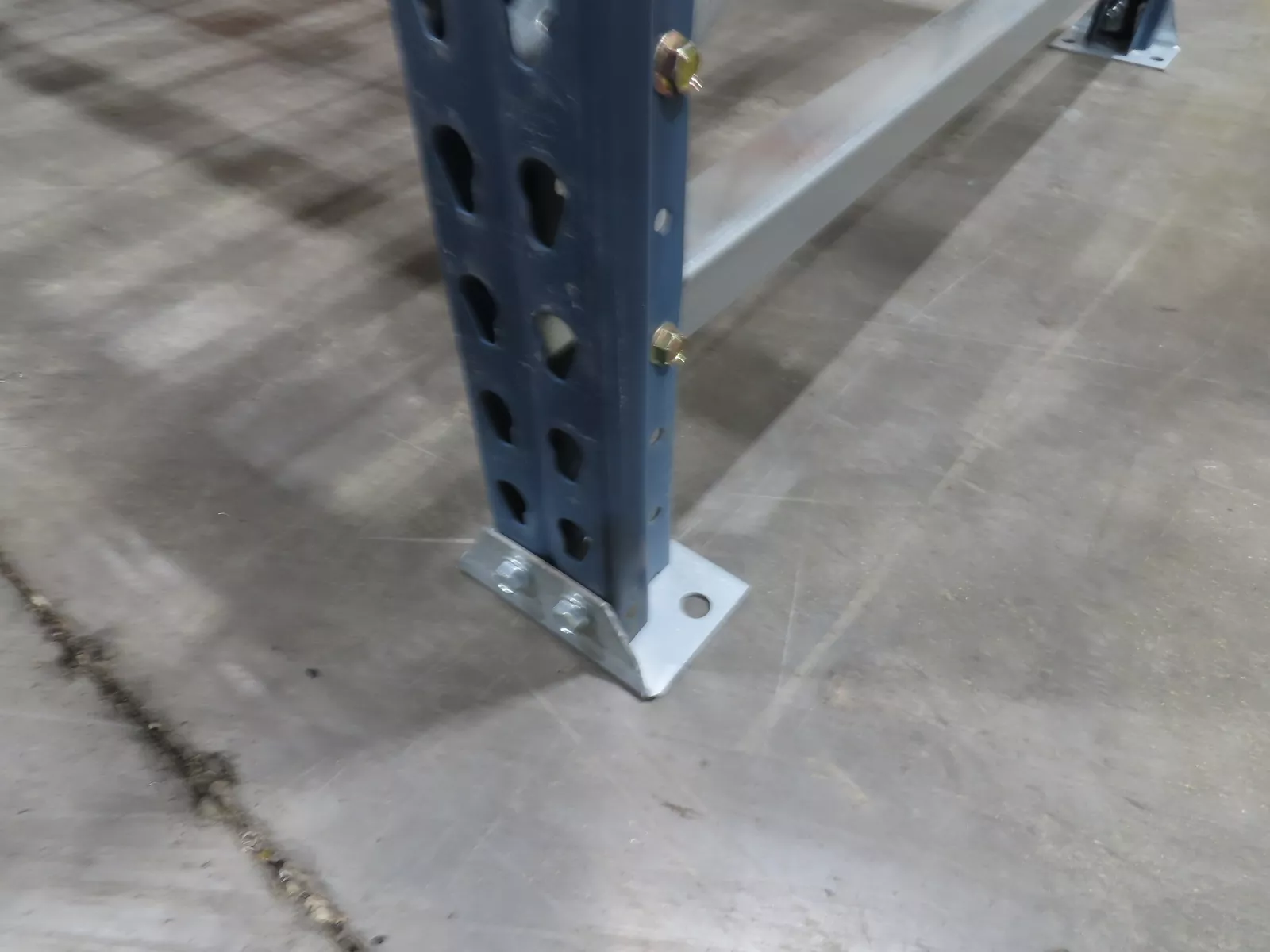
How Can Emotional Biases Affect Decisions on Physical Controls?
How Can Emotional Biases Affect Decisions on Physical Controls?
- Emotional biases influence decisions on racking systems in warehouses and storage facilities.
- Feelings can override judgment, especially when past experiences create attachment to familiar systems.
- Overlooking safety features and innovations may occur due to comfort with established choices.
- Emotional bias affects teams, potentially hindering collective progress and innovation.
- Critical thinking about biases allows for more informed decision-making grounded in data.
- Decisions impact not only individual safety but also broader operational outcomes.
- Sharing experiences fosters trust and teamwork, leading to balanced and effective choices.

How Can Emotional Biases Affect Decisions on Physical Controls?
Conclusion
In the realm of warehousing and storage, the importance of physical controls can’t be overstated; they form the backbone of not just operational efficiency but also worker safety. A well-crafted racking system does more than store products—it safeguards the people who navigate these spaces daily, acknowledging their critical role in the business. It’s not just about ticking off safety measures; it’s about creating an environment where employees feel valued and secure. When workers can trust that their safety is prioritized, their morale skyrockets. It’s simple: a happy worker is a productive worker, and that loyalty can directly translate to better output for the company.
The tangible benefits of good physical controls, like organized racking systems, extend beyond mere compliance with regulations. They enhance safety by minimizing the risk of accidents—proper barriers and signage prevent chaos, allowing workers to focus on their tasks without fear. In this sense, a commitment to physical controls is both an ethical obligation and a smart business decision. It builds a culture of trust, where everyone takes responsibility for maintaining order and safety, fostering relationships that help the team thrive.
The narrative of investing in these systems is compelling. Just consider the transformation seen when a cluttered, chaotic workspace shifts to an organized, efficient environment. It’s not just shelf space being optimized; it’s the workers’ spirits being lifted as they find pride in a job well done. These investments pay dividends not only in reduced accidents but also in enhanced team dynamics as employees feel cared for and empowered to perform their best.
Moreover, in addressing security, physical controls act as a shield, protecting valuable inventory from theft and damage and creating peace of mind for everyone involved. A secure workplace boosts employee engagement and sends a clear message about the company’s dedication to their safety. This commitment resonates on an emotional level, enhancing the sense of community within the team.
Finally, neglecting physical controls carries risks that can impact not only the bottom line but also the very lives of those who work within these environments. The potential for accidents or near-misses due to poor organization creates a culture of fear and mistrust. Thus, prioritizing safety is not just a matter of regulatory compliance; it’s about building a workspace where each individual feels valued, respected, and safe—creating a strong foundation for lasting success in any operation.

Conclusion
Conclusion:
- Physical controls in warehousing are vital for operational efficiency and worker safety.
- Effective racking systems protect employees and create a safe work environment.
- Worker trust in safety measures boosts morale and productivity.
- Good physical controls minimize accident risks and comply with regulations.
- Investing in organized systems transforms workspaces and enhances employee pride.
- Physical controls safeguard inventory and foster a sense of security among staff.
- Neglecting safety can lead to accidents, creating a work culture of fear and mistrust.
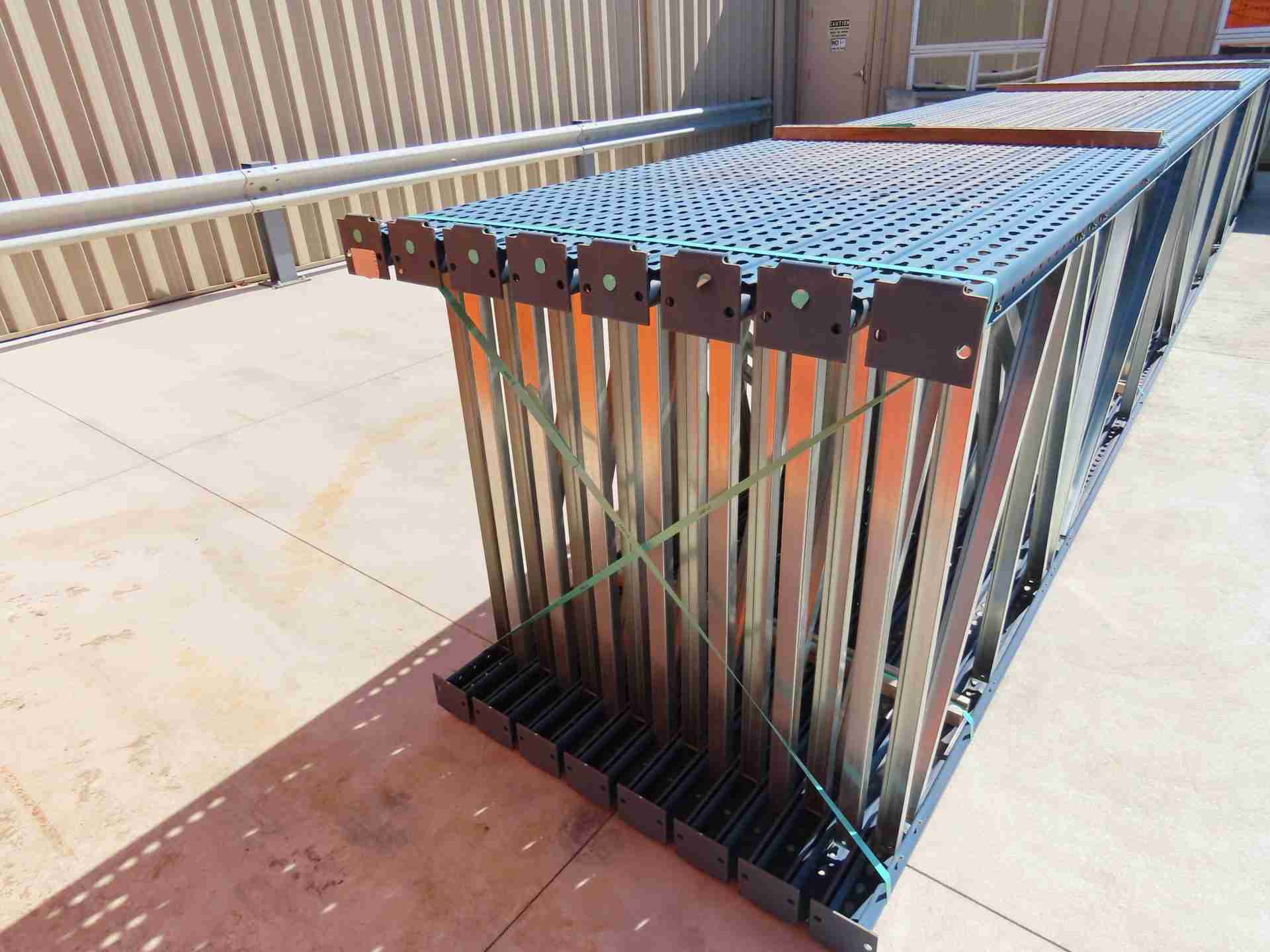
Conclusion
Other Resources
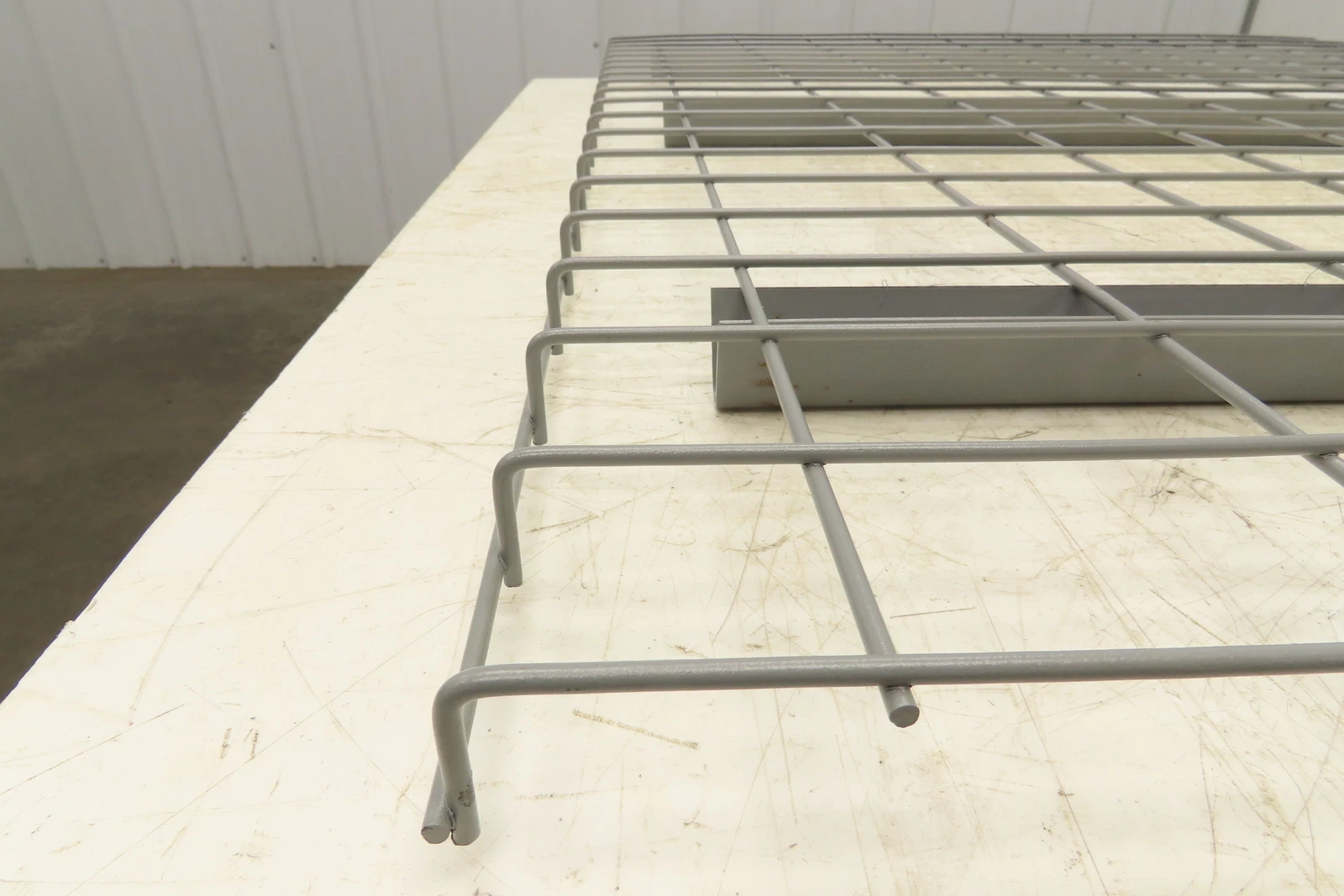
Other Resources
Here is a list of other resources you can review online to learn more:
- Cantilever Rack Guide: Ordering Cantilever Racking
- Shipping Boxes, Packaging Materials, Pallet Racking
- Chicago Pallet Racking
- Selective Racking
- Pallet Racking systems in Illinois and Great Lakes
- Used Teardrop Pallet Rack – American Surplus
- Warehouse Racking Chicago, IL
- What is Selective Pallet Racking
- NSC
- What is Cantilever Racking? – AK Material Handling Systems
- BMH
- Illinois Pallet Racking – Storage Solutions
- Cantilever Rack Configuration & Installation: A Comprehensive Guide – BMH
- WERC
- MHI
- Warehousing Education and Research Council: https://www.werc.org/
- Crane Manufacturers Association Of America Inc.
- Warehouse Storage Racks
- Pallet Racking systems in Illinois, Great Lakes
- Warehousing and Fulfillment
Use This Prompt To Get More Resources With Your Favorite Online AI Tool: Please provide me with a list of online articles with their URLs in a bulleted list that I can read regarding Building Physical Controls Into Storage Systems
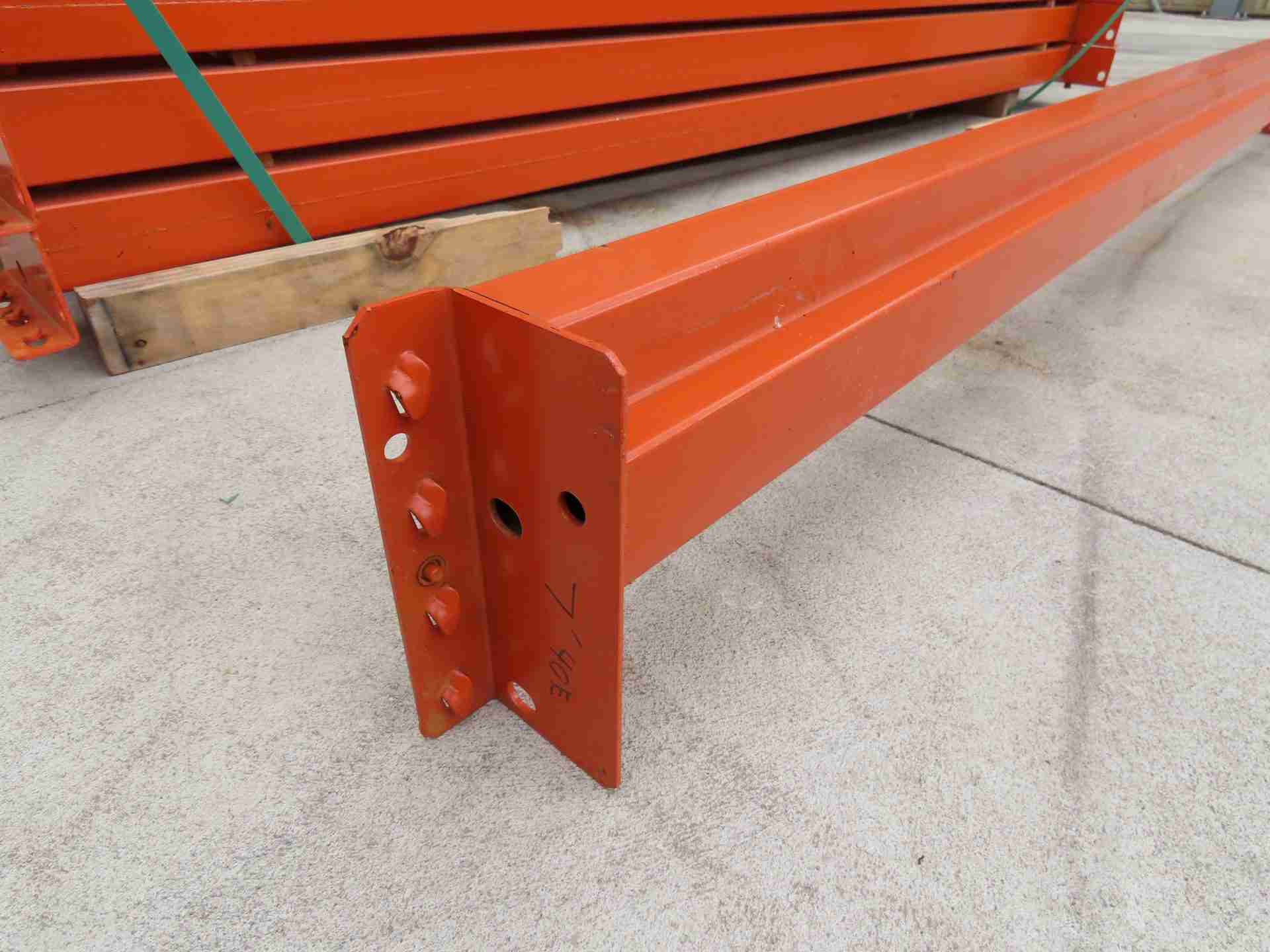
Other Resources
Glossary Terms
Building Physical Controls Into Storage Systems – Glossary Of Terms
1. Access Control: Measures that restrict who can enter or use a specific storage area or system.
2. Surveillance: The monitoring of storage areas through video cameras or other systems to enhance security.
3. Locking Mechanism: A device designed to secure storage containers, preventing unauthorized access.
4. Alarm System: An electronic setup that alerts personnel of unauthorized entry or emergencies in storage facilities.
5. Environmental Controls: Systems that maintain optimal temperature and humidity levels for stored items.
6. Physical Barriers: Structures like fences or walls designed to protect storage areas from intruders.
7. Inventory Management: The process of tracking and controlling stored items to prevent loss or misuse.
8. Fire Suppression: Systems installed to detect and extinguish fires within storage facilities.
9. Emergency Exits: Clearly marked pathways allowing quick evacuation from storage areas during emergencies.
10. Safety Signage: Visual warnings and instructions displayed to inform individuals about hazards in storage areas.
11. Personnel Training: Instruction programs aimed at educating staff on proper storage safety protocols.
12. Material Handling Equipment: Tools and machines designed to aid in the efficient moving of stored items.
13. Secure Shelving: Storage racks designed to safely hold items while preventing them from falling or being accessed unlawfully.
14. Access Logs: Records maintained to track who enters and exits storage areas.
15. Security Personnel: Staff assigned to oversee the safety and security of storage locations.
16. Risk Assessment: The evaluation of potential threats to ensure appropriate security measures are implemented.
17. Damage Control: Procedures put in place to minimize the effects of accidental damage to stored goods.
18. Backup Systems: Redundant security measures established to provide alternatives during system failures.
19. Containment Measures: Strategies designed to prevent the spill or escape of hazardous materials stored.
20. Loading Docks: Areas designated for the efficient loading and unloading of goods in storage facilities.
21. RFID Technology: Radio Frequency Identification used to track and manage stored items through electronic tags.
22. Restricted Areas: Designated zones within storage facilities that limit access to authorized personnel only.
23. Pallet Racking: A system for organizing and storing palletized goods in a warehouse or storage facility.
24. Inventory Audits: Regular checks conducted to ensure the accuracy of inventory records and the condition of stored items.
25. Security Breach: An incident where unauthorized access is gained to a storage area or system.
26. Document Control: The systematic management of important documents related to stored items and processes.
27. Asset Tracking: The method of monitoring the location and status of items stored within a facility.
28. Loading Capacity: The maximum weight and volume that storage systems can safely hold.
29. Routine Maintenance: Regular checks and repairs conducted to ensure storage systems operate safely and efficiently.
30. Hazardous Material Storage: Special containment procedures and structures established for storing dangerous goods.
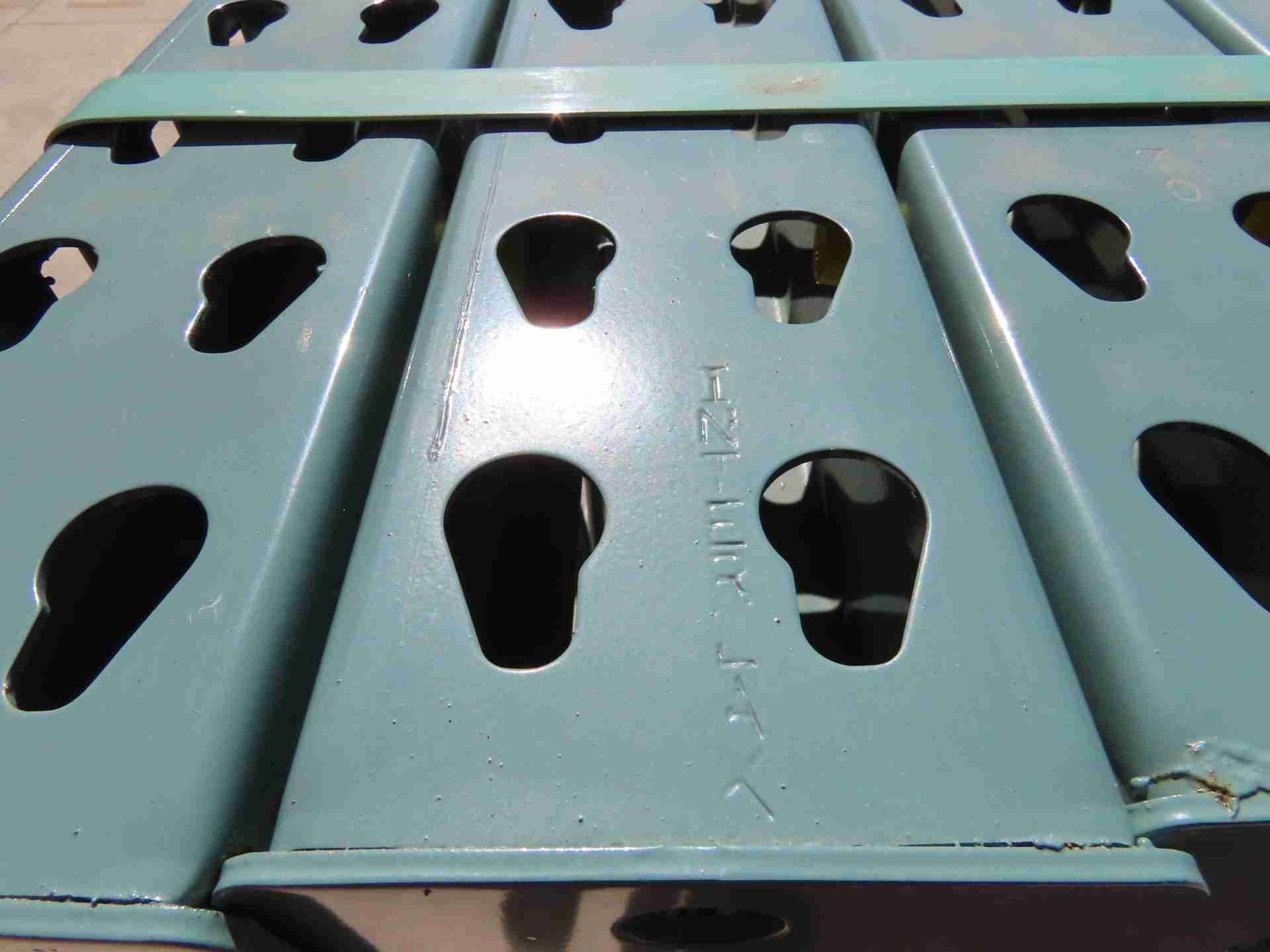
Glossary Of Terms
Other Questions
Building Physical Controls Into Storage Systems – Other Questions
If you wish to explore and discover more, consider looking for answers to these questions:
- What specific types of physical controls are available for racking systems?
- Which physical controls are most effective for different warehouse layouts?
- How do I determine the right racking system for my inventory type and weight?
- What are the load ratings and safety specifications I should look for?
- How can I assess my current racking for safety risks and weaknesses?
- How often should racking systems be inspected and by whom?
- What does a proper inspection checklist for racking systems include?
- What are the common failure modes of racking systems and how are they prevented?
- How should damaged racking components be repaired or replaced?
- What training do employees need to work safely around racking systems?
- How can I create and enforce safe load‑handling procedures?
- What access control measures best prevent internal and external theft?
- How should surveillance and CCTV be positioned relative to racking?
- What role can sensors and IoT play in monitoring rack integrity and inventory?
- Which physical barriers (guardrails, bollards, end‑of‑aisle protectors) are most effective?
- How do physical controls integrate with automated storage and retrieval systems?
- What are the compliance requirements (OSHA, local codes) related to racking and storage?
- How can I document compliance to satisfy inspectors and auditors?
- What permits or certifications are required when installing or modifying racking?
- How do fire suppression and sprinkler systems interact with racking design?
- What spacing, aisle widths, and clearances are required for safety and code compliance?
- How should hazardous materials be stored differently from general inventory?
- What floor capacity and anchoring requirements affect racking layout?
- How do seismic or wind load considerations change racking selection and installation?
- What are best practices for pallet condition and stacking to reduce rack damage?
- How do forklifts and other handling equipment impact rack safety and layout?
- What procedures minimize the risk of impact damage from vehicles?
- How can signage and visual controls be used to guide safe behavior?
- What behavioral or cultural strategies help reduce emotional biases in safety decisions?
- How do I measure the ROI of investing in physical controls?
- What metrics should I track to show improvements in safety and efficiency?
- How long does it typically take to see measurable benefits from new physical controls?
- What are the typical costs for different levels of racking upgrades and protections?
- Are there financing options, grants, or tax incentives for safety upgrades?
- How can upgrades be phased to minimize disruption to operations?
- What vendor selection criteria ensure quality and long‑term support?
- How do warranties and service agreements typically work for racking systems?
- What documentation should be kept for inspections, repairs, and training?
- How should incident investigations be conducted and recorded after a rack‑related event?
- What insurance considerations and premium impacts result from improved physical controls?
- How do physical controls affect worker morale, turnover, and productivity in measurable ways?
- What case studies or examples demonstrate successful implementation of physical controls?
- How can small businesses implement effective controls on a limited budget?
- What are common obstacles to implementing physical controls and how are they overcome?
- How do I ensure employee buy‑in and consistent adherence to new safety measures?
- What emergency egress and evacuation considerations must be factored into rack layouts?
- How often should safety training be refreshed and what formats work best?
- Which external consultants or third‑party specialists should I engage for complex assessments?
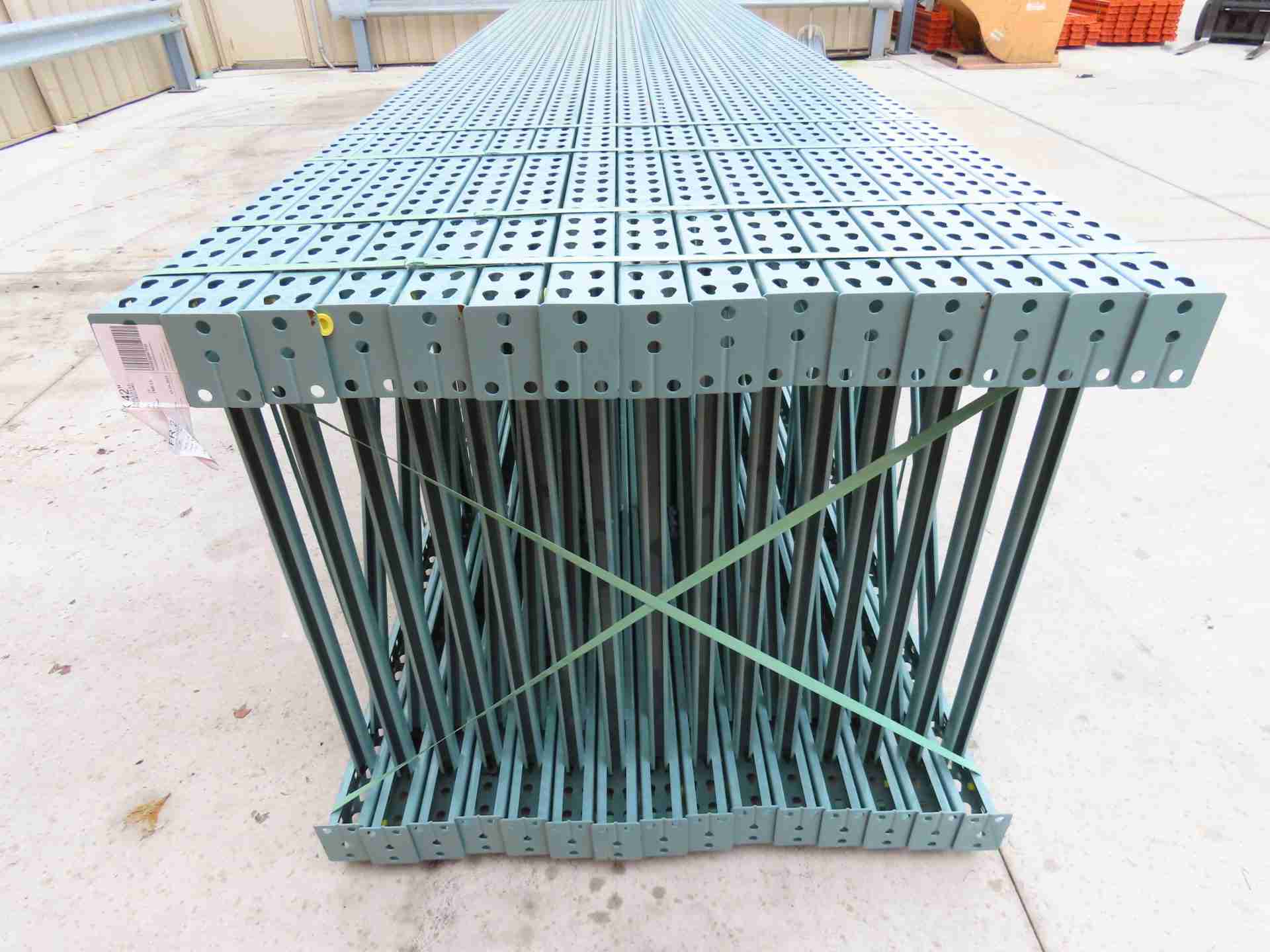
Other Questions
Checklist
Building Physical Controls Into Storage Systems – A Checklist
Strategy and Layout
✅______ Map product flow; define receiving, storage, staging, and shipping zones
✅______ Establish one-way vehicle routes and dedicated pedestrian walkways
✅______ Verify aisle widths meet equipment turning radius and code requirements
✅______ Designate keep-clear zones for doors, docks, fire equipment, and egress
✅______ Separate high-risk areas (flammables, heavy or bulky items, and high-value items)
Racking Design and Specification
✅______ Use engineered racking rated for loads, building slab, and seismic/wind
✅______ Post load plaques on every rack/bay with beam/level capacities
✅______ Specify pallet overhang, beam spacing, deflection limits, and clearances
✅______ Include end-of-aisle protectors, column guards, and pallet stops/backstops
✅______ Add anti-collapse mesh/netting where people or pathways run below
Installation and Commissioning
✅______ Install per manufacturer instructions; anchor with specified hardware
✅______ Verify plumb/level tolerances and anchor torque
✅______ Complete third-party/qualified initial inspection and sign-off
✅______ Create as-built drawings and unique rack IDs per bay/aisle
Load Management
✅______ Define standard pallet/container specs and max weight by location
✅______ Enforce even load distribution; prohibit point loading
✅______ Block use of damaged pallets/containers on racks
✅______ Label locations and integrate with WMS/barcoding
Signage and Visual Controls
✅______ Post load ratings, clearance heights, speed limits, and PPE signs
✅______ Floor-mark aisles, walkways, keep-clear, staging, and hazard zones
✅______ Color-code zones (receiving, storage, dispatch, returns, and quarantine)
Traffic and Equipment Controls
✅______ Set and enforce speed limits and right-of-way rules
✅______ Install pedestrian barriers, bollards, and swing gates at crossings
✅______ Place mirrors, blue spotlights, and audible alerts at blind spots
✅______ Define safe parking/charging areas for MHE; manage cables and ventilation
Security and Access
✅______ Control access to the warehouse and restricted/high-value areas
✅______ Provide CCTV coverage for docks, aisles, and entrances; maintain retention policy
✅______ Implement key/credential management with audit trails
✅______ Use seal control and verification for outbound loads
Housekeeping and 5S
✅______ Daily removal of obstructions and trip hazards in aisles and walkways
✅______ Designated, labeled locations for tools, totes, waste, and returns
✅______ Maintain spill kits and cleanup procedures
Inspections and Maintenance
✅______ Daily operator checks for rack strikes, damage, and loose anchors
✅______ Weekly visual inspections for plumb, beam/brace damage, and floor condition
✅______ Quarterly/annual qualified rack inspections; document findings
✅______ Tag out unsafe bays; complete engineered repairs before use
✅______ Monitor slab/joint condition and repair spalls and cracks
Training and Competency
✅______ Induction training on layout, traffic rules, signage, and emergency routes
✅______ Certified training and evaluation for lift truck/MHE operators
✅______ Toolbox talks on safe stacking/retrieval and working at height
✅______ Scheduled refresher training and competency records
Emergency Preparedness
✅______ Clear, lit egress routes; posted evacuation maps and assembly points
✅______ Fire protection aligned to rack type (in-rack sprinklers if required)
✅______ Accessible extinguishers and alarms; inspection tags are current
✅______ Incident reporting, investigation, and corrective action process
Compliance and Documentation
✅______ Current SOPs for storage, picking, replenishment, inspections, and repairs
✅______ Records for training, maintenance, inspections, and incidents
✅______ Compliance checks against OSHA/local building and fire codes
✅______ Manufacturer manuals, engineering calculations, and certificates on file
Culture and Accountability
✅______ Assign zone/rack ownership and responsibilities
✅______ Safety observation program with feedback and closeout of actions
✅______ Recognition program for safety and improvement contributions
Change Management
✅______ Assess risks for layout, SKU, and equipment changes before implementation
✅______ Recalculate capacities for new SKUs, pallets, or beam configurations
✅______ Update labels, WMS maps, and signage after changes
Performance Metrics
✅______ Track rack strikes, near misses, incidents, and LTIs
✅______ Monitor space utilization, pick/cycle times, and stock accuracy
✅______ Review turnover and engagement alongside safety performance
Decision Quality and Bias Checks
✅______ Validate choices with data, trials, and expert input over habit or comfort
✅______ Pilot new controls; capture lessons learned and standardize wins
✅______ Review incidents/near misses to challenge assumptions and improve controls

Checklist
At RackingWorld, we help guide you through selecting warehouse storage systems and racking.
Be sure to read our other related stories at RackingWorld to learn more about warehouse storage systems.
0 Comments