
Effective Strategies For Maximizing Space And Efficiency In Narrow Aisle Warehouses
By Tom Seest
At RackingWorld, we help guide you through selecting warehouse storage systems and racking.
Be sure to read our other related stories at RackingWorld to learn more about warehouse storage systems.
Best Practices for Rack Layout In Narrow Aisle Warehouses
When it comes to maximizing efficiency and safety in narrow aisle warehouses, the racking system is the backbone of it all. Think about it for a moment: each shelf is more than just metal; it’s a soldier standing ready to support your operation. A well-planned rack layout doesn’t just keep things orderly; it speaks to a workforce’s pride and passion. Embrace that emotional connection—work doesn’t just happen in these warehouses; lives are intertwined with every box, every load moved.
Racking strategically requires not just an eye for detail but a heart for the down-and-dirty work that keeps the wheels of logistics turning. You want aisles that allow for laser-focused efficiency, where workers can navigate with ease, where time isn’t wasted wrestling with tight turns. Start with the end in mind: which products move fastest? Consider placing the high-velocity items closer to loading areas. This is where the gut instinct comes in—follow your experience and your intuition. When you place high-demand items near the front, you make life easier for your crew, cutting down unnecessary trips down those narrow aisles.
Don’t overlook safety in the rush for efficiency. Ethical stewardship in any warehouse environment means prioritizing the well-being of your team. Appropriately spaced racking isn’t just a matter of convenience; it’s a matter of safeguarding lives. Providing enough room to maneuver equipment safely fosters an atmosphere of trust. Workers who feel secure are more productive and engaged, and that benefits everyone involved.
Racking systems should also reflect best practices gleaned from industry experts—after all, why reinvent the wheel? Dive into the wealth of knowledge available from experienced professionals. Utilize their wisdom to design racking layouts that are proven to work. Seek those that encourage collaboration, where team members learn from each other while navigating the rack systems together.
Lastly, remember that a well-organized warehouse is a point of pride for everyone involved. Cultivating a culture of efficiency and safety creates a sense of community among workers who know that their contributions matter. By investing your time and resources into optimal rack layouts, you’re not just improving operations; you’re fostering connections and creating a space where everyone can thrive and succeed. So, roll up your sleeves, dig in, and make those narrow aisles a symbol of your commitment to excellence.
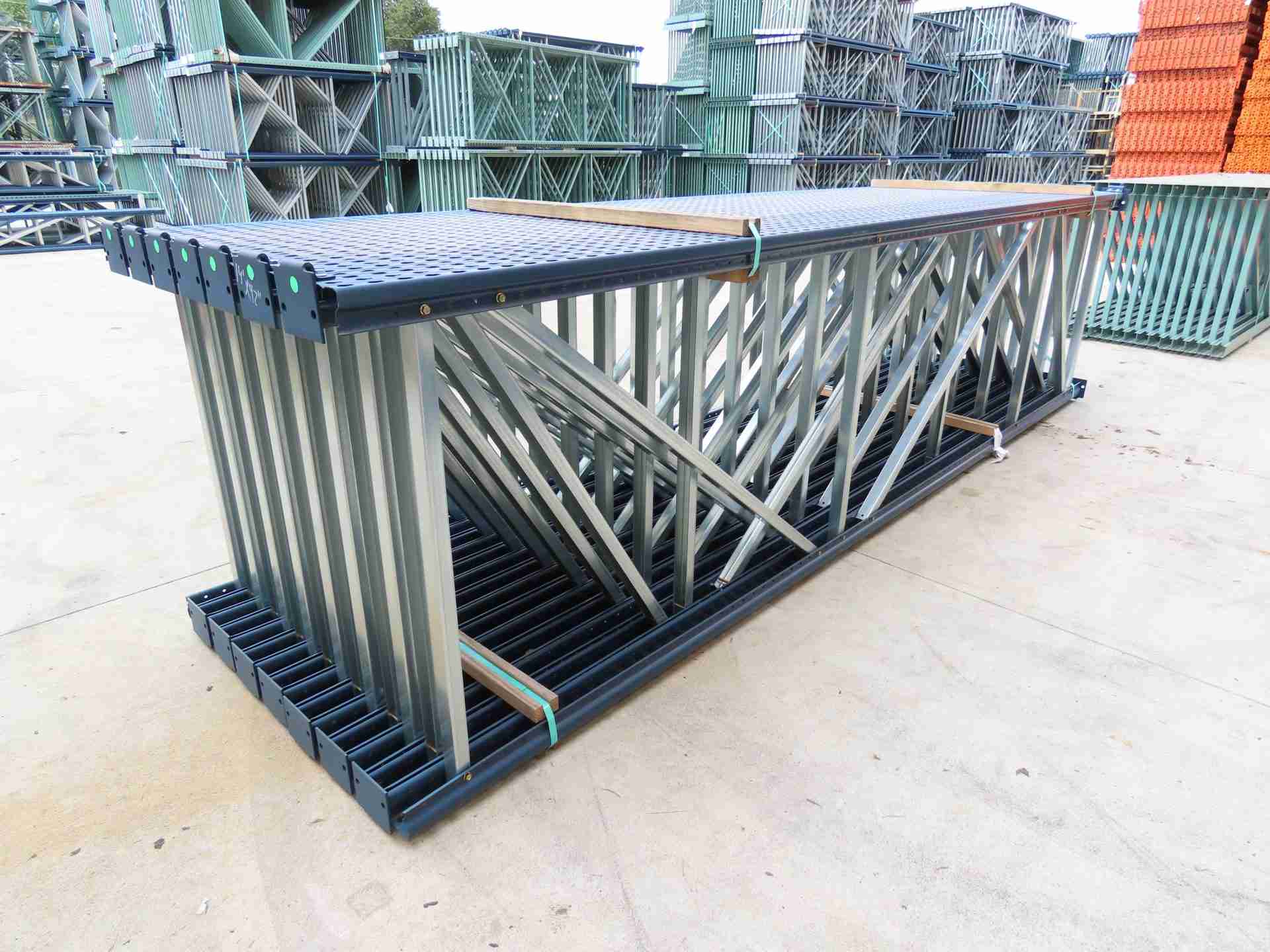
Best Practices for Rack Layout In Narrow Aisle Warehouses
Best Practices for Rack Layout In Narrow Aisle Warehouses
- The racking system is essential for maximizing efficiency and safety in narrow aisle warehouses.
- A well-planned rack layout reflects workforce pride and passion, intertwining lives with the logistics operation.
- Strategic racking requires attention to detail and an understanding of logistics to ensure smooth navigation.
- Place high-velocity items closer to loading areas to reduce unnecessary trips down narrow aisles.
- Prioritize safety by ensuring adequate spacing in the racking system to maintain a secure working environment.
- Leverage industry best practices and insights from experts to create effective racking layouts.
- A well-organized warehouse fosters a sense of community and pride among workers, enhancing overall productivity.

Best Practices for Rack Layout In Narrow Aisle Warehouses
Table Of Contents
- Best Practices for Rack Layout In Narrow Aisle Warehouses
- What Is the Emotional Impact Of an Inefficient Warehouse Layout?
- How Can a Well-Planned Rack Layout Improve Operational Efficiency?
- What Ethical Responsibilities Do We Have Toward Our Warehouse Staff?
- What Social Dynamics Affect Team Morale In Narrow Aisle Warehouses?
- How Do Safety Measures Influence the Decisions Around Rack Layout?
- Conclusion
- Other Resources
- Glossary Of Terms
- Other Questions
- Checklist
What Is the Emotional Impact Of an Inefficient Warehouse Layout?
The emotional impact of an inefficient warehouse layout can ripple far beyond the aisles and racking that hold inventory. Picture this: a hardworking team, day after day, navigating a maze of clutter and confusion. It’s not just boxes and pallets; it’s frustration etched on their faces, a collective sigh echoed across the concrete floor. When layout inefficiencies stifle productivity, it doesn’t merely disrupt the flow of goods; it disrupts lives, straining relationships and burning out morale.
For the workers who come in with a sense of pride in their labor, an ill-conceived setup can shift their mindset from accomplishment to overwhelm. The lack of structure can turn a straightforward task into an exhausting ordeal, where every movement feels like a battle against chaos. Imagine the emotional toll as team members stumble over each other, searching high and low for what they need, their time wasted and their patience strained. They clock in each day, hopeful yet anxious, wishing for a solution that seems just out of reach.
Now, let’s turn our attention to the leaders, the decision-makers in this workforce. When a warehouse isn’t running efficiently, it’s a drain on resources and profits. Those numbers tell a story, one that speaks to missed opportunities and disappointed customers. The ethical weight of that can be heavy; you know your team deserves better. Every inefficiency drags down productivity and morale, but it also sends ripples through the community and the families depending on those jobs. It’s not just about the bottom line; it’s about respect, dignity, and deliverability—values that every company should uphold.
Every efficient racking system tells a story of organization and prosperity. When optimized, it fosters a sense of pride in the labor fulfilled, a ripple effect of positivity that can transform a workforce. Imagine workers approaching each day feeling confident, where they can maneuver smoothly through their tasks, knowing their contributions are valued and their safety is prioritized.
Let’s not forget the power of connection. A well-structured warehouse layout is not just a systematic necessity; it’s a promise to every single worker that their time and effort are respected. By investing in an efficient layout, a company doesn’t just enhance productivity; it nurtures a culture of support, fostering camaraderie among employees. It’s a call to action for leaders and workers alike to create a space where everyone can thrive. Because when we truly consider the emotional impact of our working environment, we unlock the potential for not just better efficiency, but for greater fulfillment in every job.

What Is the Emotional Impact Of an Inefficient Warehouse Layout?
What Is the Emotional Impact Of an Inefficient Warehouse Layout?
- The inefficiency of warehouse layouts has emotional repercussions that can affect both workers and leaders.
- Workers often experience frustration due to clutter and confusion, impacting their morale and relationships.
- An ill-conceived warehouse setup can transform pride in work into feelings of overwhelm and exhaustion.
- Leaders face a drain on resources and profits when warehouses run inefficiently, resulting in missed opportunities.
- The ethical implications of inefficiencies affect not just the workplace, but also the larger community and families connected to those jobs.
- An efficient racking system fosters organization, productivity, and a sense of pride among workers.
- Investing in a well-structured layout promotes a culture of support and fulfillment, benefiting both employees and the organization.
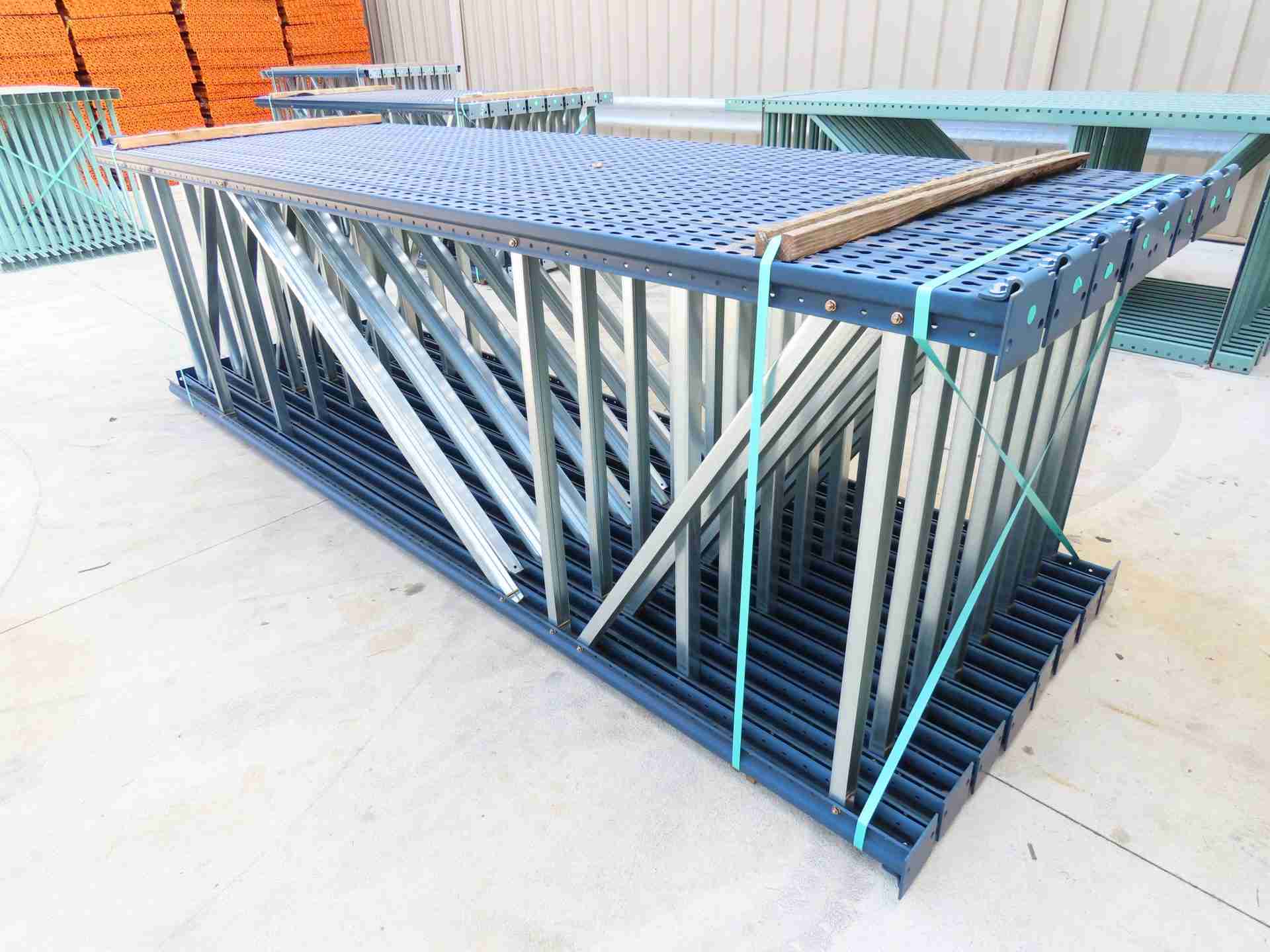
What Is the Emotional Impact Of an Inefficient Warehouse Layout?
How Can a Well-Planned Rack Layout Improve Operational Efficiency?
When you walk into a warehouse, it’s more than just shelves stacked high; it’s a bustling ecosystem of movement, intention, and purpose. Every item in that space tells a story of its journey, waiting for the right moment to be picked, packed, and shipped. And at the heart of this intricate dance? A well-planned rack layout.
Imagine racking systems that not only house products but also breathe life into daily operations. When racks are strategically placed and organized, it’s like having a symphony conductor guiding the flow of traffic. Workers can navigate with ease, reducing the frustration that often comes with misplaced items or convoluted paths. The time saved from a streamlined process translates directly into increased productivity—an undeniable boost to the bottom line that can make even the tightest budgets breathe a little easier.
Let’s talk numbers for a moment. Studies show that an efficient racking layout can enhance picking speed by as much as 25%. That’s not just a statistic; it’s a potential windfall for any business. When employees know exactly where to find what they need, they can focus less on searching high and low and more on delivering exceptional service. This efficiency doesn’t just benefit the company—it enriches the lives of employees by allowing them to experience the satisfaction of a job well done.
But what about the ethical side of things? A comprehensive racking plan also considers the safety of workers. Proper design minimizes the risk of accidents by keeping aisles clear and ensuring heavy items are stored at reachable heights. A safety-first mindset fosters a culture of care and respect, building trust among team members and between management and staff.
Furthermore, a well-thought-out layout fosters camaraderie. It encourages communication as team members work together in a more harmonious setting. A facility varies in social dynamics, but when everyone is on the same page, with the help of organized racking, it’s akin to a tightly-knit community rather than a collection of individuals grinding through the day.
So, the next time you ponder the importance of racking, remember it’s more than just hardware. It’s the backbone of your operation, a foundation that supports not just efficiency, but a culture of teamwork, safety, and excellence. Embrace the potential that a well-planned rack layout can unleash—because it’s not just about the racks; it’s about the people who make it all happen.
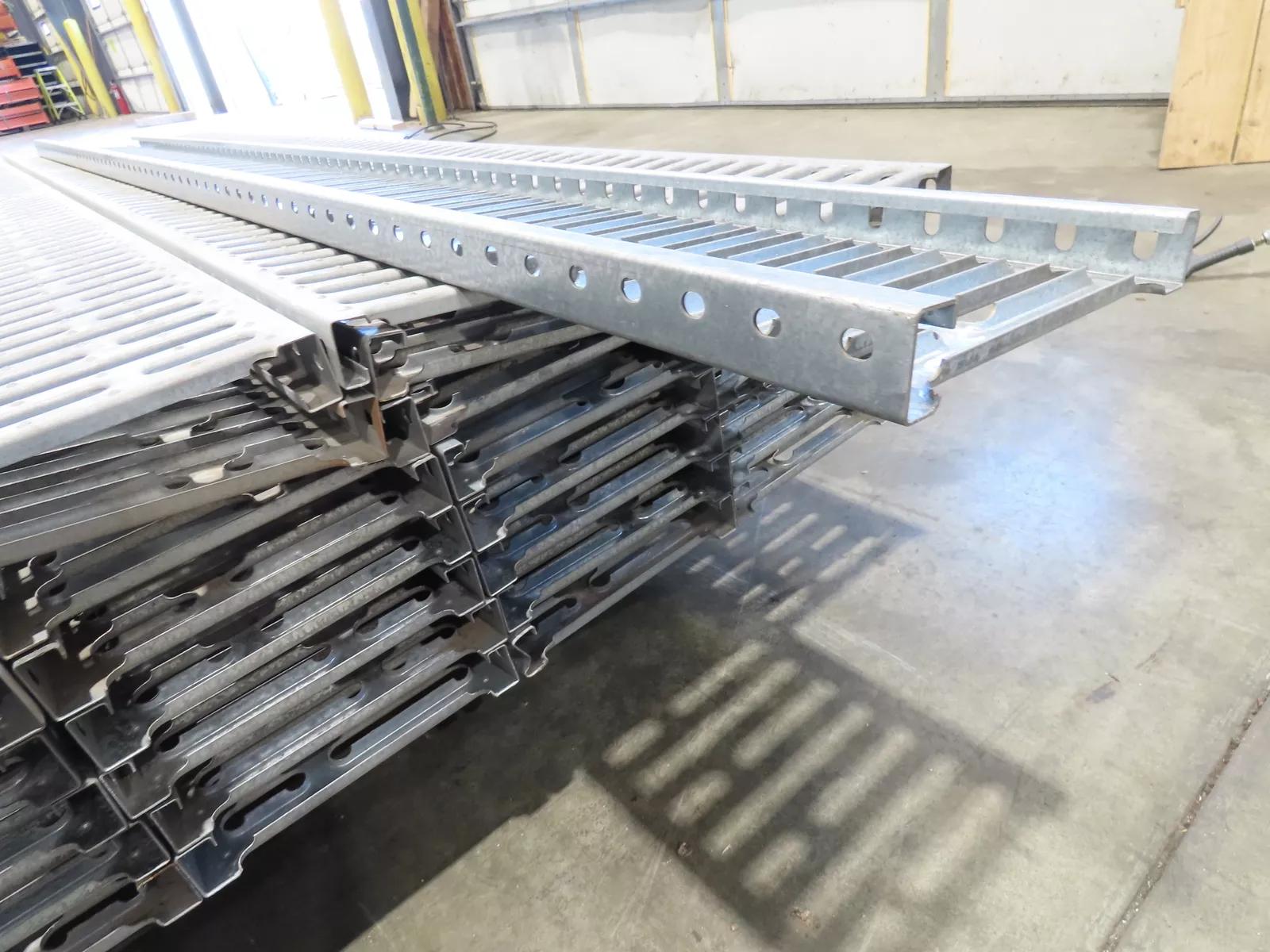
How Can a Well-Planned Rack Layout Improve Operational Efficiency?
How Can a Well-Planned Rack Layout Improve Operational Efficiency?
- A warehouse is a dynamic ecosystem where every item has a story and purpose.
- A well-planned rack layout acts as the conductor of daily operations, enhancing workflow and reducing frustration.
- Efficient racking systems can increase picking speed by up to 25%, improving productivity and profitability.
- Clear organization allows employees to focus on service rather than searching for items, enhancing job satisfaction.
- Safety is prioritized with proper racking design, minimizing accident risks by keeping aisles clear and items at reachable heights.
- An organized racking layout fosters teamwork and communication among employees, creating a supportive community atmosphere.
- The importance of racking goes beyond hardware; it underpins efficiency, teamwork, safety, and a culture of excellence.
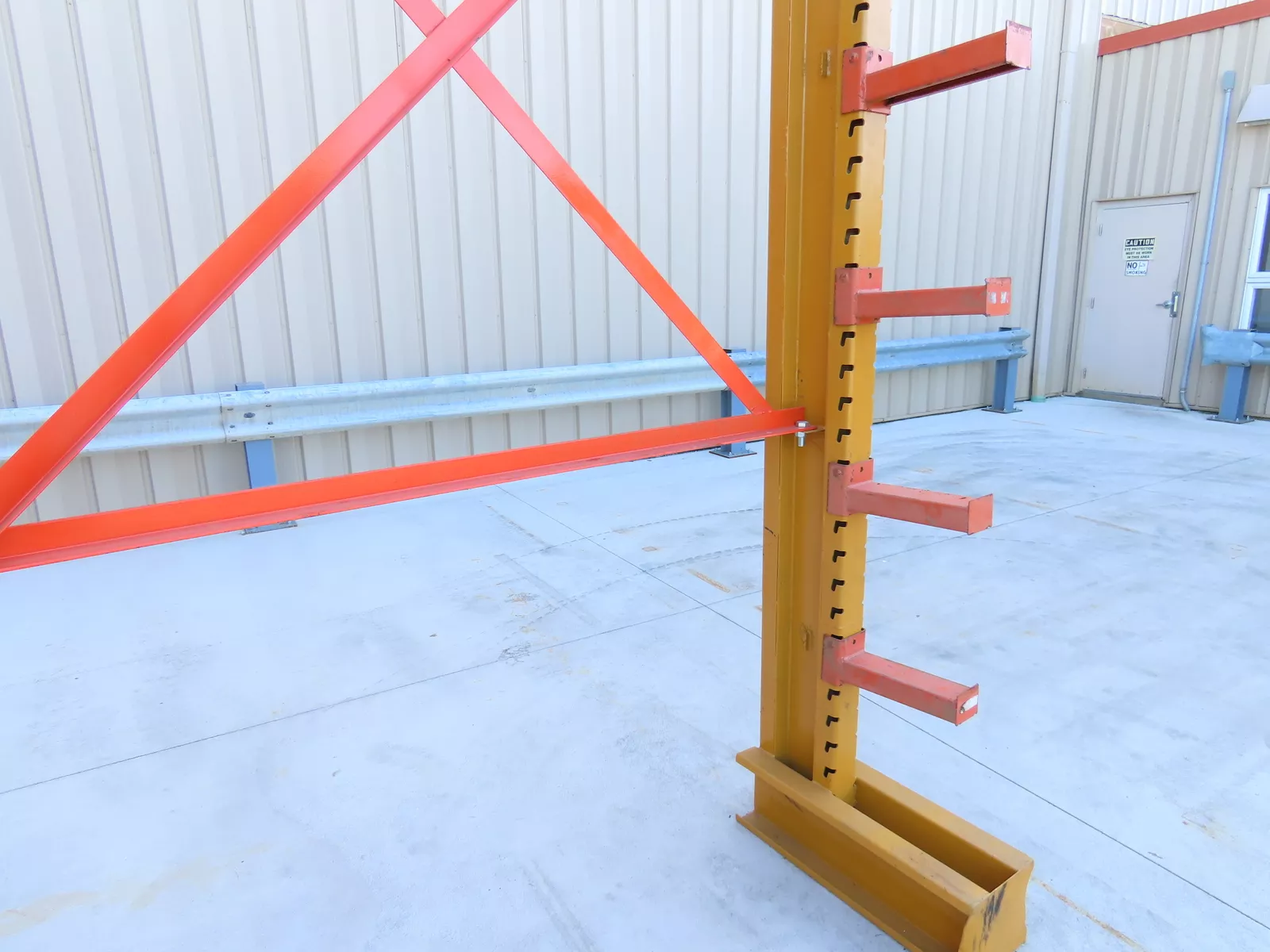
How Can a Well-Planned Rack Layout Improve Operational Efficiency?
What Ethical Responsibilities Do We Have Toward Our Warehouse Staff?
When we think about the backbone of any operation, our thoughts often drift toward the glinting racking systems and neatly stacked boxes. Yet, it’s the people behind those systems—the warehouse staff—who truly keep the wheels turning. These individuals are more than just hands on a loading dock; they embody the grit and determination that fuel our economy. So, what ethical responsibilities do we hold toward them? The answer lies in recognizing their humanity.
Imagine starting your day in a vast expanse of concrete, where the air hums with the cadence of machinery and the weight of unspoken expectations. Each morning, warehouse staff walk into that world, donning not just safety vests but also the weight of their families’ hopes. We owe these workers our respect—not just because it’s the right thing to do, but because we have a shared responsibility to foster an environment that values their well-being. When we treat them as invaluable partners rather than disposable assets, we cultivate a culture of trust and mutual respect.
Practically speaking, this begins with ensuring fair wages and safe working conditions. No one should endure fatigue or injury for the sake of a bottom line. Outdated practices and poor ergonomics lead not just to injuries—they lead to decreased productivity and morale. Educating ourselves about the realities of warehouse work allows us to advocate for improvements that benefit everyone involved.
Let’s also consider the power of connection. When warehouse staff feel seen and heard—when their voices are part of decision-making processes—they become stakeholders in the success of the entire operation. Studies show that organizations with strong employee engagement report higher profitability and productivity. Listening to their concerns, addressing their needs, and investing in their development can pay dividends across the board.
Moreover, in an age where social responsibility is becoming a touchstone for consumers, demonstrating ethical practices regarding workers can set an organization apart. Transparency about how we treat our staff isn’t just good ethics; it’s a powerful narrative that can resonate with customers and foster goodwill.
Let’s ignite a movement where we redefine success not just in terms of profits but also in the flourishing of every individual who contributes to that success. Our warehouse staff are the unsung heroes, and it’s time we honor them with the dignity, respect, and ethical responsibility they deserve. Embracing this vision isn’t merely an option—it’s our moral imperative.
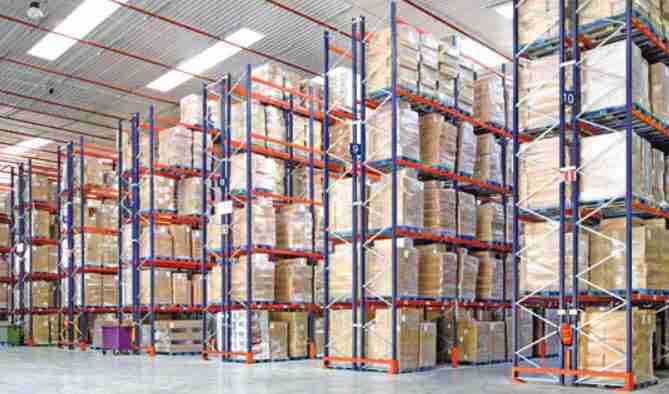
What Ethical Responsibilities Do We Have Toward Our Warehouse Staff?
What Ethical Responsibilities Do We Have Toward Our Warehouse Staff?
- The backbone of operations often includes warehouse staff, who embody grit and determination.
- Recognizing the humanity of warehouse workers is essential for ethical responsibility.
- Respect for warehouse staff is crucial for fostering a culture of trust and mutual respect.
- Fair wages and safe working conditions are fundamental to ensuring their well-being.
- Employee engagement leads to higher profitability and productivity for organizations.
- Ethical practices regarding workers can enhance a company’s reputation and resonate with consumers.
- Redefining success to honor warehouse staff is a moral imperative for organizations.
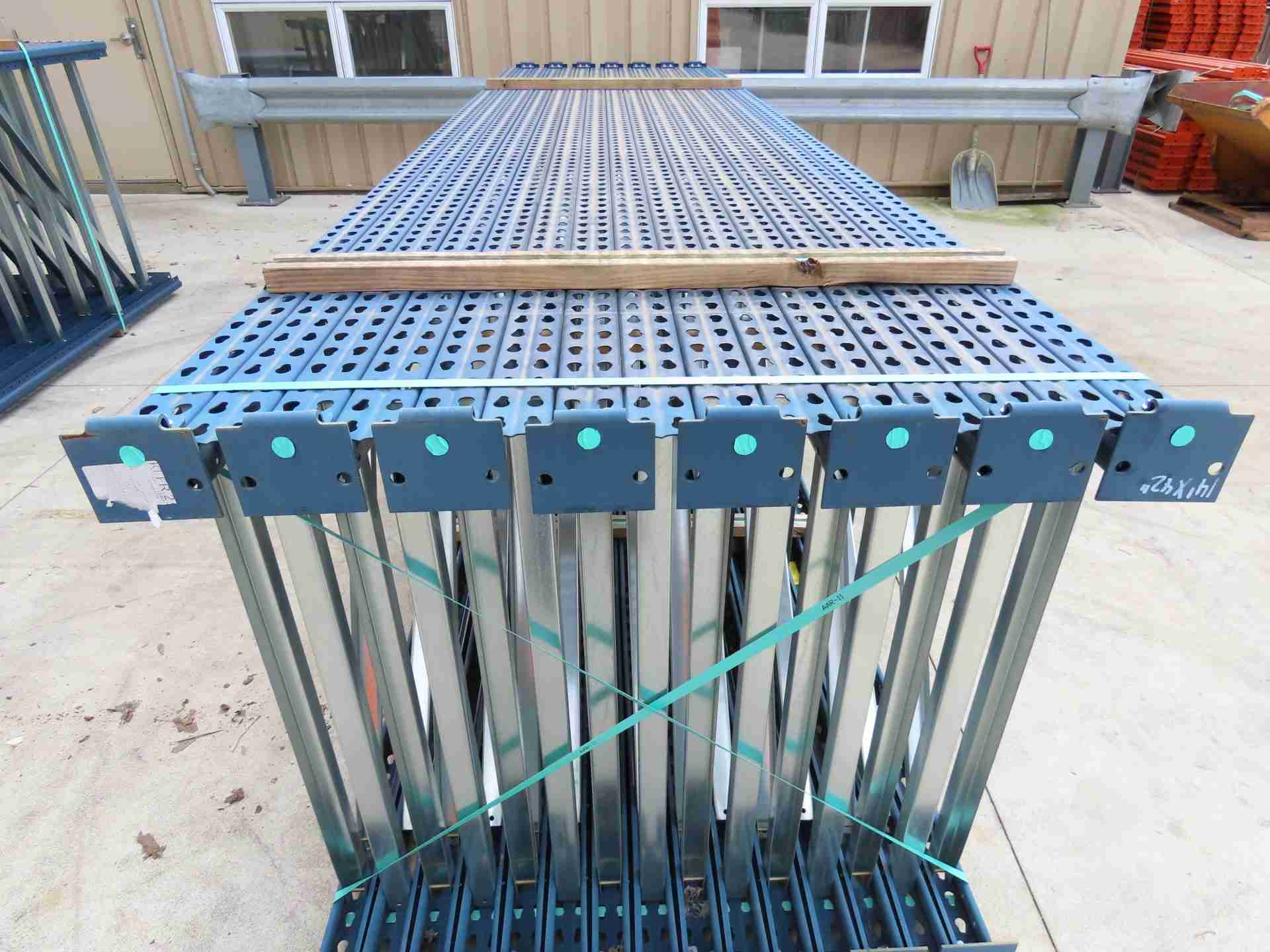
What Ethical Responsibilities Do We Have Toward Our Warehouse Staff?
What Social Dynamics Affect Team Morale In Narrow Aisle Warehouses?
Narrow aisle warehouses are bustling ecosystems where a diverse cast of individuals come together, each with their own stories, skills, and dreams. Picture this: the hum of forklifts, the rhythmic clatter of pallets being slid into place on the racking, and the camaraderie that forms in the shared pursuit of getting the job done. But behind that industrious façade lies an intricate web of social dynamics that can uplift or undermine team morale.
Every day, workers face a myriad of challenges—tight spaces, high-stakes deadlines, and the ever-present need for safety. It’s a gritty environment, one that requires more than just physical strength; it demands resilience, communication, and trust. When that trust is cultivated among team members, morale soars like a high-flying pallet with careful precision. But let one person feel isolated or undervalued, and the whole structure can tilt dangerously.
Think about it: when employees feel connected, they’re more engaged and motivated. Relationships are forged in those narrow aisles, often during shared hardships. A simple gesture—a pat on the back or a word of encouragement after a tough shift—can make all the difference. It’s these small moments that resonate deeply, transforming a workplace into a community. The gut knows that teamwork spills over into efficiency; when individuals rally together, they become something greater than the sum of their parts.
Yet, ethical leadership also plays a vital role. Leaders who prioritize transparent communication foster an environment of trust wherein team members can voice concerns without fear of repercussion. This openness invites collaboration and innovation, key ingredients in navigating the challenges unique to warehouse operations. Authority does not merely stem from titles; it emerges from how leaders support and uplift their teams, building resilience in the face of adversity.
Finally, let’s talk about identity. A sense of belonging is a powerful motivator. When employees see themselves as integral pieces of a bigger puzzle, they take pride in their work, and that passion ripples through the aisles. They’re not just pushing carts or stacking goods—they’re part of something important. The racking they adjust and the inventory they manage become symbols of their collective efforts.
The bottom line? When we acknowledge and nurture the social dynamics within narrow aisle warehouses, we don’t just improve morale; we honor the human spirit that makes our workplaces thrive. So, let’s roll up our sleeves and commit to building a culture where every voice counts and every worker feels valued. Together, we can transform those narrow aisles into open pathways filled with possibility.
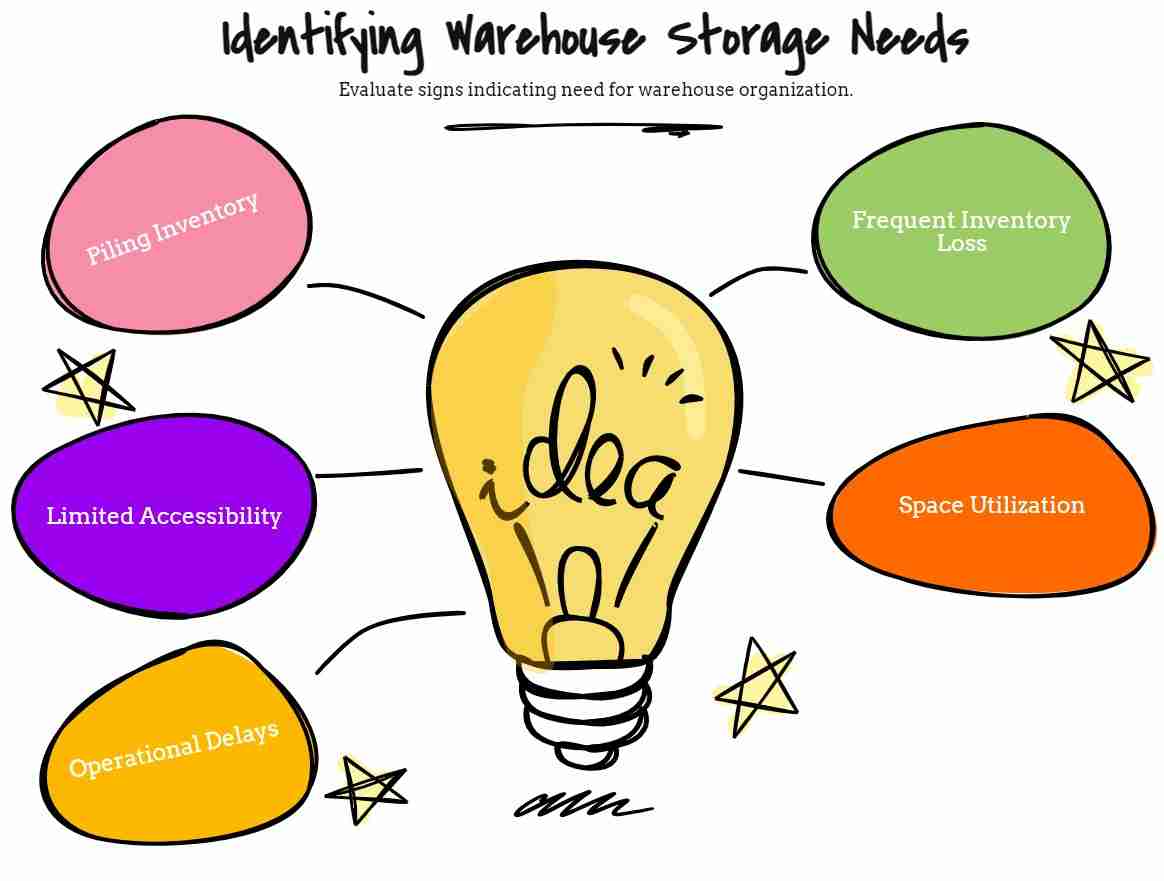
What Social Dynamics Affect Team Morale In Narrow Aisle Warehouses?
What Social Dynamics Affect Team Morale In Narrow Aisle Warehouses?
- Narrow aisle warehouses are dynamic environments where diverse individuals converge, each with unique stories and skills.
- Team morale is influenced by social dynamics; trust among team members can significantly enhance morale, while isolation can harm it.
- Workers face challenges like tight spaces, deadlines, and safety concerns, requiring resilience, communication, and teamwork.
- Positive relationships are built through shared experiences and small gestures of support, fostering a sense of community.
- Ethical leadership is crucial; transparent communication and support from leaders create trust and invite collaboration.
- A sense of belonging motivates employees to see their roles as vital, enhancing their pride and passion for their work.
- Nurturing social dynamics in warehouses leads to improved morale and honors the human spirit, transforming narrow aisles into pathways of possibility.
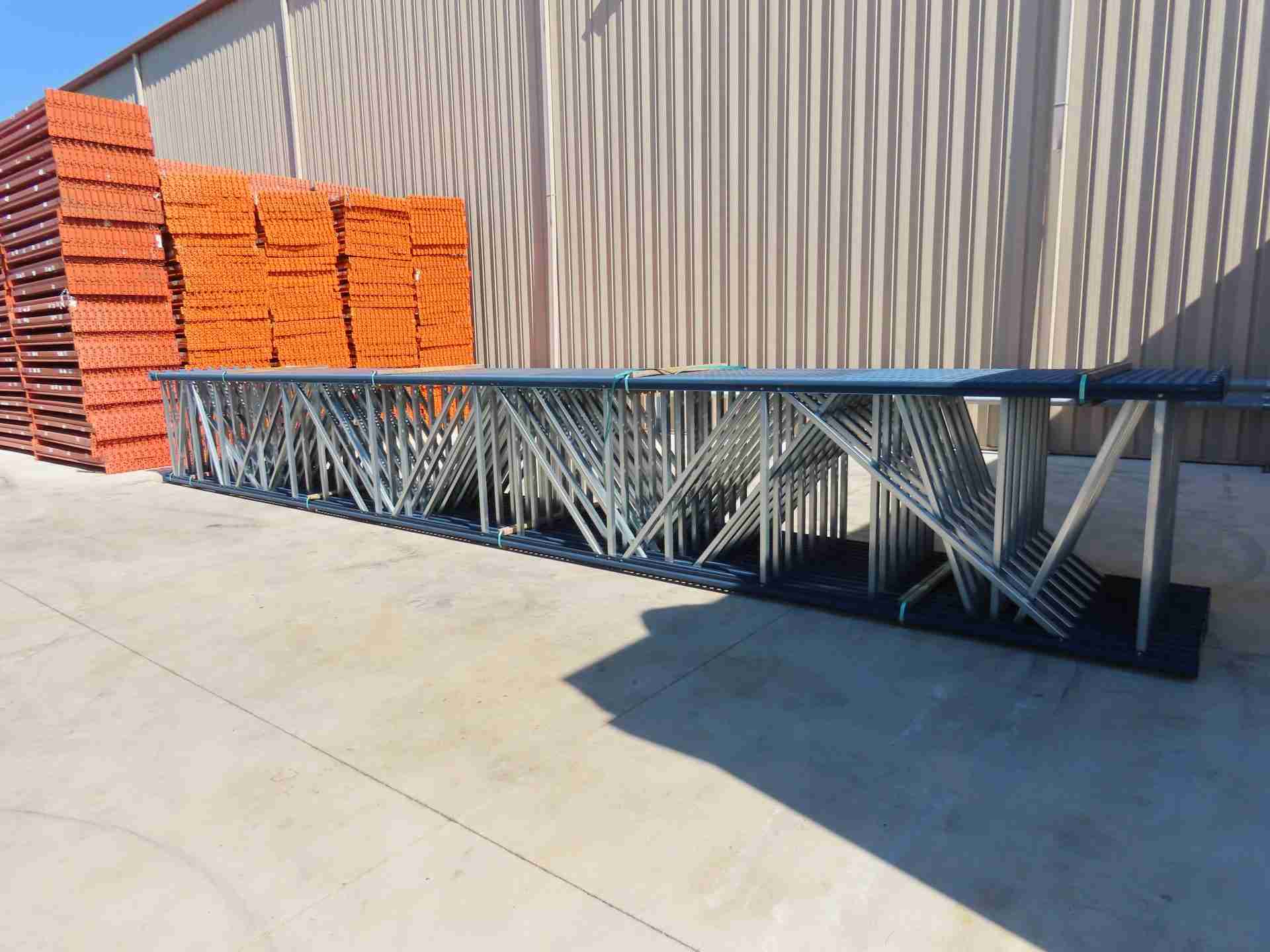
What Social Dynamics Affect Team Morale In Narrow Aisle Warehouses?
How Do Safety Measures Influence the Decisions Around Rack Layout?
Safety measures in racking layout aren’t just recommendations; they’re lifelines that weave through the fabric of every warehouse, store, and logistics hub. Imagine for a moment the sight of towering shelves filled with resources—their sheer presence can evoke feelings of security or trepidation. In the world of racking, safety is as paramount as the inventory itself, shaping decisions that affect not only productivity but the well-being of every worker who walks those aisles.
Let’s break it down. On one hand, there’s the hard data. Efficient racking can cut down on accidents, streamline workflows, and maximize storage space. But let’s talk about the human side of this equation. Employees deserve to feel safe in their environment; it’s not just a matter of compliance but a fundamental ethical obligation. When that overhead rack is designed with safety in mind, the workers—your neighbors, your friends—can focus on the job without fear lurking in the shadows.
Picture the immense responsibility that comes with managing a space filled with heavy loads and bustling activity. The choices made during rack layout design echo far beyond mere aesthetics or efficiency. They resonate through the workplace culture. An organization that prioritizes safety fosters trust—trust between management and employees, and trust in the equipment that supports everyday tasks.
Now, think about the ripple effect. When safety measures are thoughtfully integrated into racking layouts, they not only protect the workforce but also enhance team morale, inspiring individuals to take pride in their environment. They become more than just cogs in a machine; they evolve into stewards of their workplace, rallying around a common goal.
Consider also the collective experience of safety training. Sharing stories of near misses or real incidents turns abstract statistics into tangible lessons. It builds a community that recognizes that each shelf and every pallet represents not just goods, but people—people who deserve to work in environments that cherish their safety.
So the next time you glance at a racking system, ask yourself: does it speak of resilience and responsibility? Or does it whisper risk? By embracing a mindset that champions safety at every level of rack layout decisions, we not only care for our inventory—we care for each other. Now that’s something worth standing tall for.
How Do Safety Measures Influence the Decisions Around Rack Layout?
How Do Safety Measures Influence the Decisions Around Rack Layout?
- Safety measures in racking layouts are essential and impact every warehouse, store, and logistics hub.
- Efficient racking reduces accidents, streamlines workflows, and maximizes storage space.
- Employees deserve a safe working environment as a fundamental ethical obligation.
- Well-designed racks promote trust between management and employees, enhancing workplace culture.
- Integrating safety into racking layouts boosts team morale and fosters a sense of pride among workers.
- Safety training and sharing incident stories helps build a community focused on safety and well-being.
- Prioritizing safety in racking design shows care for both inventory and the people who work with it.
How Do Safety Measures Influence the Decisions Around Rack Layout?
Conclusion
Warehouse efficiency isn’t just about numbers and space; it’s about the people who inhabit that space every day. When you step into a narrow aisle warehouse, you don’t see just metal and wood; you see individuals with hopes, dreams, and responsibilities. The layout of racks influences not only how products flow but also how workers feel in their environment. A well-organized warehouse layout fosters pride in the workforce and ignites a culture of safety. High-velocity items placed strategically save time, reduce frustration, and create an atmosphere where team members can collaborate rather than stumble over each other in tight aisles.
But let’s not forget the emotional toll when things go awry. An inefficient layout can lead to chaos, leading to burnout and strained relationships both in and out of the workplace. The impact isn’t just operational; it threads through lives, affecting morale and productivity. Leaders must recognize the ethical dimensions of mission-critical decisions—every inefficient system sends ripples through families, communities, and the bottom line. Workers deserve good working conditions, fair wages, and an environment where their well-being is prioritized.
Safety measures are more than protocols; they’re the ethos of a supportive culture. When racks are thoughtfully arranged to allow safe navigation, they transform the workflow and reinforce trust within the organization. Employees don’t want to feel like mere cogs in a wheel; they crave the sense of belonging that comes with being a valued part of a team. Communication becomes vital in this labyrinth of narrow aisles; it fosters a culture where voices matter, and collaboration thrives.
Ultimately, the strength of a warehouse operation lies not solely in the meticulous arrangement of its racks but in valuing the humanity behind the tasks. By investing in effective layouts, companies can cultivate fulfillment, create meaningful connections among employees, and transform mundane routines into shared purposes. So it’s time to roll up those sleeves, embrace the grit of the warehouse life, and see those narrow aisles not as constraints, but as pathways toward excellence, safety, and community. Let’s make our warehouses a testament not just to operational efficiency, but to the spirit of the people who breathe life into every inch of that space.
Conclusion
Conclusion:
- Warehouse efficiency involves both operational metrics and the human element of the workforce.
- A well-organized layout enhances product flow and positively impacts worker morale and pride.
- Strategic placement of high-velocity items saves time and fosters collaboration among team members.
- An inefficient layout can cause chaos, burnout, and strained relationships, affecting overall morale and productivity.
- Leaders must consider the ethical implications of decisions impacting worker conditions and well-being.
- Safety measures reflect a supportive culture, enhancing trust and allowing safe navigation in the workspace.
- Investing in effective layouts promotes meaningful connections, fulfillment, and a sense of community in the workplace.
Conclusion
Other Resources
Other Resources
Here is a list of other resources you can review online to learn more:
- National Safety Council
- Illinois
- American Surplus
- Pallet Racking 101: A Comprehensive Guide & Options Explained
- Warehouse Storage Racking in Illinois
- Storage Equipment Manufacturers Association
- Cantilever Racking Specialists – Get the Right Racks
- Warehouse Racking Systems: Beginner’s Guide to Rack Systems
- Interlake Mecalux
- SEMA
- Selective Rack – Raymond West
- CMMA
- IIWS Inc. Rack Installation Illinois & Rack Repairs Illinois
- Interlake Mecalux
- Iowa Illinois Warehouse Racking
- IIWS Inc. Rack Installation Illinois & Rack Repairs Illinois
- Warehouse Storage Racks
- Crane Manufacturers Association Of America Inc.
- Teardrop Industrial Shelving Rack
- Warehousing Education and Research Council: https://www.werc.org/
Use This Prompt To Get More Resources With Your Favorite Online AI Tool: Please provide me with a list of online articles with their URLs in a bulleted list that I can read regarding Best Practices for Rack Layout In Narrow Aisle Warehouses

Other Resources
Glossary Terms
Best Practices for Rack Layout In Narrow Aisle Warehouses – Glossary Of Terms
1. Aisle: A passageway between rows of racks that allows access to stored products.
2. Vertical Space: The use of height in a warehouse layout to maximize storage capacity.
3. Rack Configuration: The specific arrangement and type of racking systems used in a warehouse.
4. Load Capacity: The maximum weight that a rack or shelving unit can safely hold without risk of failure.
5. Accessibility: The ease with which items can be retrieved from or stored in racks.
6. Forklift: A powered industrial vehicle used to lift and move materials over short distances.
7. Flow Rack: A type of rack that allows items to be loaded from one side and picked from the other, facilitating First In, First Out (FIFO) inventory management.
8. Pick Face: The area on the rack where products are located and retrieved for order fulfillment.
9. Safety Inventory: Extra stock kept on hand to mitigate the risk of stockouts.
10. Space Utilization: The efficiency of how warehouse space is used for storage, calculated by the volume of items stored versus available space.
11. Pallet: A flat structure used to support goods while being lifted by a forklift or pallet jack.
12. Narrow Aisle Racking: A storage solution that uses tighter space between racks to increase storage density.
13. Cross-Docking: A logistics practice where incoming items are directly transferred to outgoing shipment without storage.
14. Dynamic Storage: A system that allows for flexible storage configurations to accommodate changes in inventory.
15. Product Categorization: Organizing inventory into groups based on characteristics such as size, weight, or frequency of use.
16. Inventory Turnover: The rate at which inventory is sold or used over a specific period, indicating how efficiently stock is managed.
17. Warehouse Management System (WMS): Software used to oversee and optimize warehouse operations, including inventory tracking and order fulfillment.
18. Ergonomics: The study of how to design work environments that improve comfort and productivity for workers.
19. Access Aisle: The aisle space designated for operation equipment to navigate and retrieve items from racks.
20. Overhead Space: Space above the height of standard racks that can be used for additional storage or equipment.
21. End-of-Aisle Display: A rack or shelving unit located at the end of an aisle that displays products prominently for easy access.
22. Batch Picking: A method of order fulfillment where multiple orders are picked at once to improve efficiency.
23. Slotting: The process of strategically placing products within a warehouse to optimize picking efficiency.
24. Lean Warehousing: An approach that seeks to minimize waste and maximize operational efficiency in warehouse operations.
25. Temperature Control: The maintenance of specific climate conditions, essential for products sensitive to temperature variations.
26. Carton Flow Racks: Racking systems designed to allow cartons or boxes to flow smoothly down an inclined surface to the pick face.
27. Safety Regulations: Standards and guidelines that ensure safe practices and structural integrity in warehouse operations.
28. Training and Development: Programs designed to enhance employee skills and knowledge for better warehouse management.
29. Inventory Accuracy: The degree to which actual inventory levels match recorded levels, critical for effective supply chain management.
30. Scalability: The ability of a warehouse to expand its operations and storage capacity in response to increased demand.

Glossary Of Terms
Other Questions
Best Practices for Rack Layout In Narrow Aisle Warehouses – Other Questions
If you wish to explore and discover more, consider looking for answers to these questions:
- What are the most common types of racking systems used in narrow aisle warehouses?
- How can technology improve rack layout efficiency?
- What specific safety standards should be considered in rack design?
- How can warehouse layout affect employee retention?
- What are the costs associated with implementing an optimized rack layout?
- How can feedback from warehouse staff be effectively gathered and utilized?
- What role does training play in maximizing the benefits of an optimized rack layout?
- How do narrow aisle designs compare with broader aisle designs in terms of efficiency?
- What are the environmental impacts of warehouse layouts, and how can they be addressed?
- How can team-building activities enhance morale in a narrow aisle warehouse?
Other Questions
Checklist
Best Practices for Rack Layout In Narrow Aisle Warehouses – A Checklist
Emotional Appeals
_____ Reflect on the pride of your team: Are your warehousing practices recognizing and celebrating their hard work?
_____ Consider the emotional impact of layout inefficiencies: Are you aware of how confusion affects morale?
Rational Appeals
_____ Analyze your racking system: Is it strategically placed to enhance navigation and reduce wasted time?
_____ Use data to inform decisions: Have you reviewed any statistics about increased picking speed associated with efficient layouts?
Ethical Appeals
_____ Prioritize safety: Are you ensuring that your racking layout protects employees and minimizes accident risks?
_____ Foster respect and dignity: Are you treating your workforce as valuable partners rather than disposable assets?
Authority Appeals
_____ Seek expert advice: Have you consulted with industry professionals to learn best practices in rack layout?
_____ Implement proven strategies: Are your layout decisions based on established knowledge rather than guesswork?
Narrative Appeals
_____ Share success stories: Can you communicate examples of how improved racking systems led to enhanced team morale and efficiency?
_____ Create a vision: Are you articulating a compelling narrative that fosters a sense of belonging and purpose within the team?
Social Appeals
_____ Promote teamwork: Are there opportunities for team members to collaborate and learn from one another in navigating racking systems?
_____ Build a supportive culture: How are you creating an environment where every worker feels valued and heard?
Practical Steps for Implementation
_____ Conduct a layout review: Have you mapped out your current racking system to identify areas of improvement?
_____ Gather feedback: Are you regularly asking employees for their input on layout and safety measures?
_____ Regular training: Do you offer safety training sessions that include the importance of proper rack layouts in workplace safety?
Use this checklist to create a streamlined, safe, and efficient narrow aisle warehouse environment that considers the needs of both your operation and your workforce.
Checklist
At RackingWorld, we help guide you through selecting warehouse storage systems and racking.
Be sure to read our other related stories at RackingWorld to learn more about warehouse storage systems.
0 Comments