
Maximizing Efficiency And Impact For Your Warehouse Expansion
By Tom Seest
At RackingWorld, we help guide you through selecting warehouse storage systems and racking.
Be sure to read our other related stories at RackingWorld to learn more about warehouse storage systems.
Best Practices for Buying Racks During Warehouse Expansion
When you’re expanding your warehouse, the choice of racking can feel like the proverbial canary in the coal mine—it signals whether you’re merely surviving or truly thriving. Remember, those racks aren’t just steel beams; they’re the backbone of your operation, holding not just products, but your reputation and livelihood. So let’s dig into some best practices that’ll leave you feeling confident the next time you walk through those aisles.
First, consider the head and heart of your business. Know your inventory inside and out. Are you storing seasonal goods or heavy machinery? Each product has its own quirks and needs. If you overlook these details, you’ll end up with a mismatched racking system that can disrupt workflow and cause delays. Instead, visualize your space: how can your racking enhance efficiency, decrease retrieval time, and streamline operations? The right choice empowers your team and reflects your commitment to innovation and effectiveness.
Next, let’s talk dollars and sense. Racking can be a big investment, but cutting corners on quality isn’t just fiscally irresponsible; it’s unethical. Choose a reputable supplier and inquire about warranties and certifications. Quality racking might cost more upfront, but durable systems save you money in the long run. Just because you can buy cheap doesn’t mean it’s wise.
Now, let’s touch on the social aspect. Engage with your team in the selection process. Their insights and experiences matter. They’re the ones who will rely on these racks daily. By fostering an environment of inclusivity, not only do you enhance morale, but you also ensure that the racking system works for everyone. When employees feel their voices are heard, their connection to the operation deepens, fostering a sense of responsibility and pride.
Lastly, tap into authority by learning from industry experts and those who’ve walked this path before. Engaging with whitepapers or case studies can illuminate the pitfalls and successes of racking systems in similar operations. Empower yourself with knowledge, and don’t hesitate to ask questions.
Ultimately, the best practices in buying racks reflect not just a transaction but a commitment—commitment to quality, efficiency, and the people who make your operation hum. Choose wisely, and those racks will do more than hold your inventory; they’ll carry the weight of your ambition into the future.
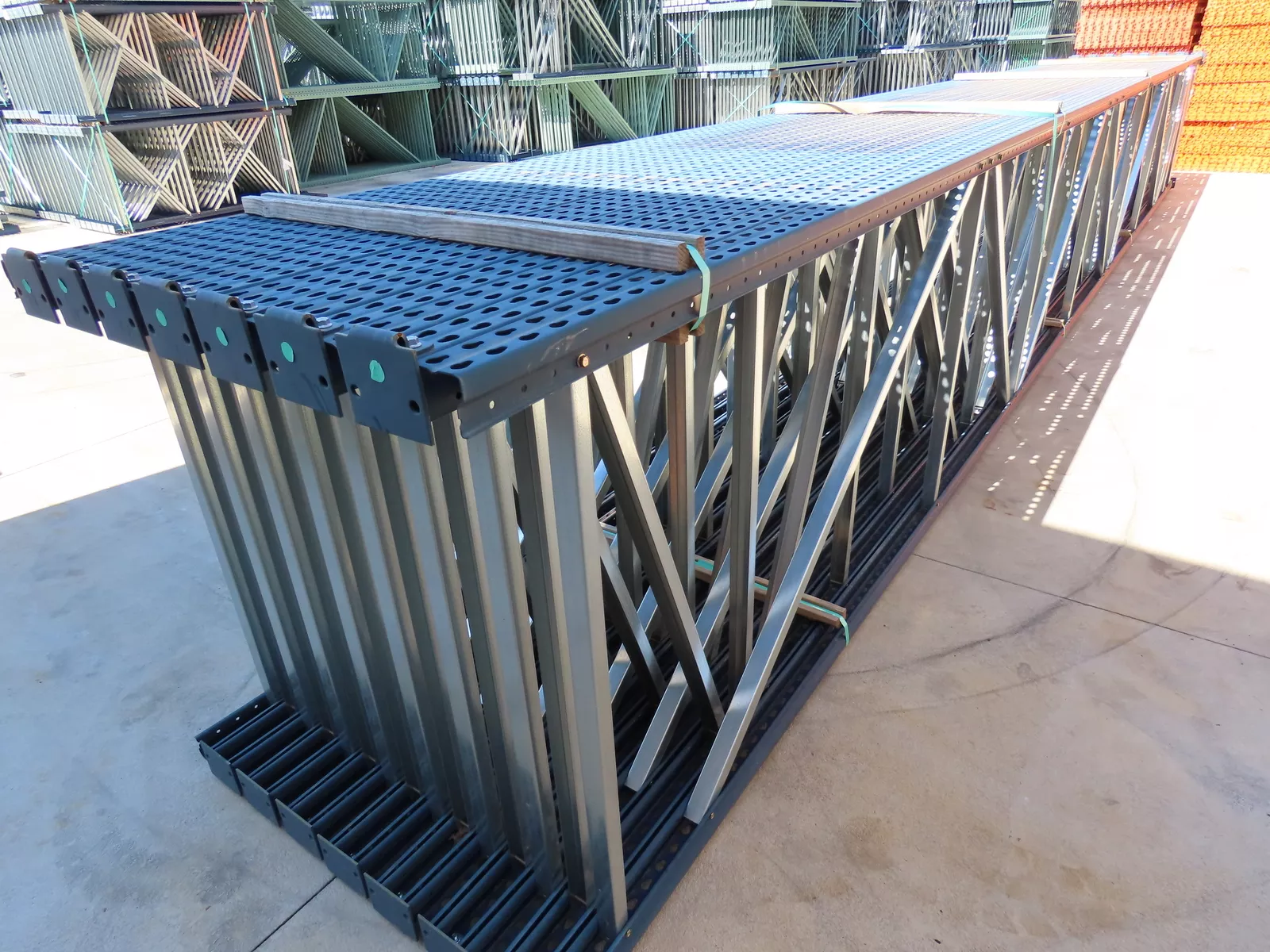
Best Practices for Buying Racks During Warehouse Expansion
Best Practices for Buying Racks During Warehouse Expansion
- Racking is crucial for warehouse expansion, reflecting a business’s health and reputation.
- Understand your inventory needs to choose the right racking system, enhancing efficiency and workflow.
- Invest in quality racking; cheaper options can lead to higher long-term costs and inefficiencies.
- Select reputable suppliers and check for warranties and certifications when purchasing racks.
- Involve your team in the racking selection process to improve morale and ensure functionality.
- Learn from industry experts and case studies to avoid common pitfalls and enhance decision-making.
- Choosing the right racking demonstrates a commitment to quality, efficiency, and employee engagement.
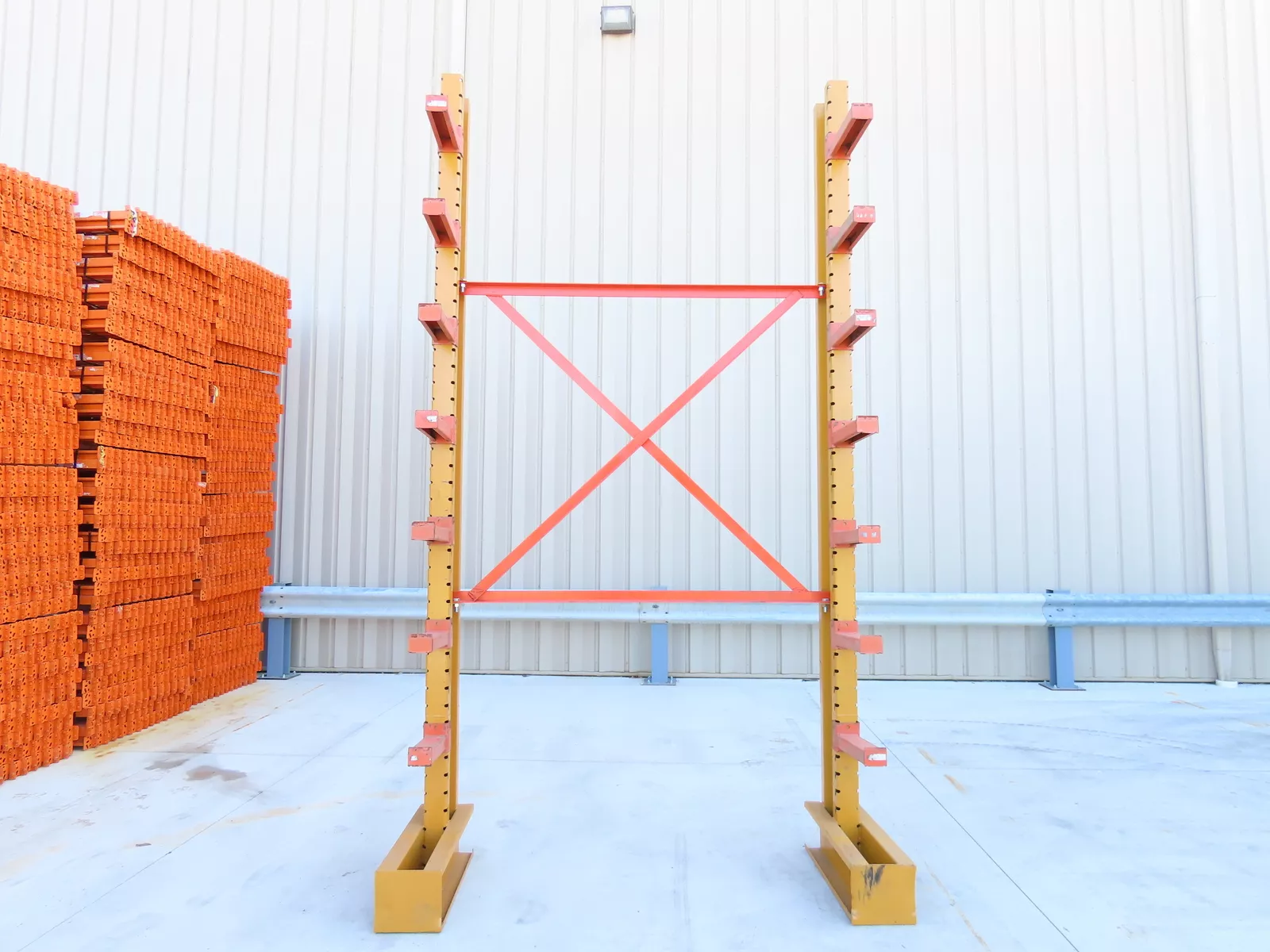
Best Practices for Buying Racks During Warehouse Expansion
Table Of Contents
- Best Practices for Buying Racks During Warehouse Expansion
- What Are the Emotional Impacts Of Poor Storage Solutions on Employees?
- How Can Efficient Racking Systems Reduce Operational Costs Over Time?
- What Are the Long-Term Advantages Of Investing In High-Quality Racks?
- How Can Technology Enhance the Efficiency Of Your Racking Systems?
- What Are the Hidden Costs Of Neglecting Proper Warehouse Organization?
- Conclusion
- Other Resources
- Glossary Of Terms
- Other Questions
- Checklist
What Are the Emotional Impacts Of Poor Storage Solutions on Employees?
When we walk into a workplace, we often overlook the minutiae that define our daily experience—the cluttered desk, the chaotic supply closet, or the subpar racking system that struggles to keep order. Poor storage solutions might seem like trivial inconveniences, but they can cast a long shadow over employee morale and productivity. Imagine stepping into a space that feels unwieldy and uninviting; immediately, you sense the weight of frustration. The emotional impact of such disarray can seep into the very ethos of a workplace, leading to diminished motivation and an uptick in stress.
Think about it. Every time an employee fumbles through disorganized materials, they feel the pang of inefficiency. It’s not just about lost time; it’s about lost potential. When employees are relegated to a never-ending search for tools and resources, their focus splinters. It’s a gut punch to productivity, and over time, the erosion of trust in processes can breed resentment. When the tools of their trade are not easily accessible, employees begin to feel like cogs in a poorly oiled machine, leading to a disconnect from their roles and the company as a whole.
Yet, there’s a deeper ethical concern. A workplace should inspire creativity, collaboration, and overall well-being, grounded in the belief that every worker deserves an environment that supports their best efforts. A well-structured storage solution—whether it’s smart racking systems or organized supply areas—demonstrates a company’s commitment to its people. By investing in proper storage, companies affirm their belief in their employees’ potential, fostering a sense of belonging and value.
Wrapped in this narrative is a profound social connection. When employees feel seen—they know their needs are addressed—they’re more likely to support one another, creating a thriving community. It builds trust in leadership, cultivates loyalty, and transforms the workplace into a space where people want to contribute and connect.
The choice is clear: investing in intelligent storage solutions is not just a matter of logistics; it’s a statement of intent. It says, “We care.” So, let’s be purposeful in our choices. Let’s ensure that every racking unit, every shelf, and every drawer serves to uplift the workforce rather than weigh it down. After all, when we provide the tools for success, we empower the people who make every achievement possible.
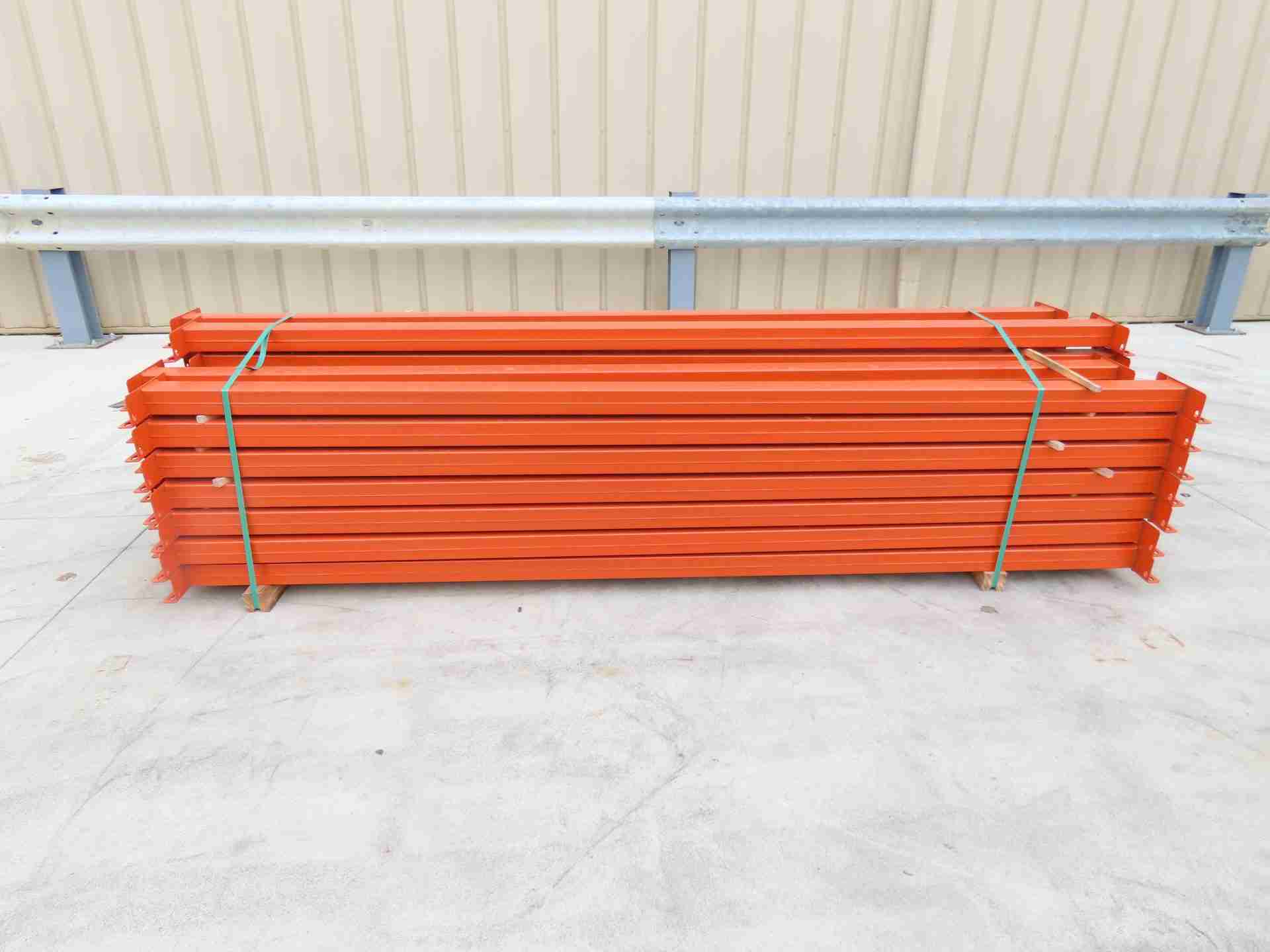
What Are the Emotional Impacts Of Poor Storage Solutions on Employees?
What Are the Emotional Impacts Of Poor Storage Solutions on Employees?
- Workplace disarray impacts employee morale and productivity significantly.
- Poor storage solutions create inefficiencies and can lead to frustration among employees.
- Disorganization can damage trust in processes and breed resentment within teams.
- A well-structured environment fosters creativity, collaboration, and well-being among workers.
- Effective storage solutions show a company’s commitment to employee potential and value.
- Addressing employee needs builds trust in leadership and creates a supportive workplace community.
- Investing in storage is a demonstration of care and commitment to empowering employees.
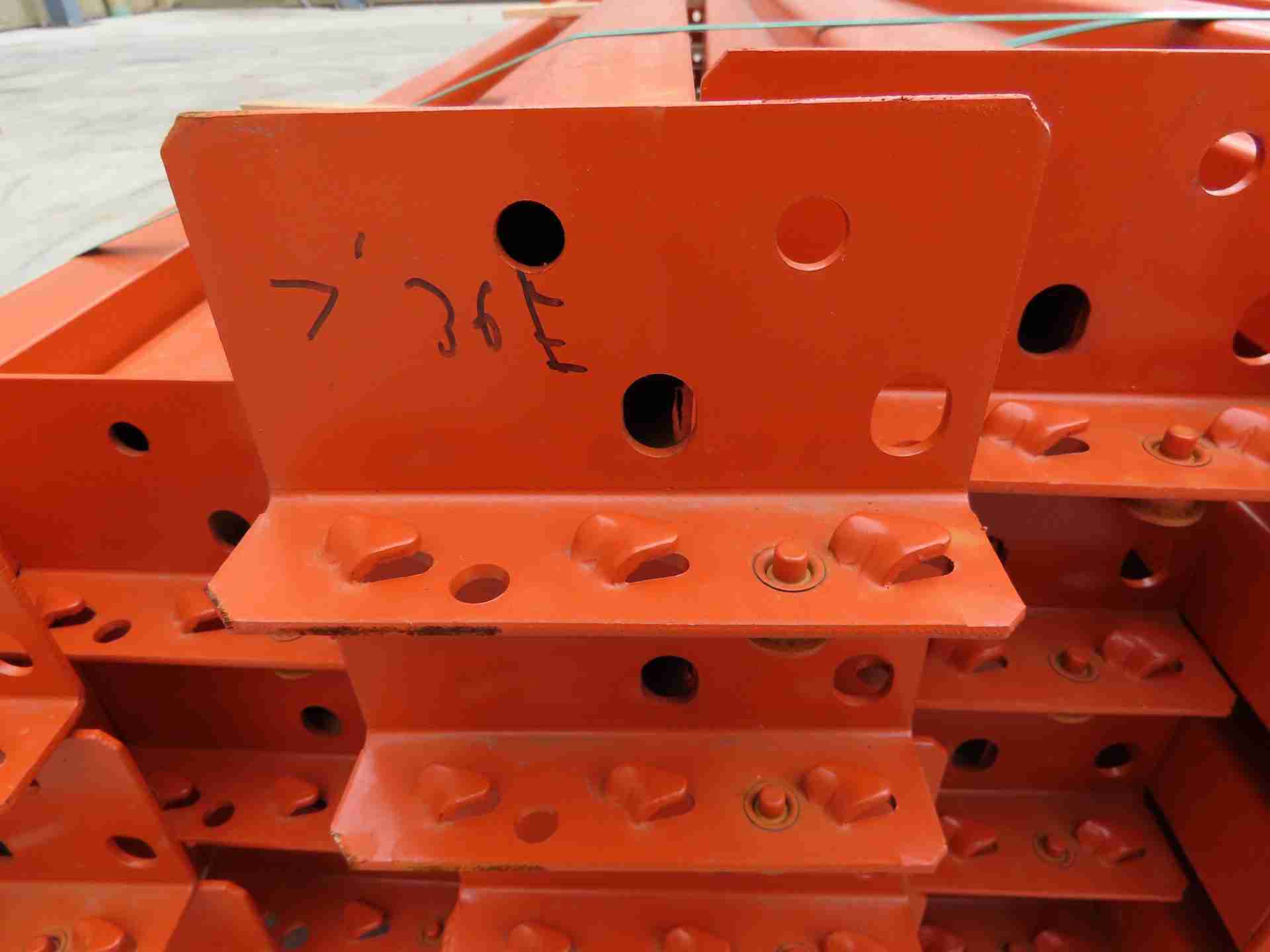
What Are the Emotional Impacts Of Poor Storage Solutions on Employees?
How Can Efficient Racking Systems Reduce Operational Costs Over Time?
In the fast-paced world of warehousing, where every second counts and every square foot is precious, the importance of an efficient racking system can’t be overstated. It’s like the backbone of your operation, quietly holding everything together while you navigate the daily grind. Imagine stepping into a warehouse that feels chaotic—pallets scattered, products misplaced, and time wasted. It’s frustrating, isn’t it? That’s where a good racking system comes in, not just as a collection of metal shelves, but as a lifeline to operational efficiency.
Think about it: a well-designed racking system optimizes space, ensuring that each item is exactly where it should be. This isn’t just about aesthetics or organization; it’s about dollars and sense. With every item in its rightful place, employees can locate products faster, reducing pick times and allowing for smoother operations. That means higher productivity and lower labor costs. When the team spends less time hunting for items, the entire operation runs like a well-oiled machine, churning out results that make those bottom-line numbers look a whole lot healthier.
But let’s get deeper than just numbers. Think about the people behind those numbers—the workers hustling day in and day out. A streamlined racking system alleviates frustration and creates a safer work environment. Less clutter means fewer accidents, leading to better morale and a sense of pride among your team. When employees know their safety matters, they’re more engaged and invested in the company’s success. It’s an emotional connection that boosts not only efficiency but also loyalty—a win-win for everyone involved.
From an ethical standpoint, choosing to invest in an efficient racking system is a commitment to quality and responsibility. It’s about doing right by your workers, your clients, and the environment. An organized space minimizes waste, reduces the need for unnecessary reorders, and contributes to a more sustainable operation.
So, if you’re still wrestling with disorganization, consider this your nudge. Rethink your racking. Transform your space. You’ll not only see a decrease in operational costs but also witness a profound shift in workplace culture. When your team thrives, so does your business. A wise choice for a better today—and an even brighter tomorrow.
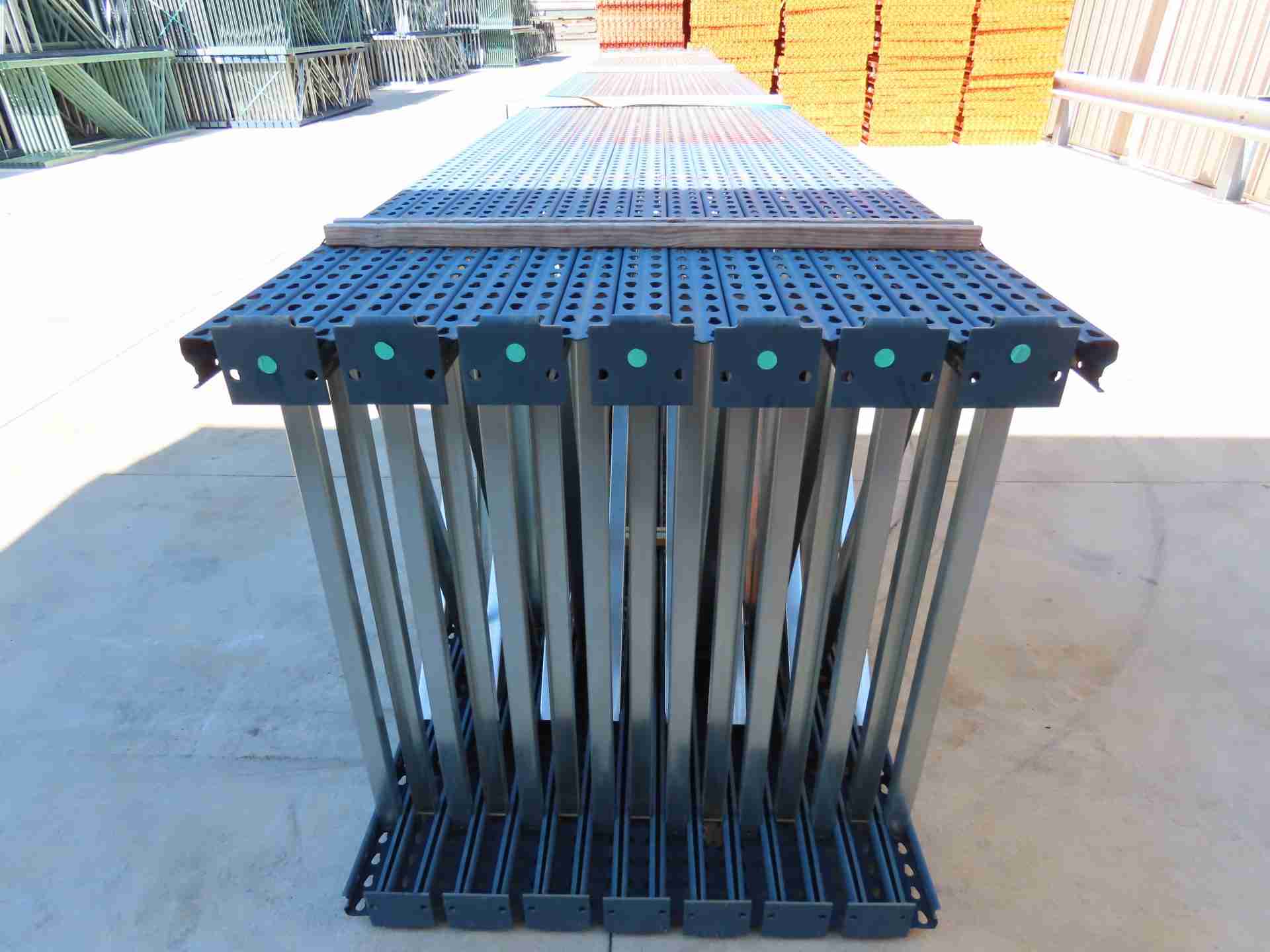
How Can Efficient Racking Systems Reduce Operational Costs Over Time?
How Can Efficient Racking Systems Reduce Operational Costs Over Time?
- An efficient racking system is essential for optimizing warehouse operations.
- A well-designed racking system maximizes space and reduces clutter, improving product organization.
- Increased organization leads to faster product location, reduced pick times, and enhanced productivity.
- Streamlined systems contribute to lower labor costs and healthier bottom-line results.
- Better organization decreases accidents, creates a safer workplace, and boosts employee morale.
- Investing in racking systems reflects a commitment to quality, responsibility, and sustainability.
- Improved workplace culture results in enhanced company loyalty and success.
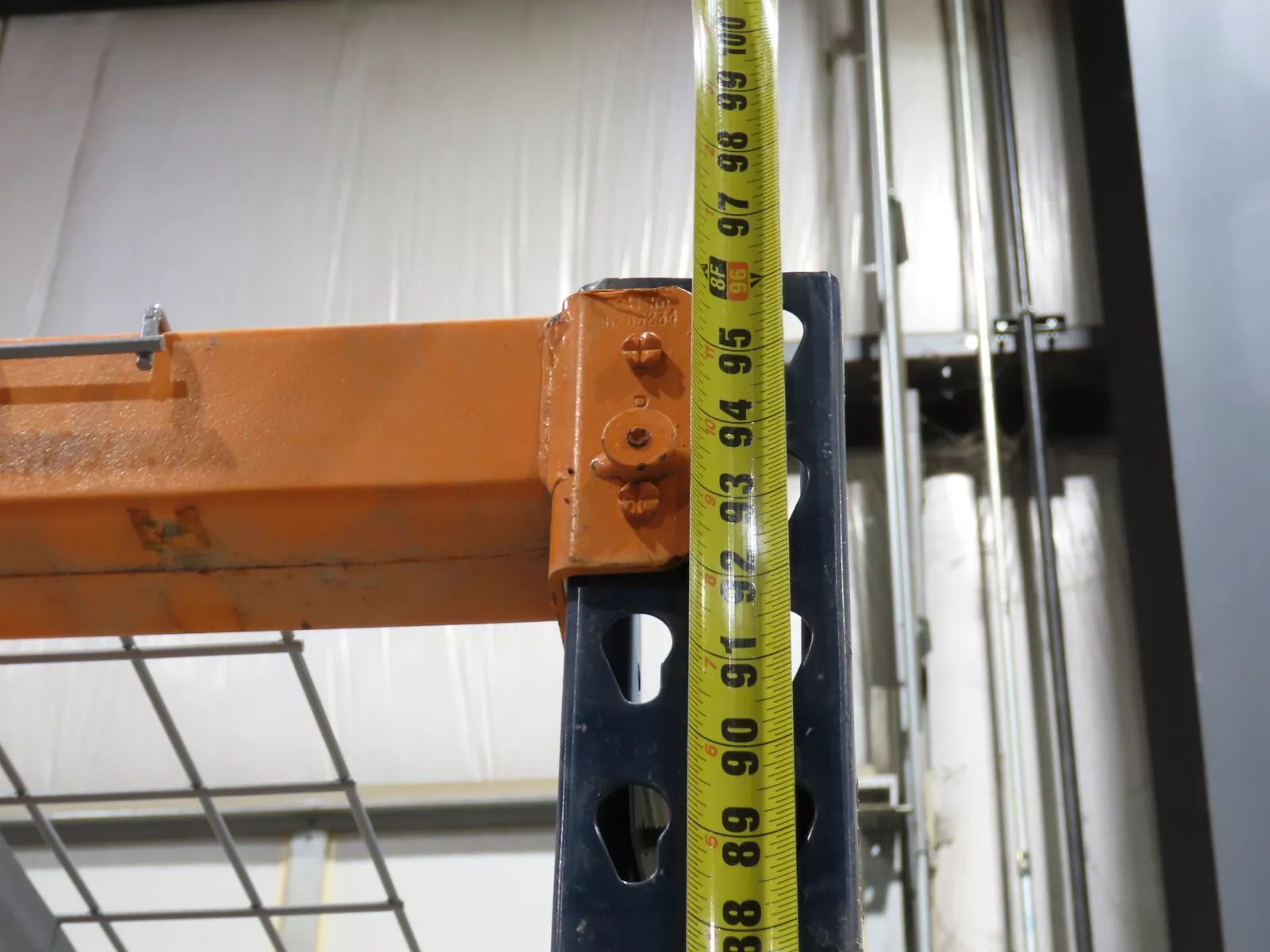
How Can Efficient Racking Systems Reduce Operational Costs Over Time?
What Are the Long-Term Advantages Of Investing In High-Quality Racks?
When you think about investing in high-quality racking systems, you’re not just contemplating a pragmatic addition to your warehouse—you’re actively participating in the growth of your business and safeguarding your livelihood. High-quality racking isn’t just a collection of metal and wood; it’s a framework that supports efficiency, safety, and ultimately, longevity.
Imagine spending your hard-earned dollars on a system that’s built to stand the test of time. Quality racks are designed and manufactured with meticulous care, often by brands that have been in the game long enough to earn your trust. These racks won’t just store your goods—they will support your dreams and aspirations, creating an environment where your business can thrive without the fear of costly failures.
From a purely rational standpoint, high-quality racking systems can reduce costs associated with accidents, product damage, and inefficient workflows. Cheaper, flimsy brands might seem attractive at first, but over time, you could find yourself spending more on replacements, repairs, or, heaven forbid, dealing with injuries on the job site. Investing in robust racking means betting wisely on your operation’s future.
Let’s touch on the ethical angle: making a choice for quality doesn’t just impact you; it affects your entire team. Your employees deserve a safe work environment—one that doesn’t compromise their well-being for the sake of saving a few bucks. A strong, reliable racking system isn’t just a structure; it’s a testament to your commitment to their safety and to ethical business practices.
And let’s not overlook the social aspect; when you choose quality, you often support local businesses or manufacturers committed to their communities. You’re participating in a cycle of craftsmanship, echoing values like resilience and reliability. This connection fosters trust between you and the consumers who seek out your products—they know you’re serious about quality at every level, from racking to delivery.
So, when you decide to invest in high-quality racking, you’re not just making a purchase; you’re making a commitment to your future and the futures of those who depend on you. It’s a declaration that says, “I’m serious about my business,” echoing well beyond the aisles of your warehouse and into the lives you influence every day. Take the leap for quality—it pays dividends in ways you can’t yet imagine.
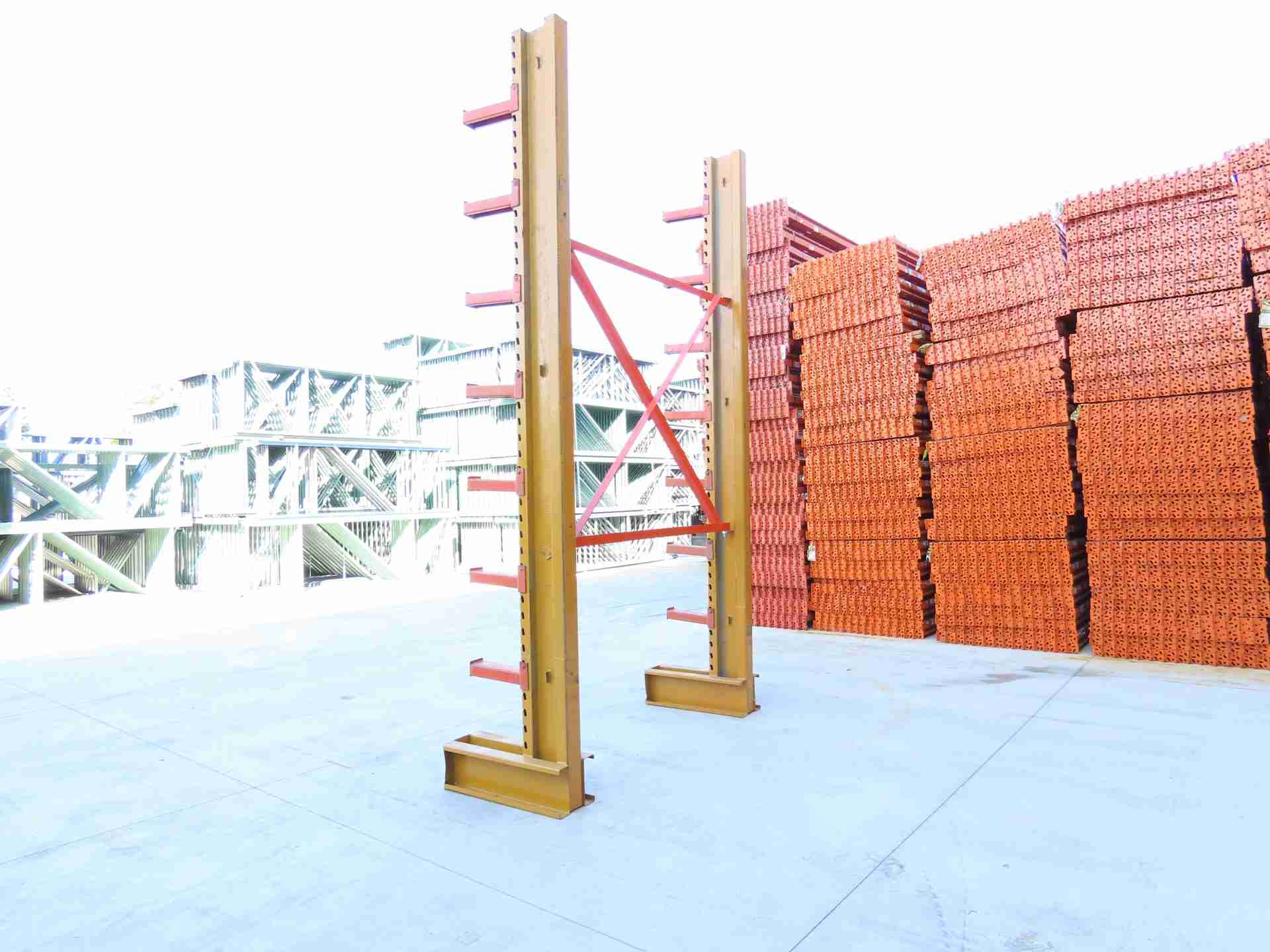
What Are the Long-Term Advantages Of Investing In High-Quality Racks?
What Are the Long-Term Advantages Of Investing In High-Quality Racks?
- Investing in high-quality racking systems fosters business growth and protects your livelihood.
- Quality racks serve as a framework for efficiency, safety, and longevity, supporting your business aspirations.
- High-quality racking systems can lower costs related to accidents, product damage, and inefficient workflows.
- Cheaper alternatives may lead to higher expenses for replacements, repairs, and potential workplace injuries.
- Choosing quality racking ensures a safe work environment for employees and reflects ethical business practices.
- Investing in local high-quality manufacturers supports community craftsmanship and builds trust with consumers.
- Committing to quality in racking is a declaration of seriousness about your business and its future impact.
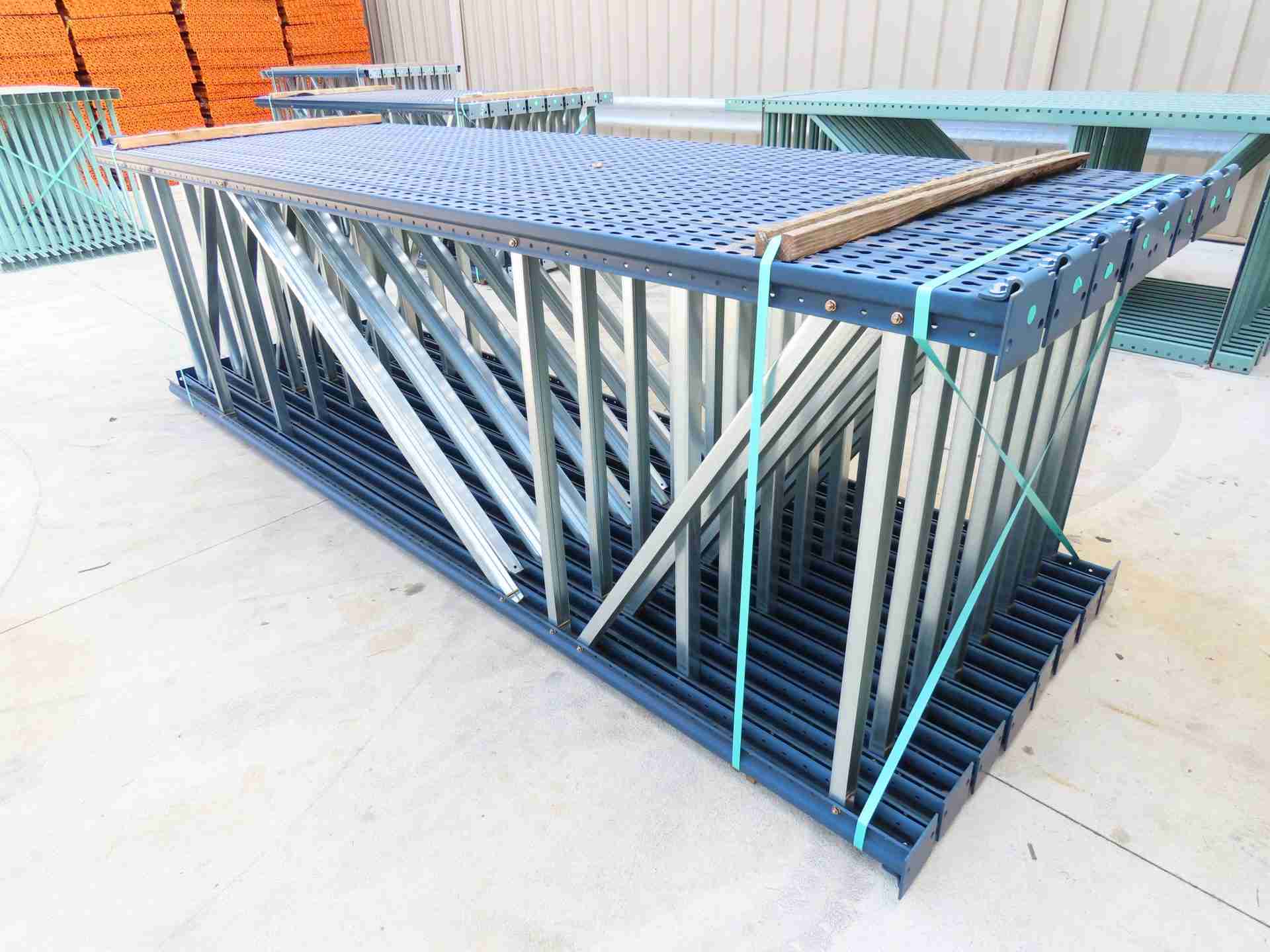
What Are the Long-Term Advantages Of Investing In High-Quality Racks?
How Can Technology Enhance the Efficiency Of Your Racking Systems?
Let’s paint a picture of a bustling warehouse—steel shelves rising like skyscrapers, each section meticulously packed with products that promise to fulfill a need. Now, imagine walking through those aisles, but instead of the chaos of misplaced items and confused workers, there’s harmony, efficiency, and a tangible sense of accomplishment. This is where technology steps in like a seasoned quarterback, orchestrating the flow of inventory and elevating the art of racking.
Take a moment to consider the heart of your operation: the people. They thrive on clarity, purpose, and the satisfaction of a job well done. By integrating advanced racking systems equipped with smart sensors, your team can gather real-time data that tells them exactly where every item resides, how much stock is left, and even when it’s time for a reorder. This isn’t just about making their lives easier—it’s about empowering them, enabling confident decisions, and sparking a sense of pride in their workspace. Imagine the morale boost when employees can trust their tools to help them, rather than hinder them.
Now, let’s get practical. Think of the financial implications. An efficient racking system, bolstered by technology, can drastically reduce retrieval times. What does that mean for your bottom line? Increased throughput, lower labor costs, and ultimately, a healthier profit margin. You’re not just making a purchase; you’re investing in the future of your operations. Ethically, it feels good knowing that you’re optimizing resources rather than squandering them, and those savings can be reinvested into your workforce or community.
From a narrative perspective, consider the transformative stories of companies that embraced innovation. They went from disorganized chaos to flawless operations, inspiring trust not merely within their walls but also among their clients. Reviews that echo appreciation rather than frustration create a ripple effect, enhancing your reputation in the competitive market. When your clients see that you value efficiency and quality, they feel compelled to come back, to recommend you to others, and to believe in the reliability of what you deliver.
The embrace of technology in your racking systems isn’t just a logistical upgrade; it’s a commitment to excellence, a pledge to your crew, and a promise to those you serve. When you blend human potential with technological prowess, you’re not merely improving efficiency—you’re forging a resilient, thriving community anchored by trust and driven by shared success.
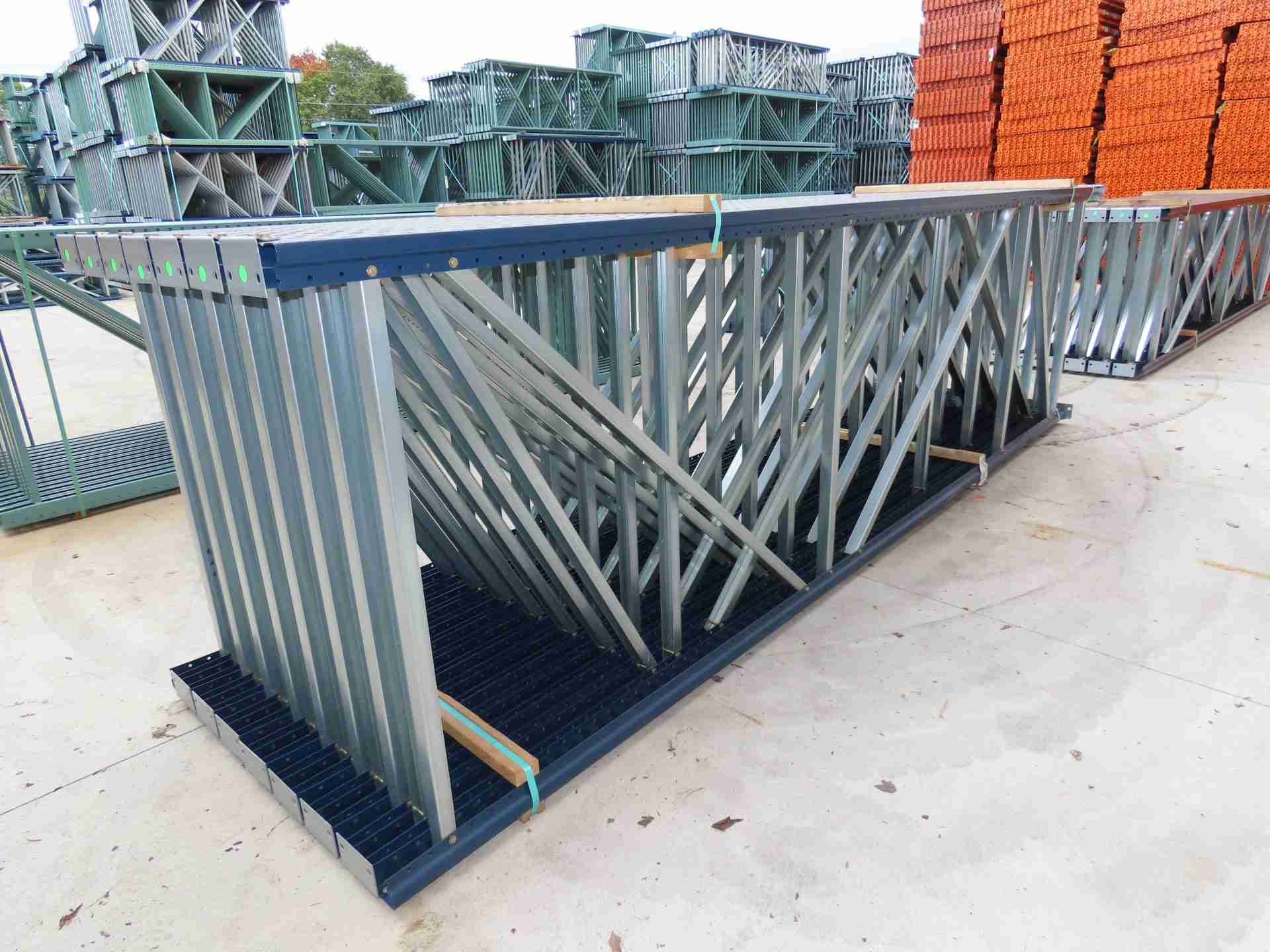
How Can Technology Enhance the Efficiency Of Your Racking Systems?
How Can Technology Enhance the Efficiency Of Your Racking Systems?
- A bustling warehouse characterized by organized sections and effective product fulfillment.
- Integration of advanced racking systems with smart sensors enhances clarity and productivity for workers.
- Real-time data empowers employees to make confident decisions about inventory management.
- Efficient racking systems reduce retrieval times, leading to increased throughput and lower labor costs.
- Optimizing resources through technology reinvests savings into the workforce and community.
- Companies that adopt innovative practices transform from chaos to efficient operation, boosting reputation and client trust.
- The combination of human potential and technology fosters a resilient and thriving work environment built on mutual success.
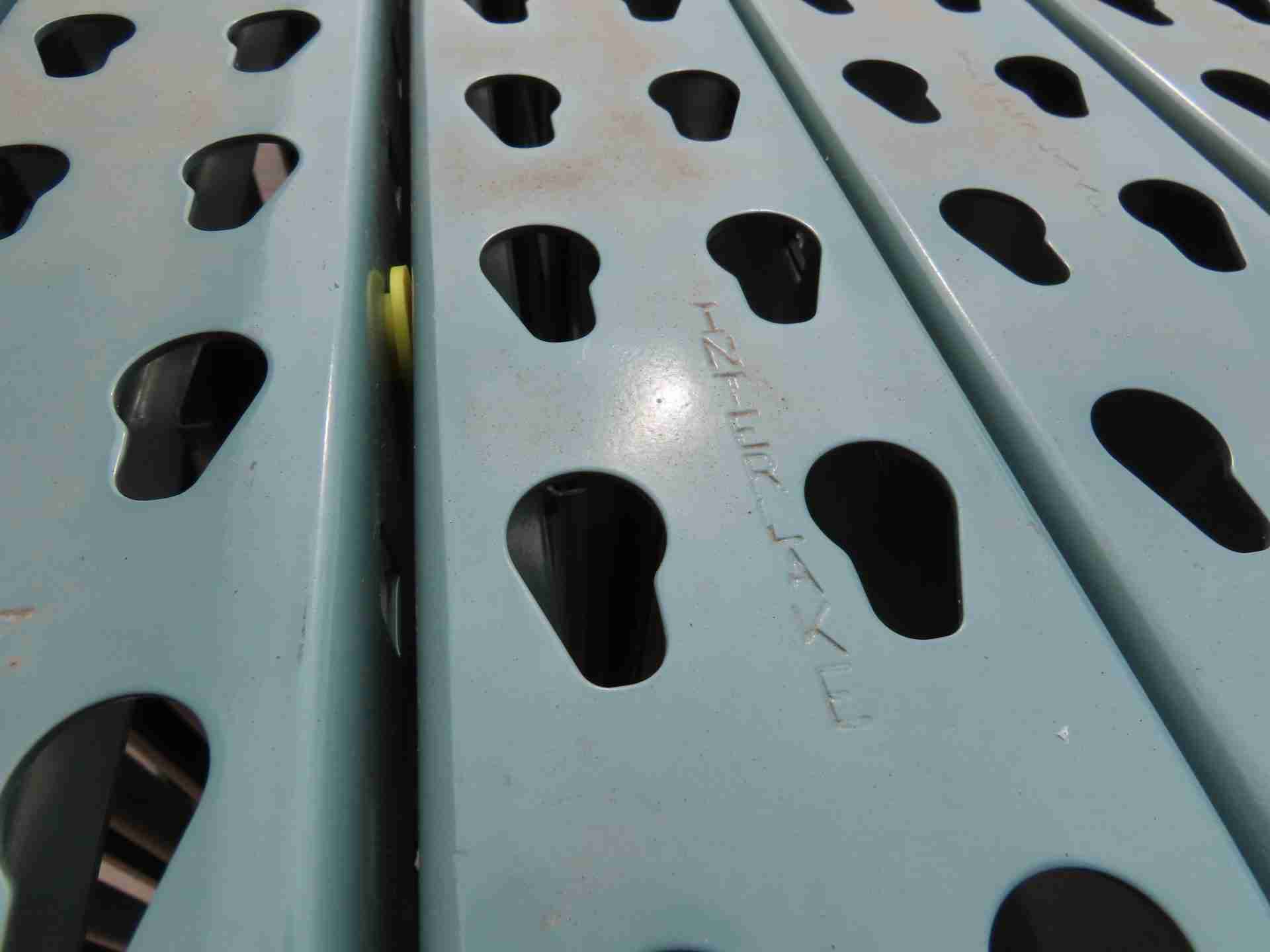
How Can Technology Enhance the Efficiency Of Your Racking Systems?
What Are the Hidden Costs Of Neglecting Proper Warehouse Organization?
When it comes to warehouse organization, neglect can feel like a slow leak—subtle at first, but soon enough, it’s a full-blown flood. Picture this: a worker searching for a specific item lost amidst a chaotic sea of boxes, feeling the weight of frustration and pressure mount with every passing minute. This scene plays out daily in poorly organized warehouses, where the hidden costs of disarray reach far beyond mere inconvenience.
First off, let’s consider the heart. Every time a worker spends valuable minutes sifting through clutter, they’re not just wasting time; they’re losing morale. Each lost moment is a chip away from their motivation and job satisfaction. That frustration breeds a toxic atmosphere—a mix of anxiety and resentment. No one wants to work in a place where chaos reigns, where the racking systems overwhelm instead of support. Good organization fosters pride; poorly organized spaces do just the opposite.
Now, let’s engage the head. An organization strategy isn’t just about aesthetics or ease; it directly affects operational efficiency and, ultimately, profitability. Studies show that companies with well-organized spaces report higher productivity levels. Think about it: a well-laid-out warehouse means items are found quickly, shipments are sent out on time, and customers are happy. The rational mind understands that investing time and resources upfront into proper organization translates into significant savings—both financially and in manpower.
From an ethical perspective, workforce welfare matters. It’s our responsibility as business leaders to create environments that prioritize employee well-being. When workers feel valued and their time respected through thoughtful design and organization, the ripple effect is immense. They become advocates for the company, spreading positivity and fostering a culture of respect.
And let’s not forget the narrative—stories are powerful. Remember the tale of a once-thriving business that suffered due to neglected organization? Inventory counts turned into nightmares; orders mingled and went missing; customers turned away. The company’s downfall was not the economy but its inability to organize.
Finally, the impact of social cohesion shouldn’t be overlooked. A well-managed warehouse creates a sense of teamwork—a shared mission among workers. When everyone pulls together around a clear, organized strategy, it cultivates camaraderie, and that’s something every business strives for. So, let’s take a hard look at that warehouse. Every inch matters, and organization isn’t just a nicety; it’s a necessity. Investing in proper warehouse organization isn’t just about efficiency; it’s about dignity, respect, and the heart of the team.
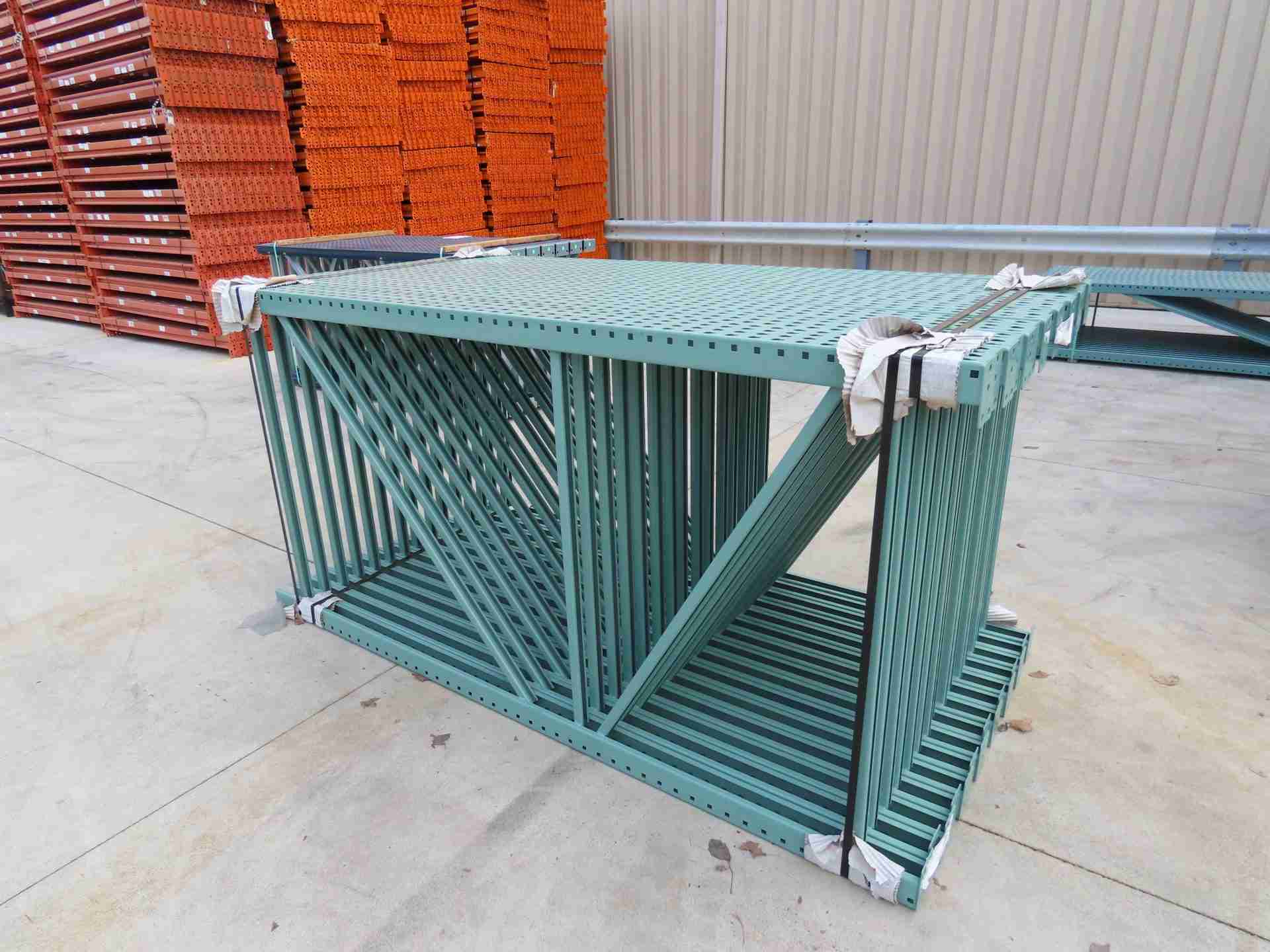
What Are the Hidden Costs Of Neglecting Proper Warehouse Organization?
What Are the Hidden Costs Of Neglecting Proper Warehouse Organization?
- Poor warehouse organization leads to frustration and lost morale among workers.
- Disarray creates a toxic atmosphere, diminishing job satisfaction and motivation.
- Effective organization directly impacts operational efficiency and profitability.
- Companies with well-organized spaces report higher productivity and customer satisfaction.
- Workforce welfare and employee well-being should be prioritized through thoughtful organization.
- A single narrative of a disorganized business illustrates the severe consequences of neglecting organization.
- Good organization fosters teamwork and camaraderie among workers, creating a stronger business culture.
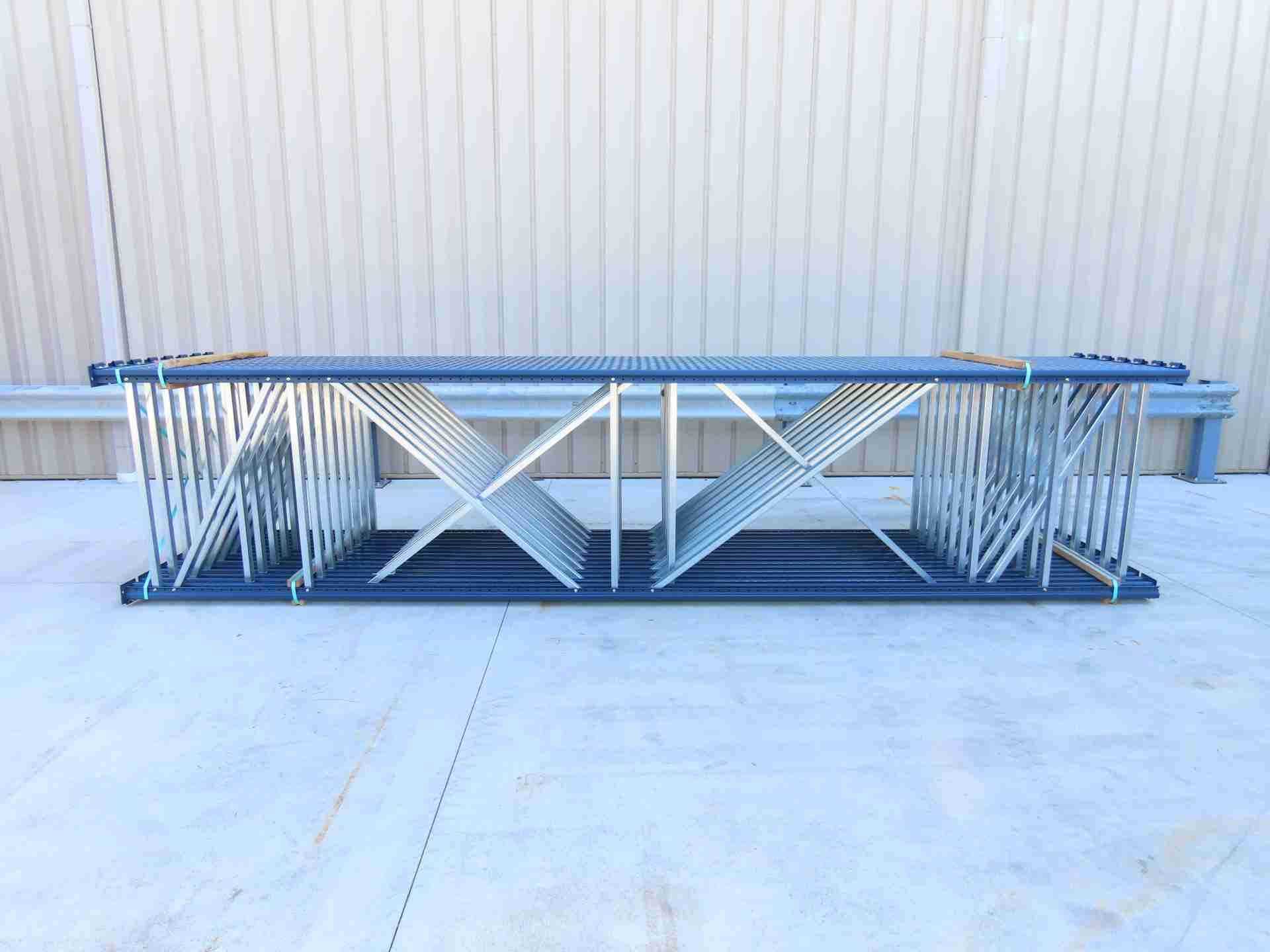
What Are the Hidden Costs Of Neglecting Proper Warehouse Organization?
Conclusion
When it comes to warehouse expansion, the choices we make about racking systems don’t merely impact operations—they define the very essence of how we support our people, manage resources, and ultimately, how we thrive as a business. It’s not just about stacking steel shelves; it’s about crafting an environment where efficiency meets empowerment, where the well-being of your employees fuels productivity. In this journey, the racks we choose stand as a metaphor for our commitment—how seriously we take not just our operations but also the lives intertwined within them.
Understanding your inventory is the first step; it’s like knowing the heart of your business. Each product has its own story, its own needs. Selecting the right racking system should be an informed decision that enhances workflow and morale rather than stumbling into chaos. When employees can easily navigate their workspace, frustration diminishes and productivity flourishes. Investing in quality racking is not a mere financial consideration—it’s an ethical decision that speaks volumes about how much you value your team.
Engaging your workforce in this decision fosters not just inclusion but loyalty, creating a collaborative culture as your team feels their voices matter. This emotional connection can reinvigorate trust and commitment to a shared mission. Technology further enhances this landscape; integrated systems that provide real-time data empower employees, making their days smoother and more satisfying. It’s a classic case of investing in human capital that translates directly to your bottom line.
Neglecting warehouse organization, on the other hand, can unveil hidden costs that extend beyond lost time and resources. The weight of disorganization fosters dissatisfaction, leading to a decline in morale and productivity. A cluttered environment is not just an operational disaster; it’s an ethical failing that undersells our responsibility to create workplaces conducive to growth and safety. When chaos reigns, it breeds a culture of stress rather than collaboration, eroding the very foundation of trust we seek to build.
Ultimately, the future of your warehouse rests on these choices. Take them seriously, and your racking systems will evolve into symbols of your commitment to quality, safety, and community. By investing thoughtfully, you don’t just secure assets; you forge a legacy—one where every rack holds up not just inventory, but the hopes, dreams, and dignity of those who serve your clients. Choose wisely; after all, the essence of a thriving business lies in the strength of its foundation.
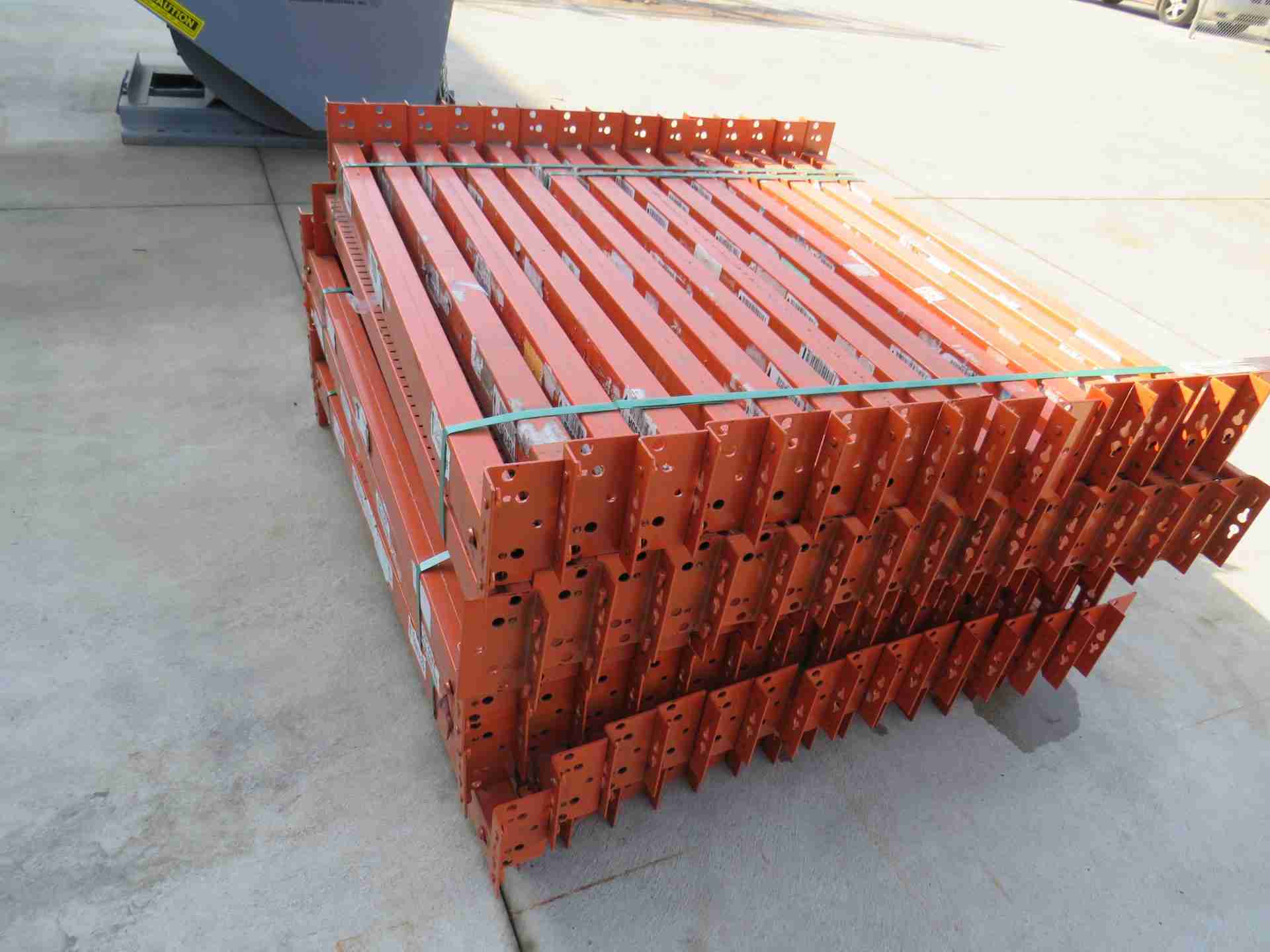
Conclusion
Conclusion:
- Warehouse racking systems impact operations and define support for employees and resource management.
- Choosing the right racking system enhances workflow, employee morale, and productivity.
- Involving the workforce in decisions promotes inclusion, loyalty, and a collaborative culture.
- Real-time data technology empowers employees and improves their work experience.
- Neglecting organization leads to hidden costs, decreased morale, and operational chaos.
- Investing in quality racking symbolizes a commitment to employee safety, growth, and ethical responsibility.
- Thoughtful investments in racking systems help build a legacy that supports the hopes and dignity of the workforce.
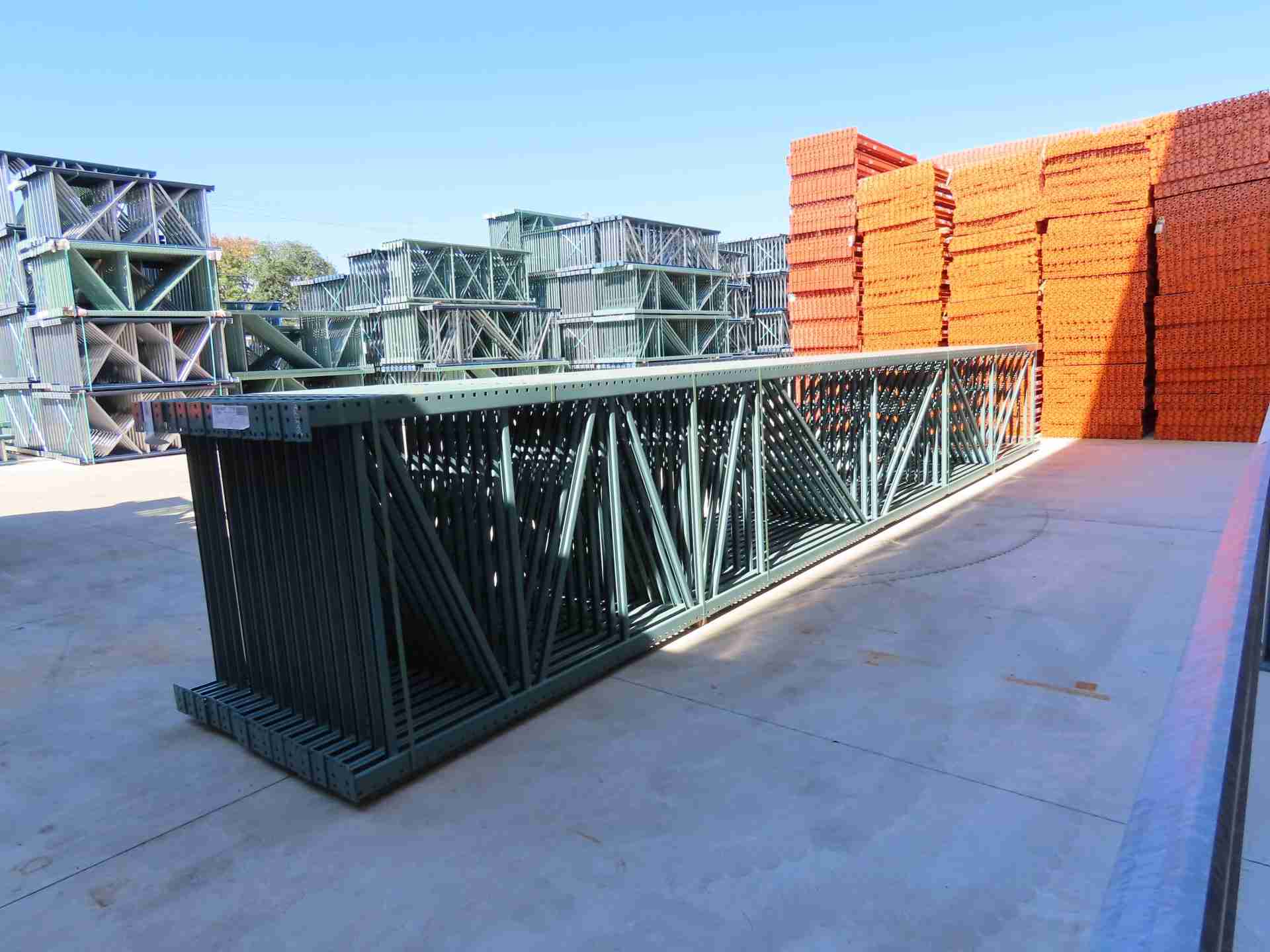
Conclusion
Other Resources
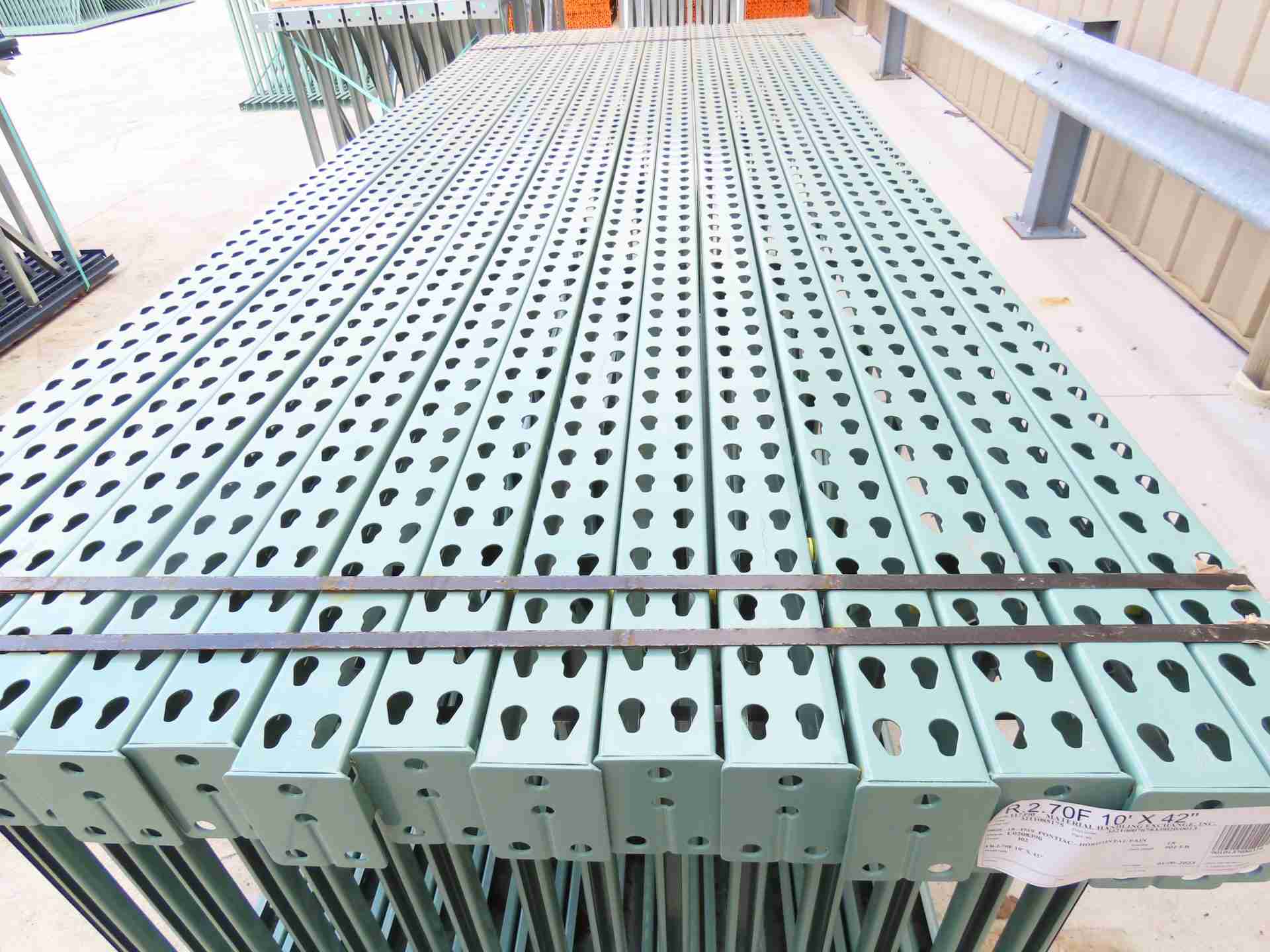
Other Resources
Here is a list of other resources you can review online to learn more:
- Pallet Racking 101: A Comprehensive Guide & Options Explained
- Illinois Pallet Racking – Storage Solutions
- Heavy-Duty Cantilever Storage Racks
- Rack Manufacturers Institute
- Pallet Racking systems in Illinois and Great Lakes
- Warehouse Storage Racks
- Warehouse Racking System: Powerful Guide to Optimise, 2024
- Warehouse Automation
- Cantilever Rack Configuration & Installation: A Comprehensive Guide – BMH
- Chicago Pallet Racking
- International Warehouse Logistics Association
- Warehouse Racking Systems: Beginner’s Guide to Rack Systems
- Shipping Boxes, Packaging Materials, Pallet Racking
- Teardrop Uprights
- Iowa Illinois Warehouse Racking
- Arrow Industrial Sales
- Bradford Systems
- New Cantilever Racks and Racking Kits
- Cantilever Racking Specialists – Get the Right Racks
- CA Wire
Use This Prompt To Get More Resources With Your Favorite Online AI Tool: Please provide me with a list of online articles with their URLs in a bulleted list that I can read regarding Best Practices for Buying Racks During Warehouse Expansion

Other Resources
Glossary Terms
Best Practices for Buying Racks During Warehouse Expansion – Glossary Of Terms
1. Racks: Frameworks used for storage in warehouses, designed to hold goods and materials securely and efficiently.
2. Warehouse Expansion: The process of increasing the physical space or capacity of a warehouse to accommodate more inventory or enhance operational efficiency.
3. Load Capacity: The maximum weight that a storage rack can safely support without risk of failure or damage.
4. Shelving: The horizontal surfaces within racks where goods are placed; can vary in design and material.
5. Selective Racking: A type of racking system that allows for direct access to individual pallets, increasing inventory turnover.
6. Pallets: Flat structures used to support goods during storage and transportation, often made of wood or plastic.
7. Vertical Space Utilization: The efficient use of vertical height in the warehouse to maximize storage capacity.
8. Cross-Aisle Cooperation: The design of aisles in a warehouse to facilitate easy movement and access to different racking systems.
9. Drive-In Racking: A high-density storage system that allows for forklifts to enter the rack to retrieve pallets, optimizing space.
10. FIFO (First In, First Out): An inventory management method where the oldest stock is sold or used first, often facilitated by specific racking designs.
11. Durability: The ability of racks to withstand wear and tear over time, influenced by materials and construction quality.
12. Adjustable Racking: Racks designed with adjustable shelves to accommodate various sizes of products and improve flexibility.
13. Customization: Tailoring rack designs and configurations to meet specific needs or constraints of a warehouse.
14. Inventory Turnover Rate: A measurement of how often inventory is sold and replaced over a specific period, crucial for warehouse efficiency.
15. Safety Standards: Regulations and guidelines governing the design and use of warehouse racking to ensure safe operations.
16. Material Handling: The movement and storage of goods within a warehouse, encompassing equipment like forklifts and pallet jacks.
17. Space Efficiency: The effective use of warehouse space to maximize storage while minimizing wasted areas.
18. Forklift Access: The design considerations that allow forklifts to navigate freely between racks for efficient loading and unloading.
19. Code Compliance: Adherence to local building codes and safety regulations when installing racking systems.
20. Inventory Management System (IMS): A software solution that helps track and manage inventory levels, orders, and storage.
21. Cantilever Racking: A racking system designed for storing long items such as lumber, pipes, or furniture, featuring arms extending from a vertical frame.
22. Mezzanine: An intermediate floor installed between the main floors of a warehouse to create additional storage space.
23. Shipping and Receiving: Areas designed for the intake and dispatch of goods; effective racking can streamline these operations.
24. Order Picking: The process of retrieving items from storage in preparation for shipment to customers; influenced by rack arrangement.
25. Barcode Labeling: A system of labeling items in the warehouse to facilitate easy tracking and inventory management.
26. Lead Time: The amount of time from placing an order until it is received; crucial for planning warehouse layout and stock levels.
27. Environmental Considerations: Factors regarding the sustainability of materials used for racks and their impact on the warehouse ecosystem.
28. Lean Warehousing: A methodology focused on reducing waste and improving efficiency throughout warehouse operations.
29. Vendor Relationships: Collaborations with suppliers for sourcing racking materials, which impact pricing and quality.
30. Warranty: A guarantee provided by rack manufacturers regarding the quality and durability of their products, often indicating the terms of repair or replacement.
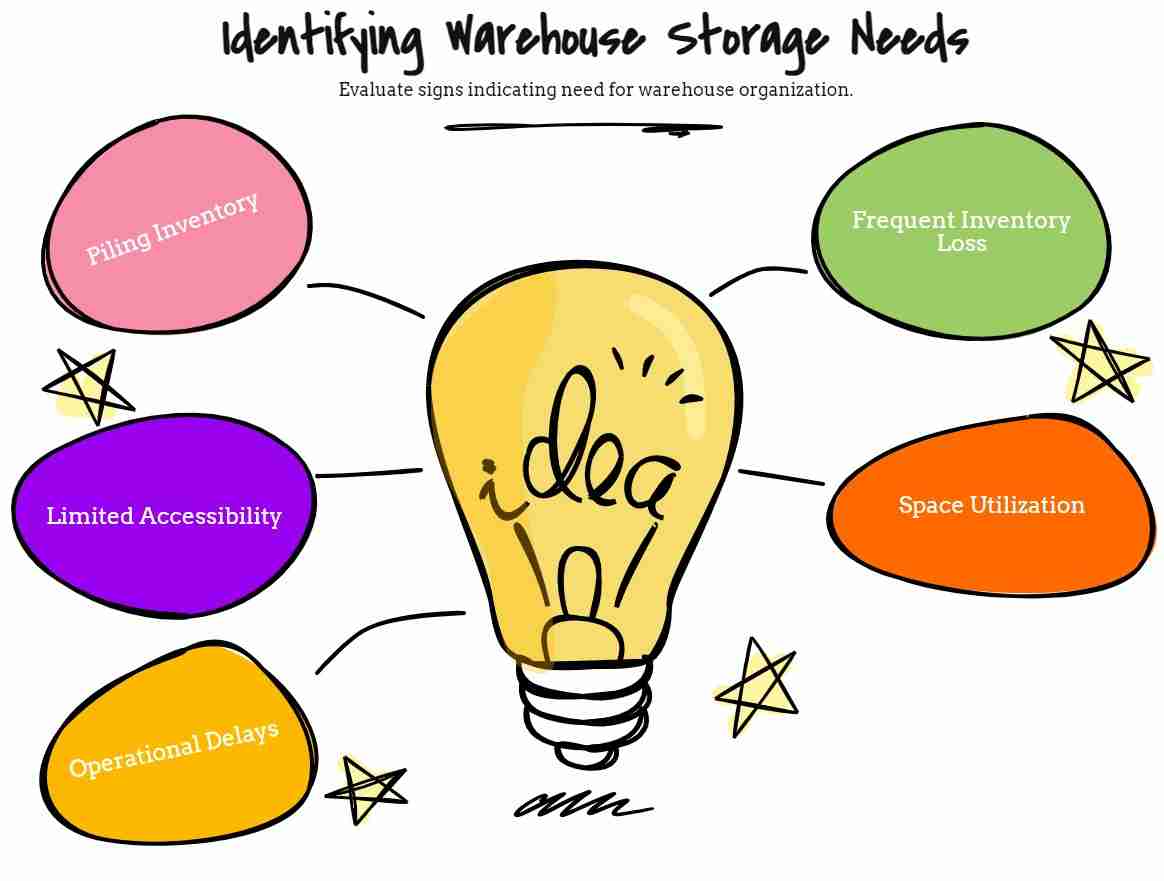
Glossary Of Terms
Other Questions
Best Practices for Buying Racks During Warehouse Expansion – Other Questions
If you wish to explore and discover more, consider looking for answers to these questions:
- What factors should be considered when selecting the right type of racking system?
- How can companies assess their specific inventory needs for racking solutions?
- What are the potential risks of investing in low-quality racking systems?
- How does employee engagement in the racking selection process impact overall satisfaction?
- What technologies can be integrated with racking systems to enhance operations?
- What are the long-term financial benefits of maintaining high-quality racking solutions?
- How can proper organization impact customer satisfaction and retention?
- What role does workplace safety play in the choice of racking systems?
- How often should warehousing systems be evaluated for potential upgrades or changes?
- What are common mistakes companies make when expanding their warehouse racking systems?

Other Questions
Checklist
Best Practices for Buying Racks During Warehouse Expansion – A Checklist
Heartfelt Considerations
_____ Reflect on how racking choices impact employee morale and productivity.
_____ Visualize the workplace environment: Is it empowering or chaotic?
_____ Consider employee feedback—how can their insights enhance selection and inclusion?
_____ Recognize the emotional connection staff have with their workspace—does it foster pride or frustration?
Rational Assessment
_____ Analyze the specific needs of your inventory: Weight, size, and seasonal considerations.
_____ Calculate the long-term financial benefits of investing in quality racking systems.
_____ Review supplier warranties, certifications, and options for durability and maintenance.
_____ Estimate potential downtime and costs associated with disorganization.
Ethical Commitment
_____ Ensure that selected racking solutions prioritize employee safety and well-being.
_____ Consider the environmental impact of your racking choices: Are they sustainable?
_____ Evaluate the ethical responsibility to maintain a workspace that inspires collaboration and creativity.
Authority Engagement
_____ Research case studies or whitepapers focusing on successful racking systems in similar operations.
_____ Consult industry experts and vendors—ask insightful questions to gain clarity.
_____ Attend workshops or conferences to learn about new technologies that enhance racking efficiency.
Narrative Building
_____ Share success stories of how effective racking has transformed other warehouses.
_____ Create a vision for your organization: What do you want to achieve through efficient racking?
_____ Encourage team discussions around what ‘success’ looks like in your workplace—align narratives and goals.
Social Connectivity
_____ Foster a collaborative environment for team input during the racking selection process.
_____ Promote team-building initiatives centered around organization and efficiency improvements.
_____ Celebrate collective achievements when new racking systems are implemented and lead to fruitful outcomes.
Implementation Planning
_____ Develop a clear strategy for integrating new racking systems into existing workflows.
_____ Consider training sessions for staff to ensure effective utilization of the new setups.
_____ Monitor and adjust workflows based on initial feedback post-implementation to enhance effectiveness.
Use this checklist to ensure that your decision-making process aligns with the broader goals of efficiency, employee well-being, and ethical responsibility as you expand your warehouse operations.
Checklist
At RackingWorld, we help guide you through selecting warehouse storage systems and racking.
Be sure to read our other related stories at RackingWorld to learn more about warehouse storage systems.
0 Comments