
Seamlessly Unite Efficiency, Innovation, And Trust In Warehouse Success
By Tom Seest
At RackingWorld, we help guide you through selecting warehouse storage systems and racking.
Be sure to read our other related stories at RackingWorld to learn more about warehouse storage systems.
Barcode Integration and Rack Planning
When it comes to running a warehouse or storage facility, organization is king. But even the best racking systems can become chaos if not managed properly. Enter barcode integration—it’s like the bow in a well-wrapped gift that pulls everything together. Picture a busy day on the floor; workers darting around, lifting boxes, scanning barcodes, all while the clock ticks down on the next shipment. Every scan is a step toward efficiency, transforming what once felt like a frantic scramble into a streamlined operation, and that’s no small thing.
Let’s talk about the heart of the matter. When you adopt a barcode system, you’re not just investing in technology; you’re investing in your team. It’s about empowering those hardworking folks on the ground. They feel more confident when they know exactly where to find products and how much space they need. Imagine the relief in their faces when they can locate items in seconds rather than minutes. It’s a game changer, fostering a culture of respect and pride in their work, as they see direct results from their efforts.
From a rational standpoint, the numbers speak for themselves. Barcode integration reduces mistakes and improves inventory accuracy, translating directly into cost savings. You can avoid the headaches of misplaced stock and overstocking issues, making your operations smoother and your bottom line healthier. Plus, there’s authority in adopting tried-and-true methods; barcodes are an industry standard. Those savvy managers who have embraced such systems know they can trust this approach to yield consistent results.
But we can’t ignore ethics in this conversation. In today’s world, transparency is vital. Barcode systems provide clear tracking of goods, ensuring ethical sourcing and inventory management. This not only helps businesses comply with regulations but also gives customers peace of mind knowing their purchases come from responsible sources.
While planning for racks and integrating barcodes, think of the end user—your customers. A well-organized rack means faster order fulfillment and happier clients. It’s a cycle that builds trust; when people see you delivering consistently, they keep coming back. There’s a sense of community that develops around your business when you prioritize efficiency and integrity in your operations.
So, whether you’re adjusting your racking systems or implementing barcodes, remember that every step forward is a chance to honor the dedication of your team and strengthen those vital connections that keep customers coming back. The heart, head, and gut instincts of running a successful warehouse hinge on these integrated solutions. It’s about more than just storage; it’s about respect, responsibility, and results.

Barcode Integration and Rack Planning
Barcode Integration and Rack Planning
- Organization is crucial for effective warehouse management.
- Barcode integration enhances efficiency by streamlining operations.
- Investing in a barcode system empowers workers, boosting confidence and productivity.
- Barcode systems improve inventory accuracy, leading to cost savings.
- Ethical sourcing and transparent inventory management are facilitated by barcode tracking.
- A well-organized rack results in faster order fulfillment and increased customer satisfaction.
- Integrated solutions foster a culture of respect, responsibility, and results in warehouse operations.

Barcode Integration and Rack Planning
Table Of Contents
- Barcode Integration and Rack Planning
- What Benefits Does Barcode Integration Bring to Inventory Management?
- How Can Rack Planning Enhance Productivity and Efficiency?
- What Are the Common Challenges Faced In Barcode Integration?
- How Does Accurate Rack Planning Impact Supply Chain Operations?
- What Ethical Considerations Arise with Automated Barcode Systems?
- How Can Businesses Leverage Authority In Barcode Technology Choices?
- Conclusion
- Other Resources
- Glossary Of Terms
- Other Questions
- Checklist
What Benefits Does Barcode Integration Bring to Inventory Management?
Inventory management can often feel like wrestling with a thousand tangled ropes, especially when you’re knee-deep in products, orders, and stock level anxiety. Barcode integration is like finding a sturdy knife to slice through that chaos. There’s a tangible peace of mind that comes from knowing your racking systems are running smoothly, and it all starts with those little black-and-white squares.
First, let’s talk about the emotional aspect. Ever had that sinking feeling when you can’t locate an item, knowing it’s somewhere in your racking systems, just playing hide and seek? Barcode integration wipes that worry away. Every scan connects you to the data, giving you real-time visibility. It’s like having a trusty partner who knows the ins and outs of your inventory. You can breathe easier when you know you’re on top of your stock levels, and your team’s confidence grows as they become more adept at managing the setup.
On the rational side, the efficiency improvements are hard to ignore. Manual entry? That’s a recipe for errors and headaches. With barcode scanning, you cut down on human mistakes that cost both time and money. Each scan uploads information directly into your inventory system, ensuring accuracy. When systems talk to each other, you reduce the lag and increase turnover. Seeing those numbers climb is not just satisfying; it’s your bottom line saying thank you.
Ethically, the value of efficient inventory management can’t be overstated. Wasted resources translate to wasted opportunities; barcode integration empowers you to optimize your stock levels, ensuring you’re not buying too much or too little. This accountability strengthens not just your operations but also your commitment to responsible business practices.
Socially, think about your team’s morale. When everyone knows their roles, and the tools at their disposal work seamlessly, collaboration blossoms. It’s about being part of a well-oiled machine where trust builds, and respect for each other’s contributions flourishes.
Finally, consider the authority of experience. Countless businesses have transformed their inventory management through barcode integration, avoiding pitfalls and setting themselves up for success. They didn’t just adopt a technology; they embraced a new way of working—a smart investment for any operation that values its time, resources, and people. So, if you haven’t already taken the leap into barcode integration, it’s time to pick up that knife and start cutting through the clutter. Your inventory deserves that clarity.

What Benefits Does Barcode Integration Bring to Inventory Management?
What Benefits Does Barcode Integration Bring to Inventory Management?
- Inventory management can be chaotic, similar to wrestling with tangled ropes.
- Barcode integration provides clarity, ensuring smooth operations and peace of mind.
- Emotional benefits include real-time visibility and reduced anxiety in locating items.
- Efficiency improvements reduce manual entry errors, saving time and money.
- Ethically, it optimizes stock levels, preventing waste and enhancing responsible practices.
- Team morale improves as collaboration and trust increase with effective tools.
- Many businesses have successfully transformed their operations by adopting barcode integration.

What Benefits Does Barcode Integration Bring to Inventory Management?
How Can Rack Planning Enhance Productivity and Efficiency?
When it comes to the backbone of any robust operation, racking systems sit right at the heart of the action. Imagine a busy warehouse or workshop—boxes stacked chaotically, tools scattered about, and materials lost in the shuffle. That’s not just a mess; it’s a recipe for disaster. Effective rack planning transforms that chaos into order, boosting not only productivity but also morale. It’s not just about saving a few minutes here and there; it’s about creating an environment where workers can thrive.
Think of it like this: you wouldn’t venture into battle without a solid plan, would you? The same goes for your workspace. A well-organized racking system means everything has its place, and every item can be found quickly without wasting precious time. It’s the kind of common sense that comes from years of hands-on experience. When workers spend less time searching and more time doing, the entire operation hums like a finely tuned machine.
On a gut level, there’s a satisfaction that comes from a tidy workspace. It’s like a breath of fresh air, an instant lift from the daily grind. When every shelf and rack is filled with purpose, there’s a sense of pride in the job. Workers feel empowered; they know that every item has a designated spot, and they play a vital role in keeping the rhythm going. This emotional connection to the workspace goes a long way in fostering teamwork and collaboration.
Rationally, let’s consider the numbers. Racking systems designed for efficiency can significantly cut costs. When you optimize storage space, you reduce the need for extra square footage, resulting in lower rent and maintenance expenses. Efficient loading and unloading processes minimize wait times, allowing for quicker turnarounds which dancers between productivity and profit. It’s a smart business move that proves its worth time and again.
From an ethical standpoint, investing in well-planned racking not only enhances performance but also prioritizes safety. A clutter-free environment reduces accidents, protecting workers and signaling that their well-being is a priority. It builds trust—knowing that their boss values their safety enough to invest in the right systems.
In a world where every detail matters, effective rack planning stands as a beacon of possibility. It’s not just a logistical concern; it’s a way to build a strong community through thoughtful organization. It’s about doing right by your team, your bottom line, and creating a legacy of quality and efficiency that speaks for itself.

How Can Rack Planning Enhance Productivity and Efficiency?
How Can Rack Planning Enhance Productivity and Efficiency?
- Racking systems are essential for organized and efficient operations in warehouses and workshops.
- Effective rack planning enhances productivity and morale, allowing workers to thrive.
- A well-organized workspace minimizes time spent searching for items, increasing overall efficiency.
- A tidy workspace fosters a sense of pride and empowerment among workers, enhancing teamwork.
- Efficient racking systems lead to significant cost savings by optimizing storage space and reducing rental expenses.
- Investing in racking prioritizes safety by creating clutter-free environments, reducing accidents.
- Thoughtful rack planning contributes to building a strong community and a legacy of quality and efficiency.

How Can Rack Planning Enhance Productivity and Efficiency?
What Are the Common Challenges Faced In Barcode Integration?
Integrating barcode systems can feel like wrestling a bear. You think you’re prepared, but you can get blindsided by all sorts of challenges. The first hurdle is compatibility. Different machines, software, and standards can create a real headache. Picture this: you’ve got a brand-new barcode scanner sitting next to your aging inventory management system, and they just won’t talk. You need to bridge that gap to ensure a smooth workflow and avoid a train wreck down the line.
Next up, data accuracy. Inaccurate entries due to manual input errors or scanning mishaps can lead to chaos. Imagine the frustration of tracking down inventory that’s supposed to be in your racking systems but isn’t there. It’s enough to make anyone throw their hands up in despair. Consistency in data management is non-negotiable; it’s the foundation on which everything else rests. You’ve got to cultivate a culture of accuracy, where everyone takes responsibility for what they’re scanning.
Then there’s the training aspect. Implementing new systems means ensuring that everyone on the team understands how to use them effectively. It’s not enough to just hand over a scanner and say, “Good luck.” Engaging employees means providing thorough, hands-on training and ongoing support. A familiar face showing them the ropes can go a long way toward building confidence and turning frustration into success.
Another common issue is system updates. When you finally nail down the installation and everything seems to run smoothly, along comes the vendor with an update that changes the game. These updates can sometimes mean a learning curve all over again. It’s vital to stay ahead of the curve, keeping your team informed and ready to adapt, like seasoned pros who know that change is part of the game.
Lastly, consider the emotional aspect of change. Introducing a barcode system can feel like a double-edged sword. While the potential for efficiency and accuracy is exciting, it can also fill the team with anxiety about job security or adaptability. Open communication about these changes fosters trust, allowing your team to embrace new tools confidently.
By addressing these challenges head-on, you set the stage for success. It’s about more than just technology; it’s about building a cohesive team ready to tackle whatever comes next. The goal isn’t just to integrate a system but to create a workflow that enhances productivity and boosts morale.

What Are the Common Challenges Faced In Barcode Integration?
What Are the Common Challenges Faced In Barcode Integration?
- Compatibility issues between new barcode scanners and existing inventory management systems can hinder workflow.
- Data accuracy is critical; manual errors or scanning mishaps can create significant tracking challenges.
- Employee training and ongoing support are essential for effective system implementation.
- Regular system updates may introduce new challenges, requiring teams to adapt to changes.
- Emotional responses to change, including anxiety about job security, must be managed through open communication.
- Addressing these challenges lays the groundwork for successful integration and improved productivity.
- The goal is to enhance warehouse efficiency and team morale through effective barcode system integration.

What Are the Common Challenges Faced In Barcode Integration?
How Does Accurate Rack Planning Impact Supply Chain Operations?
Accurate rack planning is the backbone of efficient supply chain operations, impacting everything from inventory management to customer satisfaction. Imagine a warehouse floor bustling with activity: workers moving swiftly among rows of neatly organized racking systems, pulling precisely what’s needed without delay. This is the essence of accuracy in rack planning; it creates a rhythm that keeps the whole operation flowing smoothly.
When racks are designed with precision, products are not only easy to find, but they’re also stored in a way that maximizes space. Anyone who’s spent time on the floor knows the frustration when everything is a jumbled mess. Effective rack design minimizes this chaos. The right systems ensure that items are easily accessible, reducing the time it takes to fulfill orders. Think about the last time you waited on a delivery—time matters, and so does order accuracy. A well-planned rack layout means customers see their orders filled quickly, fostering trust and loyalty.
But it’s not just about speed. There’s an ethical component to consider. If you’re working with an accurate rack system, you’re reducing waste—both of resources and effort. Overfilled or poorly arranged racks can lead to damaged goods, which costs money and tarnishes reputations. When businesses take the time to implement thoughtful rack planning, they showcase a commitment to quality and care not just for their bottom line, but for their customers, too.
On a deeper level, effective rack planning is about connection. It’s the stories behind the products that matter—the suppliers who put their heart into crafting goods and the customers who depend on timely deliveries. A well-organized warehouse supports these relationships by ensuring consistency and reliability. It’s not just about moving boxes; it’s about understanding that every shelf holds someone’s effort, anticipation, or need.
The authority of experience shines through when teams implement proven rack systems. They know that the little details matter—the right height for picking, the spacing between racks, the layout that accommodates movement. They’ve seen firsthand how a few adjustments can make a world of difference in day-to-day operations.
Accurate rack planning is more than an organizational tool—it’s a guiding principle that drives success across the entire supply chain. The confidence inspired by a well-executed plan translates into action, encouraging continuous improvement. It’s about knowing every rack tells a story, and every detail contributes to a bigger picture of success and satisfaction—both for businesses and the customers they serve.

How Does Accurate Rack Planning Impact Supply Chain Operations?
How Does Accurate Rack Planning Impact Supply Chain Operations?
- Accurate rack planning is essential for efficient supply chain operations and affects inventory management and customer satisfaction.
- Properly designed racks facilitate easy access to products, minimizing chaos and streamlining order fulfillment.
- Speed and accuracy in order delivery build customer trust and loyalty.
- Effective rack planning reduces waste and prevents damage to goods, enhancing quality and reputation.
- Good organization in warehouses fosters connections between suppliers and customers, ensuring consistency and reliability.
- Experience with proven rack systems emphasizes attention to detail, greatly impacting operational efficiency.
- Accurate rack planning serves as a guiding principle for overall success and continuous improvement in the supply chain.

How Does Accurate Rack Planning Impact Supply Chain Operations?
What Ethical Considerations Arise with Automated Barcode Systems?
In the fast-paced world of automated barcode systems, where every scan counts, the ethical implications can often get lost in the shuffle. Racking systems hold our products and dreams, yet these very systems can become a battleground for ethical dilemmas. When automation makes the process smoother, it also raises questions about fairness and transparency. Who truly benefits from these advancements?
Take a step back and think about the worker on the floor, scanning items day in and day out, now replaced by an automated system. The change may streamline operations, but it can also rob people of their livelihoods. This isn’t just about numbers on a balance sheet; it’s about real lives impacted. Rationing positions and redefining roles can take a toll on morale, making employees feel like cogs in a machine rather than valued members of a team. The balance between efficiency and empathy is delicate; we need to remember that at the heart of every barcode is a human story.
On the flip side, automation can enhance accuracy, minimize errors, and increase productivity. The rational side of things points to financial sense; fewer mistakes mean lower costs. But while the numbers add up, we must also weigh the ethical cost—what about the potential surveillance implications? Automated systems gather data, sometimes without users even realizing it. That tiny chip in the barcode doesn’t just identify products; it can track movements, habits, and preferences, raising questions of privacy that shouldn’t be ignored.
As we adopt these technologies, fostering trust is paramount. Transparency in how and why data is collected can both educate and assure workers and customers alike. Establishing ethical guidelines can empower companies to innovate responsibly, ensuring that advancements don’t trample on rights. Sharing success stories where automation has uplifted rather than replaced can help paint a more hopeful picture.
Moreover, investing in training programs for displaced workers illustrates a commitment to community welfare, fostering a sense of connection and responsibility. When organizations prioritize people, they not only enhance their own reputations but also strengthen their communities.
Automated barcode systems have the power to revolutionize industries, but as we march ahead, let’s make sure our ethical compass guides the way, balancing innovation with the human touch that keeps businesses grounded.
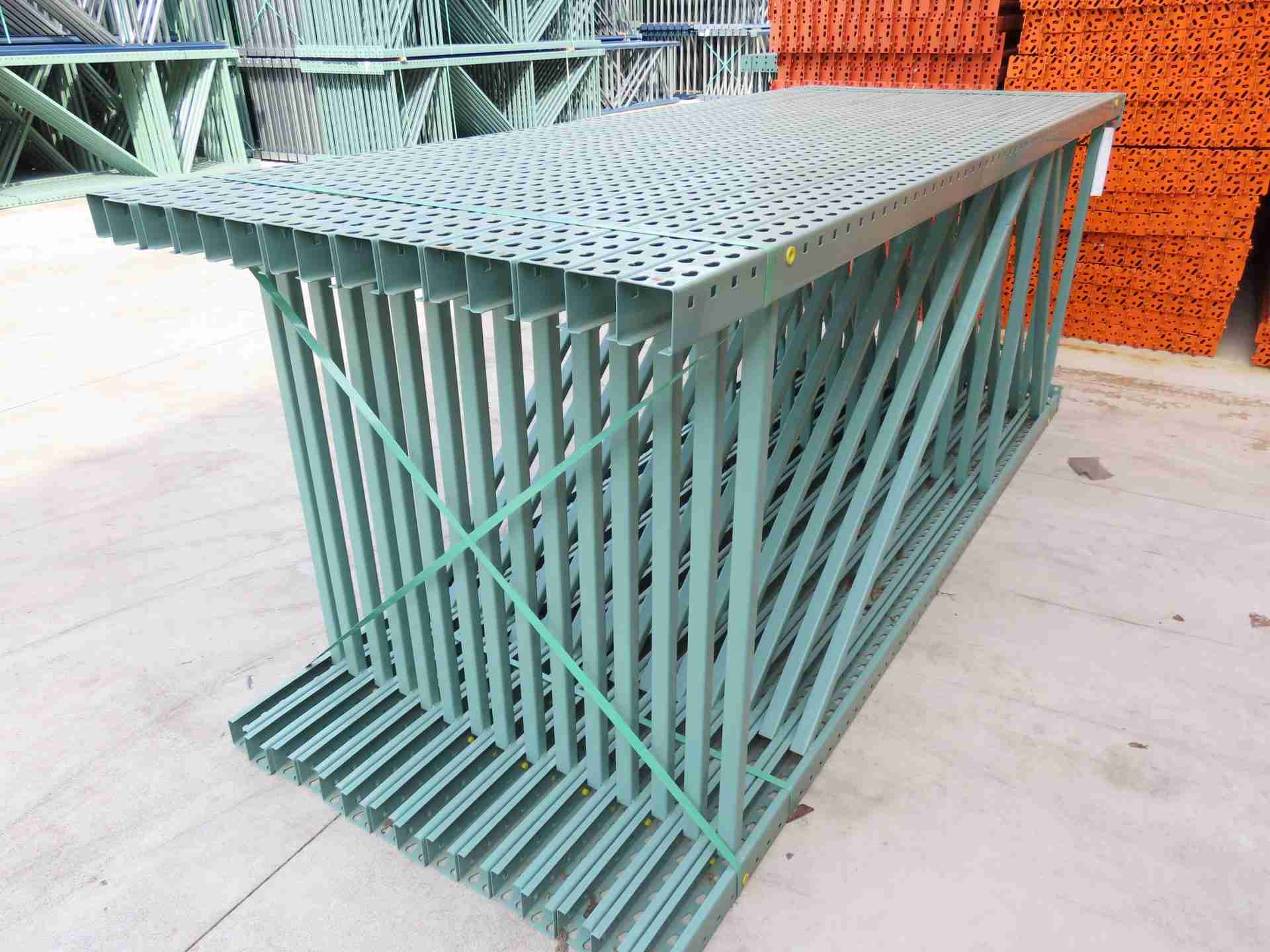
What Ethical Considerations Arise with Automated Barcode Systems?
What Ethical Considerations Arise with Automated Barcode Systems?
- The rise of automated barcode systems brings ethical implications that may be overlooked.
- Automation can streamline processes but raises concerns about fairness and transparency.
- Workers displaced by automation face loss of livelihoods and morale challenges.
- While automation enhances accuracy and reduces costs, it raises privacy concerns due to data collection.
- Fostering trust through transparency is essential for workers and customers.
- Investing in training programs for displaced workers demonstrates commitment to community welfare.
- As industries adopt automation, maintaining an ethical balance between innovation and humanity is crucial.

What Ethical Considerations Arise with Automated Barcode Systems?
How Can Businesses Leverage Authority In Barcode Technology Choices?
Choosing the right barcode technology can make or break a business. Imagine a bustling warehouse with rows of Racking Systems filled to the brim. If your barcode system is reliable, it’s like having an unseen hand guiding every employee, ensuring that products flow smoothly in and out. It’s not just about efficiency; it’s about peace of mind. When you know you have the right tools, your team feels empowered, and you can focus on what matters—growing your business.
First, think about the emotional side. Employees take pride in their work, and a solid barcode system gives them the confidence to do their jobs effectively. Rather than fumbling with outdated technology, they see their productivity soar, and they feel good about their contributions. When you can visually track inventory with a few scans, it’s like winning a small victory every day, sparking motivation that ripples throughout the operation.
On the rational side, consider the cost implications. The right barcode technology saves both time and money. A poorly implemented system can lead to lost inventory, misplaced items, or even worse, disappointed customers. Wasted time leads to wasted dollars, and in today’s competitive market, businesses can’t afford such setbacks. Upgrading to an industry-standard barcode system could streamline processes, reduce errors, and free up valuable staff hours. It’s a straightforward choice that pays dividends.
Ethically, there’s also something to be said about transparency and accountability. In a world increasingly focused on sustainability and responsible business practices, having an efficient tracking system fosters trust not just within your team but also with your customers. They want to know their purchases are accounted for and traceable, reinforcing your brand’s commitment to quality and reliability.
Looking at the narrative, every successful business has a story, often punctuated with challenges overcome through smart choices. Investing in a quality barcode system is a chapter that can shape the whole narrative of your operations. Imagine being the company that not only survives but thrives because of that one crucial decision to leverage authority in technology.
Finally, think about the social appeal. Your business might just be a cog in a vast machine, but your choices ripple through the industry. Other businesses look to you for leadership when it comes to adopting new technologies. By embracing innovation and integrating effective barcode systems, you’re not just ahead of the curve; you’re setting the pace for others to follow.
The right barcode technology isn’t just a choice; it’s an investment in the future of your operation. It builds trust, enhances morale, and ultimately paves the way for growth and success.

How Can Businesses Leverage Authority In Barcode Technology Choices?
How Can Businesses Leverage Authority In Barcode Technology Choices?
- Choosing the right barcode technology is crucial for business success.
- A reliable barcode system improves efficiency and employee empowerment.
- Employees gain confidence and productivity with a solid barcode system.
- Proper barcode technology saves time and money, reducing errors and lost inventory.
- Investing in an efficient tracking system fosters transparency and accountability.
- Adopting quality barcode systems can shape the narrative of a business’s success.
- Implementing innovative technology sets a business apart as a leader in the industry.
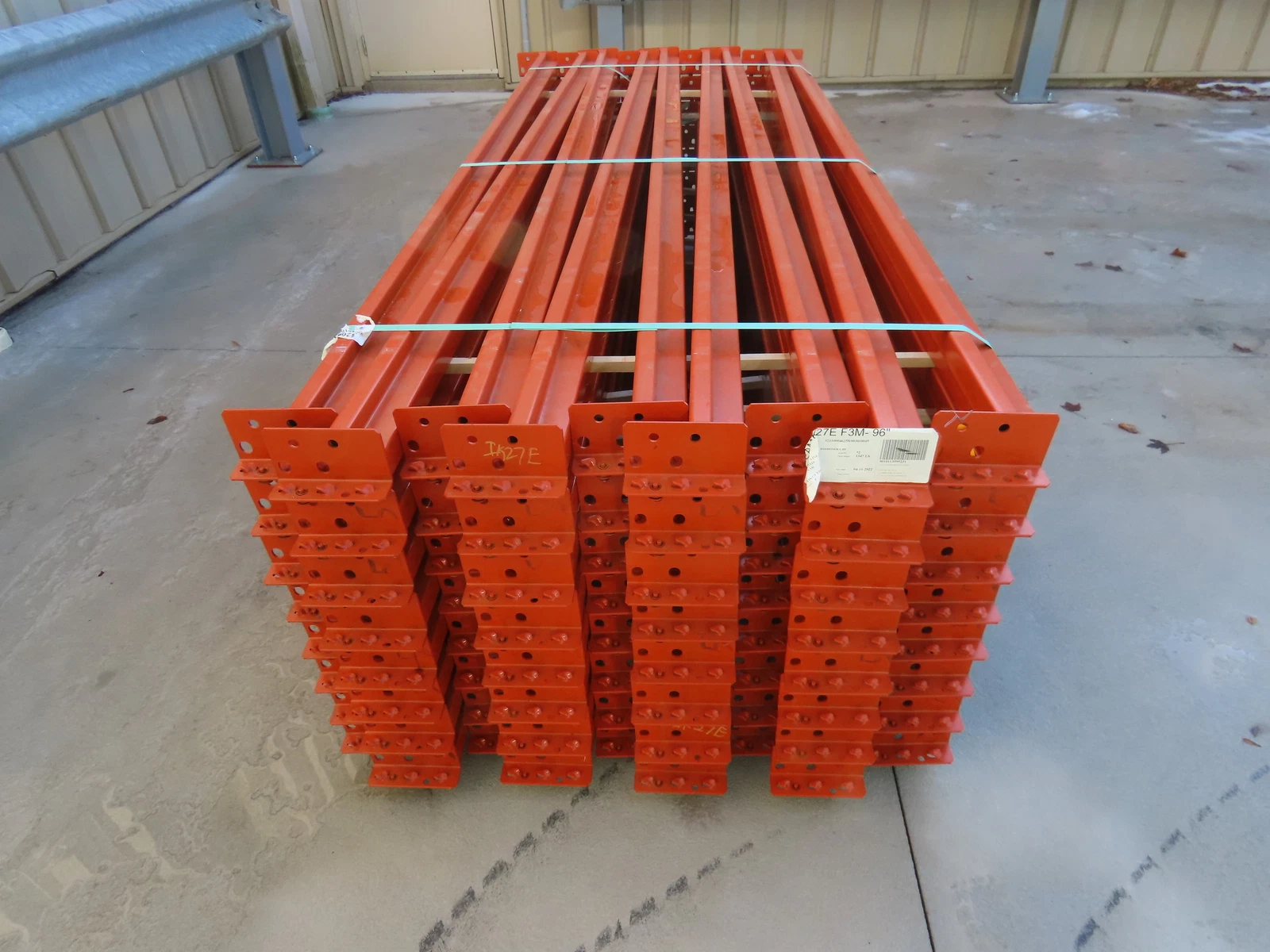
How Can Businesses Leverage Authority In Barcode Technology Choices?
Conclusion
Barcode integration and effective rack planning are vital components that can significantly elevate warehouse operations, transforming chaotic environments into streamlined, efficient systems. At its core, adopting barcode technology means harnessing the power to empower the workforce. Employees, armed with accurate information at their fingertips, enjoy a newfound confidence as they navigate their daily tasks more effectively. The satisfaction of swiftly locating an item, rather than rummaging endlessly through disorganized stacks, fosters a culture of respect and pride, where team members can see the positive impacts of their contributions.
From a logical standpoint, the benefits are clear. Implementing a barcode system not only minimizes human errors but also enhances inventory accuracy, leading to substantial cost savings and smoother operations. The assurance that comes from using an industry-standard approach adds credibility; savvy managers have found success through these reliable methods.
Ethically, the implications are profound. Transparency in tracking goods means businesses can better manage ethical sourcing and inventory, reassuring customers that they are supporting responsible operations. This focus on integrity builds customer trust, encouraging loyalty as clients recognize consistent, timely deliveries borne from thoughtfully organized racks and efficient practices.
Effective rack planning enhances productivity in ways that are tangible and impactful. A well-structured racking system minimizes confusion, reducing the time workers spend searching for items while simultaneously improving morale. When every product has its designated place, it empowers teams and promotes collaboration, as everyone contributes to a well-oiled machine where efficiency reigns.
Furthermore, the interconnected relationship between inventory management and supply chain operations underscores the importance of accurate rack planning. A thoughtfully designed space not only facilitates swift order fulfillment, but it also minimizes waste and damage—demonstrating a commitment to quality. Recognizing the human stories behind every box is vital. Each item stored represents hard work and anticipation, linking suppliers to customers in a cycle of mutual trust and responsibility.
While there may be hurdles in integrating barcode systems—such as ensuring compatibility and maintaining data accuracy—facing these challenges head-on is crucial. Training and transparency go a long way in fostering a culture of confidence among the workforce. When employees feel valued and secure, they are more likely to embrace innovation.
In conclusion, businesses that prioritize effective barcode integration and strategic rack planning are setting themselves up not just for operational success but for building an ethical, trustworthy community around their brand. With every improvement made, whether in terms of efficiency, morale, or customer loyalty, these companies stand to not only thrive but also create lasting connections in their industry.

Conclusion
Conclusion:
- Barcode integration and effective rack planning enhance warehouse operations, creating streamlined systems.
- Employees gain confidence and efficiency from accurate information, improving morale and fostering pride.
- Implementing a barcode system reduces human errors and enhances inventory accuracy, leading to cost savings.
- Transparency in tracking goods promotes ethical sourcing and builds customer trust and loyalty.
- A well-structured racking system minimizes confusion and enhances productivity and collaboration among teams.
- Accurate rack planning supports inventory management and supply chain efficiency, linking suppliers and customers.
- Overcoming challenges in barcode integration through training fosters a culture of confidence and innovation.

Conclusion
Other Resources

Other Resources
Here is a list of other resources you can review online to learn more:
- Selective Pallet Racking Systems
- What is Selective Racking: Understanding Benefits & Options
- Bradford Systems
- The Complete Pallet Rack Guide – Simply Rack
- Teardrop Pallet Rack – Ridg-U-Rak
- Chicago Pallet Racking
- Warehouse Racking System: Powerful Guide to Optimise, 2024
- RMI
- Warehouse Racking Layout: The Ultimate Guide – Conger
- Used Teardrop Pallet Rack – American Surplus
- Wolter
- Teardrop Racks – Pallet Rack World
- Pallet Racking systems in Illinois and Great Lakes
- Pallet Racking systems in Illinois and Great Lakes
- MHI
- Interlake
- Selective Pallet Racking Systems – Container Systems
- Teardrop Pallet Rack – Ridg-U-Rak
- Racking World
Use This Prompt To Get More Resources With Your Favorite Online AI Tool: Please provide me with a list of online articles with their URLs in a bulleted list that I can read regarding Barcode Integration and Rack Planning

Other Resources
Glossary Terms
Barcode Integration and Rack Planning – Glossary Of Terms
1. Barcode: A machine-readable code consisting of parallel lines or other shapes that represent data, used for tracking items in inventory.
2. Rack Planning: The process of organizing storage systems to optimize space and facilitate inventory management.
3. Inventory Management: The supervision of non-capitalized assets and stock items, ensuring the right amount of products is available.
4. SKU (Stock Keeping Unit): A unique identifier for each distinct product and service that can be purchased.
5. RFID (Radio-frequency Identification): Technology that uses electromagnetic fields to automatically identify and track tags attached to objects.
6. Pallet: A flat transport structure that supports goods in a stable fashion while being lifted by a forklift or pallet jack.
7. Warehouse Management System (WMS): Software designed to support warehouse or distribution center management.
8. FIFO (First In, First Out): An inventory valuation method where the oldest stock is sold first to reduce spoilage.
9. LIFO (Last In, First Out): An inventory valuation method where the latest stock purchased is sold first.
10. Inventory Turnover: A ratio showing how many times inventory is sold and replaced over a period.
11. Cross-Docking: A logistics practice where incoming goods are directly transferred to outgoing transport with minimal storage time.
12. Supply Chain Management: The oversight of materials, information, and finances as they move from supplier to manufacturer to wholesaler to retailer to consumer.
13. Just-in-Time (JIT): Inventory strategy that aligns raw-material orders from suppliers directly with production schedules.
14. Item Master: A database that contains all the information relevant to inventory items.
15. Reorder Point (ROP): The inventory level at which new stock should be ordered to avoid running out.
16. Cycle Counting: An inventory auditing procedure where a subset of inventory is counted on a specific day.
17. Slotting: The process of determining the most efficient placement of products in a warehouse to enhance picking speed.
18. Demand Forecasting: The process of estimating future customer demand for products.
19. Lead Time: The time taken from the initiation of a process until its completion, particularly in order fulfillment.
20. Returns Management: A part of supply chain management that deals with the flow of returned goods.
21. Batch Picking: A method where multiple orders are picked simultaneously to improve efficiency.
22. Item Velocity: The speed at which inventory moves through the supply chain.
23. Safety Stock: Extra inventory held to prevent stockouts due to uncertainties in demand or supply.
24. Picking Rate: The speed at which warehouse staff can gather items from shelves for orders.
25. Barcoding System: The use of barcodes for tracking items through various stages of inventory management.
26. Flow Rack: A type of storage system designed for efficient item picking with a slight slope to allow gravity to assist in moving items.
27. Integration: The process of combining various systems to work seamlessly together in inventory management.
28. Analytics: The systematic computational analysis of data to enhance decision-making in inventory management.
29. Demand Planning: The process of forecasting future customer demand in order to manage inventory.
30. Traceability: The ability to track the history, application, or location of an item or product throughout the supply chain.

Glossary Of Terms
Other Questions
Barcode Integration and Rack Planning – Other Questions
If you wish to explore and discover more, consider looking for answers to these questions:
- What types of barcodes (1D, 2D, QR) are best suited for different warehouse environments?
- How do barcode systems integrate with existing WMS, ERP, and inventory software?
- What are the upfront and ongoing costs of implementing barcode technology?
- How long does it typically take to implement barcode integration and rack planning?
- What ROI and accuracy improvements should we expect, and on what timeline?
- How do we choose the right barcode hardware (scanners, mobile computers, printers)?
- What label materials and adhesives work best for various storage conditions (cold, wet, abrasive)?
- How do we ensure barcode durability and legibility over time?
- What standards (GS1, ISO) should we follow for barcoding and labeling?
- When is RFID a better option than barcodes, or should we use a hybrid approach?
- How do we handle legacy systems and data migration during integration?
- What data formats and naming conventions should we use for consistent inventory records?
- How do we design rack layouts to optimize picking paths and reduce travel time?
- What are the best practices for slotting and product placement within racking systems?
- How do rack dimensions, load ratings, and clearances impact safety and efficiency?
- What local codes, fire regulations, and safety standards affect rack planning?
- How do we plan for forklift and equipment maneuverability around racks?
- What training programs are most effective for onboarding staff to new barcode workflows?
- How can we measure staff adoption and competency after implementation?
- How do we address employee concerns about job displacement or surveillance?
- What change-management strategies reduce resistance and boost morale?
- How do we maintain data accuracy and prevent common scanning or entry errors?
- What processes should we establish for cycle counts, audits, and reconciliations?
- How do software updates, vendor changes, and system patches affect operations?
- What contingency plans and backups are needed for system downtime or hardware failure?
- How do we secure inventory and barcode data against unauthorized access?
- What privacy considerations apply when barcode systems collect worker or movement data?
- How should data retention and audit trails be managed for compliance?
- What KPIs should we track to evaluate barcode and rack planning performance?
- How do barcode systems improve traceability for recalls, lot control, and expiration management?
- How do we manage returns, cross-docking, and staging with barcode-enabled racks?
- What are common integration pitfalls and how can we avoid them?
- How should we run pilot projects and scale rollout across multiple facilities?
- How do seasonal peaks and order volatility affect racking and barcode strategy?
- What vendor selection criteria (support, integrations, scalability) matter most?
- How do we budget for ongoing maintenance, consumables, and eventual hardware replacement?
- What environmental or sustainability benefits and trade-offs come from barcode systems?
- How can barcode data be leveraged for analytics, forecasting, and continuous improvement?
- What case studies or benchmarks demonstrate best practices and realistic outcomes?

Other Questions
Checklist
Barcode Integration and Rack Planning – A Checklist
Foundations and Objectives
✅______ Define clear goals (accuracy, speed, cost, safety) and success metrics
✅______ Map current inventory, receiving, picking, packing, and shipping processes
✅______ Establish baseline KPIs (inventory accuracy, pick accuracy, dock-to-stock time)
✅______ Identify stakeholders, owners, and decision paths
✅______ Set data governance standards and change-control procedures
✅______ Confirm budget, timeline, and resource commitments
Barcode Strategy and Labeling
✅______ Choose barcode standards (e.g., GS1) and symbologies (Code 128, QR, DataMatrix)
✅______ Define data structure (SKU, lot/serial, expiry, unit of measure, location codes)
✅______ Standardize label placement guidelines for all item and case types
✅______ Select label materials for environment (cold, heat, moisture, abrasion)
✅______ Set barcode print technology (thermal transfer, direct thermal) and DPI
✅______ Implement barcode verification/grade requirements
✅______ Create vendor labeling requirements and compliance checks
✅______ Define relabeling policy for noncompliant inbound goods
✅______ Establish exception labels (damaged, quarantine, hold)
✅______ Document naming conventions and ID schema for locations and items
Hardware and Infrastructure
✅______ Select scanners (handheld, wearable, ring, fixed-mount) by use case
✅______ Validate read range, speed, 1D/2D capability, and durability rating
✅______ Ensure full Wi-Fi coverage; perform a site survey and heatmap
✅______ Implement device management (enrollment, updates, remote support)
✅______ Plan charging stations, battery spares, and maintenance cycles
✅______ Validate printers (industrial, desktop, mobile) and media supplies
✅______ Confirm mounts, holsters, and ergonomics for operators
✅______ Define a spare pool and an RMA (return merchandise authorization) process with vendors
System Integration and Data
✅______ Integrate WMS/ERP with real-time scan events and confirmations
✅______ Set up APIs/EDI for inbound ASNs (advance ship notices) and outbound confirmations
✅______ Cleanse master data (SKUs, units, dimensions, weights, hazards)
✅______ Normalize units of measure and packaging hierarchies
✅______ Establish duplicate detection and data validation rules
✅______ Configure audit trails, user access, and role-based permissions
✅______ Plan for offline/latency scenarios and store-and-forward
✅______ Schedule backups, disaster recovery (DR) testing, and uptime monitoring
Rack Planning and Layout
✅______ Run slotting analysis (ABC/XYZ, velocity, cube, affinity)
✅______ Assign a location addressing scheme (zone-aisle-bay-level-position)
✅______ Right-size pick faces; align with case/each/pallet movement
✅______ Choose rack types (selective, push-back, drive-in, carton flow) by SKU profile
✅______ Set aisle widths per equipment (forklift, picker, tugger)
✅______ Verify rack load capacities and clear labeling
✅______ Ensure vertical clearances (sprinklers, fire code) and seismic anchoring
✅______ Plan staging lanes for inbound/outbound and cross-dock
✅______ Optimize travel paths and one-way flows to reduce congestion
✅______ Implement location signage and floor markings
Safety and Compliance
✅______ Conduct a rack inspection schedule and damage reporting process
✅______ Install end-of-aisle guards, rack protection, and anti-collapse mesh where needed
✅______ Confirm lighting, visibility, and ergonomic pick heights
✅______ Validate fall protection for mezzanines and high picks
✅______ Ensure hazmat storage and segregation compliance where applicable
✅______ Post load rating plaques on all rack sections
✅______ Train on safe equipment operation and pedestrian zones
✅______ Align with local fire, building, and insurance requirements
Operational Workflows
✅______ Define receiving (ASN [advance ship notice] match, quality checks, labeling on receipt)
✅______ Configure directed putaway using rules (zone, weight, velocity, compatibility)
✅______ Establish replenishment triggers (min/max, demand-based)
✅______ Choose picking methods (discrete, batch, zone, wave, cluster)
✅______ Enforce scan-to-pick, scan-to-pack, and scan-to-ship verifications
✅______ Set exception handling (no-read, short-pick, overage, damage)
✅______ Implement cycle counting methods (ABC, opportunistic) via scans
✅______ Create returns/RMA (return merchandise authorization) flow with disposition codes and quarantine
✅______ Track dock scheduling and door assignments
✅______ Capture timestamps for each step for visibility
Training and Change Management
✅______ Deliver role-based, hands-on scanner and process training
✅______ Provide quick reference guides and visual SOPs at workstations
✅______ Appoint superusers/champions for floor support
✅______ Measure adoption (scan compliance, error rates) and coach as needed
✅______ Offer refresher training and onboarding for new hires
✅______ Communicate goals, progress, and wins to build engagement
✅______ Set a feedback loop to capture and act on operator input
Performance and ROI
✅______ Monitor inventory accuracy (%) and pick accuracy (%)
✅______ Track dock-to-stock time and order cycle time
✅______ Measure lines/picks per labor hour and labor utilization
✅______ Assess space utilization and storage density
✅______ Monitor shrink, damages, and mis-picks
✅______ Calculate TCO (hardware, software, labels, labor) and savings
✅______ Review KPIs weekly; adjust slotting and labor plans accordingly
Ethics, Privacy, and Workforce
✅______ Publish transparent data collection and monitoring policies
✅______ Limit PII; apply least-privilege access and retention rules
✅______ Log access to transaction and movement data
✅______ Offer reskilling/upskilling pathways as automation expands
✅______ Use performance data to coach rather than to surveil punitively
✅______ Ensure traceability supports responsible sourcing and recalls
Pilot, Rollout, and Continuous Improvement
✅______ Define pilot scope, success criteria, and go/no-go thresholds
✅______ Run a pilot in a contained zone/SKU family; capture lessons learned
✅______ Execute a phased rollout by area/shift with floor support
✅______ Maintain a rollback plan and contingency labels/processes
✅______ Freeze changes during cutover windows and communicate broadly
✅______ Re-run slotting quarterly or after major SKU mix changes
✅______ Analyze root causes for mis-scans and exceptions; implement fixes
✅______ Conduct periodic Kaizen events on high-traffic zones
Documentation and Customer Impact
✅______ Maintain a current facility map, rack drawings, and load charts
✅______ Keep a data dictionary for IDs, labels, and transaction codes
✅______ Update SOPs and work instructions with version control
✅______ Provide order status and tracking visibility to customers
✅______ Define service levels (ship cutoffs, same-day, backorder policy)
✅______ Measure on-time, in-full (OTIF) and customer complaints/returns
Sustainability and Consumables
✅______ Right-size labels and reduce reprints to cut waste
✅______ Source recyclable label liners and ribbon cores where possible
✅______ Optimize slotting to reduce travel and energy use
✅______ Extend device life with maintenance and responsible disposal
✅______ Monitor damage rates to reduce product waste
✅______ Consolidate shipments and improve staging to cut dwell time

Checklist
At RackingWorld, we help guide you through selecting warehouse storage systems and racking.
Be sure to read our other related stories at RackingWorld to learn more about warehouse storage systems.
0 Comments