
An Overview Of Audit-Ready Warehouse Layouts
By Tom Seest
At RackingWorld, we help guide you through selecting warehouse storage systems and racking.
Be sure to read our other related stories at RackingWorld to learn more about warehouse storage systems.
Audit-Ready Warehouse Layouts
When it comes to running an efficient warehouse, layout isn’t just about storing goods; it’s about laying the groundwork for a system that runs like a well-oiled machine. Imagine walking into a warehouse that flows: your racking systems are clearly organized, pathways are wide enough for a forklift, and everything has its place. This isn’t just a dream; it’s a necessity. A well-planned space isn’t just visually appealing; it builds confidence among your team and streamlines the audit process.
Picture this: your crew is confident, knowing they can find what they need without digging through a maze of clutter. This layout directly impacts productivity. Audit-ready warehouse spaces eliminate confusion and inefficiencies, saving both time and money. When items are neatly stored in efficient racking systems, your inventory management becomes a walk in the park, making it much easier to address any discrepancies.
But it isn’t just about efficiency. A streamlined layout genuinely fosters a sense of pride among workers. They can see right away that their workspace is designed with care, reflecting the value placed on their safety and productivity. When employees feel valued, they’re more likely to take ownership of their roles. This creates a strong team culture where everyone is invested in ensuring that each audit starts with a clean slate and ends with a pat on the back.
Ethically, maintaining an audit-ready layout reinforces accountability. When you create a structured environment, it encourages a do-right attitude, where every team member knows the layout intimately and recognizes the importance of accuracy. It’s about being part of something bigger than oneself, contributing to the success of the team, and showing a commitment to excellence.
Real stories abound across warehouses where dedicated layouts have transformed operations. In one small facility, a simple reorganization of racking systems not only improved efficiency but also boosted employee morale. Workers who previously felt overwhelmed found that a systematic approach allowed them to focus on their tasks without the weight of chaos bearing down on them.
In the world of warehouse management, creating an audit-ready layout is more than just a best practice; it’s the heartbeat of operations. Lay down the foundation with clear pathways, organized racking systems, and a culture of shared purpose, and you’ll see trust and productivity blossom. When the space reflects order and intention, everyone walks in ready to tackle the day—and audits become a straightforward check in the box rather than a stressful scramble.

Audit-Ready Warehouse Layouts
Audit-Ready Warehouse Layouts
- A well-organized warehouse layout enhances efficiency and productivity.
- Clear pathways and organized racking systems build team confidence.
- An audit-ready space eliminates confusion, saving time and money.
- A streamlined layout fosters worker pride, reflecting safety and productivity values.
- Employees feeling valued are more likely to take ownership and contribute to team success.
- Structured environments promote accountability and a commitment to excellence.
- Effective layout redesigns have transformed warehouse operations and boosted morale.
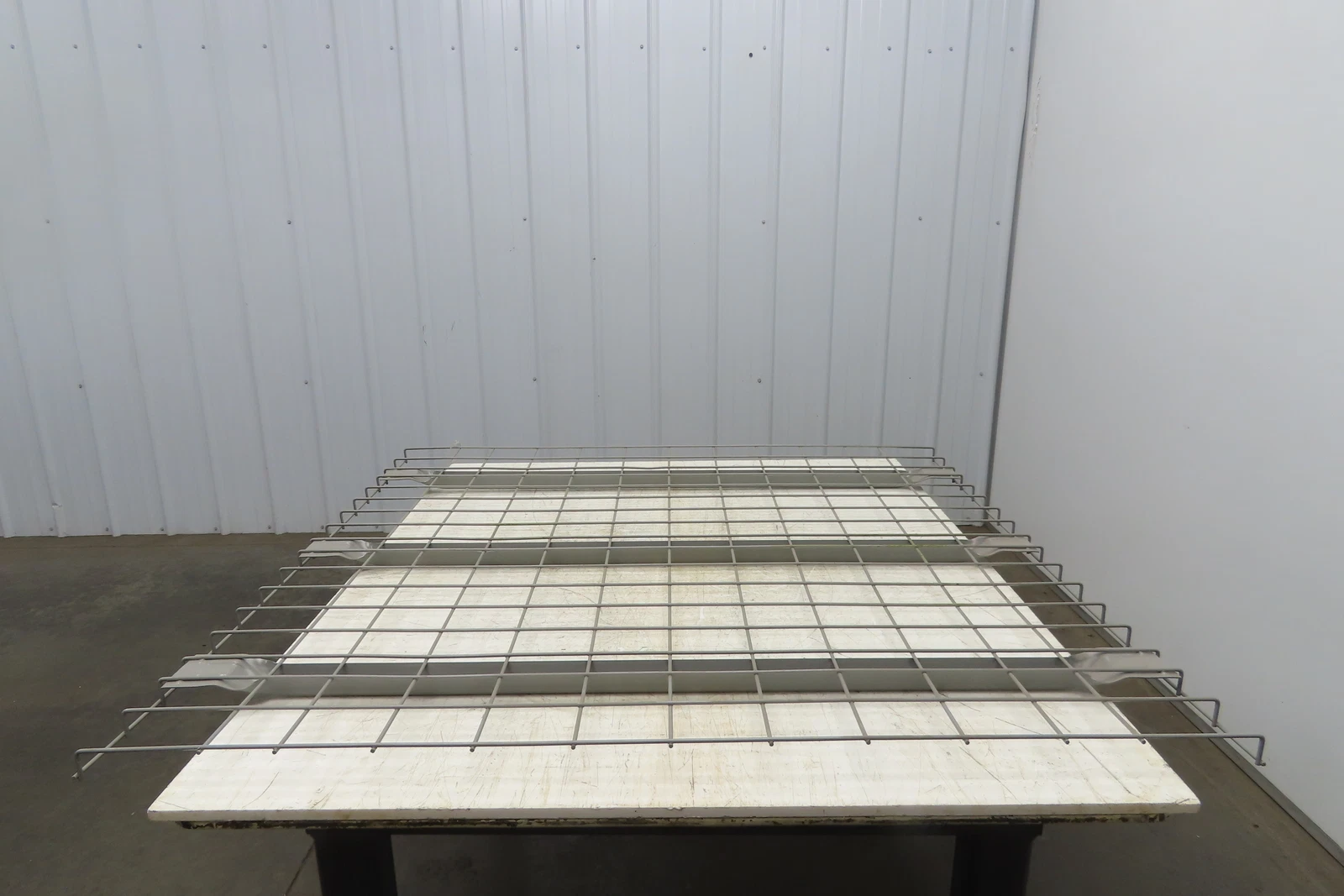
Audit-Ready Warehouse Layouts
Table Of Contents
- Audit-Ready Warehouse Layouts
- What Makes a Warehouse Layout Truly Audit-Ready?
- How Can Efficient Layouts Reduce Errors?
- Are You Maximizing Space Utilization In Your Warehouse?
- What Role Does Organization Play In Operational Success?
- How Do Audit-Ready Layouts Impact Employee Productivity?
- Are Safety Standards Being Met with Your Current Layout?
- Conclusion
- Other Resources
- Glossary Of Terms
- Other Questions
- Checklist
What Makes a Warehouse Layout Truly Audit-Ready?
A warehouse isn’t just a concrete structure filled with racking systems; it’s a lifeline for businesses, where the heartbeats of countless operations echo in the hum of machinery and the shuffle of foot traffic. When it comes to being audit-ready, every inch of that space matters. A well-planned layout is not only a smart move but a testament to the dedication of the folks working within those walls. It’s about creating an environment where efficiency thrives and safety is paramount, ensuring that everyone feels secure in their roles.
Imagine walking into a warehouse where the racking systems are organized, clearly labeled, and designed with purpose. It’s more than just aesthetics; it’s a matter of rational design. An effective layout minimizes the chaos that can stem from disorganization, reducing unnecessary delays and frustrations. When a team knows where everything is, they can focus on what truly matters: getting the job done. This clarity fosters a culture of accountability and pride in one’s work, which is powerful.
Let’s talk ethics for a moment. A well-organized space tells workers that their safety and efficiency are valued. It reflects the company’s commitment to doing things the right way—not just for the sake of profit, but for the well-being of everyone involved. When workers see that their environment has been designed with thoughtfulness, it inspires loyalty and boosts morale. It’s about building a community where hard work is recognized and respected.
The narrative here isn’t just about boxes moving in and out; it’s about people working together towards a common goal. Every racking system represents a piece of a larger story, where each worker plays a role. They’ve faced challenges, solved problems, and come up with innovative solutions that keep the wheels turning. When you share these stories, it humanizes the warehouse experience and builds trust within the team.
Lastly, being audit-ready isn’t just a box to check; it’s about pride in the work you do. It’s the commitment to maintaining standards that allow for seamless operations, enabling teams to present their best self during an audit. A thoughtfully designed warehouse layout reflects the hard work, integrity, and resolve of everyone involved. It’s about being prepared to show what you’re capable of and knowing that you’ve built something worth standing by.

What Makes a Warehouse Layout Truly Audit-Ready?
What Makes a Warehouse Layout Truly Audit-Ready?
- A warehouse is crucial for business operations, emphasizing efficiency and safety.
- A well-planned layout enhances organization and reduces delays, fostering accountability.
- Organized spaces show commitment to worker safety and efficiency, inspiring loyalty and morale.
- The warehouse narrative focuses on teamwork and individual contributions to larger goals.
- Sharing stories from within the warehouse builds trust and community among workers.
- Being audit-ready reflects pride in work and commitment to maintaining high standards.
- A thoughtful layout encapsulates the integrity and resolve of all involved in the operations.

What Makes a Warehouse Layout Truly Audit-Ready?
How Can Efficient Layouts Reduce Errors?
Efficient layouts can significantly reduce errors in any workspace, from manufacturing floors to warehouses. Picture a scene where every tool has its rightful place — that’s what well-designed racking systems achieve. They’re more than just rows of shelves; they’re a strategic way of organizing the chaos that often comes with busy environments. When everything is in its proper spot, employees can find what they need quickly, reducing frustration and cutting down on the mistakes that happen when they’re rushed or searching wildly for misplaced items.
Imagine a factory worker, hands covered in grease, desperately trying to locate a part among a jumble of tools and equipment. Each minute wasted searching heightens the potential for errors, leading to faulty assembly and costly rework. A well-thought-out layout means that parts are stored close to workstations, organized by frequency of use, making it straightforward for workers to grab what they need and keep production flowing smoothly. It’s not just good practice; it fosters a sense of pride and efficiency among the team.
Now consider the financial side. Errors aren’t just moments of embarrassment; they can hit a company’s pocket hard. Every mix-up in inventory can lead to delays and unhappy customers. A clear, efficient racking system minimizes these risks. Companies that invest in intelligent layouts see a return in productivity and satisfaction. That’s a truth rooted in common sense: when workers can trust their environment, they’re inclined to take ownership of their tasks.
Ethically, it’s also about respect for the people doing the work. A thoughtful layout shows that management values their employees’ time and efforts. This feeling of being respected can lead to higher morale and lower turnover rates, creating a tighter-knit team willing to tackle challenges head-on. It’s about building a culture where everyone operates with confidence, knowing that the layout supports their success rather than hinders it.
In terms of social dynamics, an efficient layout naturally encourages teamwork. Workers move seamlessly around the space, communicating as they work side by side. When errors drop due to efficient design, the atmosphere becomes one of collaboration rather than competition to pick up the pieces after mistakes happen.
In short, designing a workspace with efficient layouts isn’t just about organization; it’s about creating a space that elevates everyone’s experience, fosters trust, and sets the stage for success. The racking systems we put in place reflect our dedication to excellence, turning a physical environment into a well-oiled machine where people can thrive, one carefully placed rack at a time.

How Can Efficient Layouts Reduce Errors?
How Can Efficient Layouts Reduce Errors?
- Efficient layouts reduce errors in workplaces, such as manufacturing floors and warehouses.
- Well-designed racking systems organize tools and parts, enabling quick access for employees.
- Reducing search time lessens frustration and the likelihood of mistakes, improving productivity.
- Clear layouts lead to financial savings by minimizing inventory mix-ups and delays.
- A thoughtful layout boosts employee morale and ownership, fostering a strong team culture.
- Efficient designs encourage teamwork and communication among workers, enhancing collaboration.
- Overall, effective workspace design elevates experiences and supports success across teams.
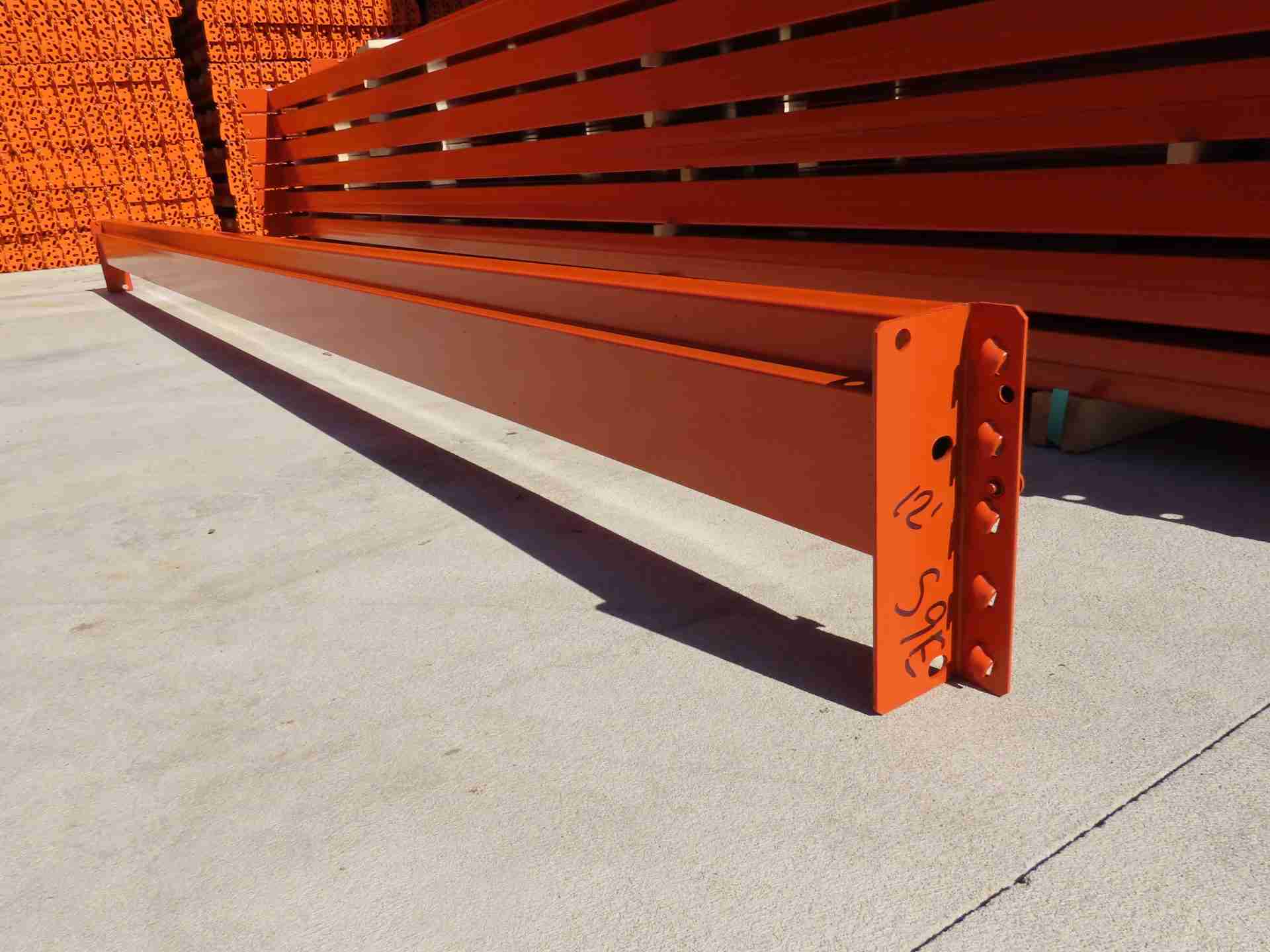
How Can Efficient Layouts Reduce Errors?
Are You Maximizing Space Utilization In Your Warehouse?
In the bustling heart of a warehouse, every square foot counts. If you’ve ever watched a shipment come in, only to realize there’s nowhere to put it, you know the frustration that comes with wasted space. Imagine the satisfaction of knowing your warehouse is efficiently organized, every inch of racking systems utilized, products easily accessible. It’s not just about making room; it’s about creating a smoother operation that can boost morale and profitability.
Think of the warehouse as a well-oiled machine. The right racking systems improve workflow, leading to faster turnaround times. This doesn’t just please the bosses; it cheers on the team. When workers can swiftly access what they need without the clutter and chaos, it fosters a sense of pride. This is the kind of efficiency that resonates deeply—it’s about teamwork, knowing everyone is working smarter, not harder. Every time a product flies out the door easily, it’s a little victory that builds momentum.
However, the ethical side of space utilization is equally important. Underutilized areas mean wasted resources. Each empty pallet space or neglected corner is a missed opportunity. It’s crucial to foster a culture that values efficiency not just for profit but for sustainability. Making the most of what you have respects the effort and sweat put into creating it. It’s about taking responsibility for the environment—every square foot you optimize is a step toward less waste.
Leverage the wisdom of those who’ve walked the floor before. Learning from the hard-earned lessons of others can save time and prevent costly mistakes. Implementing smart racking systems doesn’t have to be complicated. It’s about finding what works best for your unique inventory and workflow. You might find some inspiration in the local supplier who knows the ins and outs of your industry, or perhaps there’s a veteran worker who’s got a few tricks to share.
Finally, consider the human element. Connect with your team, encourage their input. Their insight can often lead to clever ways to harness unused spaces. Open communication fosters trust and creates a sense of ownership. Maximize your warehouse’s potential, and together, watch how it transforms not just your operations, but your entire team’s spirit. A well-managed space is ultimately a reflection of the care and pride you take in your work, and that can make all the difference.

Are You Maximizing Space Utilization In Your Warehouse?
Are You Maximizing Space Utilization In Your Warehouse?
- Every square foot in a warehouse is valuable, and efficient organization is crucial.
- Proper racking systems enhance workflow, resulting in faster turnaround times and increased team morale.
- Efficient operations foster teamwork and a sense of pride among workers.
- Underutilized spaces represent wasted resources; optimizing space is important for sustainability.
- Learning from past experiences and seasoned workers can lead to better racking system implementation.
- Encouraging team input and open communication can identify innovative solutions for utilizing space.
- A well-organized warehouse reflects the care and pride taken in the work, positively impacting operations.

Are You Maximizing Space Utilization In Your Warehouse?
What Role Does Organization Play In Operational Success?
When you look around a warehouse or a shop floor, the most striking difference between a chaotic operation and a successful one often comes down to organization. It’s about more than just keeping things tidy; it’s about creating a system that supports efficiency and productivity. Imagine walking into a space where everything has its place, from racking systems that optimize storage to clearly labeled workstations that eliminate confusion. That kind of environment not only boosts morale but also fosters a sense of pride among workers.
People want to be part of something that works. When an organization runs smoothly, employees feel empowered and engaged, knowing their contributions matter. They see the direct impact of their work on the bottom line, and that connection can be a powerful motivator. A well-organized operational structure can spark creativity and innovation, because with chaos out of the way, minds can focus on problem-solving and growth.
Rationally, organization plays a critical role in minimizing wasted time and resources. Consider the cost of inefficiency: hours lost searching for tools, materials misplaced, or missed deadlines. A solid organizational framework helps streamline these processes, translating to better performance and profitability. It’s a simple equation: better organization equals better outcomes. This isn’t just a matter of opinion; countless studies and industry leaders agree on the importance of a systematic approach to operations.
From an ethical standpoint, organization fosters a culture of respect—not just for the work but for each other. Team members know what to expect, and when everyone is on the same page, trust builds. They can rely on one another to meet their commitments, creating a support network built on shared goals and transparency.
Furthermore, narratives about operational success are often steeped in the struggles that organizations face when they neglect the basics of organization. Consider the small business that started in a cramped garage and became a thriving enterprise. The secret wasn’t just a great product; it was the strategic decisions to implement effective racking systems and protocols that allowed them to scale without losing quality or efficiency.
In today’s fast-paced market, the call for operational success resonates louder than ever. Those who embrace a well-organized approach find themselves not just surviving but thriving. It’s about laying a sturdy foundation for growth, fostering connection, and inspiring confidence in every step taken. Structure isn’t just about order; it’s about building something that lasts. When organization thrives, so does operational success.

What Role Does Organization Play In Operational Success?
What Role Does Organization Play In Operational Success?
- Organization distinguishes chaotic operations from successful ones, supporting efficiency and productivity.
- A well-organized environment enhances morale and fosters pride among workers.
- Employees feel empowered and engaged when they see the impact of their contributions.
- Effective organization minimizes wasted time and resources, leading to better performance.
- Systematic approaches to operations are endorsed by studies and industry leaders for better outcomes.
- Organization builds trust and respect among team members, creating a support network.
- Successful enterprises often stem from strategic organizational decisions that enable growth without compromising quality.
What Role Does Organization Play In Operational Success?
How Do Audit-Ready Layouts Impact Employee Productivity?
Audit-ready layouts are more than just a box to check during inspections; they have a tangible impact on employee productivity. When workers step into a space designed for efficiency, it shows. Picture a manufacturing floor with well-organized racking systems that keep tools and materials neatly in place. Workers know exactly where to find what they need, reducing the time spent searching around for misplaced items. This isn’t just about convenience; it’s about empowerment. When employees feel equipped to do their jobs without unnecessary hassle, their morale improves, and they quickly become more engaged.
Racking systems create a sense of order that resonates on a deeper level. When the workplace is organized, it cultivates an environment where employees can focus on their tasks rather than the chaos around them. Imagine being in a clutter-free space where every item has its rightful spot, allowing the mind to think clearer and tackle challenges head-on. The lack of clutter invites creativity and innovation, leading to solutions that drive the company forward.
There’s also an ethical component here. Companies that invest in audit-ready layouts are signaling to their employees that they care about their well-being. When leaders prioritize creating efficient environments, it reflects a commitment to supporting their workforce, fostering loyalty and trust. Employees are more likely to take pride in their work when they see their company making strides to enhance productivity and safety.
Moreover, when you have proper racking systems and layouts, it not only benefits the workforce but also enhances overall operational efficiency. It can lead to significant cost savings, which, in turn, can be reinvested in employee training or new equipment. It’s a win-win; the workspace becomes a well-oiled machine, driving profits while enhancing job satisfaction.
Employee connections also flourish in environments where organization reigns supreme. Workers share knowledge, collaborate on projects, and help each other out more readily when they’re not bogged down by a chaotic environment. The stronger the relationships among team members, the better the overall output.
In short, audit-ready layouts are more than just compliance; they’re about creating a workplace where productivity thrives, trust is built, and employees take pride in their environment and contributions.

How Do Audit-Ready Layouts Impact Employee Productivity?
How Do Audit-Ready Layouts Impact Employee Productivity?
- Audit-ready layouts directly enhance employee productivity.
- Well-organized racking systems reduce the time workers spend searching for tools and materials.
- Efficient workspaces empower employees, improving morale and engagement.
- Organized environments foster clarity, creativity, and innovation.
- Companies investing in audit-ready layouts demonstrate care for employee well-being, building loyalty and trust.
- Proper layouts enhance operational efficiency and can lead to cost savings for reinvestment.
- Organized spaces strengthen employee connections and collaboration, resulting in better overall output.

How Do Audit-Ready Layouts Impact Employee Productivity?
Are Safety Standards Being Met with Your Current Layout?
When it comes to warehouse layouts and racking systems, safety isn’t just a line item on a checklist; it’s the foundation of an efficient operation. You might think everything looks fine on the surface, but how well do you really know your setup? It’s all too easy to become complacent, to let the daily grind overshadow the crucial importance of safety standards. Neglecting this can lead to real consequences—injuries, equipment damage, or worse. It ought to cut right to the gut when you consider the implications of a preventable accident.
Picture this: a seasoned worker, someone who’s dedicated decades to the job, faces serious injury because a racking system wasn’t properly installed or maintained. It’s more than a statistic; it’s a life altered, families impacted, and a team left shaken. That’s why it’s essential to regularly assess your layout. Is there adequate spacing for equipment? Are racks overloaded? Every piece of equipment should serve its purpose without compromising safety. This isn’t just about compliance with regulations; it’s about safeguarding the people who keep the wheels turning in your business.
From a rational standpoint, investing time and resources into a thorough evaluation of your workspace pays off. Consider the costs of unsafe conditions: downtime, medical bills, and lost productivity. A well-organized layout that adheres to safety standards enhances workforce morale and establishes trust between management and employees. When workers see their safety valued, they’re more likely to put in the effort to follow procedures and engage with their work.
Ethically speaking, every worker deserves to return home safe and sound after a long day. As a leader, there’s a responsibility to foster a culture of safety. An open dialogue about potential hazards encourages employees to voice concerns and share insights from the ground up. Tapping into their firsthand experience can yield valuable feedback and solutions that improve safety while enriching teamwork and camaraderie.
Remember, ensuring safety standards in your racking systems isn’t just about preventing accidents; it’s about building a legacy. Think of it as a promise—an unspoken vow to every person who steps foot in your facility. When you prioritize safety, you’re not just protecting a bottom line; you’re nurturing lives, fostering community, and paving the way for a sustainable, successful future. So, take a hard look at your current layout. Are you genuinely meeting safety standards? The answer could change everything.
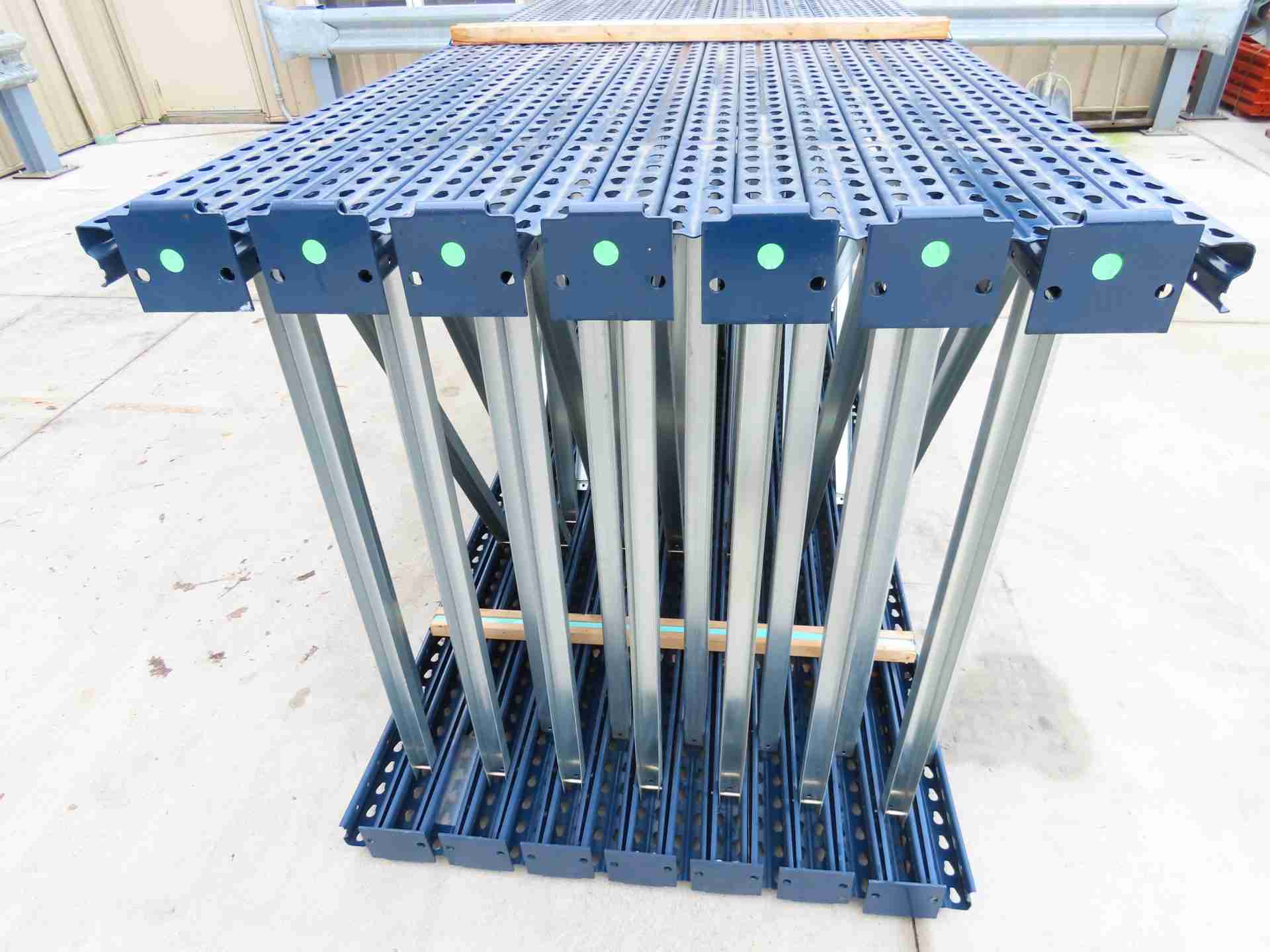
Are Safety Standards Being Met with Your Current Layout?
Are Safety Standards Being Met with Your Current Layout?
- Safety is fundamental to efficient warehouse operations, not just a compliance requirement.
- Complacency in safety management can lead to serious consequences, including injuries and equipment damage.
- Regular assessment of warehouse layouts is essential to ensure adequate spacing and prevent overloading of racks.
- Investing in safety measures reduces costs related to downtime, medical bills, and increased productivity.
- A well-organized, safe layout boosts workforce morale and strengthens trust between management and employees.
- Leaders must foster a safety culture through open dialogue and encourage employee feedback on hazards.
- Prioritizing safety builds a legacy, protecting lives and supporting a sustainable future for the organization.

Are Safety Standards Being Met with Your Current Layout?
Conclusion
Creating an audit-ready warehouse layout is fundamental for efficient operations and employee satisfaction. When you step into a well-organized warehouse, it feels different—there’s a flow to it. Racking systems are aligned, pathways are clear, and you can almost breathe easier knowing everything has a designated place. This is not merely about aesthetics; it’s about setting a stage for productivity and minimizing confusion. A structured environment means teams know where to find what they need, which saves time and cuts costs, leading to smoother audits and fewer headaches.
Moreover, an efficient layout fosters a sense of pride among workers. When the workplace is well-maintained, employees feel valued and empowered, knowing their safety and productivity are prioritized. This emotional connection boosts morale and instills ownership in their roles, creating an engaged workforce committed to excellence. It’s about building a culture where everyone strives for accuracy and accountability, knowing they contribute to a larger mission.
Ethically, investing in a solid warehouse layout reflects a commitment to doing right by the workforce. Workers are more likely to bond and collaborate in an organized environment, fostering better communication. When layouts support each individual’s success, it sends the message that their time and efforts are respected. Stories of transformed operations highlight this; simple changes in organization have uplifted teams, turning frustration into focus and chaos into clarity.
The practical implications are significant. Workers equipped in an orderly layout can avoid costly errors that come from misplacement and disorder. Each efficient racking system is a testament to thoughtful design, making it straightforward for employees to grab essential items and proceed without interruption. This leads to increased output and ultimately contributes to a healthier bottom line.
Space optimization further accentuates the advantages. By ensuring every square foot has a purpose, waste reduces, and operational efficiency enhances, leading to fruitful outcomes. Sloppy layouts cost time, money, and morale. When deficiencies in layout are addressed, the ripple effects can elevate an entire operation’s spirit and collaboration.
Ultimately, a robust approach to warehouse organization is about more than meeting compliance; it’s about cultivating a thriving culture of safety and trust. Regularly assessing layouts and adhering to safety standards reflect a commitment to the workforce, enhancing their daily experience. Safety is a non-negotiable element woven into the fabric of an effective layout. Prioritizing it isn’t merely about avoiding accidents—it’s a pledge to nurture and protect the very people who drive your business forward.

Conclusion
Conclusion:
- Creating an audit-ready warehouse layout improves operational efficiency and employee satisfaction.
- A well-organized warehouse fosters a productive environment, reducing confusion and saving time.
- Efficient layouts promote employee pride, safety, and engagement in their roles.
- Investing in warehouse organization demonstrates a commitment to workforce respect and collaboration.
- Orderly layouts help prevent costly errors, increasing output and benefiting the bottom line.
- Space optimization enhances operational efficiency and reduces waste.
- Prioritizing safety in warehouse layouts cultivates a culture of trust and protection for employees.

Conclusion
Other Resources

Other Resources
Here is a list of other resources you can review online to learn more:
- Cantilever Rack Guide: Ordering Cantilever Racking
- WERC
- Wolter
- Pallet Racking systems in Illinois and Great Lakes
- Teardrop Pallet Rack – Ridg-U-Rak
- Shipping Boxes, Packaging Materials, Pallet Racking
- Bradford Systems
- Warehousing and Fulfillment
- Total Warehouse
- ASSP
- Illinois
- IIWS Inc. Rack Installation Illinois & Rack Repairs Illinois
- What is Selective Racking: Understanding Benefits & Options
- Interlake Mecalux
- BMH Equipment LLC
- CMMA
- RMI
- Pallet Rack Systems – New and Used Pallet Racking and Shelving Experts
- SEMA
- Selective Pallet Racking Systems – Container Systems
Use This Prompt To Get More Resources With Your Favorite Online AI Tool: Please provide me with a list of online articles with their URLs in a bulleted list that I can read regarding Audit-Ready Warehouse Layouts

Other Resources
Glossary Terms
Audit-Ready Warehouse Layouts – Glossary Of Terms
1. Audit: A systematic examination of records, processes, or systems to ensure compliance and accuracy.
2. Compliance: Adhering to laws, regulations, and standards relevant to warehouse operations and inventory management.
3. Inventory: The complete list of goods and materials held by a warehouse, including quantities and locations.
4. Logistics: The detailed coordination of complex operations involving people, facilities, and supplies within the warehouse.
5. Stocktaking: The process of counting and verifying inventory levels to ensure accuracy and accountability.
6. Efficiency: The ability to accomplish tasks with minimal waste of resources, time, and effort in warehouse operations.
7. Organization: The arrangement of goods and materials in a way that maximizes space and accessibility.
8. Layout: The physical design and arrangement of storage, aisles, and workspaces within the warehouse.
9. Shelving: Structures used for storing goods vertically, optimizing space and accessibility in a warehouse.
10. FIFO (First In, First Out): A method of inventory management where older stock is sold or used before newer stock.
11. LIFO (Last In, First Out): An inventory valuation method that assumes the most recently added items are sold first.
12. Reconciliation: The process of ensuring that physical inventory matches the recorded inventory in systems.
13. Palletization: The practice of stacking goods on pallets to facilitate storage and transport efficiency.
14. Automation: The use of technology and machinery to perform operations in the warehouse with minimal human intervention.
15. Safety Protocols: Established procedures designed to ensure the safety of personnel and compliance with regulations in the warehouse.
16. Documentation: The recording and maintaining of essential records concerning inventory, processes, and procedures.
17. Quality Control: The measures and processes taken to ensure products meet certain standards of quality before shipping.
18. SKU (Stock Keeping Unit): A unique identifier for each distinct product and service that can be purchased.
19. Supply Chain: The entire network of organizations involved in producing, handling, and distributing goods from the supplier to the customer.
20. Inventory Turnover: A ratio showing how many times inventory has been sold and replaced over a specific period.
21. Warehouse Management System (WMS): Software used to manage warehouse operations, including inventory tracking and shipping.
22. Cross-Docking: A logistics practice where products from suppliers are directly transferred to outbound shipping with minimal storage time.
23. Compliance Audit: An assessment specifically focused on adherence to regulations, standards, and internal policies within the warehouse.
24. Standard Operating Procedures (SOPs): Documented processes that outline the steps necessary to complete tasks consistently and safely.
25. Cold Storage: Warehousing specifically designed to store temperature-sensitive inventory, such as food and pharmaceuticals.
26. Returns Processing: The procedures for handling and processing returned goods efficiently and accurately.
27. Material Handling: The movement and control of materials and goods throughout the warehouse, from receiving to shipping.
28. Picking: The process of selecting and gathering items from inventory to fulfill customer orders.
29. Barcode: A machine-readable code used for tracking products and inventory within a warehouse.
30. Workflow: The sequence of processes and steps that define how tasks are completed in a warehouse operation.

Glossary Of Terms
Other Questions
Audit-Ready Warehouse Layouts – Other Questions
If you wish to explore and discover more, consider looking for answers to these questions:
- What specific audit standards or regulations should my warehouse layout comply with?
- Which racking systems are best for audit-readiness in different types of warehouses?
- How do I perform a baseline audit of my current layout?
- What are the step-by-step actions to convert a chaotic layout into an audit-ready layout?
- How much will redesigning the layout typically cost and what is the expected ROI?
- How do I measure space utilization and identify underused areas?
- Which KPIs should I track to prove layout improvements to auditors and management?
- How often should layouts and racking systems be inspected and maintained?
- What are common layout-related causes of inventory discrepancies and how do I fix them?
- How should I plan aisle widths, forklift paths, and traffic flow for safety and efficiency?
- What load limits and installation standards apply to different rack types?
- How do I design the layout to support different picking strategies (batch, zone, wave, pick-to-light)?
- What labeling, signage, and barcode practices make audits faster and more reliable?
- How can a Warehouse Management System (WMS) integrate with layout design to reduce errors?
- What training or change management is required for staff to adopt a new audit-ready layout?
- How do I account for seasonal inventory fluctuations in a fixed layout?
- What safety features (fire suppression, emergency exits, lighting) must be integrated with layout plans?
- How should hazardous materials or temperature-controlled goods be arranged for audits and compliance?
- What are best practices for slotting optimization to improve speed and accuracy?
- How do cross-docking, returns processing, and staging areas fit into an audit-ready design?
- What documentation and floor plans should be maintained for audit trails?
- How do I run a pilot or phased rollout of a new layout with minimal disruption?
- What common pitfalls do companies encounter when trying to make layouts audit-ready?
- How can employee feedback be captured and incorporated into layout improvements?
- What metrics demonstrate productivity gains after layout changes?
- How should I prepare for an external audit focused on layout and inventory management?
- What sample checklist or pre-audit questions should I use to self-assess readiness?
- How do racking repair records and inspection logs factor into audit outcomes?
- What vendor or consultant qualifications should I look for when redesigning racking and layout?
- How can technology (RFID, barcode scanners, IoT sensors) be used to maintain audit-ready conditions?

Other Questions
Checklist
Audit-Ready Warehouse Layouts – A Checklist
Layout & Flow
✅______ Current facility map posted and up to date
✅______ Aisles wide enough for equipment with clear turning radii
✅______ Pedestrian and forklift paths clearly marked and separated where possible
✅______ One-way traffic designated where beneficial
✅______ Inbound, staging, processing, and outbound zones defined and signed
✅______ Workstations positioned near point-of-use materials
✅______ Cross-aisles placed to prevent dead ends
✅______ Emergency exits marked and unobstructed
✅______ Bottlenecks identified and mitigated
✅______ Zones defined by process, hazard class, or temperature as needed
Racking & Storage
✅______ Racks rated, labeled with load plaques, and compliant with specifications
✅______ Pallet positions labeled; no overhang beyond standards
✅______ Heaviest SKUs stored at lower levels
✅______ Fast movers slotted in the ergonomic golden zone
✅______ Slow movers assigned to higher or remote locations
✅______ Dedicated areas for returns, quarantine, and damaged goods
✅______ Hazardous materials segregated per regulations
✅______ Row spacers, end guards, and protectors installed where needed
✅______ Scheduled rack inspections; damaged components tagged out
✅______ Pallet quality standards defined and enforced
Labeling & Identification
✅______ Consistent location codes visible from operating distance
✅______ Barcodes and RFID verified for readability
✅______ Aisles, bays, levels, and bins clearly signed
✅______ Color coding applied consistently and documented
✅______ Visual controls (floor tape, shadow boards, Kanban) maintained
✅______ Item master aligns with physical labels and locations
Inventory Control
✅______ Cycle counts scheduled by ABC class
✅______ Variances investigated and closed within the defined SLA
✅______ FIFO and FEFO rules defined and enforced
✅______ Lot and serial tracking supported by the layout
✅______ Single-SKU bins wherever possible
✅______ Reorder signals posted at point-of-use
Space Utilization
✅______ Cube utilization measured with targets set
✅______ Vertical space used within safe clearances and reach limits
✅______ Slotting optimized for velocity, size, and weight
✅______ Partial pallets consolidated on a routine schedule
✅______ Seasonal and overflow plan defined
✅______ Obsolete or excess stock identified and dispositioned
Safety & Compliance
✅______ Aisle markings visible; required clearances maintained
✅______ Load plaques on every rack bay
✅______ PPE requirements posted and observed
✅______ Guardrails or barriers for pedestrian walkways where needed
✅______ Docks equipped with lights, chocks, and working restraints
✅______ 5S housekeeping standards audited regularly
✅______ Spill kits, eyewash, and extinguishers accessible and inspected
✅______ Ergonomic aids provided for heavy or awkward lifts
✅______ Incident and near-miss reporting points visible
✅______ Operator certifications current and documented
Equipment & Maintenance
✅______ Preventive maintenance schedule current for all equipment
✅______ Forklift charging and parking zones marked and ventilated
✅______ Battery and LP storage compliant and secured
✅______ Tools stored at point-of-use with shadow boards
✅______ Scanners, scales, and printers calibrated and functional
✅______ Critical spare parts stocked
Receiving & Putaway
✅______ ASNs used; receipts matched at the dock
✅______ Quality inspection and quarantine lanes defined
✅______ Nonconformance tagging process visible
✅______ Putaway rules minimize travel and respect slotting
✅______ Packaging waste sorted and removed promptly
Picking & Packing
✅______ Pick paths (zone, batch, wave) optimized and documented
✅______ Carts and equipment matched to order profiles
✅______ Pack stations standardized with materials within reach
✅______ Verification (scan, weight, dimension) at pack-out
✅______ Exception lane for problem orders
Shipping & Staging
✅______ Outbound lanes labeled by carrier, route, and time window
✅______ Daily cutoff times posted and met
✅______ Load sequencing plan visible to the team
✅______ Seals, photos, and BOLs captured as proof
Documentation & Audit Trail
✅______ SOPs posted at point-of-use for each process
✅______ Current floor plan, rack drawings, and permits on file
✅______ Inspection and maintenance records for the past 12 months accessible
✅______ Change log for layout and slotting updates maintained
✅______ Corrective actions tracked to verified closure
Culture & Accountability
✅______ 5S audits scored with owners and due dates
✅______ Daily walkthroughs performed with documented findings
✅______ Employee suggestions collected and actioned
✅______ New-hire orientation includes layout and safety tour
✅______ Visual boards show safety, quality, delivery, and cost metrics
✅______ Zone ownership assigned and displayed
Contingency & Risk
✅______ Emergency drills conducted and logged
✅______ Alternate pick and pack locations identified for outages
✅______ Power and IT downtime procedures documented at stations
✅______ Vendor and contractor access controls and escorts defined
Metrics
✅______ Dock-to-stock time within target
✅______ Pick accuracy and productivity tracked and reviewed
✅______ Space utilization and cube per SKU monitored
✅______ Inventory accuracy at or above target
✅______ Near-miss and incident trends analyzed with actions taken

Checklist
At RackingWorld, we help guide you through selecting warehouse storage systems and racking.
Be sure to read our other related stories at RackingWorld to learn more about warehouse storage systems.
0 Comments