
Maximizing Efficiency: Evaluating Your Warehouse Layout
By Tom Seest
At RackingWorld, we help guide you through selecting warehouse storage systems and racking.
Be sure to read our other related stories at RackingWorld to learn more about warehouse storage systems.
Are You Unsure If Your Warehouse Layout Is Really Working for You?
If you find yourself standing in the center of your warehouse, feeling overwhelmed by clutter or confusion, you’re not alone. Many warehouse managers grapple with understanding whether their current layout truly supports their operations. It’s a common dilemma: investing time and resources without ever hitting that sweet spot of efficiency.
Picture this: your products haphazardly stacked instead of strategically organized, causing unnecessary delays and frustration. Day after day, your team battles to maneuver through a maze of disarray, all while you wonder if there’s a better way. Now, visualize a streamlined space where your pallet racking systems are not just functional, but optimized for speed and accessibility. Does it sound like a dream? It doesn’t have to be!
You might be asking, “How do I pinpoint what’s not working?” Start by evaluating your current layout. Is your pallet racking maximized to its potential? Assess the flow of materials. Are they moving seamlessly from arrival to storage to fulfillment? Too often, we cling to old habits out of familiarity rather than efficiency. Your current setup might have worked once, but the fast-paced world of warehousing demands constant evolution and reevaluation.
Consider the signs. Are employees spending excessive time walking long distances? Are you frequently reconfiguring your storage solutions to fit new inventory? If the answer is yes, it’s time for a change. By adopting a mindset of continuous improvement, you can cultivate an environment where efficiency reigns supreme.
Engage your team in an open dialogue. They know better than anyone how the warehouse works—or doesn’t work. Their insights can offer invaluable perspectives on how to optimize your warehouse layout. Implementing changes based on their feedback not only fosters a sense of ownership among your staff but also reinforces a culture of collaboration and trust.
Don’t let uncertainty linger. Take proactive steps today to assess and enhance your warehouse layout. Use pallet racking as your foundation to build a more effective system that meets the demands of your operations. Remember, a well-organized warehouse isn’t just about aesthetics; it’s the key to unlocking profits and streamlining workflows. Take action and watch as your efficiency soars, transforming that sense of uncertainty into newfound confidence!

Are You Unsure If Your Warehouse Layout Is Really Working for You?
Are You Unsure If Your Warehouse Layout Is Really Working for You?
- Many warehouse managers struggle with clutter and confusion in their operations.
- Current layouts may not support efficiency, causing delays and frustration.
- Evaluating the layout and pallet racking systems is essential for improvement.
- Signs of inefficiency include excessive employee walking and frequent reconfiguration of storage.
- Engaging employees in discussions can provide valuable insights for optimization.
- Implementing changes fosters ownership among staff and encourages collaboration.
- A well-organized warehouse enhances profits and streamlines workflows, leading to increased confidence and efficiency.
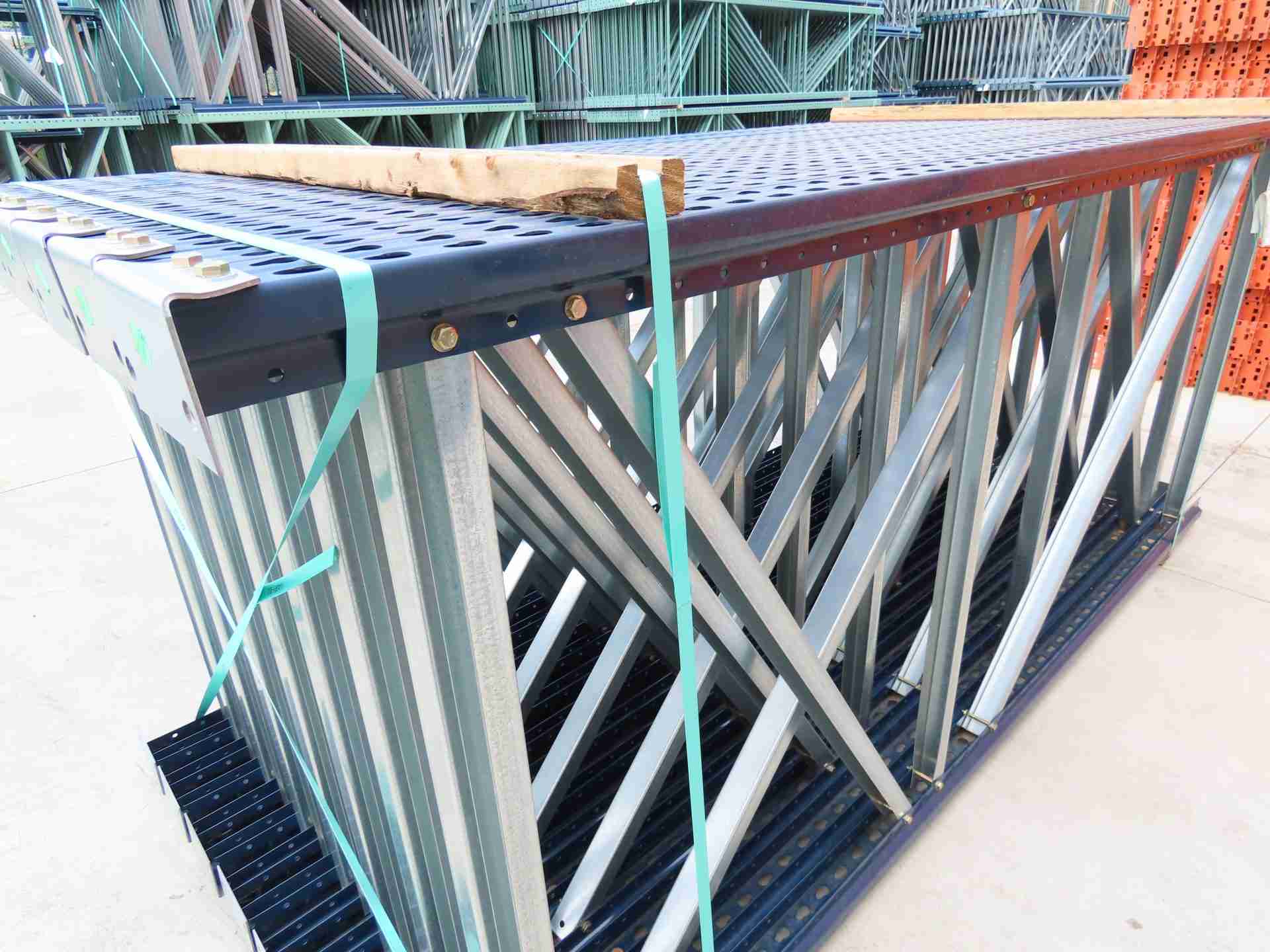
Are You Unsure If Your Warehouse Layout Is Really Working for You?
Table Of Contents
- Are You Unsure If Your Warehouse Layout Is Really Working for You?
- Is Your Warehouse Layout Maximizing Space Efficiently?
- Are Your Workflows Streamlined For Optimal Productivity?
- How Often Do You Reassess Your Warehouse Layout?
- Are You Experiencing Frequent Bottlenecks In Your Operations?
- Do You Have A Clear System For Inventory Management?
- Is Your Layout Accommodating Growth And Changing Needs?
- Conclusion
- Other Resources
- Glossary Of Terms
- Other Questions
- Checklist
Is Your Warehouse Layout Maximizing Space Efficiently?
Have you ever walked into a warehouse and felt an immediate sense of chaos? Piles of inventory haphazardly scattered, aisles too cramped to navigate with ease, and the unmistakable feeling that you’re wasting valuable resources with every step? You’re not alone. Many warehouse managers grapple with underutilized space, leading to increased costs and wasted time. However, the good news is that with a strategic discussion about warehouse layout and equipment, you can turn that chaos into streamlined efficiency.
Consider your pallet racking system. This often-overlooked solution can transform your warehouse from disorder to order in no time. Properly designed pallet racking maximizes vertical space, allowing you to stack items higher without infringing on the crucial floor area needed for operations. Imagine looking up and seeing rows of neatly arranged pallets, rather than just a clutter of boxes threatening to topple at any moment. By leveraging vertical space, you not only reclaim floor area for additional inventory or packing stations, but you also create a safer working environment.
Now, let’s talk about flow. Is your warehouse designed for efficiency, or are your employees playing an endless game of hide-and-seek with inventory? A smart layout should facilitate smooth movement throughout the space—allowing team members to quickly access items and reducing the time spent in transit. If your design feels more like a maze than a streamlined operation, it’s time for a change. Embrace strategic zoning—dedicate specific areas for receiving, storage, packing, and shipping. This approach will enhance worker productivity and reduce stress by ensuring that each step in your process is logical.
But laying out the structure is only part of the battle. The real magic happens when your team feels empowered to utilize these systems effectively. Regular training on how to navigate the layout and use the pallet racking to its fullest potential will maximize your space’s efficiency. Invest in your people, and they’ll invest in your operation.
Ready to reclaim your warehouse? Take a moment to assess your layout and consider how incremental changes can lead to significant improvements. Believe me, the difference will not only be seen in increased space efficiency but also in enhanced morale and bottom-line results. Simply put, a well-planned warehouse is a more productive warehouse, and that’s a goal worth striving for!
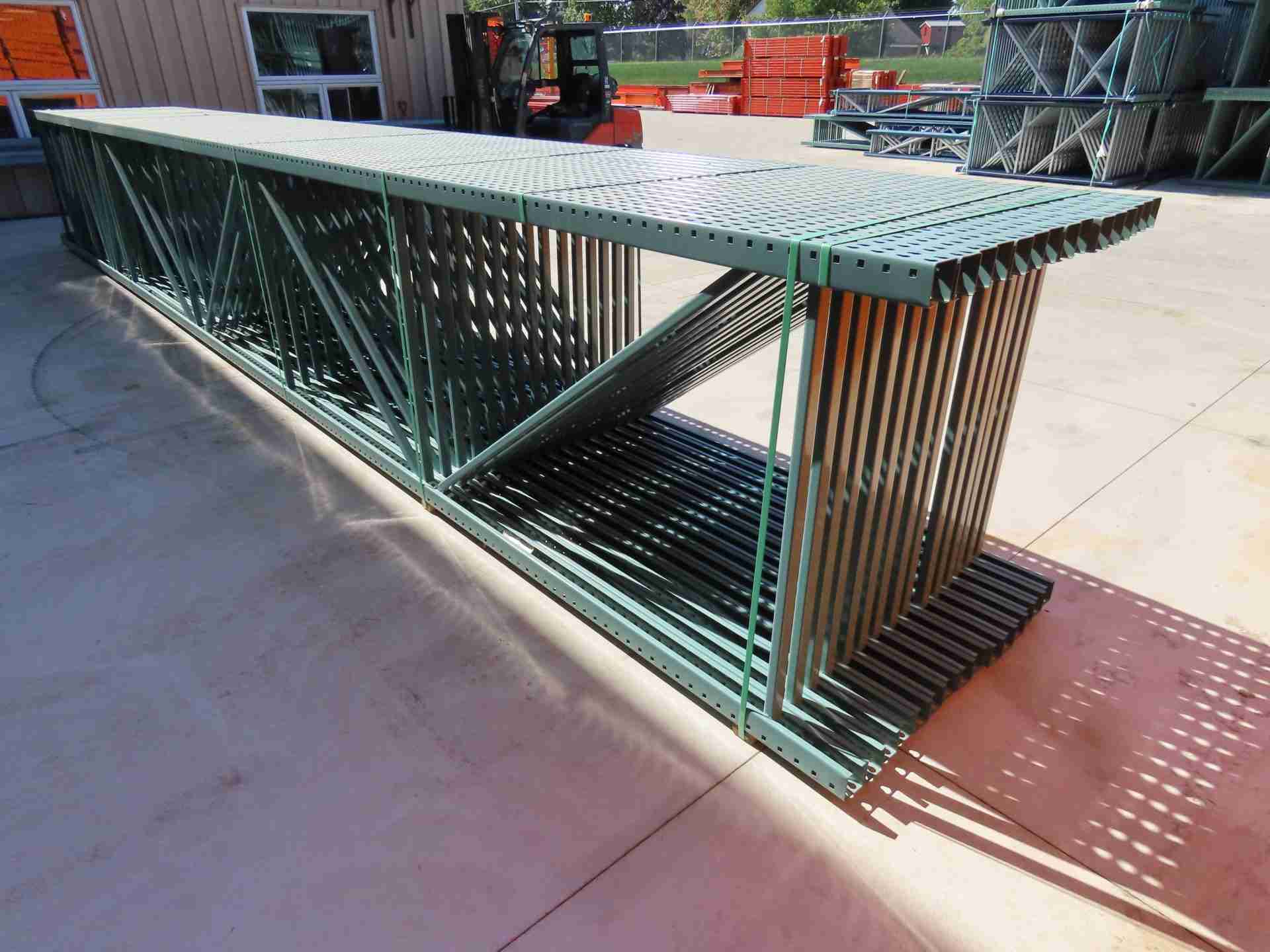
Is Your Warehouse Layout Maximizing Space Efficiently?
Is Your Warehouse Layout Maximizing Space Efficiently?
- Many warehouse managers face chaos caused by underutilized space, leading to increased costs and wasted time.
- A strategic discussion about warehouse layout and equipment can enhance efficiency.
- Properly designed pallet racking maximizes vertical space, freeing up floor area for operations.
- A smart layout improves flow, allowing quick access to inventory and reducing transit time.
- Implement strategic zoning for specific areas (receiving, storage, packing, and shipping) to boost productivity.
- Regular training empowers teams to effectively utilize the warehouse layout and systems.
- Incremental layout changes can lead to significant improvements in operational efficiency and employee morale.
Is Your Warehouse Layout Maximizing Space Efficiently?
Are Your Workflows Streamlined For Optimal Productivity?
In today’s fast-paced business environment, the difference between a thriving operation and a struggling one often boils down to how efficiently work gets done. Have you ever walked into a warehouse and immediately felt the frustration of a chaotic layout? Imagine navigating a maze of clutter with limited storage, where valuable time is lost looking for tools or products. This is where streamlined workflows come into play, transforming chaos into order and inefficiency into productivity.
Take a moment to consider your own setup. Are you utilizing every inch of available space? Just like a well-organized pallet racking system can elevate your storage capabilities, so too can an optimized workflow enhance your productivity. When your processes are aligned with your goals, tasks naturally flow, allowing your team to focus on what truly matters—delivering exceptional value to your customers.
Think about your typical day. How often do you find yourself juggling between various tasks, only to discover that those precious hours slip through your fingers? This is not just a matter of time management; it’s about workflow design. Visualize the impact of having a clear, concise process in place, wherein each step seamlessly feeds into the next. When your workflows are designed for success, every member of your team knows exactly where to go and what to do. The right tools, workflows, and systems create a chain reaction of efficiency.
Now, let’s connect on a deeper level. If you’re feeling the burden of inefficiencies, rest assured: you’re not alone. Many business owners struggle with this exact issue, but there’s hope. Building a streamlined workflow doesn’t have to be an overwhelming task. Start with small, actionable steps. Assess where bottlenecks occur. Eliminate redundancies. Transform cluttered spaces into organized districts, much like how an effective pallet racking system maximizes storage potential. As you experiment with changes, you’ll find that progress breeds motivation.
Don’t wait for the chaos to resolve itself. Take control now! Embrace the clarity that comes with a streamlined workflow, and watch as productivity soars, allowing you to reclaim your time and invest it where it truly counts—growing your business and serving your clients. Remember, efficiency isn’t just an option; it’s a necessity for those who aim to thrive. Are you ready to take the first step toward transforming your workflows for the better?
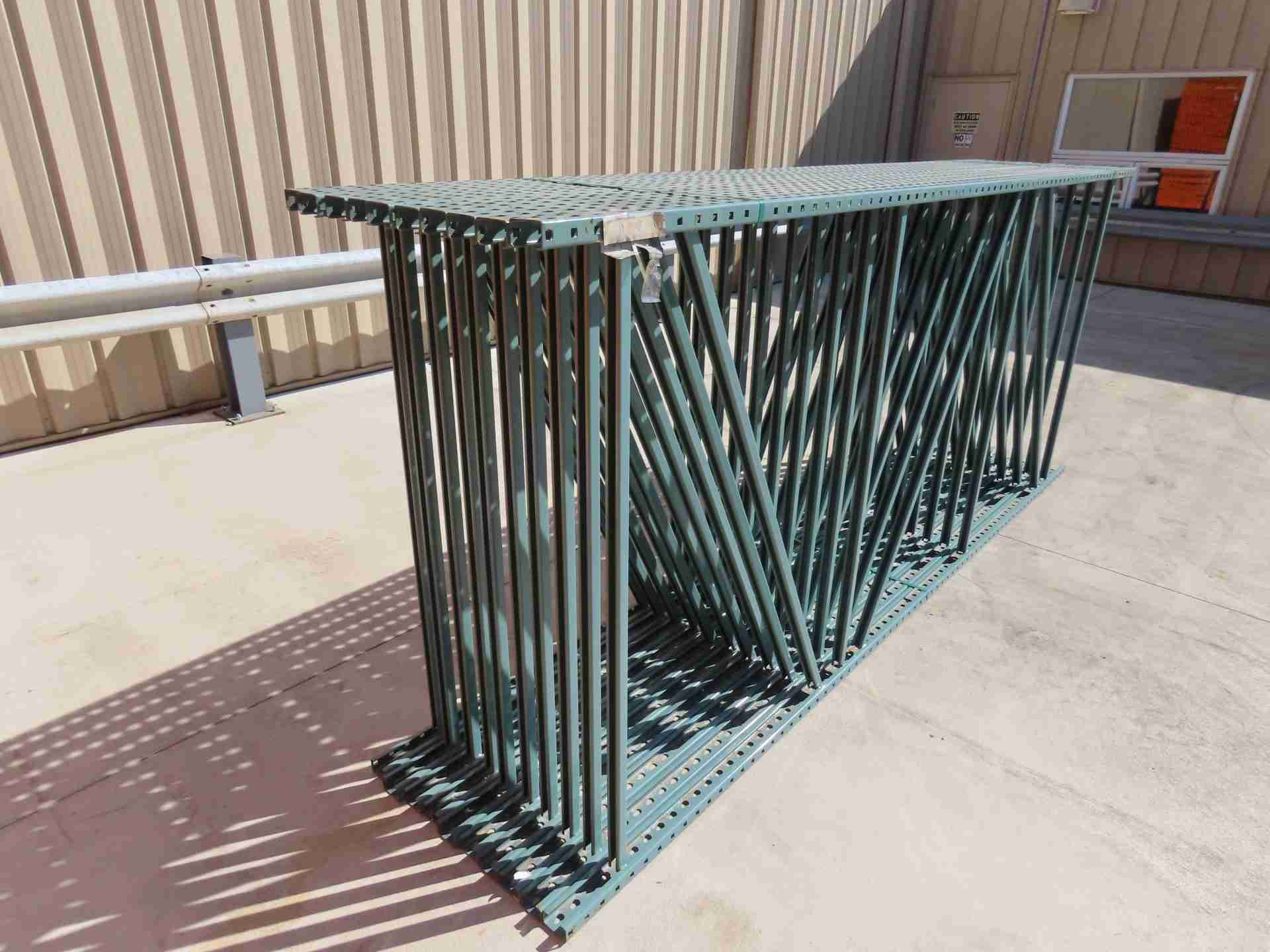
Are Your Workflows Streamlined For Optimal Productivity?
Are Your Workflows Streamlined For Optimal Productivity?
- Efficient workflows are crucial for business success in a fast-paced environment.
- A chaotic layout in a workspace can lead to frustration and lost time.
- Streamlined workflows can transform inefficiency into productivity.
- Optimized workflows align tasks with goals, focusing on delivering value to customers.
- Clear, concise processes enable team members to know their roles and responsibilities.
- Address inefficiencies by analyzing bottlenecks and eliminating redundancies.
- Embracing streamlined workflows can significantly enhance productivity and business growth.
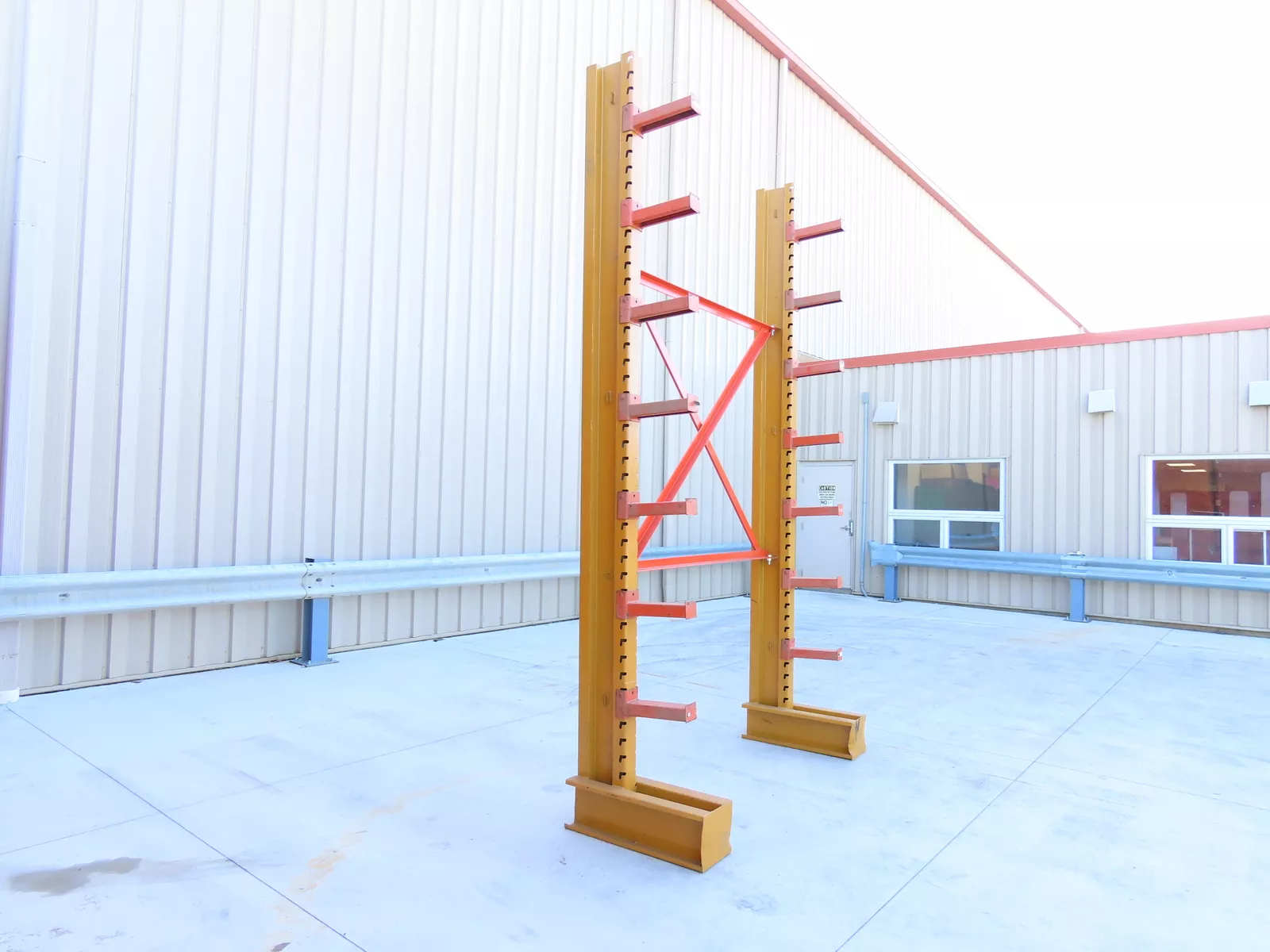
Are Your Workflows Streamlined For Optimal Productivity?
How Often Do You Reassess Your Warehouse Layout?
Picture this: your warehouse operates like a well-oiled machine, with goods flowing smoothly from one section to the next. That’s the dream, right? But what happens when that dream starts to fade, when you notice employees tripping over misplaced pallet racking or the pickers struggling to locate the products they need? The truth is, if you’re not taking the time to reassess your warehouse layout regularly, you might be setting yourself up for inefficiency and frustration.
Revisiting your warehouse configuration is not just a necessity; it’s a critical aspect of maintaining a thriving business. Whether you handle pallets of goods flowing in and out daily or store specialized items, a review of your layout can yield remarkable results. It’s about maximizing your space and ensuring your teams can work effectively without the headache of cluttered aisles or misallocated racking systems.
So, how often should you conduct a thorough reevaluation? The answer depends on various factors—changes in inventory, shifts in demand, or even advancements in technology. But as a rule of thumb, a quarterly reassessment is a smart practice. This allows you to adapt swiftly to market trends and evolving operational requirements. Even small tweaks can lead to significant time savings, enhancing the workflow and productivity of your employees.
Imagine for a moment the power of a well-optimized layout. With strategically placed pallet racking, workers can find products quickly, minimizing the time spent searching. This not only boosts morale but also empowers your business to meet customer expectations more efficiently. After all, in the logistics world, time is money, and every second saved translates into increased profitability.
Embrace a culture of continual improvement within your warehouse. Foster an environment where all employees feel comfortable suggesting layout changes based on their experiences on the floor. You will not only strengthen your operational foundation but also foster a stronger sense of team spirit.
In essence, don’t allow your warehouse layout to become stagnant. Reassess it regularly, adapt as needed, and watch as the efficiency of your operation transforms. In the world of warehousing, flexibility is your best friend, and a proactive approach can set your business miles ahead of the competition. Now’s the time to take action—your success depends on it!
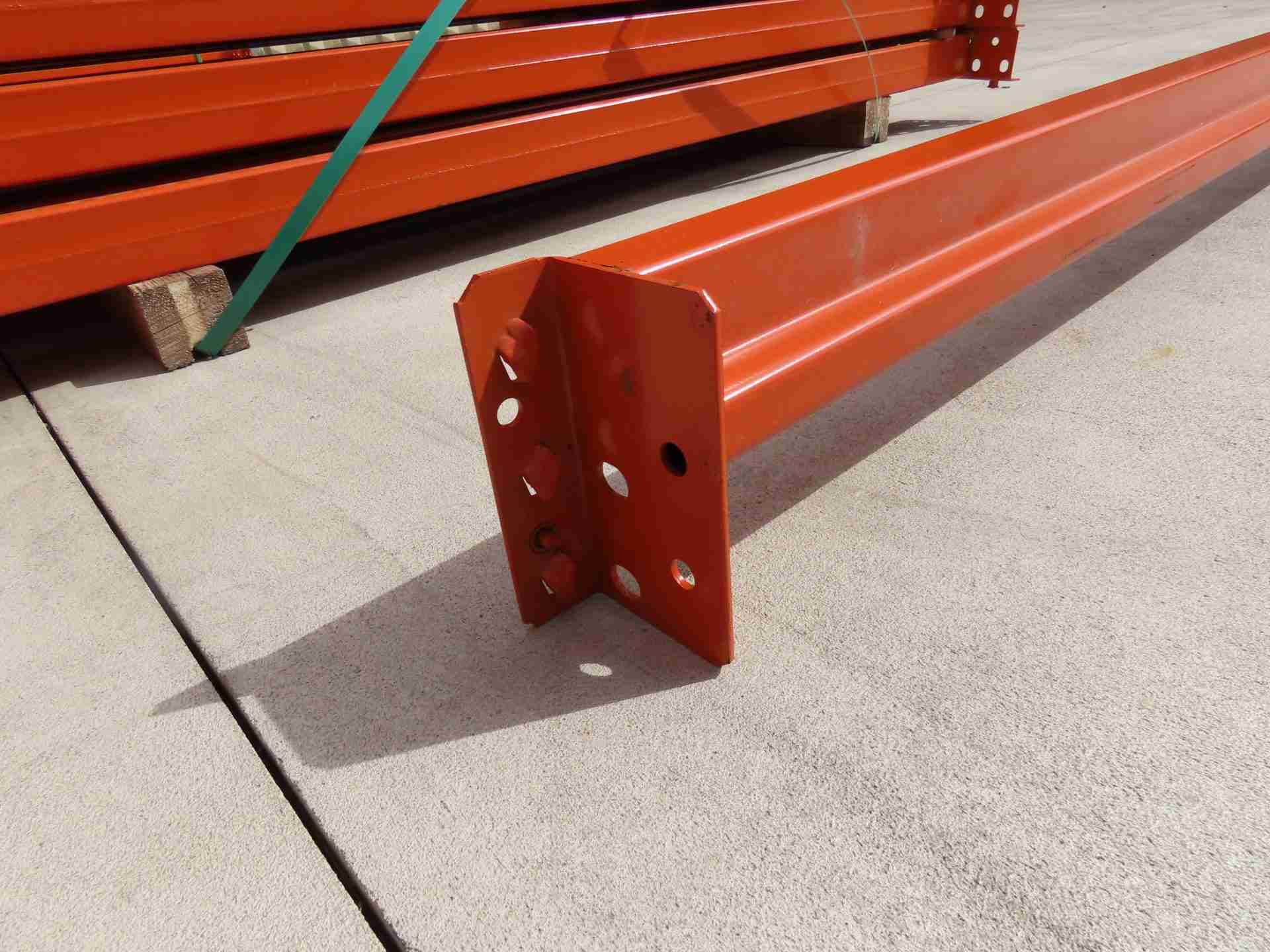
How Often Do You Reassess Your Warehouse Layout?
How Often Do You Reassess Your Warehouse Layout?
- A well-optimized warehouse layout contributes to smooth operations and employee productivity.
- Regular reassessment of warehouse configuration is essential to prevent inefficiencies and frustration.
- A layout review can maximize space and improve workflow by reducing clutter and misallocation.
- Quarterly evaluations are recommended to adapt to inventory changes, demand shifts, and technological advancements.
- Strategic placement of pallet racking can significantly reduce product search time, improving morale and customer service.
- Encourage a culture of continual improvement and open communication for layout suggestions from employees.
- Maintaining flexibility and a proactive approach to layout management can lead to increased competitiveness and profitability.
How Often Do You Reassess Your Warehouse Layout?
Are You Experiencing Frequent Bottlenecks In Your Operations?
Let’s paint a picture: it’s a typical day at your warehouse. You’re juggling multiple priorities—inventory turnover, order fulfillment, and keeping your team motivated. Yet, as you glance over at your aisles, you see it—a frustratingly familiar scene of chaotic pallet racking that seems to be consuming more time than it should. You’re not alone. Deep down, you know these bottlenecks are costing you both time and money, not to mention wearing out your patience.
Now, wouldn’t it feel great to finally untangle that mess? Imagine a streamlined operational flow where each pallet racking unit is optimized for efficiency. Picture a scenario where your team isn’t scrambling to find products buried in disorganized stacks. Instead, they’re empowered, working seamlessly within a well-structured environment that allows them to focus on what truly matters—delivering top-notch service to your customers.
That’s where we come in. We understand that bottlenecks aren’t just annoying; they can cripple your productivity, morale, and ultimately, your bottom line. The good news? Change is absolutely within your reach. By reassessing your storage layout and investing in effective pallet racking solutions, you can eliminate those frustrating slowdowns across your operations.
Think about how much more you could accomplish if everything flowed effortlessly. No more wasted hours spent searching for misplaced items, no more loss of sales due to inventory issues. Instead, you could reclaim those lost minutes and apply them toward innovation and growth. Your team will thank you, and more importantly, so will your bottom line.
What would it take to revamp your strategies? A quick evaluation of your current systems could reveal easy fixes that yield big results. Are you utilizing every inch of your space? Are your pallet racking systems configured to bolster speed and efficiency? The answers might surprise you, and once you implement changes, you’ll wonder why you didn’t do it sooner.
Don’t wait for those bottlenecks to strangle your operations any longer. Join the ranks of those who’ve embraced smarter, more efficient workflows. Act now, and transform your operations from a tangled mess into an orchestrated symphony of productivity. The time for change is now—give your business the boost it deserves!
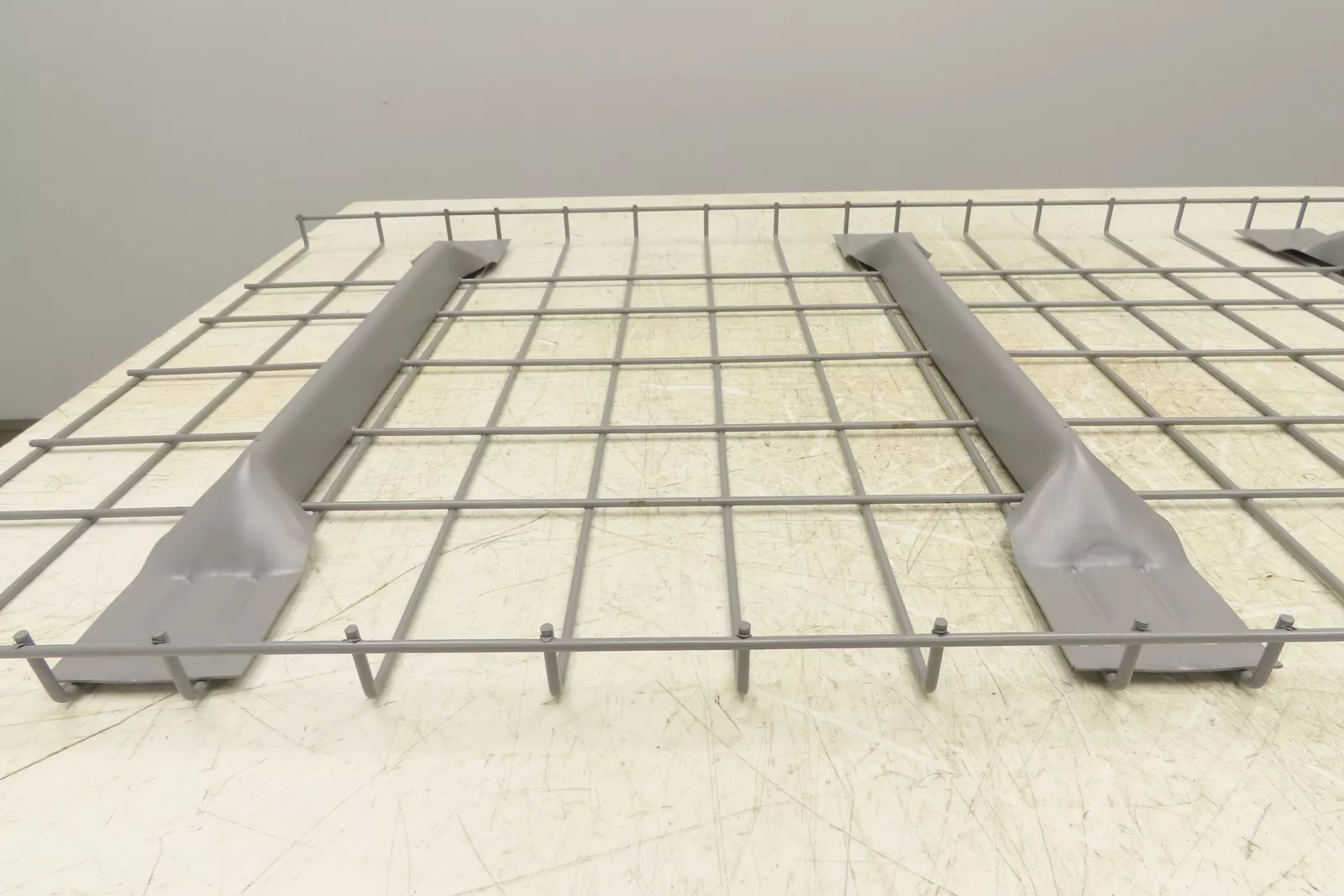
Are You Experiencing Frequent Bottlenecks In Your Operations?
Are You Experiencing Frequent Bottlenecks In Your Operations?
- Warehouse operations often face challenges like inventory turnover, order fulfillment, and team motivation.
- Chaotic pallet racking contributes to inefficiencies that waste time and increase costs.
- Streamlining pallet racking can empower teams and improve customer service.
- Bottlenecks can negatively impact productivity, morale, and financial outcomes.
- Reassessing storage layouts and investing in effective pallet racking solutions can eliminate slowdowns.
- Quick evaluations of current systems can uncover easy fixes for significant improvements.
- Embracing smarter workflows can transform operations and boost business performance.
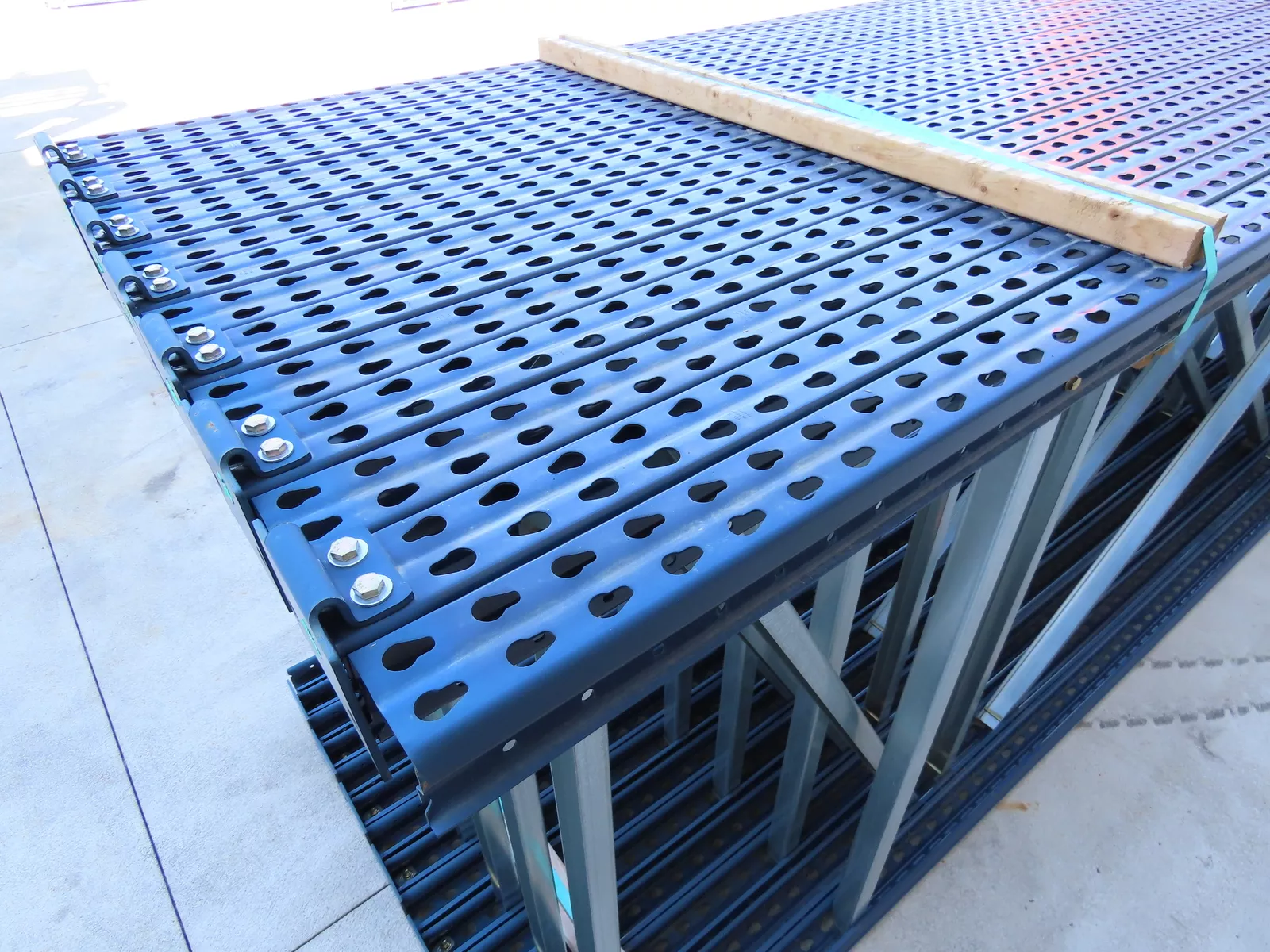
Are You Experiencing Frequent Bottlenecks In Your Operations?
Do You Have A Clear System For Inventory Management?
In today’s fast-paced business environment, having a clear and effective system for inventory management isn’t just a luxury—it’s a necessity. Picture it: your warehouse bustling with activity, each item in its rightful place, and every pallet of goods easily accessible thanks to robust pallet racking systems. But let’s get real. How often do we hear entrepreneurs lament over stockouts, dwindling profits, and chaotic spaces where confusion reigns supreme?
It’s time to take a step back and ask yourself: Do you have a comprehensive inventory management strategy in place? If your answer is muddled or uncertain, you’re not alone. Many business owners grapple with these very challenges every day. Your inventory is not just a collection of products; it’s an asset that requires delicate handling and precise organization. A smart organization isn’t merely about stacking those pallets high; it’s about optimizing your space, minimizing waste, and ensuring that every item is easy to locate.
Imagine a streamlined system where you always know what’s in stock, where everything resides, and when orders need to be placed. Picture the calm in your operations—not the chaos of last-minute scrambles. A disciplined approach to inventory can lead to unexpected benefits: reduced costs, improved cash flow, and increased customer satisfaction. Trust us; your customers will appreciate your efficiency when items are readily available, not merely a wishful order.
And let’s not forget the peace of mind that comes with knowing your products are securely housed within well-designed pallet racking systems. These systems not only maximize floor space but also minimize the risk of damage and loss. You wouldn’t let your valuable items sit unprotected; so why risk it?
Establishing a clear inventory management system starts with assessing your current state. Look for gaps, inefficiencies, and areas that need improvement. Engage your team in this process. After all, they are your front-line soldiers in the battle against chaos. Together, you can create a solid framework that puts you back in control—a system that fosters accountability and thrives on organization.
So, are you ready to elevate your inventory management? Don’t let another day go by in a fog of uncertainty. Take action now, and watch as your business transforms from disarray to structure, ultimately leading to greater profitability and satisfaction in your operations. Let’s turn your inventory woes into a well-oiled success story!
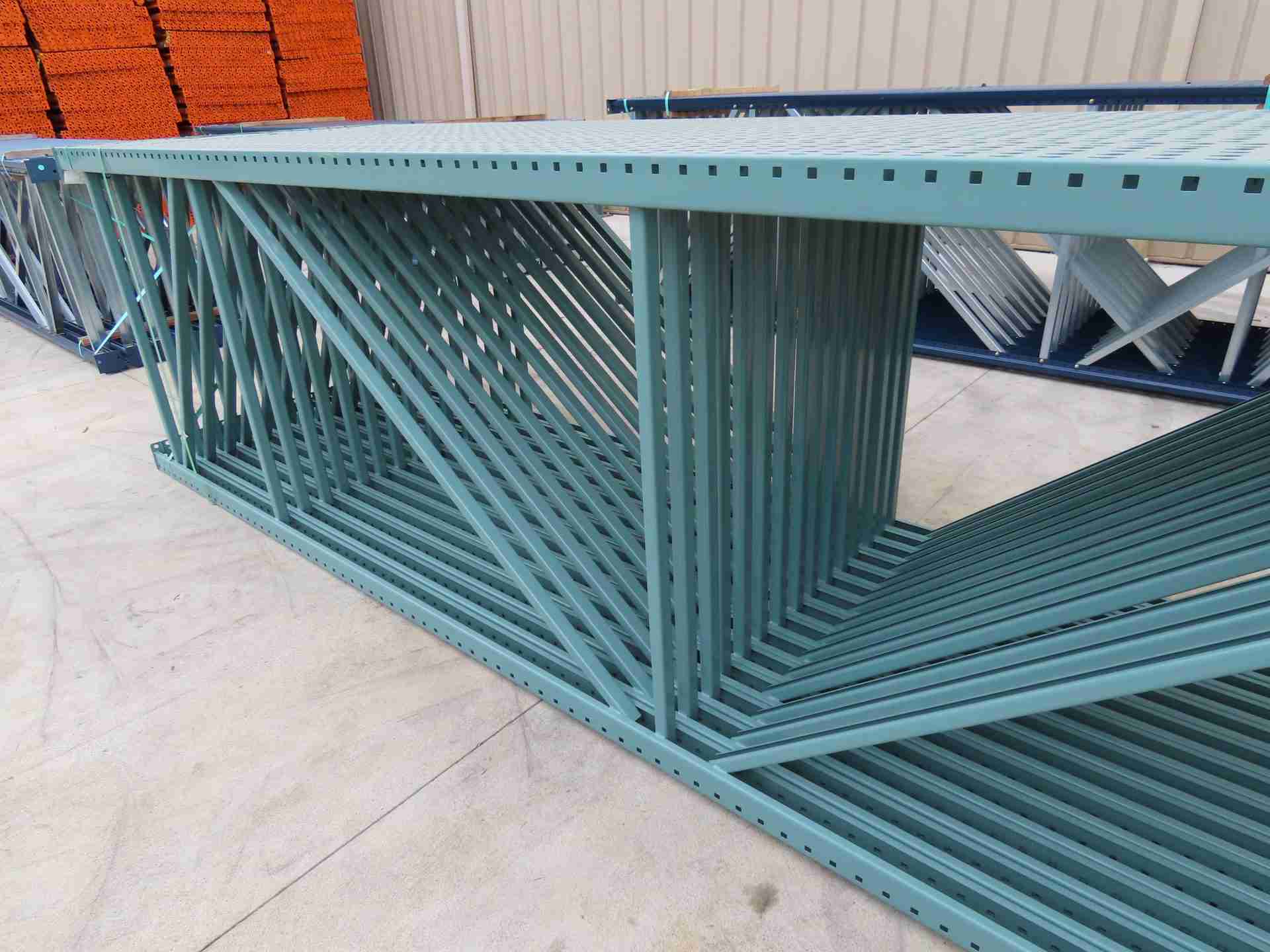
Do You Have A Clear System For Inventory Management?
Do You Have A Clear System For Inventory Management?
- Effective inventory management is essential in today’s fast-paced business environment.
- Many entrepreneurs face challenges such as stockouts and chaotic spaces due to poor inventory systems.
- A comprehensive strategy is vital for managing inventory as it is an important business asset.
- Streamlined inventory systems lead to benefits like reduced costs, improved cash flow, and enhanced customer satisfaction.
- Well-designed pallet racking systems maximize space and reduce the risk of damage and loss.
- Assessing current inventory practices and engaging your team can help identify improvements.
- Taking proactive steps towards better inventory management can transform business operations and increase profitability.
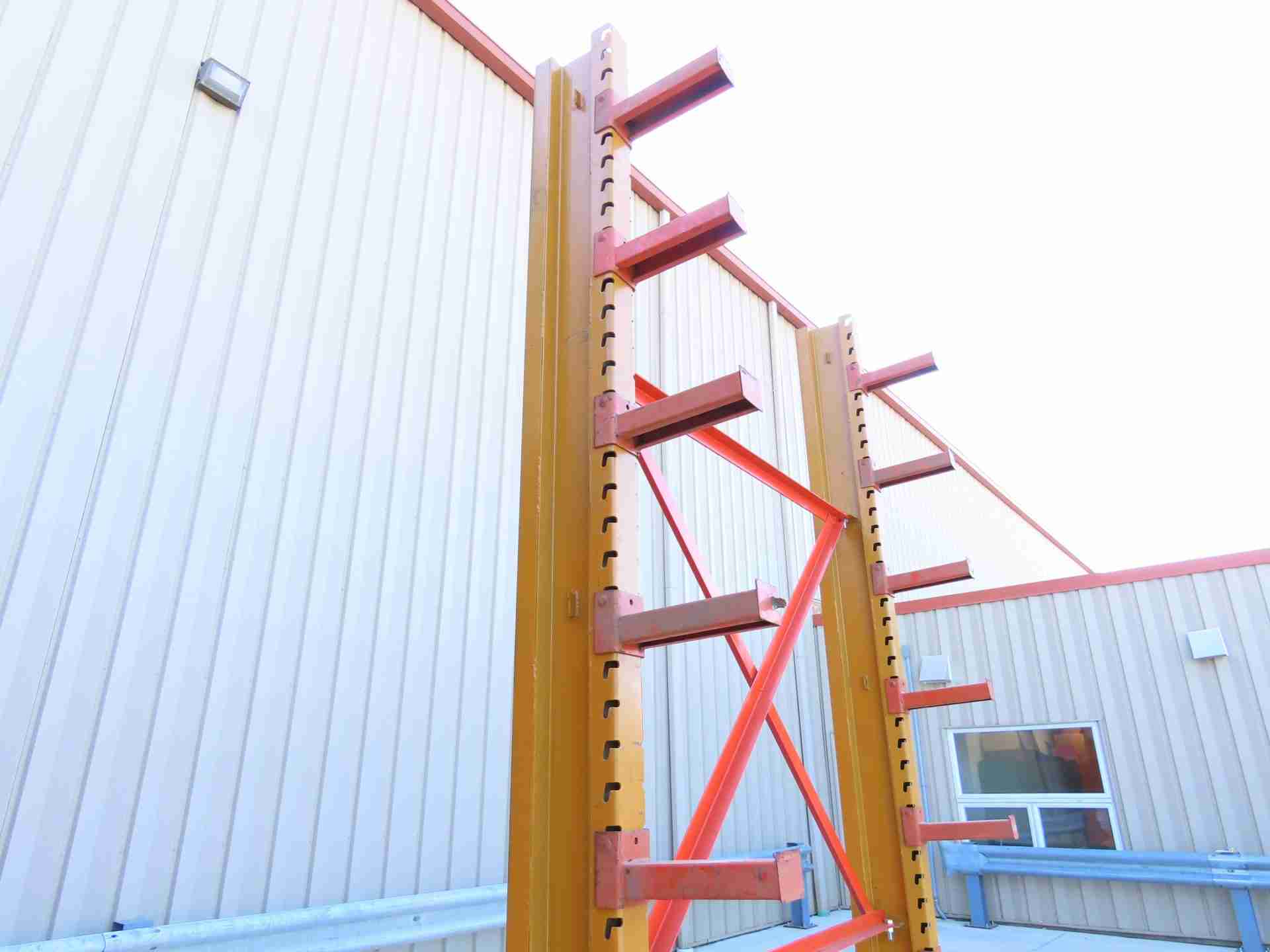
Do You Have A Clear System For Inventory Management?
Is Your Layout Accommodating Growth And Changing Needs?
As businesses evolve, so too must their environments. If you’re like many entrepreneurs, you’re constantly seeking ways to adapt and enhance your operations. One elemental yet often overlooked aspect of this transformation is your layout. Is it merely functional, or does it truly support your growth ambitions?
Consider your current setup: Does it offer flexibility? Can you easily adjust your pallet racking to accommodate seasonal fluctuations in inventory? The truth is, if your layout feels a bit cramped or chaotic, it’s not just inconvenient; it can stifle your potential. A cluttered space can hinder productivity, reduce morale, and even affect your bottom line. But it doesn’t have to be this way.
Think about the last time you rearranged your workspace or storage area. Perhaps you moved a few boxes and created a bit more room. What if you could elevate that simple act to a strategic overhaul? With the right layout, every inch of your space can work harder for you. Smart pallet racking solutions can be your ticket to not just organizing but optimizing your operations. Imagine a system designed to grow alongside your business, effortlessly adapting to your changing needs, whether that’s adding new products or scaling back during quieter times.
But this isn’t just about physical space; it’s about a mindset shift. By embracing a layout that accommodates growth, you foster an environment of innovation and responsiveness. A well-designed layout tells both your team and your customers that you’re ready for anything, projecting a confidence that can be infectious.
Picture this: your team breezing through tasks with ease, commercial opportunities arising where they were once limited. You’re no longer just treading water—you’re forging a path toward success. Just as importantly, you’ll inspire trust in your operations and the lasting relationships you cultivate with clients.
Don’t wait for the perfect moment or a crisis to push you to make these changes. Leverage your space to create efficiencies and enhance performance today. Let your layout serve as a springboard for growth, not an anchor holding you back. Explore innovative pallet racking solutions and speak boldly to your future aspirations—because a layout that adapts is a layout that invites prosperity. It’s time to take action; transformation is within your reach.
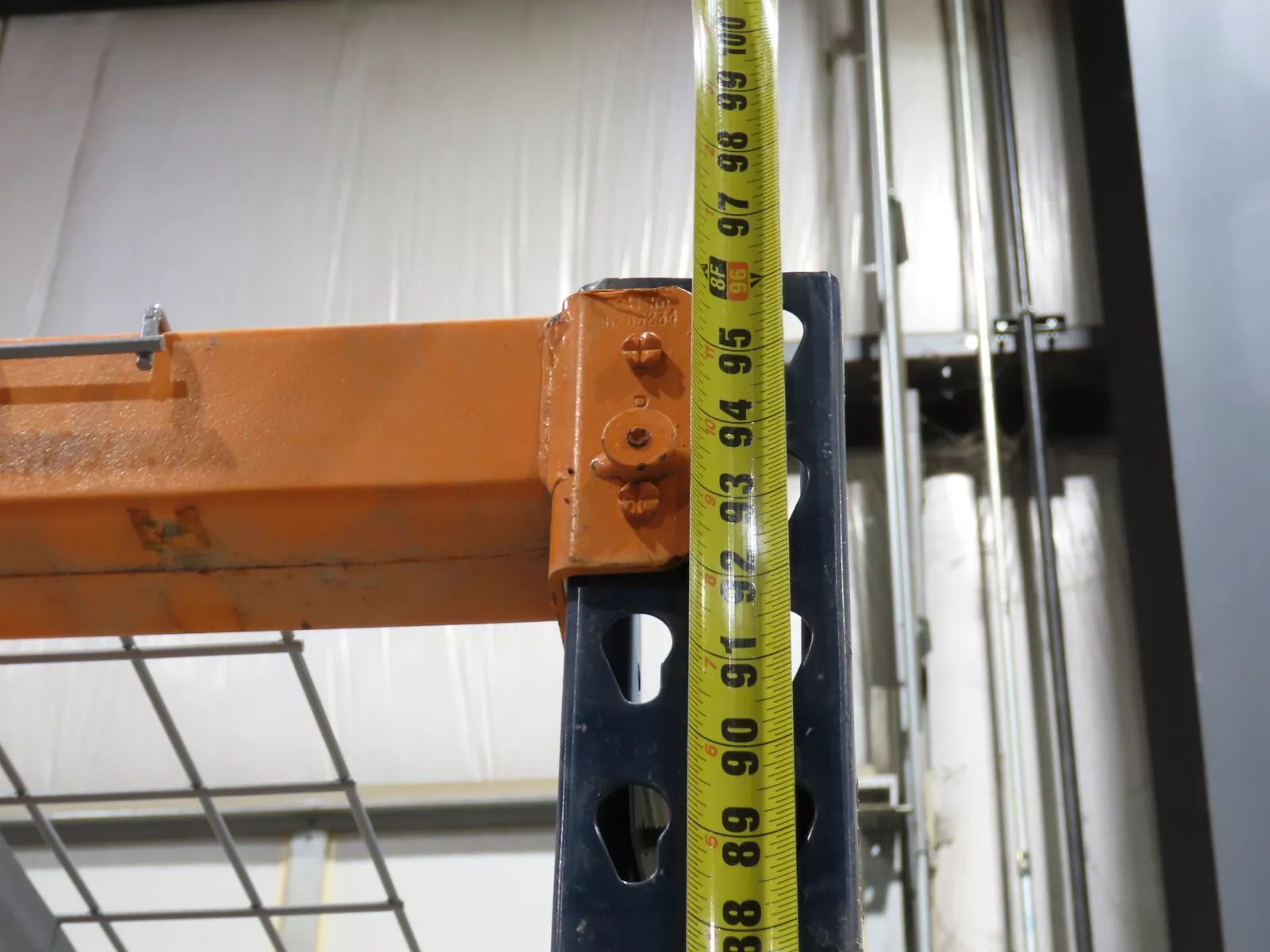
Is Your Layout Accommodating Growth And Changing Needs?
Is Your Layout Accommodating Growth And Changing Needs?
- Business environments must evolve as companies adapt and enhance operations.
- The physical layout of a workspace is crucial for supporting growth ambitions.
- A cramped or chaotic layout can hinder productivity and morale, impacting the bottom line.
- Strategic rearrangement of workspace can optimize operations and maximize space usage.
- Smart pallet racking solutions can help accommodate changing inventory and business needs.
- An adaptable layout fosters innovation and conveys confidence to both teams and customers.
- Taking proactive steps to enhance space can create efficiencies and invite future prosperity.

Is Your Layout Accommodating Growth And Changing Needs?
Conclusion
In the dynamic world of warehousing, the effectiveness of your layout directly influences operational success. If you find yourself navigating a cluttered space, plagued by bottlenecks and inefficiencies, it’s time to take a proactive approach. When you evaluate your current setup, consider whether your pallet racking systems are being utilized to their full potential. Is your workflow streamlined, or do your employees often feel like they’re running in circles? Just like a powerful engine requires regular maintenance, your warehouse layout must be reassessed regularly to adapt to changing demands and growth opportunities.
Think about how many resources are lost in disorganization: time wasted searching for misplaced inventory, confusion in product location, and frustration stemming from a lack of space to maneuver. It’s not just about looking efficient—it’s about being effective. Your employee morale and productivity hinge on a well-thought-out design that enhances their ability to operate smoothly within the organization. By embracing a culture of continuous improvement and welcoming input from your team, you can craft a layout that is both practical and adaptable, turning potential chaos into seamless operations.
The right pallet racking solutions serve as the backbone of your warehouse—a smartly designed system that maximizes vertical space and creates efficient flow paths, allowing product movement from reception through to shipping with little to no friction. This doesn’t just elevate your space; it empowers your workforce, giving them the tools they need to excel in their roles and meet customer expectations with ease.
Now, if you’re wondering how to get started or what steps to take next, Arrow Industrial Sales stands ready to assist. Your warehouse transformation doesn’t have to wait. Every day that you delay could cost you efficiency, productivity, and profits. Urgency is key—reach out immediately to discuss how the right strategies can lead your operations toward peak performance. Call Arrow Industrial Sales at (574) 349-6575 now to harness the potential of your warehouse. Don’t just survive—thrive in a well-organized environment that paves the way for your business’s future success! The time for action is now—let’s make your warehouse a model of efficiency and productivity that stands out in an increasingly competitive market.
Conclusion
Conclusion:
- The layout of your warehouse significantly impacts operational success.
- Evaluate pallet racking systems for optimal utilization and streamline workflow.
- Regular reassessment of warehouse layout is essential to adapt to changing demands.
- Disorganization leads to wasted resources: time, confusion, and employee frustration.
- A well-thought-out design enhances employee morale and productivity.
- Implement a culture of continuous improvement with team input for an effective layout.
- Contact Arrow Industrial Sales for assistance with warehouse transformation to boost efficiency and productivity.
Conclusion
Other Resources
Other Resources
Here is a list of other resources you can review online to learn more:
- New Cantilever Racks and Racking Kits
- Intro to Warehouse Racks & Warehouse Racking Systems – ShipBob
- Rack Manufacturers Institute
- Selective Pallet Racking Systems
- American Surplus
- IWLA
- Heavy-Duty Cantilever Storage Racks
- Cantilever Rack Guide: Ordering Cantilever Racking
- Arrow Industrial Sales
- Iowa Illinois Warehouse Racking
Use This Prompt To Get More Resources With Your Favorite Online AI Tool: Please provide me with a list of online articles with their URLs in a bulleted list that I can read regarding Are You Unsure If Your Warehouse Layout Is Really Working for You?
Other Resources
Glossary Terms
Are You Unsure If Your Warehouse Layout Is Really Working for You? – Glossary Of Terms
1. Warehouse Layout: The design and arrangement of storage areas, workspaces, and equipment in a warehouse.
2. Flow Optimization: The process of improving the movement of goods through a warehouse to enhance efficiency and reduce processing time.
3. Storage Solutions: Various methods and systems used to allocate space for the storage of products within a warehouse.
4. Safety Stock: Extra inventory held to prevent stockouts due to demand variability or supply chain disruptions.
5. Picking Efficiency: A measure of how quickly and accurately items are retrieved from storage for order fulfillment.
6. Order Fulfillment: The complete process of receiving, processing, and delivering a customer’s order.
7. Inventory Turnover: A ratio that shows how often inventory is sold and replaced over a period, indicating warehouse efficiency.
8. Space Utilization: The percentage of available storage space being used effectively within the warehouse.
9. Load Planning: The process of determining how to best load items onto shelves or pallets to maximize space and improve accessibility.
10. Cross-Docking: A logistics practice where incoming products are directly transferred to outgoing trucks, reducing storage time.
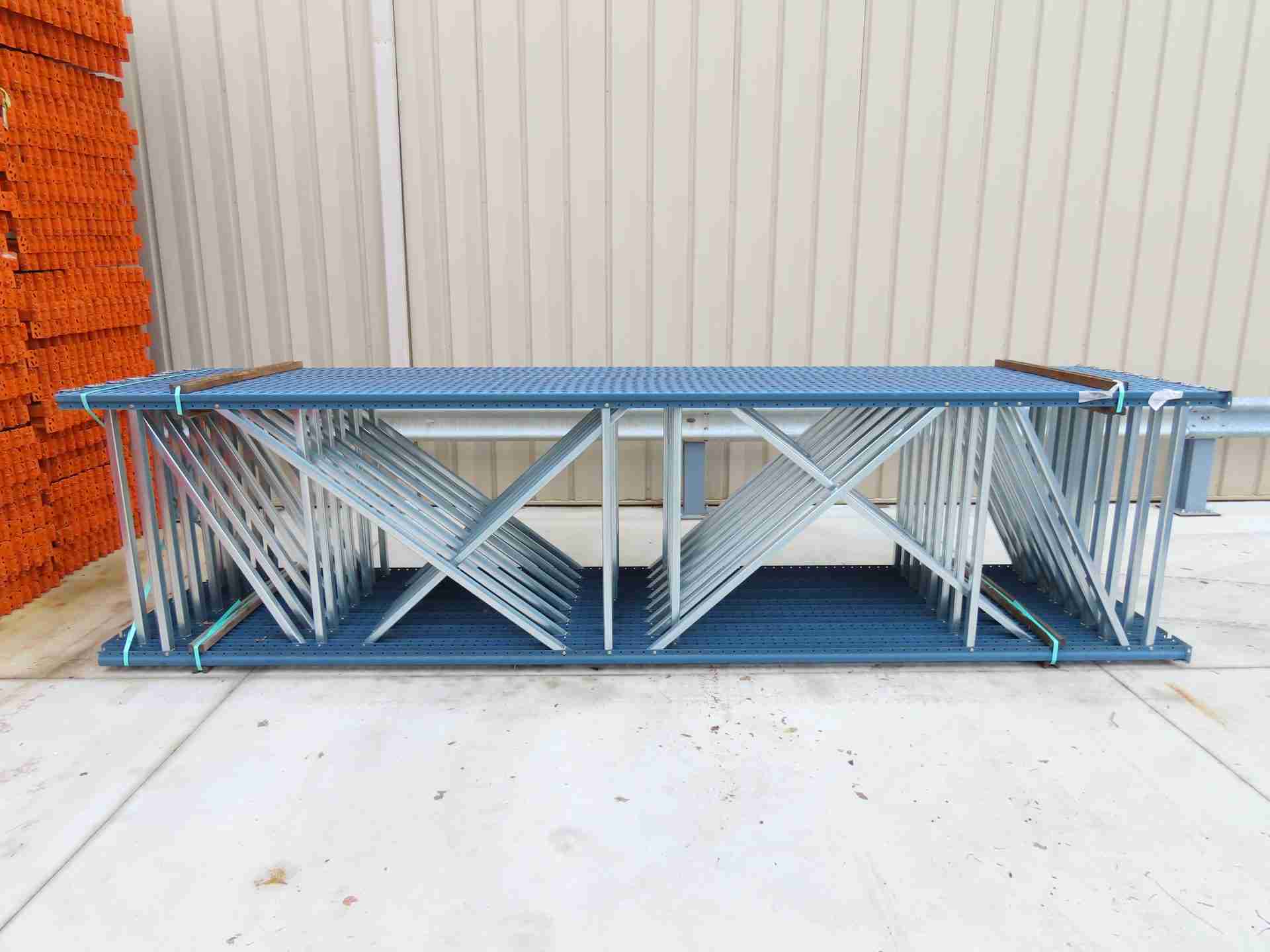
11. Racking Systems: Structures used to store products in an organized manner, maximizing vertical space and stability.
12. Pick-and-Pack: A method where individual items are picked from storage and packed together for shipping to a customer.
13. Value Stream Mapping: A visual tool used to analyze the flow of materials and information through the warehouse to identify inefficiencies.
14. Warehouse Management System (WMS): Software that helps manage inventory, optimize space, and improve picking and shipping operations.
15. Cycle Counting: An inventory auditing procedure where a subset of stock is counted on a specific day in rotation.
16. Bin Location: Designated spaces within the warehouse where specific products are stored, aiding in efficient picking.
17. Aisle Width: The distance between racking systems in a warehouse, influencing picking efficiency and safety.
18. Ergonomics: The study of designing facilities to accommodate the physical capabilities of workers, minimizing strain and injury.
19. Cycle Time: The total time from the beginning to the end of a warehouse process, such as order picking or shipping.
20. Automation: The use of technology and machinery to perform tasks within the warehouse, enhancing speed and accuracy.
21. Standard Operating Procedures (SOPs): Written guidelines that outline the processes and protocols for various warehouse operations.
22. Lean Warehouse: A concept focused on minimizing waste while maximizing productivity within warehouse operations.
23. Receiving Area: The designated space where incoming goods are inspected, counted, and processed before being stored.
24. Shipping Area: The section of the warehouse where packaged orders are prepared and dispatched for delivery.
25. Order Picking Methods: Various techniques for selecting items from inventory, such as batch picking, wave picking, or zone picking.
26. Inventory Accuracy: The degree to which inventory levels in the system match the actual physical stock in the warehouse.
27. Lead Time: The amount of time it takes to fulfill a customer order, from the moment the order is received until delivery.
28. Space Planning: The strategic arrangement of a warehouse layout to optimize the use of space and improve operational efficiencies.
29. Returns Processing Area: A specific zone for handling returned goods, assessing their condition, and restocking or disposing of them.
30. Key Performance Indicators (KPIs): Metrics used to evaluate the effectiveness and efficiency of warehouse operations, helping identify areas for improvement.
Glossary Of Terms
Other Questions
Are You Unsure If Your Warehouse Layout Is Really Working for You? – Other Questions
If you wish to explore and discover more, consider looking for answers to these questions:
- What are some common signs that indicate my warehouse layout is inefficient?
- How can I effectively gather feedback from my team about the warehouse layout?
- What strategies can I implement to regularly reassess my warehouse layout?
- How can I determine the best pallet racking system for my specific needs?
- What should I consider when designing a layout for growth and flexibility?
- How do I assess and improve workflows in my warehouse for better productivity?
- What impact does a chaotic warehouse layout have on employee morale?
- What are the costs associated with a poorly designed warehouse layout?
- How can technology aid in optimizing warehouse layout and inventory management?
- What role does employee training play in maximizing warehouse efficiency?
- How can I efficiently address and eliminate bottlenecks in my operations?
- Are there specific industry benchmarks for warehouse layout efficiency that I should be aware of?
- What are the long-term benefits of investing in a well-organized warehouse layout?
- When is the best time to implement changes to my warehouse layout?
Other Questions
Checklist
Are You Unsure If Your Warehouse Layout Is Really Working for You? – A Checklist
Warehouse Layout Optimization Checklist
1. Evaluate Your Current Layout
_____ Identify clutter and disorganization areas.
_____ Assess the accessibility of products.
_____ Seek feedback from employees on layout improvements.
2. Maximize Space Efficiency
_____ Review pallet racking systems for optimal usage.
_____ Utilize vertical space for storage.
_____ Ensure aisles are clear for easy navigation.
3. Streamline Workflows
_____ Analyze current workflows for efficiency.
_____ Map out processes from receiving to shipping.
_____ Identify and eliminate bottlenecks.
4. Implement Strategic Zoning
_____ Designate areas for receiving, storage, packing, and shipping.
_____ Ensure logical flow between these zones for seamless operations.
_____ Organize products by frequency of use for quick access.
5. Train Your Team
_____ Schedule regular training sessions on new layout and workflows.
_____ Encourage team input on layout effectiveness.
_____ Foster a culture of collaboration and ownership.
6. Schedule Regular Reassessments
_____ Conduct layout evaluations quarterly or after significant changes.
_____ Monitor changes in inventory and workforce needs.
_____ Adjust layout and processes accordingly.
7. Enhance Inventory Management
_____ Establish a clear system for tracking inventory.
_____ Assess gaps in inventory organization and management.
_____ Implement accountability measures within the team.
8. Accommodate Future Growth
_____ Ensure your layout can adapt to changes in inventory volume.
_____ Incorporate flexible storage solutions.
_____ Review layout adaptability regularly to align with business goals.
9. Adopt a Mindset of Continuous Improvement
_____ Encourage feedback and suggestions for layout adjustments.
_____ Celebrate improvements and efficiencies achieved.
_____ Stay informed on new technologies and practices in warehouse management.
Conclusion
Take proactive steps using this checklist to create a warehouse layout that enhances efficiency, supports growth, and keeps your team engaged. Follow these guidelines and watch your operational performance improve!
Checklist
At RackingWorld, we help guide you through selecting warehouse storage systems and racking.
Be sure to read our other related stories at RackingWorld to learn more about warehouse storage systems.
0 Comments