
Navigating The Evolving Landscape Of Warehouse Management
By Tom Seest
At RackingWorld, we help guide you through selecting warehouse storage systems and racking.
Act now! Call Arrow Industrial Sales at (574) 349-6575 for tailored solutions that can take your business to heights you never imagined possible. Don’t let inefficiencies linger and costs mount. Embrace change, invest in better systems, and watch your business flourish. Time waits for no one—take the proactive step today! Your future of enhanced efficiency and profitability is just a phone call away.
Be sure to read our other related stories at RackingWorld to learn more about warehouse storage systems.
Are You Prepared for Future Trends In Warehouse Management?
As we stand on the brink of a new era in warehouse management, it’s not just about keeping up with the pace—it’s about leaping ahead. The future is teeming with opportunities that could transform your warehouse into a streamlined powerhouse of efficiency. However, harnessing these advancements requires foresight, adaptability, and a well-thought-out approach.
Picture this: the vast expanse of your warehouse, filled with Pallet Racking systems designed for optimal storage. You’ve invested in the best solutions available, so why not leverage them to maximize productivity and efficiency? With the right strategies in place, you can not only improve your current operations but also future-proof your business against emerging trends.
Now let’s dive into the shifts poised to reshape warehouse management. Automation and AI are at the forefront of these developments, and contrary to what you might believe, they don’t spell doom for the human worker. Rather, they complement your workforce, allowing your team to focus on what they do best—strategizing and enhancing customer relationships.
The rise of e-commerce has also revolutionized how we think about inventory management. The need for real-time tracking and responsiveness is greater than ever. Are your systems up to par? It’s crucial to regularly evaluate your processes and ensure that your technology can keep pace with customer demand. Investing in modern inventory management software can be a game-changer, making it easier to track stock levels, manage orders, and ultimately drive sales.
What about sustainability? Today’s consumers are more environmentally conscious and they expect the same from the brands they support. Embracing eco-friendly practices in your warehouse operations can not only meet customer expectations but can also lead to cost savings. This includes optimizing your space with solutions like efficient Pallet Racking systems that reduce waste and enhance space utilization.
Remember, success in warehouse management doesn’t happen overnight. It’s a journey of constant adaptation and learning. Ask yourself: are you and your team prepared to embrace change? By understanding and acting on these future trends, you position your company not just to survive but to thrive.
So, roll up your sleeves, embrace the possibilities, and let’s get you geared for a successful future in warehouse management! The time for action is now—your business’s growth depends on it.
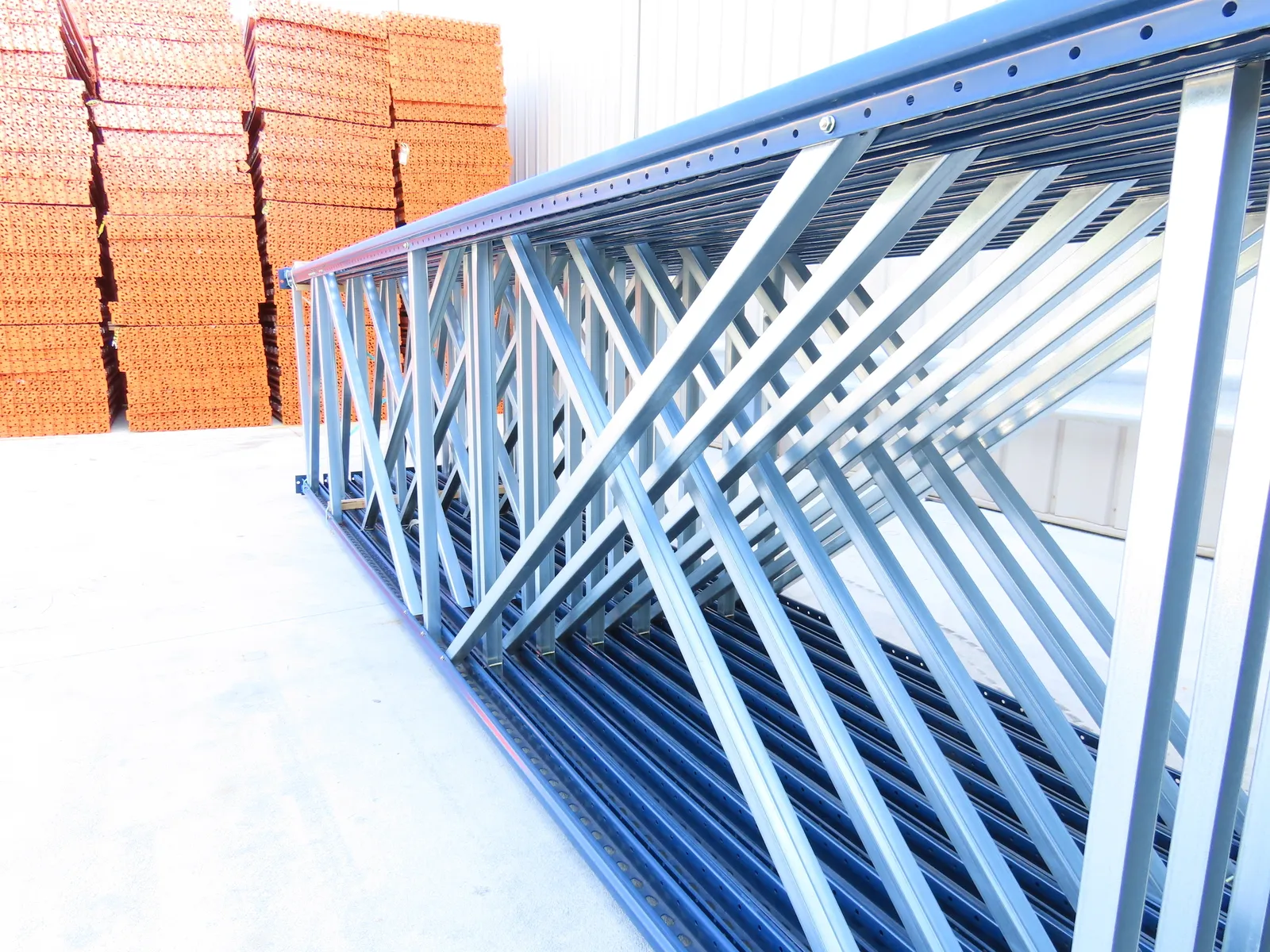
Are You Prepared for Future Trends In Warehouse Management?
Are You Prepared for Future Trends In Warehouse Management?
- Warehouse management is evolving, requiring businesses to leap ahead rather than just keep up.
- Investing in optimal storage solutions, like Pallet Racking systems, can significantly enhance productivity.
- Automation and AI are transforming warehouse operations, complementing human workers rather than replacing them.
- The rise of e-commerce increases the importance of real-time inventory tracking and responsiveness.
- Modern inventory management software is essential for efficient stock tracking, order management, and driving sales.
- Adopting sustainable practices in warehouse operations can meet consumer expectations and lead to cost savings.
- Success in warehouse management requires continuous adaptation to emerging trends and a proactive approach.
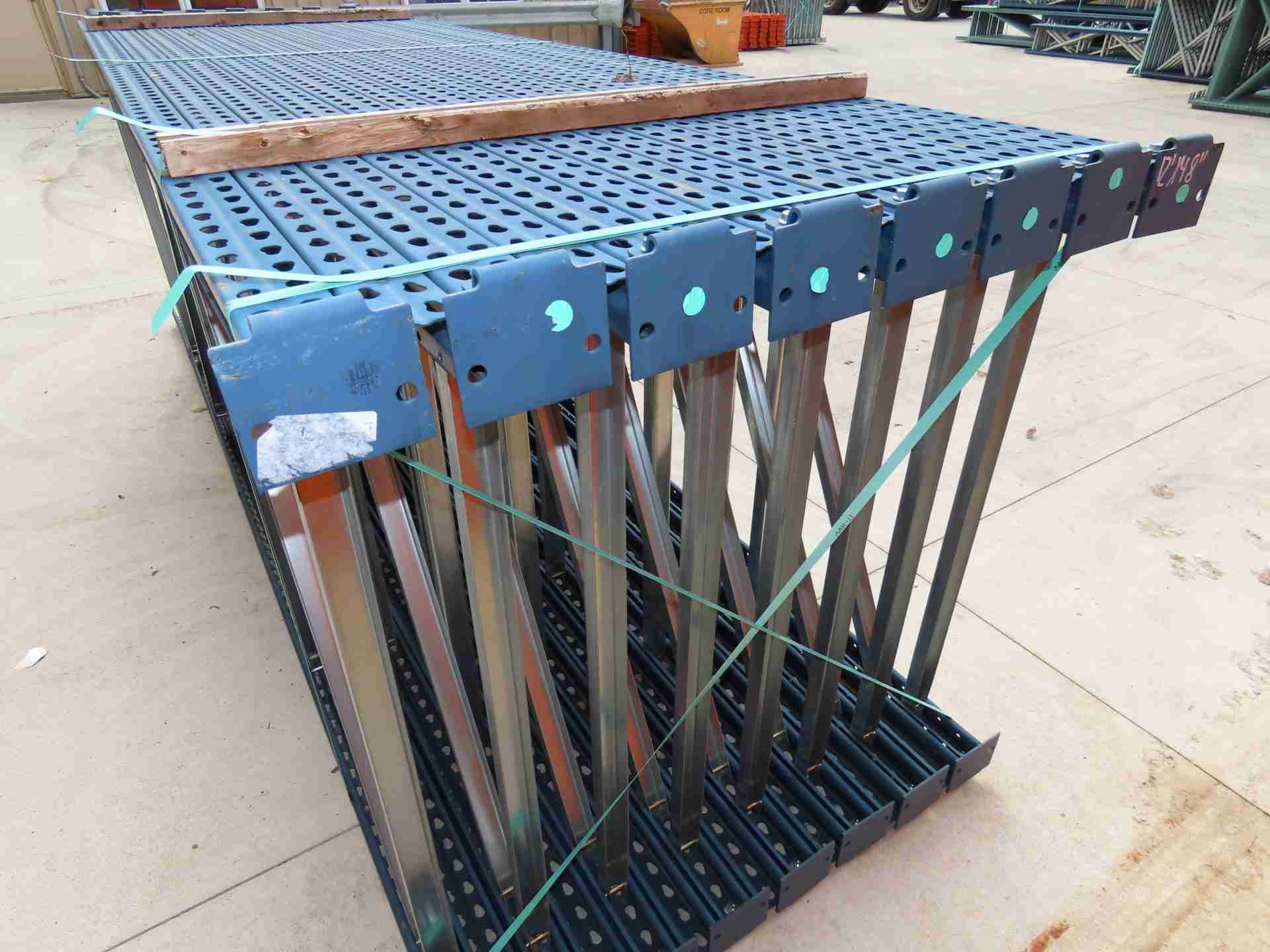
Are You Prepared for Future Trends In Warehouse Management?
Table Of Contents
- Are You Prepared for Future Trends In Warehouse Management?
- What Are The Key Trends Shaping Warehouse Management Today?
- How Can Technology Improve Warehouse Efficiency?
- What Role Does Automation Play In Modern Warehouses?
- How Can Data Analytics Optimize Inventory Management?
- What Skills Are Essential For Future Warehouse Managers?
- How Do I Prepare My Team For Changes In Warehouse Operations?
- Conclusion
- Other Resources
- Glossary Of Terms
- Other Questions
- Checklist
What Are The Key Trends Shaping Warehouse Management Today?
In today’s rapidly evolving logistics landscape, staying ahead requires a keen understanding of the key trends that are redefining warehouse management. This isn’t just about efficiency; it’s about reimagining how we operate, engage with technology, and meet customer demands like never before.
First, let’s talk about automation. The rise of automated systems in warehouses is transforming the way we handle inventory. Robots that can navigate complex layouts are becoming virtually indispensable. Not only do they enhance speed, but they also reduce human error. Imagine a scenario where a robotic arm retrieves items from pallet racking systems flawlessly, allowing your workforce to focus on strategic tasks rather than repetitive motions. This doesn’t just streamline operations; it significantly boosts morale, inspiring a culture of innovation and adaptability among your team.
Next, data analytics is taking center stage. The ability to collect and analyze massive amounts of data has never been more accessible. Smart warehouse managers are tapping into predictive analytics to foresee inventory needs, optimizing stock levels, and reducing excess. Imagine knowing exactly when to reorder, saving significant capital while ensuring you never run out of critical supplies. It’s not just about having data; it’s about making informed decisions that propel business growth. And rest assured, understanding these analytics can empower you to navigate the complexities of modern inventory management with confidence.
Let’s not overlook sustainability—a trend that resonates deeply with consumers today. Eco-friendly practices aren’t just a nice-to-have; they’re an expectation. Implementing energy-efficient solutions and recyclable materials in your facility, from pallet racking to packaging, can enhance your brand image and attract an increasingly environmentally conscious customer base.
And last but not least, the ever-important element of a flexible workforce. As businesses shift gears, the need for a skilled, adaptable team becomes paramount. Invest in training and development to equip your staff with the necessary skills as technology evolves. Employees who are confident in their abilities to operate advanced systems will drive your warehouse forward, creating a resilient and agile operation.
Understanding these key trends allows you to evolve with the warehouse management industry. Embrace automation, leverage data analytics, commit to sustainability, and invest in your workforce. By doing so, you not only enhance your operations but also build a foundation of trust and connection with your partners and customers alike. The future of warehouse management is not just about keeping pace; it’s about leading the way. Take the first step today, and watch your operation thrive.

What Are The Key Trends Shaping Warehouse Management Today?
What Are The Key Trends Shaping Warehouse Management Today?
- Understanding key trends is crucial in redefining warehouse management in a rapidly evolving logistics landscape.
- Automation is transforming warehouse operations, enhancing speed and reducing human error through the use of robots.
- Data analytics enables predictive insights into inventory needs, optimizing stock levels and improving decision-making.
- Sustainability practices are essential for meeting consumer expectations, enhancing brand image with eco-friendly solutions.
- A flexible and skilled workforce is vital for adapting to technological changes, highlighting the importance of training and development.
- Embracing these trends can improve operations and foster trust with partners and customers.
- The future of warehouse management involves leading in innovation rather than just keeping pace with changes.

What Are The Key Trends Shaping Warehouse Management Today?
How Can Technology Improve Warehouse Efficiency?
Imagine walking through a bustling warehouse where every team member moves with precision, every task is streamlined, and products fly off the shelves with ease. This can be your warehouse’s reality with the right technology in place. When we talk about warehouse efficiency, it’s not just about storing items; it’s about optimizing processes to ensure maximum productivity, and technology is your greatest ally in this journey. One of the first areas to consider is the implementation of smart Pallet Racking systems.
Picture this: Advanced Pallet Racking solutions equipped with sensors and intelligent software can drastically cut down the time it takes to locate and retrieve inventory. No more fumbling about or wasting precious minutes searching for that one elusive SKU. With a well-organized racking system integrated with real-time data, your team can access exact locations and monitor stock levels effortlessly. This not only speeds up operations but drastically reduces human error—an inevitable byproduct of manual inventory checks.
But let’s not stop there. Integrating Warehouse Management Systems (WMS) provides a bird’s-eye view of your entire operation. You can automate inventory tracking, oversee order fulfillment, and even predict restocking needs—all at the snap of your fingers. Imagine the confidence that comes with knowing your inventory is accurately monitored and managed. This kind of precision allows your team to focus on what they do best: delivering exceptional service to your customers.
Additionally, consider the implementation of robotics and automation. Automated guided vehicles (AGVs) can work alongside your team, handling repetitive tasks like transporting pallets. This means your human personnel can concentrate on more complex responsibilities that require a personal touch, thus promoting team morale and boosting productivity.
Lastly, let’s talk about analytics. With the right technology, you can collect, analyze, and interpret data to find inefficiencies in your process. It’s like having a roadmap to improvement, allowing for informed decisions that enhance productivity, ultimately leading to satisfied customers and increased profitability.
The bottom line is this: Technology isn’t just a toolbox; it’s the key to transforming your warehouse into a well-oiled machine. By embracing innovative solutions, you’ll not only enhance your operational efficiency but also position yourself as a leader in your industry. So why wait? Start your journey toward efficiency today—your warehouse, your team, and your bottom line will thank you.

How Can Technology Improve Warehouse Efficiency?
How Can Technology Improve Warehouse Efficiency?
- Efficient warehouse operations require optimized processes and technology.
- Advanced Pallet Racking systems equipped with sensors can significantly reduce the time to locate and retrieve inventory.
- Well-organized racking integrated with real-time data minimizes human error related to manual inventory checks.
- Warehouse Management Systems (WMS) provide a comprehensive view of operations, enabling automated inventory tracking and order fulfillment.
- Robotics and automation, such as Automated Guided Vehicles (AGVs), can enhance productivity by handling repetitive tasks.
- Analytics help in identifying inefficiencies and facilitate informed decision-making to improve operations.
- Embracing technology transforms warehouses into efficient and competitive operations, improving service and profitability.
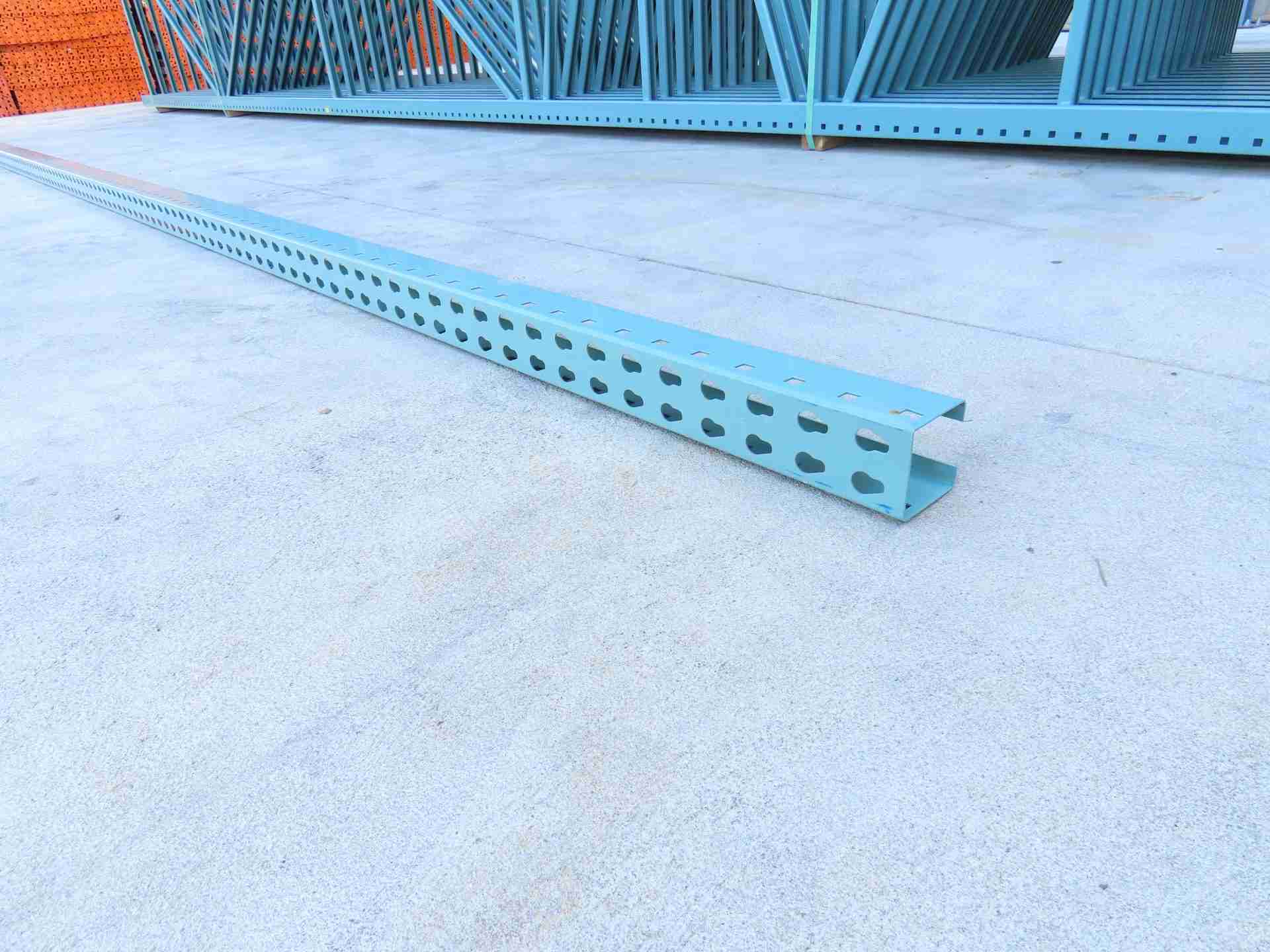
How Can Technology Improve Warehouse Efficiency?
What Role Does Automation Play In Modern Warehouses?
In today’s fast-paced world, the efficiency of your warehouse can make or break your business. Picture this: your warehouse is a bustling hub where each movement and decision counts. You’re managing an increasingly complex supply chain and striving to keep pace with consumer demand. Enter automation—the game changer that streamlines operations and maximizes productivity.
Automation is not just a trend; it’s a necessity. With cutting-edge technologies, tasks that once consumed hours can now be completed in minutes. Imagine automated systems managing your inventory levels with precision, anticipating shortages, and reordering stock before you even realize you need it. This is not sci-fi; it’s the reality of modern warehousing.
Take pallet racking, for example. In a traditional setup, employees grapple with manual labor to store and retrieve pallets. Yet with automated pallet racking systems, these heavy lifting tasks can be conducted by sophisticated machines, reducing workplace injuries and freeing up your staff to focus on higher-value activities. This is a win-win: saving time and enhancing safety while optimizing space utilization.
But don’t worry—you don’t need to overhaul your entire warehouse overnight. Automation systems can be tailored to fit your unique operations and can scale as your business grows. Start with smaller projects, such as integrating software to manage your inventory, before graduating to more complex solutions like conveyor systems and robotic picking. Each step you take towards automation builds a foundation for enhanced efficiency and profitability.
Still unsure about making the leap? Consider the peace of mind that comes from knowing your operations are supported by technology that works for you. Automated systems lead to more accurate order fulfillment, reducing costly mistakes that can tarnish customer relationships. When your customers know they can rely on you for speedy and consistent service, that trust translates into loyalty—and ultimately, sales.
In essence, embracing automation is not merely about keeping up with the competition; it’s about setting the standard in your market. Investors are paying attention; consumers are demanding more; and your own team deserves the right tools to thrive. So why wait? Step into the future of warehousing today and watch your efficiency soar, confidence build, and profits grow. Wouldn’t you agree that’s worth the investment?

What Role Does Automation Play In Modern Warehouses?
What Role Does Automation Play In Modern Warehouses?
- Efficiency in warehousing is crucial for business success in a fast-paced environment.
- Automation is essential for streamlining operations and maximizing productivity.
- Modern technologies enable rapid task completion, such as precise inventory management and reordering.
- Automated pallet racking systems reduce manual labor, workplace injuries, and free up staff for higher-value tasks.
- Automation can be tailored to fit operations and scaled as the business grows, allowing for gradual implementation.
- Automated systems enhance order accuracy and customer trust, leading to loyalty and increased sales.
- Embracing automation sets industry standards and benefits both investors and team productivity.
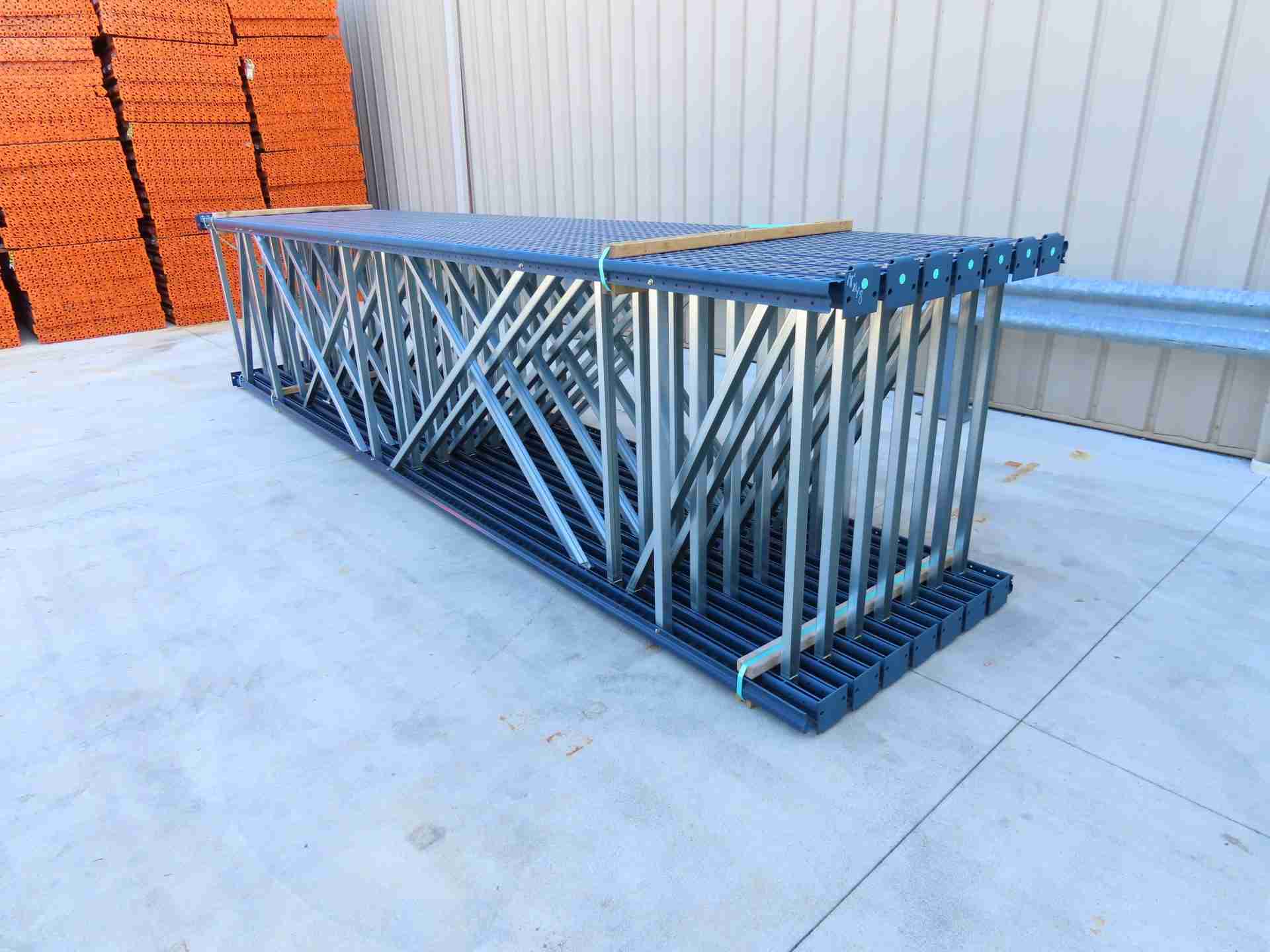
What Role Does Automation Play In Modern Warehouses?
How Can Data Analytics Optimize Inventory Management?
Imagine walking into your warehouse and immediately sensing the pulse of your inventory—knowing exactly what’s in stock, what’s moving, and what’s gathering dust. This isn’t a dream; it’s the power of data analytics at work, transforming your inventory management from a cumbersome chore into a strategic advantage.
Let’s dive into the real-world impact of data analytics on inventory management. It’s more than just numbers; it’s about creating a seamless flow in your operations. Consider how many times you’ve faced the challenge of insufficient pallet racking—inventory piled high, mismatched with buyer demand, leaving you at a standstill. You want to maximize your space, but without accurate data, you’re playing a tricky game of guesswork.
With advanced data analytics, you can dynamically assess your inventory. By leveraging historical sales data, seasonal trends, and market demands, you can adjust your inventory levels with precision. Imagine having real-time insights into which products are flying off the shelves and which are languishing. This allows for smart purchasing decisions, ensuring you secure the right products in the right quantities—eliminating excess stock and optimizing your pallet racking systems to their fullest potential.
But it doesn’t stop there. Analyzing data can also highlight patterns that might be invisible at first glance. For example, do certain items sell better during specific months or alongside other products? By understanding these nuances, you can not only increase sales but also enhance customer satisfaction with timely stock replenishment. Think of the joy of knowing that your customers can find what they want, when they want it—no more scrambling for items or disappointing delays!
Trust in your inventory management will grow when you automate and predict using data-driven strategies. Imagine the confidence you’ll instill in your team when they have the tools to make informed decisions and streamline operations. With the right data analytics framework, you can shift from reactive to proactive inventory management, ensuring your business is always steps ahead.
In a world where every detail counts, optimizing inventory management through data analytics isn’t just an option; it’s a necessity. Say goodbye to chaotic stock levels and hello to a harmonious, efficient operation that thrives on reliability. Your business deserves this transformation—start integrating data analytics today and watch your inventory evolve into a powerhouse!
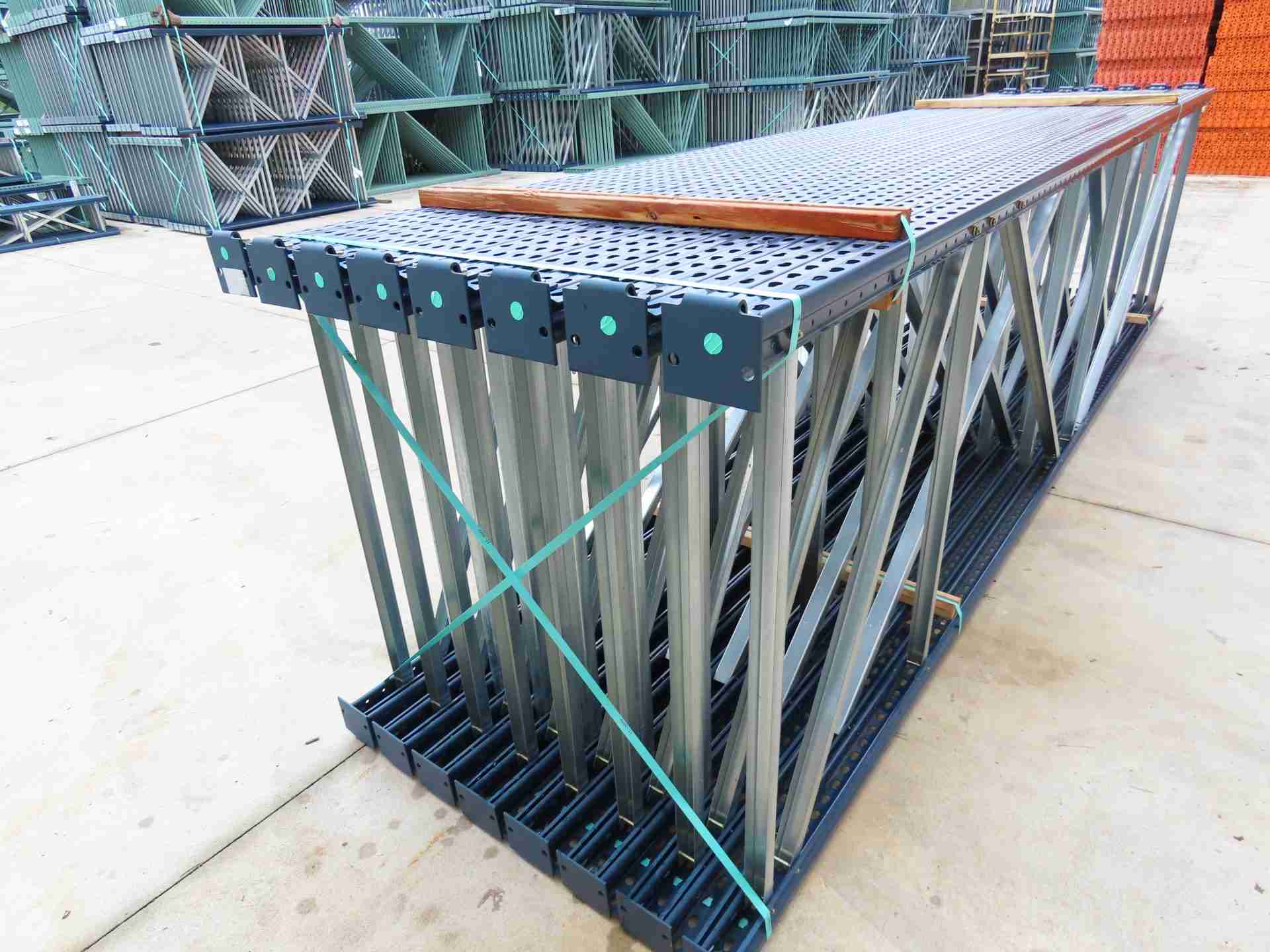
How Can Data Analytics Optimize Inventory Management?
How Can Data Analytics Optimize Inventory Management?
- Data analytics transforms inventory management into a strategic advantage.
- Accurate data eliminates guesswork in maximizing warehouse space.
- Advanced analytics allows for dynamic assessment of inventory levels.
- Understanding sales patterns enhances customer satisfaction with timely stock replenishment.
- Automating inventory management builds trust and confidence within your team.
- Shifts from reactive to proactive inventory management ensure your business stays ahead.
- Integrating data analytics optimizes operations and supports reliable business growth.
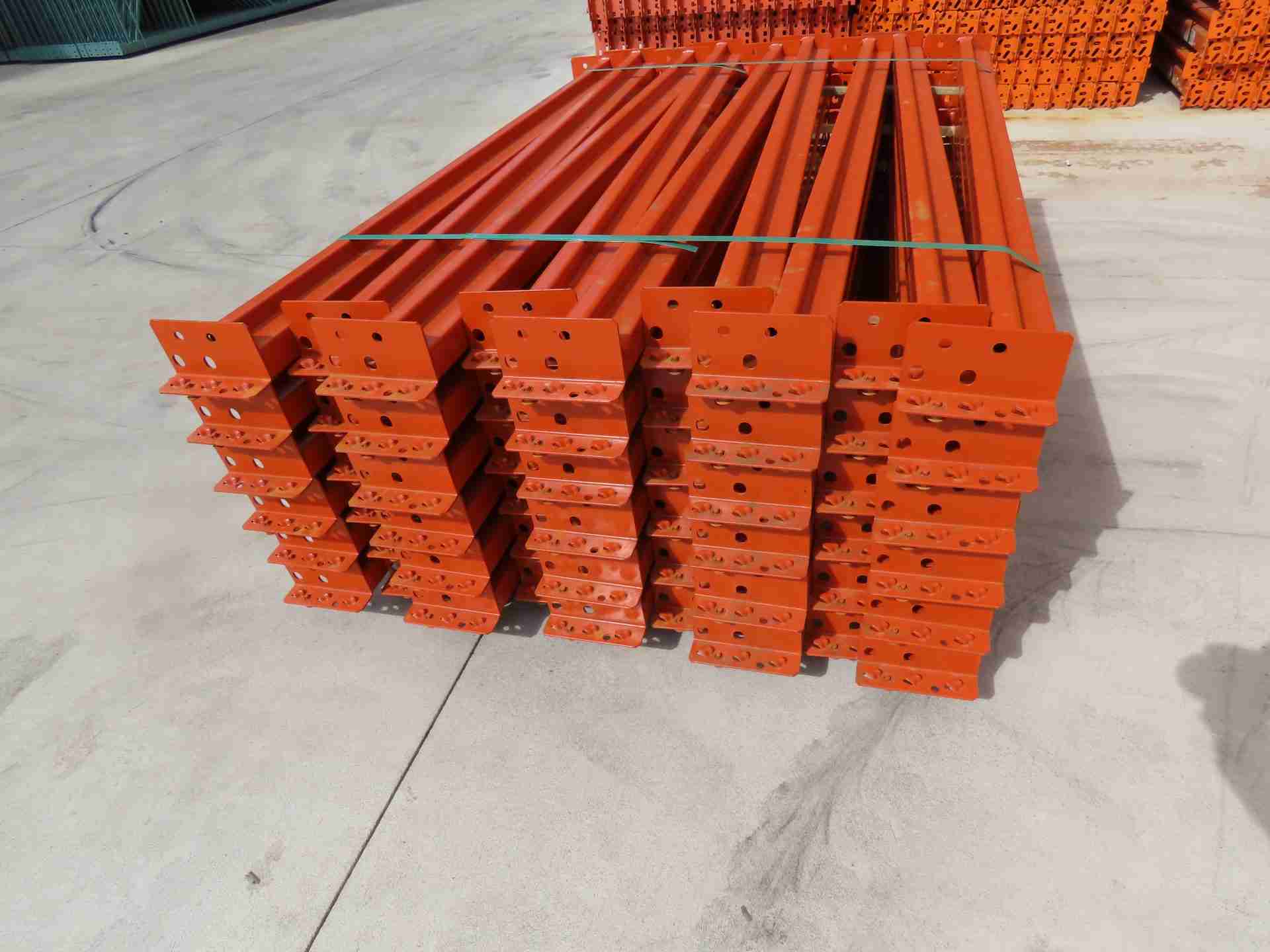
How Can Data Analytics Optimize Inventory Management?
What Skills Are Essential For Future Warehouse Managers?
As a future warehouse manager, you’re stepping into a role that’s both challenging and incredibly dynamic. The landscape of logistics and supply chain management is evolving at breakneck speed. Adapting to these changes requires a robust skill set, but fear not—you’re not alone on this journey.
First and foremost, organizational skills are your bread and butter. Imagine navigating through endless aisles of pallet racking, ensuring everything is in its proper place, all while optimizing space and efficiency. A successful warehouse manager must be able to maintain meticulous inventory control, facilitating seamless flow from receiving to shipping. The ability to track items accurately leads to smoother operations and happier customers.
Next up, we can’t ignore the importance of tech-savviness. Today’s warehouses are powered by advanced technologies, from warehouse management systems (WMS) to automated picking solutions. Understanding and adeptly utilizing these tools isn’t just a plus; it’s essential. Managers need to leverage tech for real-time tracking and analytics, paving the way for data-driven decisions that can significantly boost productivity.
Equally crucial are your communication skills. As a warehouse manager, you are the linchpin connecting various teams—from suppliers to delivery personnel. Clear and effective communication not only fosters better relationships but also minimizes errors, which can cost valuable time and resources. With an array of personalities in play, developing a rapport is vital to create a cohesive team environment.
In a world where change is the only constant, adaptability is a must-have trait. Whether it’s adjusting to seasonal spikes in demand or embracing new technologies, a great manager must be agile and forward-thinking. This means being open to continuous learning and encouraging your team to do the same.
Finally, don’t underestimate the power of leadership. Your ability to inspire and motivate your team can transform a functional warehouse into a well-oiled machine. Invest time in nurturing talent and creating an inclusive culture where everyone feels valued.
So, are you ready to equip yourself with these essential skills? The future of warehouse management is bright for those willing to embrace growth, adapt, and lead. Remember, the warehouses of tomorrow will thrive under inspiring managers who know how to move with the times.

What Skills Are Essential For Future Warehouse Managers?
What Skills Are Essential For Future Warehouse Managers?
- Warehouse management is a dynamic and challenging role within logistics and supply chain management.
- Strong organizational skills are essential for maintaining inventory control and optimizing space.
- Tech-savviness is crucial for utilizing advanced technologies like warehouse management systems (WMS) and automated solutions.
- Effective communication skills are needed to connect various teams and reduce errors.
- Adaptability is vital for responding to changes in demand and embracing new technologies.
- Leadership skills are important for inspiring and motivating the team and fostering an inclusive culture.
- Successful warehouse managers must embrace growth and continuous learning to excel in their roles.
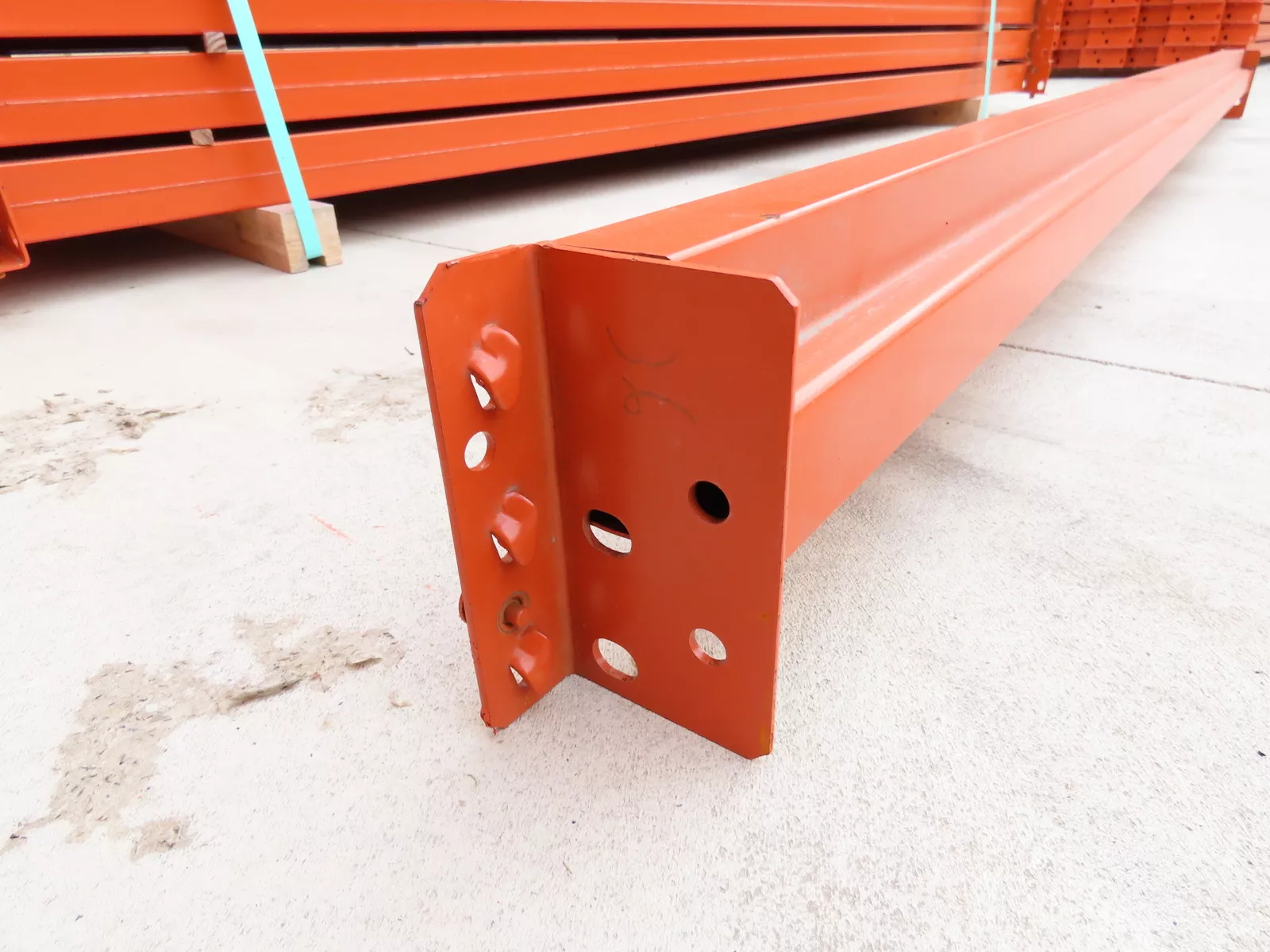
What Skills Are Essential For Future Warehouse Managers?
How Do I Prepare My Team For Changes In Warehouse Operations?
Change is the only constant in today’s fast-paced business environment, especially in warehouse operations. If you’ve decided it’s time to upgrade your pallet racking systems or implement new technologies, your team’s readiness can make or break the transition. Here’s how to prepare them effectively without leaving anyone behind.
First and foremost, communication is key. Begin by sharing your vision for the changes. Let your team know why you’re introducing new pallet racking configurations or innovative processes. Are you looking to improve efficiency? Reduce downtime? By framing the conversation around benefits, your team will feel more engaged and less intimidated. Remember, when people understand the “why,” they’re more likely to embrace the “how.”
Next, involve your team in the process. Don’t treat them like passive observers! Encourage feedback during planning sessions. This not only empowers your staff but also fosters a sense of ownership. Ask, “How can we make this work for everyone?” The insights they share might surprise you and even refine your plans further. Plus, when your team feels valued, you cultivate loyalty and commitment, essential ingredients for a successful transition.
Training is another essential component. A well-structured training program that emphasizes hands-on experience will bolster your team’s confidence. Run practical sessions that simulate new setups involving pallet racking. By allowing them to experience changes first-hand, you reduce anxiety and set the stage for skill mastery. Remember, repetition is the mother of retention; the more comfortable they are with new systems, the more proficient they will become.
Lastly, champion a culture of adaptability. Remind your team that change isn’t just a one-time event—it’s a part of growth and improvement. Share success stories that illustrate how other companies faced similar shifts and flourished. By doing so, you paint a vivid picture of what’s possible and the rewards that change can yield. Inspire them to see challenges as opportunities and equip them with the mindset to thrive in dynamic situations.
Preparing your team for changes in warehouse operations, such as updates to your pallet racking, is all about communication, involvement, training, and adaptability. By fostering a collaborative atmosphere and instilling confidence, you won’t just manage change—You’ll lead it with success. So, take that first step today! Your team is ready, and together, you can conquer any shift on the horizon.
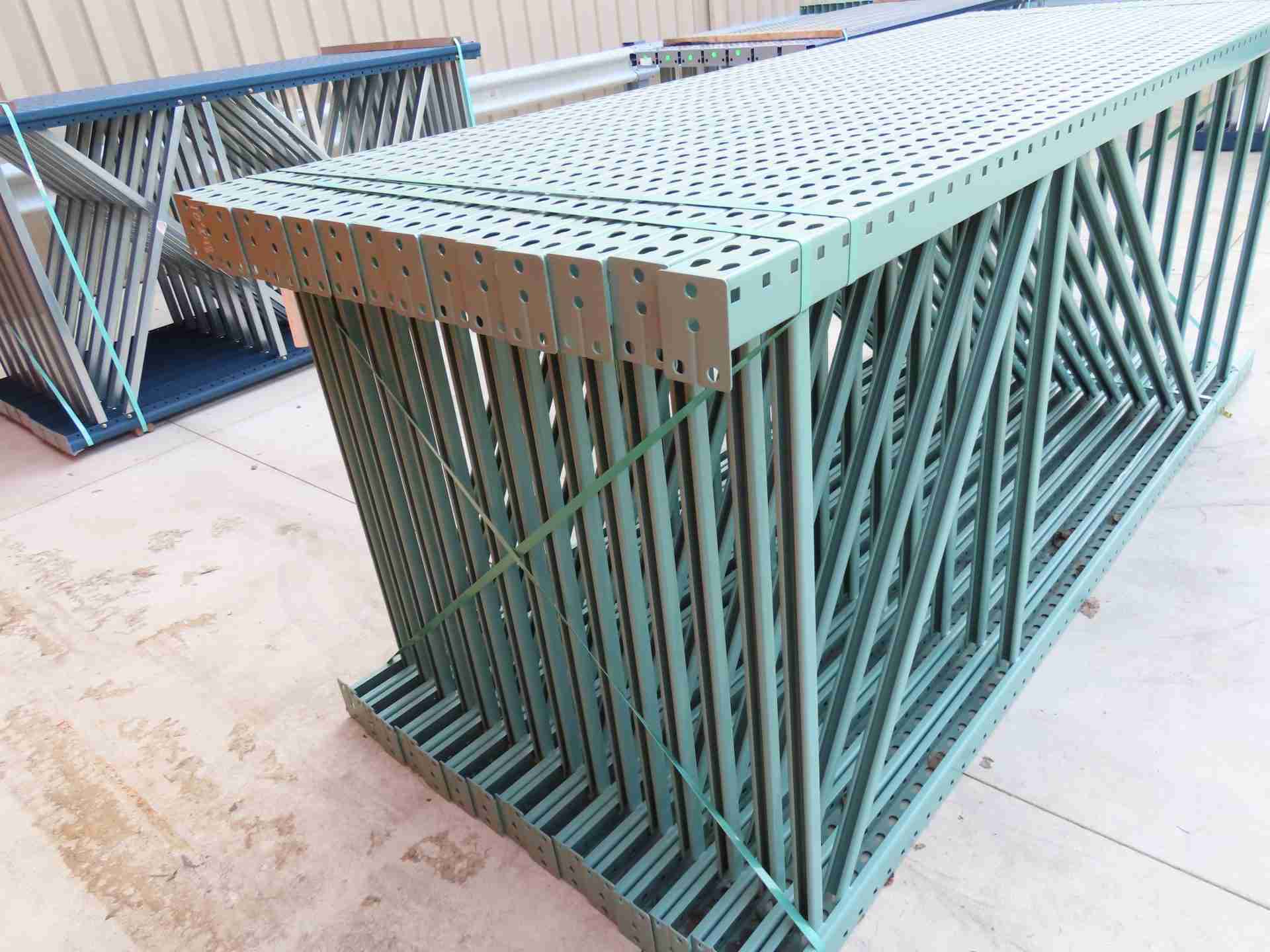
How Do I Prepare My Team For Changes In Warehouse Operations?
How Do I Prepare My Team For Changes In Warehouse Operations?
- Change is constant in warehouse operations; team readiness is crucial for successful transitions.
- Effective communication is essential; share your vision and benefits of the changes to engage your team.
- Involve your team in the planning process to empower them and cultivate loyalty.
- Implement a hands-on training program to build confidence and reduce anxiety regarding new systems.
- Encourage repetition to enhance retention and proficiency with new processes.
- Promote a culture of adaptability; highlight success stories to inspire and empower your team.
- Fostering collaboration and confidence will enable your team to lead and thrive during transitions.

How Do I Prepare My Team For Changes In Warehouse Operations?
Conclusion
As we steer towards a new age in warehouse management, the question is not just whether you are keeping pace with change, but how well you’re ready to embrace it. The landscape is evolving, driven by automation, data analytics, and sustainability, ultimately defining the next generation of operational excellence. At Arrow Industrial Sales, we want you to not only navigate these trends but thrive amidst them.
Imagine your warehouse as a dynamic, well-oiled machine—a space where cutting-edge automation alleviates mundane tasks, advanced analytics empower informed decision-making, and your workforce operates with agility and purpose. This isn’t merely a dream; it’s an attainable reality when you leverage smart technologies and innovative racking solutions. Investing in modern inventory management systems and effective Pallet Racking can enhance efficiency, reduce errors, and get you ahead of the competition.
Yet, change doesn’t happen in isolation. It requires a well-prepared team that understands the shift not just in processes, but in mindset. Are your managers equipped with the skills needed to lead this transformation? From organizational skills to tech-savviness and effective communication, these traits are essential for nurturing a robust workforce ready to face the challenges ahead.
So, as you stand at the crossroads, consider this: Are you merely reacting to trends, or are you strategically positioning your warehouse to be at the forefront of industry innovation? The time for action is now. Call Arrow Industrial Sales at (574) 349-6575 to gather crucial information that can catalyze this transformation in your operation.
Don’t wait until the future is on your doorstep—make the leap today, and ensure your warehouse isn’t just built for today’s requirements, but is prepared for tomorrow’s demands. The clock is ticking, and the opportunity for growth and efficiency is knocking louder than ever. Your competitors are already taking steps forward; will you choose to lead or follow? The choice is yours. Embrace the change, seize the moment, and unlock the true potential of your warehouse. Join us in this exciting journey towards a more efficient, productive, and sustainable future in warehouse management!

Conclusion
Conclusion:
- The future of warehouse management is driven by automation, data analytics, and sustainability.
- Investing in modern inventory management and innovative racking solutions can enhance efficiency and reduce errors.
- Warehouse transformation requires a prepared team with skills in organizational management, technology, and effective communication.
- Strategically positioning your warehouse for industry innovation is crucial to stay ahead of competitors.
- Immediate action is necessary to ensure readiness for tomorrow’s demands in warehouse management.
- Reach out to Arrow Industrial Sales for transformative insights and support.
- Embrace change and unlock the true potential of your warehouse for a sustainable future.

Conclusion
Other Resources
Other Resources
Here is a list of other resources you can review online to learn more:
- Warehouse Racks, Warehouse Racking in Stock – ULINE
- CMMA
- Selective Racking
- New Cantilever Racks and Racking Kits
- NSC
- Cantilever Racks Chicago
- Warehouse Racking System: Powerful Guide to Optimise, 2024
- BMH
- Illinois Pallet Racking – WPRP
Use This Prompt To Get More Resources With Your Favorite Online AI Tool: Please provide me with a list of online articles with their URLs in a bulleted list that I can read regarding Are You Prepared for Future Trends In Warehouse Management?
Other Resources
Glossary Terms
Are You Prepared for Future Trends In Warehouse Management? – Glossary Of Terms
1. Automation: The use of technology to perform tasks without human intervention, increasing efficiency in warehouse operations.
2. Big Data: Vast volumes of data collected from various sources that can be analyzed for insights to optimize warehouse processes.
3. Cloud Computing: Storing and accessing data over the internet enables warehouse managers to access information in real-time from any location.
4. E-commerce Fulfillment: The process of receiving, processing, and delivering customer orders made online, requiring efficient warehouse management practices.
5. Inventory Management: Strategies and techniques used to oversee and control the ordering, storage, and use of goods in a warehouse.
6. Internet of Things (IoT): A network of interconnected devices that collect and exchange data, enhancing visibility and control within a warehouse.
7. Lean Warehousing: A methodology focused on minimizing waste and maximizing efficiency in warehouse operations by streamlining processes.
8. Machine Learning: A subset of artificial intelligence that enables systems to learn from data and improve their performance over time without explicit programming.
9. Omni-Channel Distribution: A strategy that integrates multiple sales channels, ensuring a seamless customer experience and efficient inventory movement.
10. Robotics: The use of robotic systems and automation technology to improve warehouse operations, including picking, packing, and sorting.
11. Safety Stock: Extra inventory kept on hand to manage uncertainty in demand or supply, preventing stockouts in warehouse operations.
12. Supply Chain Visibility: The ability to monitor all aspects of the supply chain in real-time, improving decision-making and operational efficiency.
13. Sustainability: Practices aimed at reducing environmental impact in warehouse operations, such as energy-efficient logistics, recycling, and reducing waste.
14. Telematics: Integrated systems that use telecommunications and monitoring technologies to collect data from warehouse vehicles and optimize fleet management.
15. Third-Party Logistics (3PL): Outsourcing logistics operations to an external provider that manages warehousing, distribution, and fulfillment.
16. Warehouse Management System (WMS): Software that supports the day-to-day operations of a warehouse, including inventory tracking and order fulfillment.
17. Workforce Optimization: Techniques and strategies to enhance employee productivity and efficiency in warehouse operations.
18. Augmented Reality (AR): Technology that overlays digital information onto the real world to assist with tasks such as training, picking, and inventory management.
19. Cross-Docking: A logistics practice where products are directly transferred from inbound to outbound transportation, minimizing storage time in the warehouse.
20. Demand Forecasting: Predicting customer demand to ensure appropriate inventory levels and avoid overstock or stockouts in the warehouse.
21. Cargo Optimization: Techniques used to maximize the efficient use of space and load in the warehouse and during transportation.
22. Last-Mile Delivery: The final step in the supply chain where goods are delivered to the end customer, often the most challenging and costly part of logistics.
23. Predictive Analytics: Using data analysis and statistical algorithms to predict future trends and behaviors, assisting in warehouse planning and management.
24. Real-Time Tracking: Monitoring inventory and shipments as they move through the supply chain, ensuring updated information for better decision-making.
25. Returns Management: The process of handling product returns efficiently in warehouse operations, crucial for maintaining customer satisfaction.
26. Drones: Unmanned aerial vehicles used for inventory counting, monitoring warehouse operations, and even delivering goods.
27. Blockchain: A decentralized digital ledger technology providing traceability and security in transactions within the supply chain.
28. Fleet Management: The oversight and management of transportation assets, aiming to improve efficiency and reduce costs in logistics.
29. Smart Warehousing: The integration of advanced technologies in warehouse operations to enhance efficiency, accuracy, and adaptability.
30. Capacity Planning: The process of determining the production capacity needed by an organization to meet changing demands for its products.

Glossary Of Terms
Other Questions
Are You Prepared for Future Trends In Warehouse Management? – Other Questions
If you wish to explore and discover more, consider looking for answers to these questions:
- What specific automation technologies should I consider for my warehouse?
- How can I measure the effectiveness of new warehouse management strategies?
- What steps can I take to ensure my workforce is prepared for automation technologies?
- What are some best practices for implementing data analytics in warehouse management?
- How can my warehouse improve sustainability practices?
- What are the costs associated with upgrading warehouse technology?
- How do I choose the right inventory management software for my needs?
- What trends should I be aware of in the evolving supply chain landscape?
- How can I build a culture of innovation in my warehouse team?
- What qualifications should I look for in future warehouse managers?
- How often should I evaluate and update my warehouse processes?
- What role does customer feedback play in shaping warehouse operations?
- How can I ensure compliance with industry regulations in my warehouse practices?
- What are the potential challenges of transitioning to automated systems?
- How can I track and analyze key performance indicators in my warehouse?
Other Questions
Checklist
Are You Prepared for Future Trends In Warehouse Management? – A Checklist
1. Embrace Automation and AI
✅ _____ Assess your current automation processes.
✅ _____ Research and invest in AI technologies that complement human workers.
✅ _____ Train teams to collaborate with robotic systems and automated tools.
2. Optimize Inventory Management
✅ _____ Evaluate your existing inventory management software.
✅ _____ Consider investing in modern solutions with real-time tracking capabilities.
✅ _____ Regularly review stock levels and reorder strategies based on demand.
3. Implement Data Analytics
✅ _____ Identify key performance indicators (KPIs) for warehouse efficiency.
✅ _____ Utilize data analytics tools to gain insights into inventory patterns.
✅ _____ Make data-driven decisions to optimize stock levels and reduce waste.
4. Focus on Sustainability
✅ _____ Audit current operations for eco-friendly practices.
✅ _____ Explore energy-efficient solutions and recyclable materials for packaging and storage.
✅ _____ Set sustainability goals and develop a plan to integrate them into daily operations.
5. Invest in Workforce Development
✅ _____ Identify skill gaps within your team related to new technologies.
✅ _____ Implement training programs that focus on technology usage and adaptability.
✅ _____ Encourage a culture of continuous learning and knowledge sharing.
6. Foster Communication and Involvement
✅ _____ Create open channels of communication for team input on changes.
✅ _____ Involve your workforce in planning and implementing new processes.
✅ _____ Share the benefits of changes to increase engagement and reduce resistance.
7. Prepare for Change
✅ _____ Establish a change management plan for transitioning to new systems or processes.
✅ _____ Conduct hands-on training sessions to familiarize your team with new tools.
✅ _____ Promote a culture that views change as an opportunity for growth.
8. Monitor and Adapt
✅ _____ Regularly evaluate the impact of implemented changes on warehouse operations.
✅ _____ Be open to feedback and make necessary adjustments to improve processes.
✅ _____ Stay informed about emerging industry trends and technologies to remain competitive.
Use this checklist as a proactive guide to navigate the evolving landscape of warehouse management. By focusing on automation, sustainability, workforce development, and adaptability, you’re positioning your business to thrive in a rapidly changing environment. Take action today to ensure your warehouse is ready for the future!
Checklist
At RackingWorld, we help guide you through selecting warehouse storage systems and racking.
Be sure to read our other related stories at RackingWorld to learn more about warehouse storage systems.
0 Comments