
Unlocking The Power Of Your Shelving: Maximize Space Efficiency
By Tom Seest
At RackingWorld, we help guide you through selecting warehouse storage systems and racking.
Be sure to read our other related stories at RackingWorld to learn more about warehouse storage systems.
Are You Maximizing Space Efficiency with Your Shelving Choices?
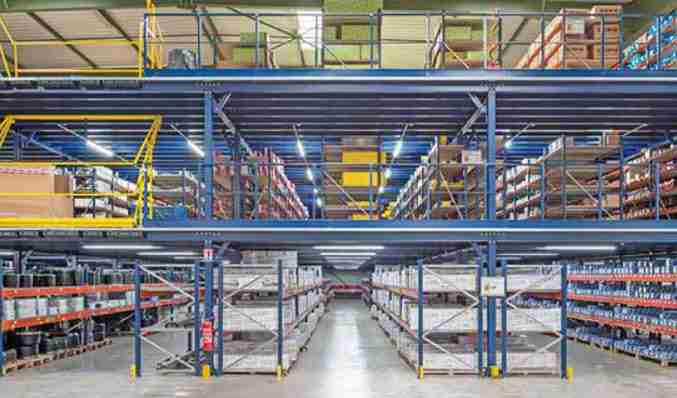
In today’s hyper-competitive market, businesses cannot afford to waste even a square inch of storage space. The right shelving solutions can serve as a game-changer, elevating your operational efficiency and ultimately your bottom line. One of the most effective options for maximizing space is pallet racking, a robust and flexible solution that caters to the needs of warehouses, retail outlets, and distribution centers alike.
Imagine a scenario where your warehouse is bursting at the seams—inventory piled high, aisles narrowed, and workers struggling to navigate through the chaos. By integrating pallet racking systems, you can streamline your storage space, allowing for vertical utilization without compromising accessibility. Unlike conventional shelving, pallet racking permits the stacking of heavy goods in a structured manner, which can significantly free up valuable floor space. For instance, a recent trend among retailers, sparked by the increase in e-commerce, has many assessing their warehousing strategies, seeking to maximize efficiency as online sales surge. Many are turning to pallet racking to accommodate their growing inventory needs while still maintaining an organized and easy-to-navigate workspace.
Consider leading retail giants like Amazon—they constantly reevaluate their storage strategies to enhance efficiency, often implementing advanced racking systems. Their innovative use of pallet racking not only supports their quick fulfillment goals but also contributes to an enhanced picking process, subsequently boosting overall productivity. When your shelving choices echo the practices of industry trailblazers, you’re more likely to see a marked improvement in your operational dynamics.
However, selecting the right pallet racking system doesn’t solely hinge on height and weight capacities. It also involves understanding your inventory turnover rates and product dimensions. For example, if your business deals in various types of merchandise, you could benefit from adjustable pallet racking, allowing you to modify shelf heights to accommodate different products effortlessly.
The question you must ask yourself is: Are you truly maximizing your space efficiency with current shelving choices? Failure to optimize your storage could cost you dearly, especially when competition is just a click away. Invest in pallet racking today, not just to save space but to position your business for greater efficiency and profitability. Remember, in storage solutions, as in life, every inch counts.
Are You Maximizing Space Efficiency with Your Shelving Choices?
Are You Maximizing Space Efficiency with Your Shelving Choices?
- Businesses must optimize storage space to remain competitive in today’s market.
- Pallet racking is a robust solution that maximizes vertical space in warehouses and retail outlets.
- Implementing pallet racking can alleviate inventory clutter and improve accessibility in storage areas.
- Retailers are increasingly adopting pallet racking to manage growing inventory needs driven by e-commerce.
- Aim for shelf systems that allow for the stacking of heavy goods and clear up floor space.
- Selecting the right pallet racking requires consideration of inventory turnover rates and product dimensions.
- Investing in pallet racking can enhance operational efficiency and profitability in a competitive landscape.
Are You Maximizing Space Efficiency with Your Shelving Choices?
Table Of Contents
- Are You Maximizing Space Efficiency with Your Shelving Choices?
- Have You Considered Adjustable Shelving Systems?
- Are You Organizing Items By Frequency Of Use?
- Is Your Shelving Material Durable Enough For Your Needs?
- Are You Grouping Similar Items For Easy Access?
- Have You Assessed The Weight Limits Of Your Shelves?
- Are You Using The Full Depth Of Your Shelving Units?
- Conclusion
- Other Resources
- Glossary Of Terms
- Other Questions
- Checklist
Have You Considered Adjustable Shelving Systems?
When it comes to maximizing storage space in warehouses and retail environments, have you considered the power of adjustable shelving systems? If you haven’t, it’s high time to rethink your storage strategy. As industries continue to adapt to the rapidly changing landscape, smart businesses are leveraging versatile solutions to stay ahead—including the implementation of adjustable shelving systems that can be tailored to meet their specific needs.
Now, let’s consider pallet racking, a backbone of efficient storage. Traditional fixed storage often leads to wasted vertical space and inflexible layouts. In contrast, adjustable shelving units can be easily modified to accommodate varying product sizes, ensuring you are not just storing items, but optimizing accessibility and efficiency. Whether it’s seasonal changes or shifts in inventory, the adaptability of these systems allows you to quickly respond to market dynamics without incurring hefty costs.
For example, think about your local grocery store. As trends shift—like the skyrocketing demand for plant-based foods—the ability to adjust shelving heights gives these retailers the flexibility to display new products without doing a complete overhaul. Similarly, e-commerce businesses have gravitated towards adjustable shelving to handle fluctuating inventory levels. As online shopping continues to surge, these companies are seeing their warehouses transformed into dynamic spaces that facilitate efficient product turnover.
Current trends in sustainability also highlight the value of adjustable shelving systems. With a greater emphasis on reducing waste and optimizing resources, businesses are recognizing that investing in these systems not only helps in managing space but also in promoting efficient operations. Imagine a furniture retailer that frequently shifts its display for seasonal promotions; having an adjustable shelving system allows them to minimize resource waste by re-using the same modular components to create varied display layouts.
Furthermore, consider that adjustable shelving systems are becoming increasingly cost-effective, with many suppliers now offering innovative designs that enhance strength and ease of assembly. This evolution means that your organization can benefit from customizable solutions without the significant capital outlay traditionally associated with custom storage solutions.
In the ever-competitive landscape of today’s marketplace, if you’re not thinking about how adjustable shelving systems can transform your operations, you risk falling behind. Embrace the flexibility and efficiency these systems bring. Adjust your perspective today—your storage solution should grow with you, not against you.
Have You Considered Adjustable Shelving Systems?
Have You Considered Adjustable Shelving Systems?
- Adjustable shelving systems are essential for maximizing storage space in warehouses and retail environments.
- These systems can be tailored to meet specific needs, optimizing accessibility and efficiency.
- Unlike traditional fixed storage, adjustable shelving accommodates varying product sizes and adapts to market changes.
- Retailers, like grocery stores, can adjust shelving heights to display new products without major renovations.
- Sustainability trends emphasize the value of adjustable shelving in reducing waste and optimizing resources.
- Innovative designs make adjustable shelving more cost-effective, allowing for customizable solutions without high capital costs.
- Businesses that embrace adjustable shelving systems stay competitive and responsive to changing market dynamics.
Have You Considered Adjustable Shelving Systems?
Are You Organizing Items By Frequency Of Use?
In today’s fast-paced world, efficiency is not just an advantage; it’s a necessity. As warehouses and retail operations adapt to the ever-evolving market landscape, the organization of inventory has taken center stage. Understanding the frequency of item use can dramatically enhance operational efficiency, reduce costs, and skyrocket productivity.
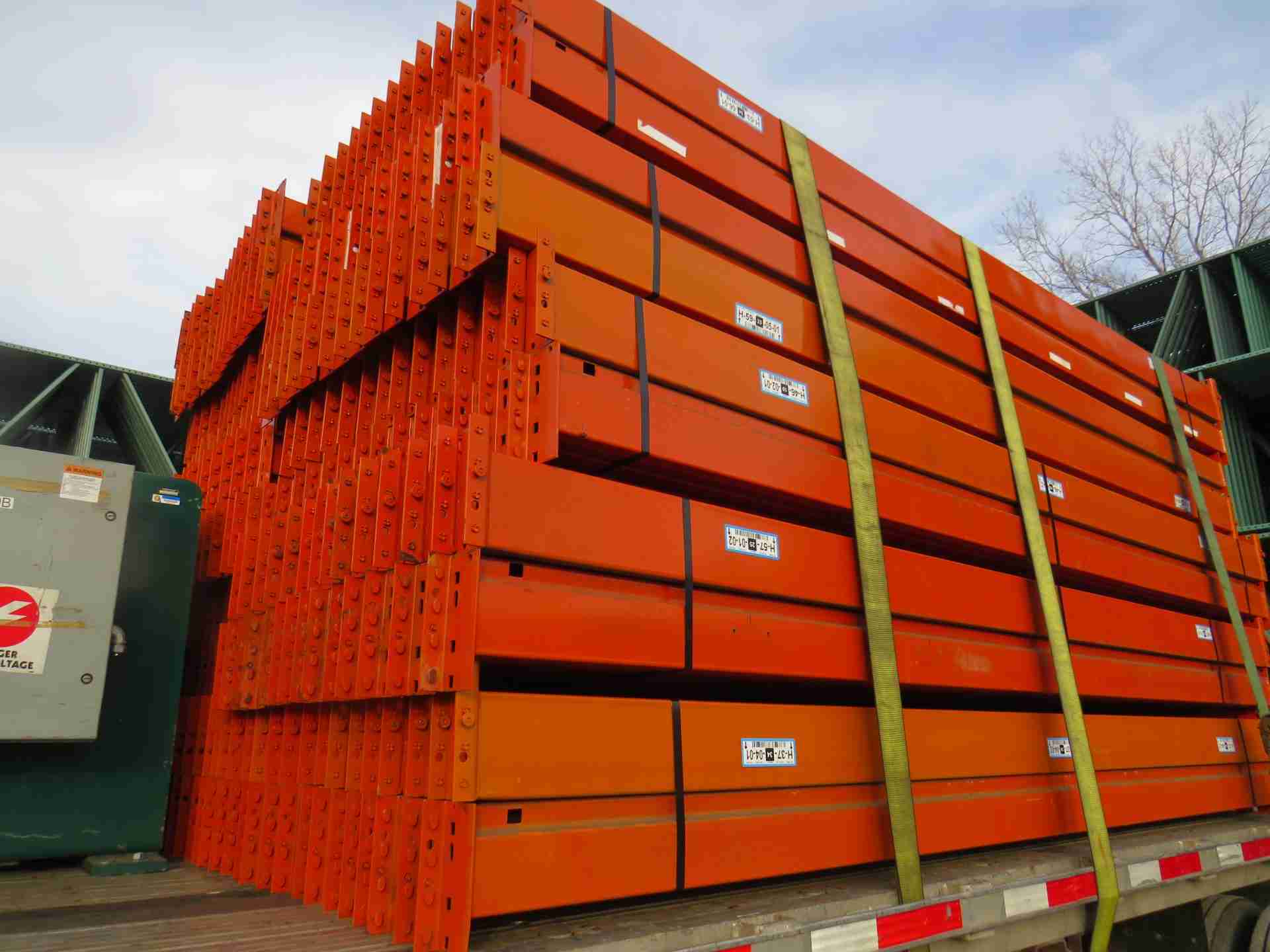
Consider the concept of Pallet Racking. This isn’t just a storage solution; it’s your golden ticket to optimizing space and time in your facility. Imagine you’re managing a warehouse stocked with hundreds, if not thousands, of different products. Wouldn’t it make sense to place high-turnover items in easy-to-reach locations? This is the art of organizing by frequency of use.
For example, during the recent surge in online shopping caused by global events, many companies faced overwhelming demand for certain products. Warehouses that took a strategic approach to organize their inventory by frequency saw a smoother workflow and quicker order fulfillment times. They positioned popular items like electronics and home essentials within arms’ reach on pallet racks, while less frequently purchased items were pushed to the back.
To illustrate further, think about a furniture store. Items like sofas and beds need to be easily accessible for customers wanting to test their comfort and fit. By organizing these higher-demand products on strategically placed pallet racks, the store not only enhances customer experience but also increases sales efficiency. Meanwhile, less popular home décor items can be stored higher up or in less accessible areas, allowing the floor staff to focus their time where it really counts.
Efficiently organizing items according to their frequency of use not only saves time but also quickens decision-making processes. Imagine the confusion that arises when an employee spends precious minutes hunting for a high-demand product. In the current climate—where rapid delivery has become a standard expectation—wasted time equates to lost revenue.
By adopting a system that prioritizes high-use items, companies can mitigate risks and capitalise on opportunities, ensuring that they remain agile and competitive in the marketplace. Think of it as fine-tuning your own supply chain engine. With organized pallet racking, your operation isn’t just running—it’s flying. Assess your current setup, reconsider item placements, and watch as efficiency skyrockets. The results could be transformative.

Are You Organizing Items By Frequency Of Use?
Are You Organizing Items By Frequency Of Use?
- Efficiency is essential in today’s fast-paced market, particularly for warehouses and retail operations.
- Organizing inventory by item use frequency can enhance operational efficiency, reduce costs, and boost productivity.
- Pallet racking serves as an effective storage solution, optimizing space and time in facilities.
- High-turnover items should be placed in easily accessible locations to streamline order fulfillment.
- Strategic inventory organization proved beneficial during the recent surge in online shopping demand.
- Organizing items by demand enhances customer experience and increases sales efficiency in retail environments.
- Prioritizing high-use items minimizes wasted time and improves overall competitiveness in the marketplace.
Are You Organizing Items By Frequency Of Use?
Is Your Shelving Material Durable Enough For Your Needs?
When it comes to storage solutions, the durability of your shelving material can mean the difference between launching a powerful, efficient operation and managing chaos that stifles productivity. Consider the recent supply chain disruptions that have caused many businesses to reassess their inventory management strategies. In today’s world, where every dollar counts, investing in robust shelving solutions is not just wise, it’s essential.
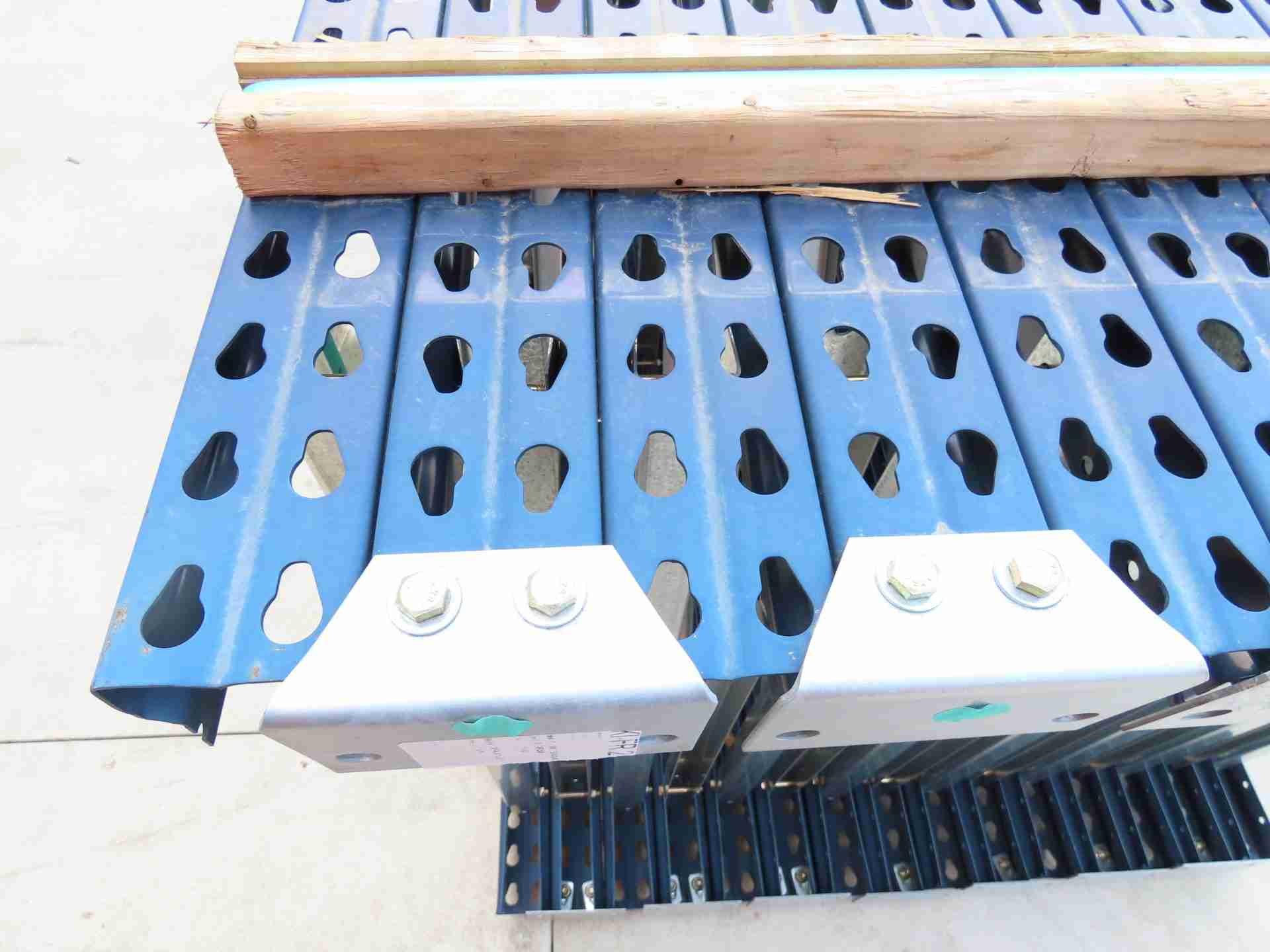
One of the most reliable options on the market today is pallet racking. This system is designed to handle heavy loads and is highly versatile, making it ideal for warehouses, distribution centers, and retail environments. If your operation deals with large quantities of stock—think e-commerce businesses that have surged in popularity over the past few years due to the pandemic—pallet racking is your best bet. It allows for maximum storage density while maintaining easy accessibility to your goods.
But how do you know if your current shelving material can withstand the demands of your operation? Start by assessing your specific needs. For example, if you frequently rearrange your inventory or experience seasonal fluctuations, you should look for adjustable shelving systems that can grow with your business. Metal shelving, in particular, offers unparalleled strength and stability, outlasting its wooden counterparts by a mile.
Let’s draw a parallel to current events. With the surge in online shopping, retailers have faced the urgency to scale operations rapidly. Big names have started incorporating heavy-duty shelving systems in their warehouses to accommodate quick turnover times. Just as they have decided to upgrade their storage solutions to prevent chaos, you should evaluate whether your shelving is capable of adapting to peaks in demand without compromising safety or efficiency.
Additionally, remember that your shelving is an investment. The cheap options may seem attractive initially, but consider the long-term cost. A flimsy shelving unit might lead to damaged goods, workplace accidents, and ultimately, diminished profits. Instead, focus on investing in durable materials that offer a solid return on investment.
As you assess your shelving needs, remember that every detail counts. Durable materials, designed to withstand the rigors of your specific setting, are not just a luxury—they are a necessity. Before you settle on any shelving solution, ask yourself: Is it robust enough for my operation? If not, it might be time for an upgrade, and pallet racking could just be the game-changer you need. Don’t let insufficient shelving hold you back—embrace the strength and longevity that come with the right choice!
Is Your Shelving Material Durable Enough For Your Needs?
Is Your Shelving Material Durable Enough For Your Needs?
- The durability of shelving material is crucial for effective operations and productivity.
- Pallet racking is a highly reliable storage solution, ideal for heavy loads in warehouses, distribution centers, and retail environments.
- Assess your shelving needs based on order volume and inventory management approaches.
- Adjustable shelving systems are recommended for businesses with changing inventory demands.
- Investing in durable shelving materials, like metal shelving, offers long-term benefits over cheaper alternatives.
- Evaluate current shelving capabilities to ensure they support peak demand while maintaining safety and efficiency.
- Consider upgrading to robust shelving solutions like pallet racking to enhance operational effectiveness.

Is Your Shelving Material Durable Enough For Your Needs?
Are You Grouping Similar Items For Easy Access?
In the world of inventory management, one of the most crucial strategies to boost efficiency and maximize profit is the art of grouping similar items for easy access. Whether you’re running a bustling warehouse, a retail store, or even an online business, implementing systems like pallet racking can significantly streamline your operations.
Imagine walking into a warehouse where items are haphazardly scattered, taking time and effort to locate each SKU. Now contrast that with a structured layout, where every item is categorized and easily accessible—this is where the power of organization shines. By grouping similar items together, not only do you save time, but you also reduce operational costs. Consider the current trends in e-commerce fulfillment; companies are racing to improve shipping times to meet consumer demand. The ability to quickly grab products off a pallet racking system can be the difference between a satisfied customer and a lost sale.
Let’s delve into a practical example. Picture a warehouse specializing in pet supplies. Instead of dispersing items across the space, why not arrange all dog products in one section, cat products in another, and accessories in yet another? This simply makes sense when considering your picking efficiency. Imagine your staff speeding through tasks because they know exactly where to find every item. Add to that the benefit of reduced human error, and you’ve engineered a recipe for success!
Moreover, current events suggest a growing emphasis on efficiency in global supply chains. For instance, as inflation continues to impact various sectors, businesses are feeling the pressure to cut costs. Intelligent use of pallet racking not only optimizes storage but also aids in inventory control, minimizing overstock and stockouts. Organizations can seamlessly track inventory levels while also adapting to the shifting demands of their customer base.
In today’s fast-paced environment, the capability to adapt is key. By investing in smart organization solutions like pallet racking and categorizing items logically, you position your business for agility amidst changing market conditions. Remember, effective grouping doesn’t just save space—it enhances operational flow and elevates customer satisfaction.
It’s time to step back and question whether your current inventory system works for you or against you. When you embrace the discipline of grouping similar items for easy access, you’re not just organizing; you’re amplifying your operational prowess and ultimately, your bottom line.

Are You Grouping Similar Items For Easy Access?
Are You Grouping Similar Items For Easy Access?
- Grouping similar items is essential for boosting efficiency and maximizing profit in inventory management.
- Implementing systems like pallet racking significantly streamlines warehouse and retail operations.
- A structured layout enhances item accessibility, saving time and reducing operational costs.
- Fast and efficient item retrieval is crucial in meeting e-commerce shipping demands and ensuring customer satisfaction.
- Organizing items by categories (e.g., separate sections for dog and cat products) boosts picking efficiency and reduces human error.
- Effective use of pallet racking aids in inventory control, minimizing overstock and stockouts in a cost-pressured environment.
- Investing in smart organization solutions positions businesses for agility and enhances operational flow and customer satisfaction.

Are You Grouping Similar Items For Easy Access?
Have You Assessed The Weight Limits Of Your Shelves?
When was the last time you really thought about the weight limits of your shelves? For many businesses, the cost of neglecting this essential detail could be catastrophic. Imagine a scenario where overloaded shelves lead to a market disruption—a fallen pallet racking system causing an injury or damaging inventory. The repercussions extend beyond lost products; they can shatter reputations and drain resources you’d rather spend on growth.
Let’s start with some simple math. A standard pallet rack typically supports anywhere from 1,500 to 3,000 pounds. If you’re thinking it’s enough to keep your goods safe, think again. One major retailer recently faced a public relations nightmare when overloaded shelves collapsed, resulting in both injury and costly litigation. This incident serves as a poignant reminder that an unchecked assumption about weight limits can lead to dire consequences. It’s not just about aesthetics; it’s about safety and liability.
Analyzing your shelves and their weight capacities should become a routine practice. It’s crucial to conduct a thorough assessment of your storage systems, particularly if you’re dealing with various products of differing weights. For instance, a warehouse filled with heavy machinery parts requires a different shelving strategy than one storing lightweight promotional materials. Employing robust pallet racking systems specifically designed to accommodate heavier loads can make all the difference.
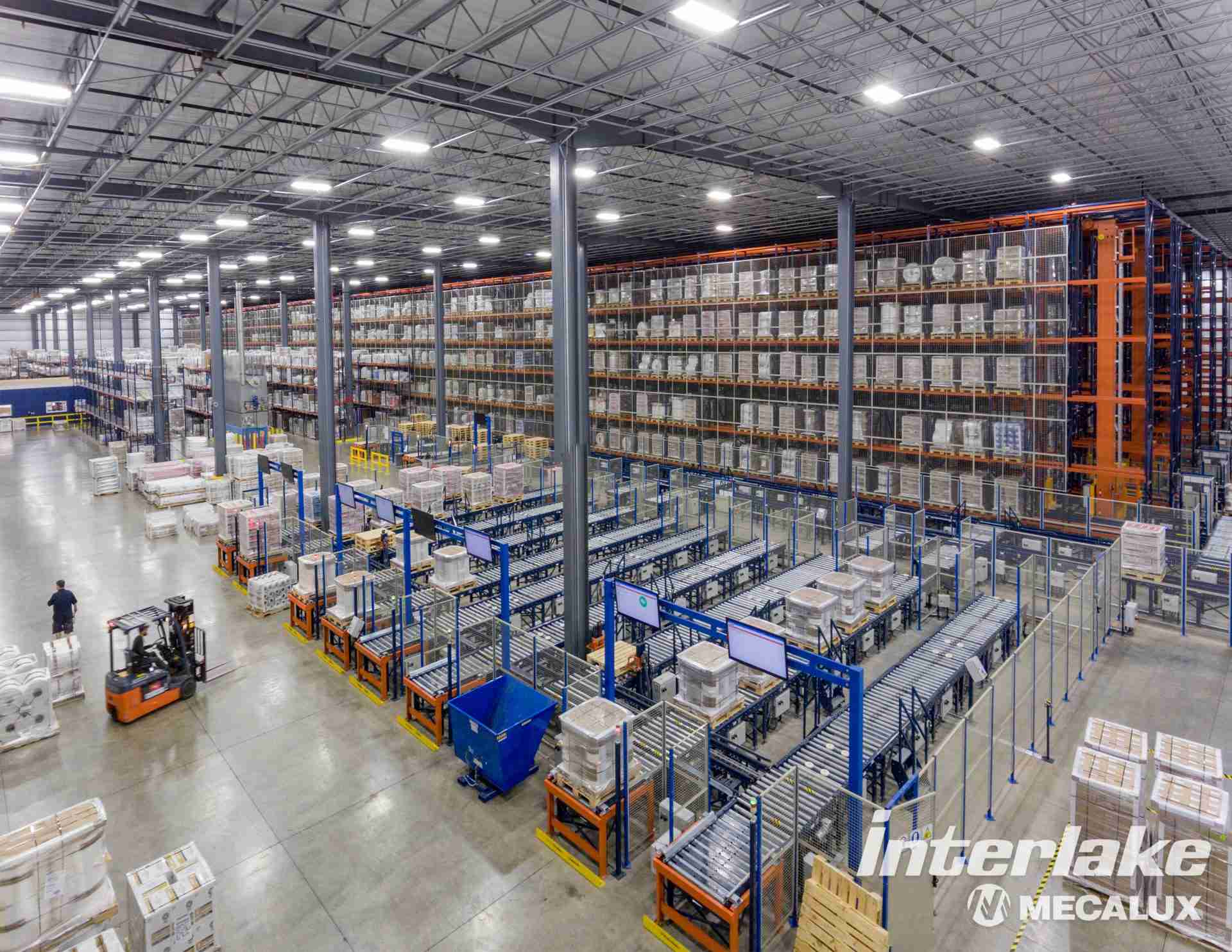
Moreover, with recent shifts in the supply chain dynamics, such as the ongoing impact of global shipping delays, optimizing your storage strategy is more important than ever. Many companies are now looking to improve their logistics by utilizing vertical space through high-density pallet racking. This not only maximizes storage capacity but can also allow for greater efficiency—when you know your limits, you can push them safely.
Let’s emphasize another crucial point: Employees should be trained to understand the weight limits before they start stacking. They need to recognize that less can be more when it comes to safely utilizing storage space. Conducting regular audits can reinforce these practices and prevent any overloading mishaps from occurring.
So, have you assessed the weight limits of your shelves? I urge you to visualize it not just as a mere statistic, but as an essential part of your operational backbone. A little diligence today can save you headaches, injuries, and costly mistakes tomorrow. Remember, a safe business is a profitable business—let’s keep the weight on your shelves, not on your shoulders!
Have You Assessed The Weight Limits Of Your Shelves?
Have You Assessed The Weight Limits Of Your Shelves?
- Reassessing shelf weight limits is crucial for business safety and efficiency.
- Overloaded shelves can lead to serious consequences, including injuries, inventory damage, and reputational harm.
- Standard pallet racks support between 1,500 to 3,000 pounds, but assumptions about their capacity can result in disaster.
- Regular assessments of storage systems are essential, especially when handling products with varying weights.
- Adopting high-density pallet racking can optimize storage capacity and improve logistics efficiency.
- Employee training on weight limits and conducting regular audits can prevent loading mishaps.
- Prioritizing shelf weight assessments contributes to operational safety and profitability.
Have You Assessed The Weight Limits Of Your Shelves?
Are You Using The Full Depth Of Your Shelving Units?
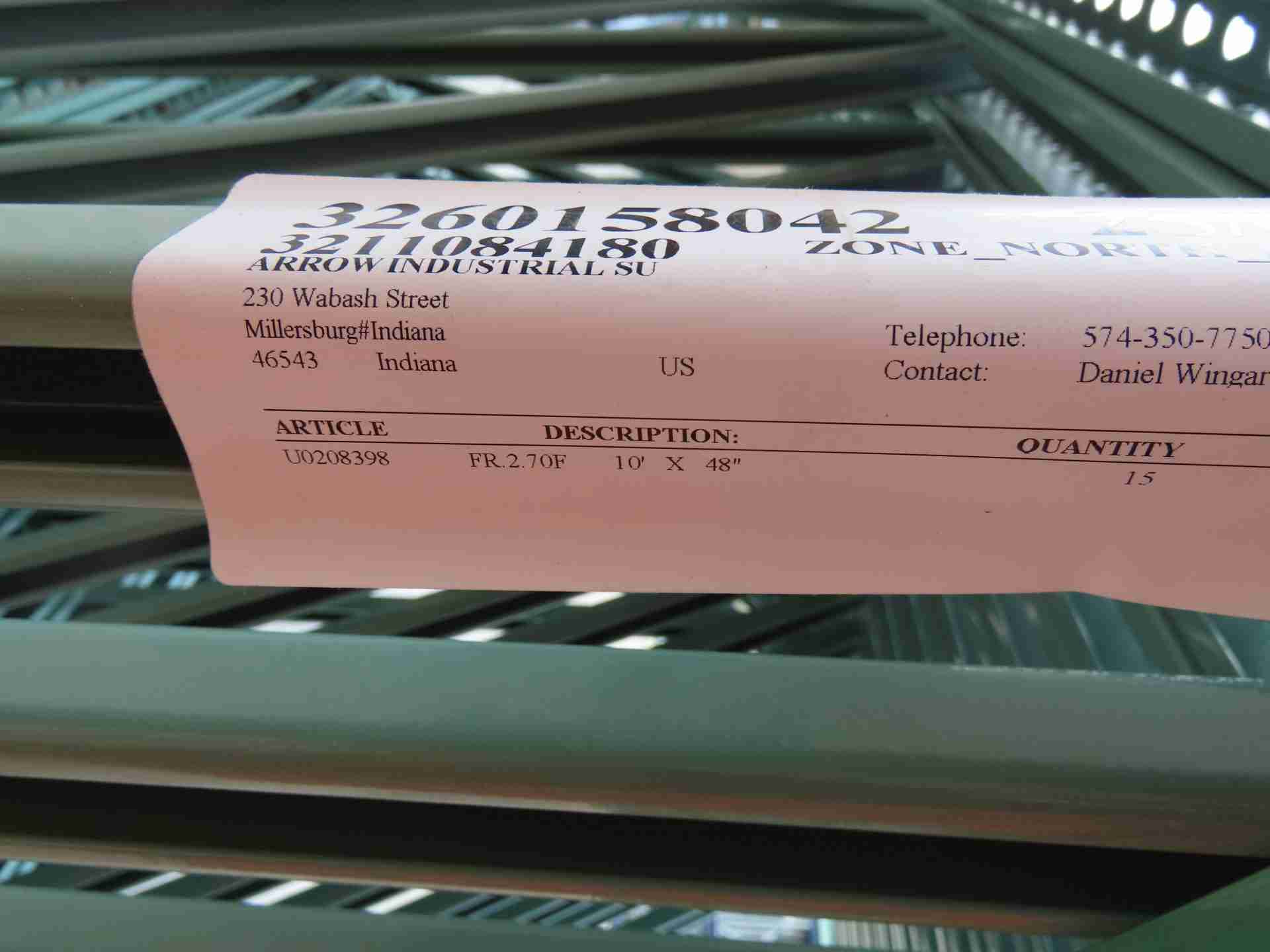
When it comes to maximizing storage capacity and boosting efficiency, many businesses overlook one critical element: the depth of their shelving units. Are you utilizing every inch of that valuable real estate? If not, you’re not just wasting space; you’re leaving profit on the table.
Let’s talk about pallet racking. This powerful storage solution is designed to hold a variety of products, and it does so efficiently when implemented correctly. Yet, many warehouses and retail spaces fall victim to the “out of sight, out of mind” mentality, relegating deep shelving units to mere decoration rather than functional assets.
Imagine walking into your warehouse and spotting stacks of merchandise tucked away in the far corners of your pallet racking. You know the product is there, but accessing it can feel like an expedition. Each visit could mean lost time for employees and a lag in fulfilling orders. Conversely, consider rearranging those shelves to ensure that you can access items deeper in the rack without having to dig or dismantle an entire section. This simple adjustment can dramatically boost your profitability by enhancing accessibility and streamlining operations.
In recent months, as supply chain disruptions have affected many businesses, optimizing storage configurations has become more vital than ever. Companies that embrace the full depth of their shelving units have not only mitigated some of these challenges but have also capitalized on newfound efficiencies. For example, retailers that adopted vertical storage solutions—making full use of their shelving height and depth—saw improved inventory flow and reduced operational delays.
Furthermore, leverage technology to ensure you’re using these units to their full capabilities. Automated inventory management systems can help track what’s stored in every corner of your pallet racking. No more guesswork, no more time wasted.
In short, whether you’re in e-commerce, retail, or manufacturing, it’s time to audit your shelving units. Analyze their depth, optimize your layout, and employ the right tools to manage your inventory better. The potential gains are enormous, and in today’s competitive landscape, the ability to pivot quickly and efficiently could be the difference between merely surviving and thriving. Don’t let those valuable resources sit idle—maximize their utilization and watch your profit margins climb.
Are You Using The Full Depth Of Your Shelving Units?
Are You Using The Full Depth Of Your Shelving Units?
- Maximizing storage capacity includes evaluating the depth of shelving units.
- Pallet racking is a versatile storage solution that enhances efficiency when used correctly.
- Many businesses neglect deep shelving units, treating them as decorative rather than functional.
- Rearranging shelves for easier access can reduce time lost in fulfilling orders and increase profitability.
- In the wake of supply chain disruptions, optimizing storage configurations has become essential.
- Implementing automated inventory management systems can maximize the effectiveness of pallet racking.
- Audit your shelving to ensure optimal layout and management tools to improve stock utilization and boost profits.

Are You Using The Full Depth Of Your Shelving Units?
Conclusion
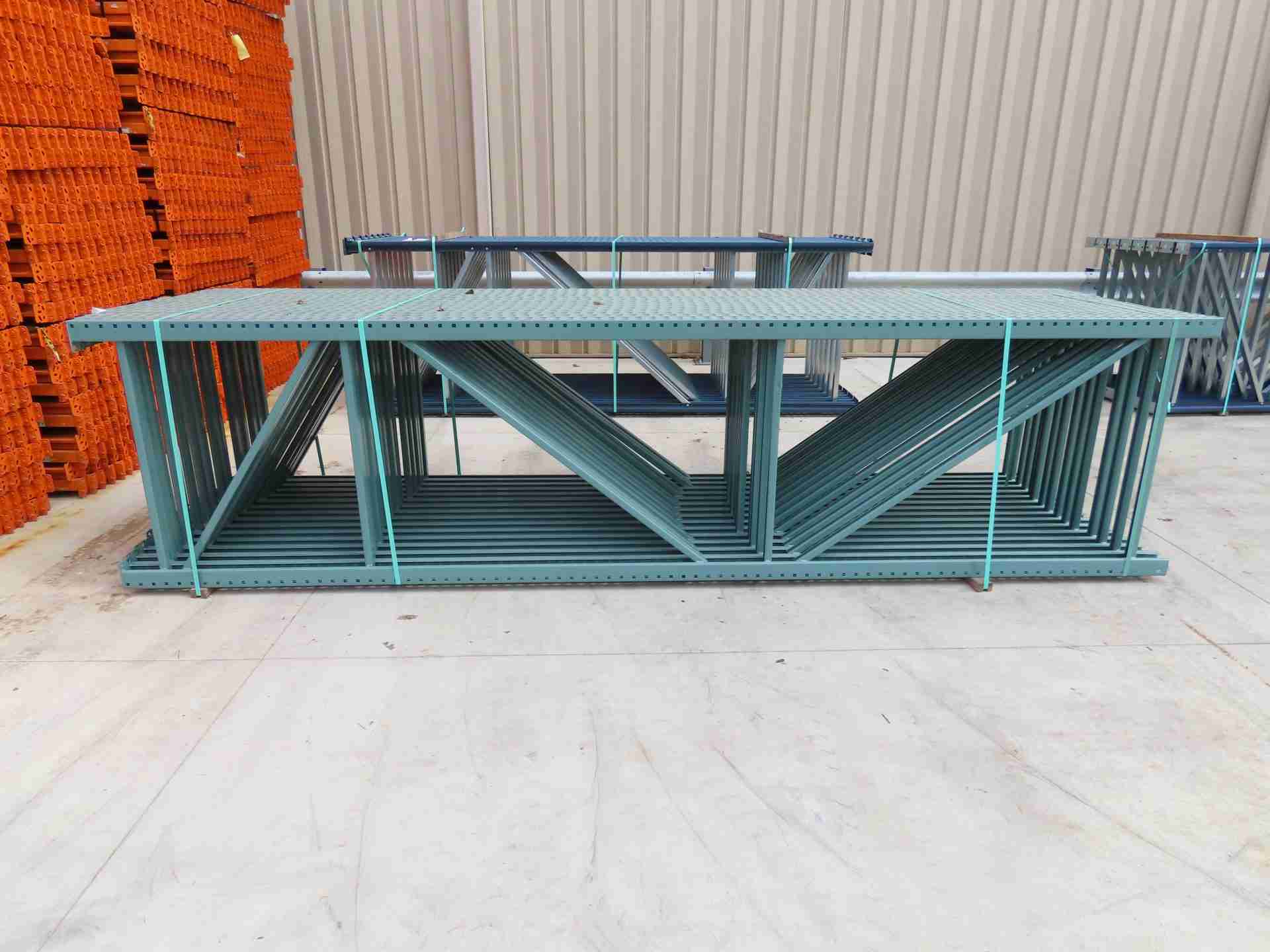
As we wrap up this discussion on maximizing your shelving effectiveness, it’s clear that the decisions you make today can be the pivot point that defines your business’s future—nestled right between chaos and order. The question is simple yet profound: are you truly maximizing space efficiency with your shelving choices? The wrong shelving system can lead to wasted space, operational inefficiencies, or worse—a competition crisis.
Conversely, strategic shelving solutions such as pallet racking and adjustable shelving empower you to unlock the hidden potential of your storage environment. Imagine not just saving precious square footage but enhancing accessibility, speeding up order fulfillment, and enabling your team to operate smoothly in a fast-paced market. With rapid e-commerce growth and shifting consumer behaviors, the need for adaptable storage solutions is more pressing than ever. Innovative leaders like Amazon exemplify how smart shelving can lead to incredible efficiency gains, setting a precedent for businesses ready to elevate their game.
But this isn’t merely about adapting; it’s about thriving. Are you organizing your inventory by frequency of use? Are you ensuring the durability of your shelving systems? Have you assessed the weight limits and full depth of your units? Each step you take in auditing these critical aspects lays a foundation for sustainable growth and profitability. Don’t let poor shelving decisions become the bottleneck of your success.
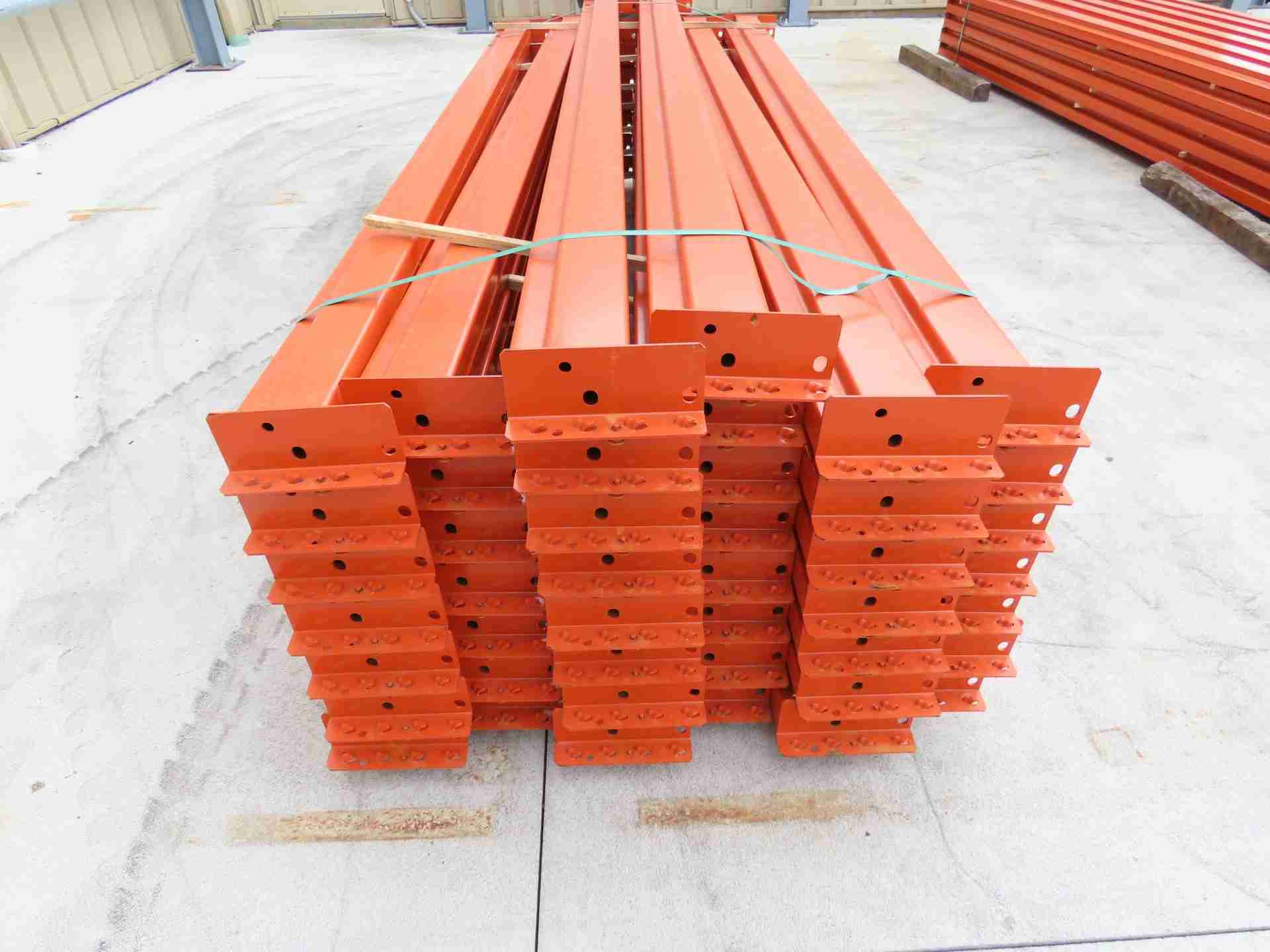
At Arrow Industrial Sales, we understand these challenges, and we’re here to provide you with tailored solutions that fit your unique business needs. With industry expertise, we offer state-of-the-art shelving systems designed to maximize your space effectively, enabling you to keep pace in a competitive landscape.
Now is the time to act. Don’t let the opportunity for enhanced efficiency slip through your fingers. Call Arrow Industrial Sales at (574) 349-6575 to discuss how we can help streamline your operations and achieve unparalleled storage effectiveness before your competition does. Space is money and in today’s market, every inch counts. Your success story begins with a single phone call—make it today!
Conclusion
Conclusion:
- Maximizing shelving effectiveness is crucial for business success.
- Choosing the right shelving system enhances space efficiency and operational effectiveness.
- Strategic shelving solutions, such as pallet racking and adjustable shelving, unlock hidden storage potential.
- Effective shelving improves accessibility, speeds up order fulfillment, and supports smooth operations.
- Organizing inventory by frequency of use and ensuring shelving durability is essential for growth.
- Arrow Industrial Sales offers tailored shelving solutions to meet unique business needs.
- Contact Arrow Industrial Sales to enhance operational efficiency and maximize storage effectiveness today.
Conclusion
Other Resources
Other Resources
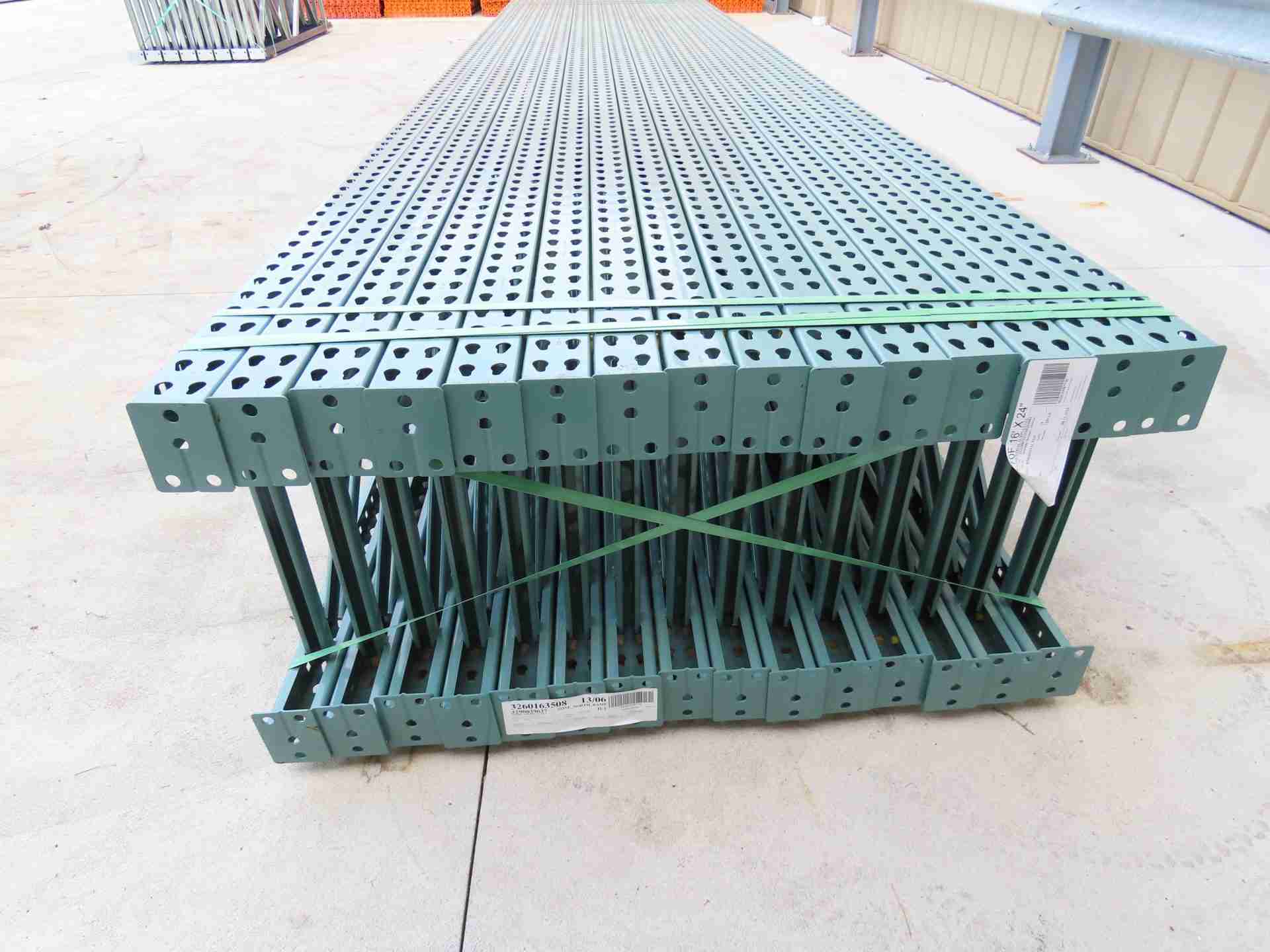
Here is a list of other resources you can review online to learn more:
- Storage Equipment Manufacturers Association
- Selective Rack – Raymond West
- BMH
- IIWS Inc. Rack Installation Illinois & Rack Repairs Illinois
- Illinois Pallet Racking – Storage Solutions
- IWLA
- Arrow Industrial Sales
- Mustang Material Handling
- Pallet Racking systems in Illinois and Great Lakes
- BMH Equipment LLC
Use This Prompt To Get More Resources With Your Favorite Online AI Tool: Please provide me with a list of online articles with their URLs in a bulleted list that I can read regarding Are You Maximizing Space Efficiency with Your Shelving Choices?
Other Resources
Glossary Terms
Are You Maximizing Space Efficiency with Your Shelving Choices? – Glossary Of Terms
1. Shelving: The process or system of installing shelves to organize and store items efficiently.
2. Space Efficiency: Optimize the usage of available space to store more items without overcrowding or sacrificing accessibility.
3. Vertical Storage: Utilizing the height of a room by installing shelves or racks that go from floor to ceiling.
4. Modular Shelving: Flexible shelving systems made up of interchangeable components that can be customized to fit various spaces.
5. Adjustable Shelves: Shelves that can be repositioned at different heights to accommodate objects of varying sizes.
6. Open Shelving: Shelves without doors that allow for easy access and visibility, often used in kitchens and libraries.
7. Floating Shelves: Shelves mounted directly on walls without visible brackets, providing a clean, minimalist look and maximizing floor space.
8. Corner Shelving: Shelving units designed to fit into corners of a room, maximizing often-overlooked areas.
9. Wall-Mounted Shelves: Shelves affixed to walls, creating additional storage without consuming floor space.
10. Shelf Depth: The measure from the front to the back of a shelf, impacting how much space is used for storing items.
11. Load Capacity: The maximum weight a shelf can safely hold, important for ensuring structural integrity and safety.
12. Storage Density: The amount of goods stored in a given volume of space, measuring the effectiveness of shelving solutions.
13. Clearance Space: The empty space above a shelf required for accessing and organizing items safely.
14. Cabinet Shelves: Shelves enclosed within cabinets, which provide hidden storage and help maintain a tidy appearance.
15. Wire Shelving: Shelving made from interlocking metal wires, offering aeration and visibility for items stored.
16. Built-in Shelving: Customized shelving integrated into the architecture of a home or office, maximizing available space.
17. Shelving Unit: A standalone structure composed of multiple shelves, often removable for flexibility.
18. Storage Bins: Containers used to group and organize items on shelves, enhancing accessibility and organization.
19. Labeling: The practice of marking items or storage areas to promote efficient retrieval and organization.
20. Accessibility: The ease with which stored items can be reached, critical for maintaining efficient storage systems.
21. Clutter Management: Strategies for reducing excess items and organizing remaining possessions into functional storage solutions.
22. Pantry Shelving: Specialized shelving designed for storing food items, often adjustable and maximized for space efficiency.
23. Bookshelf: A specific type of shelving primarily used to store books, often built to accommodate varying book sizes.
24. Toolshed Shelving: Sturdy shelving solutions designed for storing tools and outdoor equipment, emphasizing durability and organization.
25. Filing Shelves: Shelving units designed to organize documents and files within offices or home workspaces.
26. Custom Shelving: Tailored shelving solutions designed to meet specific storage needs and spatial constraints.
27. Oversized Storage: Shelving solutions designed for large or bulky items, allowing for efficient space utilization.
28. Reinforced Shelving: Shelves that have been strengthened to support heavier items, ensuring safety and stability.
29. Aesthetic Design: The consideration of visual appeal in shelving choices, combining functionality with design style.
30. Space Planning: The process of designing storage space layouts for optimal flow and usage, often involving shelving arrangements.
Glossary Of Terms
Other Questions
Are You Maximizing Space Efficiency with Your Shelving Choices? – Other Questions
If you wish to explore and discover more, consider looking for answers to these questions:
- What are the benefits of using pallet racking over traditional shelving?
- How can businesses choose the right type of shelving for their needs?
- What factors should be considered when selecting adjustable shelving systems?
- How can businesses effectively organize inventory by frequency of use?
- What materials are recommended for durable shelving in various industries?
- What are the potential risks of inadequate shelving weight limits?
- How do I ensure my shelving units are being used to their full capacity?
- Are there cost-effective options for customizable shelving solutions?
- What role does technology play in optimizing storage solutions?
- How can businesses track inventory levels effectively with different shelving systems?
- What are some common mistakes businesses make with their shelving choices?
- How can clustering similar items improve warehouse efficiency?
- Are there industry standards for shelving weight capacities?
- How can pallet racking assist with quick fulfillment goals in e-commerce?
- What are the latest innovations in shelving and storage solutions?
Other Questions
Checklist
Are You Maximizing Space Efficiency with Your Shelving Choices? – A Checklist
1. Evaluate Your Current Shelving System
_____ Are you using a shelving system that supports vertical utilization?
_____ Have you assessed the effectiveness of pallet racking for your space?
_____ Are you currently taking full advantage of adjustable shelving systems?
2. Consider Inventory Organization
_____ Have you organized items by their frequency of use?
_____ Are high-turnover items easily accessible in your shelving configuration?
_____ Are similar items grouped together for quick access?
3. Assess Shelf Material and Durability
_____ Is your shelving material durable enough for the weight of your inventory?
_____ Have you evaluated the impact of shelf material on operational efficiency?
_____ Are you using metal shelving systems for heavy loads instead of wood?
4. Analyze Load Capacity and Safety
_____ Have you checked the weight limits of your shelves?
_____ Are staff trained to adhere to weight limits when stocking shelves?
_____ Do regular audits of shelf weight capacity take place to ensure compliance?
5. Optimize Full Depth of Shelving Units
_____ Are you utilizing all available depth in your shelving layout?
_____ Have you rearranged shelves to improve access to deeper items?
_____ Are you using technology to track items stored in deep shelving?
6. Review Flexibility of Storage Solutions
_____ Has your shelving system adapted to seasonal changes in inventory?
_____ Are your shelving solutions customizable based on inventory fluctuations?
_____ Have you implemented systems that promote reusability of shelving components?
7. Evaluate Space Utilization Regularly
_____ Is there a routine for assessing space efficiency in your operational setup?
_____ Are you open to integrating new shelving solutions as your needs evolve?
_____ Do you continuously monitor and adjust shelving layout for maximum efficiency?
8. Foster a Culture of Efficiency
_____ Do you encourage employees to contribute ideas for improving shelving organization?
_____ Are regular training sessions held to ensure best practices in inventory management?
_____ Is there an atmosphere of accountability regarding maintaining an efficient workspace?
By regularly following this checklist, you can ensure that your shelving choices are optimized for maximum space efficiency, contributing positively to your operational dynamics and overall profitability. Take action today—every inch counts!

Checklist
At RackingWorld, we help guide you through selecting warehouse storage systems and racking.
Be sure to read our other related stories at RackingWorld to learn more about warehouse storage systems.
0 Comments