
Upgrade Your Warehouse: Avoid Outdated Pallet Racking Locally
By Tom Seest
At RackingWorld, we help guide you through selecting warehouse storage systems and racking.
Be sure to read our other related stories at RackingWorld to learn more about warehouse storage systems.
Are You Buying Outdated Pallet Racking Models Locally?
In today’s fast-paced warehousing and distribution environment, efficiency is king. But are you still clinging to outdated pallet racking models that could be costing you not just space, but also time and money? It’s crucial to evaluate whether your local supplier is offering the latest in pallet racking technology or merely offloading last year’s inventory.
Consider this: the supply chain disruptions witnessed during the COVID-19 pandemic forced many businesses to rethink their storage needs. Companies that upgraded to modern pallet racking systems were able to optimize their warehouse layouts, maximizing vertical space and improving retrieval times. In contrast, those relying on outdated models struggled to adapt, leading to slower operations and increased overhead costs.
Imagine a warehouse that’s bursting at the seams with inventory. You might think that just stacking more pallets on a traditional racking system will solve the problem. Think again! Outdated pallet racking lacks the flexibility and safety features found in contemporary designs, such as adjustable rail systems and improved load capacities. Newer models not only reduce the risk of accidents but also improve accessibility to your products, which is vital in a market that values speed and efficiency.
Let’s take a look at a leading company in the automotive parts industry. Last year, they made the leap to modern pallet racking solutions and saw an immediate return on investment. Their operational costs decreased by 20%, and employee productivity skyrocketed. This is not just an isolated case; it mirrors a broader trend in industries ranging from e-commerce to retail. Businesses that adapt are the ones that thrive.
What about your local suppliers? Are they still pushing antiquated models that could impact your efficiency? Invest your resources wisely—seek out suppliers who offer the latest innovations in pallet racking. Look for features such as increased load-bearing capacity, customizable configurations, and compatibility with advanced warehouse management systems. By staying ahead of the trends, your business can not only enhance its operational flow but also reduce costs in the long run.
So, the next time you’re in the market for pallet racking, ask yourself: Are you settling for outdated models simply because they’re local? Or are you committed to investing in a solution that drives growth and success? Remember, in this competitive landscape, cutting corners today can lead to bigger headaches tomorrow. Choose wisely, and watch your business flourish.
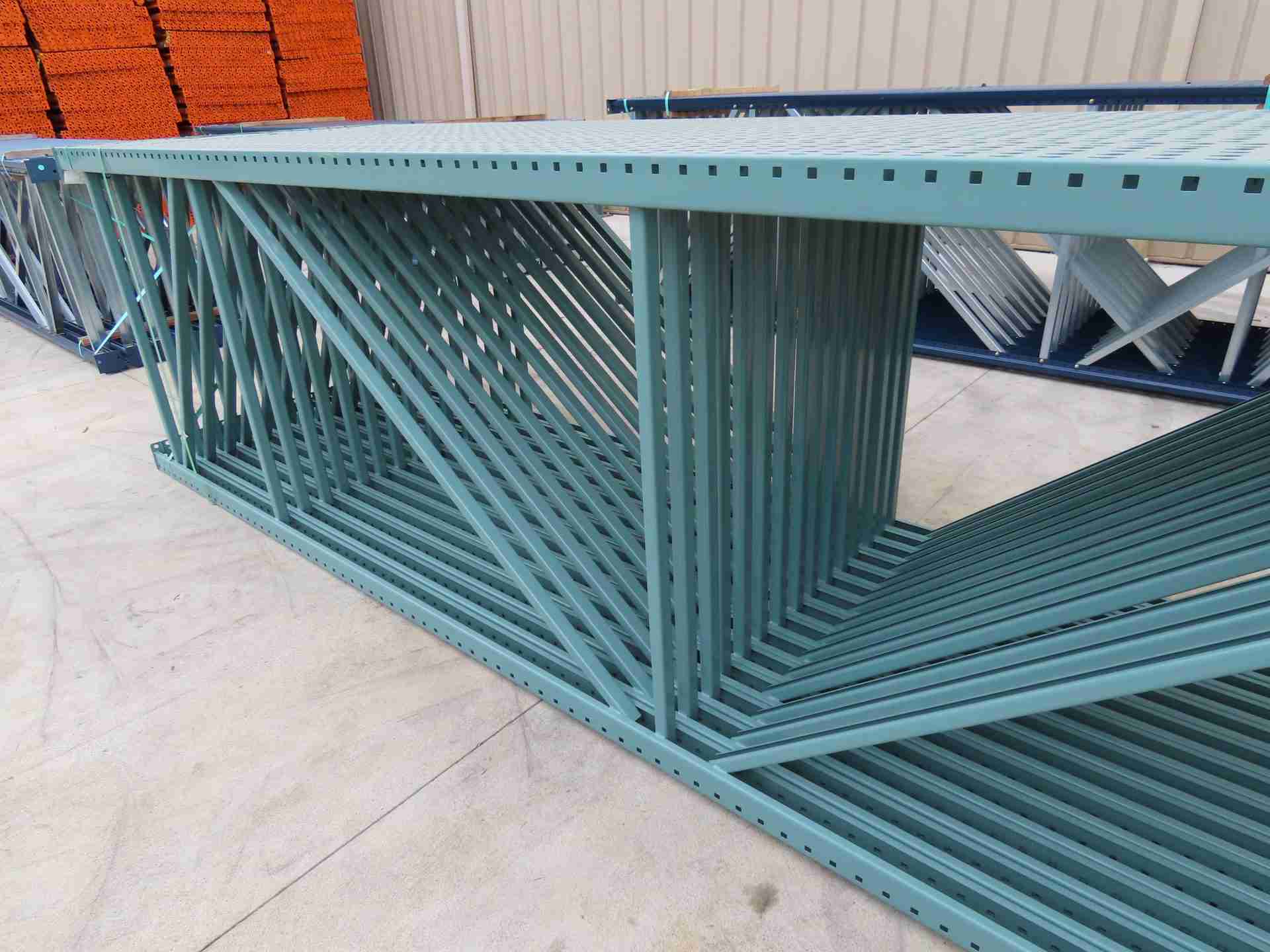
Are You Buying Outdated Pallet Racking Models Locally?
Are You Buying Outdated Pallet Racking Models Locally?
- Efficiency is critical in modern warehousing and distribution environments.
- Outdated pallet racking models can waste space, time, and money.
- COVID-19 disruptions prompted businesses to reassess their storage needs.
- Modern pallet racking systems optimize warehouse layouts and improve retrieval times.
- New designs offer flexibility, safety features, and better accessibility compared to traditional models.
- Adopting advanced pallet racking can lead to significant operational cost reductions and increased productivity.
- Choose suppliers who provide the latest innovations to enhance operational flow and reduce long-term costs.
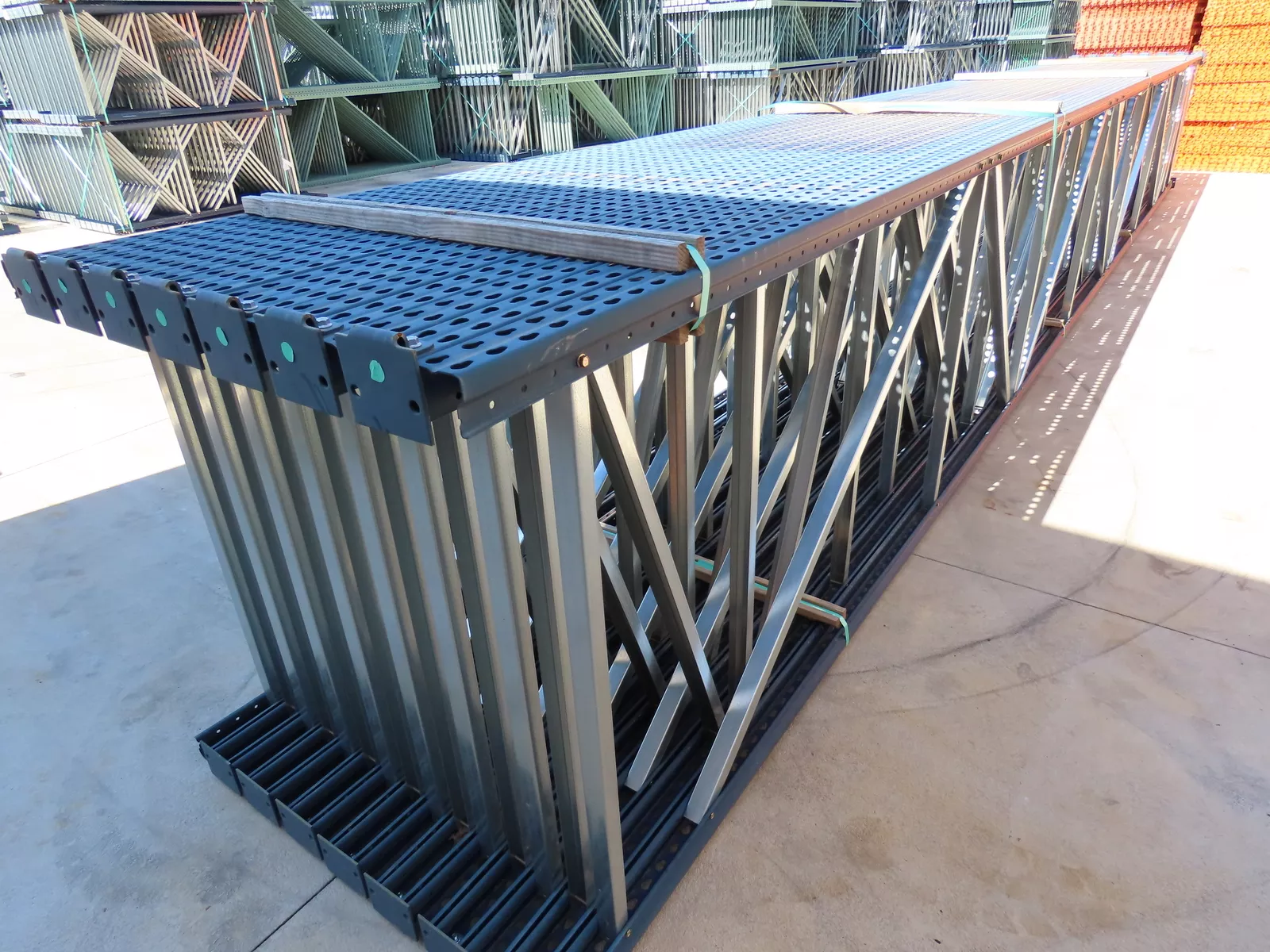
Are You Buying Outdated Pallet Racking Models Locally?
Table Of Contents
- Are You Buying Outdated Pallet Racking Models Locally?
- What Are The Signs Of Outdated Pallet Racking Models?
- How Can I Identify The Right Pallet Racking For My Needs?
- What Safety Risks Are Associated With Outdated Pallet Racking?
- How Do Outdated Models Impact Warehouse Efficiency?
- What Are The Costs Of Replacing Outdated Pallet Racking?
- Where Can I Find The Latest Pallet Racking Models?
- Conclusion
- Other Resources
- Glossary Of Terms
- Other Questions
- Checklist
What Are The Signs Of Outdated Pallet Racking Models?
When it comes to warehouse efficiency, your pallet racking systems serve as the backbone of your operations. However, using outdated pallet racking can severely limit not only your productivity but also your bottom line. Identifying the signs of outdated models is crucial for any savvy business owner looking to scale operations in today’s fast-paced, ever-evolving market.
First, let’s talk about safety. Old or worn-out pallet racking can create hazardous conditions for your employees and your inventory. If you notice signs of rust, dents, or structural weakness, it’s time to upgrade. Recent headlines have highlighted companies facing significant legal costs due to accidents linked to faulty racking systems. Investing in modern, durable pallet racking can safeguard your workforce and protect your interests. Remember, safety is not just about compliance—it’s about building a reputation as a safe and reliable business.
Next, consider the flexibility of your storage solutions. The retail sector is a prime example of rapid change, especially given the recent shifts towards online shopping. Many traditional racking systems can’t support the diverse range of merchandise created by today’s retailers, from pallets of goods to smaller pick-pack items. If your pallet racking doesn’t allow for easy reconfiguration or expansion as your inventory requirements change, you’re forcing your business to live in a box—literally and figuratively!
Furthermore, evaluate your inventory management efficiency. Outdated pallet racking can lead to unnecessary delays as staff struggle to locate items or navigate cramped rows. If your workforce spends more time moving clutter obstructing your aisles rather than delivering value, you’re effectively wasting precious labor hours. In this era of supply chain disruptions, companies that utilize efficient systems are more likely to stay ahead of the competition.
Finally, consider the technology integration with your pallet racking models. As we see advancements in automation and inventory tracking, your outdated racking may not be compatible with modern tracking technologies that can enhance your operations. The rise of RFID tagging and smart software requires an adaptable pallet racking system to ensure seamless integration.
Recognizing the signs of outdated pallet racking can save your business time, money, and resources. From safety concerns and flexibility challenges to efficiency bottlenecks and tech compatibility issues, it is imperative to evaluate your current model and invest in an upgrade that meets today’s demands. Remember, in the fast-paced world of logistics and warehousing, complacency has a steep price. Don’t let outdated pallet racking models hold your business back!
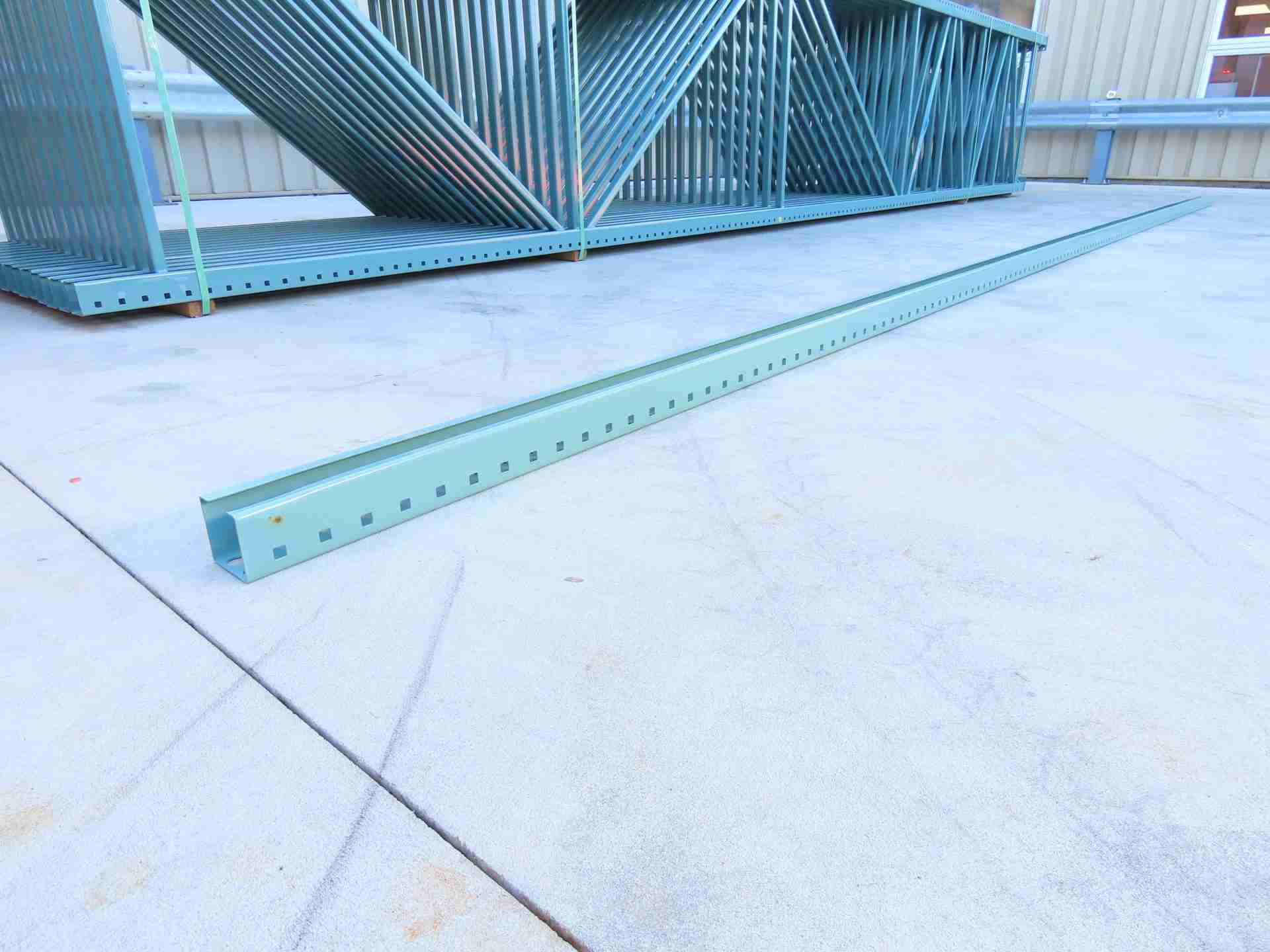
What Are The Signs Of Outdated Pallet Racking Models?
What Are The Signs Of Outdated Pallet Racking Models?
- Pallet racking systems are essential for warehouse efficiency and productivity.
- Outdated pallet racking can lead to safety hazards and potential legal costs.
- Signs of wear, such as rust and structural weaknesses, indicate the need for an upgrade.
- Modern racking systems offer flexibility to adapt to changing inventory needs, especially in retail.
- Inefficient inventory management due to outdated racking can waste labor hours and slow operations.
- Compatibility with automation and inventory tracking technologies is crucial for operational efficiency.
- Investing in updated pallet racking can save time and resources while enhancing your business reputation.
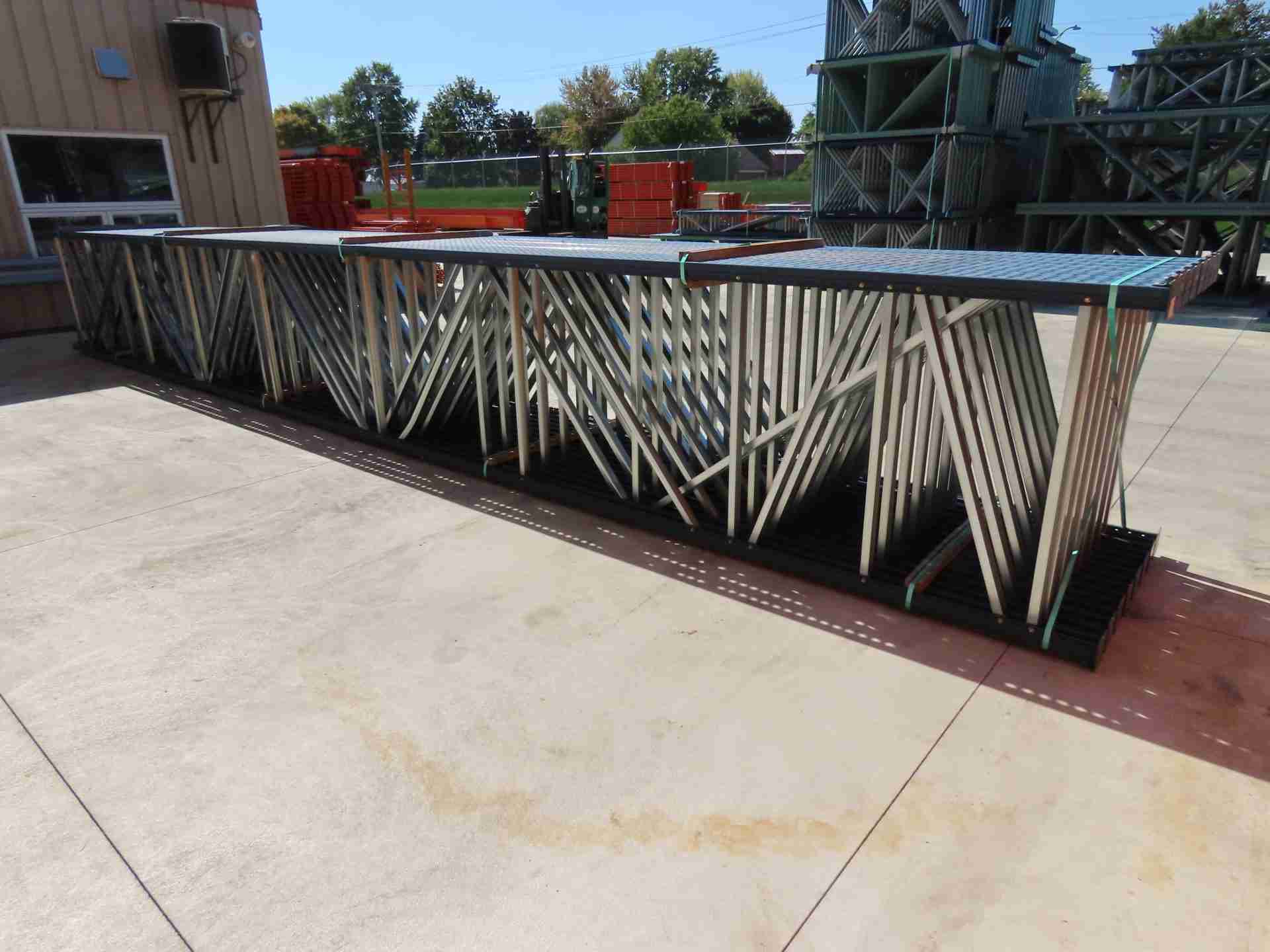
What Are The Signs Of Outdated Pallet Racking Models?
How Can I Identify The Right Pallet Racking For My Needs?
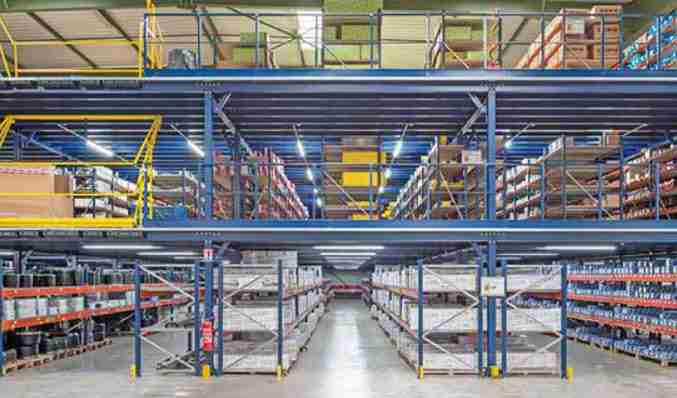
When it comes to optimizing your warehouse space, choosing the right pallet racking system can make or break your operational efficiency. In today’s fast-paced business environment, the right rack not only enhances storage but also maximizes productivity and safety. Here’s how to pinpoint the perfect pallet racking for your specific needs.
First, assess the type and volume of inventory you handle. Are your goods bulky or small? For instance, if you’re storing heavy appliances, consider a selective pallet racking system, which allows easy access to each pallet. This system may not maximize vertical space fully, but it gives you flexibility and fast access, crucial for a busy inventory rotation. On the other hand, if you’re managing smaller items in high volumes, drive-in racking could work wonders, enabling you to store pallets using a first-in-last-out (FILO) method. April 2023’s supply chain disruptions highlighted the necessity for rapid adaptability; wielding the right rack system can yield competitive advantages during such events.
Next, think about your available space. Warehouse constraints often dictate your choices. If you’re blessed with square footage but lack height, a double-deep pallet racking system can double your storage density without requiring additional ground space. Conversely, if you have ample vertical clearance, consider vertical racking solutions. This strategy came into sharp focus in early 2023 when companies sought to apply lessons learned from pandemic-induced stock shortages—emphasizing not just the type of products stored but their accessibility and flow.
Costs and your budget should never be underestimated. While it’s tempting to opt for the cheapest installation, remember quality and longevity are vital. Choosing a robust shuttle racking system may involve higher upfront costs, but these innovations can significantly streamline operations, as companies realized in recent years when they shifted focus from cost-saving alone to efficiency-driven investments.
Lastly, consult the experts. A great pallet racking provider will offer not just products, but insights tailored to your business needs. They can guide you through technical specs and safety regulations, especially important in industries where compliance is non-negotiable.
Identifying the right pallet racking is a strategic decision that impacts not just your current operations but future growth possibilities. By understanding your inventory, space, budget, and leveraging expert advice, you can create a storage solution that’s as agile and responsive as today’s marketplace demands.
How Can I Identify The Right Pallet Racking For My Needs?
How Can I Identify The Right Pallet Racking For My Needs?
- Choosing the right pallet racking system enhances warehouse space utilization and improves operational efficiency.
- Assess the type and volume of inventory; for bulky items, consider selective pallet racking for easy access.
- For smaller items in high volumes, drive-in racking allows efficient first-in-last-out storage.
- Warehouse space constraints will determine suitable racking options, such as double-deep racking for ground-space optimization.
- Higher upfront costs for robust systems can lead to long-term efficiency benefits, contrary to opting for cheaper alternatives.
- Expert consultation can provide tailored insights on technical specifications and compliance requirements.
- The right racking decision influences present operations and future growth potential in a rapidly changing market.
How Can I Identify The Right Pallet Racking For My Needs?
What Safety Risks Are Associated With Outdated Pallet Racking?
In the bustling world of warehousing, efficiency and safety should never be sacrificed. However, many facilities still rely on outdated pallet racking systems that pose significant safety risks. When you consider that the primary function of pallet racking is to store goods securely, it is alarming to discover how many warehouses neglect this critical aspect of their infrastructure.
Consider a recent incident at a major distribution center where a collapsed pallet rack resulted in injuries to several employees. Investigations revealed that the racking system had become weakened over time due to corrosion and improper maintenance. This incident serves as a wake-up call; outdated pallet racking can lead to catastrophic failures that affect not just physical products but also the lives of workers.
One of the primary risks associated with outdated pallet racking is structural integrity. Over time, wear and tear can cause racks to weaken. If a significant weight load is placed on a compromised system, it can collapse under pressure. Picture, if you will, a high-stacked row of pallets filled with merchandise collapsing onto a busy warehouse floor. The implications of such failures are dire: injuries, potential lawsuits, and significant downtime for repairs can drain resources and damage productivity.
Another major safety concern is the lack of compliance with modern regulations. Standards for pallet racking evolve over time, and systems that do not meet current safety codes can expose businesses to liability issues. For instance, the Occupational Safety and Health Administration (OSHA) has guidelines that emphasize the need for regular inspection and maintenance of storage systems. An outdated racking system not only increases the chances of accidents but also opens the door to scrutiny from regulatory bodies.
Moreover, outdated pallet racking systems often lack the features that enhance safety, such as anti-collapse measures, proper labeling for weight limits, and safety barriers. Without these innovations, businesses are not just risking physical property; they’re jeopardizing the well-being of every employee working within their facilities.
The risks associated with outdated pallet racking systems are far-reaching. From accidents and injuries to legal repercussions and loss of productivity, the fallout from neglecting this crucial aspect of warehouse management is profound. It’s time to reassess your storage solutions and prioritize safety by upgrading to modern, compliant systems. Don’t let outdated pallet racking put your workforce and business at risk—invest in safety today for a more secure tomorrow.
What Safety Risks Are Associated With Outdated Pallet Racking?
What Safety Risks Are Associated With Outdated Pallet Racking?
- Many warehouses still use outdated pallet racking systems, compromising safety and efficiency.
- A recent incident involving a collapsed pallet rack injured several employees due to corrosion and poor maintenance.
- Outdated racking systems risk structural integrity, leading to potential collapses under heavy loads.
- Failures in pallet racking can cause injuries, lawsuits, and significant productivity downtime.
- Non-compliance with evolving safety regulations exposes businesses to liability issues and scrutiny from regulators.
- Modern pallet racking systems offer features like anti-collapse measures and proper weight labeling, enhancing safety.
- Upgrading to compliant racking systems is essential for safeguarding employees and ensuring operational efficiency.
What Safety Risks Are Associated With Outdated Pallet Racking?
How Do Outdated Models Impact Warehouse Efficiency?
In today’s fast-paced e-commerce landscape, where consumer expectations are at an all-time high, operational efficiency in warehouses is non-negotiable. However, sticking to outdated models can create bottlenecks and lead to inefficiencies that bleed profit margins. One of the primary areas where this is evident is in the use of pallet racking systems. When warehouses rely on old designs for their pallet racking, they miss out on modern innovations that could optimize space and enhance productivity.
Imagine a warehouse that utilizes antiquated pallet racking configurations. These older systems may offer limited vertical space utilization and lead to chaotic inventory management. Picture the chaos of a pick-and-pack operation where workers are forced to climb over improperly arranged pallets to find the right items. According to a recent report by the Warehousing Education and Research Council (WERC), 30% of warehouse employees’ time can be wasted on searching for misplaced items—time that should be spent fulfilling orders and generating revenue.
Current technological advancements offer solutions to such inefficiencies. Modern pallet racking designs, including selective and drive-in systems, maximize available space and provide better access to all inventory levels. By switching to these updated models, not only do warehouses reduce the time spent locating items, but they also experience a significant decrease in the labor costs associated with inventory management. For instance, a company that implemented a new pallet racking layout combined with automation increased its order fulfillment rates by 25%, proving that embracing new solutions results in tangible benefits.
Moreover, consider the environmental aspects. Outdated models often don’t leverage sustainable practices. Current trends favor energy-efficient solutions that can ultimately cut operational costs. Ignoring these advancements could lead to higher energy bills and an inadequate response to the growing demand for corporate social responsibility.
As we watch the world evolve, exemplified by seismic shifts in supply chains post-pandemic, organizations must recognize that clinging to outdated models is akin to driving a horse and buggy in a Tesla world. The opportunity to evolve is not just an option—it’s a requirement for survival. Upgrading pallet racking systems and embracing modern warehouse technologies can empower businesses to respond quickly to market changes and consumer demands. Those that adapt will not only stay in the game—they will thrive.

How Do Outdated Models Impact Warehouse Efficiency?
How Do Outdated Models Impact Warehouse Efficiency?
- Operational efficiency in warehouses is critical in today’s e-commerce environment.
- Outdated pallet racking systems contribute to inefficiencies and profit loss.
- Old designs limit vertical space and complicate inventory management, wasting time.
- Modern pallet racking, like selective and drive-in systems, optimizes space and access.
- Upgrading to new models can significantly reduce labor costs and improve order fulfillment rates.
- Sustainable practices in modern systems help lower operational costs and support corporate responsibility.
- Adapting to innovative solutions is essential for survival and competitiveness in the market.
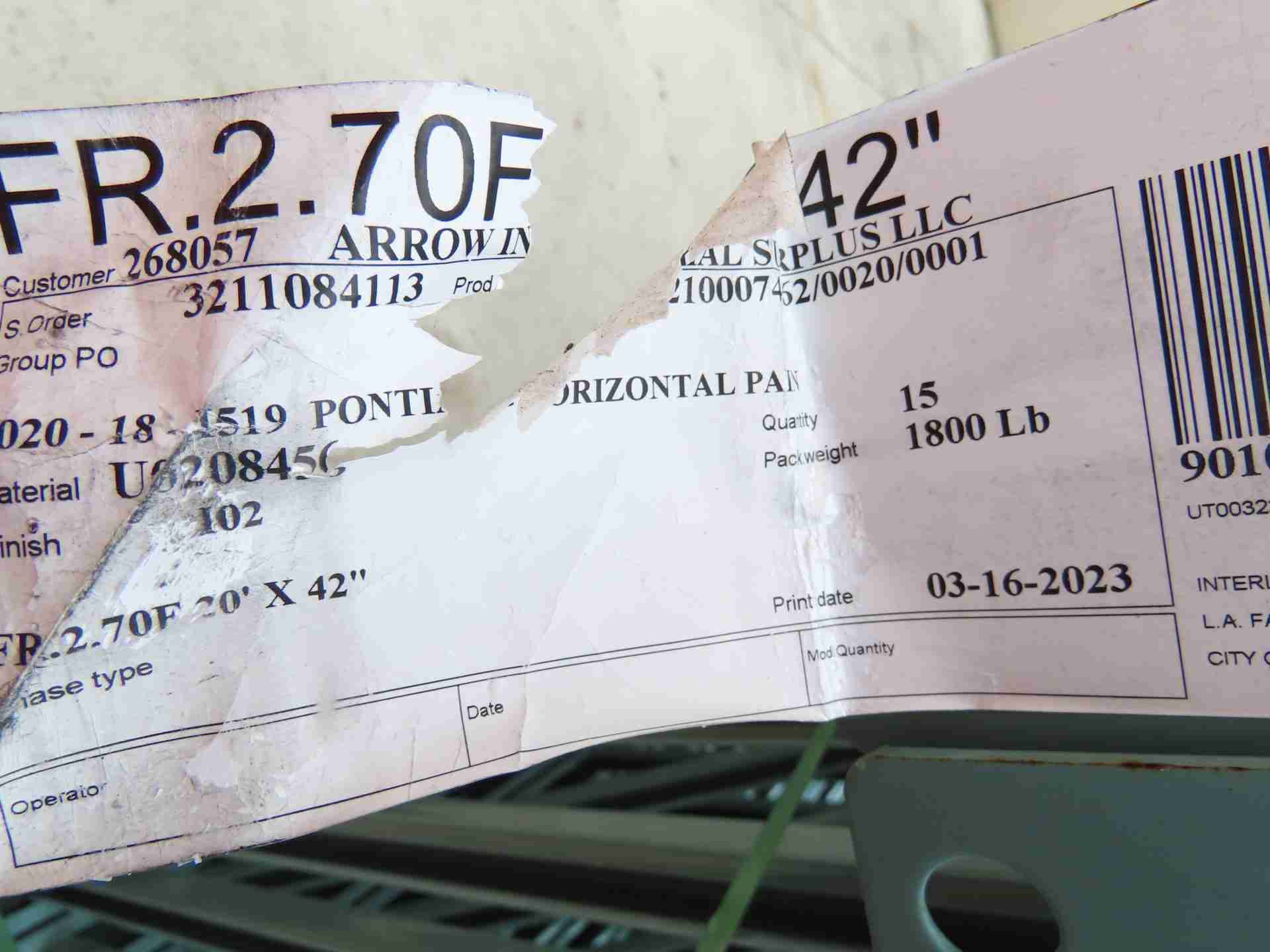
How Do Outdated Models Impact Warehouse Efficiency?
What Are The Costs Of Replacing Outdated Pallet Racking?
When considering the costs associated with replacing outdated pallet racking, it’s crucial to think beyond mere figures and dollars. Outdated pallet racking can lead to inefficiencies, safety hazards, and even regulatory compliance issues that could cost your business more in the long run. In a fast-paced market where supply chains are under constant pressure, making a strategic investment in your warehouse infrastructure is invaluable.
First, let’s talk about the hard costs. Depending on the size and configuration of your warehouse, the expenses can range from tens of thousands to several hundred thousand dollars. For instance, if your facility covers 50,000 square feet and you’re looking at investing in modern, high-density pallet racking systems, you might expect to spend around $100,000 to $250,000. This includes purchasing the racks themselves, installation costs, and potentially even renovation expenses to maximize space. Recent market trends indicate that due to supply chain issues stemming from global events, such as economic disruptions and trade tariffs, prices for industrial supplies—including pallet racking—may fluctuate, which means timing your purchase could also impact costs.
However, the financial impact is more than just the initial outlay. Consider the downtime you might face during installation. If your operations come to a halt for a week because you’re retrofitting your space with updated pallet racking systems, you could be losing significant revenue. Let’s say your daily sales average $5,000; a week of downtime translates to a staggering $35,000 lost. To mitigate these risks, many businesses opt for phased installations that allow them to continue operations while gradually replacing their outdated equipment.
Then there’s the hidden cost of inefficiency. Outdated pallet racking often leads to wasted space and time—problems exacerbated during busy seasons or periods of high demand, like the recent surge in e-commerce sales post-pandemic. If your order-picking process takes twice as long as it could due to poorly designed racking, the cumulative effect on labor costs, customer satisfaction, and ultimately your competitive edge can be catastrophic.
In summary, while the initial costs of replacing outdated pallet racking can be daunting, it’s critical to assess the long-term implications of those investments. By opting for modern systems, businesses position themselves for greater efficiency, safety, and ultimately, profitability. Don’t let your outdated equipment weigh you down—invest wisely and reap the rewards.
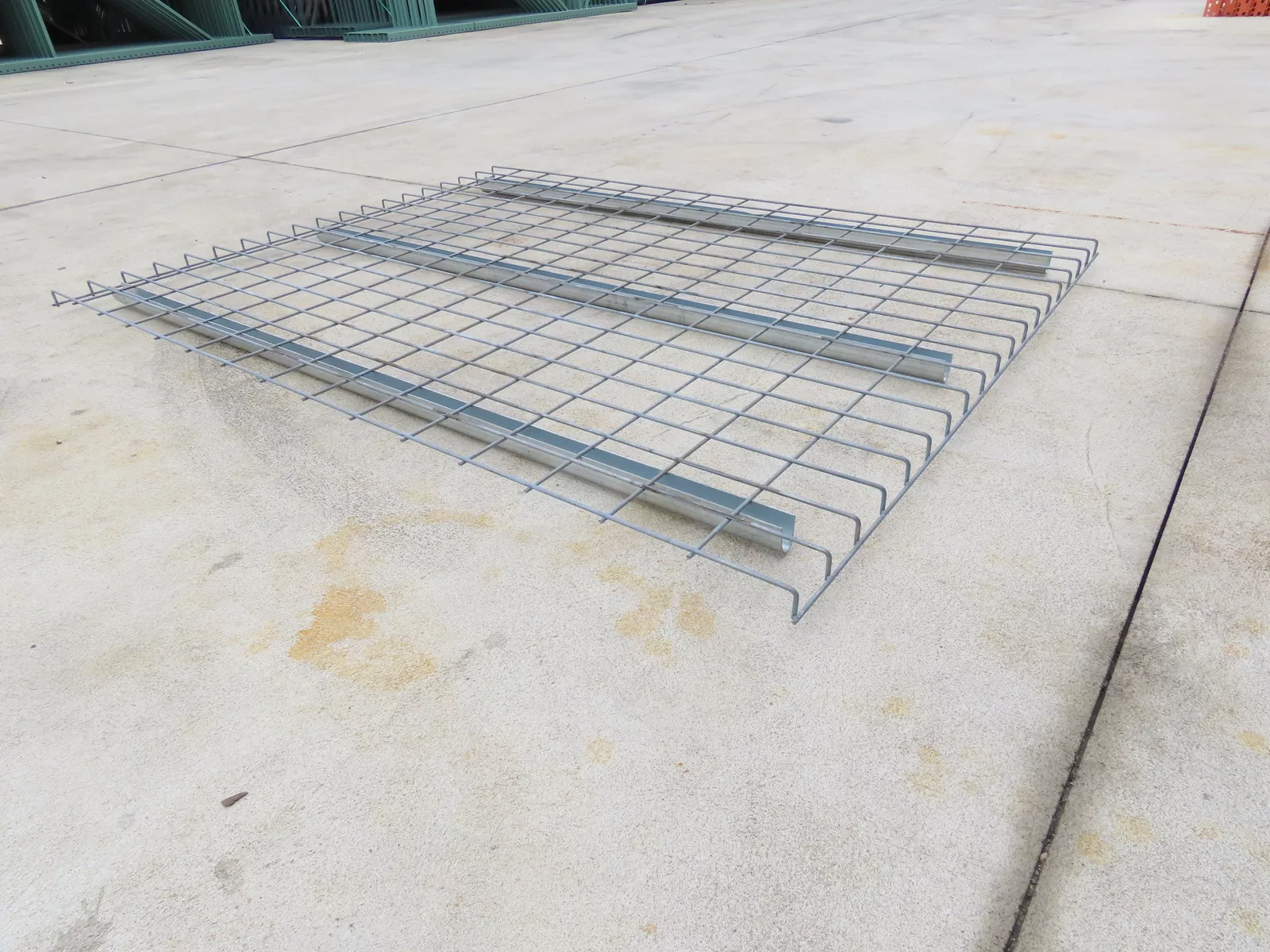
What Are The Costs Of Replacing Outdated Pallet Racking?
What Are The Costs Of Replacing Outdated Pallet Racking?
- Replacing outdated pallet racking entails costs beyond just financial figures, including inefficiencies, safety hazards, and compliance issues.
- Hard costs for new pallet racking can range from tens of thousands to several hundred thousand dollars, depending on warehouse size and configuration.
- Investing in modern high-density pallet racking systems can cost approximately $100,000 to $250,000 for a 50,000 square foot facility.
- Market trends show that supply chain issues can cause fluctuations in the costs of industrial supplies, including pallet racking.
- Downtime during installation can significantly affect revenue; for example, a week of downtime with $5,000 daily sales can result in $35,000 lost.
- Outdated racking leads to wasted space and time, particularly during high-demand periods, impacting labor costs and customer satisfaction.
- Investing in modern pallet racking systems can enhance efficiency, safety, and profitability for long-term business success.
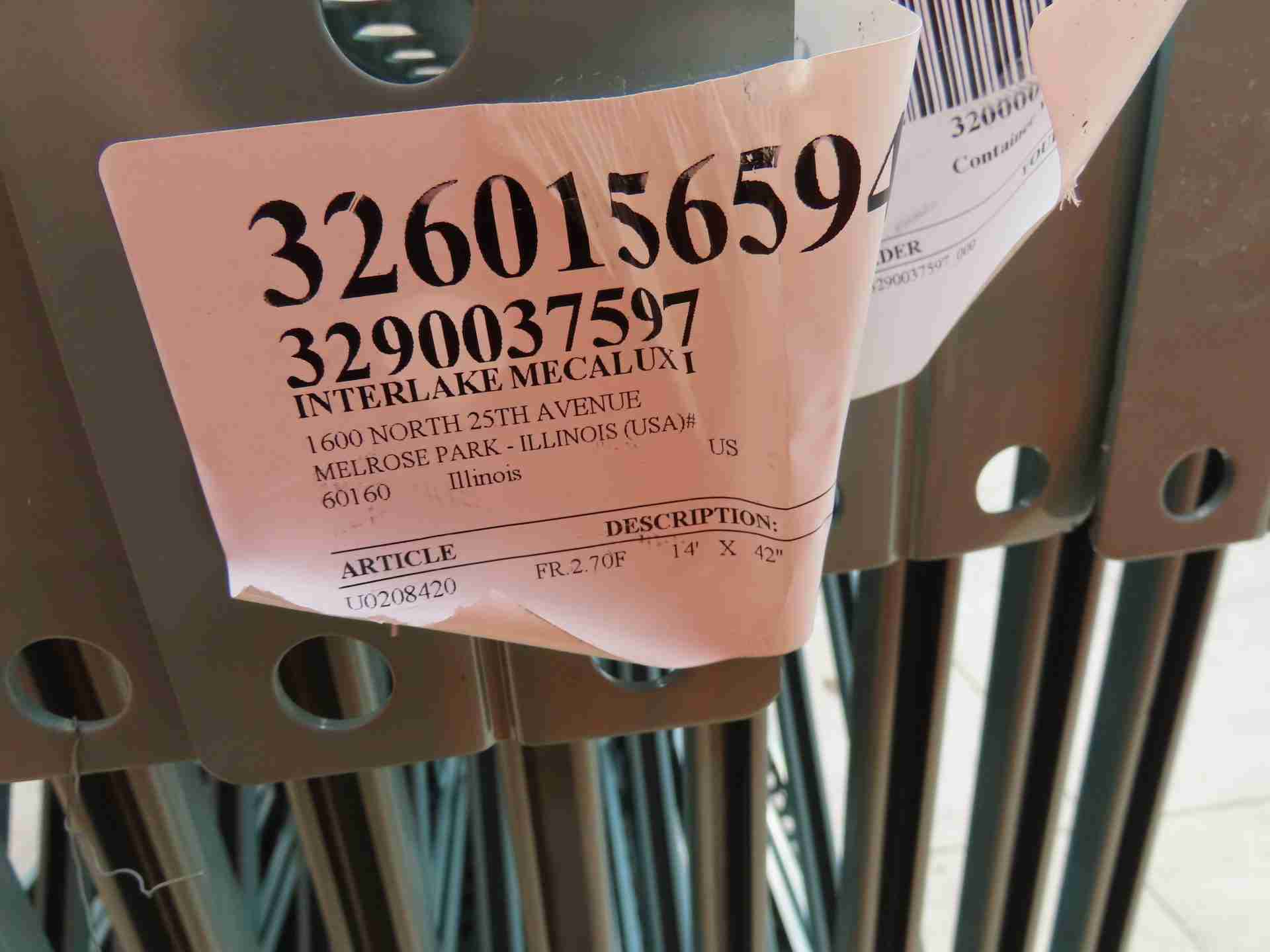
What Are The Costs Of Replacing Outdated Pallet Racking?
Where Can I Find The Latest Pallet Racking Models?
In an era where efficiency and space optimization reign supreme, having the latest pallet racking models is crucial for businesses, from warehouses to retail environments. If you’re on the hunt for cutting-edge pallet racking solutions, you’re in the right place. This is where smart investment meets savvy decision-making—a must for any operational leader.
Trade Shows and Expos: One of the best ways to discover the newest innovations in pallet racking is by attending industry trade shows and expos. Events like Modex and ProMat bring together manufacturers and distributors showcasing their latest products. For instance, in 2023, ProMat highlighted advancements in lightweight, high-density pallet racking systems that maximize vertical space while ensuring stability. You can engage with experts directly, offering you insights into what model will best fit your business needs.
Manufacturer Websites: Another effective avenue to explore is direct from the horse’s mouth—manufacturer websites. Companies such as Spee-Dee Packaging and UNARCO provide detailed catalogs of their latest pallet racking models. These platforms often feature downloadable resources like spec sheets, installation guides, and even videos demonstrating the assembly and functionality of their products. This not only saves you time in product selection but helps you understand potential returns on investment.
E-commerce Platforms: Don’t overlook e-commerce platforms like Amazon Business or specialist suppliers like Global Industrial. Many suppliers update their catalogs in real time and showcase customer reviews, helping you make informed decisions. For example, during the pandemic, global supply chain dynamics shifted, leading to a surge in demand for versatile pallet racking systems that adapt to changing warehouse layouts. The swift adaptation showcased on these platforms demonstrates how suppliers are responding to current logistics challenges.
Industry Forums and Online Communities: Lastly, harness the power of community through online forums and social media groups dedicated to warehousing solutions. Websites like Reddit and LinkedIn often feature discussions where industry professionals share their recent experiences with new pallet racking models. Engaging in these conversations can lead you to undiscovered gems in the market that may be just what you need to stay ahead of the competition while ensuring your operations run smoothly.
Staying up to date with the latest pallet racking models doesn’t have to be a chore. By leveraging trade shows, manufacturer resources, e-commerce platforms, and industry communities, you can source the very best that the market has to offer. Don’t let outdated systems hold back your productivity; explore your options and invest wisely in the tools your operation truly needs.

Where Can I Find The Latest Pallet Racking Models?
Where Can I Find The Latest Pallet Racking Models?
- Efficiency and space optimization are crucial in business environments like warehouses and retail.
- Industry trade shows and expos, like Modex and ProMat, showcase the latest pallet racking innovations.
- Manufacturer websites provide detailed catalogs, specs, and installation guides for new pallet racking models.
- E-commerce platforms offer real-time updates and customer reviews to aid informed purchasing decisions.
- Industry forums and online communities can provide insights from professionals sharing experiences with new models.
- Staying updated with pallet racking models is essential for maintaining productivity and smooth operations.
- Investing wisely in the right pallet racking solutions can significantly enhance operational efficiency.
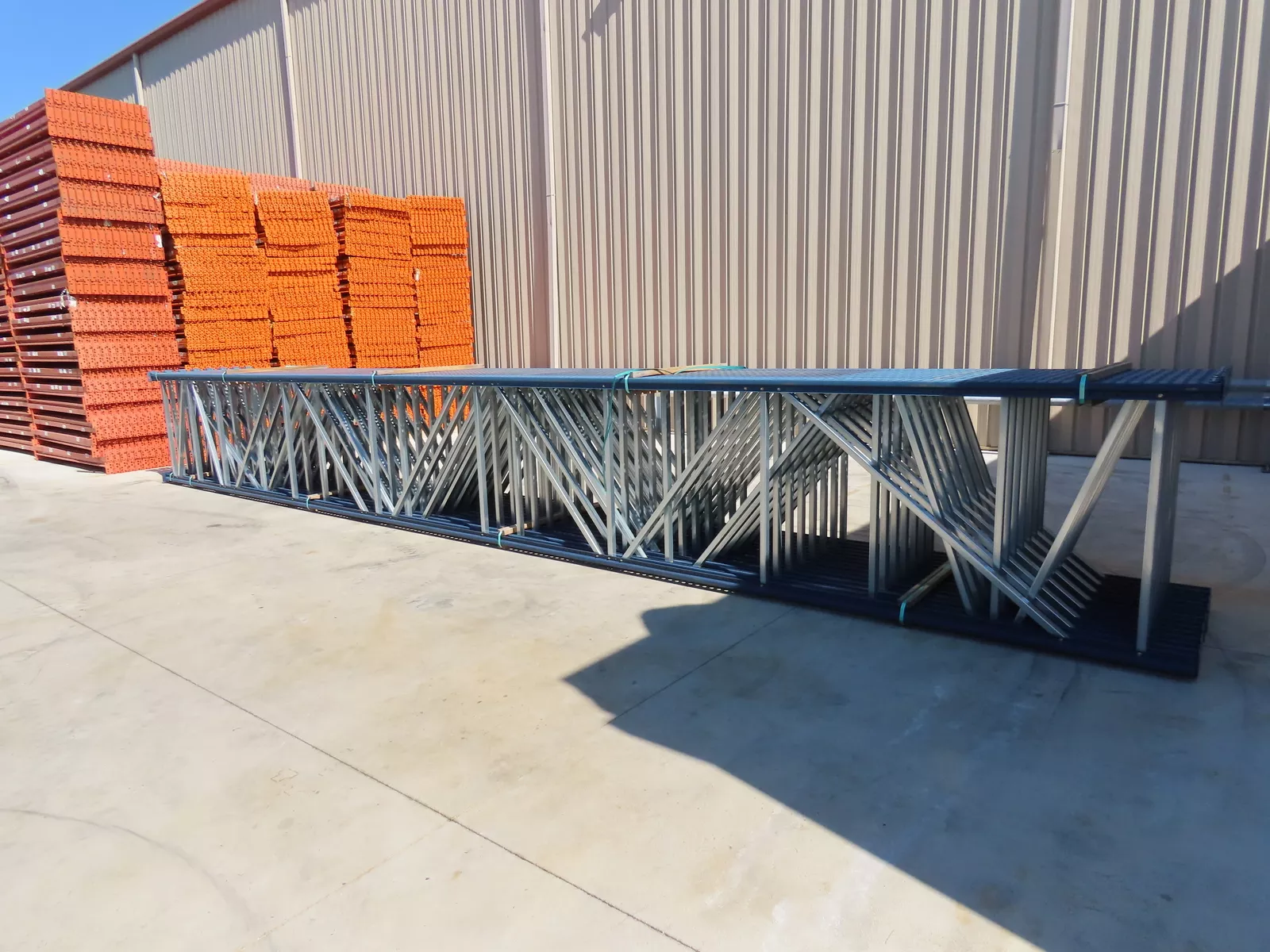
Where Can I Find The Latest Pallet Racking Models?
Conclusion
In the bustling environment of modern warehousing, operational efficiency is not merely an ambition—it is a foundational principle that directly impacts profitability and productivity. As you have learned throughout our discussion, relying on outdated pallet racking models can sabotage your efficiency, stifle growth, and expose you to safety risks, ultimately hurting your bottom line.
Your local suppliers may often push these outdated systems, but the question you must ask yourself is: are you content to settle? In a landscape driven by rapid innovation and changing consumer expectations, outdated racking systems may cause your operations to lag while your competitors surge ahead. The operational bottlenecks, costly safety hazards, and non-compliance issues tied to antiquated racking present not just challenges but substantial risks.
Investing in contemporary pallet racking solutions is not merely a financial decision; it is a strategic one. Modern racking systems — equipped with enhanced safety features, adaptability for evolving inventories, and compatibility with cutting-edge technology — provide the tools necessary for a streamlined operation that meets today’s demands. Businesses that take the initiative to upgrade not only safeguard their workforces but also see significant returns, enhancing productivity and shrinking operational costs.
In addition to understanding what you need, identifying reliable sources for modern pallet racking is crucial, and Arrow Industrial Sales excels in this arena. By partnering with a reputable supplier, you gain access to a wealth of knowledge and innovative solutions tailored to your unique operational needs.
Now is the time to act. Don’t let complacency hold you back. Reach out to Arrow Industrial Sales at (574) 349-6575 to discuss upgrading your pallet racking systems. Making this change today could unlock unprecedented levels of efficiency tomorrow. Don’t wait until inefficiencies become financial burdens; act now and position your operations for future success.
In a world where every advantage counts, will you be the one to seize the opportunity? Make the leap today, and transform your warehouse into a model of efficiency and safety for your team and your business. Remember, the future favors those who adapt!

Conclusion
Conclusion:
- Modern warehousing prioritizes operational efficiency to enhance profitability and productivity.
- Outdated pallet racking systems can lead to inefficiencies, stunted growth, and safety hazards.
- Investing in contemporary racking solutions is a strategic decision for competitive advantage.
- Modern racking systems offer enhanced safety features, adaptability, and tech compatibility.
- Partnering with reliable suppliers like Arrow Industrial Sales is essential for accessing innovative solutions.
- Act now to avoid financial burdens associated with inefficiencies and position for future success.
- Embrace change to transform your warehouse into a model of efficiency and safety.
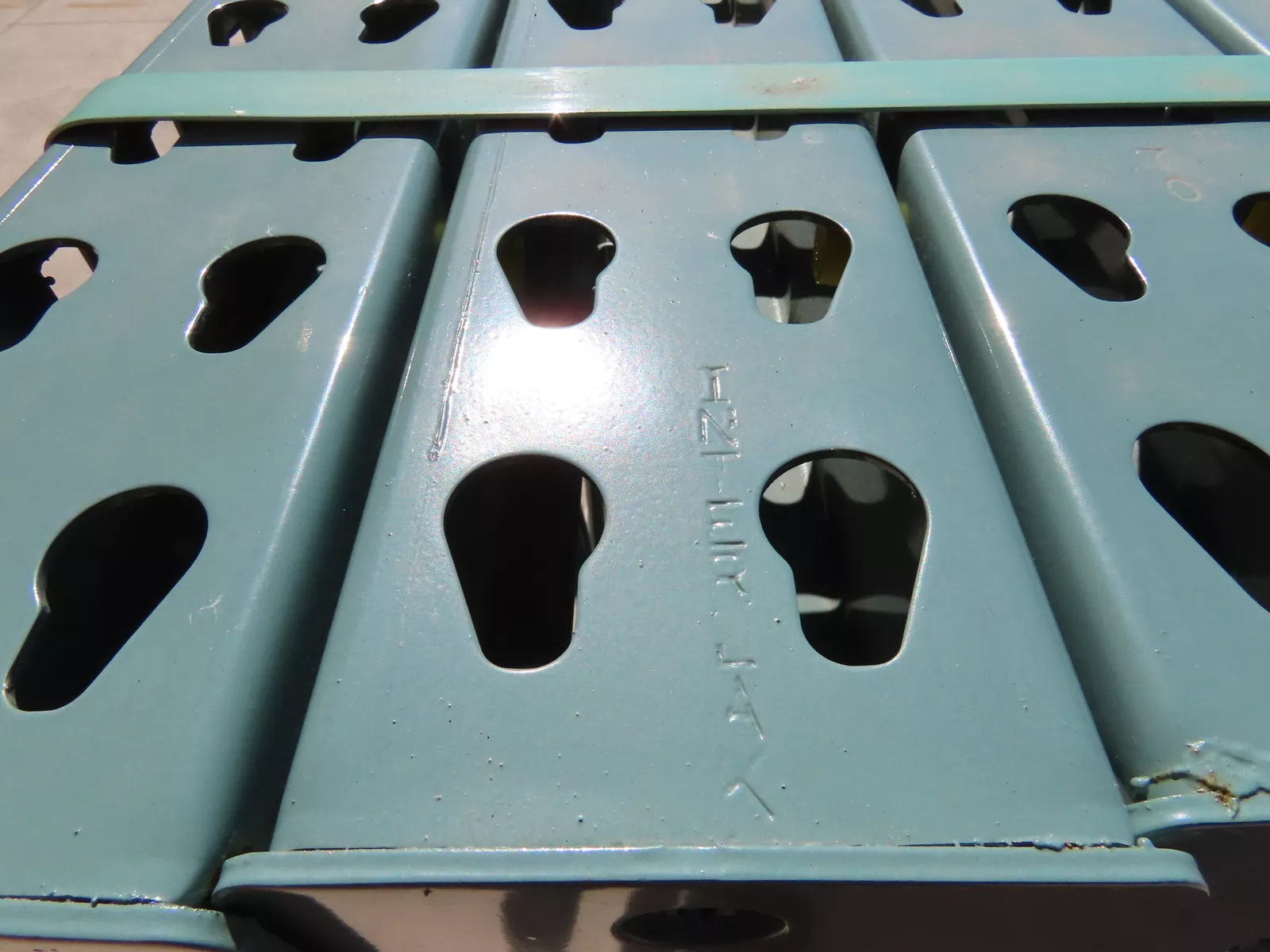
Conclusion
Other Resources

Other Resources
Here is a list of other resources you can review online to learn more:
- Warehousing Education and Research Council: https://www.werc.org/
- Pallet Rack Systems – New and Used Pallet Racking and Shelving Experts
- Warehouse Racking Systems: Beginner’s Guide to Rack Systems
- Cantilever Rack Guide: Ordering Cantilever Racking
- Teardrop Pallet Rack – Ridg-U-Rak
- Material Handling Industry
- Teardrop Industrial Shelving Rack
- Warehouse Storage Racking in Illinois
- What is Selective Racking: Understanding Benefits & Options
- SEMA
Use This Prompt To Get More Resources With Your Favorite Online AI Tool: Please provide me with a list of online articles with their URLs in a bulleted list that I can read regarding Are You Buying Outdated Pallet Racking Models Locally?
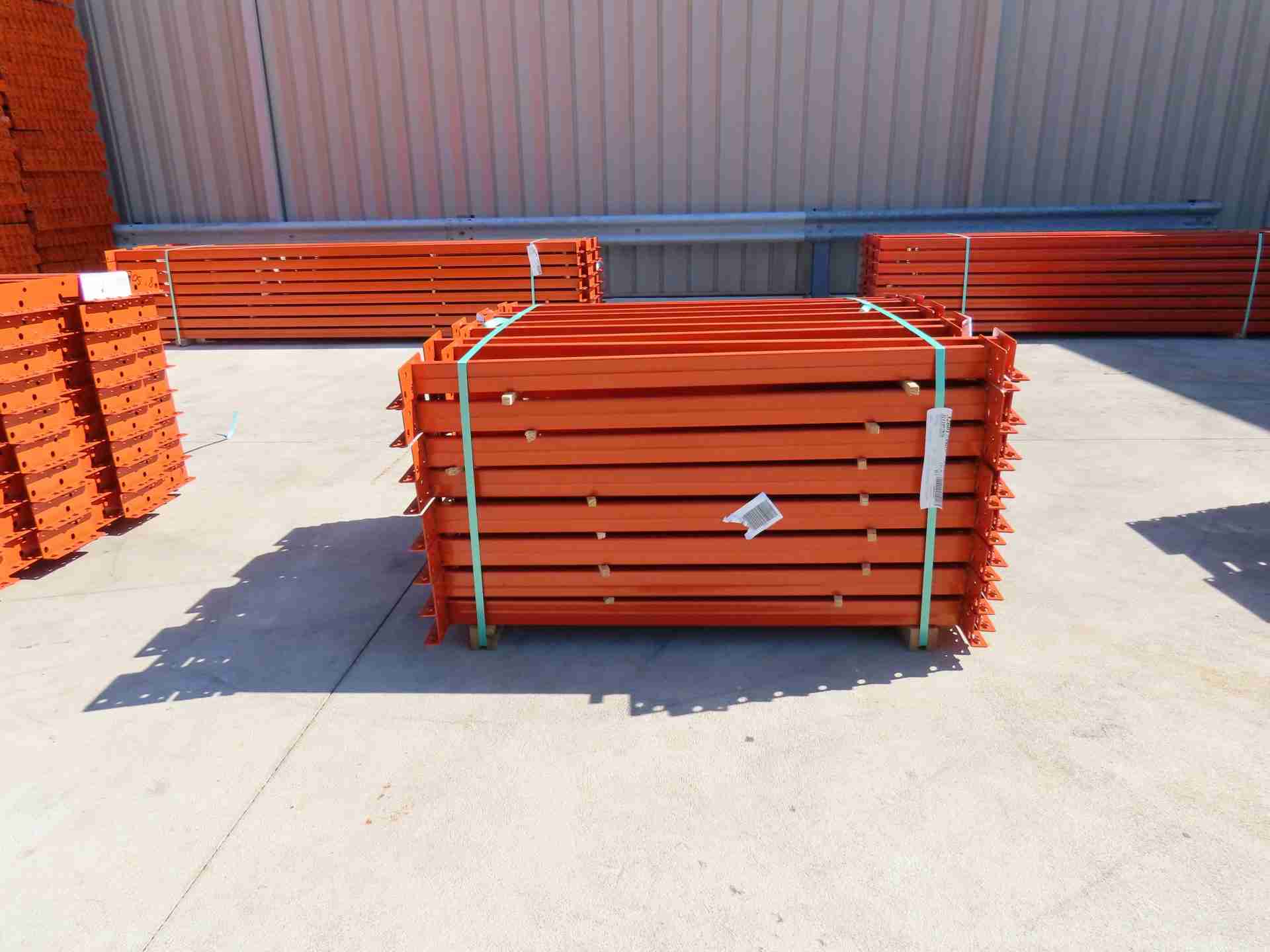
Other Resources
Glossary Terms
Are You Buying Outdated Pallet Racking Models Locally? – Glossary Of Terms
1. Pallet Racking: A storage solution designed to hold materials on pallets in warehouses or distribution centers.
2. Outdated Models: Older designs or versions of pallet racking that may not meet current safety standards or technological advancements.
3. Local Suppliers: Businesses that provide goods and services within a specific geographic area, often involved in the sale of industrial equipment.
4. Warehouse Efficiency: The optimal use of space and resources in a warehouse to maximize productivity and minimize costs.
5. Compliance Standards: Regulations and guidelines that ensure safety and operational integrity in warehouse environments.
6. Load Capacity: The maximum weight a pallet racking system can safely hold without risk of failure.
7. Inspection: A systematic examination of pallet racking to ensure it meets safety and performance standards.
8. Retrofit Solutions: Upgrades or modifications made to existing pallet racking to improve safety or functionality without replacing it entirely.
9. Safety Regulations: Legal mandates aimed at ensuring the safety of workers and the proper operation of warehouse facilities.
10. Vertical Space Utilization: The effective use of height in a warehouse to maximize storage capabilities.
11. Second-Hand Equipment: Pre-owned pallet racking systems that are available for purchase, potentially at a lower cost than new models.
12. Structural Integrity: The ability of a racking system to remain stable and safe under stress or load conditions.
13. Forklift Compatibility: Compatibility of pallet racking systems with forklifts used for loading and unloading inventory.
14. Warehouse Layout: The design and arrangement of rack systems in a warehouse, impacting workflow and efficiency.
15. Inventory Management: The supervision of ordering, storage, and use of products to ensure that inventory is maintained at optimal levels.
16. Risk Assessment: The process of identifying potential risks associated with outdated racking systems and their consequences.
17. Manufacturer Specifications: Detailed guidelines provided by the manufacturer regarding the design, assembly, and use of pallet racking systems.
18. Replacement Parts: Components made to replace damaged or worn out parts of pallet racking systems.
19. Load Distribution: The even spread of weight across the pallet racking to prevent damage or collapse.
20. Space Planning: The strategic arrangement of physical spaces within a warehouse to optimize operations and storage.
21. Dynamic Racking: A type of racking system that allows for the automatic retrieval of pallets, improving efficiency.
22. Durability: The ability of a pallet racking system to withstand wear, pressure, or damage over time.
23. Assembly Instructions: Guidelines that come with pallet racking for proper construction and installation.
24. Freight Handling Equipment: Tools and machinery, such as forklifts and pallet jacks, used to move goods in a warehouse.
25. Pallet Type: Different styles and sizes of pallets (e. g. , wooden, plastic, metal) that can affect the choice of racking system.
26. Load Barriers: Safety features designed to prevent pallets from falling off the racks.
27. Market Trends: Emerging patterns in the industry that influence what types of pallet racking are in demand.
28. Inspection Checklist: A document containing criteria and guidelines for evaluating the condition of pallet racking.
29. Professional Consultation: Seeking advice from industry experts regarding the purchase or upgrade of pallet racking systems.
30. Cost-Benefit Analysis: A financial evaluation of the benefits of purchasing new racking versus the costs of using outdated models.
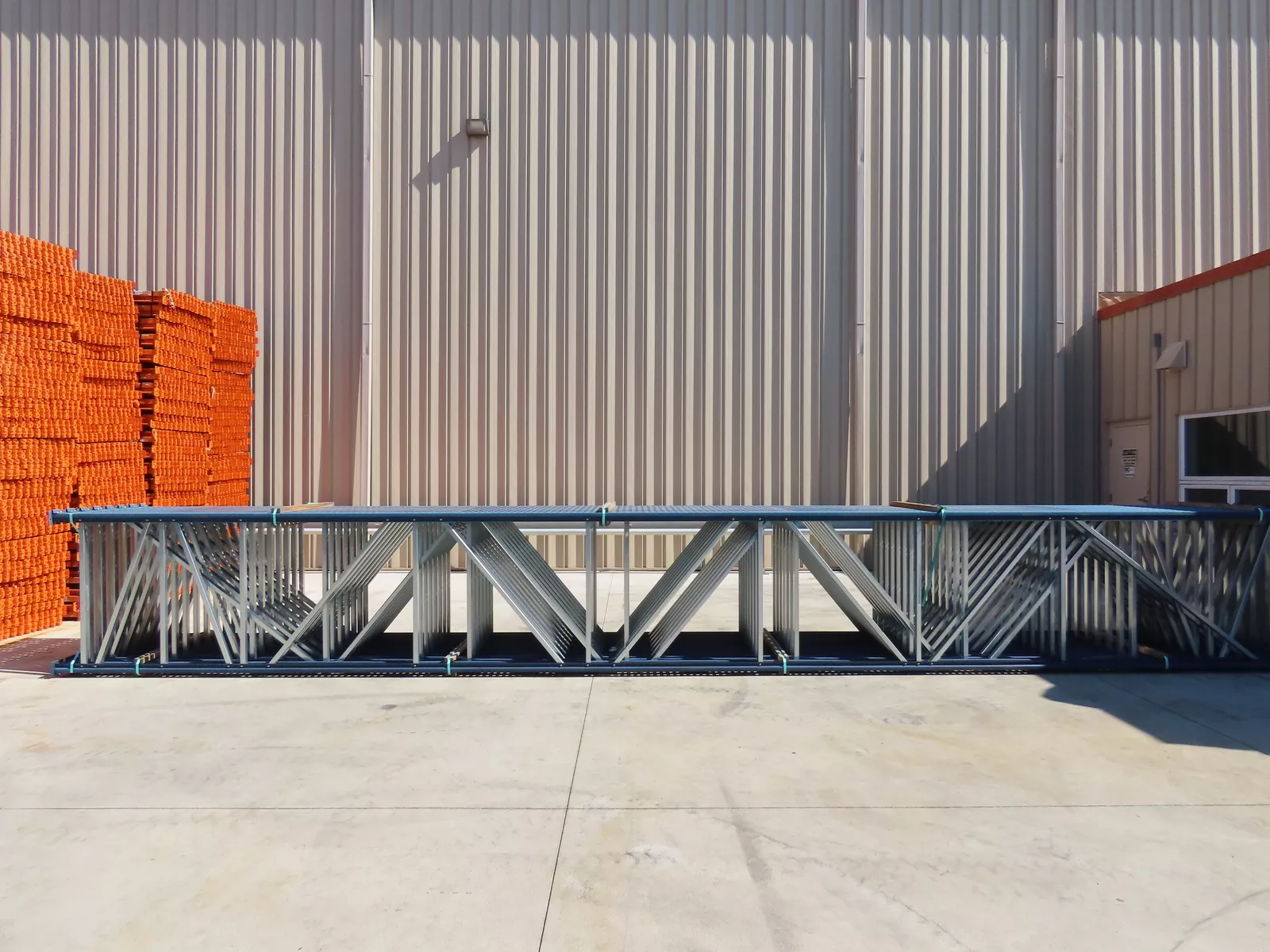
Glossary Of Terms
Other Questions
Are You Buying Outdated Pallet Racking Models Locally? – Other Questions
If you wish to explore and discover more, consider looking for answers to these questions:
- What are the key features to look for in modern pallet racking systems?
- How can I evaluate my current pallet racking system’s efficiency?
- What are the benefits of upgrading to modern pallet racking?
- Are there specific industries more prone to using outdated pallet racking?
- What are the environmental implications of outdated pallet racking systems?
- How often should warehouse racking systems be inspected for safety?
- What kind of training do employees need to safely operate new racking systems?
- Can outdated pallet racking be refurbished instead of replaced?
- What maintenance practices can prolong the life of pallet racking?
- How do inventory management systems integrate with modern pallet racking?
- What are common mistakes to avoid when selecting pallet racking?
- What financing options are available for upgrading warehouse systems?
- How do I choose a reliable supplier for pallet racking?
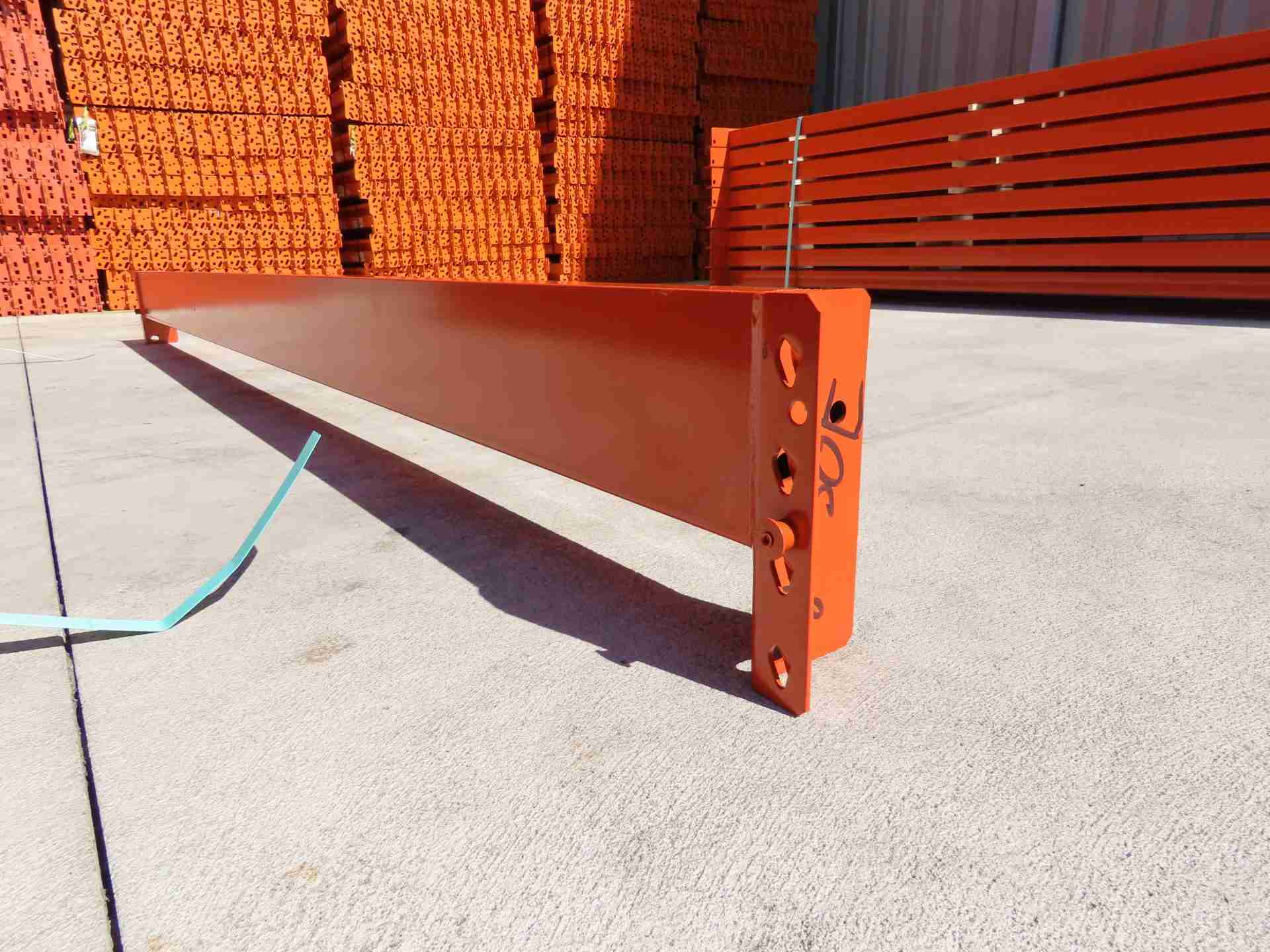
Other Questions
Checklist
Are You Buying Outdated Pallet Racking Models Locally? – A Checklist
Checklist: Upgrading Your Pallet Racking System
This checklist will help you evaluate your current pallet racking system and guide you in making informed decisions when upgrading to modern solutions.
1. Assess Current Racking System
_____ Inspect for signs of wear: Look for rust, dents, or structural weaknesses.
_____ Evaluate safety features: Are there anti-collapse measures? Proper labeling for weight limits?
_____ Check for compliance: Is your racking system up to date with OSHA regulations?
2. Analyze Space and Inventory Needs
_____ Determine the type of inventory: Bulky or small items?
_____ Understand your space constraints: Do you have more horizontal space or vertical clearance?
_____ Consider your expansion needs: Does your racking allow for easy reconfiguration or expansion?
3. Efficiency and Productivity Evaluation
_____ Track employee time: Are workers spending too much time searching for items?
_____ Review inventory management: Are there delays due to outdated racking?
_____ Measure operational costs: How much labor time is wasted due to inefficiencies?
4. Explore Modern Features
_____ Research load-bearing capacities: Are modern systems able to handle your inventory needs?
_____ Look for technological compatibility: Can your racking integrate with inventory tracking technologies (e. g. , RFID)?
_____ Find customizable configurations: Look for adjustable racks that can adapt to your specific requirements.
5. Supplier Evaluation
_____ Research local suppliers: Are they offering modern solutions or just outdated models?
_____ Attend trade shows and expos: Explore offerings from manufacturers at events like Modex and ProMat.
_____ Read reviews: Look for testimonials from other businesses regarding suppliers’ products.
6. Financial Considerations
_____ Estimate costs: Understand the upfront investment for modern racking systems.
_____ Evaluate potential downtime: Consider the impact of installation on sales during the transition.
_____ Consider long-term savings: Analyze how upgrades may reduce operational and labor costs over time.
7. Consult Experts
_____ Contact pallet racking providers: Schedule consultations for tailored advice and insights.
_____ Seek recommendations: Talk to industry peers about their experiences with racking systems.
_____ Review safety regulations: Ensure you understand compliance requirements for your specific industry.
8. Planning Your Upgrade
_____ Develop a phased installation plan: If necessary, create a strategy to minimize downtime.
_____ Set clear objectives: Determine what you want to achieve with your upgrade (e. g. , increased efficiency, safety).
_____ Measure performance post-installation: Plan to assess improvements after new systems are in place.
By following this checklist, you can effectively evaluate your current pallet racking systems and ensure you make informed decisions that enhance your warehouse efficiency and safety. Don’t let outdated models hold your business back—invest wisely for a thriving future!
Checklist
At RackingWorld, we help guide you through selecting warehouse storage systems and racking.
Be sure to read our other related stories at RackingWorld to learn more about warehouse storage systems.
0 Comments