
Navigating The Unseen Stress Of Warehouse Shipments
By Tom Seest
At RackingWorld, we help guide you through selecting warehouse storage systems and racking.
Be sure to read our other related stories at RackingWorld to learn more about warehouse storage systems.
Are You Aware Of The Emotional Toll Of Warehouse Shipments and Delays?
In today’s fast-paced world, every tick of the clock feels like a ticking bomb, especially when it comes to warehouse shipments. When a product is stuck in limbo, it’s not just a number on a Pallet Racking system; it’s a disruption that reverberates throughout your business and personal life. Think about it: that shipment delay could mean unhappy customers waiting for something they eagerly anticipated. The frustration builds, and before long, you’re not just dealing with shipping issues; you’re juggling a whirlwind of emotions, from anxiety to disappointment.
So, what does that mean for you? It means that every item that fails to arrive can rob you of peace of mind and create a ripple effect that impacts your operations. The emotional toll isn’t just about losing a package; it’s about losing trust—trust between you and your customers, trust within your team, and trust in the very systems you rely upon, like your warehouse’s Pallet Racking setup.
Picture the scene: A dedicated team pouring hours into crafting the perfect marketing campaign, only to be hit with the news that critical inventory has been delayed. Suddenly, bright prospects dim. The excitement turns to dread, and instead of looking forward to making a sale, you’re left scrambling to reassure anxious customers. Your reputation hangs in the balance. But it doesn’t have to be that way!
Understanding the emotional aspects of supply chain delays can set you apart as a leader. Acknowledge the impact that delays have not just on results, but on your team’s morale and your customers’ sentiments. They want to feel heard; they want to know you have a plan. Being transparent and proactive can not only help smooth the journey through chaotic times but foster deeper loyalty in the long run.
By taking charge and implementing effective measures—whether it’s optimizing your storage solutions with top-notch Pallet Racking systems or investing in contingency plans—you can build a resilient operation that can withstand setbacks. This isn’t just about trade-ins; it’s about trade-ups. It’s about taking the emotional burden off your shoulders, so you can focus on what you do best.
Let’s face it—delays are inevitable. But your response can define your business. So, are you ready to turn those emotional setbacks into stepping stones for greater success? Trust in your systems, trust in your strategy, and watch them propel you forward.
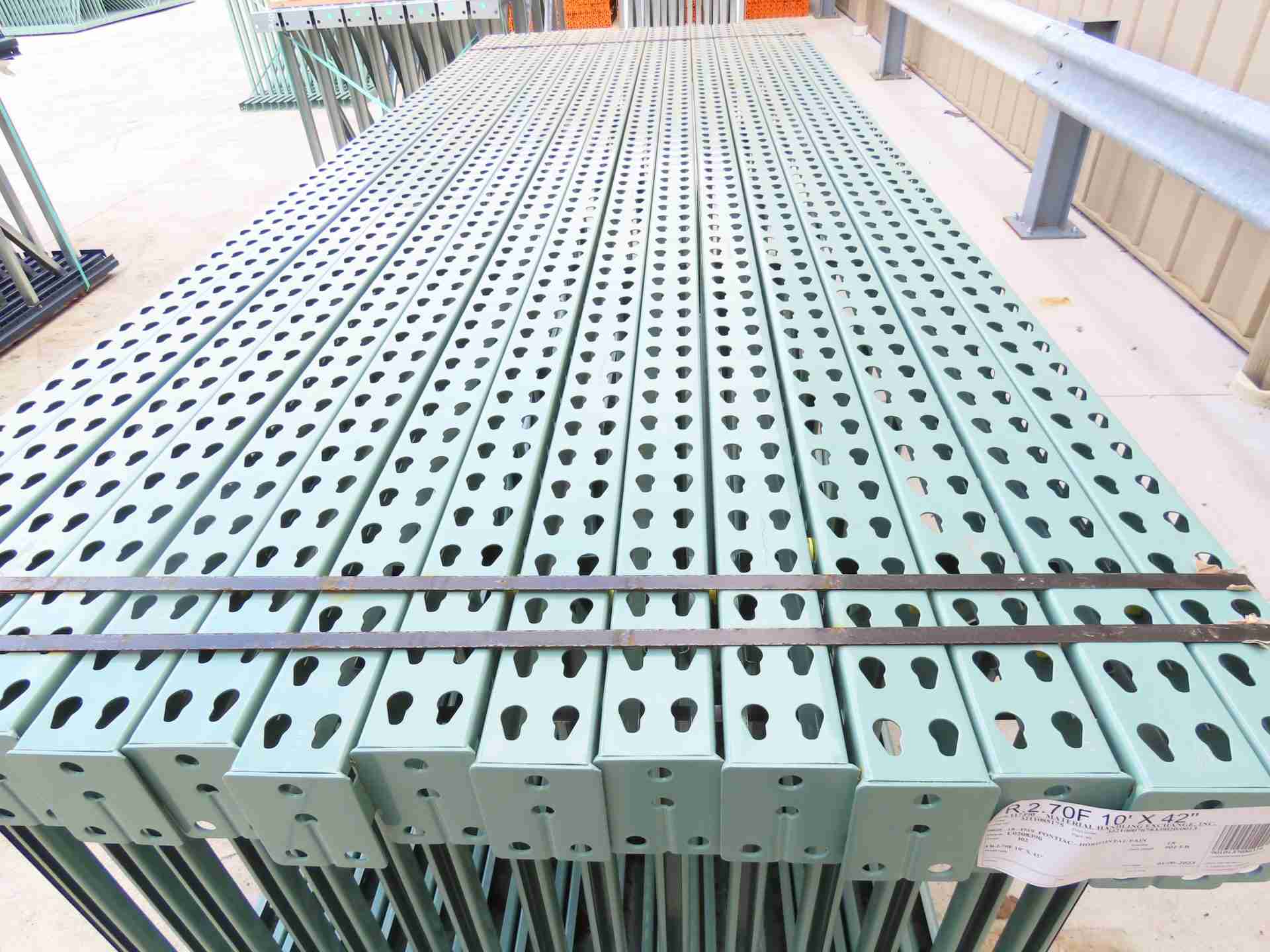
Are You Aware Of The Emotional Toll Of Warehouse Shipments and Delays?
Are You Aware Of The Emotional Toll Of Warehouse Shipments and Delays?
- In today’s fast-paced world, shipment delays can disrupt both business and personal life.
- Delays lead to unhappy customers and emotional turmoil, including anxiety and disappointment.
- Every failed delivery impacts trust between businesses and customers, as well as within teams.
- Inventory delays can deflate marketing efforts and create unnecessary customer anxiety.
- Leaders should acknowledge the emotional aspects of supply chain delays to enhance team morale and customer relations.
- Implementing effective measures, like optimizing Pallet Racking systems, can build operational resilience.
- While delays are inevitable, a strong response can turn setbacks into opportunities for growth.
Are You Aware Of The Emotional Toll Of Warehouse Shipments and Delays?
Table Of Contents
- Are You Aware Of The Emotional Toll Of Warehouse Shipments and Delays?
- What Emotional Impacts Do Shipping Delays Have On Customers?
- How Can Warehouse Delays Affect Customer Satisfaction?
- Are Employees Stressed By The Pressures Of Shipping Delays?
- What Coping Strategies Can Customers Use During Shipping Delays?
- How Can Communication Improve During Warehouse Delays?
- What Role Does Transparency Play In Managing Customer Emotions?
- Conclusion
- Other Resources
- Glossary Of Terms
- Other Questions
- Checklist
What Emotional Impacts Do Shipping Delays Have On Customers?
In the fast-paced world we live in, the satisfaction of a well-timed delivery can make all the difference. When customers click “purchase,” they do so with the anticipation of receiving their goods promptly. But what happens when that expectation is shattered by shipping delays? The emotional response can be quite profound.
First off, there’s the initial excitement—think of it as the feeling that comes with the anticipation of a new arrival, whether it’s a beloved item or essential supplies for your business. Suddenly, that spark of joy is extinguished, replaced by frustration and uncertainty. This is not just inconvenience; it’s the emotional rollercoaster that can lead customers to question their loyalty and trust in your brand. Imagine a small business counting on new equipment, like essential pallet racking, to streamline operations. A delay in delivery can cost them not only time but revenue, creating stress that ripples through their entire operation.
Customers also begin to engage in an internal dialogue that can spiral into doubts. They may wonder if they should have made a different purchase, leading them to second-guess their choices. This doubt can cultivate a feeling of disconnect—not just from your brand but also from the faith they once held in the entire online shopping experience. This emotional charge can dramatically shape their future purchasing behaviors, diminishing their trust in the reliability of your services.
So, where do we go from here? Attention to communication is the answer. Inform your customers about potential shipping delays before they experience them. This not only sets realistic expectations but also fosters a sense of trust. When customers feel informed, they’re more likely to remain engaged rather than frustrated. Having an active customer service team ready to address concerns can turn potential fallout into positive engagement.
Moreover, think about building a community where customers can share their experiences. A platform for connection can help bridge the gap between expectations and reality, allowing customers to voice their frustrations and receive acknowledgment. This way, even shipping delays can become an opportunity to showcase your brand’s commitment to transparency and customer care.
In a world where every detail matters, empowering your customers through thoughtful communication and genuine engagement can transform the emotional landscape—turning a frustrating situation into a lasting relationship grounded in trust.
What Emotional Impacts Do Shipping Delays Have On Customers?
What Emotional Impacts Do Shipping Delays Have On Customers?
- Timely deliveries are crucial for customer satisfaction in the fast-paced shopping experience.
- Shipping delays can lead to significant emotional responses, including frustration and loss of trust.
- Customers may experience an emotional rollercoaster, questioning their loyalty to a brand when faced with unmet expectations.
- Delays can have serious repercussions for businesses that rely on timely deliveries for essential operations, affecting both time and revenue.
- To mitigate frustration, proactive communication about potential delays can help set realistic expectations and build trust.
- Implementing an active customer service team can provide support and transform negative experiences into positive engagement opportunities.
- Creating a community platform for customers to share experiences can enhance transparency and showcase a brand’s commitment to customer care.
What Emotional Impacts Do Shipping Delays Have On Customers?
How Can Warehouse Delays Affect Customer Satisfaction?
In today’s world, the competition is fiercer than ever. Customers wield the power of choice like never before, and even a small hitch in your supply chain can send them scurrying to your competitors. Imagine someone eagerly awaiting a product they’ve ordered, only to receive a notification that it won’t arrive on time due to warehouse delays. It’s not just about the product; it’s about the promise you make the moment they click “Buy.”
When delays strike, trust erodes like sandcastles in a rising tide. Customers begin questioning your reliability. If your warehouse isn’t configured properly with effective pallet racking systems—where items are organized and easy to access—explosions of time and frustration can ensue. Think about it: when a product is buried deep in a disheveled warehouse, you’re not just delaying a shipment; you’re delaying satisfaction, happiness, and loyalty.
The detrimental effects of warehouse delays ripple through a business. Your customer service team suddenly becomes inundated with inquiries from anxious buyers, further distracting them from fostering relationships that matter. Each phone call and email not only depletes resources but complicates operations, leading to additional costs that could have been avoided. And let’s not ignore social media; one unhappy customer can quickly become a legion of discontented voices, amplifying their frustration in real time.
What does all this mean for you as a business owner? You must take preemptive action. Invest in streamlined warehouse solutions that enhance your operations, such as a robust pallet racking system. By prioritizing organization and efficiency, you’re not only speeding up order fulfillment but also reinforcing the customer’s experience as a whole. They want to feel valued and special, not like just another number in a queue.
Ultimately, a well-managed warehouse serves as a backbone to excellent customer service. It’s not just about getting the right products out the door; it’s about building a trust that encourages long-term loyalty. When your customers are satisfied, they become your most powerful marketers, vocally sharing their positive experiences and bringing in new clients. So, invest wisely in your warehouse processes today, for a tomorrow where your customers sing your praises instead of lamenting delays.
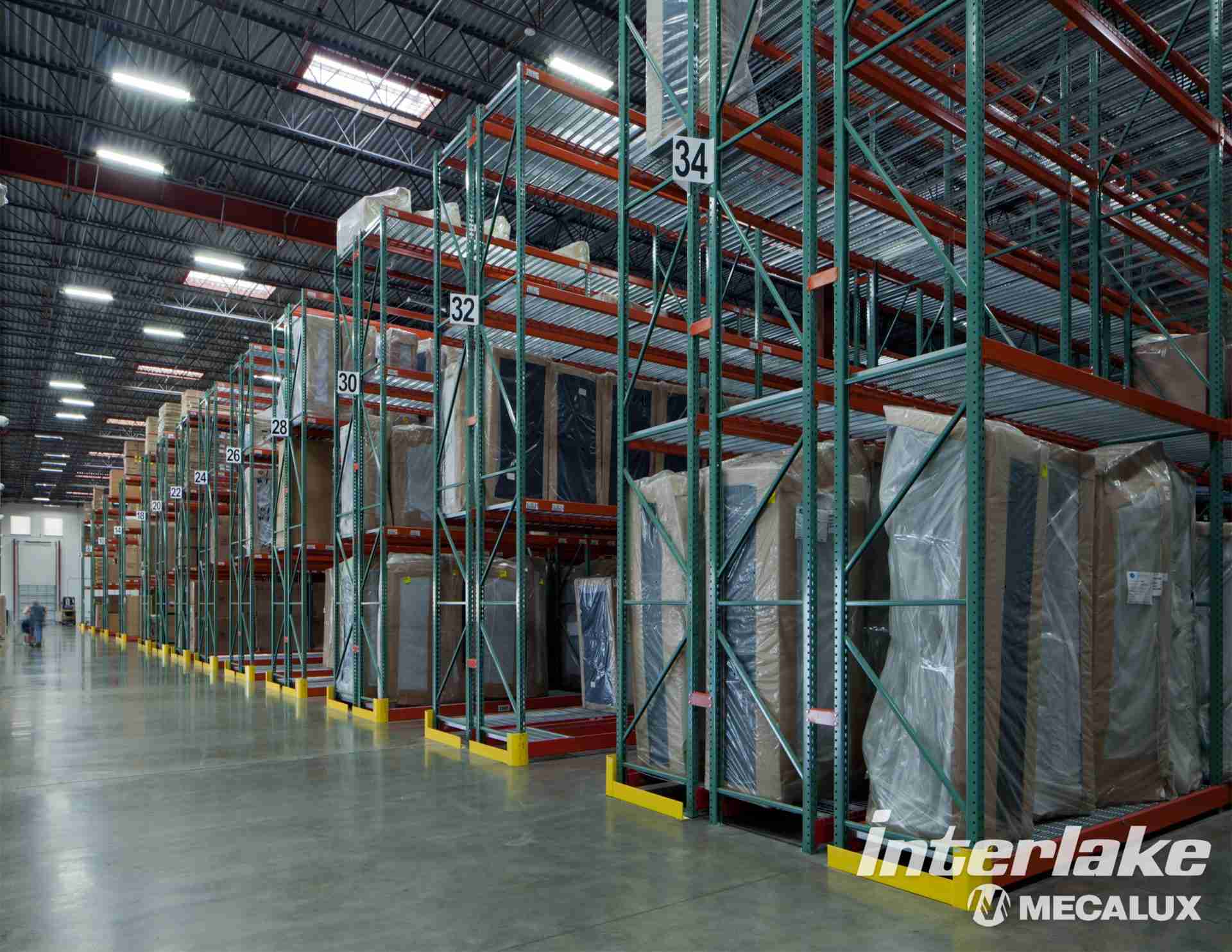
How Can Warehouse Delays Affect Customer Satisfaction?
How Can Warehouse Delays Affect Customer Satisfaction?
- Competition is intense; customers have extensive choices and can easily switch to competitors over delays.
- Warehouse delays not only postpone deliveries but also diminish customer trust and satisfaction.
- Improperly organized warehouses lead to longer retrieval times, affecting shipment speed and customer loyalty.
- Increased inquiries to customer service distract from relationship-building and escalate operational costs.
- Negative experiences can quickly spread through social media, amplifying customer frustrations.
- Investing in efficient warehouse solutions, like effective pallet racking systems, enhances operations and customer experiences.
- A well-managed warehouse is crucial for excellent customer service and fosters long-term loyalty, turning satisfied customers into brand advocates.
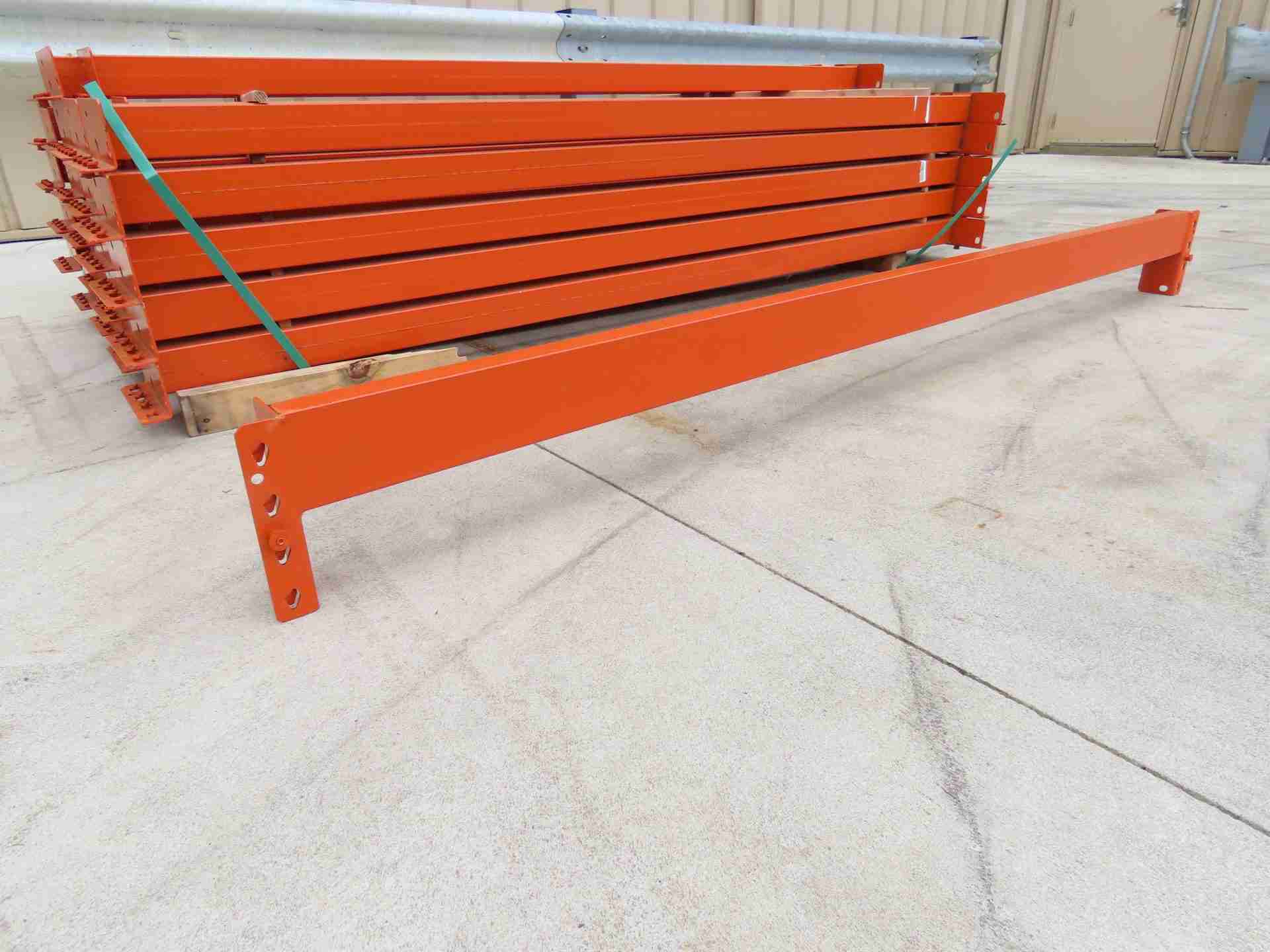
How Can Warehouse Delays Affect Customer Satisfaction?
Are Employees Stressed By The Pressures Of Shipping Delays?
Let’s face it: in the fast-paced world of shipping and logistics, delays are a bitter pill to swallow. Every moment that a shipment lingers in limbo—not to mention the impact on your bottom line—can trigger a tidal wave of stress for employees. When deadlines loom and the clock keeps ticking, the pressure to perform only amplifies. Whether it’s a last-minute order or a logistical hiccup that holds up pallet racking processes, your team feels the weight of expectations like never before.
Imagine a warehouse where everything runs seamlessly. Orders flow in and out, like a smooth well-oiled machine. But when shipping delays rear their ugly heads, that machine starts to sputter. Employees are left racing against the clock to salvage what they can. It’s no surprise that stress levels skyrocket when they see customers waiting impatiently for their orders—a reminder that they’re the linchpin holding everything together.
Now, here’s the kicker: Their stress doesn’t just happen in a vacuum. It radiates into the work environment, affecting morale and ultimately productivity. When employees are overwhelmed, it’s not just their anxiety that gets amplified; it’s the likelihood of mistakes, miscommunication, and poor customer service. Stress begets stress, creating a vicious cycle that can derail even the best-laid plans.
But there is a silver lining. By prioritizing a supportive corporate culture and implementing clear communication channels, you can transform this pressure into an empowering experience. Share the burden. Encourage team huddles where employees can openly discuss their concerns. Celebrate small victories amidst the chaos. Offer training that allows them to better understand the intricacies of handling pallet racking and shipping processes that can minimize future hiccups.
Here’s the bottom line: recognizing and addressing employee stress during shipping delays not only builds an unbeatable team but also enhances your overall operation. People who feel supported and understood are more engaged and likely to go above and beyond.
When you create a work environment that prioritizes mental well-being, you foster trust and loyalty. Your employees become champions of your brand, ready to tackle any challenge that comes their way. So, take action today—because a well-supported team can turn those shipping delays into a streamlined success story. The clock is ticking; will you rise to the challenge?
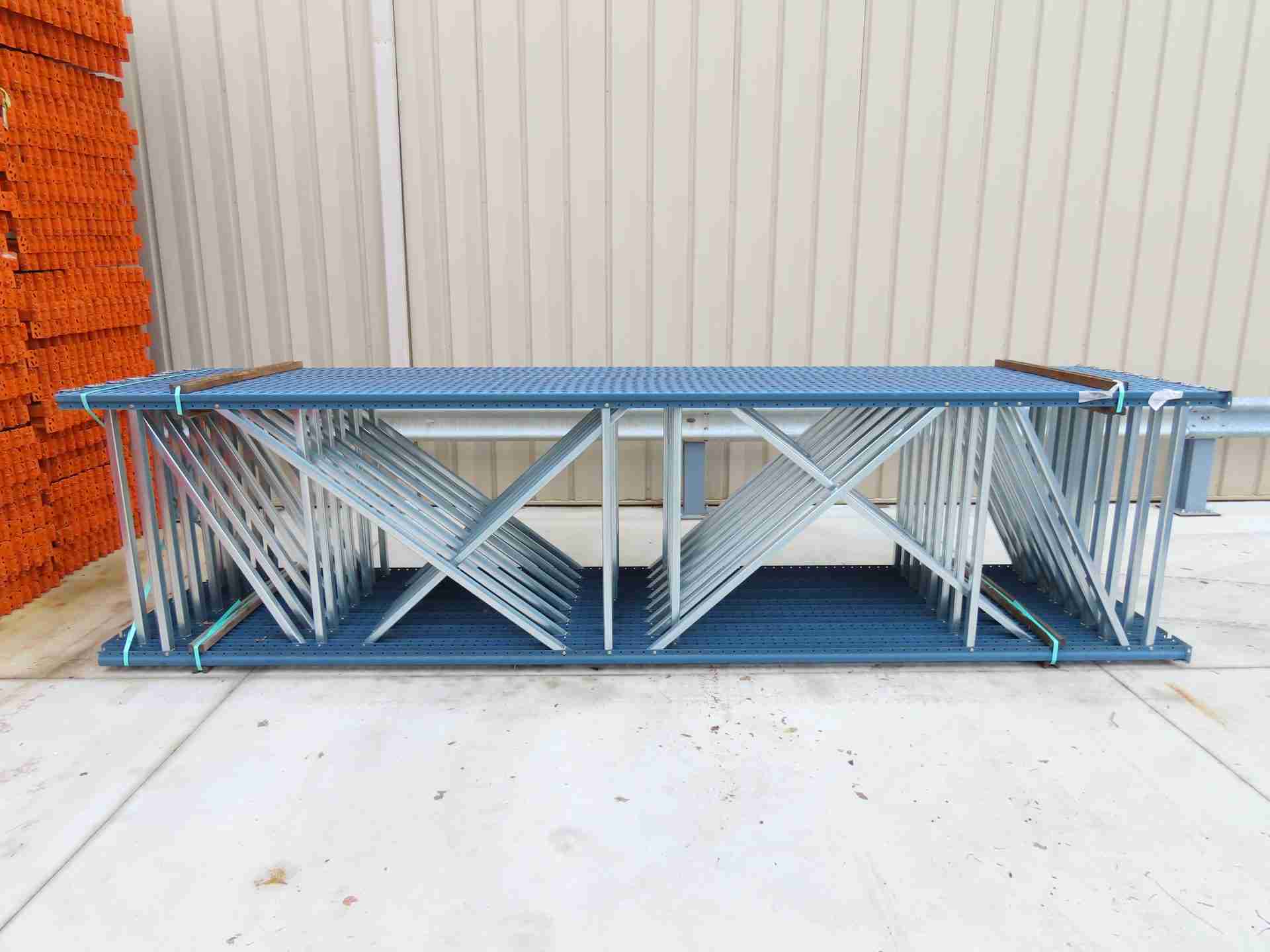
Are Employees Stressed By The Pressures Of Shipping Delays?
Are Employees Stressed By The Pressures Of Shipping Delays?
- Shipping delays can create significant stress for employees and impact the company’s bottom line.
- Deadlines increase pressure, affecting team morale and performance.
- Logistical hiccups lead to a chaotic work environment, causing anxiety among staff.
- High stress levels result in mistakes, miscommunication, and poor customer service.
- Prioritizing a supportive corporate culture can transform pressure into empowerment.
- Encouraging open discussions and celebrating small victories can help alleviate stress.
- Addressing employee stress fosters trust, loyalty, and engagement, enhancing overall operations.

Are Employees Stressed By The Pressures Of Shipping Delays?
What Coping Strategies Can Customers Use During Shipping Delays?
Ah, the dreaded shipping delay. We’ve all been there: the anticipation, the excitement of your much-awaited order, only to receive that frustrating notification. But fear not; you’re not alone. Every customer faces delays at some point, and there are effective coping strategies that can mitigate the stress and help you maintain your peace of mind.
First and foremost, patience is key. While it’s natural to feel frustrated, remember that shipping delays are often out of the retailer’s control. A good way to ease your mind is to take a step back and reassess the situation. Engage in an enjoyable activity, like reading that book you’ve been meaning to dive into or even starting that DIY project you’ve been ignoring. Use the extra time to expand your horizons!
Another helpful strategy is to stay informed. Most retailers now provide tracking options and updates, allowing you to stay in the loop. Check your shipping status regularly, but try to limit yourself to once or twice a day to avoid unnecessary stress. This can be akin to watching paint dry—but taking this approach can empower you and eliminate the uncertainty that often leads to anxiety.
Consider communicating with the retailer. Their customer service team is there to assist you. A polite inquiry can shed light on the situation and reaffirm that you’re in good hands. Businesses that prioritize communication often value transparency, offering insights into the reasons for delays and estimated arrival times. This can transform a negative experience into an opportunity for bonding with a brand.
If you find yourself feeling overwhelmed, channel that energy into organizing your space. Consider how pallet racking can transform your environment. Use the waiting period to clean, declutter, or tweak your storage solutions. Not only will this strategy provide tangible results, but it may also uplift your spirits while you wait for your package to arrive.
Lastly, remember that patience breeds resilience. Each delay, while inconvenient, is an opportunity to practice mindfulness and strengthen your coping mechanisms. Embrace the moment—life is a tapestry of experiences, and the waiting game is just a chapter in your story.
So, the next time a shipping delay tries to get you down, remember these strategies. Choose patience, stay informed, communicate openly, and create a positive space. You got this! Your order will arrive, and when it does, it’ll be worth the wait.
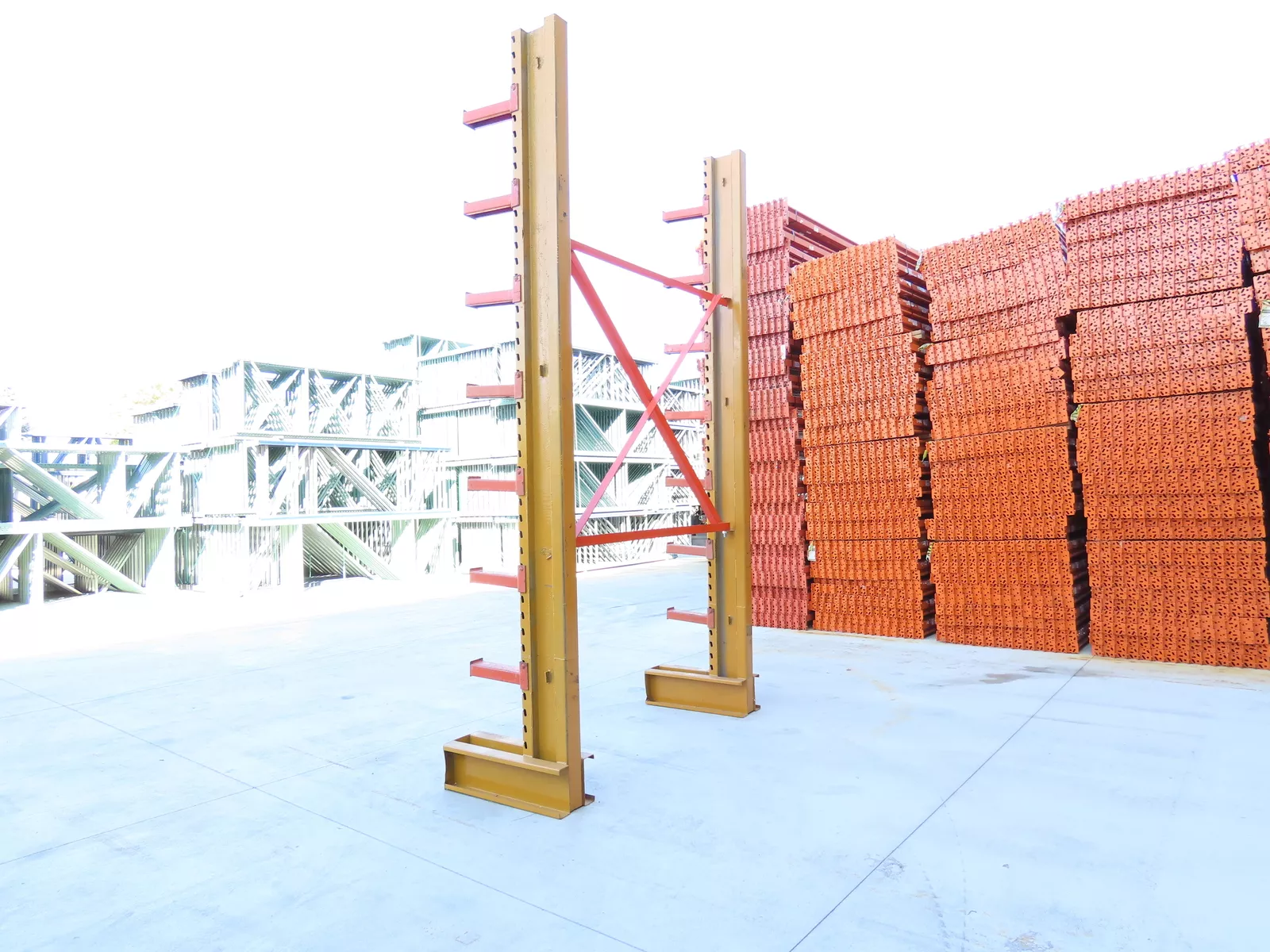
What Coping Strategies Can Customers Use During Shipping Delays?
What Coping Strategies Can Customers Use During Shipping Delays?
- Shipping delays are common and can cause frustration, but coping strategies can help.
- Practicing patience is essential, as delays are often beyond retailer control.
- Engaging in enjoyable activities can help redirect focus and reduce stress.
- Staying informed through tracking options can empower you and minimize anxiety.
- Communicating with the retailer can provide clarity and improve the experience.
- Use the waiting period to organize your space, uplifting your spirits.
- Remember that shipping delays offer opportunities to practice mindfulness and resilience.
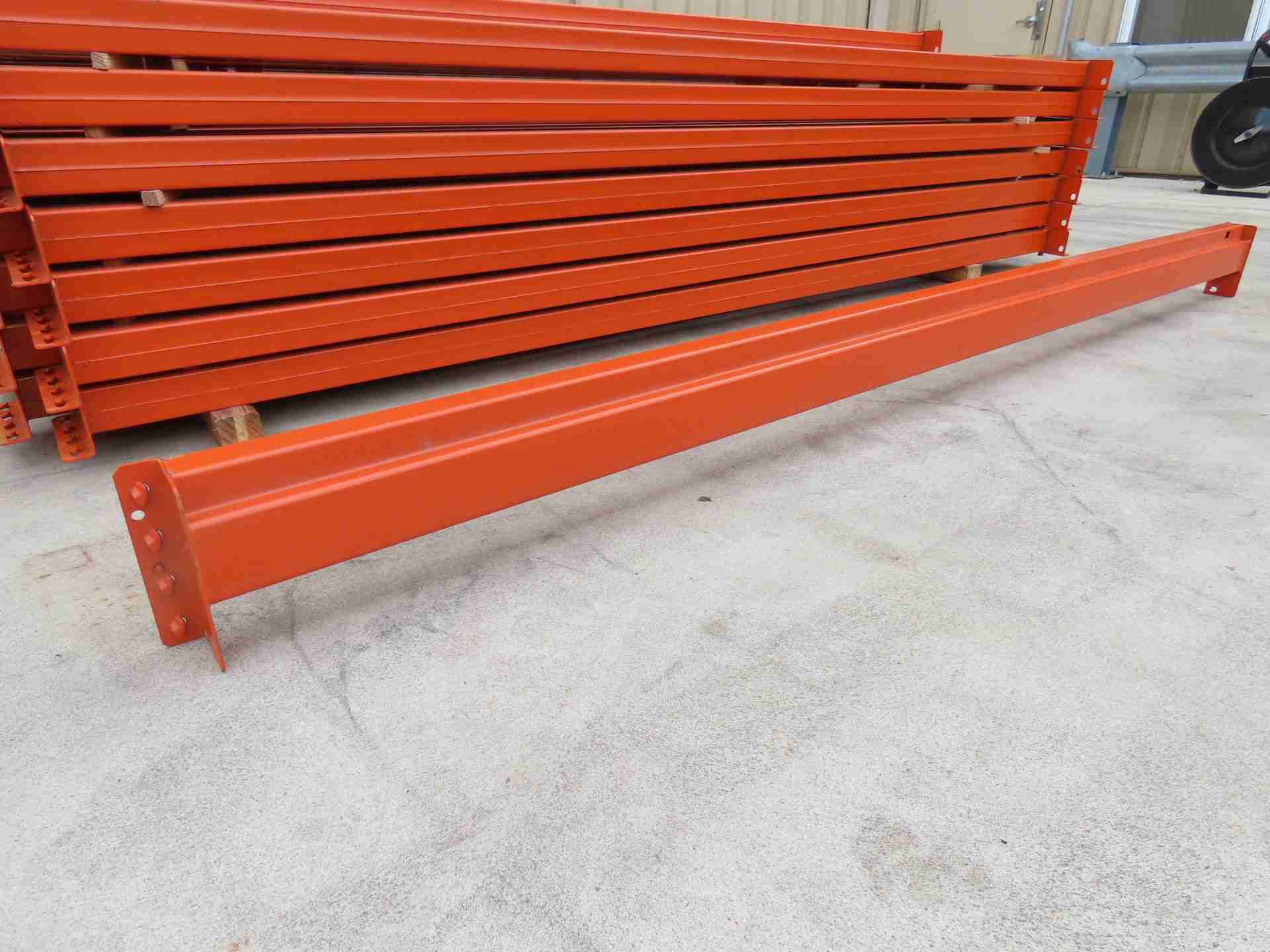
What Coping Strategies Can Customers Use During Shipping Delays?
How Can Communication Improve During Warehouse Delays?
Let’s face it: warehouse delays can turn a smooth operation into a chaotic experience, not just for you but for your clients too. However, what if I told you that effective communication could be the secret weapon to navigating these bumps in the road? When those inevitable hold-ups occur, clear, consistent communication is your best ally.
First and foremost, transparency is key. Customers appreciate honesty, especially when it comes to their expectations. Instead of keeping clients in the dark while their order sits stacked on pallet racking, why not bring them into the loop? Sharing updates about delays, and explaining the reasons behind them, creates a bond built on trust. People remember how you made them feel—so why not make them feel informed and valued rather than frustrated?
Utilize multiple platforms to reach your audience. Maybe it’s a quick email blast, a notification on your website, or a friendly phone call. Whatever the method, ensure your message is clear and humanly engaging. Nobody likes to read a robotic email. Instead, infuse your message with a tone that’s approachable and empathetic. Words matter. Your customers will appreciate your proactive stance, and it will strengthen your relationship.
Another layer of communication improvement is gathering feedback. After a delay, reach out to your customers to hear their thoughts. What did they experience? What can be improved? This not only demonstrates your commitment to enhancing their experience but also empowers them as part of your problem-solving journey! The insights can be invaluable, allowing you to streamline your processes and avoid similar situations down the line.
Finally, make potential solutions clear. Delays don’t have to mean doom and gloom! Present options that can mitigate the delay’s impact. Maybe it’s a partial shipment or an upgraded product to resolve the issue faster. Customers love when companies go above and beyond, and offering solutions during delays can turn potentially negative experiences into opportunities for satisfaction.
In a world where misunderstandings can easily arise, elevating your communication game surrounding warehouse delays positions you as a reliable partner, not just another vendor. So, relax, revamp your strategy, and get ready to transform those delays into examples of stellar customer service that your clients will remember for all the right reasons. Embrace the dialogue; it’s your ticket to trust and loyalty!
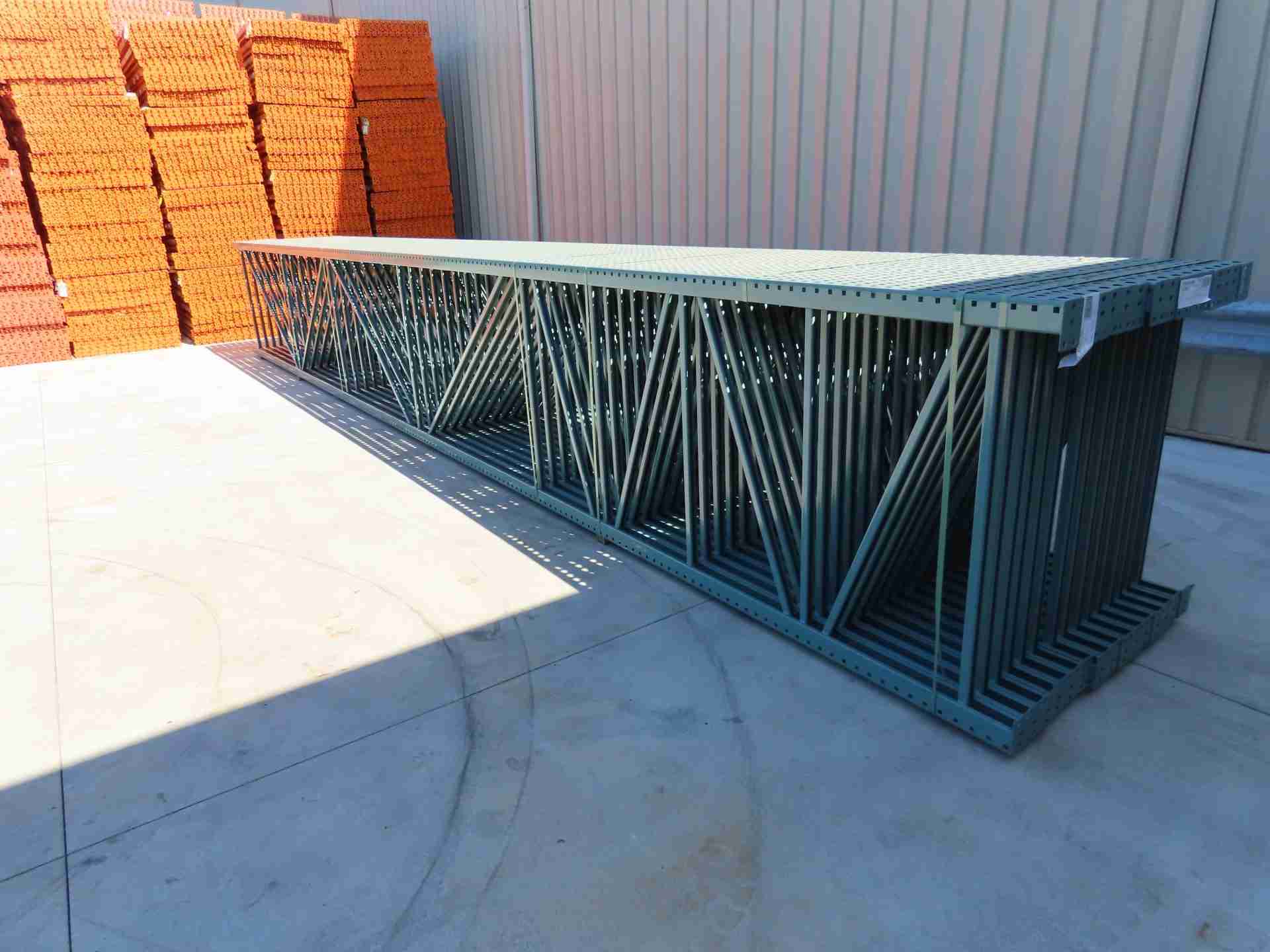
How Can Communication Improve During Warehouse Delays?
How Can Communication Improve During Warehouse Delays?
- Warehouse delays can disrupt operations and client experiences.
- Effective communication is essential for managing these delays.
- Transparency builds trust; keep customers informed about delays and reasons.
- Utilize multiple communication platforms (email, website, phone) for clarity.
- Gather customer feedback post-delay to improve future processes.
- Offer potential solutions during delays to enhance customer satisfaction.
- Elevating communication positions you as a reliable partner, fostering trust and loyalty.
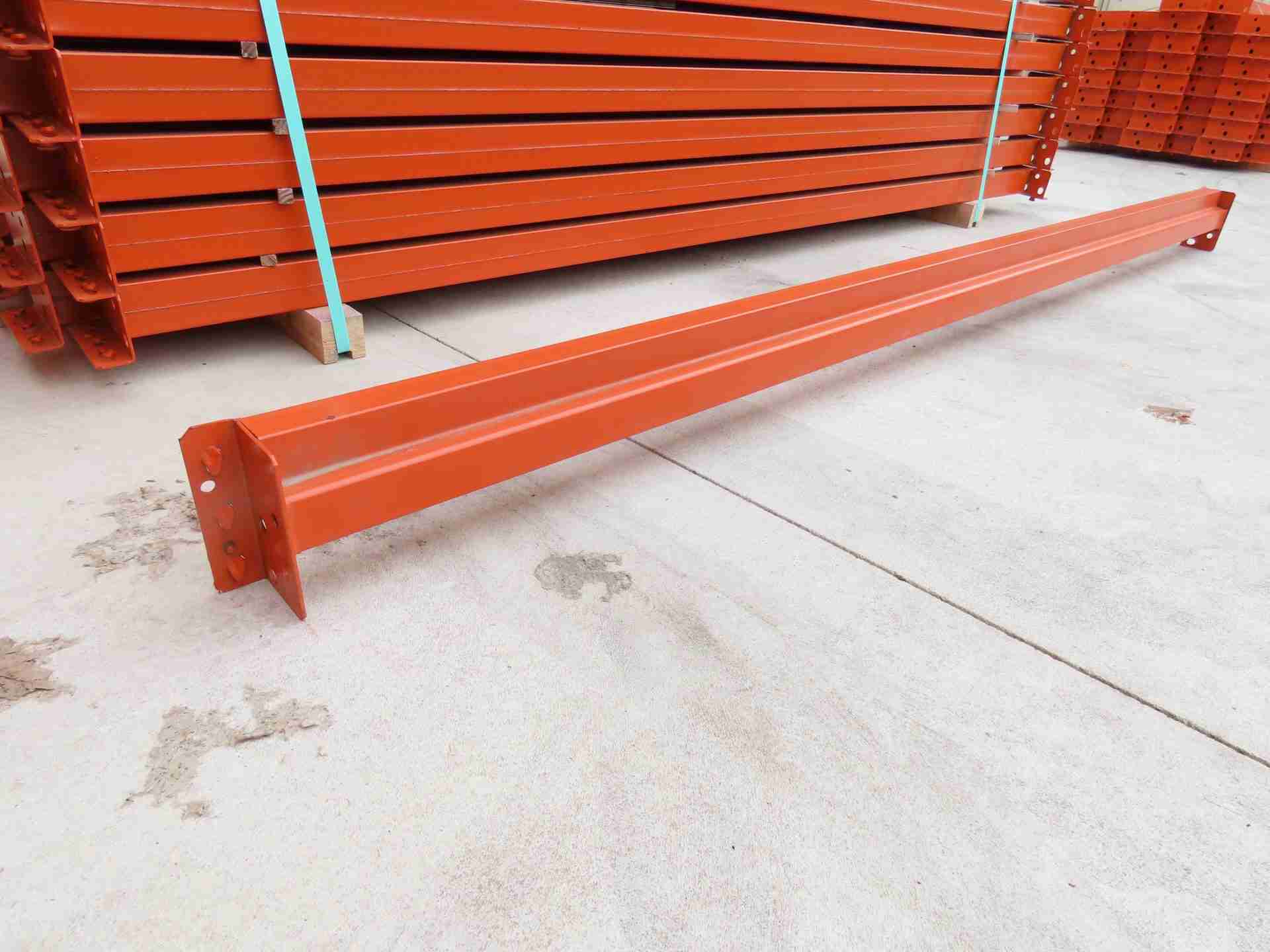
How Can Communication Improve During Warehouse Delays?
What Role Does Transparency Play In Managing Customer Emotions?
Have you ever walked into a store or browsed a website only to feel a nagging doubt about what you’re buying? That creeping uncertainty can ruin a perfectly good shopping experience, whether you’re investing in a high-tech gadget or a simple pallet racking system for your warehouse. Customers today are intelligent and discerning; they crave clarity and honesty in every transaction. Transparency becomes not just a nice-to-have but a necessity—a lifeline that keeps emotions buoyant.
Transparency means more than exposing your company’s secrets; it’s about providing your customers with all the information they need to make informed decisions. Imagine receiving upfront details about the materials used in your pallet racking system, from durability to safety ratings. This act of openness not only builds trust but also showcases your commitment to quality. When customers know what they’re getting, they feel more secure in their decision, leaving more room for positive emotional engagement.
Consider this: every time you reveal something beneficial about your product—like its potential for maximizing storage space or its cost-effectiveness—you are not just lighting a path for logical reasoning but also engaging in an emotional dialogue. You’re saying, “Hey, we have your back.” When customers believe in your honesty, they are less likely to be clouded by doubt and more eager to take action, whether that’s making a purchase or championing your brand to their peers.
Furthermore, transparency creates a sense of community. In an era where many feel isolated due to digital interactions prevailing over face-to-face ones, knowing that a brand is upfront and sincere fosters a deeper connection. Your customers want to be part of something bigger than themselves; they want to align with brands they can trust. When you openly share information—be it positive customer testimonials or transparent pricing models—you invite them into your narrative. It’s not merely about selling pallet racking; it’s about building a relationship that transcends the transaction.
In today’s competitive marketplace, why leave customer emotions to chance? Embrace transparency, and you empower your customers to feel confident about their purchases. By doing so, you inspire trust and action, transforming first-time buyers into lifelong advocates. Transparency isn’t just a strategy; it’s the foundation upon which lasting relationships—and perhaps even a thriving business—are built. So, step into the light, share your story, and watch as your customers respond with loyalty and admiration.
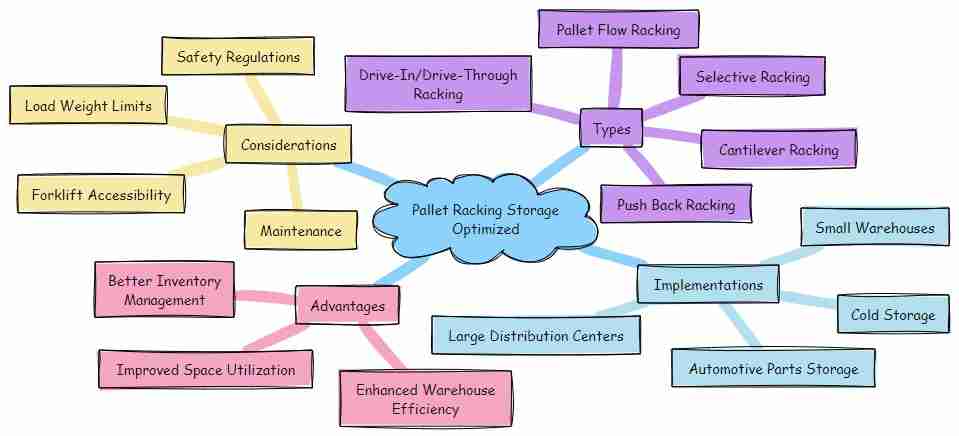
What Role Does Transparency Play In Managing Customer Emotions?
What Role Does Transparency Play In Managing Customer Emotions?
- Customer emotions can be negatively impacted by uncertainty during shopping experiences.
- Transparency is essential for providing customers with the information needed for informed decisions.
- Sharing details about products builds trust and showcases a commitment to quality.
- Highlighting benefits of products engages both logical reasoning and emotional connections with customers.
- Transparent communication fosters a sense of community and connection between brands and customers.
- Embracing transparency enhances customer confidence, transforming first-time buyers into loyal advocates.
- Transparency is fundamental for building lasting relationships and the success of a business.

What Role Does Transparency Play In Managing Customer Emotions?
Conclusion
Conclusion: Transforming Emotional Turmoil into Warehouse Triumphs with RackingWorld.com and Arrow Industrial Sales
In the high-stakes world of warehouse logistics, delays aren’t merely operational hiccups; they are emotional earthquakes that send shockwaves through businesses, employees, and customers alike. If you’ve been feeling the weight of unfulfilled promises to customers and the mounting pressure on your team, you’re not alone. The emotional toll of delayed shipments can lead to lost trust, heightened stress levels, and diminished morale. But, in every challenge lies an opportunity for transformative growth.
With the right strategies, you can not only weather the storm of shipping delays but emerge more resilient and connected to your customers than ever. At Arrow Industrial Sales, we understand that the heartbeat of a successful warehouse is not just about efficient pallet racking systems but about how you manage the emotional landscape of your operations. As you’ve learned, transparency and proactive communication are essential to nurturing trust and loyalty in your customers. It’s about being transparent with delays, providing timely updates, and offering empathetic customer service that turns frustration into satisfaction.
By implementing effective storage solutions, like our high-quality pallet racking systems, you can optimize organizational efficiency, minimize delays, and keep that satisfaction meter on the rise. But beyond the transactional relationship, it’s time to embrace a holistic approach that values emotional well-being—both for your customers and your team. Create a supportive workplace culture where employees feel empowered to manage challenges and celebrate successes together. These actions will amplify productivity and morale, turning your workforce into passionate advocates for your business.
Now, it’s time to take action. Don’t let the complexities of shipping delays dictate your business’s narrative. Embrace this opportunity to strengthen your supply chain logistics by investing in the right tools and systems. Call Arrow Industrial Sales at (574) 349-6575 today to explore tailor-made solutions that meet your unique needs. The clock is ticking, and every moment counts. Show your customers that you value their trust and loyalty by ensuring that their orders arrive on time.
Remember, delays are inevitable, but how you respond defines your business. This is your chance to transform emotional setbacks into stepping stones, paving the way for unparalleled success. Let’s rewrite the narrative—together!
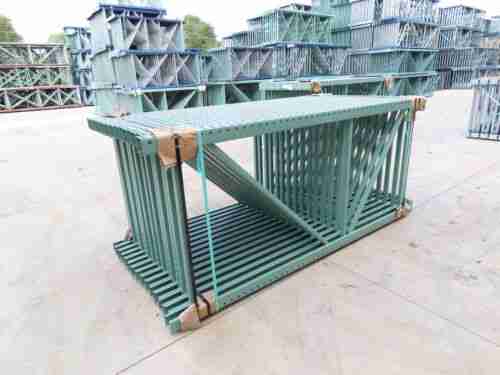
Conclusion
Conclusion:
- Delays in warehouse logistics impact not just operations but cause emotional upheaval for businesses, employees, and customers.
- The emotional burden of delayed shipments can result in lost trust, increased stress, and lower morale.
- Challenges such as shipping delays can be transformed into opportunities for growth with the right strategies.
- Transparent communication and empathetic customer service are essential to building trust and loyalty.
- Effective storage solutions like high-quality pallet racking systems help improve organizational efficiency and reduce delays.
- Fostering a supportive workplace culture enhances employee morale and productivity, turning them into advocates for the business.
- Act now by investing in the right tools to strengthen supply chain logistics and better serve customer needs.
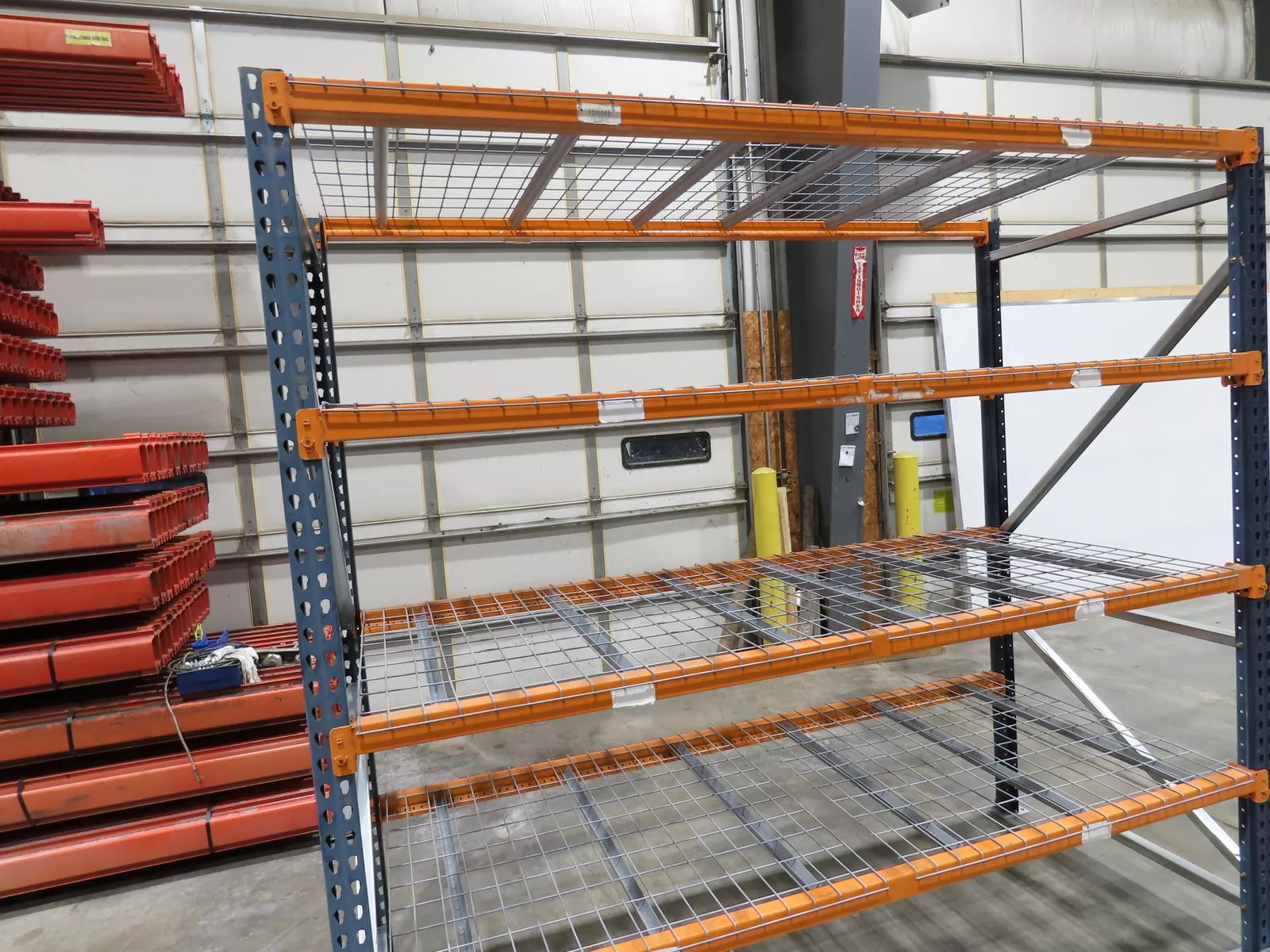
Conclusion
Other Resources
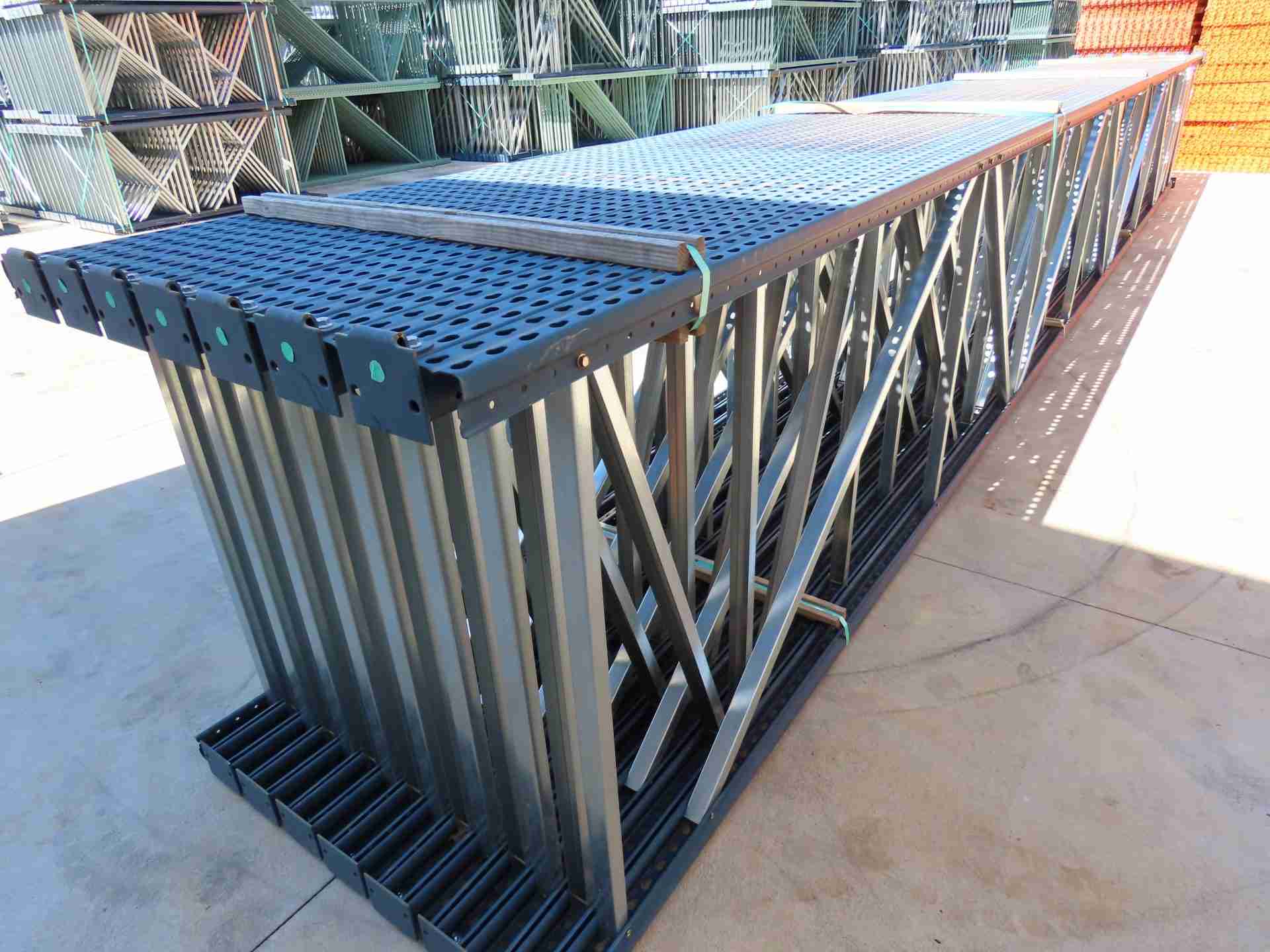
Other Resources
Here is a list of other resources you can review online to learn more:
- Pallet Racks, Pallet Racking, Pallet Shelves in Stock – ULINE
- Cantilever Racks Chicago
- BMH Equipment LLC
- Pallet Racking systems in Illinois and Great Lakes
- IWLA
- Used Pallet Rack for Sale in Illinois – American Surplus
- Warehouse Racking Chicago, IL
- American Society of Safety Professionals
- Illinois
- Iowa Illinois Warehouse Racking
Use This Prompt To Get More Resources With Your Favorite Online AI Tool: Please provide me with a list of online articles with their URLs in a bulleted list that I can read regarding Are You Aware Of The Emotional Toll Of Warehouse Shipments and Delays?
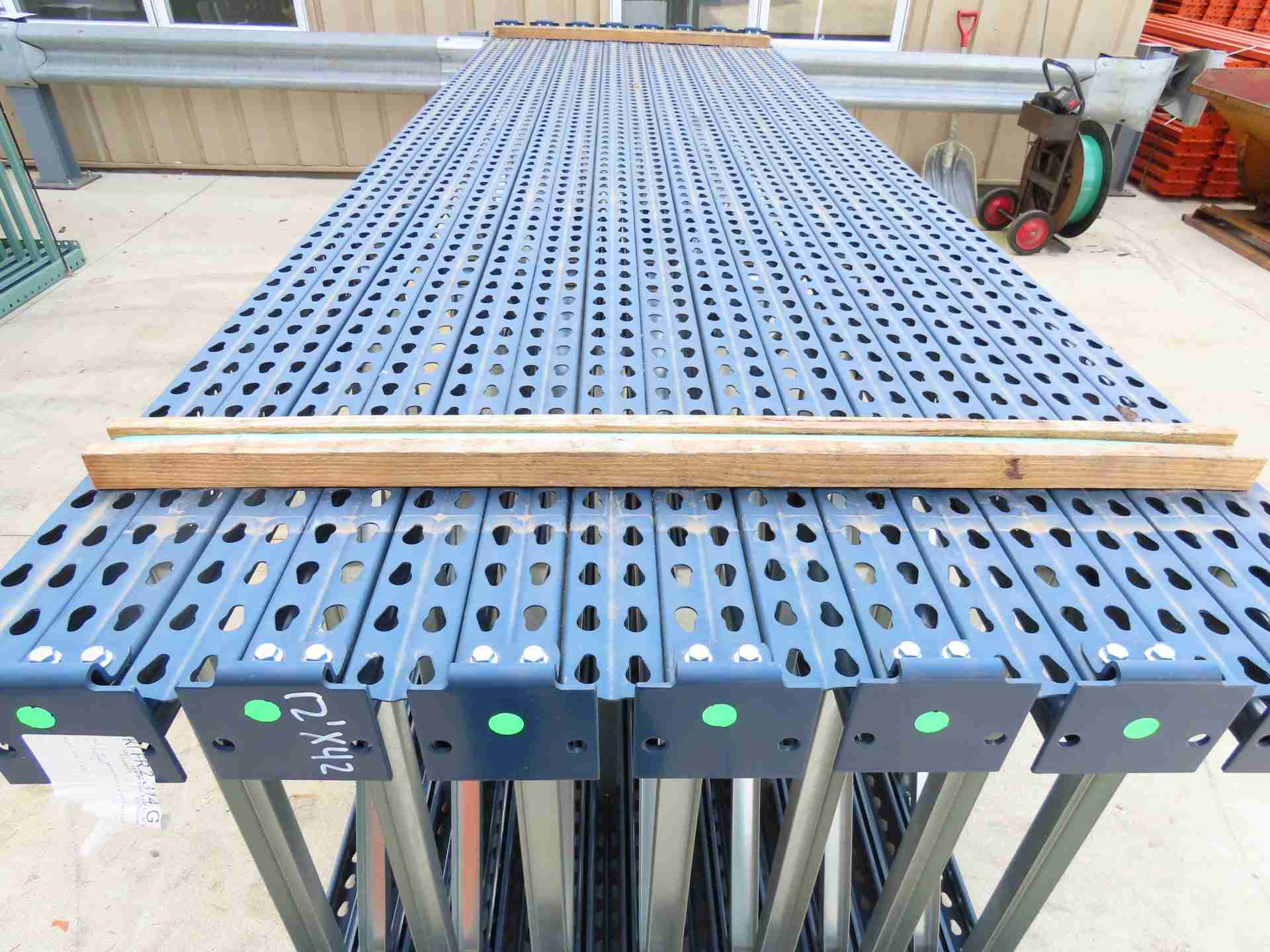
Other Resources
Glossary Terms
Are You Aware Of The Emotional Toll Of Warehouse Shipments and Delays? – Glossary Of Terms
1. Agitation: A state of anxiety or nervous excitement often caused by unexpected shipping delays.
2. Anticipation: The feeling of excitement or eagerness as one awaits the arrival of a shipment.
3. Cognitive Dissonance: The mental discomfort experienced when one’s expectations about timely shipments clash with reality.
4. Disappointment: A feeling of sadness or displeasure when a shipment fails to arrive as scheduled.
5. Emotional Labor: The effort required to manage feelings and expressions to fulfill the emotional requirements of a situation, such as dealing with frustrated customers.
6. Frustration: A common emotional response to shipping delays, often stemming from unmet expectations.
7. Impatience: A feeling of restlessness or annoyance due to delays or waiting for a shipment’s arrival.
8. Jitters: A state of nervousness, often triggered by uncertainty around shipping times.
9. Logistics Anxiety: A specific type of stress or worry related to the handling and timely delivery of shipments.
10. Mistrust: A feeling of distrust that can arise towards shipping companies when delays occur frequently.
11. Optimism Bias: The belief that future shipping experiences will be timely, despite past delays.
12. Overwhelm: A feeling of being swamped with stress due to delays and the pressure of managing expectations.
13. Panic: An intense feeling of fear or anxiety that can arise from the uncertainty of delayed shipments.
14. Postponement: The act of delaying the planned use of items awaiting shipment, which can lead to a sense of stagnation.
15. Psychological Strain: The mental pressure and emotional toll associated with prolonged shipping delays.
16. Regret: The disappointment felt when past shipping decisions lead to delayed arrivals.
17. Reliability: The degree to which customers trust shipping timelines based on past experiences; vital to emotional well-being.
18. Resilience: The ability to recover quickly from shipping frustrations, maintaining a positive outlook despite delays.
19. Stress Management: Techniques employed to cope with the anxiety and frustration associated with shipping issues.
20. Suspense: The feeling of uncertainty and excitement that accompanies waiting for a shipment to arrive.
21. Sympathy: An emotional response that may be evoked for others facing shipping delays, contributing to community feelings.
22. Tension: A sense of strain or stress that builds up when delays occur, affecting mental well-being.
23. Trustworthiness: The quality of being dependable in shipping practices, which can alleviate emotional toll.
24. Uncertainty: The state of being unsure about when a shipment will arrive, often leading to anxiety.
25. Value Stress: The pressure felt when a delayed shipment affects one’s responsibilities or obligations related to the value of goods.
26. Withdrawal: An emotional response involving reluctance to engage in shipping activities again after bad experiences.
27. Yin-Yang of Shipping: The balance between the positives (like timely deliveries) and negatives (like delays) that affects emotional responses.
28. Yielding: The process of conceding to frustration or disappointment when facing difficult shipping experiences.
29. Zen-like Acceptance: A coping mechanism that involves accepting shipping delays without undue stress, promoting serenity.
30. Zenith of Emotion: The peak emotional response encountered during the long wait for delayed shipments, often encompassing a mix of frustration, hope, and anxiety.

Glossary Of Terms
Other Questions
Are You Aware Of The Emotional Toll Of Warehouse Shipments and Delays? – Other Questions
If you wish to explore and discover more, consider looking for answers to these questions:
- What are the common causes of warehouse shipment delays?
- How can businesses effectively manage shipping delays?
- What are the long-term effects of shipping delays on customer loyalty?
- How can companies improve their supply chain transparency?
- What are the signs that employees are struggling with stress from shipping delays?
- How can emotional intelligence training benefit staff dealing with shipping issues?
- What tools or technologies can help reduce shipping delays?
- What role does customer feedback play in improving shipping processes?
- How can companies better handle customer complaints caused by shipping delays?
- What specific actions can customers take to hold companies accountable for delays?
- How can developing a proactive communication strategy mitigate customer frustration?
- What are some best practices for maintaining customer relationships during shipping delays?
Other Questions
Checklist
Are You Aware Of The Emotional Toll Of Warehouse Shipments and Delays? – A Checklist
Understanding Emotional Impacts
_____ Acknowledge Customer Emotions: Recognize and validate the feelings that shipping delays can evoke in customers, such as frustration, disappointment, and anxiety.
_____ Assess Employee Stress: Identify signs of stress in your team due to shipping delays and understand how it impacts overall productivity and morale.
Communication Strategies
_____ Implement Proactive Communication: Inform customers of potential delays before they happen to set realistic expectations.
_____ Utilize Multiple Platforms: Use emails, website notifications, and calls to provide updates and maintain transparency.
_____ Gather Customer Feedback: After delays, reach out to customers for their feedback on the experience to improve future processes.
Building Trust
_____ Foster Transparency: Share detailed information about products and the reasons behind shipping delays to maintain customer trust.
_____ Provide Updates Regularly: Keep customers informed on the status of their orders to reduce uncertainty and frustration.
Improving Operations
_____ Invest in Efficient Systems: Optimize storage solutions and inventory management to minimize delays and enhance order fulfillment.
_____ Encourage Team Engagement: Create an environment where employees can express concerns and work collaboratively towards solutions during stressful times.
Coping Strategies for Customers
_____ Emphasize Patience: Encourage customers to maintain patience and engage in enjoyable activities while waiting for shipments.
_____ Stay Informed with Tracking: Teach customers to have access to and understand tracking options for their orders.
_____ Communicate Openly with Retailers: Remind customers that reaching out for updates or assistance can alleviate their stress.
Cultivating Customer Relationships
_____ Create Community Spaces: Establish platforms for customers to share experiences and feelings, reinforcing brand loyalty.
_____ Offer Solutions: Present options to mitigate the effects of delays, such as offering alternatives or partial shipments.
Mental Well-Being
_____ Support Employee Well-Being: Implement initiatives that prioritize mental health in the workplace, like team huddles and peer support.
_____ Recognize Small Wins: Celebrate achievements and progress within the team, even during chaotic times.
Continuous Improvement
_____ Conduct Post-Delay Reviews: Analyze what went wrong during delays and how responses can be improved for the future.
_____ Encourage Learning and Development: Provide training on handling logistical challenges effectively to empower employees.
By following this checklist, you can better navigate the emotional challenges associated with warehouse shipments and delays, fostering trust and loyalty among customers and enhancing your internal team’s morale.
Checklist
At RackingWorld, we help guide you through selecting warehouse storage systems and racking.
Be sure to read our other related stories at RackingWorld to learn more about warehouse storage systems.
0 Comments