
Uncovering The True Cost Of Inefficient Warehouse Storage
By Tom Seest
At RackingWorld, we help guide you through selecting warehouse storage systems and racking.
Be sure to read our other related stories at RackingWorld to learn more about warehouse storage systems.
Are You Aware Of Hidden Costs Of Poor Warehouse Storage Organization?
Imagine stepping into your warehouse and witnessing chaos: pallets stacked haphazardly, shipments delayed, and your team meandering through aisles in search of misplaced items. While it may seem like a minor inconvenience, the hidden costs of poor storage organization can balloon before your very eyes, impacting your profitability and operational efficiency.
Let’s talk about pallet racking. It’s an integral part of any organized warehouse, and if used correctly, it can drastically improve your productivity. But when pallet racking systems are poorly organized or underutilized, they transform from valuable assets into costly liabilities. Picture this scenario: a warehouse that doesn’t utilize vertical space efficiently—lost square footage translates to lost revenue as you pay for space that could be generating profit. Those gleaming pallet racking units are meant to streamline your systems, but when the organization fails, they often become a maze of confusion instead.
What’s the cost of determining the right product for the order during peak hours? If your team is wasting time hunting down inventory, that translates into labor costs mounting with every minute. Moreover, poor storage practices can lead to obsolescence and damage; products left to sit idly risk spoiling or losing value. Each resequenced order because of misplaced stock isn’t just a headache; it’s a hidden drain on your bottom line.
But don’t worry! There’s a clear path to transformation. Start by investing time in reevaluating your pallet racking systems. Are you using the right type of racking for your inventory? Optimize your layout for the fastest retrieval times, placing high-rotation items within easy reach and ensuring that everything has a designated home. Engage your team in regular inventory audits and training sessions, fostering a culture of awareness and accountability.
These proactive steps may seem small, but the results are monumental. As your warehouse evolves into an organized haven of productivity, you’ll find the hidden costs evaporate, replaced by savings and customer satisfaction.
You’ve got this! Reclaim your warehouse from the grips of disarray. Start today, and watch your profits soar as your operations become truly streamlined. After all, taking control of your storage organization is no longer an option; it’s a necessity for lasting success.
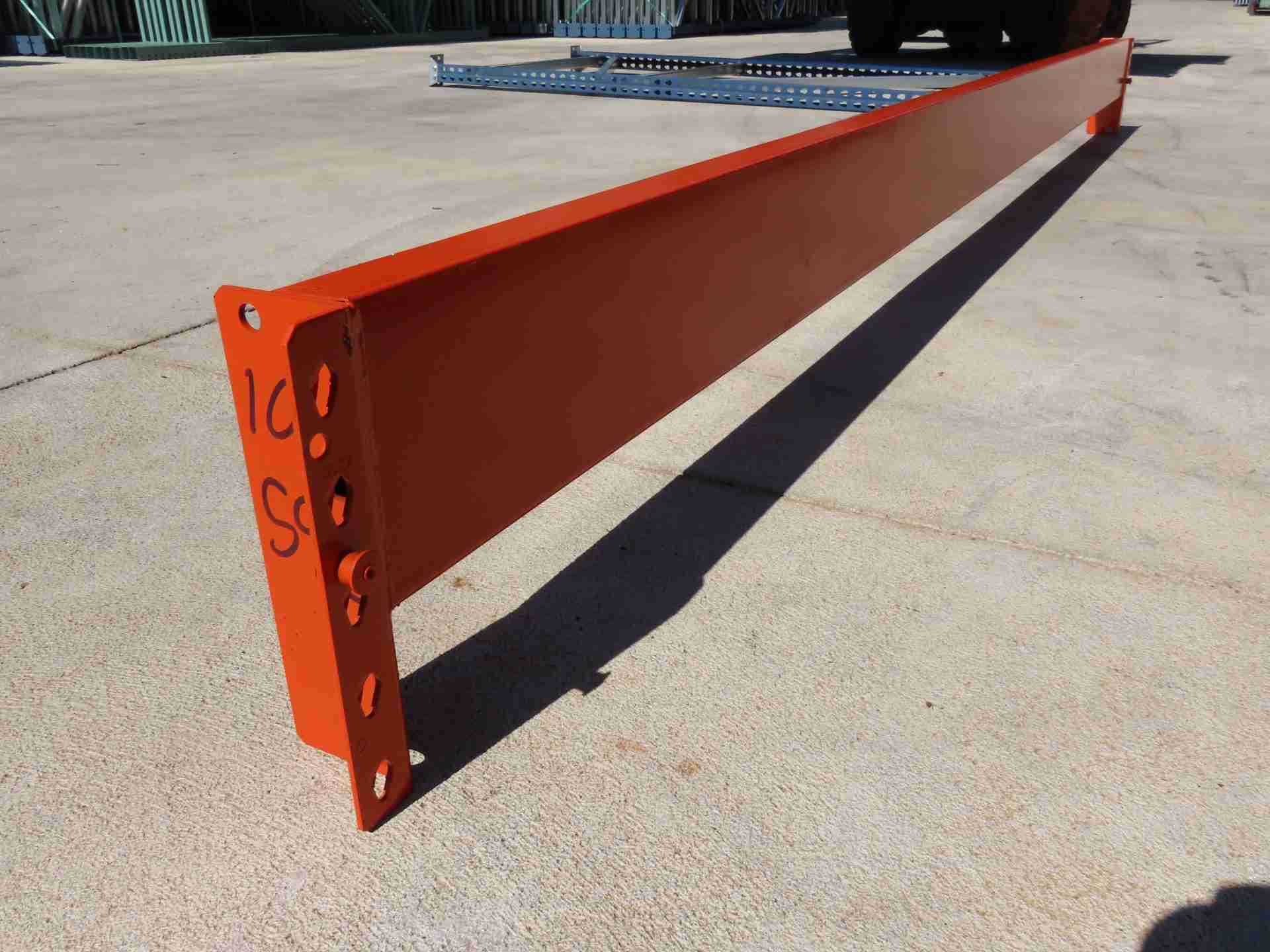
Are You Aware Of Hidden Costs Of Poor Warehouse Storage Organization?
Are You Aware Of Hidden Costs Of Poor Warehouse Storage Organization?
- Poor storage organization leads to chaos in warehouses, affecting profitability and operational efficiency.
- Properly utilized pallet racking systems can significantly improve productivity.
- Underutilized or poorly organized pallet racking results in lost revenue due to inefficient use of vertical space.
- Wasted time searching for inventory during peak hours increases labor costs.
- Neglecting storage practices may cause product obsolescence and damage, harming overall value.
- Reevaluating pallet racking systems and optimizing layouts can enhance retrieval times and organization.
- Engaging staff in regular inventory audits fosters accountability and can lead to increased savings and customer satisfaction.
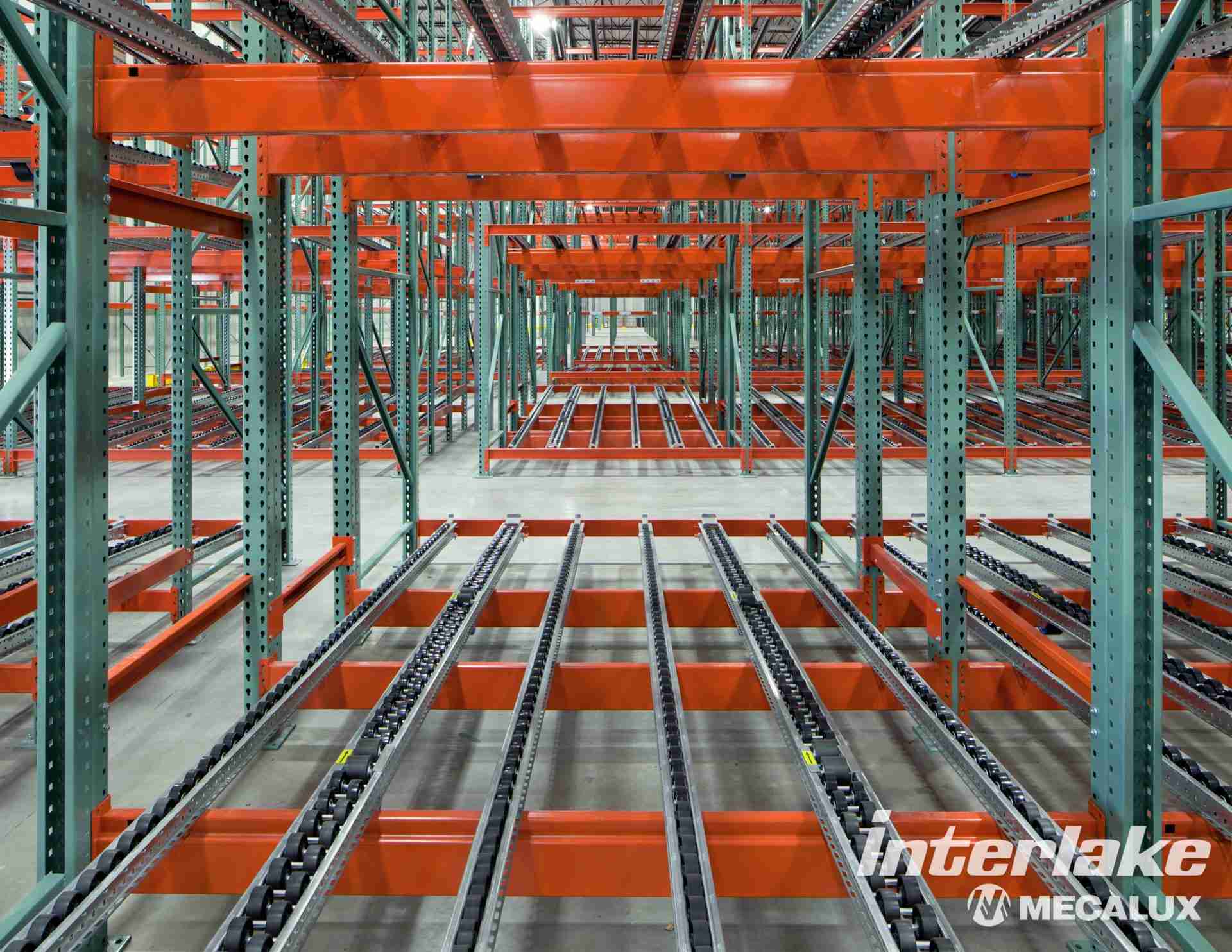
Are You Aware Of Hidden Costs Of Poor Warehouse Storage Organization?
Table Of Contents
- Are You Aware Of Hidden Costs Of Poor Warehouse Storage Organization?
- How Does Poor Organization Affect Productivity Levels?
- Are Inefficiencies Due To Clutter Costing You Time And Money?
- What Safety Risks Are Associated With Bad Storage Practices?
- How Can Disorganization Lead To Inventory Inaccuracies?
- What Role Does Employee Morale Play In Warehouse Organization?
- How Often Should Warehouse Storage Be Reorganized?
- Conclusion
- Other Resources
- Glossary Of Terms
- Other Questions
- Checklist
How Does Poor Organization Affect Productivity Levels?
Imagine walking into a warehouse, where every inch of space is filled with chaos. Pallet racking sits askew, overflowing with boxes stacked haphazardly, each one representing lost time and missed opportunities. It’s more than just a messy environment; it’s a direct hit to your productivity levels, dragging your team down into a quagmire of frustration.
When your workspace resembles a scene from a disaster movie, it’s not just the physical clutter that’s troubling. The mental clutter creeps in, too. Each misplaced item becomes a thorn in the side of your day-to-day operations. Your team spends more time searching for what they need rather than focusing on what really matters—growing your business. An alarming 80% of workers admit that disorganization directly affects their efficiency. Can you afford to be among them?
Now, let’s break it down further. Poor organization leads to increased stress levels, creating a domino effect that impacts morale and creativity. Think about it: when your team feels overwhelmed by their surroundings, their ability to innovate dwindles. The next big idea that could propel your business forward? It may slip right through their fingers as they sift through the chaos.
But here’s the good news: You can turn this around, and it starts with getting organized. Investing in effective pallet racking isn’t just about storing products; it’s about setting the stage for your success. When every item has its designated space, your team can operate with clarity and purpose. They regain those precious minutes wasted in search of needed tools, allowing them to focus on what’s essential—driving results.
Does it sound too good to be true? Trust me, it’s simpler than it sounds. Start small; designate specific areas for specific functions. Implement a system where everyone knows where to find essentials, and watch the transformation. With just a few tweaks, you can foster an environment that inspires action, boosts efficiency, and fortifies trust within your team.
Get ready to unleash the full potential of your workforce. When organization becomes a priority, not only will productivity soar, but you’ll also cultivate a culture of accountability and high performance. So ask yourself—are you ready to take that leap? The power to transform your productivity is literally at your fingertips. Embrace it!

How Does Poor Organization Affect Productivity Levels?
How Does Poor Organization Affect Productivity Levels?
- A chaotic warehouse environment negatively impacts productivity and team morale.
- Disorganization leads to mental clutter, hindering focus on important business growth.
- 80% of workers report that disorganization affects their efficiency.
- Increased stress from poor organization can reduce innovation and creativity among team members.
- Effective pallet racking can improve clarity and purpose within the workspace.
- Start small by designating specific areas for organizational functions to enhance efficiency.
- Prioritizing organization fosters accountability and high performance in the workforce.

How Does Poor Organization Affect Productivity Levels?
Are Inefficiencies Due To Clutter Costing You Time And Money?
Imagine stepping into your warehouse, greeted not by the promise of operational efficiency, but by a chaotic maze of clutter. Pallet racking systems, meant to provide organization and streamline workflows, can transform into a disorganized heap of confusion when not utilized correctly. It’s a scenario that can strike terror into the hearts of even the most seasoned managers.
Now, consider the price of this clutter. Every minute spent locating items lost in the labyrinth of disarray is a minute wrested from productive work. What about the missed deadlines? The flurry of errors? Each of these inefficiencies generically adds to the overhead and chips away at your bottom line. Time, after all, is money. And in a world where margins can be razor-thin, the smallest inefficiency can feel like pouring dollar bills straight down the drain.
But let me ask you this: what if you could reclaim that lost time and enhance your profitability with a simple shift in approach? It starts with taking a hard look at your current systems — particularly your pallet racking solutions. Are they doing their job efficiently, or have they become just another part of the problem? A well-organized pallet racking setup can not only save you time but can also enhance safety, improve inventory management, and increase employee satisfaction. When your crew isn’t spending half their day searching for that elusive pallet, they can focus on the core activities that really matter.
Creating an organized environment that fosters productivity isn’t just a lofty goal; it’s a necessity in today’s fast-paced business ecosystem. Imagine walking into your warehouse and seeing each item in its designated spot, effortlessly accessible. You’d feel a sense of relief and control, knowing that everything is working smoothly and efficiently.
Reclaim your space, your time, and ultimately, your money. Don’t allow clutter to dictate your operations. Instead, take action to streamline your pallet racking systems, and let organization elevate your business operations. Start today, because the longer you wait, the more you risk paying the steep cost of inefficiency. Trust me, your bottom line will thank you!
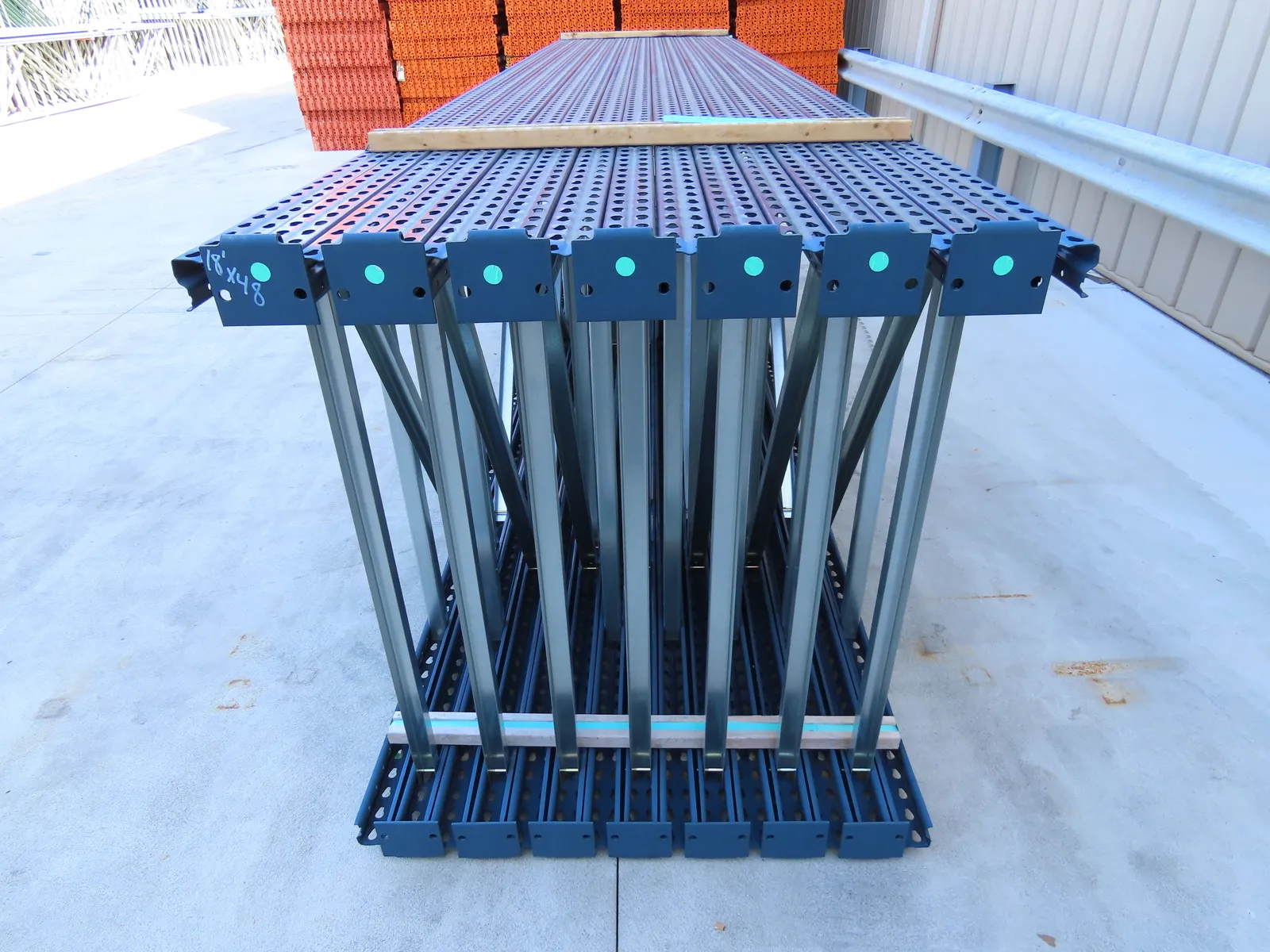
Are Inefficiencies Due To Clutter Costing You Time And Money?
Are Inefficiencies Due To Clutter Costing You Time And Money?
- Warehouse clutter can severely hinder operational efficiency and create confusion.
- Time spent locating misplaced items detracts from productive work and can lead to missed deadlines and errors.
- Inefficiencies in the warehouse environment can adversely affect the bottom line, particularly in industries with thin profit margins.
- Reevaluating and improving pallet racking systems can lead to increased productivity and profitability.
- An organized pallet racking setup can enhance safety, improve inventory management, and boost employee satisfaction.
- Creating an organized work environment is essential for fostering productivity in a fast-paced business environment.
- Taking action to streamline operations can reclaim space, time, and money, benefiting overall business performance.

Are Inefficiencies Due To Clutter Costing You Time And Money?
What Safety Risks Are Associated With Bad Storage Practices?
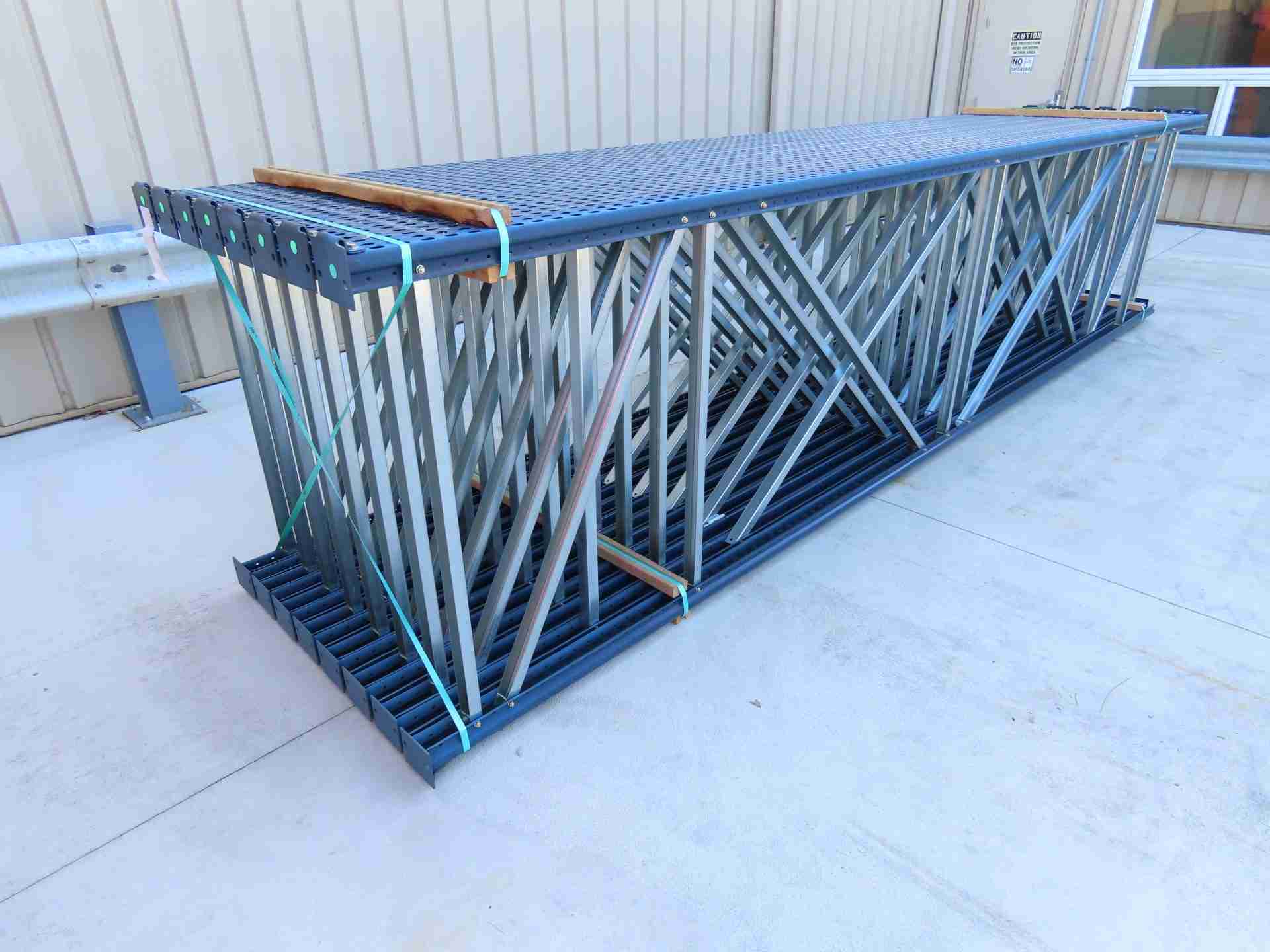
When it comes to warehouse storage, the stakes are high. Poor storage practices can turn a bustling hub of productivity into a ticking time bomb of safety hazards. For instance, let’s consider pallet racking. It may seem like a simple solution for maximizing vertical space, but if not used properly, it poses significant risks that can have severe consequences.
Imagine a busy warehouse. Employees go about their tasks, moving swiftly between aisles, but lurking overhead are those towering stacks of goods resting precariously on poorly managed pallet racking. Inadequate securing of products, overloading shelves, or failing to monitor weight limits can lead to catastrophic failures. A sudden collapse can result in not only damaged merchandise but also injuries—or worse—tragedies that could have been easily avoided. It’s staggering to think about how quickly a routine workday can spiral into chaos due to oversight.
But it doesn’t stop there. Bad storage practices extend beyond the physical dangers. They can lead to inefficiencies that stifle productivity, cost businesses time and money, and ultimately hurt morale. When employees are consistently navigating around hazards, they become distracted and anxious. The combination of stress and risk creates an environment where mistakes are more likely to happen, thus compounding the dangers associated with inadequate storage solutions.
So, what can you do to ensure safety in your storage practices? The first step is education. Empower your team with training on the proper use of pallet racking systems, emphasizing the importance of following guidelines for loads and inspections. Secondly, establish regular safety audits to catch issues before they escalate. Not only does this improve compliance, but it also fosters a culture of accountability and care among employees.
Your warehouse is not just a storage space; it’s the backbone of your operation. Prioritize safety in your storage practices and watch your team’s confidence soar. Creating a safe working environment is an investment in your company’s future—and in its people. Don’t let bad storage practices put your business at risk. Implementing simple, effective safety measures today will save you heartache tomorrow. Together, let’s build a safer, more efficient workspace!
What Safety Risks Are Associated With Bad Storage Practices?
What Safety Risks Are Associated With Bad Storage Practices?
- Poor warehouse storage practices can create significant safety hazards.
- Improper use of pallet racking can lead to catastrophic failures, injuries, and damage to merchandise.
- Inadequate securing, overloading, and neglecting weight limits increase risks in storage.
- Bad storage practices can reduce productivity, wasting time and resources while hurting employee morale.
- Employees may experience stress and distraction due to hazardous working conditions, leading to mistakes.
- Education and training on proper pallet racking usage are essential for safety.
- Regular safety audits can prevent issues, fostering a culture of accountability and care among employees.
What Safety Risks Are Associated With Bad Storage Practices?
How Can Disorganization Lead To Inventory Inaccuracies?
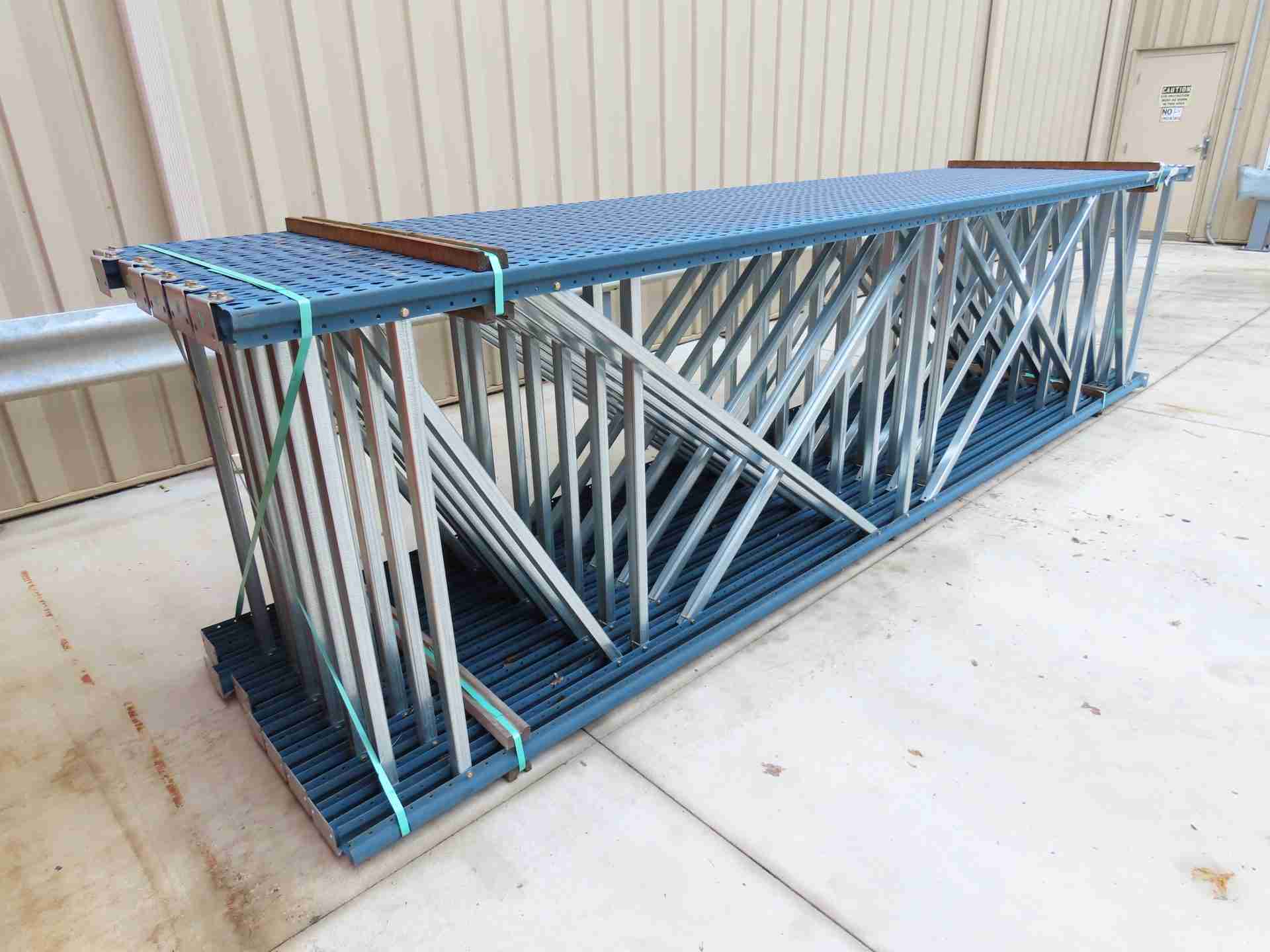
In the fast-paced world of business, every moment counts. Imagine walking into a warehouse that feels more like a maze than a well-oiled distribution machine. Boxes piled high, mismatched labels, and a haphazard arrangement of pallet racking—all of these chaos-inducing elements can lead to significant inventory inaccuracies. But why should this matter to you?
First off, disorganization breeds confusion. When products are not stored systematically, employees waste precious time searching for items, disrupting the flow of operations and slowing down order fulfillment. This inefficiency doesn’t just frustrate staff; it resonates through your customer base, resulting in delays and unmet expectations. Have you ever ordered something only to learn it’s out of stock, even though your system says otherwise? This unfortunate scenario often unfolds because comprehensive records and precise organization are lacking.
Let’s address the elephant in the room: your inventory management system is only as reliable as the data it relies on. If the foundation is shaky—think cluttered aisles and unclear labeling—your inventory count becomes an exercise in futility. Products can be misplaced amidst the chaos of poorly utilized pallet racking, leading to overstock, stockouts, and the dreaded double-entry of items. Each inaccuracy hurts your credibility and strays you further from the path of efficient operation.
Visualize a well-organized workspace instead. Racked pallets neatly aligned, items easily identifiable, and staff confidently navigating through a structured system. This isn’t just wishful thinking; it’s entirely achievable with the right strategies. Emphasizing organization cultivates an environment where accuracy reigns supreme. Imagine the peace of mind in knowing that each product is tracked accurately, every inventory adjustment reflects reality, and your team can focus on what truly matters: serving your customers and expanding sales.
Investing time and resources in proper organization—like optimizing your pallet racking system—can save you headaches down the line. Prioritizing a systematic approach to your inventory not only reduces inaccuracies; it fosters a culture of accountability. In a competitive landscape, that’s the kind of edge that results in trust and loyalty from your customers.
Act now—don’t let disorganization dictate your inventory inaccuracies any longer. Embrace a structured approach and watch your efficiency soar while keeping your business armed with confidence and ready for action!

How Can Disorganization Lead To Inventory Inaccuracies?
How Can Disorganization Lead To Inventory Inaccuracies?
- Disorganization in warehouses leads to significant inventory inaccuracies.
- Confusion arises when products are stored unsystematically, wasting employee time and disrupting operations.
- Inventory management systems rely heavily on accurate data; cluttered environments undermine reliability.
- Poor organization can lead to issues like overstock, stockouts, and double-entry errors.
- A well-organized workspace enhances accuracy and allows staff to focus on customer service and sales growth.
- Investing in proper organization fosters accountability and builds customer trust and loyalty.
- Embracing a structured approach can significantly enhance operational efficiency and overall business confidence.
How Can Disorganization Lead To Inventory Inaccuracies?
What Role Does Employee Morale Play In Warehouse Organization?
When it comes to warehouse organization, employee morale is often the unsung hero behind operational efficiency. Picture this: a team that feels valued, motivated, and engaged is far more productive than one that trudges through their daily tasks with low spirits. The energy in a warehouse is palpable; when morale is high, it radiates throughout every aisle, from the front desk to the pallet racking systems that store vital inventory.
Let’s consider how employee morale directly impacts your operations. A motivated workforce will approach their roles with enthusiasm, whether they’re managing inventory, picking orders, or handling the complexities of the pallet racking setup. When team members see the importance of their contributions, they are more likely to adhere to safety protocols, maintain equipment meticulously, and even tackle the occasional chaos of peak seasons with a sense of camaraderie. This means fewer accidents, less downtime, and a seamless flow in your operations.
Moreover, will your team innovate when they feel morale is low? Unlikely. Employees who believe they are part of something meaningful will actively seek ways to improve warehouse processes. They might suggest better workflows for the pallet racking that enhance space utilization, or they might devise methods to streamline communication that reduces errors and improves order accuracy. Their insights can lead to significant cost savings and improved efficiencies, which is a win-win for everyone involved.
Conversely, low morale breeds dissatisfaction and high turnover rates. A revolving door of employees not only disrupts workflows but also fosters resentment. Imagine training new hires who lack direction because the existing team is disengaged. The effort it takes to onboard new staff drains resources and energy, ultimately leaving your warehouse underperforming.
So, how can you boost morale? Start with acknowledgment. Celebrate the small wins, encourage open communication, and actively seek employee feedback about the organization process. Providing opportunities for growth and ensuring that every team member feels heard can create an environment where morale flourishes. Happy employees equate to a well-organized warehouse, allowing you to maximize productivity and profitability.
Incorporating these morale-boosting strategies isn’t just good practice; it’s vital for your warehouse’s success. So, roll up your sleeves and challenge yourself: what can you do today to ignite the spark that transforms your warehouse operations? The improvement starts with investing in your greatest asset—your people.

What Role Does Employee Morale Play In Warehouse Organization?
What Role Does Employee Morale Play In Warehouse Organization?
- High employee morale enhances operational efficiency and productivity in warehouse settings.
- A motivated workforce approaches tasks with enthusiasm, improving safety and equipment maintenance.
- Engaged employees foster a sense of camaraderie, which can lead to fewer accidents and less downtime.
- Low morale can hinder innovation and improvement in processes, negatively impacting cost savings and efficiency.
- Dissatisfaction from low morale contributes to high turnover rates, disrupting workflows and resource allocation.
- Boosting morale can be achieved through acknowledgment, open communication, and opportunities for employee growth.
- Investing in employee morale is essential for maximizing productivity and profitability in warehouse operations.

What Role Does Employee Morale Play In Warehouse Organization?
How Often Should Warehouse Storage Be Reorganized?
In the fast-paced world of warehousing, the need for efficient storage solutions is more critical than ever. You’ve invested in high-quality equipment like pallet racking to maximize your space, but how often should you rethink and reorganize that setup? The answer might surprise you. It’s not just a seasonal task; it’s a dynamic process that needs your ongoing attention.
Think of your warehouse as a living organism. Just like our bodies require regular check-ups to maintain health, your storage systems need periodic evaluations to ensure they are operating at peak performance. As inventory levels fluctuate, product demands shift, and business priorities change, your organization strategy must adapt accordingly.
So, how often should you dive into the reorganization game? A good rule of thumb is to conduct a thorough review at least twice a year. However, with the changing tides of demand and supply, you might want to ramp up that frequency. If you’re experiencing rapid growth, or if your inventory seems to be playing a constant game of hide and seek, it’s time to roll up your sleeves more often.
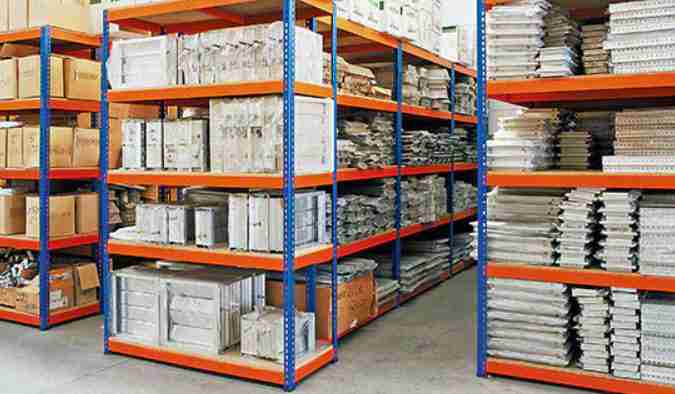
Imagine walking into your warehouse and immediately knowing where every item is, thanks to a clear, logical layout and strategic pallet racking that maximizes space. This isn’t just a dream; it’s entirely achievable with commitment. Regular reorganizations empower you to adjust your pallet racking configurations based on current inventory trends and turnover rates. Products that move quickly can be placed at eye level, while slower-moving items can be tucked away in less accessible locations, creating a seamless flow of operations.
But it’s not just about convenience. An organized warehouse significantly boosts productivity and bottom-line results. Employees spend less time searching for items, leading to quicker order fulfillment and, ultimately, happier customers. Plus, a well-maintained storage environment can prevent costly accidents and damage.
Don’t just wait until chaos reigns in your warehouse. Be proactive. Establish a culture of continuous improvement. Set regular checkpoints in your schedule, analyze your space and processes, and adjust your pallet racking as needed. As you embrace this strategic approach, you’ll cultivate an atmosphere of trust and reliability, not only within your team but also with your clients. Remember, your warehouse isn’t just a storage space; it’s the backbone of your operations. Treat it with the care it deserves, and you’ll reap the rewards in efficiency, morale, and profits.
How Often Should Warehouse Storage Be Reorganized?
How Often Should Warehouse Storage Be Reorganized?
- The fast-paced nature of warehousing requires efficient storage solutions.
- Periodic evaluations of storage systems are essential for peak performance.
- Conduct thorough reviews at least twice a year, increasing frequency for rapid growth or fluctuating inventory.
- A clear layout and strategic pallet racking enhance item visibility and organization.
- An organized warehouse boosts productivity by reducing search time and improving order fulfillment.
- Implement a culture of continuous improvement and set regular checkpoints for reorganization.
- A well-maintained storage environment enhances efficiency, team morale, and overall profits.

How Often Should Warehouse Storage Be Reorganized?
Conclusion
At RackingWorld.com, we understand that maintaining an efficient warehouse is key to maximizing your profitability and operational performance. The chaos of poor storage organization is not just an aesthetic issue; it’s a costly problem that can stall your productivity and erode your bottom line. From hidden costs linked to inefficient pallet racking to the dire safety risks stemming from cluttered aisles, the stakes have never been higher.
Inefficient storage practices lead to time wasted in searching for misplaced items, rising labor costs, inventory inaccuracies, and ultimately a drop in employee morale. Imagine turning your warehouse—a potential powerhouse of productivity—into a well-oiled machine where every item has its designated space, and your team can operate with clarity and purpose. The shift from chaos to organization is not just desirable; it’s essential for your business success.
But don’t fear: the solution is well within your grasp. By reevaluating your pallet racking systems and implementing a structured approach to your storage solutions, you can transform your workspace. Regular audits, proper employee training, and embracing a collective responsibility for storage organization can yield monumental results. Not to mention, fostering a positive and motivated team culture will enhance both productivity and safety.
It’s time for action! Don’t let inefficiencies dictate your operations and costs. Call Arrow Industrial Sales at (574) 349-6575 today to discuss how we can help you optimize your warehouse storage. Every moment wasted is a lost opportunity for profit and growth. The urgency to streamline your operations cannot be overstated. Act now to reclaim your space, your time, and your money!
Your warehouse is more than just a storage area; it’s the backbone of your business. Invest in effective pallet racking solutions today and watch as the hidden costs fade away, leaving a stocked inventory, satisfied customers, and improved morale in your workforce. The journey toward an organized, efficient warehouse starts with one call. Seize this moment! Your future profits are waiting to be unlocked.

Conclusion
Conclusion:
- Efficient warehouse management is crucial for maximizing profitability and operational performance.
- Poor storage organization can lead to lost productivity and increased costs.
- Inefficient storage practices result in wasted time, rising labor costs, and inventory inaccuracies.
- Organized storage can transform a warehouse into a highly productive environment.
- Solutions include reevaluating pallet racking systems and implementing structured storage practices.
- Regular audits, employee training, and a culture of responsibility enhance organization and safety.
- Contact Arrow Industrial Sales to optimize your warehouse storage and unlock future profits.

Conclusion
Other Resources

Other Resources
Here is a list of other resources you can review online to learn more:
- Material Handling Industry
- Illinois
- Used Pallet Rack for Sale in Illinois – American Surplus
- Storage Equipment Manufacturers’ Association
- ASSP
- Teardrop Pallet Rack – Ridg-U-Rak
- Warehouse Racking Layout: The Ultimate Guide – Conger
- Selective Pallet Racking Systems – Container Systems
- Warehouse Racking System: Powerful Guide to Optimise, 2024
- Racking World
Use This Prompt To Get More Resources With Your Favorite Online AI Tool: Please provide me with a list of online articles with their URLs in a bulleted list that I can read regarding Are You Aware Of Hidden Costs Of Poor Warehouse Storage Organization?
Other Resources
Glossary Terms
Are You Aware Of Hidden Costs Of Poor Warehouse Storage Organization? – Glossary Of Terms
1. Inventory: The goods and materials that a business holds for the purpose of resale or production.
2. SKU (Stock Keeping Unit): A unique identifier for each distinct product and service that can be purchased.
3. Warehouse Layout: The design and arrangement of space in a warehouse that influences the flow of goods.
4. Pick and Pack: A process that involves selecting items from inventory and packing them for shipping.
5. Cycle Counting: An inventory audit technique that involves counting a portion of inventory on a specific day.
6. Lead Time: The amount of time that passes from the start of a process until its completion, specifically from order to delivery.
7. Overstock: Inventory that exceeds demand and can lead to higher storage costs and obsolescence.
8. Understock: Insufficient inventory levels that can result in missed sales and dissatisfied customers.
9. FIFO (First In, First Out): An inventory management method where the oldest stock is sold first to reduce spoilage.
10. LIFO (Last In, First Out): An inventory valuation method where the most recently produced items are sold first.
11. Warehouse Management System (WMS): Software designed to support warehouse operations by improving the management of inventory and assets.
12. Cross-Docking: A logistics practice where products are unloaded from inbound shipping containers and directly loaded onto outbound containers with minimal storage.
13. Aisle Space: The width and configuration of aisles in a warehouse that can affect accessibility and inventory picking efficiency.
14. Palletization: The process of loading goods onto pallets for easier storage, handling, and transportation.
15. Real-Time Tracking: The ability to monitor the status and location of inventory continuously — improving accuracy and efficiency.
16. Order Fulfillment: The complete process of receiving, packaging, and delivering an order to a customer.
17. Shrinkage: The loss of inventory due to theft, damage, or error, often exacerbated by poor storage practices.
18. Storage Density: The amount of inventory that can be stored within a given space in the warehouse, often linked to efficiency.
19. Segregation: The practice of separating different types of inventory to reduce confusion and improve efficiency.
20. Temperature Control: Maintaining specific temperature conditions in a warehouse to protect perishable goods from spoilage.
21. Damaged Goods: Products that become unusable due to poor handling or storage, leading to unnecessary costs.
22. Restocking Costs: Expenses incurred when inventory needs to be reordered or replenished due to mismanagement.
23. Storage Systems: Various frameworks (like shelving, racks, or bins) used to store inventory efficiently.
24. Supplier Management: The process of managing relationships and communications with suppliers to ensure efficient inventory flow.
25. Picking Errors: Mistakes made during the order picking process that can lead to product returns and increased costs.
26. Space Utilization: A measure of how effectively warehouse space is used, impacting storage efficiency and costs.
27. Document Management: The process of tracking and organizing shipping and inventory documents to reduce errors and improve efficiency.
28. Failure to Scale: The inability to adjust warehouse operations as business grows, potentially leading to inefficiencies and high costs.
29. Cost-Benefit Analysis: A financial assessment that helps weigh the benefits of improved warehouse organization against costs.
30. Continuous Improvement: Ongoing efforts to enhance warehouse processes and efficiency, ultimately reducing hidden costs and boosting profitability.

Glossary Of Terms
Other Questions
Are You Aware Of Hidden Costs Of Poor Warehouse Storage Organization? – Other Questions
If you wish to explore and discover more, consider looking for answers to these questions:
- What are the main hidden costs of poor warehouse storage organization?
- How can I evaluate the effectiveness of my current pallet racking system?
- What specific changes can I make to improve warehouse organization?
- What tools and technology can help optimize warehouse storage?
- How can employee training improve warehouse storage organization?
- What are some best practices for conducting inventory audits?
- How can I ensure that my warehouse layout is optimized for efficiency?
- What are the signs indicating that a warehouse needs to be reorganized?
- How does seasonal demand affect warehouse storage organization?
- What role does communication play in maintaining a well-organized warehouse?
- What are the long-term benefits of investing in proper warehouse organization?
- How often should safety audits be conducted in a warehouse?
- What are the implications of poor inventory management on customer satisfaction?
- What kind of support can leadership provide to improve warehouse organization?
- Are there any industry standards for warehouse storage organization?

Other Questions
Checklist
Are You Aware Of Hidden Costs Of Poor Warehouse Storage Organization? – A Checklist
1. Evaluate Current Storage Systems
_____ Review your pallet racking systems for adequacy and efficiency.
_____ Assess if the right types of racking are being used for your inventory.
_____ Ensure that vertical space is being fully utilized.
2. Optimize Layout
_____ Design a layout that prioritizes fast retrieval times.
_____ Place high-rotation items within easy reach.
_____ Assign designated storage spaces for all inventory items.
3. Conduct Regular Inventory Audits
_____ Schedule regular inventory checks to ensure accuracy and organization.
_____ Create a system for tracking inventory levels and movements.
_____ Implement a barcode or labeling system for easier identification.
4. Train and Engage Your Team
_____ Provide regular training sessions on storage practices and safety.
_____ Foster a culture of accountability and awareness among team members.
_____ Encourage team feedback regarding storage effectiveness.
5. Establish Safety Protocols
_____ Implement safety audits to identify and rectify potential hazards.
_____ Educate employees on proper pallet racking use and safety guidelines.
_____ Monitor and enforce weight limits on racking systems to prevent overloading.
6. Address Disorganization Promptly
_____ Create a plan for quickly addressing disorganization as it arises.
_____ Schedule frequent reviews of your storage practices to adapt to changing needs.
_____ Encourage a clean-as-you-go policy among team members.
7. Promote Employee Morale
_____ Acknowledge achievements and celebrate milestones to boost team spirits.
_____ Create an open line of communication for employees to voice concerns and suggestions.
_____ Provide opportunities for professional development to enhance job satisfaction.
8. Determine Reorganization Frequency
_____ Commit to reviewing storage organization at least biannually.
_____ Increase review frequency if experiencing significant changes in inventory or demand.
_____ Stay proactive—regularly assess whether your storage solutions are meeting current needs.
9. Utilize Technology
_____ Invest in inventory management software to streamline processes.
_____ Implement systems that provide real-time data on inventory status.
_____ Utilize mobile devices for scanning and tracking items in the warehouse.
10. Monitor Progress and Outcomes
_____ Track changes in productivity and efficiency resulting from improved organization.
_____ Keep an eye on employee morale and safety records as indicators of success.
_____ Adjust strategies and practices based on performance measurements.
Start implementing these strategies to improve your warehouse storage organization and unlock the hidden costs of inefficiency. Your bottom line—and your team—will thank you!
Checklist
At RackingWorld, we help guide you through selecting warehouse storage systems and racking.
Be sure to read our other related stories at RackingWorld to learn more about warehouse storage systems.
0 Comments