
Maximize Product Protection With Quality Warehouse Shelving
By Tom Seest
At RackingWorld, we help guide you through selecting warehouse storage systems and racking.
Be sure to read our other related stories at RackingWorld to learn more about warehouse storage systems.
Are You Afraid Of Product Damage Due to Poor Warehouse Shelving?
Picture this: you walk into your warehouse, and the first thing that strikes you is the haphazard arrangement of your inventory. Products are precariously piled on outdated shelving, and your heart sinks. You know that even the slightest bump or nudge could send your items tumbling, causing not just physical damage, but a cascade of costly losses—both financial and reputational. If you’re nodding along, you’re not alone. Many business owners share this anxiety, and it all boils down to one crucial element: effective pallet racking.
Now, let’s talk about pallet racking as a game changer for your operations. This isn’t merely an option; it’s a necessity. Imagine a sleek and organized system where every item is neatly stored, accessible, and—most importantly—secure. Modern pallet racking doesn’t just prevent damage; it enhances your entire workflow. With the right setup, you can minimize the risk of accidents and injuries, all while maximizing your storage space and efficiency.
Here’s the beauty of it: investing in quality pallet racking isn’t just about protection; it’s about empowerment. How much more confident would you feel knowing your valuable products are housed securely, ready for any customer demand? How much more capacity do you think you could handle if you optimized your existing space with smart shelving solutions? The possibilities are limitless.
But let’s be real—if you’re hesitant to make the leap, it’s understandable. We’ve all been on the fence about major investments, especially when budgets are tight. That said, the cost of inaction can be far greater than any upfront expense associated with upgrading your shelving systems. Imagine the loss of inventory, the disappointment of your customers, and the long-term impact on your brand’s reputation. This isn’t mere speculation; it’s a reality many warehouse managers face when they ignore proper shelving solutions.
Embrace the transformation that effective pallet racking can bring to your warehouse. Don’t let fear of product damage dictate your operations. Take the proactive step today to safeguard your inventory, amplify your productivity, and elevate your business to new heights. Your future self—and your bottom line—will thank you. Invest in quality shelving; invest in peace of mind. You deserve it.

Are You Afraid Of Product Damage Due to Poor Warehouse Shelving?
Are You Afraid Of Product Damage Due to Poor Warehouse Shelving?
- Current warehouse inventory is disorganized, risking damage and financial losses.
- Effective pallet racking is essential for a secure and organized storage system.
- Modern pallet racking minimizes accidents and injuries while maximizing storage efficiency.
- Investing in quality pallet racking empowers businesses and enhances customer readiness.
- Hesitation to invest in shelving systems can lead to greater long-term costs and reputation damage.
- Transform your warehouse with proactive investment in effective pallet racking solutions.
- Quality shelving offers peace of mind and improved productivity for future business growth.
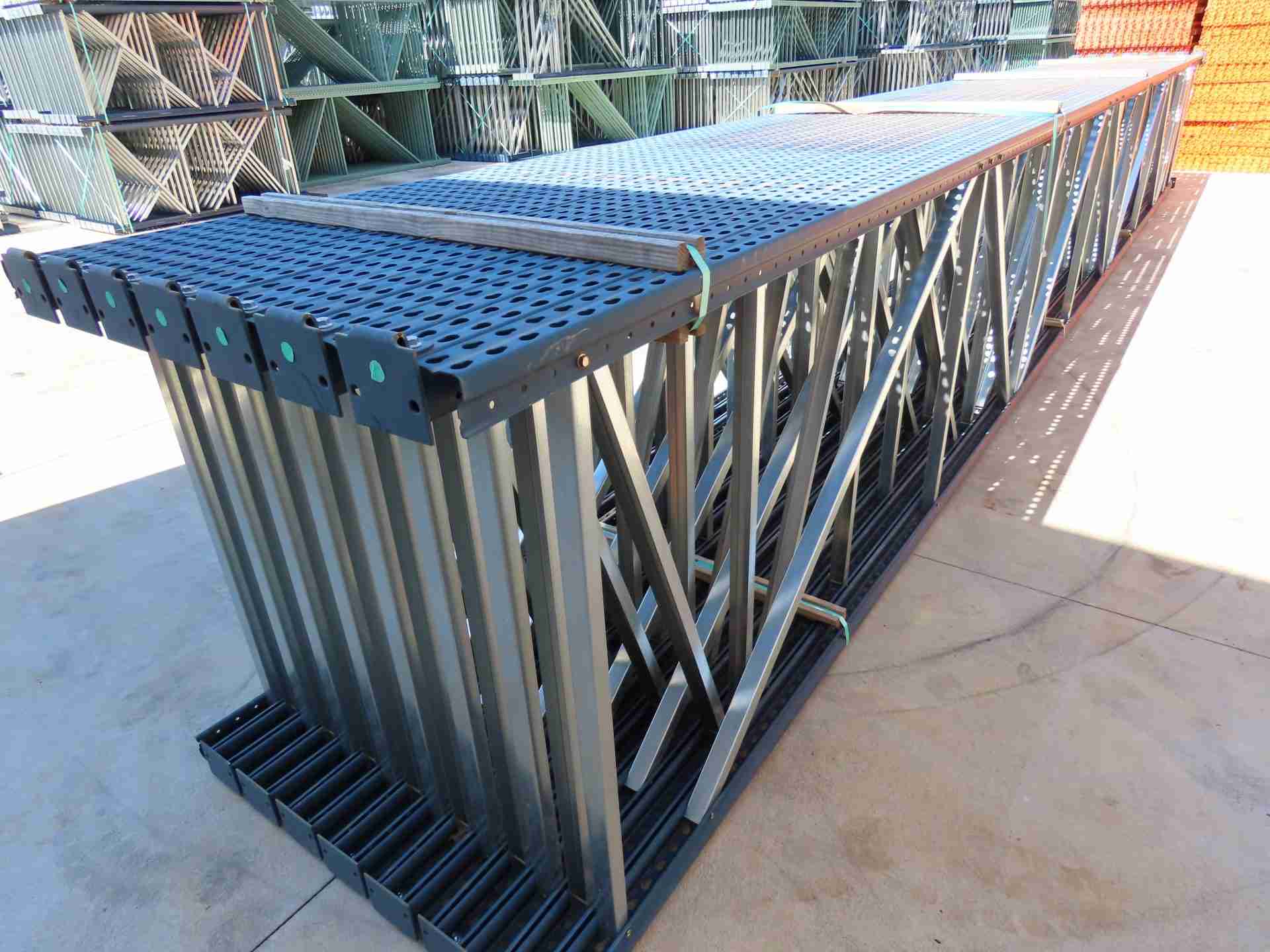
Are You Afraid Of Product Damage Due to Poor Warehouse Shelving?
Table Of Contents
- Are You Afraid Of Product Damage Due to Poor Warehouse Shelving?
- What Are The Common Causes Of Product Damage In Warehouses?
- How Can Poor Shelving Impact Product Integrity?
- What Are The Signs Of Inadequate Warehouse Shelving?
- How To Assess The Condition Of Existing Warehouse Shelving?
- What Are The Best Practices For Warehouse Shelving To Prevent Damage?
- How Can Proper Shelving Improve Inventory Management?
- Conclusion
- Other Resources
- Glossary Of Terms
- Other Questions
- Checklist
What Are The Common Causes Of Product Damage In Warehouses?
Warehouses are bustling hubs of activity, a vital linking point in the supply chain. Yet, despite their importance, product damage in these environments can drape a veil of uncertainty over your operations. Trust me, understanding the common culprits behind this issue will help you safeguard your inventory and enhance your bottom line. Let’s dig deep!
One of the primary sources of product damage originates from pallet racking systems. The efficient use of vertical space often means that pallets are stacked high, increasing the risk of falls. Picture it: a busy warehouse worker racing against the clock loses focus for just a split second, and a pallet topples over, sending goods crashing to the ground. Unfortunately, this scenario is more common than you might think—however, implementing proper training and safety protocols can greatly mitigate this risk.
Another widespread issue lies in improper handling of products. Many warehouses operate in a fast-paced environment, where employees are under constant pressure to meet deadlines. Such hurried actions can lead to collisions with machinery or careless dropping of products. When workers aren’t adequately trained on the best practices for handling merchandise, it creates a recipe for disaster. Empowering your team with the right training and equipment will not only foster a culture of safety but also maintain the integrity of your products.
Temperature and environmental conditions also play a pivotal role in product damage. Sensitive items, particularly perishables, are susceptible to temperature fluctuations that can spoil inventory. Investing in climate-controlled storage can mean the difference between a satisfied customer and a costly return. After all, preventing damage before it happens fosters trust and reliability in your brand, reinforcing customer loyalty.
Moreover, there’s the often-overlooked aspect of poor inventory practices. Overcrowding shelves or improperly labeling products can result in chaotic situations, leading to misplaced goods and inadvertent damage. By implementing streamlined inventory management systems and regular audits, you not only keep your warehouse organized but also ensure that your products are always where they need to be.
In closing, awareness is your best weapon against product damage in warehouses. By understanding how factors like pallet racking, handling practices, environmental controls, and inventory oversight contribute to damage, you can actively take steps to safeguard your operations. Protecting your products builds a foundation of trust with your customers, and ultimately, propels your business to success. Take action today; your warehouse—and your wallet—will thank you for it!
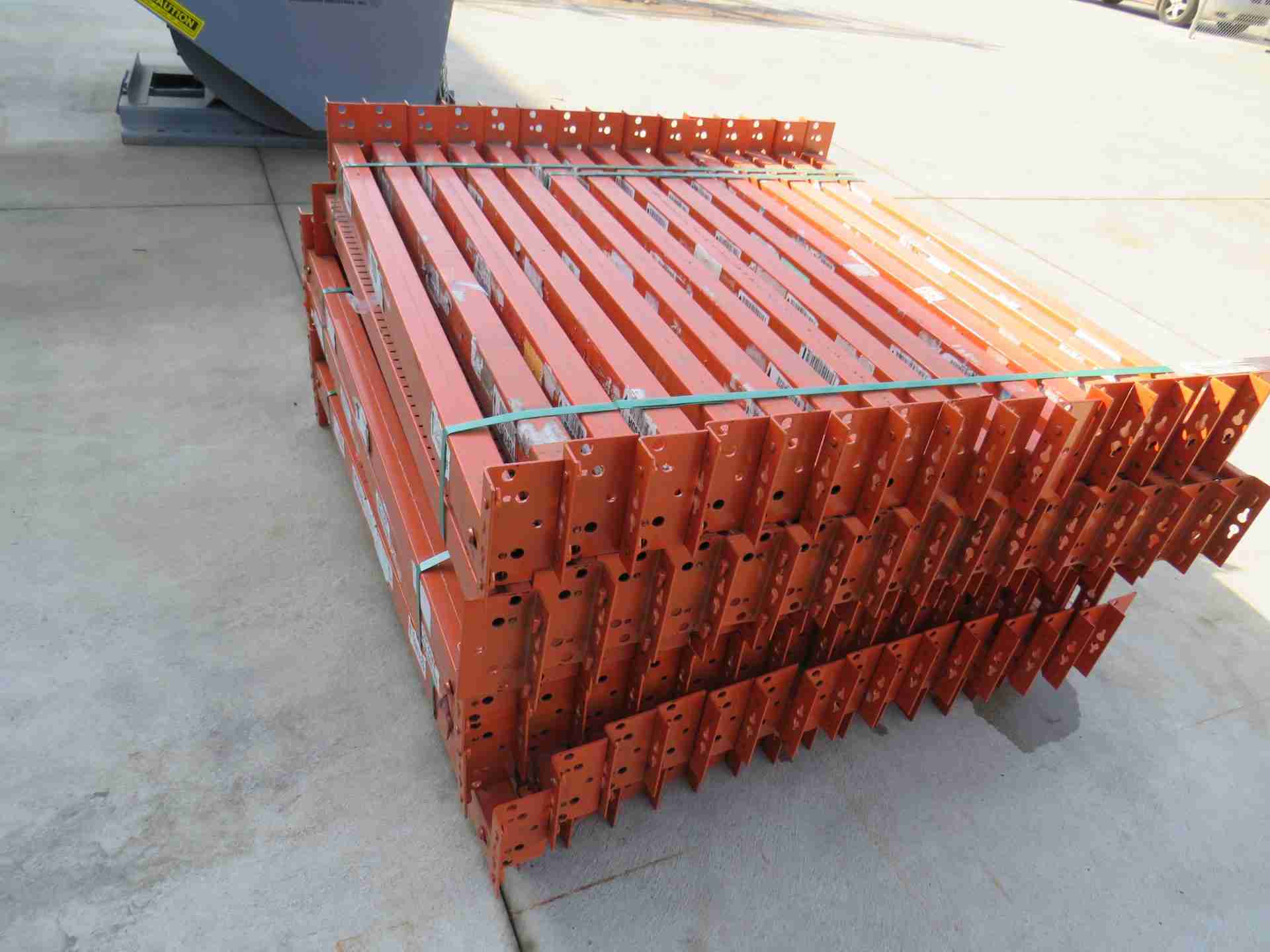
What Are The Common Causes Of Product Damage In Warehouses?
What Are The Common Causes Of Product Damage In Warehouses?
- Warehouses are crucial to the supply chain but face issues with product damage.
- Pallet racking systems can lead to falls if pallets are stacked too high, highlighting the need for proper training and safety protocols.
- Improper product handling due to the fast-paced environment increases collision and drop incidents, stressing the importance of employee training.
- Temperature and environmental conditions affect sensitive products; investing in climate-controlled storage is vital for maintaining inventory integrity.
- Poor inventory practices, such as overcrowding shelves and lack of labeling, can lead to chaos and product damage.
- Streamlined inventory management systems and regular audits help maintain organization and prevent damage.
- Awareness of the causes of product damage empowers businesses to take proactive steps to protect their operations and build customer trust.

What Are The Common Causes Of Product Damage In Warehouses?
How Can Poor Shelving Impact Product Integrity?
Imagine stepping into a bustling warehouse or retail space, where every product should shine at its best, ready to entice customers. But what if the very foundation—the shelving or pallet racking holding those products—is failing? The unfortunate reality is that poor shelving can undermine product integrity in ways that ripple through your entire operation.
Think about it: inadequate or damaged pallet racking doesn’t just threaten the physical safety of the products. It directly impacts inventory quality, damages reputation, and ultimately sabotages your sales. Products stored on weak or poorly designed shelving can suffer from bending, crushing, or even becoming obsolete before they’re ever sold. Nobody wants to buy a dented gadget or a squished package of gourmet cookies. These seemingly minor grievances can snowball, causing customers to walk away and trust your competitors instead.
This scenario isn’t just a hypothetical; it’s a quiet crisis waiting to escalate. Every warehouse or store owner has a stake in ensuring that their pallet racking is adequately designed, installed, and maintained. Are you shoring up your displays with an eye for product integrity? Neglecting your shelving might seem like a cost-saving strategy today, but it often leads to higher expenses down the line. Haphazardly organized products or, worse yet, broken shelving can result in product losses, returns, and potentially hazardous situations that could endanger your employees.
Picture the long-term effects: the wasted labor, the lost sales, and the tarnished customer relationships. When customers perceive that you cut corners on storing products, they may also assume that your overall quality is compromised. In this competitive marketplace, brand reputation hinges on every detail—especially how you present your goods.
Investing in quality pallet racking systems isn’t just about aesthetics; it’s a strategic move to uphold product integrity. Ensure that your storage solutions are not only sturdy but also tailored to the specific needs of your inventory. Regularly inspect and maintain these fixtures to prevent potential problems before they arise. Remember, your shelving is the unsung hero of your retail operation; treat it as such, and your products will reciprocate by maintaining their integrity and desirability.
So, take that next step; analyze your shelving systems today. Show your products the care they deserve by creating a well-organized space that invites your customers to linger, explore, and ultimately, buy.
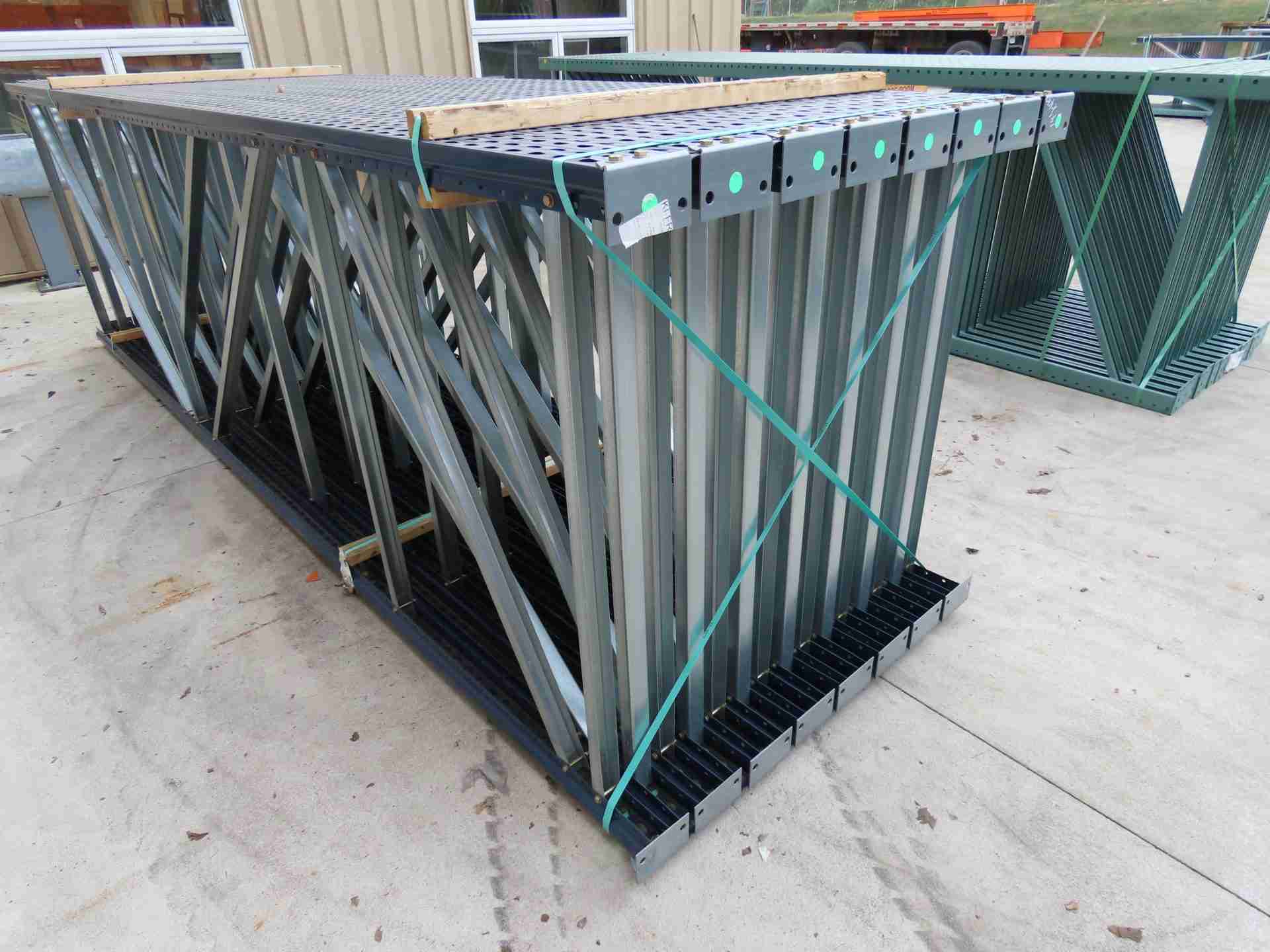
How Can Poor Shelving Impact Product Integrity?
How Can Poor Shelving Impact Product Integrity?
- Poor shelving or pallet racking can undermine product integrity and affect the entire operation.
- Inadequate or damaged shelving impacts inventory quality, damages reputation, and sabotages sales.
- Weak shelving can lead to product damage, such as bending or crushing, making items less desirable.
- Neglecting shelving may seem cost-effective initially but can lead to higher long-term expenses.
- Disorganized or broken shelving can result in product losses, returns, and create safety hazards.
- Brand reputation is influenced by how well products are stored and presented to customers.
- Investing in quality shelving is essential for maintaining product integrity and winning customer trust.
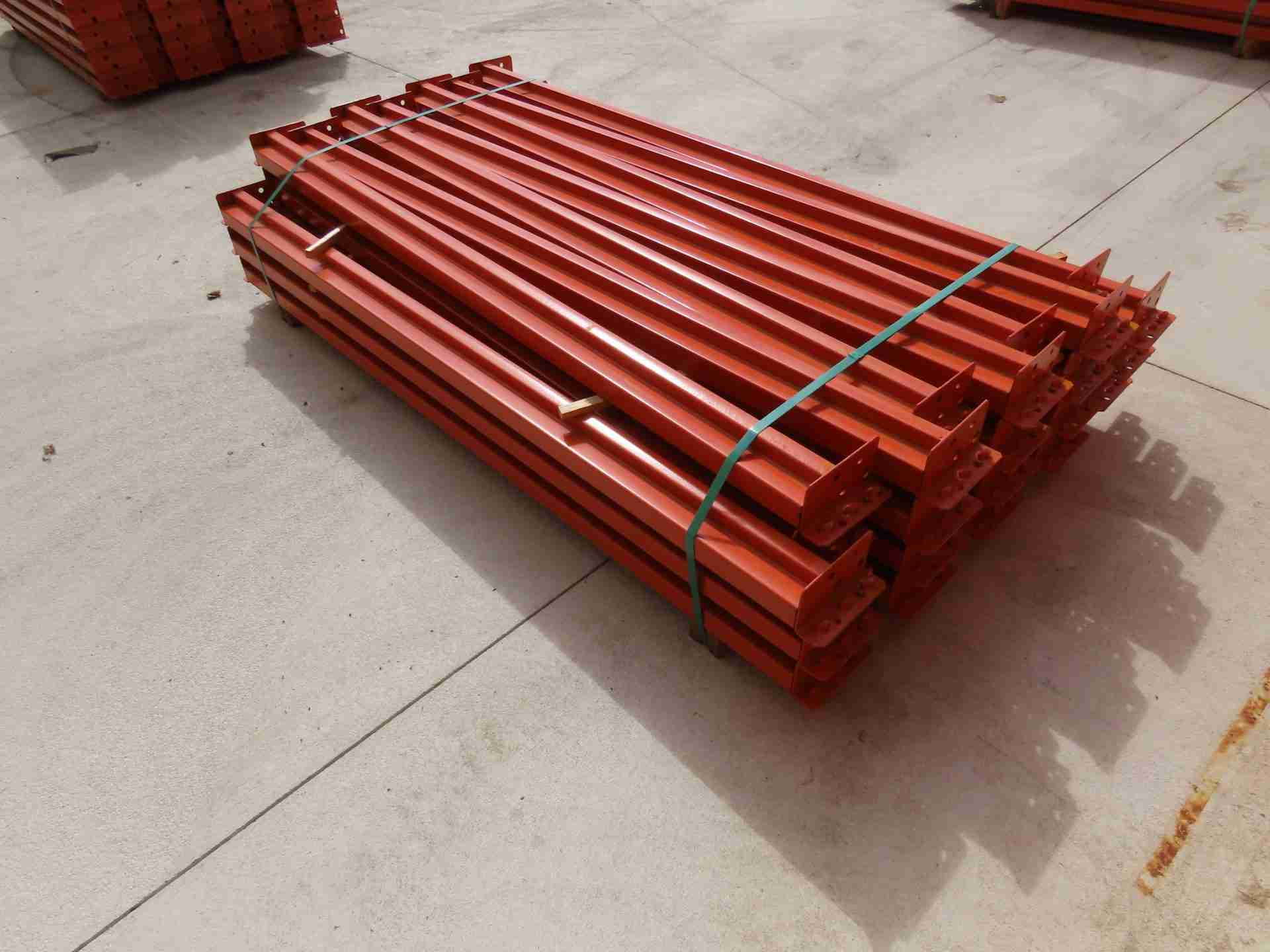
How Can Poor Shelving Impact Product Integrity?
What Are The Signs Of Inadequate Warehouse Shelving?
In the world of warehouse management, the efficiency of your operations hinges significantly on one pivotal aspect—your shelving. It’s the unsung hero that plays a crucial role in the smooth flow of goods, yet many overlook the signs that their systems are falling short. So, how do you know if your shelving is up to snuff? Let’s dive into some telltale indicators that your warehouse shelving may be inadequate, and how to recognize them before they disrupt your operations.
First and foremost, if your warehouse space appears cluttered and chaotic, it’s a glaring sign of insufficient shelving. When you can’t navigate through aisles without dodging boxes piled high or wishfully imagining that one elusive empty corner, it’s time for a reevaluation. Effective pallet racking should offer organization and accessibility, empowering your team to find items quickly and safely. If your employees are spending valuable time searching for products or maneuvering around obstacles, your shelving is failing you.
Next, consider the health and safety of your workforce. Uneven shelving loads, an overabundance of stacked boxes, and frequent accidents or near misses should raise red flags. If your pallet racking is showing signs of wear, such as bent beams or unstable structures, this not only poses a risk of injury but can lead to catastrophic product loss. Investing in high-quality, sturdy shelving can mitigate these dangers and foster a safe work environment where your employees can thrive.
Another glaring sign is when you find yourself frequently reordering inventory due to lost items or inefficient space management. If the layout of your shelving promotes confusion and chaos, it’s time to rethink your strategy. Shelving should optimize accessibility and enhance your stock visibility, making it simple for anyone to grab exactly what they need when they need it.
Finally, if your shelving does not accommodate future growth or varying types of inventory, you’re on a slippery slope. Flexibility is key in today’s fast-paced business landscape. Your pallet racking should evolve with your business needs, not become a hindrance.
So, take a moment to assess your current shelving setup. If any of these signs resonate, don’t wait for a crisis. Invest in comprehensive solutions to elevate your operations. Optimized shelving isn’t just about storage; it’s a vital component of your business growth strategy. Your team—and your bottom line—will thank you for it!

What Are The Signs Of Inadequate Warehouse Shelving?
What Are The Signs Of Inadequate Warehouse Shelving?
- The efficiency of warehouse operations heavily relies on proper shelving.
- A cluttered and chaotic warehouse space indicates insufficient shelving.
- Effective pallet racking should enhance organization and accessibility for employees.
- Health and safety concerns arise from uneven loads and unstable shelving.
- Frequent reordering of inventory due to lost items suggests poor space management.
- Shelving should be flexible to accommodate future growth and diverse inventory types.
- Investing in optimized shelving is essential for business growth and operational efficiency.
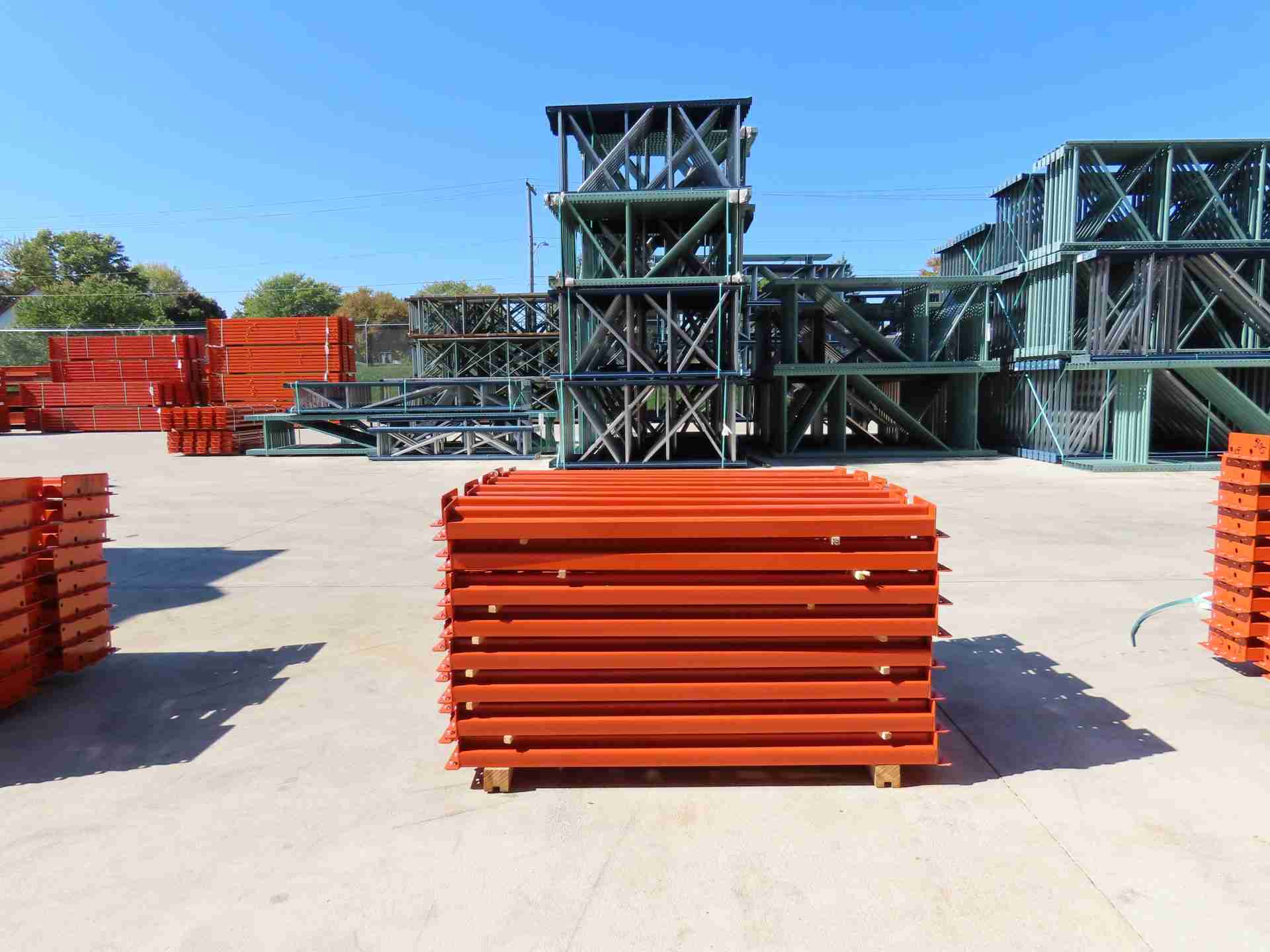
What Are The Signs Of Inadequate Warehouse Shelving?
How To Assess The Condition Of Existing Warehouse Shelving?
Navigating the vast landscape of warehouse operations often feels like orchestrating a complex ballet, where every piece of equipment plays a pivotal role in the final performance. Among these, pallet racking stands as the backbone of storage efficiency, directly influencing your bottom line. But how do you know if your pallet racking is performing at its best? It starts with a keen assessment of its condition.
Begin your inventory management journey by conducting a thorough visual inspection. Look for signs of wear and tear. Is there any rust creeping along the metal frames? Are the beams bent or misaligned? Such indicators are not just cosmetic concerns—they can signify deeper structural issues that can jeopardize safety and productivity. Remember, a little rust might seem trivial, but it could lead to catastrophic failures if left unaddressed.
Next, pay attention to load capacity. Each pallet racking system comes with a manufacturer’s specification regarding the weight it can safely hold. Overloading shelves not only puts your inventory at risk but also poses a significant hazard to your employees. Take a moment to evaluate whether your current use aligns with those limits. If you’ve expanded your inventory or altered your storage methods, it might be time to rethink your racking strategy.
Don’t gloss over the nuts and bolts, either. Regularly check the integrity of the hardware holding your shelving together. Loose bolts can lead to instability, and in a busy warehouse environment, instability can be a recipe for disaster. Tighten, replace, or reinforce connections as necessary. This small step transforms into a giant leap toward ensuring the longevity of your pallet racking system.
In addition, engage your team. Your employees interact with the shelving daily and could provide insights that go unnoticed during formal assessments. Creating an open dialogue about any concerns they have will enhance the safety and functionality of the space. Foster a culture of communication where safety becomes a shared responsibility.
Finally, consider scheduling regular professional inspections for an expert evaluation. A trained eye can spot potential issues before they escalate. Investing in expert assessments not only safeguards your operational efficiency but demonstrates your commitment to safety and excellence. Remember, assessing your warehouse shelving isn’t just about maintaining equipment; it’s about ensuring your workplace remains a safe and productive environment for everyone involved. Take action this week—your warehouse will thank you!
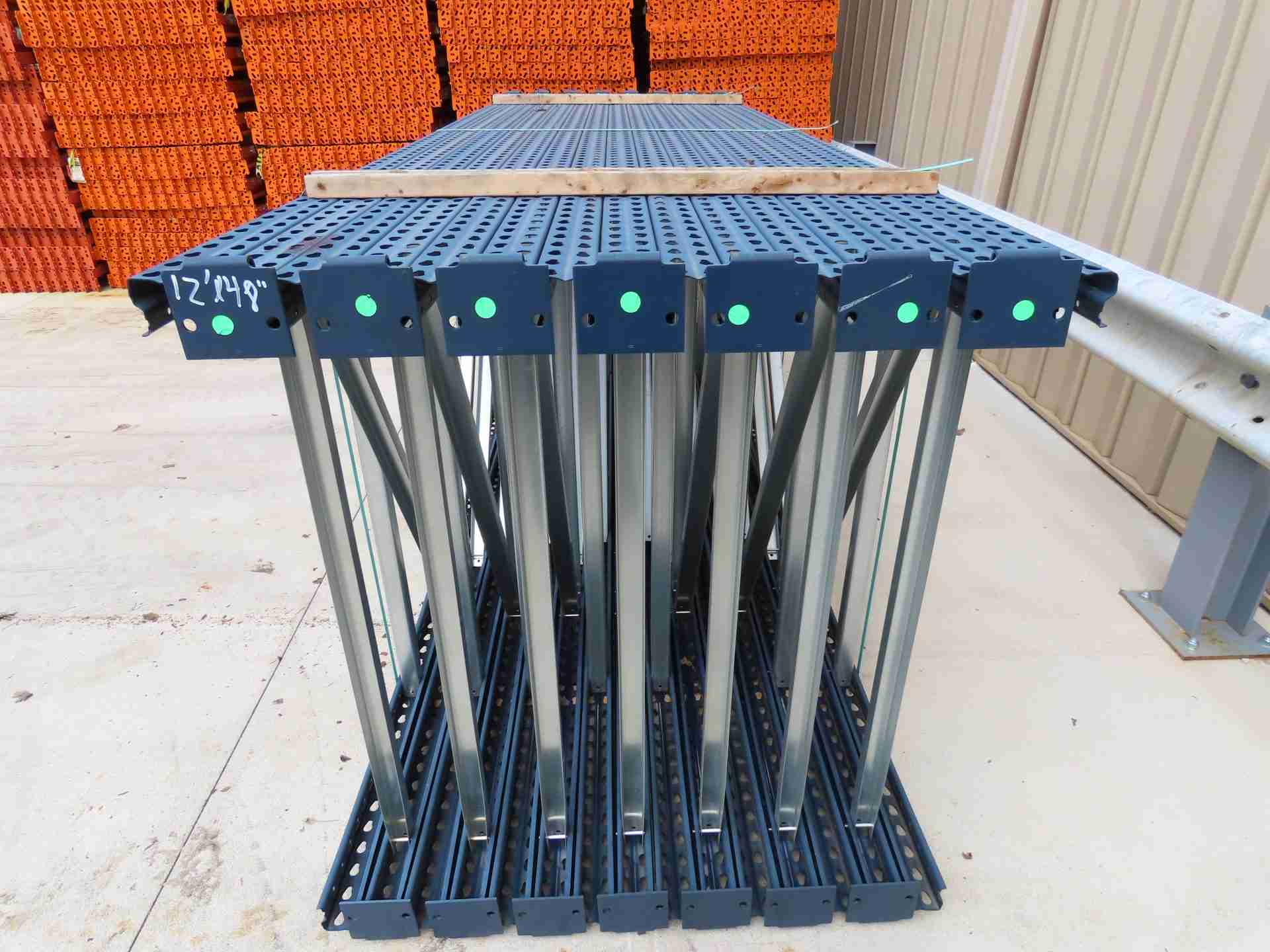
How To Assess The Condition Of Existing Warehouse Shelving?
How To Assess The Condition Of Existing Warehouse Shelving?
- Pallet racking is essential for storage efficiency in warehouse operations, affecting overall productivity and safety.
- Begin with a thorough visual inspection to identify signs of wear, tear, or rust on metal frames that could indicate structural issues.
- Check load capacity compliance according to the manufacturer’s specifications to avoid overloading and associated hazards.
- Regularly inspect the integrity of hardware, tightening or replacing loose bolts to prevent instability in shelving.
- Engage employees for insights during assessments, fostering a culture of communication about safety concerns.
- Schedule regular professional inspections to catch potential issues early and maintain operational efficiency.
- Assessing warehouse shelving is crucial not only for equipment maintenance but also for ensuring a safe and productive work environment.

How To Assess The Condition Of Existing Warehouse Shelving?
What Are The Best Practices For Warehouse Shelving To Prevent Damage?
When it comes to running a successful warehouse, the stakes are high. Your inventory is not just stock; it’s the lifeblood of your business. That’s why mastering best practices for warehouse shelving is essential to safeguard your assets and keep operations running smoothly. One key component that often comes into play is pallet racking. This is a foundational element, but how you manage it can make all the difference.
First and foremost, choose the right pallet racking system for your specific needs. It’s not a one-size-fits-all solution. High-density storage solutions might be ideal for some products, while others may require easily accessible shelves. Think about your product types, weight, and volume. By doing so, you create a tailored environment where your inventory feels at home—reducing the chance of damage from improper handling.
Next, ensure you’re training your staff properly. This often-overlooked detail is crucial. Imagine your workers effortlessly managing the racking systems because they understand the dos and don’ts. Conduct regular training sessions, highlight safety protocols, and maintain open lines of communication. This creates a culture of accountability and care, drastically reducing the risk of mistakes that may lead to damaged goods.
Implement regular inspections of your shelving and pallet racking systems. Over time, wear and tear can become a silent predator, quietly undermining your operation without you even noticing. Create a checklist to look for signs of fatigue in racking systems or shelves; this will keep everything up to par and minimize risk factors. Just like a well-oiled machine, your warehouse should be in constant working order—your attention to detail pays off in spades.
Another best practice to consider is optimal load distribution on your shelves. Stacking items too high or unevenly can lead to disastrous falls that not only damage your products but also put your staff at risk. Encourage a habit of checking load weights and balanced arrangements. Emphasizing safety here builds trust within your team.
Lastly, never underestimate the power of clear labeling and signage. Having a clearly marked system not only simplifies operations but also minimizes human error. By establishing a logical layout, you foster confidence in your team, paving the way for operational efficiency.
By embracing these best practices, you’re not just improving the efficiency of your warehouse—you’re protecting your investments. Properly managed pallet racking and a proactive mindset will not only preserve your inventory but also inspire confidence among your workforce. Engage your team, minimize damages, and watch your business thrive!
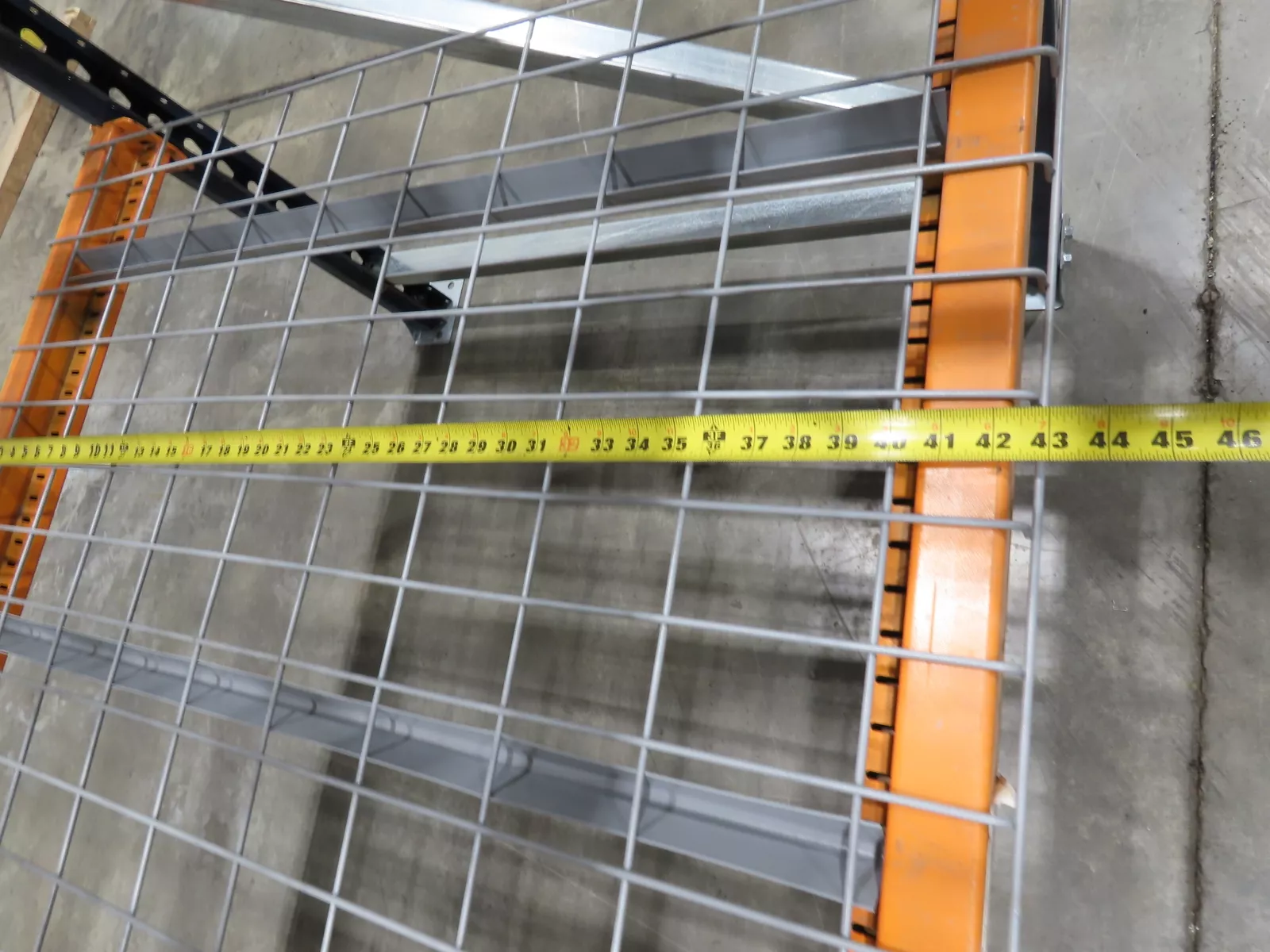
What Are The Best Practices For Warehouse Shelving To Prevent Damage?
What Are The Best Practices For Warehouse Shelving To Prevent Damage?
- Warehouse inventory is crucial to business operations and requires best practices for safeguarding assets.
- Choose the right pallet racking system based on specific product needs, weight, and volume.
- Proper staff training is essential for effective management and reducing handling mistakes.
- Conduct regular inspections of shelving and pallet racking systems to identify wear and tear.
- Ensure optimal load distribution to prevent falls and protect both products and staff.
- Utilize clear labeling and signage to streamline operations and minimize human error.
- Embracing these best practices enhances warehouse efficiency and protects business investments.
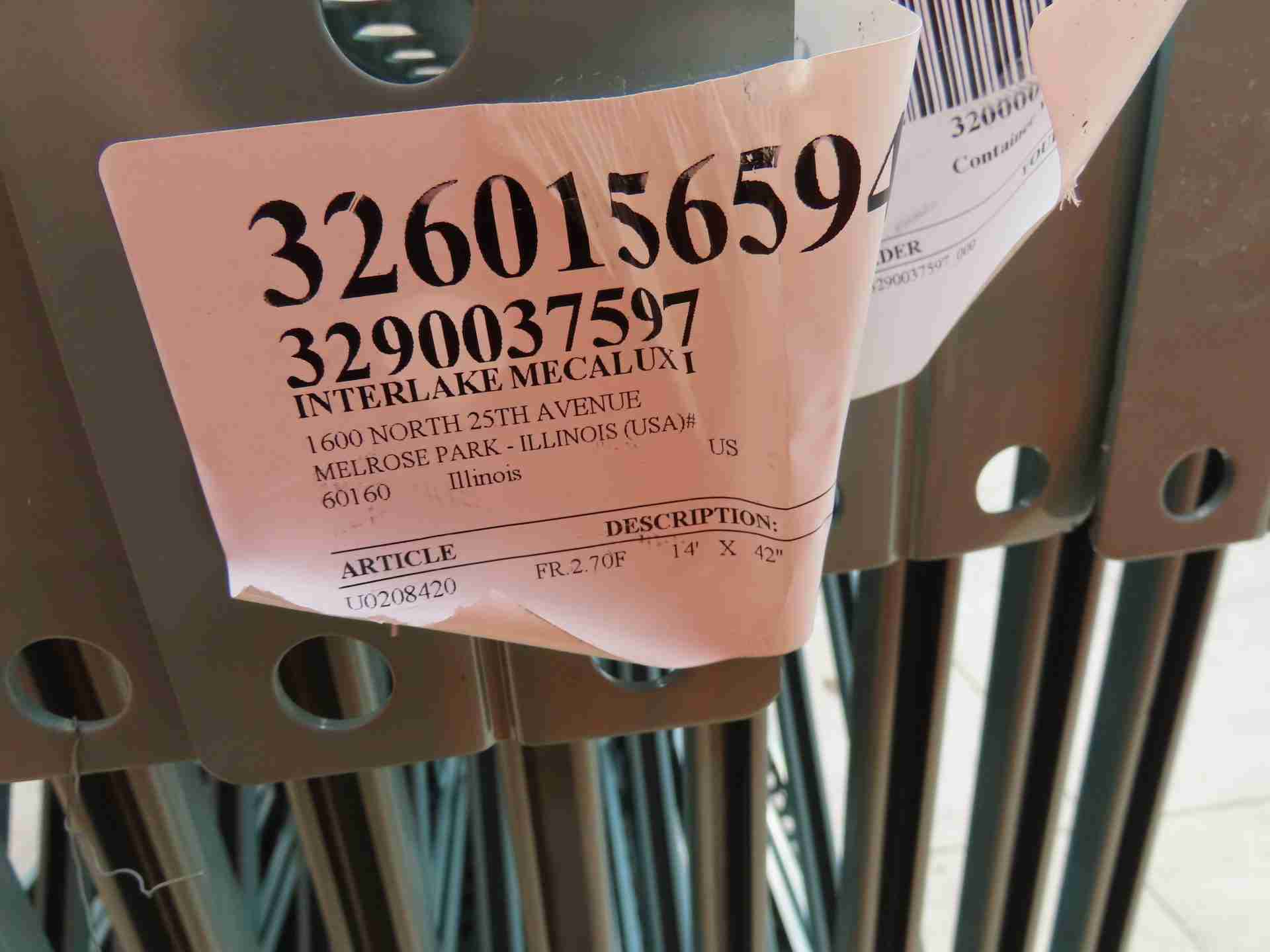
What Are The Best Practices For Warehouse Shelving To Prevent Damage?
How Can Proper Shelving Improve Inventory Management?
In the dynamic world of inventory management, the difference between chaos and harmony often hangs on the quality of your shelving. Yes, you read that right! Proper shelving is not just a practical necessity; it’s a strategic asset that can elevate your entire operation. When you think about it, your shelving — be it pallet racking or traditional shelving units — serves as the foundation of your inventory. Get it right, and you streamline processes, save time, and boost profits.
Imagine walking into a warehouse where every item is easily accessible, where products are organized not just by quantity but by frequency of sale. That’s the beauty of effective shelving. By implementing robust options like pallet racking, you’re not just storing goods; you’re creating a fluid system that adapts to your business needs. Pallet racking allows for the efficient use of vertical space, reducing wasted area and making it easier to identify, count, and retrieve stock.
Let’s face it: a cluttered, disorganized storage area can lead to headaches, lost sales, and even employee frustration. When team members can’t find what they need, it slows down operations and affects customer service. By investing in proper shelving solutions, you send a clear message to your employees and customers alike: you care about efficiency and quality. This confidence in your operations translates into a better experience for everyone involved.
Moreover, optimizing your inventory management through enhanced shelving systems like pallet racking can streamline order fulfillment. Picture yourself reducing pick times and minimizing errors. Think about the impact that could have on your bottom line! Every second saved in operations is a second that can be redirected toward customer engagement or getting the product into the hands of those who need it.
So, what are you waiting for? The way to reinvent your inventory management strategy lies right before your eyes. It’s time to take action. Invest in high-quality shelving solutions that cater to your specific needs. Whether it’s pallet racking for high-volume items or customized shelves for smaller goods, the key is to find what works best for you. Optimizing your space isn’t just about freeing up room; it’s about allowing your entire operation to soar. Don’t let disorganization weigh you down — embrace the power of proper shelving!
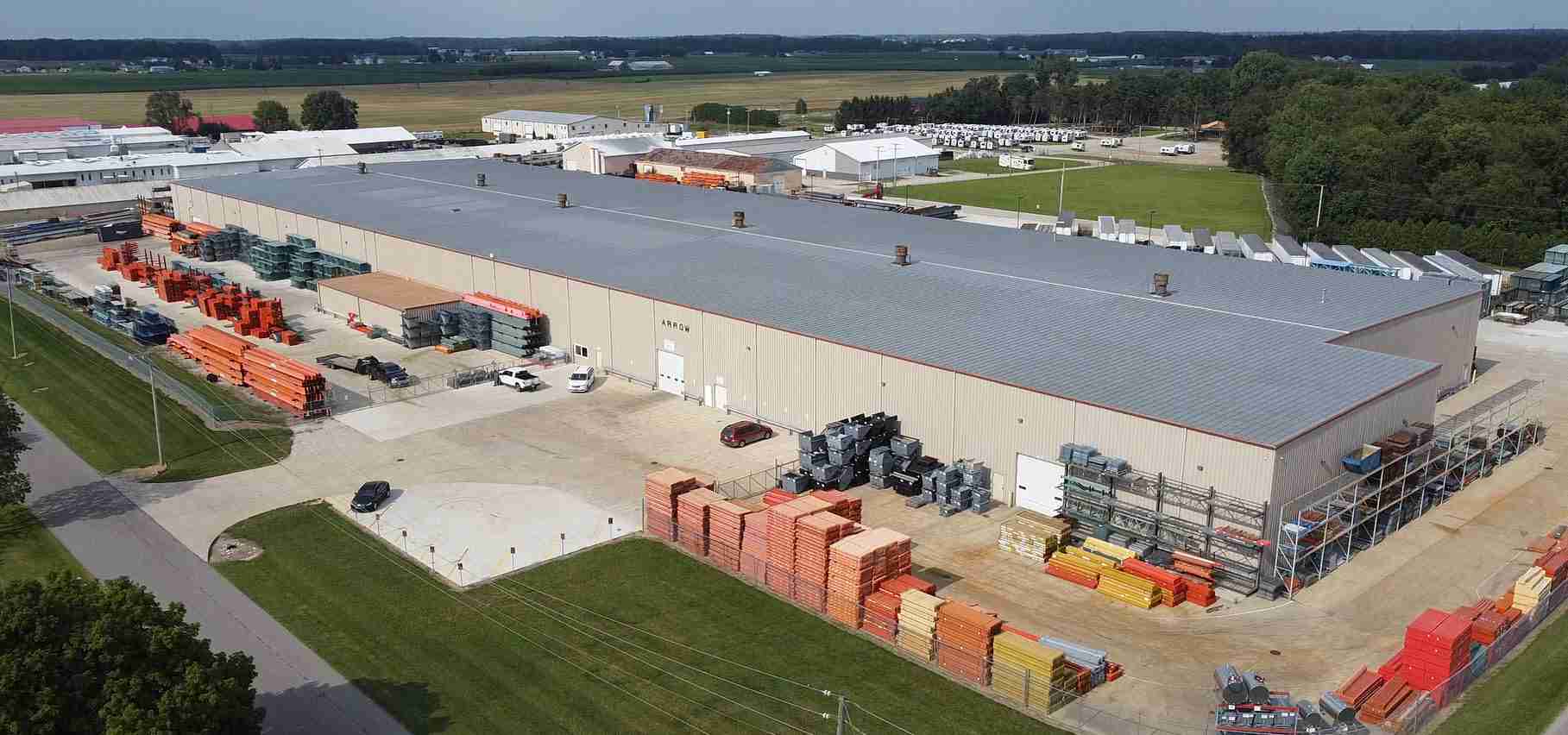
How Can Proper Shelving Improve Inventory Management?
How Can Proper Shelving Improve Inventory Management?
- Quality shelving is a strategic asset in inventory management that can elevate operations.
- Effective shelving systems, like pallet racking, improve accessibility and organization of items.
- Proper shelving utilizes vertical space, reducing wasted area and facilitating stock retrieval.
- A cluttered storage area can lead to slow operations, lost sales, and employee frustration.
- Investing in good shelving solutions enhances efficiency and improves customer experience.
- Optimizing shelving can streamline order fulfillment, reduce pick times, and minimize errors.
- Investing in tailored shelving solutions allows operations to thrive and stay organized.
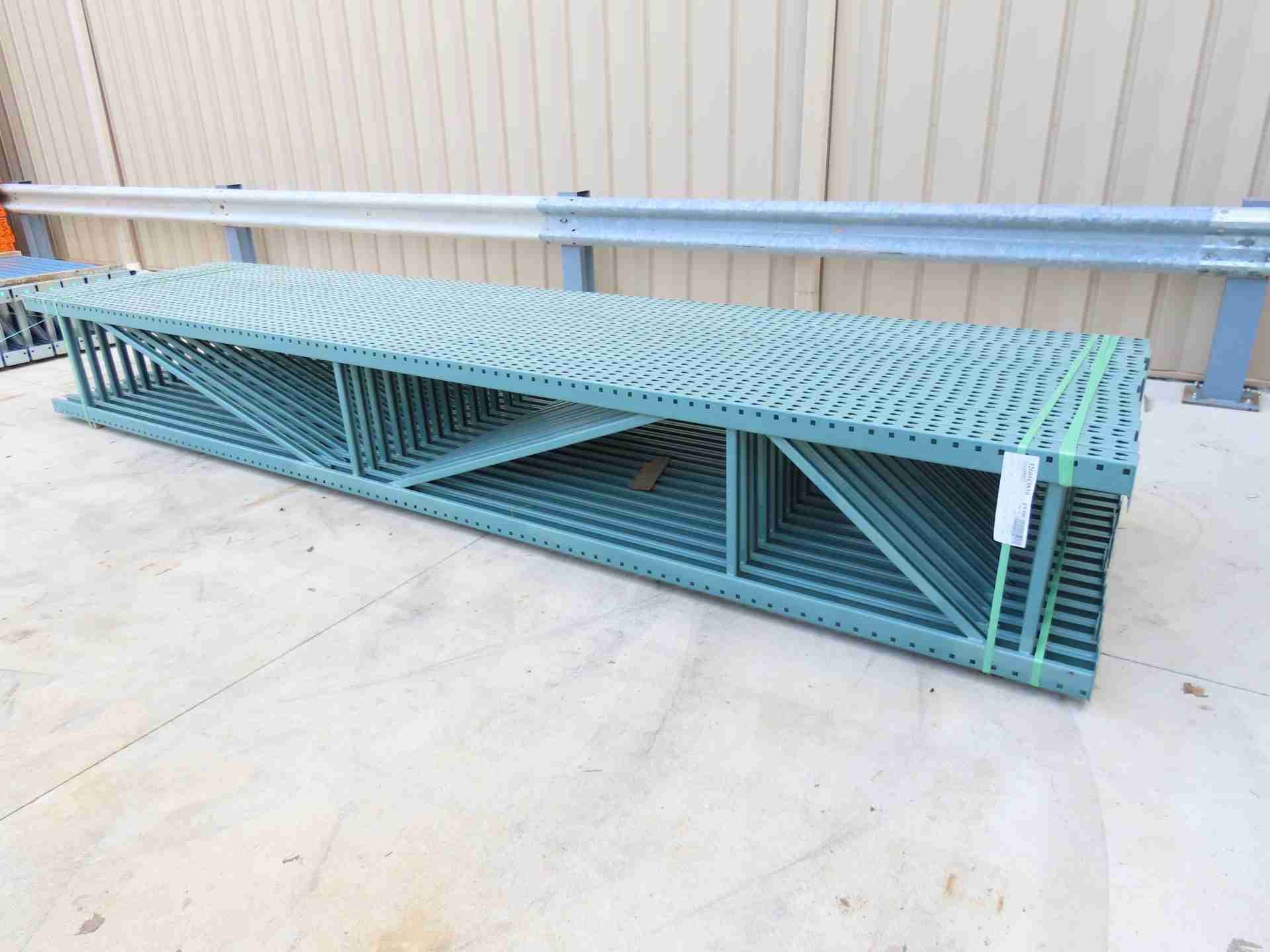
How Can Proper Shelving Improve Inventory Management?
Conclusion
In the high-stakes arena of warehouse management, where every second counts and every item counts more, the inadequacy of your shelving can transform from a seemingly minor oversight into a substantial business threat. Imagine walking into a chaotic space teetering with risk: products stacked haphazardly on aging racks, steeped in the anxiety of potential damage and financial loss. This is a nightmare many business owners dread, but it is also a wake-up call urging action.
The statistics are concerning: countless warehouse managers face the direct repercussions of poor shelving practices. Mismanagement not only threatens product integrity, resulting in damaged inventory and diminished reputation but also jeopardizes the safety of your staff. It’s time to take control! By investing in quality pallet racking and implementing best practices, you can shield your assets while empowering your team, elevating efficiency, and reinforcing customer trust.
Imagine transforming your warehouse into a beacon of organization—where each product is not only secured but also easily accessible, designed for seamless operations that boost productivity. No longer will your workflows be engulfed in chaos; instead, you’ll revel in streamlined processes that reduce pick times and customer wait—directly impacting your bottom line.
But let’s not rest on our laurels; awareness of potential risks is your first line of defense. Whether it’s outdated shelving that cannot accommodate your growing inventory, a lack of proper training for your employees, or environmental factors that threaten sensitive goods, recognizing these signs is paramount. Assess your shelving systems today, and don’t wait for a crisis to remind you of their importance.
What’s the next step? Don’t let fear hold you back! Arrow Industrial Sales is your go-to partner in ensuring your warehouse runs like a well-oiled machine. By dialing (574) 349-6575, you can get started on the path to enhanced safety and efficiency. But act quickly; every moment spent with inadequate shelving is a moment you risk product damage, employee safety, and customer satisfaction. Secure your peace of mind and transform your operations now—your future self (and your bottom line) will undoubtedly thank you! Invest in quality; invest in success.
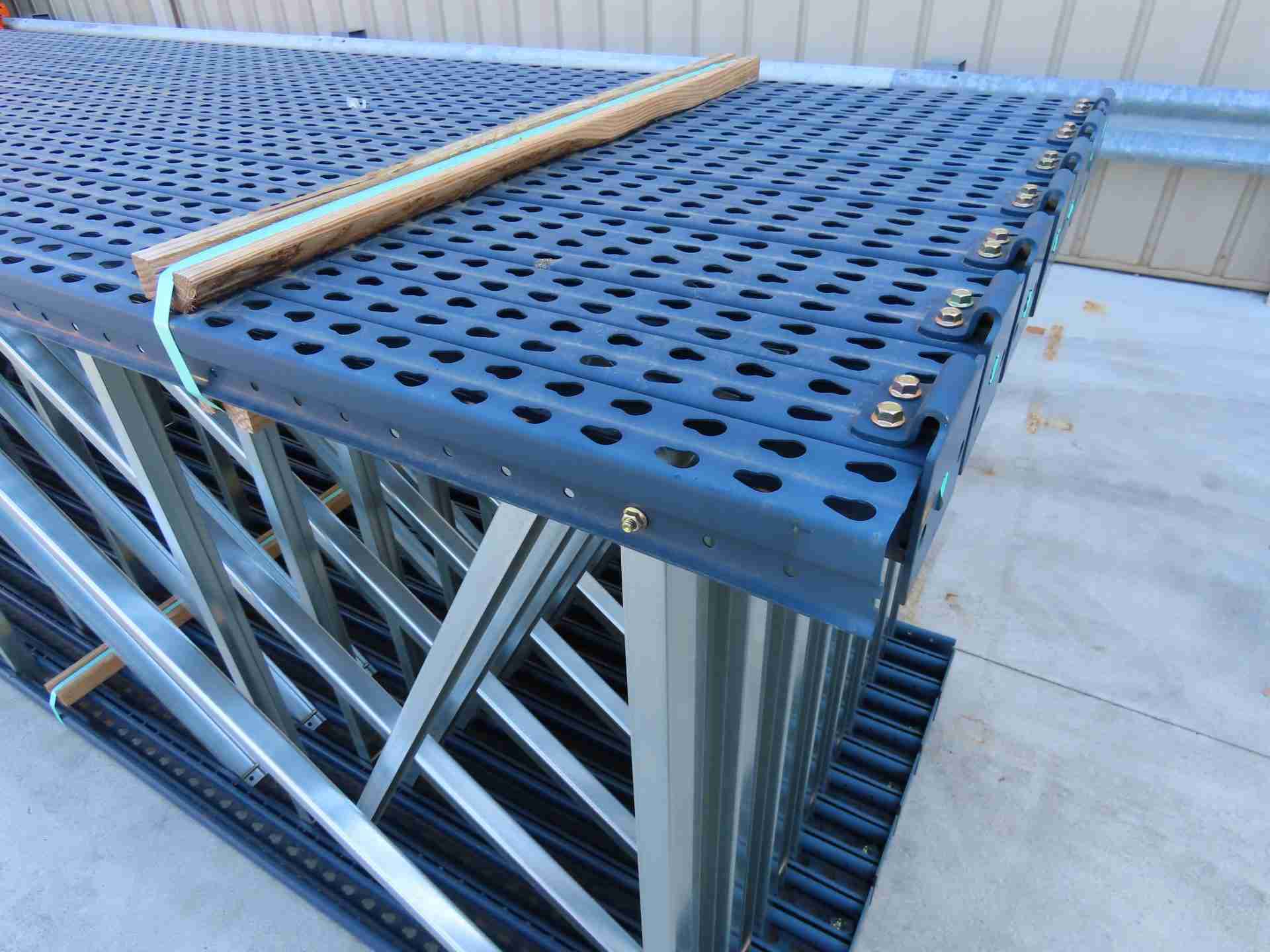
Conclusion
Conclusion:
- Inadequate shelving in warehouses can lead to significant business threats and financial loss.
- Poor shelving practices can damage inventory and jeopardize staff safety.
- Investing in quality pallet racking enhances asset protection, team empowerment, and customer trust.
- Organized warehouses streamline operations, reduce pick times, and enhance productivity.
- Awareness of risks such as outdated shelving is crucial for maintaining safety and efficiency.
- Assess shelving systems proactively to avoid crises and improve operations.
- Contact Arrow Industrial Sales at (574) 349-6575 to start enhancing warehouse safety and efficiency.
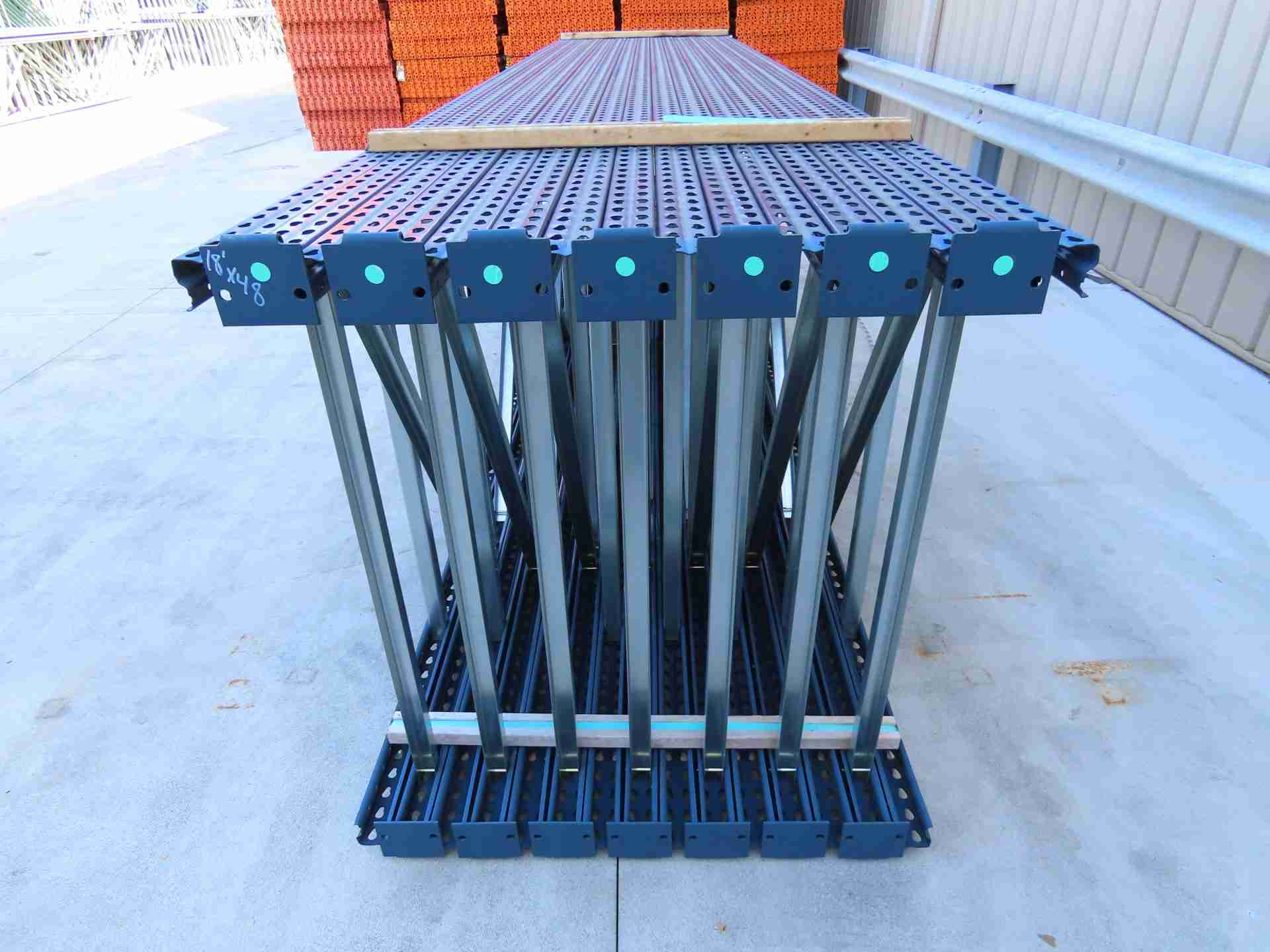
Conclusion
Other Resources

Other Resources
Here is a list of other resources you can review online to learn more:
- BMH
- Warehouse Storage Racking in Illinois
- IIWS Inc. Rack Installation Illinois & Rack Repairs Illinois
- BMH Equipment LLC
- Crane Manufacturers Association Of America Inc.
- Teardrop Pallet Rack – Ridg-U-Rak
- Storage Equipment Manufacturers’ Association
- Rack Manufacturers Institute
- Pallet Racks, Pallet Racking, Pallet Shelves in Stock – ULINE
- Pallet Racking systems in Illinois and Great Lakes
Use This Prompt To Get More Resources With Your Favorite Online AI Tool: Please provide me with a list of online articles with their URLs in a bulleted list that I can read regarding Are You Afraid Of Product Damage Due to Poor Warehouse Shelving?
Other Resources
Glossary Terms
Are You Afraid Of Product Damage Due to Poor Warehouse Shelving? – Glossary Of Terms
1. Aisle: A passageway between rows of shelving in a warehouse to facilitate movement and access to stored items.
2. Load Capacity: The maximum weight that a shelving unit can safely support without risking structural failure or damage.
3. Pallet: A flat wooden or plastic platform used for loading, storing, and transporting goods in bulk.
4. Shelving Unit: A structure consisting of multiple shelves used to store products in a warehouse or storage facility.
5. Forklift: A powered industrial vehicle with a pronged device in front, used to lift and move materials like pallets.
6. Inventory Management: The process of overseeing and controlling inventory levels, orders, and storage to prevent product damage and shortages.
7. Vertical Space Utilization: The effective use of the height in a warehouse through tall shelving systems to maximize storage capacity.
8. Stability: The ability of a shelving unit to remain steady and upright under weight, preventing tipping and potential product damage.
9. Ergonomics: Designing workflows, workspaces, and shelving systems to match human capabilities and minimize risk of injury or accidents.
10. Dynamic Shelving: Shelving systems that are adjustable or flexible, allowing for easy reconfiguration based on changing inventory needs.
11. Static Shelving: Fixed shelving units that are permanently placed and not adjustable, often used for long-term storage.
12. Shock Absorbent Materials: Materials used in shelving design that help reduce the impact of dropped or damaged products, minimizing risk.
13. Weight Distribution: The manner in which load is spread across a shelving unit, which is crucial to maintaining balance and preventing collapse.
14. Sectional Shelving: Shelving systems that can be configured in sections, allowing for customization based on storage needs.
15. Racking System: A framework for storing goods, typically designed to hold heavier loads and optimize vertical space.
16. Temperature Control: The regulation of warehouse climate to protect sensitive products from damage due to extreme heat or cold.
17. Regular Maintenance: Ongoing inspections and repairs of shelving units to ensure safety and structural integrity, reducing risk of product damage.
18. Safety Regulations: Rules and guidelines that govern warehouse operations, ensuring that shelving and equipment meet safety standards.
19. Shelving Inspection: The process of examining shelving units for signs of wear, damage, or instability to prevent accidents.
20. Labeling System: A method of identifying and organizing products on shelves, reducing misplacement and potential damage.
21. Overstocking: The practice of keeping more inventory than necessary, which can lead to overcrowded shelving and increased risk of damage.
22. Modular Shelving: Flexible shelving that can be easily reconfigured or expanded to meet changing inventory requirements.
23. Product Rotation: The practice of regularly moving older stock to the front of the shelf and newer stock to the back to minimize spoilage.
24. Safety Stock: Extra inventory held to mitigate risk of product unavailability or damage, ensuring business continuity.
25. Shelf Life: The amount of time a product can be stored before it begins to deteriorate or become unsalable.
26. Environmental Controls: Systems in place to manage humidity, temperature, and light in a warehouse to protect sensitive goods.
27. Backorder: An order placed for an out-of-stock item, potentially leading to product shortages and damage if not managed properly.
28. Cleanliness Protocols: Guidelines for maintaining a clean and organized warehouse environment, reducing the risk of product damage.
29. Material Handling Equipment: Tools and machinery, including carts and conveyor systems, designed to aid in the movement of products within a warehouse.
30. Insurance Coverage: Policies that protect a business financially against losses incurred from damaged products during storage or handling.
Glossary Of Terms
Other Questions
Are You Afraid Of Product Damage Due to Poor Warehouse Shelving? – Other Questions
If you wish to explore and discover more, consider looking for answers to these questions:
- What are the key features to look for in quality warehouse shelving?
- How often should warehouse shelving be inspected and maintained?
- What types of pallet racking systems are available for different kinds of products?
- How can I train my team effectively on proper handling and shelving practices?
- What are the potential costs associated with upgrading warehouse shelving?
- How can technology be integrated into warehouse shelving for better management?
- What size and weight limits should I consider when selecting shelving?
- How can I ensure the safety of employees while they are working around shelves?
- What steps can I take to reorganize my current stock for better efficiency?
- Can the layout of a warehouse impact shelving effectiveness?
- What are the top mistakes to avoid when setting up warehouse shelving?
- How can I measure the ROI of investing in quality shelving systems?
- Are there specific shelving solutions for fragile or perishable products?
- What role does labeling play in effective inventory management?
- How can shelving affect the overall customer experience in a retail environment?
Other Questions
Checklist
Are You Afraid Of Product Damage Due to Poor Warehouse Shelving? – A Checklist
Evaluate Your Current Shelving Conditions
_____ Conduct a visual inspection for signs of wear and tear (rust, bent beams, misaligned shelves).
_____ Assess load capacity: Ensure you’re not overloading shelves beyond manufacturer specifications.
_____ Check the integrity of all bolts and connections; tighten or replace as necessary.
_____ Engage team members for insights on shelving issues they encounter daily.
Implement Best Practices for Quality Shelving
_____ Choose the right pallet racking system tailored to your specific inventory needs.
_____ Establish a regular training program for employees on proper handling techniques.
_____ Schedule routine inspections and maintenance of shelving systems.
_____ Ensure optimal load distribution to prevent falls and injuries.
_____ Utilize clear signage and labeling systems for better organization and efficiency.
Identify Signs of Inadequate Shelving
_____ Look for clutter and chaos in warehouse space as a sign of insufficient shelving.
_____ Monitor for frequent accidents or near misses around shelving areas.
_____ Track inventory reordering issues due to lost or misplaced items.
_____ Assess flexibility of shelving for future growth and changing inventory needs.
Boost Inventory Management Effectiveness
_____ Organize products by frequency of sale for quicker access.
_____ Invest in vertical space solutions to maximize storage capacity.
_____ Streamline processes to reduce pick times and minimize errors.
_____ Foster good communication with your team about shelving practices and needs.
Take Action and Make Improvements
_____ Create a budget for upgrading shelving systems and solutions.
_____ Research and invest in high-quality shelving options that suit your business.
_____ Monitor and evaluate the impact of shelving improvements on operations.
Follow Through
_____ Set a schedule for regular audits of shelving conditions and effectiveness.
_____ Maintain open communication for suggestions and improvements from staff.
_____ Continually reassess your shelving strategies as your business evolves.
By using this checklist, you can help ensure a safe, efficient, and organized warehouse that protects your products and enhances overall operational effectiveness.

Checklist
At RackingWorld, we help guide you through selecting warehouse storage systems and racking.
Be sure to read our other related stories at RackingWorld to learn more about warehouse storage systems.
0 Comments