
Expert Insights: Deciding On Used Racks
By Tom Seest
At RackingWorld, we help guide you through selecting warehouse storage systems and racking.
Be sure to read our other related stories at RackingWorld to learn more about warehouse storage systems.
Are Used Racks Worth the Hassle? What the Experts Say
When considering the question, “Are used racks worth the hassle?” it’s essential to reflect on the spirit of our past, the sweat of our brows, and the craftsmanship that goes into racking. Picture this: a workshop where every tool is organized, every piece of equipment has its place. That’s not just efficiency—it’s a sense of pride. A well-structured racking system is like a backbone for any workspace, providing support and stability.
Now, let’s get real here. Used racks can feel like a gamble. Sure, you might save some cash, but there’s an inherent risk that tugs at our instincts. You want a solid piece of equipment that won’t buckle under pressure, and rightly so. Yet, many experts argue that with a little scrutiny, used racks can be just as dependable as new ones. Racking—when done right—can be a budget-friendly choice that doesn’t compromise on quality. It’s about making smart investments that deliver value over time.
On an ethical front, opting for used equipment helps reduce waste. In a world that continually churns out newer models, recycling used racks is not only a smart financial decision but also an environmentally sound one. You’re extending the lifespan of these products and contributing to a more sustainable way of thinking. When you choose to repurpose, you’re aligning your actions with a deeper commitment to responsible practices.
Let’s break down the emotional aspect. We’ve all experienced the chaos of disorganization. That frustration morphs into anxiety, impacting not just our work life but our personal lives too. Picture stepping into an organized space, the satisfaction you feel as everything is in its proper place—a feeling that transforms your productivity.
Sharing stories within a community of creators, builders, and makers opens up a new dialogue. When someone celebrates the triumph of finding a used racking solution, it resonates. Your choices become part of a larger narrative where each member uplifts the other. The wisdom of those who’ve navigated this path becomes your guiding light, fostering a sense of belonging within the professional community.
So, whether you’re loading up a warehouse or organizing a garage, remember that investing in used racks can be more than a choice; it’s a statement. A statement that speaks to resilience, innovation, and a collective commitment to making better, more informed decisions. Embrace the possibility.
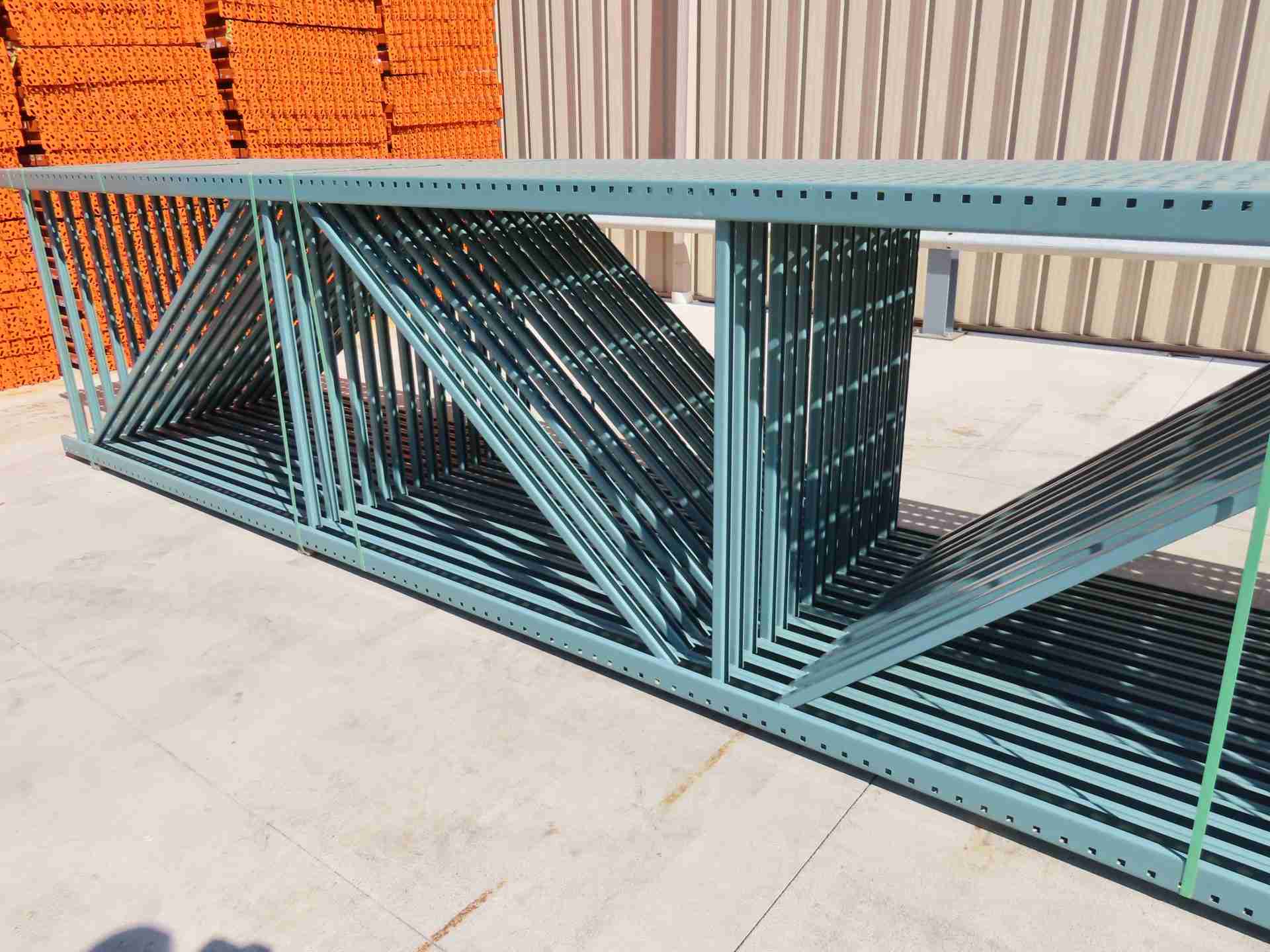
Are Used Racks Worth the Hassle? What the Experts Say
Are Used Racks Worth the Hassle? What the Experts Say
- Used racks represent a balance between tradition and modern efficiency in racking systems, fostering pride in organized workspaces.
- Buying used racks can save money, but it carries risks; however, with careful selection, they can be as reliable as new racks.
- Purchasing used equipment reduces waste, making it an ethical choice that promotes sustainability and environmental responsibility.
- Investing in used racks can alleviate disorganization, enhancing productivity and positively impacting work and personal lives.
- Community sharing among creators and builders enhances understanding and appreciation for second-hand solutions.
- Choosing used racks is a meaningful statement about resilience, innovation, and informed decision-making.
- Ultimately, selecting used racks can transform a workspace while supporting responsible practices and a sense of belonging in the professional community.
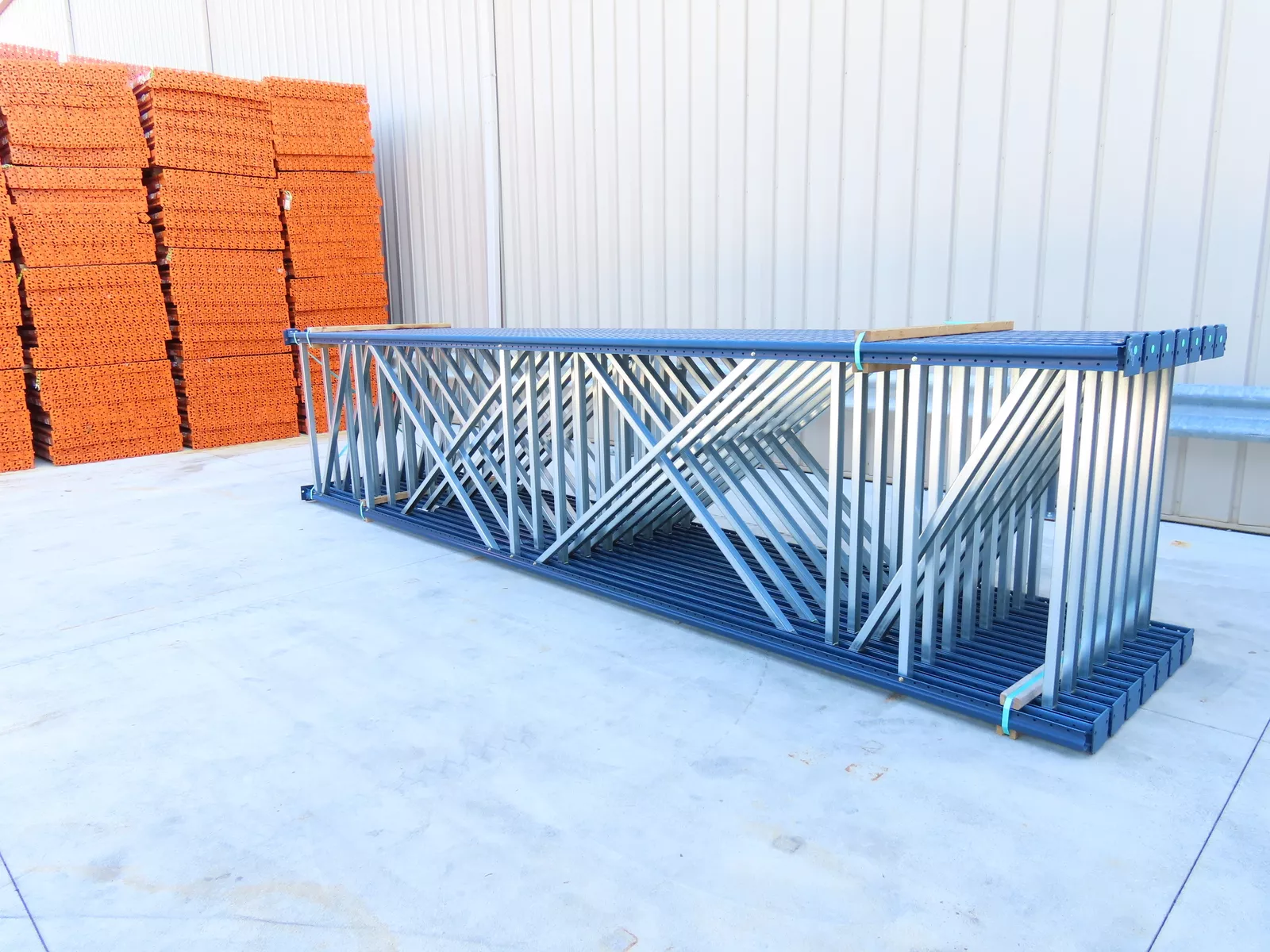
Are Used Racks Worth the Hassle? What the Experts Say
Table Of Contents
- Are Used Racks Worth the Hassle? What the Experts Say
- What Emotional Benefits Do Used Racks Provide for Your Business?
- Do You Trust the Safety Of Used Racks In Your Warehouse?
- How Do Used Racks Impact the Bottom Line During Tough Times?
- What Ethical Considerations Arise When Buying Second-Hand Equipment?
- How Do Industry Leaders View the Value Of Used Racks Over New Ones?
- Conclusion
- Other Resources
- Glossary Of Terms
- Other Questions
- Checklist
What Emotional Benefits Do Used Racks Provide for Your Business?
When you think about racking, you might picture shelves stacked high with boxes, a predictable sight in warehouses and shops. But let’s dig a little deeper. Imagine walking into your space and seeing well-organized racks that not only hold products but also carry the weight of your dreams, aspirations, and hard work. These used racks—worn and seasoned—come with stories etched into their metal. They’ve stood through the test of time and now stand ready to support your vision.
Investing in used racking can stir feelings of nostalgia. They evoke a sentiment that new racks simply can’t replicate. Each dent and scratch tells a story of challenges overcome, testing the resilience of businesses before you. By choosing these seasoned warriors, you’re not just saving money; you’re creating a narrative that can inspire trust among your team. Employees recognize a commitment to sustainability when they see used racks in action. They know that your business values longevity, efficiency, and ethical decision-making.
Rationally, used racks are a no-brainer. The financial benefits are significant—why pay top dollar when you can repurpose quality materials for a fraction of the cost? This sound decision-making offers peace of mind, knowing you’re not just optimizing your workspace but also your budget. Managers love leveraging these emotional and rational incentives to foster a culture of practicality within their teams, driving home the message that smart choices matter.
From a social perspective, you’re joining a community that recognizes the importance of sustainability. Each used rack melts away the stigma of wastefulness and bolsters the collective effort to support a greener future. Others see your commitment, and your business becomes a beacon of ethical responsibility. People feel good about working for a company that cares about the planet.
More than mere inventory solutions, used racking systems serve as a tangible reminder of resilience—both of the materials and the business they support. You foster connection not just with your assets but with everyone invested in your success. So, take a moment to appreciate the racking that can elevate your business, and recognize the emotional benefits that come with it. When you do, you’re not just organizing space; you’re igniting passion in your team and building a legacy, one rack at a time.
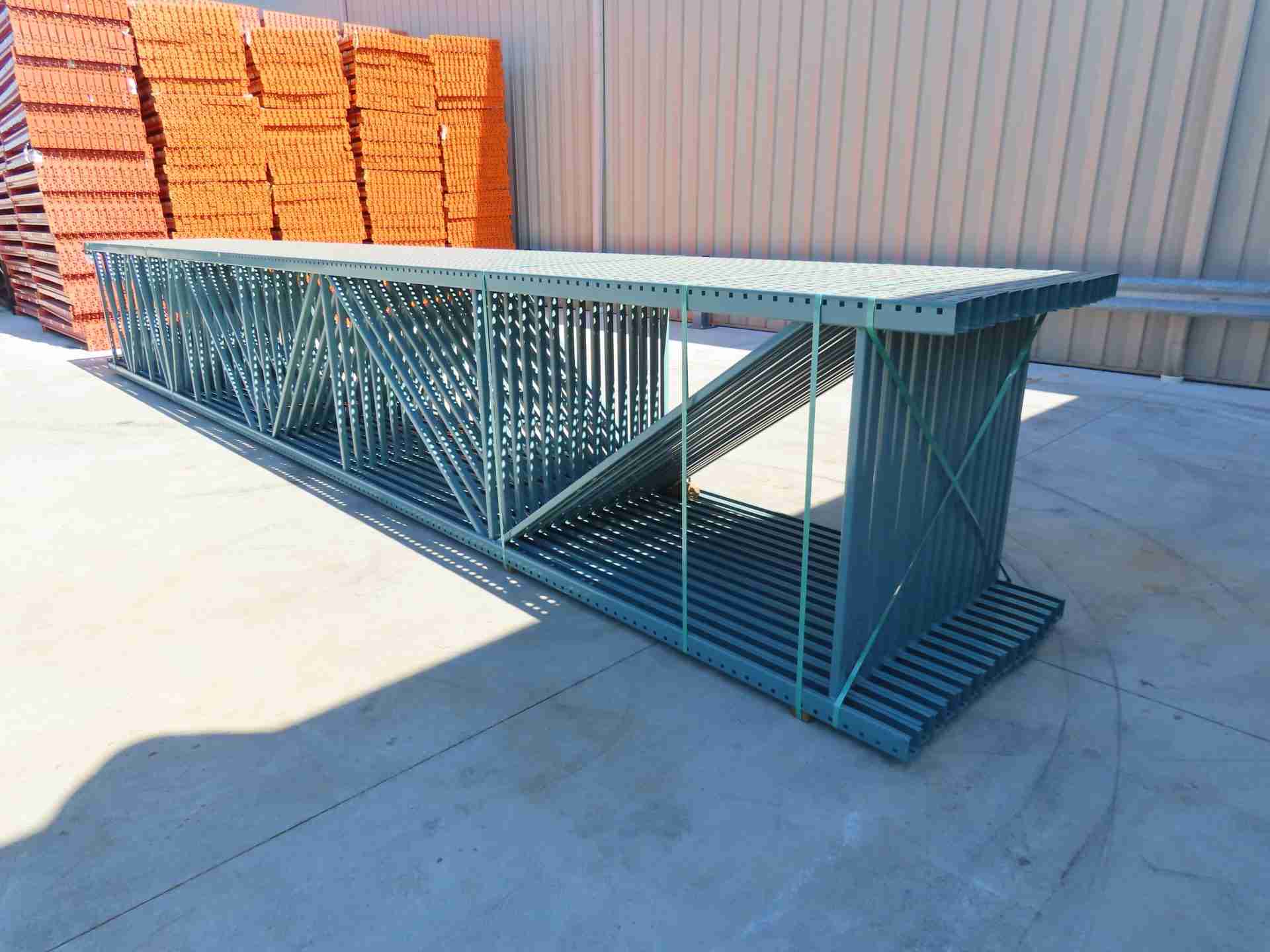
What Emotional Benefits Do Used Racks Provide for Your Business?
What Emotional Benefits Do Used Racks Provide for Your Business?
- Used racks symbolize organization and carry stories of past challenges and resilience.
- Investing in used racking evokes nostalgia and a commitment to sustainability.
- Each dent and scratch on used racks reflects the journey of previous businesses.
- Financially, used racks offer significant savings while optimizing workspace.
- Managers can leverage the emotional and rational benefits of used racks to foster practicality.
- Choosing used racks aligns your business with community values and promotes a greener future.
- Used racking systems serve as reminders of resilience, connecting teams and inspiring passion.
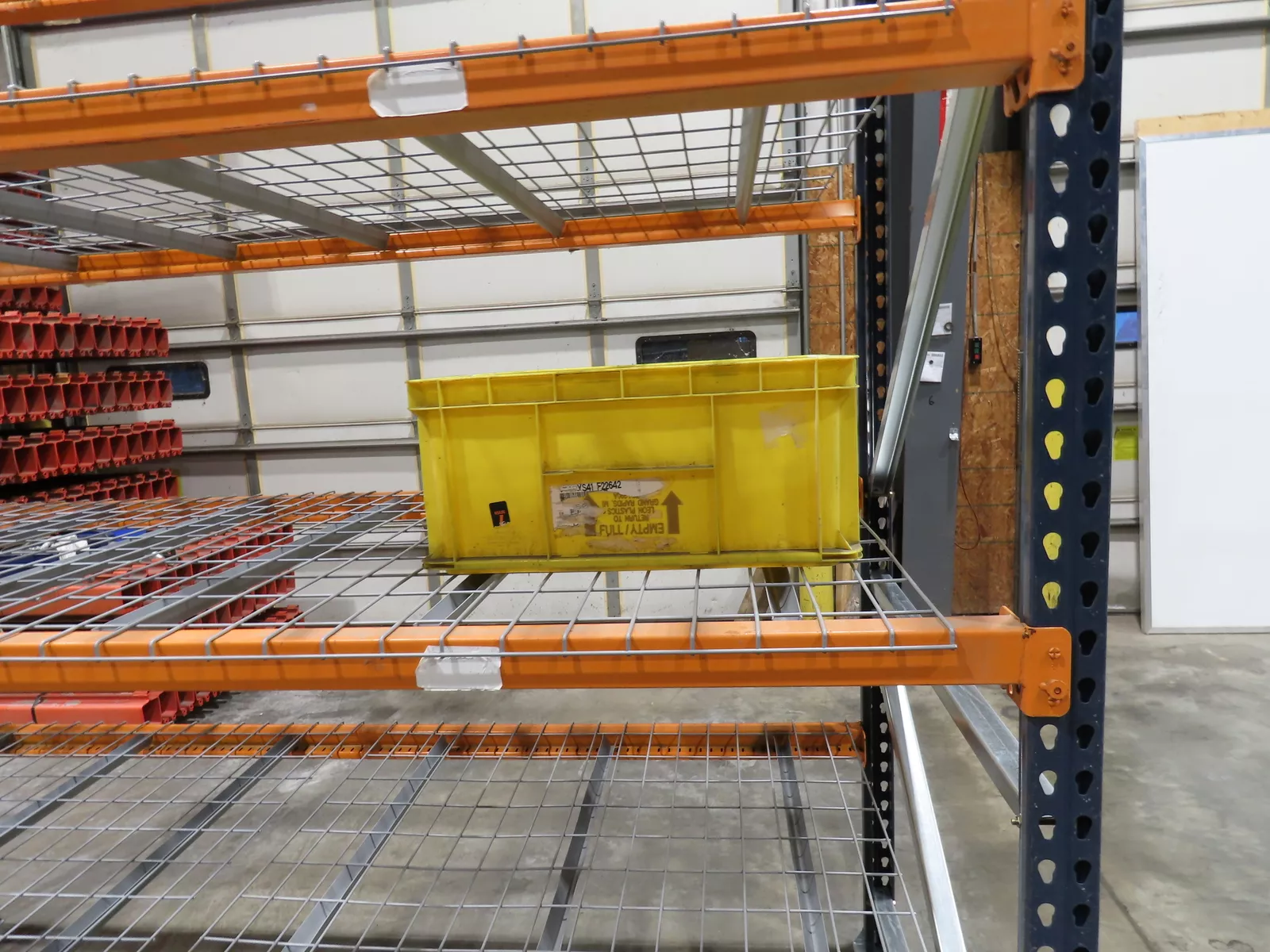
What Emotional Benefits Do Used Racks Provide for Your Business?
Do You Trust the Safety Of Used Racks In Your Warehouse?
When you walk into a warehouse, the first thing you might notice is the towering steel skeleton of racking systems that cradle inventory, waiting to be packed, picked, and shipped. But have you ever stopped to think about the stories behind those racks? Each scratch, dent, or worn label tells a tale, sometimes hinting at a history full of hard work and, yes, even mishaps. They might look sturdy, but just like anything else, their integrity can wear thin over the years.
Trust is more than just a word; it’s a visceral feeling that bubbles up from your gut. When you place your faith in those used racks, you’re not just relying on their dimensions or load ratings. You’re trusting your team’s safety and the efficiency of your entire operation. It’s your people who are scaling up to heights, navigating narrow aisles—as they depend on your judgment to keep them secure. When safety is on the line, the stakes couldn’t be higher.
Imagine the man or woman loading that rack, their heart pounding as they position that last box on the precarious edge. In that moment, are they thinking about how old the rack is? Whether it was salvaged from another warehouse? Or are they simply trusting that the authority behind its purchase made a sound decision? The truth is, we often judge the safety of our environment by the confidence we have in the choices we make.
The ethical responsibility to ensure a safe workplace goes beyond regulations and safety checklists. It’s about fostering a culture of care—where every team member feels valued and protected, where their safety is prioritized. Just one failure can lead to catastrophic consequences.
Of course, there’s a community aspect to this as well. Every company connects through the stories they share about their equipment. You chat with peers, swap experiences on used racks, and exchange tips on where to find the best deals. Ultimately, the choices you make send ripples through this industry. If you stand firm on safety and invest in reliable, quality racks, you’re not just protecting your operation; you’re helping to redefine what it means to do business safely. The conviction you pass on will inspire others to follow.
So, next time you stare up at those used racks, ask yourself: is this a system that reinforces trust, confidence, and action? If it isn’t, then it’s time to make a change.
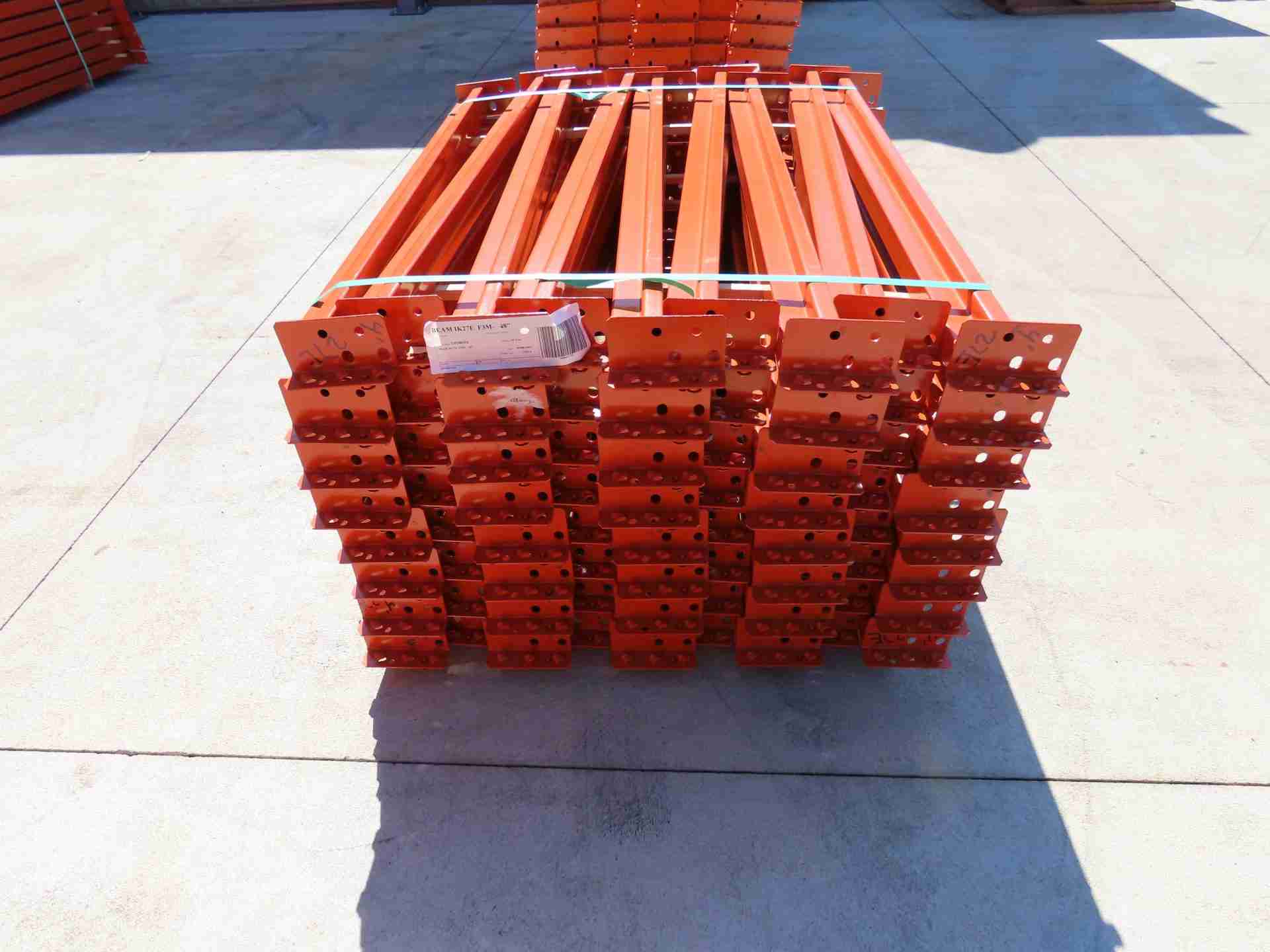
Do You Trust the Safety Of Used Racks In Your Warehouse?
Do You Trust the Safety Of Used Racks In Your Warehouse?
- Warehouse racking systems carry stories of hard work, mistakes, and wear, indicating their integrity can diminish over time.
- Trust in used racks goes beyond dimensions, influencing the safety of the team and overall operational efficiency.
- The mindset of workers loading racks relies on confidence in the decisions made regarding the equipment’s safety.
- Ensuring workplace safety involves more than just following regulations; it requires fostering a culture of care for team members.
- Community connections within the industry enable sharing experiences and tips regarding equipment reliability.
- Choosing reliable equipment not only safeguards operations but also contributes to a larger narrative of safety standards in business.
- Evaluate the equipment in your warehouse to ensure it promotes trust and confidence; if it doesn’t, consider making necessary changes.
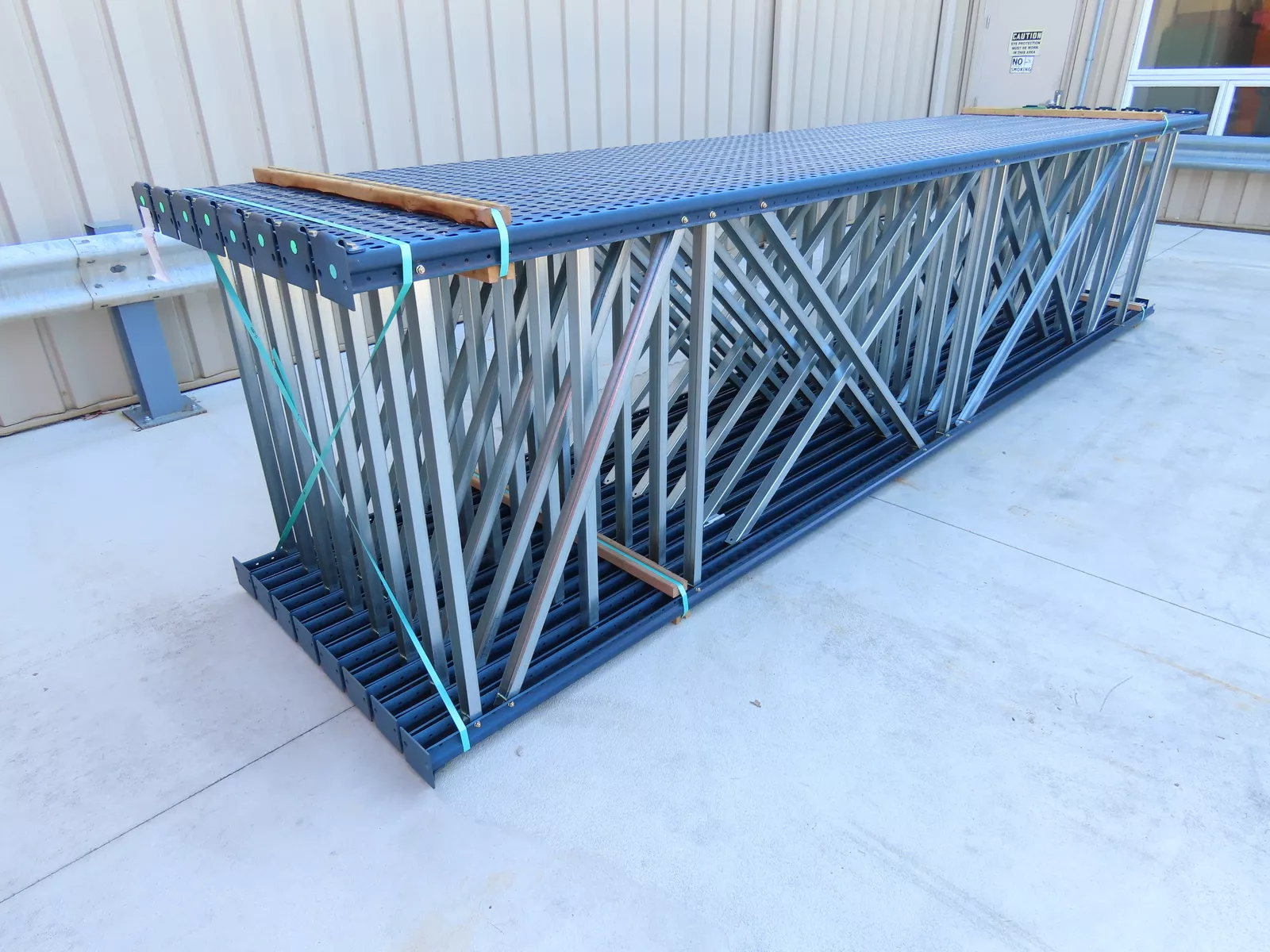
Do You Trust the Safety Of Used Racks In Your Warehouse?
How Do Used Racks Impact the Bottom Line During Tough Times?
In tough economic times, every decision counts, and the choices made can reverberate through a business’s bottom line like ripples on a pond. Investing in used racking systems might feel like a leap of faith, but it’s a pragmatic step towards survival and growth. Picture a warehouse bustling with activity—a place where every inch of space is maximized and every dollar spent is appreciated. That’s where used racks come into play, transforming an ordinary storage facility into an efficient powerhouse.
When we consider the emotional weight behind running a business, it’s hard not to think about the late nights spent worrying about payroll, inventory, and customer satisfaction. Investing in new racking can feel daunting. But what if those same worries could be eased with a smart, budget-friendly solution? Used racking allows you to maintain that critical balance between quality and cost. It’s a decision that reflects both prudence and optimism—a commitment to keeping your operation afloat while still pushing toward prosperity.
From a rational standpoint, purchasing pre-owned racks makes economic sense. The savings on upfront costs can be reinvested in other vital areas—perhaps upgrading technology, improving employee training, or simply keeping those lights on a little longer. The environment also applauds this move; reusing materials reduces waste and supports sustainability—two principles that resonate widely today.
Now, let’s consider the authority behind used racks. Trusted suppliers provide certifications and warranties, ensuring that you’re not just buying someone’s discarded junk. You’re acquiring sturdy, reliable equipment that’s been vetted by experts. When faced with budget constraints, knowing there’s a solid solution backed by experience fosters confidence—a crucial asset when considering the future of your business.
But it’s not just about dollars and cents; it’s also about the stories we tell and the values we hold as we navigate hardship. When you invest in used racking, you’re participating in a communal effort—supporting a system that believes in second chances, both for the equipment and for your enterprise. You’re sending a message to your team and your community: we’re all in this together, adapting and thriving against the odds.
Ultimately, embracing used racking systems during tough times isn’t merely a financial decision; it’s a heartfelt commitment—to your business, your employees, and your community. By making this strategic choice, you inspire trust, strengthen connections, and pave the way for brighter days ahead.
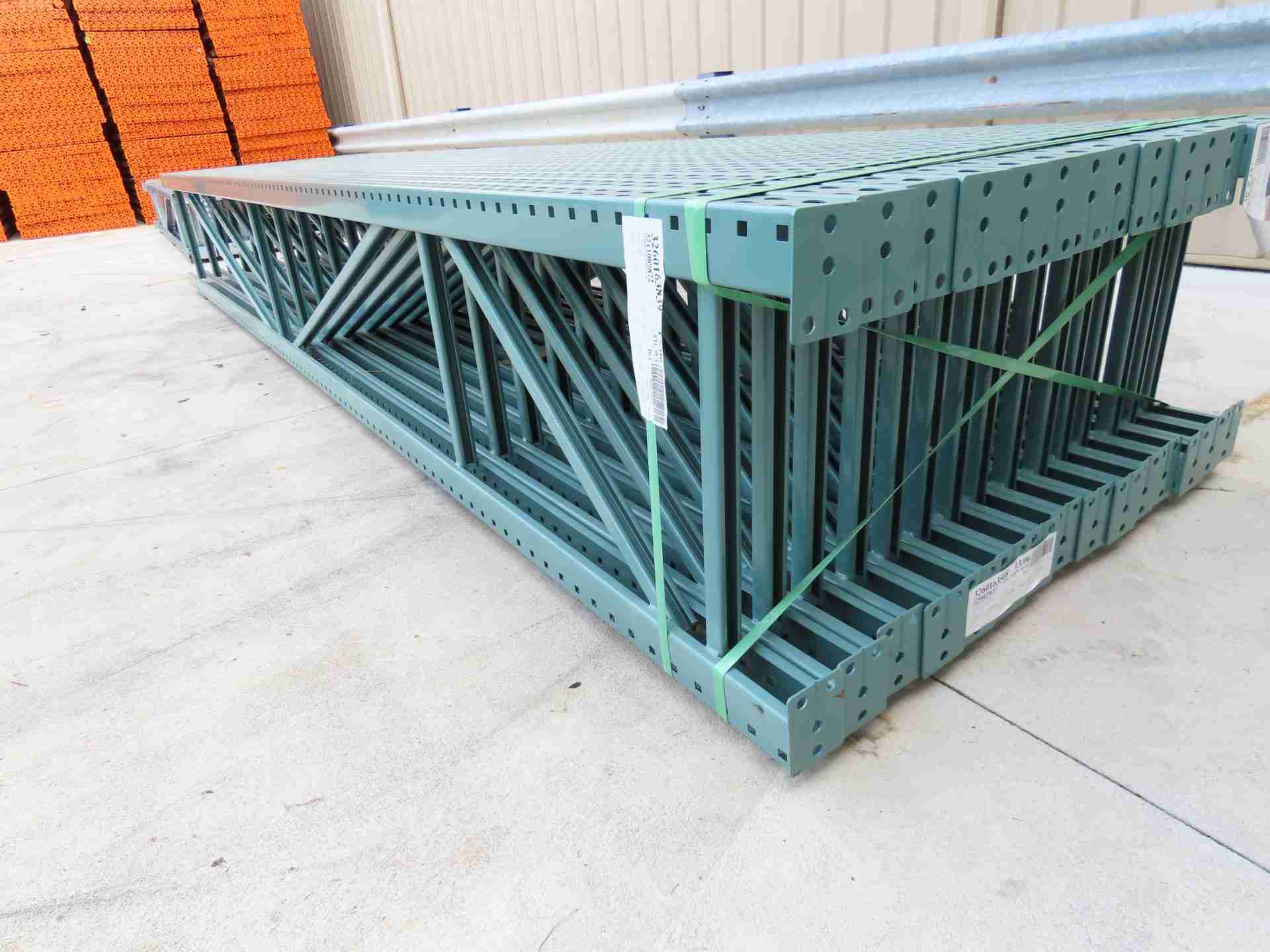
How Do Used Racks Impact the Bottom Line During Tough Times?
How Do Used Racks Impact the Bottom Line During Tough Times?
- Every decision in tough economic times significantly impacts a business’s bottom line.
- Investing in used racking systems is a pragmatic step towards survival and growth.
- Used racks optimize warehouse space and contribute to operational efficiency.
- Purchasing used racking balances quality and cost, alleviating financial worries.
- Savings from buying pre-owned racks can be redirected to crucial areas like technology and training.
- Trusted suppliers offer certified and reliable used racks, fostering confidence in your investment.
- Investing in used racking is a communal effort that demonstrates commitment to your business and community.
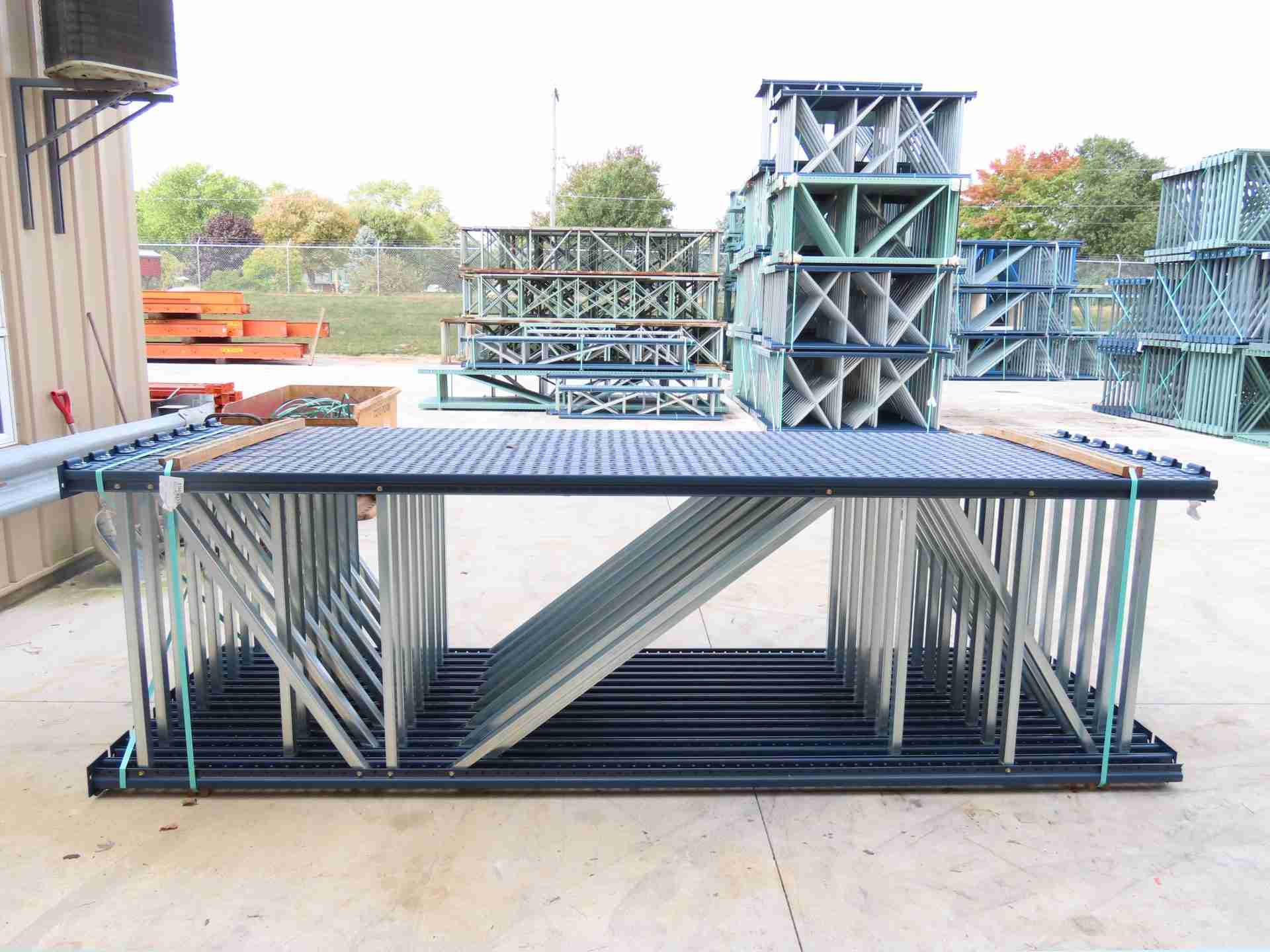
How Do Used Racks Impact the Bottom Line During Tough Times?
What Ethical Considerations Arise When Buying Second-Hand Equipment?
When we consider buying second-hand equipment, a multitude of ethical considerations come into play—some that tug at your heartstrings, others that engage your mind, and a few that resonate deep within your gut. Every scribble on a used racking unit, every dent in a drill—these are not just signs of wear; they tell a story, a narrative of previous lives lived in pursuit of labor and creativity.
Imagine a budding entrepreneur in a small-town garage, meticulously saving up for their first piece of equipment. They scour every penny, trading time for money, dreaming of the day they’ll finally purchase that essential tool. Now, consider the impact when you choose to buy second-hand; it can mean saving that dream. You’re not just making a purchase; you’re participating in a cycle of sustainability, offering that piece of equipment a new life and allowing someone else’s journey to continue.
From a rational standpoint, second-hand buying is often just plain smart. The reduction in manufacturing demand lessens environmental strain, echoing a collective responsibility we share to protect our planet. It’s a no-brainer; by opting for used items, we tap into a reservoir of value while also minimizing waste. Each used racking system or pair of boots serves as a testament to thoughtful consumerism—an alignment of our values with our actions.
Then there’s the ethical layer. Every item holds a moral weight—what was its journey? Did it come from a business that treated its workers fairly? By choosing second-hand, you can potentially sidestep unethical supply chains. You’re supporting local shops and individuals, elevating communities rather than corporations. When you buy that well-worn piece of equipment, you give a nod to craftsmanship and labor that often gets overlooked in today’s fast-paced world.
Finally, let’s talk community. There is something profoundly social about buying second-hand. It’s a way to connect with fellow humans, sharing tips, stories, and even the occasional beer with the neighbor down the block who’s passing along their old gear. It fosters relationships, creating a rich tapestry around each item we choose to bring into our lives.
So the next time you’re considering that second-hand purchase, remember: it’s more than just a transaction; it’s an opportunity to connect, to feel, and to make choices that ripple through our shared story. Take a step, engage with purpose, and let those ethical considerations guide your hands as you embrace the journey ahead.
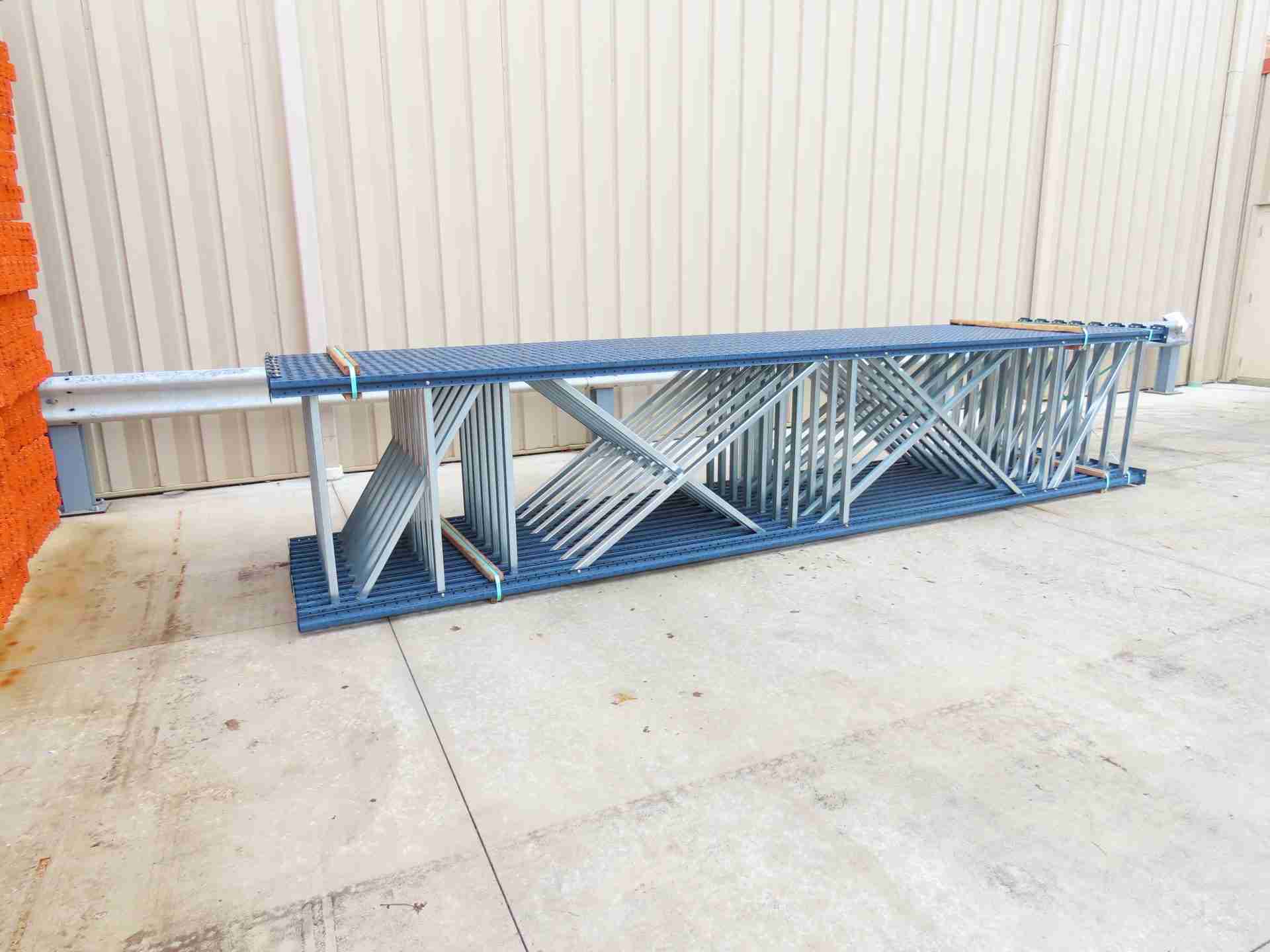
What Ethical Considerations Arise When Buying Second-Hand Equipment?
What Ethical Considerations Arise When Buying Second-Hand Equipment?
- Buying second-hand equipment involves various ethical considerations that evoke emotional and intellectual responses.
- Used items, like racking units and drills, tell stories of previous lives dedicated to labor and creativity.
- Purchasing second-hand supports individuals, like aspiring entrepreneurs saving for their first tool, helping to keep their dreams alive.
- Choosing second-hand items contributes to sustainability by reducing manufacturing demand and minimizing waste.
- Ethically, buying used allows consumers to avoid potentially unethical supply chains and supports local businesses over corporations.
- Second-hand shopping fosters a sense of community, encouraging connections through shared experiences and stories.
- Consider each second-hand purchase as an opportunity to engage with purpose and make ethical choices that impact our shared narrative.
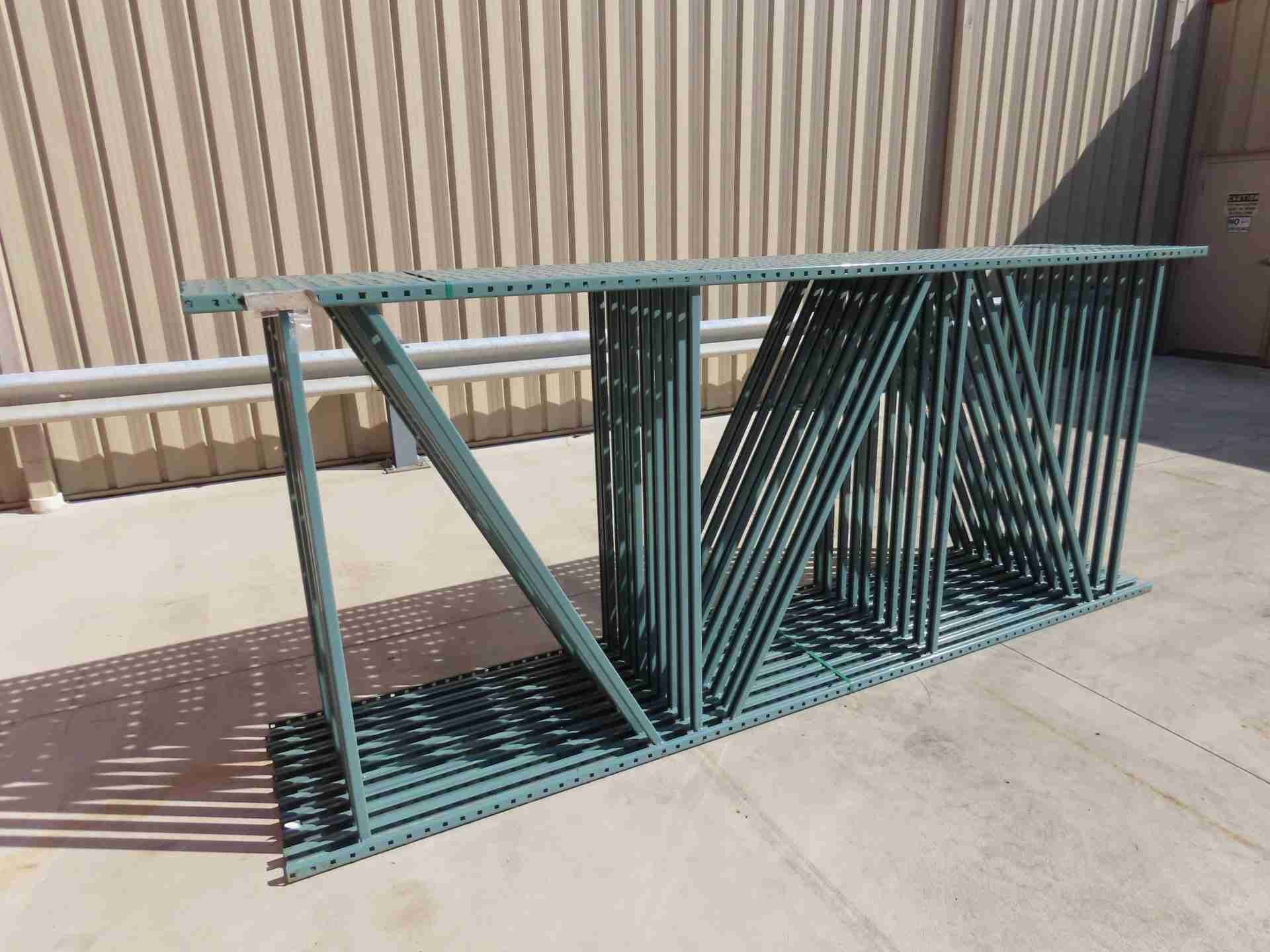
What Ethical Considerations Arise When Buying Second-Hand Equipment?
How Do Industry Leaders View the Value Of Used Racks Over New Ones?
When industry leaders turn their gaze towards the world of racking, a compelling debate emerges: Should we opt for new structures or embrace the value of used racks? It’s not merely a question of cost; it’s a reflection of principles guiding our choices in an increasingly resource-conscious world. Imagine walking into a warehouse filled with sleek, shiny racks—each one gleaming, promising efficiency and innovation—but at what cost? Those eye-catching structures often come with a hefty price tag, and that hits hard when budgets are tight.
Now, let’s peel back the layers. Used racks tell stories—stories of resilience, resourcefulness, and practicality. They’ve held the weight of inventory, embraced the chaos of bustling warehouses, and stood the test of time. For industry leaders, selecting used racks is not merely about economics; it’s a testament to ethical considerations. The decision to repurpose rather than start anew echoes louder than any glossy advertisement for the latest models. It’s an embodiment of sustainability, a commitment to protecting our planet while maintaining operational efficiency.
Leaders who champion used racks often do so with the experience to back up their choices. Their insights stem not from theory but from firsthand wisdom—navigating the gritty realities of supply chains and learning the ropes through trial and error. There’s authority in shared experiences. When they talk about the benefits of used racks, they’re speaking from the gut, a blend of honesty that captures the heart of what it means to run an operation.
In many ways, choosing used racks can mirror the choices we make in our everyday lives. Think about it: when you buy a refurbished tool or a pre-owned vehicle, you’re not just saving money; you’re also investing in something with a history and a potential for future use. It resonates with a communal ethos—embracing what has been and what can still be.
So, the next time you’re faced with the racks—or any decisions within your industry—remember the value in a second chance. Industry leaders aren’t just converting warehouses; they’re fostering a culture of sustainability, of innovation rooted in respect for the past. Choosing used racks sends a powerful message: one of trust, responsibility, and a deep connection to the future we’re all working toward.
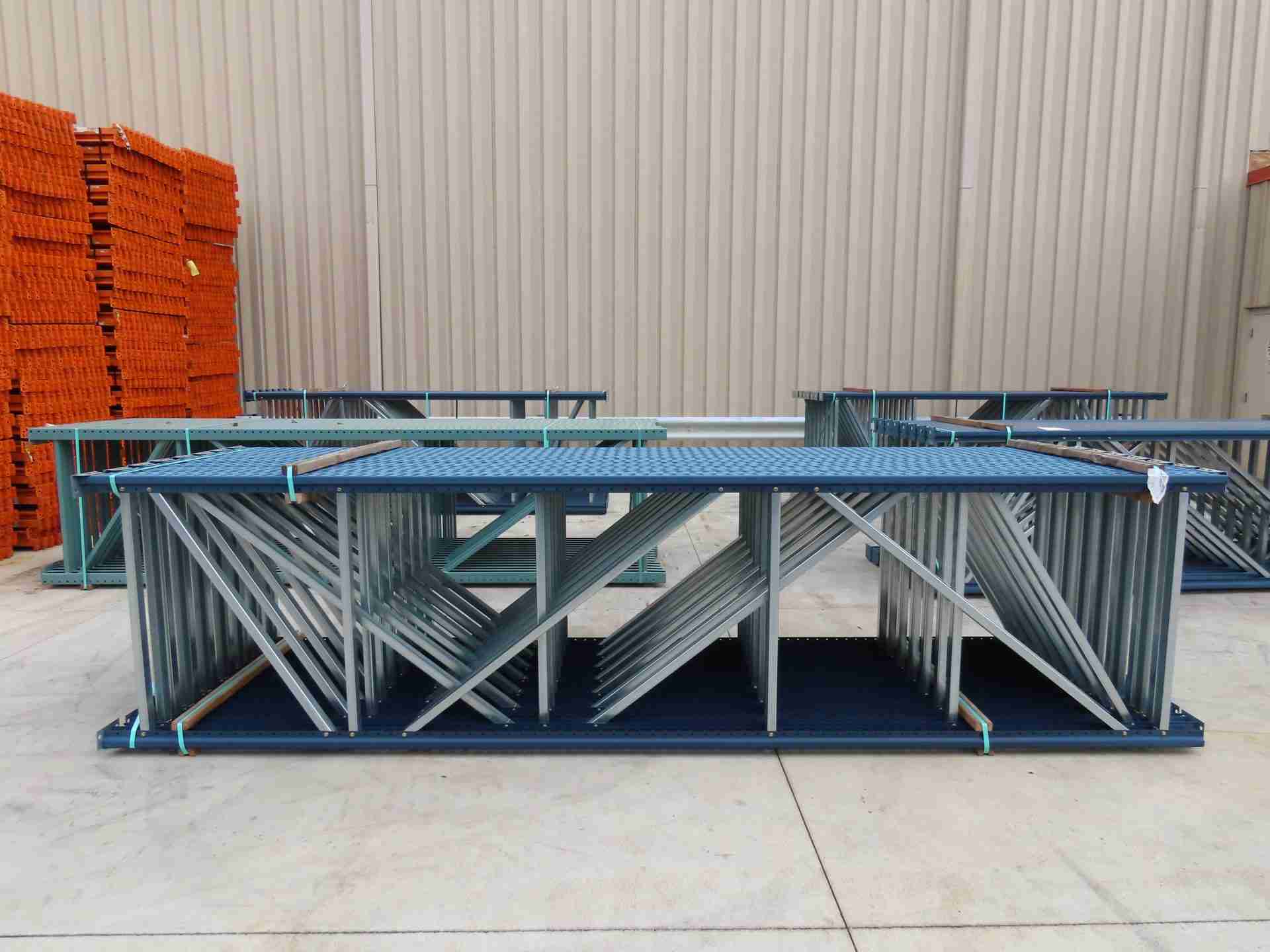
How Do Industry Leaders View the Value Of Used Racks Over New Ones?
How Do Industry Leaders View the Value Of Used Racks Over New Ones?
- Debate in the industry about choosing new structures versus used racks.
- Cost considerations reflect deeper principles in a resource-conscious world.
- New racks may look appealing but often come with high price tags, especially under tight budgets.
- Used racks represent resilience, resourcefulness, and practicality in warehouse settings.
- Selecting used racks embodies sustainability and ethical considerations over merely aesthetics.
- Industry leaders advocating for used racks draw from real-life experiences and insights.
- Choosing used racks fosters a culture of sustainability and innovation that respects the past.
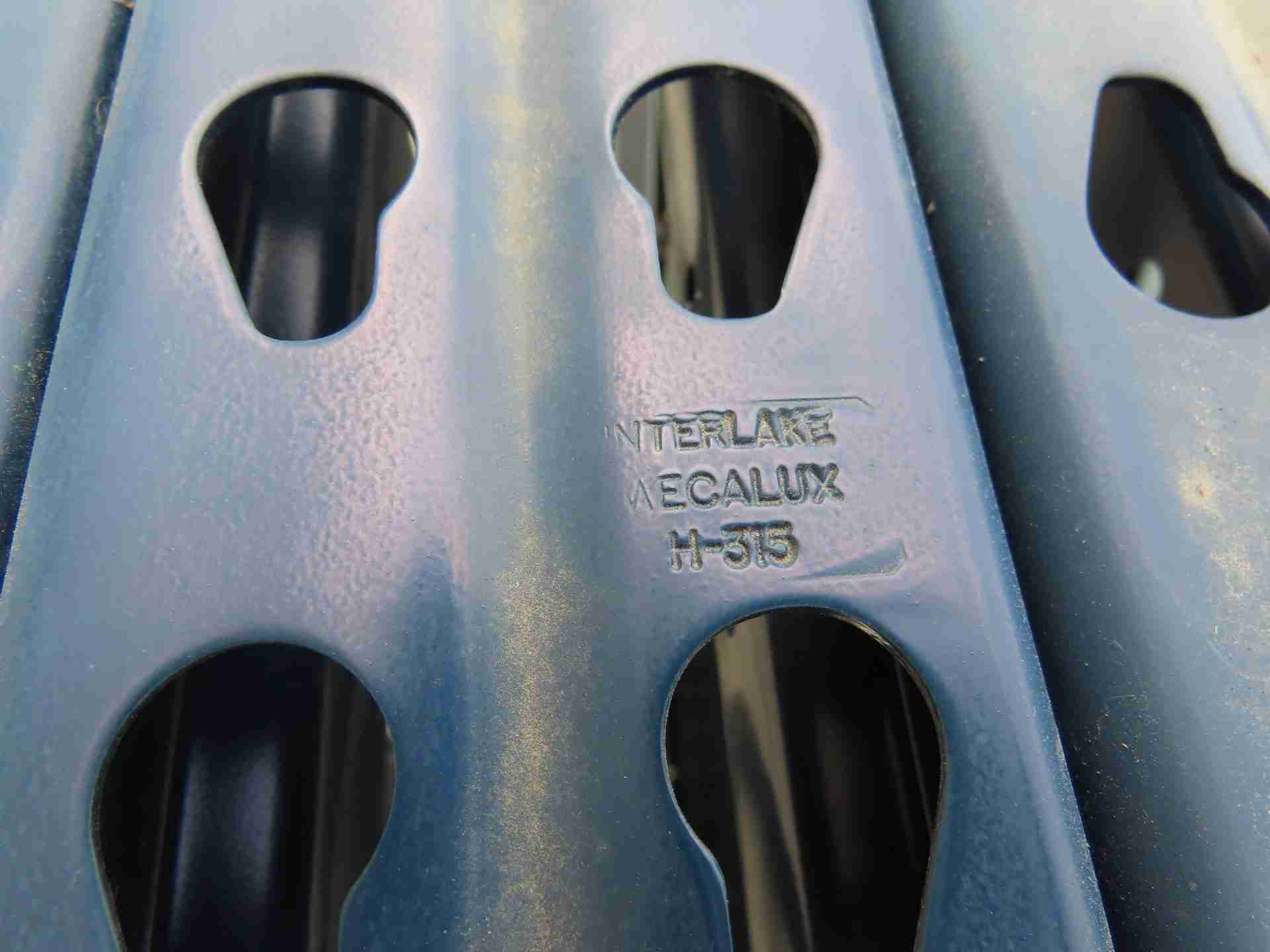
How Do Industry Leaders View the Value Of Used Racks Over New Ones?
Conclusion
Used racks may seem like an inconspicuous choice in the grand scheme of business, but let’s dig into the emotional, rational, and ethical layers that underpin this decision. When you step into a workspace adorned with organized used racks, it’s like gazing at the very foundation of your ambitions—every scratch and dent a reminder of the grit that business demands. Memories are buried in these structures, whispering of the past challenges overcome, and the endurance of the tools that support your dreams.
Financially, the allure of used racks is clear. When budgets are tight, investing in second-hand equipment can provide substantial savings, allowing you to redirect funds towards critical areas—be it technology upgrades or employee training. This is rational decision-making at its finest, especially during economically trying times. Moreover, buying used tangibly supports sustainability, reducing landfill waste and reaffirming your commitment to the planet. It’s a choice rooted not only in financial savvy but also in environmental responsibility—values increasingly vital in our modern world.
Ethically, this decision aligns with our collective duty to foster a more sustainable economy. Each piece of equipment carries its own story, and choosing to purchase second-hand means opting for a path that respects craftsmanship and labor while resisting the throwaway culture. It’s about more than acquisition; it’s about participating in a greater narrative and extending the lifecycle of materials that might otherwise be abandoned.
On a social level, embracing used racks creates connections—a sense of community where shared experiences abound. Conversations about the best deals or tips for maintaining older equipment cultivate relationships that enrich our professional lives. Supporting local businesses through second-hand purchases uplifts entire communities, reinforcing the idea that we are all in this together.
When weighing the decision to invest in used racks, remember that it’s not just a practical choice but a deeply resonant one. It speaks to values of sustainability, responsibility, and innovation—the heartbeat of a well-organized enterprise. By choosing wisely, you reinforce trust within your team, showing that sustainability and sound practices lead to a thriving business ecosystem. With every rack you repurpose, you’re not just organizing space; you’re igniting a legacy that champions resilience, care, and a shared future worth embracing.
Conclusion
Conclusion:
- Used racks serve as a reminder of the grit and endurance required in business, with each scratch symbolizing past challenges.
- Investing in second-hand equipment can provide significant financial savings, allowing more funds for critical areas like technology and training.
- Purchasing used racks supports sustainability by reducing landfill waste and reflects a commitment to environmental responsibility.
- The decision to buy second-hand promotes a sustainable economy, respecting craftsmanship and challenging throwaway culture.
- Embracing used racks fosters community connections and strengthens relationships through shared experiences and knowledge sharing.
- This choice exemplifies values of sustainability, responsibility, and innovation, contributing to a thriving business ecosystem.
- By repurposing racks, businesses cultivate a legacy of resilience and a commitment to a shared, sustainable future.
Conclusion
Other Resources
Other Resources
Here is a list of other resources you can review online to learn more:
- Pallet Racking 101: A Comprehensive Guide & Options Explained
- BMH
- The Ultimate Pallet Racking Guide – Speedrack West
- Material Handling Safety
- Illinois Pallet Racking – Storage Solutions
- Teardrop Industrial Shelving Rack
- IIWS Inc. Rack Installation Illinois & Rack Repairs Illinois
- RMI
- Warehouse Storage Racks
- Storage Equipment Manufacturers Association
- American Society of Safety Professionals
- Warehouse Racks, Warehouse Racking in Stock – ULINE
- National Safety Council
- CMMA
- International Warehouse Logistics Association
- Storage Equipment Manufacturers’ Association
- Warehouse Racking Systems: Beginner’s Guide to Rack Systems
- Material Handling Industry
- Warehousing Education and Research Council: https://www.werc.org/
Use This Prompt To Get More Resources With Your Favorite Online AI Tool: Please provide me with a list of online articles with their URLs in a bulleted list that I can read regarding Are Used Racks Worth the Hassle? What the Experts Say
Other Resources
Glossary Terms
Are Used Racks Worth the Hassle? What the Experts Say – Glossary Of Terms
1. Used Racks: Pre-owned shelving or storage systems that are resold for various purposes, often in industrial or commercial settings.
2. New Racks: Brand new shelving systems manufactured for specific storage needs, often more expensive than used options.
3. Durability: The ability of a rack to withstand weight and wear over time, crucial for safety and functionality.
4. Safety Compliance: Adherence to regulations and standards ensuring that racks meet safety requirements to prevent accidents.
5. Load Capacity: The maximum weight a rack system can safely hold, determined by structural design and materials used.
6. Inspection: The process of examining used racks for damage, integrity, and safety before purchasing or using.
7. Repair: The action of fixing any broken or damaged parts of a used rack to ensure it functions properly and safely.
8. Reconditioning: The process of refurbishing a used rack to restore it to a like-new state, often involving cleaning and repairs.
9. Cost-Efficiency: The economic advantage of purchasing used racks compared to new ones, potentially saving money while meeting needs.
10. Sustainability: The environmental benefit of reusing and recycling materials, reducing waste and the demand for new products.
11. Customization: Modifying used racks to fit specific storage needs, including changing dimensions or adding accessories.
12. Availability: The extent to which used racks can be sourced, which can vary based on market conditions and demand.
13. Retailers: Businesses or warehouses that sell used racks, often specializing in industrial storage solutions.
14. Online Marketplaces: Digital platforms where used racks can be bought and sold, providing a wide variety of options.
15. Storage Density: The efficiency of space utilization within a storage area, often optimized with the right rack systems.
16. Forklift Compatibility: The ability of a rack to be easily accessed and used in conjunction with forklifts for loading and unloading.
17. Customization: Tailoring used rack systems to specific measurements or operational needs for better efficiency.
18. Warranty: A guarantee provided by sellers that covers potential issues with used racks for a designated period.
19. Inspection Report: A document detailing the condition and safety of used racks, often needed before sale.
20. Structural Integrity: The soundness of a rack’s design and construction, ensuring it can carry loads without risk.
21. Resale Value: The potential value of a used rack upon resale, affecting the initial purchase decision based on future returns.
22. Assembly: The process of putting together a rack system, which may be more complex for used equipment due to missing parts.
23. Adaptability: The ability of a rack to be reconfigured or modified for different storage needs as priorities change.
24. Inspection Guidelines: Established criteria for assessing the condition and safety of used racks prior to purchase.
25. Usage History: Information regarding how a used rack was previously utilized, affecting its condition and reliability.
26. Cleaning Procedures: Methods for sanitizing and maintaining used racks to ensure hygiene, especially in food or medical sectors.
27. Regulatory Standards: Industry-specific rules that dictate the safe use and manufacturing of storage solutions like racks.
28. Transport Logistics: The planning and execution of moving used racks from sellers to buyers, which can impact costs.
29. Environmental Impact: The overall effect on the planet that arises from choosing new versus used equipment.
30. Operational Efficiency: The effectiveness of using storage systems, aimed at maximizing output and minimizing waste.

Glossary Of Terms
Other Questions
Are Used Racks Worth the Hassle? What the Experts Say – Other Questions
If you wish to explore and discover more, consider looking for answers to these questions:
- What are the potential risks associated with using used racks?
- How can I ensure the quality and safety of used racks before purchasing?
- What specific emotional benefits can used racks provide for employees?
- What criteria should I use to evaluate used racks in the marketplace?
- How do used racks compare to new racks in terms of maintenance costs?
- What are some success stories of businesses that have transitioned to used racks?
- What certifications or warranties should I look for when buying used racks?
- How can I create a culture of sustainability in my workplace through equipment choices?
- What impact do used racks have on operational efficiency?
- Are there specific industries that benefit more from used racks than others?
- What common mistakes do businesses make when purchasing used racks?
- How does the community of used rack users share knowledge and experiences?
- What trends are emerging in the used equipment market?
- What ethical dilemmas might arise from purchasing used racks?
- How can organizations effectively communicate their commitment to sustainability through their choices in racking systems?
Other Questions
Checklist
Are Used Racks Worth the Hassle? What the Experts Say – A Checklist
Emotional Appeals:
_____ Reflect on the stories and history behind used racks—how do these pieces resonate with your journey?
_____ Envision the satisfaction of an organized space and its impact on productivity.
_____ Share with your team the emotional benefits of using seasoned racks that inspire trust and commitment.
Rational Appeals:
_____ Evaluate the financial savings of choosing used racks over new ones—how can these funds be reinvested in your business?
_____ Assess the quality and condition of used racks before purchase—are they certified by trusted suppliers?
_____ Analyze past experiences of industry leaders and their successful use of pre-owned racks.
Ethical Appeals:
_____ Consider the environmental impact of opting for used racks—how does this choice contribute to sustainability?
_____ Reflect on the ethical dimensions of second-hand purchases—are you supporting local businesses and fair labor practices?
_____ Think about the legacy of responsible consumerism you are building by choosing used equipment.
Authority and Trust:
_____ Research insights from industry experts about the reliability of used racks—what do leaders in your field say?
_____ Verify supplier certifications for used racks—do they provide warranties and assessments?
_____ Seek testimonials or case studies from businesses that have successfully adopted used racks.
Narrative Appeals:
_____ Share stories from your community about successful transitions to using used racks—how have others benefited?
_____ Create and participate in discussions that celebrate triumphs in finding affordable racking solutions.
_____ Reflect on your own journey and how used racks fit into the narrative of your business.
Social Appeals:
_____ Engage with the community around sustainability and responsible purchasing—how does your choice of used racks promote a collective effort?
_____ Foster connection with fellow business owners by sharing tips on second-hand equipment purchasing.
_____ Build a culture of mindful decision-making within your team regarding equipment choices and resource management.
Utilize this checklist as a guide for assessing the emotional, rational, ethical, and social dimensions of investing in used racks, and inspire others to make informed, meaningful choices.

Checklist
At RackingWorld, we help guide you through selecting warehouse storage systems and racking.
Be sure to read our other related stories at RackingWorld to learn more about warehouse storage systems.
0 Comments