
Unraveling The Disarray: How Overstocked Shelves Fuel Chaos
By Tom Seest
At RackingWorld, we help guide you through selecting warehouse storage systems and racking.
Be sure to read our other related stories at RackingWorld to learn more about warehouse storage systems.
Are Overstocked Warehouse Shelves Contributing to Chaos?
Have you ever walked into a warehouse brimming with product, only to feel instantly overwhelmed? That chaotic scene of overstuffed pallet racking can be more than just an eyesore; it can hold your entire operation hostage. Imagine the valuable time wasted locating items buried beneath an avalanche of boxes, or worse, the costly errors that arise from mismanagement. We’ve all heard that time is money—but when your shelves are overstocked, it can feel like your warehouse is the Bermuda Triangle of your business survival!
Picture this: You’re in charge of managing a well-stocked inventory, and every day, you inch toward the heights of chaos. Your pallet racking is overflowing with products, making it a labyrinth where items are lost, orders are misprocessed, and customers are left waiting. The turmoil takes a toll—not just on your operations but also on your bottom line. With every mismanaged product comes lost sales and diminished customer satisfaction.
So, how do we get a handle on this unruly beast? Simple! It starts with recognizing that overstocked shelves are not just a logistical nightmare; they’re a call to action. Ensuring that your warehouse operates like a well-oiled machine requires strategic planning. By optimizing your pallet racking system, you can reclaim control over your space while boosting efficiency and order accuracy.
Consider this: When you streamline your inventory, you’re not just organizing your space; you’re also enhancing your team’s productivity. A neat, well-structured warehouse fosters an environment where employees can focus on their tasks rather than on playing hide-and-seek with products. A manageable workflow leads to happier employees, which in turn creates satisfied customers who are eager to come back for more.
Embrace the concept of smart inventory management—it’s time to transform disarray into order. Evaluate your pallet racking system and identify what items are truly necessary for your business. Implement those processes to monitor stock levels and automate reordering, ensuring that overstock is a thing of the past.
So, if your warehouse feels like it’s spiraling into chaos, take a moment to breathe. Pull back the curtain, assess your operations, and take action today. Remember, a well-organized warehouse isn’t just a dream; it’s an achievable reality that paves the way for business success. Don’t let your shelves dictate your chaos—take a leadership role and turn it all around!

Are Overstocked Warehouse Shelves Contributing to Chaos?
Are Overstocked Warehouse Shelves Contributing to Chaos?
- Overstuffed pallet racking can overwhelm warehouse operations and waste valuable time.
- Mismanagement of inventory leads to costly errors, lost sales, and lowered customer satisfaction.
- Overstocked shelves indicate a need for strategic planning and action.
- Optimizing the pallet racking system enhances efficiency and order accuracy.
- A well-organized warehouse improves team productivity and employee morale.
- Smart inventory management involves evaluating stock levels and automating reordering processes.
- Transforming disorder into order is essential for operational success and can be achieved through effective leadership.

Are Overstocked Warehouse Shelves Contributing to Chaos?
Table Of Contents
- Are Overstocked Warehouse Shelves Contributing to Chaos?
- What Are The Common Causes Of Overstocked Warehouse Shelves?
- How Does Overstocking Impact Warehouse Efficiency?
- What Are The Signs Of Chaos In An Overstocked Warehouse?
- How Can Overstocked Shelves Affect Inventory Management?
- What Strategies Can Reduce Overstock In A Warehouse?
- How Do Overstocked Shelves Influence Order Fulfillment Times?
- Conclusion
- Other Resources
- Glossary Of Terms
- Other Questions
- Checklist
What Are The Common Causes Of Overstocked Warehouse Shelves?
Every seasoned warehouse manager knows that overstocked shelves are more than just a minor inconvenience—they’re a signal that something in the system has gone awry. So, what leads to this chaotic state of pallet racking? Let’s dive into some of the most common culprits, and face them head-on.
First, let’s talk about forecasting inaccuracies. Demand forecasting is an art, but when the brush strokes are off, it can lead to warehouse shelves filled to the brim with products that aren’t moving. Imagine a winter coat retailer flooded with jackets in June! It’s a surefire way to undermine cash flow and max out your pallet racking capacity.
Next, consider supply chain mismanagement. If your sourcing and purchasing processes aren’t synced up, you’re left with excess inventory. Delays in shipments, sudden spikes in production, or simply over-ordering can leave those shelves stacked high when they should be neatly streamlined. It’s crucial to maintain a tight grip on your supply chain and ensure everyone is on the same page.
Another common pitfall is poor inventory management. Using outdated tracking systems can lead to inaccurate counts and unnecessary duplications. Without real-time visibility into stock levels, it’s all too easy to misjudge what’s sitting on those pallet racking systems. Embracing modern inventory management tools can transform your approach, literally clearing up the clutter.
Seasonal fluctuations also play a significant role. Businesses often ramp up stock in anticipation of peak seasons, but if those sales don’t materialize as expected, you’re left with shelves full of unsold goods. Planning for those fluctuations with agility can save you from the dreaded overstock situation.
Lastly, we can’t overlook the human factor. Miscommunications between departments, whether it’s sales overpromising or logistics underdelivering, often lead to surplus inventory. Establishing a clear line of communication among your teams creates accountability and ensures that everyone is aligned towards the same goals.
Recognizing these common causes of overstocked warehouse shelves is the first step toward taking control. With thoughtful strategies in place, like improved forecasting and streamlined communication, you can optimize your pallet racking systems, ensuring that your warehouse not only runs smoothly but also thrives. Remember, it’s not just about clearing those shelves—it’s about creating a sustainable flow of goods that keeps your business moving forward. Take action today, and watch your efficiency soar!

What Are The Common Causes Of Overstocked Warehouse Shelves?
What Are The Common Causes Of Overstocked Warehouse Shelves?
- Overstocked shelves indicate issues within the warehouse management system.
- Inaccurate demand forecasting can lead to excess stock, undermining cash flow.
- Supply chain mismanagement, including delays and over-ordering, can result in surplus inventory.
- Poor inventory management, stemming from outdated systems, can cause misjudgment of stock levels.
- Seasonal fluctuations may lead to overstock if anticipated sales do not materialize.
- Human factors, such as miscommunication between departments, contribute to surplus inventory.
- Implementing strategies like improved forecasting and communication can optimize warehouse efficiency.
What Are The Common Causes Of Overstocked Warehouse Shelves?
How Does Overstocking Impact Warehouse Efficiency?
Picture walking into a warehouse and being greeted by rows and rows of towering pallet racking, each filled to the brim with products that no one seems to know whether they’re selling or not. At first glance, it might seem like a treasure trove of goods, but dig deeper, and you’ll uncover a hidden menace: overstocking.
When inventory spills over into excess, the operational landscape shifts dramatically, and efficiency takes a nosedive. Trust me, your desire to maximize productivity and streamline processes can easily be derailed by a cluttered warehouse overflowing with items that stagnate rather than sell. Overstocking leads to a plethora of challenges that no one starting out would dream of facing, yet here we are, wading through overstock like it’s an unavoidable reality.
Firstly, let’s talk about space—or rather, the lack of it. A warehouse should be a sanctuary of organization and efficiency where every square foot serves a purpose. But when your pallet racking is packed to the gills with unsold inventory, you create a chaotic atmosphere that hinders picking, packing, and shipping. Not to mention the potential for inventory getting lost in the shuffle or, worse, damaged. Each misplaced item is a failure in your system, a break in the trust with your customers who expect reliability and speed.
Then we have the labor factor. Imagine your employees hunting down that elusive item in a maze of overstock. The more time they spend sifting through piles of inventory that should have been cleared out, the less time they spend on value-driven tasks that actually grow your business. Every minute wasted translates directly into lost revenue—a reality that’s as tough to swallow as an overripe piece of fruit.
The bottom line is simple: overstocking dilutes focus and creates inefficiencies that can stifle growth and productivity. Embrace a more streamlined approach to inventory management. Regularly assess what’s truly essential and take decisive actions to let go of what isn’t. Not only will you enhance the atmosphere of your warehouse, but you’ll also foster a culture of trust and confidence among your team. They’ll know they’re working in an environment that values efficiency, clarity, and results.
You’re not just in the business of selling products; you’re in the business of creating an experience—both for your customers and your staff. Don’t let overstocking steal that experience away. Take control and watch your efficiency soar!
How Does Overstocking Impact Warehouse Efficiency?
How Does Overstocking Impact Warehouse Efficiency?
- Walking into a cluttered warehouse reveals a hidden issue: overstocking.
- Overstocking leads to decreased operational efficiency and productivity.
- A chaotic environment hinders essential tasks such as picking, packing, and shipping.
- Employees waste time searching for items in a maze of excess inventory, resulting in lost revenue.
- Overstocking creates inefficiencies that stifle business growth and productivity.
- Regular inventory assessments are essential for maintaining a streamlined approach.
- Effective inventory management fosters a trustworthy environment for both staff and customers.

How Does Overstocking Impact Warehouse Efficiency?
What Are The Signs Of Chaos In An Overstocked Warehouse?
Picture this: you walk into your warehouse expecting to find a well-organized space that operates like a finely-tuned machine, yet what greets you is a disarray of chaos. Overstocking can quickly turn your thriving enterprise into a tangled mess, and recognizing the signs of clutter is the first step to reclaiming control and efficiency. Let’s explore some telltale indicators that your warehouse has slipped into chaos.
1. Pallet Racking Overload: When pallet racking is overflowing, it’s a clear signal that things are amiss. You should be able to walk the aisles with ease, but if your racks are crammed with inventory, processing orders becomes a daunting challenge. When team members are forced to climb mountains of inventory or squeeze through narrow aisles, it not only slows productivity but also raises safety concerns.
2. Inventory Errors: If you continually find discrepancies between what the system says you have and what’s actually on the shelf, it’s a loud alarm bell ringing for action. Overstocking leads to confusion, misplaced items, and, ultimately, unhappy customers. Your reputation hinges on reliable order fulfillment – don’t let chaos ruin that.
3. Inefficient Picking Processes: Are your employees spending too much time searching for items? If the picking process feels more like a scavenger hunt, you’re losing precious hours—and profits. An overloaded warehouse can hinder even the most efficient picking systems, costing you time and money with every moment wasted.
4. Insufficient Space for New Stock: An inability to make room for incoming shipments is symptomatic of chaos. If you find yourself anxiously rearranging inventory to fit, it’s a warning sign. A well-organized warehouse should allow for expansion and adaptability, not constraints.
5. Employee Frustration: Finally, listen to your staff. If complaints about organization, safety, or general workflow are surfacing, it’s evidence that chaos is reigning supreme. Happy employees are productive employees, and an overstocked warehouse can sap the motivation right out of your team.
Recognizing these signs is the first step toward transforming your warehouse chaos into a beacon of efficiency and productivity. Take action now—reevaluate your inventory strategies, invest in better systems, and restore the order your business deserves. Reclaim your space, reignite your profits, and put chaos behind you for good!
What Are The Signs Of Chaos In An Overstocked Warehouse?
What Are The Signs Of Chaos In An Overstocked Warehouse?
- Pallet Racking Overload: Overflowing pallet racking signals a need for action, making order processing difficult and raising safety concerns.
- Inventory Errors: Discrepancies between system records and actual inventory indicate chaos, leading to confusion and customer dissatisfaction.
- Inefficient Picking Processes: Excessive time spent searching for items hinders productivity and profits, reflecting an overloaded warehouse.
- Insufficient Space for New Stock: Difficulty accommodating incoming shipments suggests a lack of organization and flexibility in the warehouse.
- Employee Frustration: Complaints regarding organization and workflow from staff indicate underlying issues and decreased motivation.
- Importance of Recognition: Identifying these chaos signs is essential for transforming the warehouse environment into an efficient space.
- Encouragement for Action: Reevaluating inventory strategies and improving systems can help restore order and boost profitability.
What Are The Signs Of Chaos In An Overstocked Warehouse?
How Can Overstocked Shelves Affect Inventory Management?
Picture this: You walk into a warehouse filled to the brim with products standing tall on pallet racking, yet the inventory turns have ground to a halt. It’s a daunting sight, isn’t it? Overstocked shelves can create a puzzling paradox in your inventory management strategy. While it might seem like having a full stock guarantees sales, in reality, it can lead to a cascade of complications that can choke your business.
First and foremost, overstock leads to a cash flow crunch. Money tied up in excess inventory isn’t available for new opportunities. Imagine the impact of those resources being redirected toward marketing efforts, new product launches, or facility upgrades. Each additional item on those pallet racks represents capital that could be working for you elsewhere. When shelves overflow with stock, you miss the chance to invest in something that might actually pay dividends.
Now, let’s talk about space—arguably the most precious commodity in any warehouse. When pallet racking is crowded with items that aren’t moving, it affects your ability to make space for new products that your customers are actually demanding. A cluttered inventory can create friction in operations, leading to inefficiencies and potential errors. Staff waste valuable hours navigating through overcrowded aisles when they could be focusing on serving customers or fulfilling orders.
Moreover, there’s the risk of obsolescence. Products have a shelf life, whether it’s literal, as with perishable goods, or figurative, as with tech and fashion items that lose market relevance quickly. If your shelves are overflowing, you might unknowingly allow products to linger far past their prime, leading to markdowns and wasted resources in the process. This underlines the critical need for an effective inventory management strategy that actively monitors stock levels, identifies trends, and responds to customer needs with agility.
So what can you do? Start by auditing your current inventory. Identify those slow-moving items taking up precious space on your pallet racking. Have courage in making those tough decisions—liquidation, discounts, or returns may be needed to clear the clutter. Streamlining your inventory not only enhances cash flow but also breathes new life into your operations.
In essence, a proactive approach to inventory management can transform your business’s potential. Imagine not just surviving but thriving, with a well-organized space that welcomes efficiency and profitability. In the world of inventory, less truly can be more. Take that first step, and watch how your business flourishes.
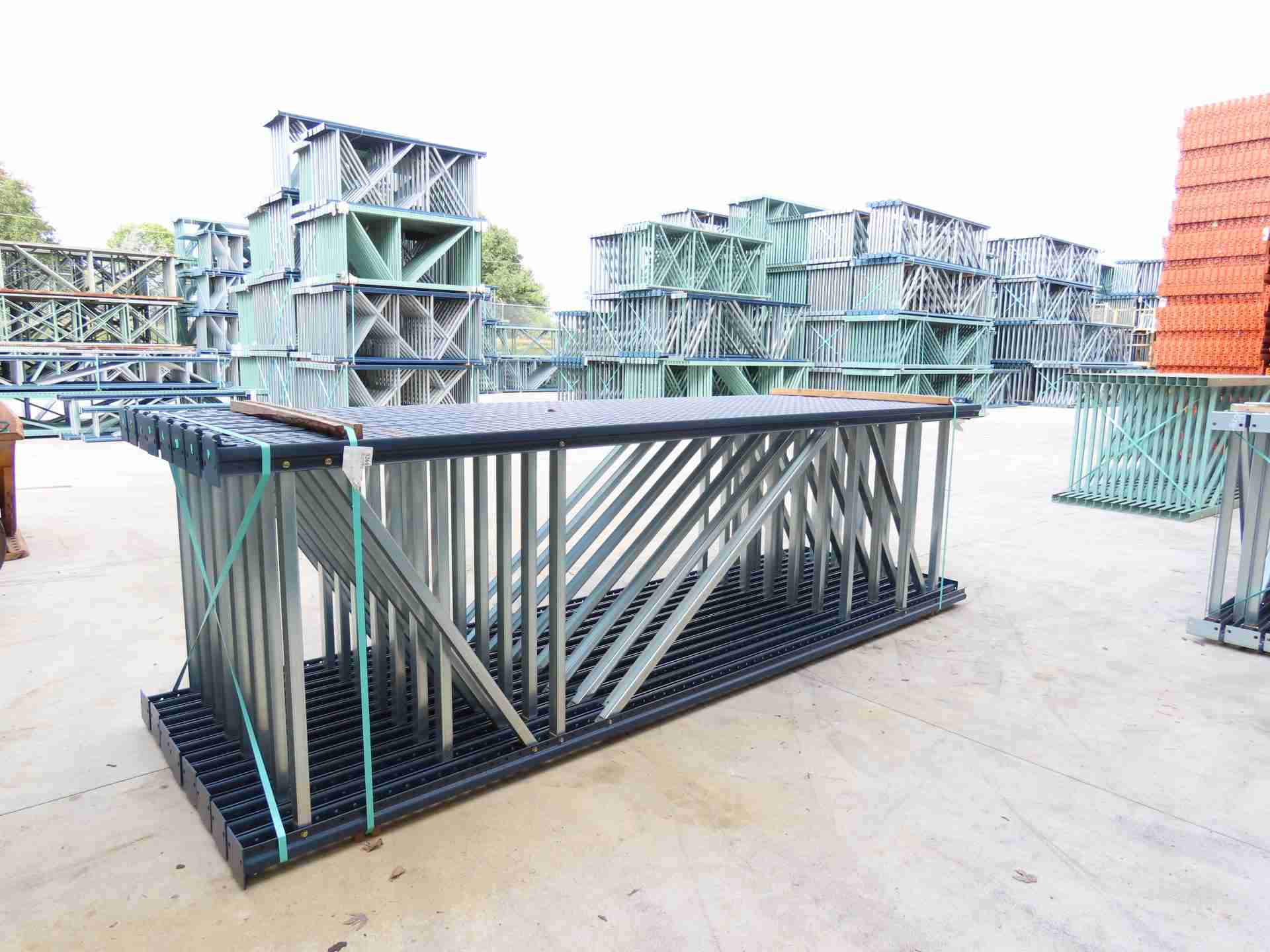
How Can Overstocked Shelves Affect Inventory Management?
How Can Overstocked Shelves Affect Inventory Management?
- Overstocked inventory can hinder business operations and complicate inventory management strategies.
- Excess inventory can lead to cash flow issues, preventing investment in new opportunities.
- A crowded warehouse affects space management and can lead to operational inefficiencies.
- Staff may waste time navigating cluttered aisles instead of focusing on customer service.
- There is a risk of obsolescence with slow-moving products, which can result in markdowns and wasted resources.
- Regular inventory audits are essential to identify and manage slow-moving items effectively.
- A proactive inventory management approach can enhance cash flow and improve overall business efficiency.
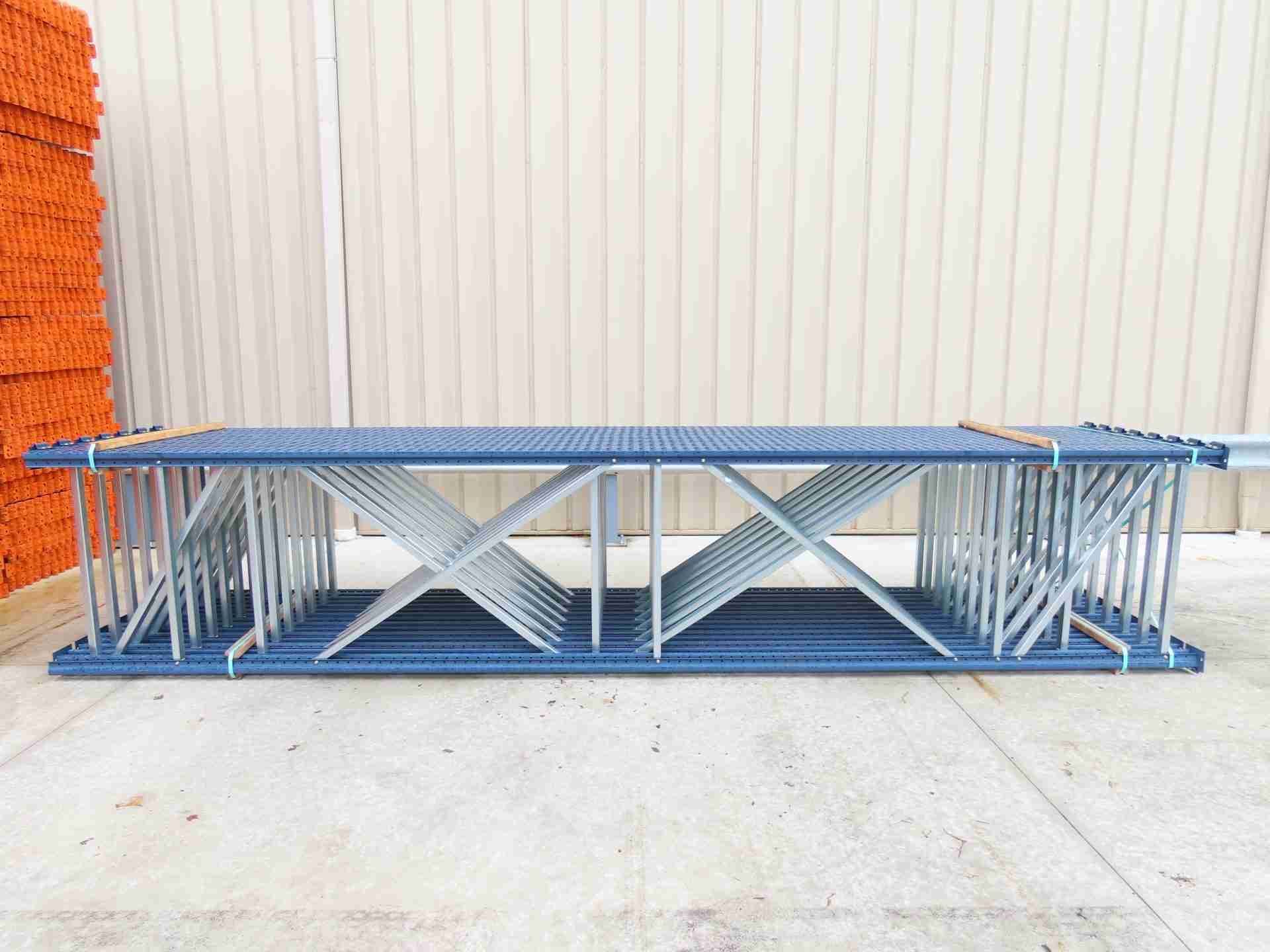
How Can Overstocked Shelves Affect Inventory Management?
What Strategies Can Reduce Overstock In A Warehouse?
When it comes to managing inventory, overstocking can feel like a heavy anchor weighing down your business and straining your bottom line. But fear not! With the right strategies, you can transform your warehouse into a streamlined operation, freeing up cash flow and resources that you can instead channel into innovation and growth.
First off, consider optimizing your pallet racking system. Why? Because effective pallet racking maximizes your storage space, allowing for better organization and accessibility. Imagine a layout where each product follows a logical flow—fast-moving items within reach, slower-moving stock neatly tucked away. This arrangement not only curbs the chances of overstocking but allows you to identify inventory levels at a glance. Implementing a dynamic pallet racking system can reduce clutter and ensure that each item occupies its rightful space— making everyone’s job a little easier.
Another powerful strategy is to leverage data analytics. It’s not just a trend; it’s an absolute game changer. By diving deep into sales patterns, you can become a mind reader of sorts for your inventory. Spot seasonal trends, identify slow-moving products, and develop forecasts to keep stock levels in check. If you know that a product swings wildly in demand, you can adjust your buying habits accordingly. Relying on mere intuition? That belongs to the past. Data-driven decisions not only inspire confidence but also establish your warehouse as a well-oiled machine.
Next, let’s talk about establishing a ‘first in, first out’ (FIFO) method. This simple principle might sound basic, yet it’s effective in combatting the pitfalls of overstock. By ensuring that older inventory moves out before newer stock comes in, you minimize the risk of obsolescence and waste. Customers don’t just want products; they want fresh products— whether it’s fresh food or electronics. Embracing a FIFO system will give your customers peace of mind and foster loyalty to your brand.
Finally, routine audits and evaluations can’t be overlooked. Schedule regular inventory checks to assess stock levels and identify inconsistencies. Taking time for an honest evaluation of what’s working and what isn’t allows you to recalibrate your strategies efficiently.
In essence, reducing overstock isn’t a Herculean task; it’s a series of well-thought-out strategies. By refining your pallet racking, leveraging data, implementing FIFO, and conducting regular audits, you can regain control over your inventory landscape. The result? A nimble warehouse that not only meets customer demands but creates opportunities for your business to thrive. Ready to take the leap? Your streamlined future awaits!
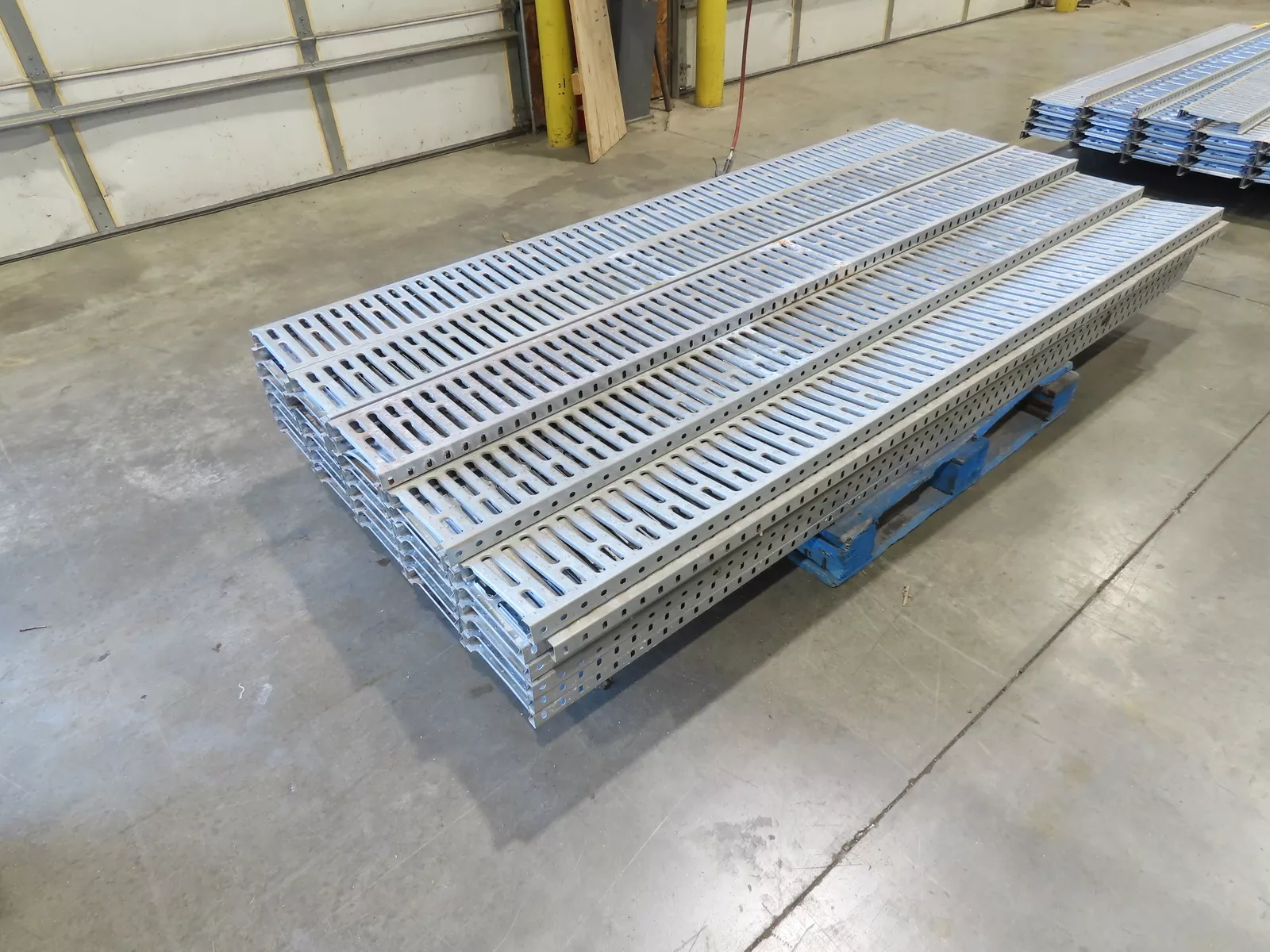
What Strategies Can Reduce Overstock In A Warehouse?
What Strategies Can Reduce Overstock In A Warehouse?
- Overstocking can negatively impact business operations and cash flow.
- Optimize your pallet racking system to maximize storage space and improve organization.
- Utilize data analytics to understand sales patterns and adjust inventory levels accordingly.
- Implement a ‘first in, first out’ (FIFO) method to prevent obsolescence and waste.
- Regular inventory audits help assess stock levels and identify inconsistencies.
- Employing these strategies can lead to a more efficient and responsive inventory system.
- By taking action, businesses can create opportunities for growth and customer satisfaction.

What Strategies Can Reduce Overstock In A Warehouse?
How Do Overstocked Shelves Influence Order Fulfillment Times?
Imagine walking into a warehouse filled to the brim with items strewn across every available space. It’s an overwhelming maze of products—boxes stacked precariously high, pallets loaded to the gills with inventory, and shelves that hold more than they can bear. This chaos is not just an eyesore; it reveals a deeper challenge that affects order fulfillment times directly.
When shelves are overloaded, it’s akin to trying to find a needle in a haystack. Employees waste precious minutes—sometimes even hours—searching for the right product among an overflowing sea of inventory. This inefficiency can lead to delays in fulfilling customer orders, which directly impacts satisfaction and loyalty. An uninformed customer waiting for their order to arrive is often left frustrated. They feel neglected and may seek alternatives, moving to competitors who can deliver with speed.
Consider a well-organized system versus an overstocked scenario. With efficient pallet racking, every item has a designated spot. Products are easy to locate. Staff can swiftly navigate the aisles, quickly pulling together complete orders. Imagine the joy of knowing your order will be on its way, often the same day it’s placed. That’s customer service excellence, and it’s only possible when your inventory management is on point.
Moreover, overstocked shelves aren’t just a nuisance; they’re often a sign of larger management issues. Lags in inventory turnover can inflate costs, tying up capital in products that are gathering dust. An effective inventory system optimizes space and enhances visibility, allowing businesses to know exactly what they have on hand and what’s moving. This level of oversight fosters trust in your brand. Customers can depend on you to have what they need, when they need it.
Think about your own experiences. Have you ever waited too long for an order because of a company’s lack of organization? The frustration is palpable. Now, picture transforming that chaos into a streamlined operation, where order fulfillment is rapid and reliable. When you implement smart inventory strategies, like using pallet racking to maximize your space, you ensure that orders fly out the door—creating a positive customer experience every time.
Embrace the challenge of overstocked shelves. Refine your inventory practices, and watch how swiftly your order fulfillment processes improve. When customers receive their products on time, they become loyal advocates for your brand, sharing their delight with the world. So, take action now! Help your team shave time off fulfillment and boost overall satisfaction. Your future success hinges on it.
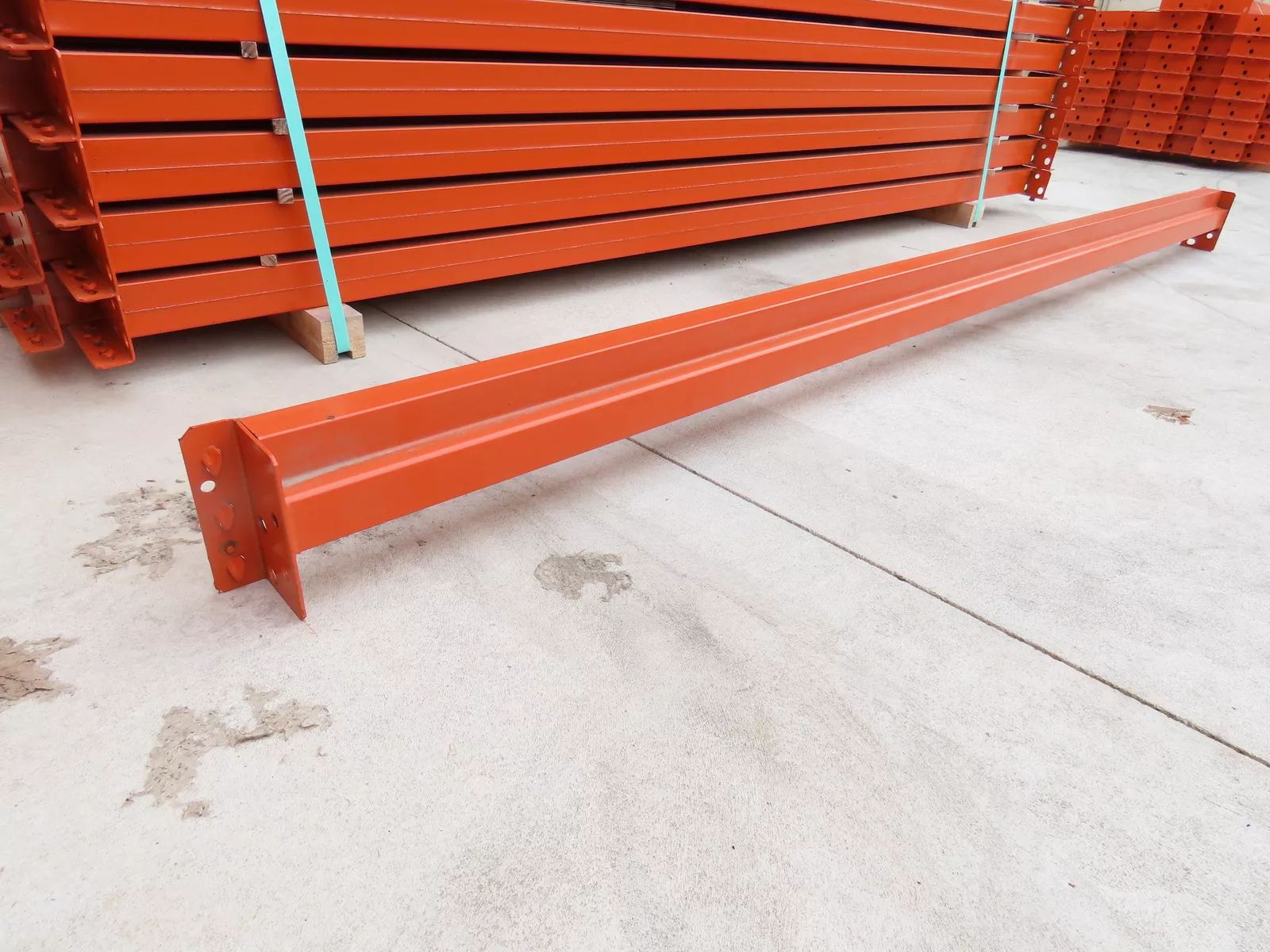
How Do Overstocked Shelves Influence Order Fulfillment Times?
How Do Overstocked Shelves Influence Order Fulfillment Times?
- A disorganized warehouse leads to inefficient order fulfillment and prolonged searching for products.
- Delays in fulfilling orders can frustrate customers, pushing them towards competitors.
- Efficient pallet racking ensures that each product has a designated spot for easy location.
- An organized inventory management system allows for quick navigation and timely order processing.
- Overstocked shelves can indicate larger management issues, leading to inflated costs and unused inventory.
- Implementing smart inventory strategies enhances visibility and fosters customer trust in product availability.
- Improved order fulfillment can transform customer experiences, leading to loyalty and positive brand advocacy.
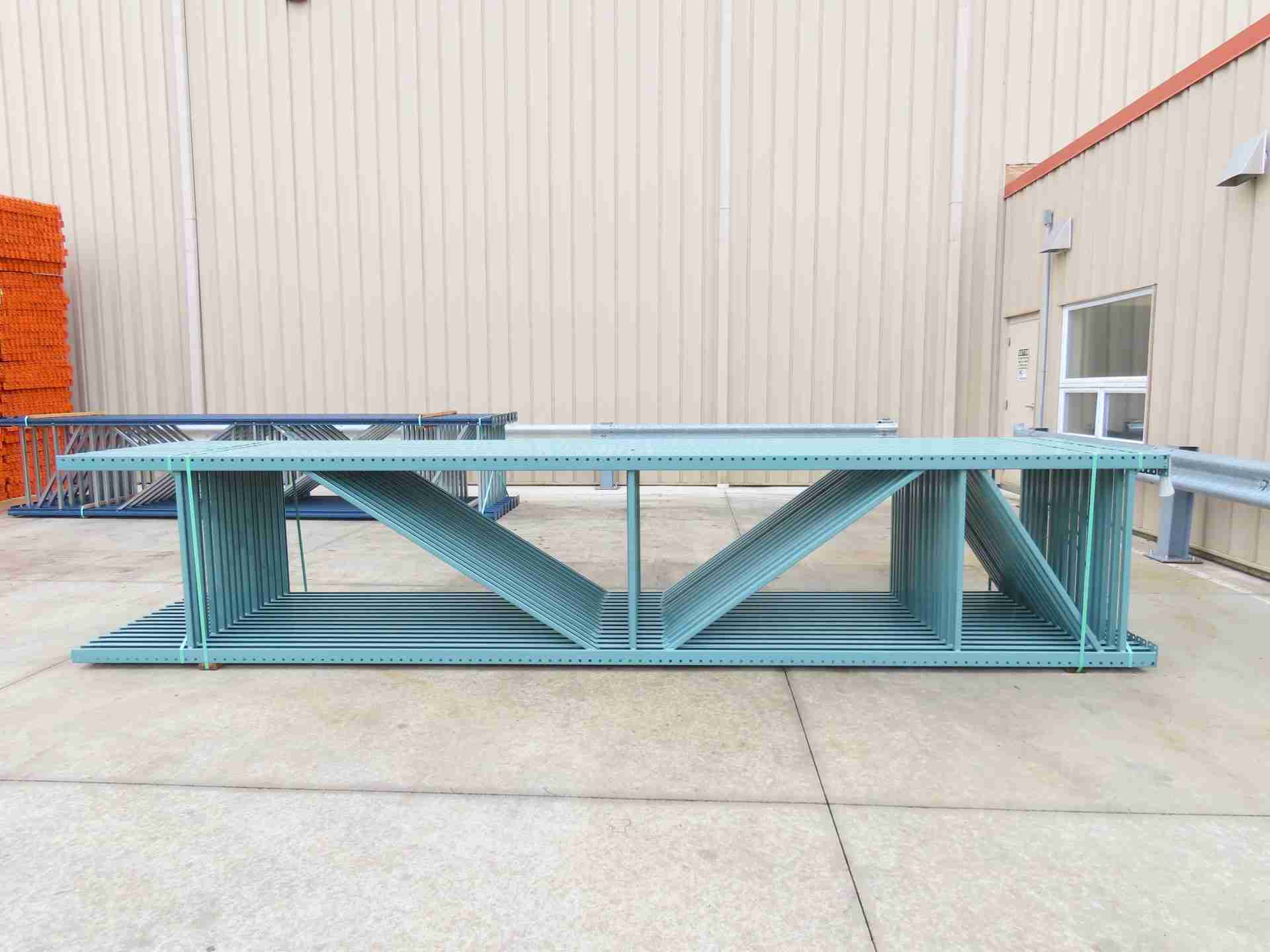
How Do Overstocked Shelves Influence Order Fulfillment Times?
Conclusion
In today’s fast-paced business landscape, chaos from overstocked warehouse shelves can bring your operations to a grinding halt. If you’ve ever stepped into a warehouse bustling with confusion and clutter, you know all too well the frustration it induces—not just for you, but for your entire team and customers alike. Overstocked inventory means mismanaged time, frustrated staff, missed opportunities, and diminished customer satisfaction. It’s a vicious cycle that threatens the very lifeblood of your company.
But fear not! A whole new world can surface with strategic action. By recognizing the signs of an overwhelmed warehouse, understanding the culprits that lead to overstocking, and mastering the art of efficient inventory management, you can transform your space from a chaotic labyrinth into a streamlined powerhouse. Imagine a pallet racking system that not only maximizes space but also enhances visibility, making it easy for your team to locate items swiftly. Visualize implementing smarter inventory management practices, leveraging data analytics to forecast trends, and utilizing First In, First Out (FIFO) strategies to keep your stock fresh.
Your path to recovery begins today—now is the moment to step into leadership and combat chaos! Whether it’s conducting a thorough inventory audit, establishing robust communication across departments, or redefining your cooling-off period for inventory before making purchasing decisions, every action propels you towards a brighter tomorrow. The way to reclaim control over your warehouse isn’t shrouded in mystery; it’s paved with actionable steps that directly correlate with significant efficiency gains and boosted profits.
Don’t allow overstocking to dictate the tempo of your business. Instead, seize the initiative and create a well-oiled machine that benefits everyone involved—from your employees to your customers. If your warehouse is starting to spiral out of control, know that urgent solutions are just a call away. Arrow Industrial Sales stands at the ready to help you recalibrate your operations for success. Our expertise in shelving solutions and organizational strategies can rekindle your focus and streamline inventory management.
Act now! Contact Arrow Industrial Sales at (574) 349-6575 to explore transformative solutions that will reposition your business on a trajectory toward unrivaled efficiency. Let us help extinguish the chaos of overstocked shelves and illuminate the path to order and profitability. Remember, a structured warehouse is not merely a goal; it’s an achievable reality that fuels successful operations. Rediscover the power of efficiency and watch the fruits of your labor flourish!
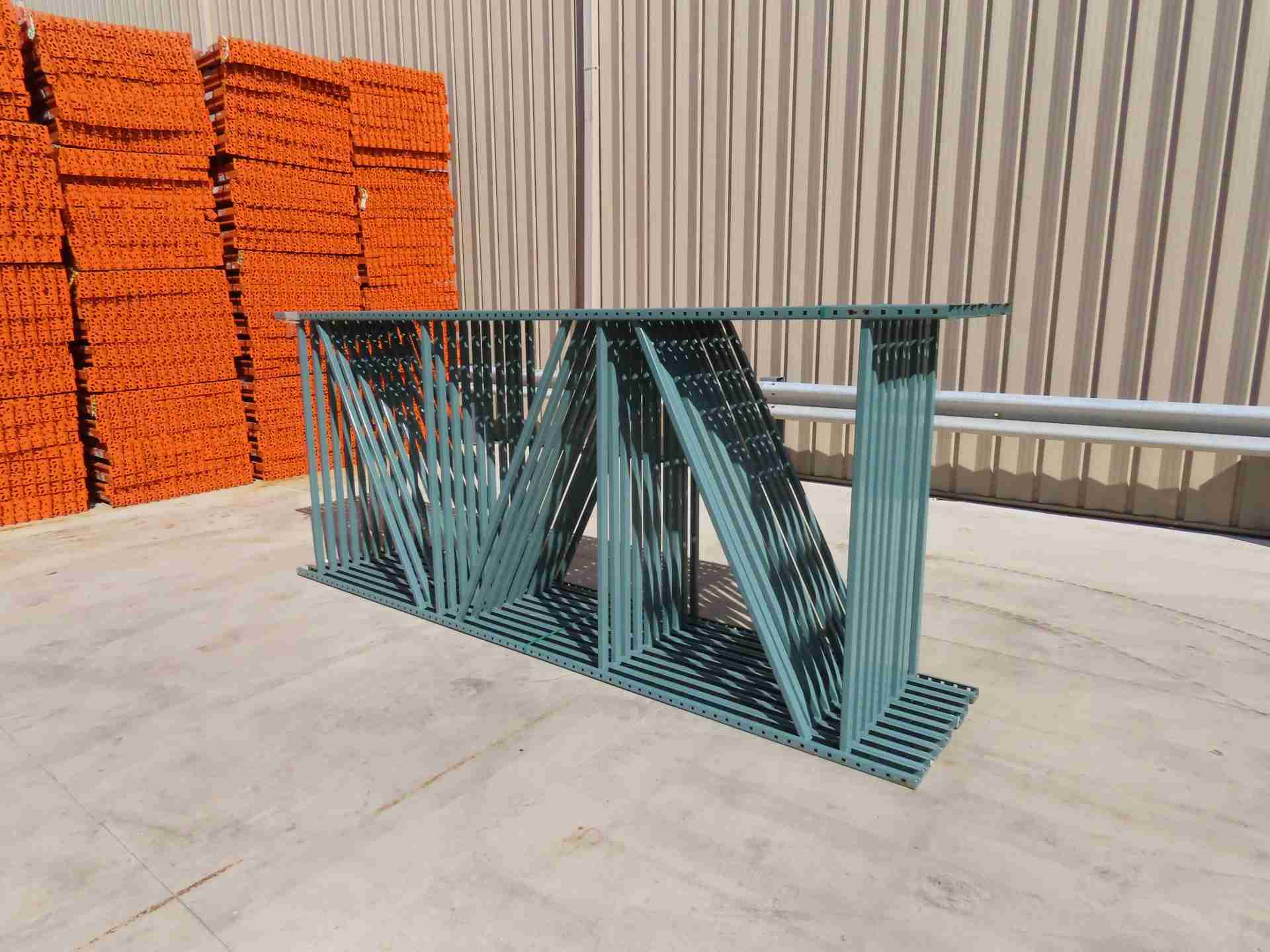
Conclusion
Conclusion:
- Chaos from overstocked warehouses can halt operations, frustrating staff and customers.
- Overstocking leads to mismanaged time, missed opportunities, and decreased customer satisfaction.
- Strategic action can transform an overwhelmed warehouse into a streamlined powerhouse.
- Adopt efficient inventory management practices using data analytics and FIFO strategies.
- Conduct inventory audits and enhance communication across departments for better control.
- Urgent solutions for overstocking issues can significantly boost profits and efficiency.
- Arrow Industrial Sales offers expertise in shelving solutions to help recalibrate operations.
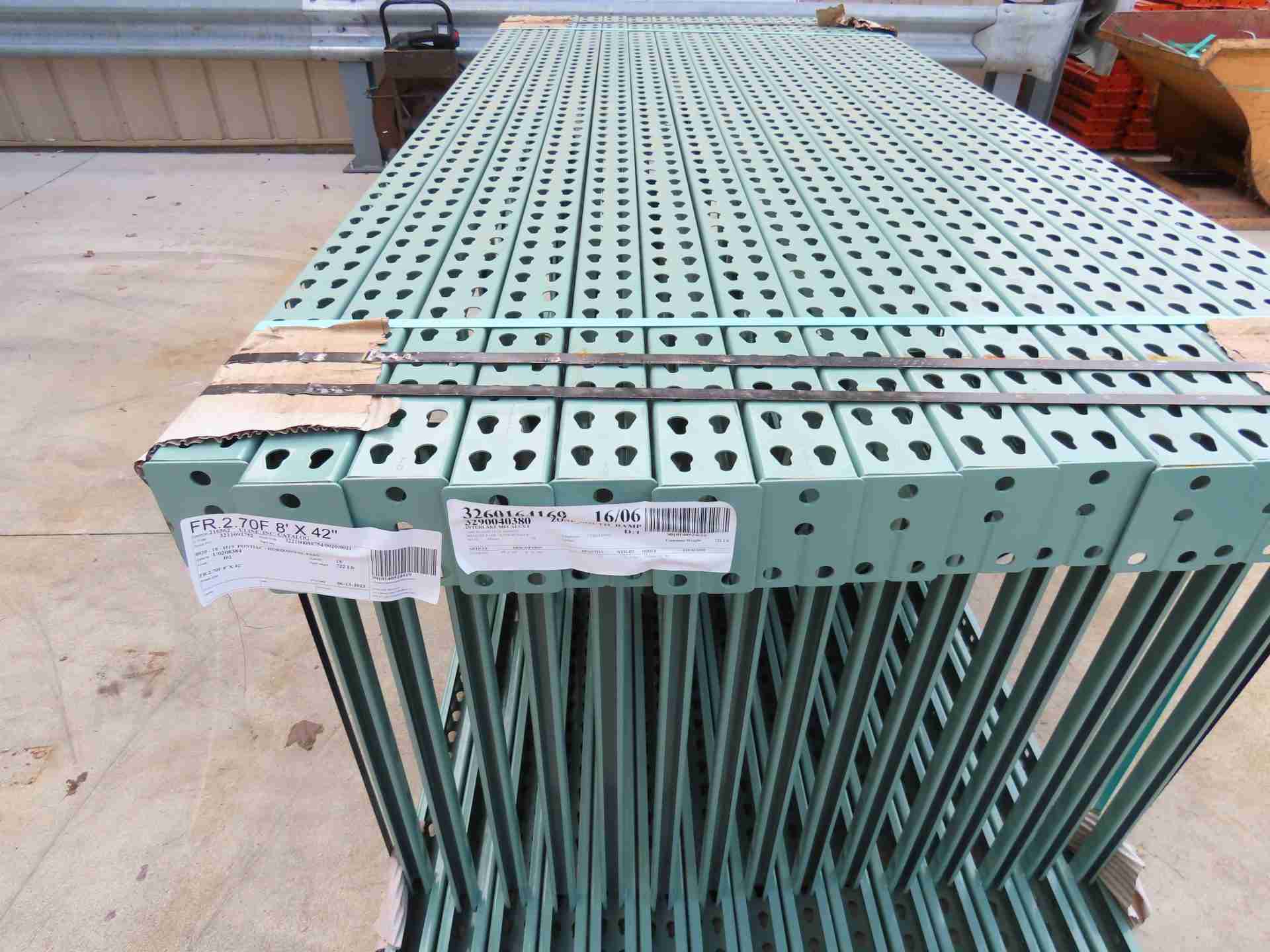
Conclusion
Other Resources
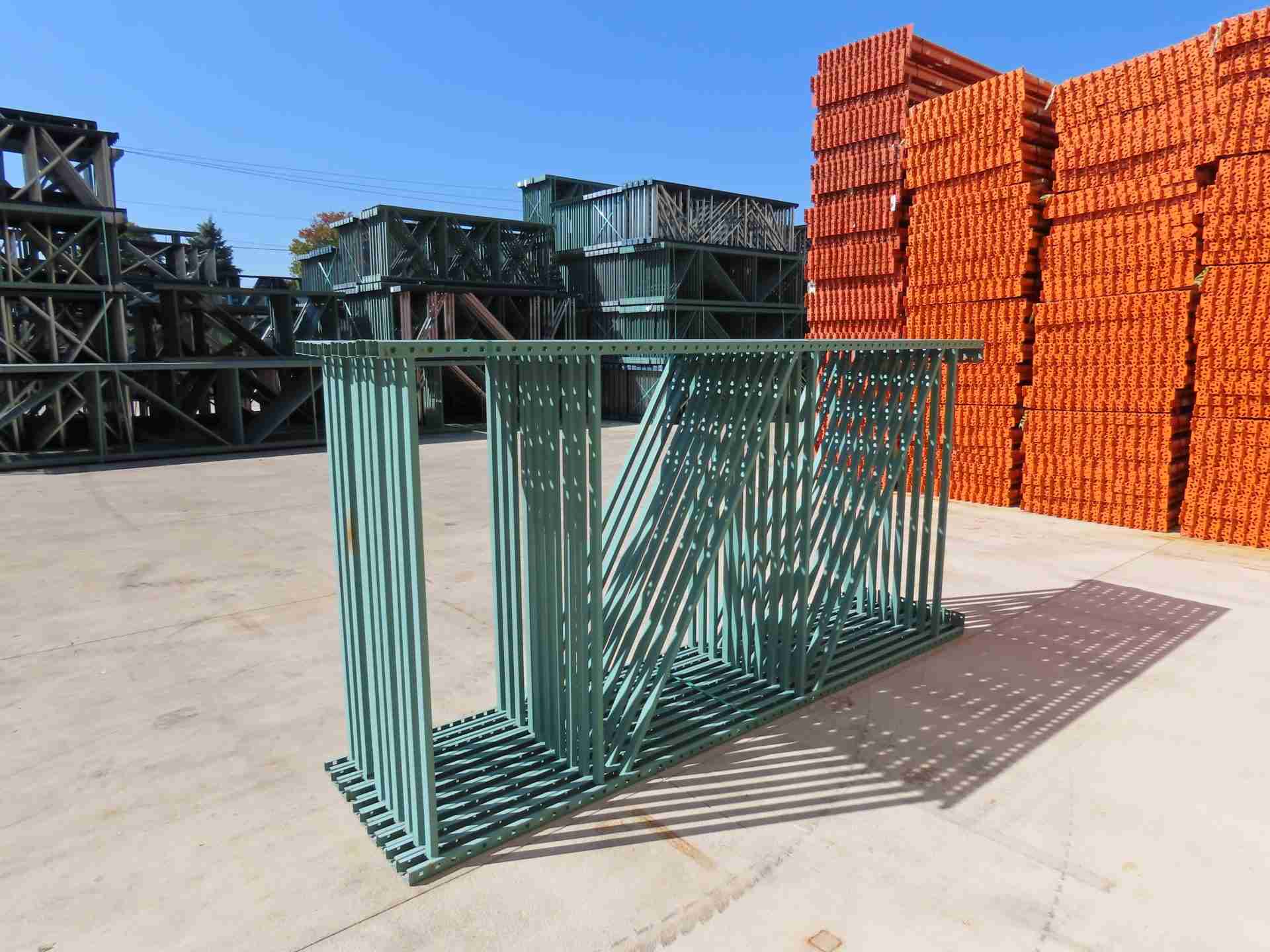
Other Resources
Here is a list of other resources you can review online to learn more:
- Intro to Warehouse Racks & Warehouse Racking Systems – ShipBob
- Overhead Lifting
- Pallet Rack Systems – New and Used Pallet Racking and Shelving Experts
- American Surplus
- Warehouse Racking Layout: The Ultimate Guide – Conger
- Pallet Racking systems in Illinois and Great Lakes
- Teardrop Racks – Pallet Rack World
- Illinois Pallet Racking – WPRP
- IWLA
- Racking World
Use This Prompt To Get More Resources With Your Favorite Online AI Tool: Please provide me with a list of online articles with their URLs in a bulleted list that I can read regarding Are Overstocked Warehouse Shelves Contributing to Chaos?
Other Resources
Glossary Terms
Are Overstocked Warehouse Shelves Contributing to Chaos? – Glossary Of Terms
1. Overstock: An excessive amount of inventory that surpasses the expected demand, leading to inefficient space usage and management difficulties in a warehouse.
2. SKU (Stock Keeping Unit): A unique identifier for each distinct product and service that can be purchased, often used for inventory tracking.
3. Chaos: A state of disorganization and confusion, often resulting from poor inventory management and overstocking in warehouses.
4. Inventory Management: The process of ordering, storing, and using a company’s inventory, including raw materials, components, and finished products.
5. Warehouse Optimization: Strategies and practices aimed at improving the efficiency and effectiveness of warehouse operations, often reducing overstock issues.
6. Supply Chain: The entire network of organizations, people, activities, information, and resources involved in supplying a product or service to a consumer.
7. FIFO (First In, First Out): An accounting method where the oldest inventory items are sold first, helping to manage stock levels and minimize waste.
8. LIFO (Last In, First Out): An inventory valuation method where the most recently produced items are sold first, often used during inflationary times.
9. Lean Warehousing: A methodology that focuses on minimizing waste within warehouse operations while maximizing productivity.
10. Demand Forecasting: The process of estimating future customer demand for a product based on historical data and market analysis.
11. Picking Efficiency: A measure of how effectively warehouse staff can retrieve items based on their organization and storage methods.
12. Warehouse Layout: The strategic arrangement of shelves, aisles, and storage areas within a warehouse to optimize space utilization and workflow.
13. Cycle Counting: A method of inventory auditing where a subset of inventory is counted on a specific day to ensure accuracy and maintain inventory records.
14. Dead Stock: Inventory that has not been sold or used for an extended period, leading to waste and potential loss of revenue.
15. Automation: The use of technology to improve warehouse processes, such as robotic picking systems, to enhance inventory handling and reduce chaos.
16. Cross-Docking: A logistics practice where incoming goods are directly transferred to outgoing transportation without long-term storage, reducing the need for excess inventory.
17. Inventory Turnover: A ratio that measures how many times inventory is sold and replaced over a period, indicating the efficiency of inventory management.
18. Shelving Systems: Structures designed to support the storage of products in a warehouse, influencing space management and accessibility.
19. Storage Density: The amount of inventory stored in a given space within a warehouse, critical in determining how much product can be stored effectively.
20. Stock Replenishment: The process of restocking inventory to optimal levels based on demand forecasts and existing stock levels.
21. Product Categorization: The method of organizing products into specific groups or categories to enhance retrieval efficiency and inventory control.
22. Logistics: The planning, execution, and management of the flow of goods and services, including warehousing, transportation, and inventory handling.
23. Visual Management: A system of using visual cues (like charts and labels) to communicate information related to inventory and warehouse organization clearly.
24. Safety Stock: Extra inventory kept on hand to prevent stockouts in case of unexpected demand fluctuations or supply chain disruptions.
25. Warehouse Management System (WMS): Software designed to support daily warehouse operations, enhancing inventory tracking, picking, and shipping processes.
26. Inventory Obsolescence: A situation where inventory becomes outdated or unusable, often due to changes in demand or trends.
27. Stockout: A situation where inventory is unavailable for sale, which can disrupt operations and lead to lost sales.
28. E-commerce Fulfillment: The process of receiving, processing, and delivering orders to customers in an online retail environment, heavily reliant on effective warehousing.
29. Value-Added Services: Additional services provided by a warehouse, such as packaging, labeling, or custom kits, which can impact inventory levels and management.
30. Kanban System: A scheduling system that supports just-in-time manufacturing and inventory control, facilitating the flow of materials based on demand rather than stockpiling.

Glossary Of Terms
Other Questions
Are Overstocked Warehouse Shelves Contributing to Chaos? – Other Questions
If you wish to explore and discover more, consider looking for answers to these questions:
- What are the long-term implications of having overstocked shelves in a warehouse?
- How can businesses effectively forecast demand to prevent overstocking?
- What tools or technology can help manage inventory more effectively?
- Are there industry standards for optimal inventory levels?
- How can employee training help in mitigating overstocking issues?
- What role does customer feedback play in inventory management?
- How can seasonal trends be better managed to reduce overstock?
- What are the financial impacts of overstocking on a business?
- How can collaboration between departments improve inventory management?
- What best practices exist for implementing a FIFO system?
- How can a business measure the efficiency of their inventory management strategies?
- What are some case studies of businesses that successfully reduced overstock?
- How do external factors like market trends affect inventory management?
- What strategies can be put in place for liquidating excess inventory?
- How can businesses ensure safety in an overstocked warehouse environment?

Other Questions
Checklist
Are Overstocked Warehouse Shelves Contributing to Chaos? – A Checklist
1. Assess Your Current Inventory:
_____ Conduct an inventory audit to identify slow-moving and excess stock.
_____ Evaluate sales data to determine which items are not contributing to revenue.
2. Optimize Pallet Racking System:
_____ Arrange inventory based on turnover rates (fast-moving items within reach).
_____ Implement a logical flow for product placement to minimize search time.
3. Improve Demand Forecasting:
_____ Use historical sales data to enhance forecasting accuracy.
_____ Adjust stock levels in anticipation of demand fluctuations.
4. Streamline Supply Chain Management:
_____ Align sourcing and purchasing processes to prevent excess orders.
_____ Monitor supplier performance to avoid delays and overstock.
5. Implement Efficient Inventory Management Tools:
_____ Utilize modern inventory management software for real-time visibility.
_____ Automate reordering processes to maintain optimal stock levels.
6. Establish a First In, First Out (FIFO) System:
_____ Ensure that older stock is sold before newer deliveries to prevent obsolescence.
_____ Regularly train employees on FIFO practices.
7. Regular Inventory Audits:
_____ Schedule periodic checks to assess stock levels and accuracy.
_____ Identify discrepancies between physical and recorded inventory.
8. Enhance Communication Across Departments:
_____ Foster collaboration between sales, logistics, and inventory teams to minimize misunderstandings.
_____ Utilize integrated systems to share data and insights in real-time.
9. Plan for Seasonal Demand:
_____ Recognize and prepare for seasonal fluctuations in inventory needs.
_____ Identify trends and adjust stock levels accordingly in advance.
10. Foster a Culture of Efficiency:
_____ Encourage employee input on inventory management processes.
_____ Create training programs to improve skills related to inventory handling and organization.
11. Set Clear KPIs for Inventory Management:
_____ Define key performance indicators (KPIs) to track inventory health, turnover rates, and fulfillment times.
_____ Regularly review performance metrics to identify improvement areas.
12. Develop a Clear Process for Liquidating Overstock:
_____ Create a strategy to discount, return, or liquidate obsolete inventory.
_____ Regularly review and adjust strategies based on the performance of these processes.
By following this checklist, you can take proactive steps towards reducing overstocked shelves in your warehouse, improving overall efficiency, and enhancing customer satisfaction. Remember, a well-organized inventory not only paves the way for operational success but also fosters a positive customer experience!
Checklist
At RackingWorld, we help guide you through selecting warehouse storage systems and racking.
Be sure to read our other related stories at RackingWorld to learn more about warehouse storage systems.
0 Comments