
Maximize Warehouse Efficiency With Upgraded Racking Systems
By Tom Seest
At RackingWorld, we help guide you through selecting warehouse storage systems and racking.
Be sure to read our other related stories at RackingWorld to learn more about warehouse storage systems.
Are Outdated Warehouse Racking Systems Adding to Daily Frustrations?
In the fast-paced world of warehousing and logistics, time is money. Every moment spent navigating through cluttered aisles or struggling to access products due to an outdated pallet racking system can lead to significant operational inefficiencies—and let’s face it, those inefficiencies can drain your bottom line faster than you can say “supply chain.” If you find yourself grinding your teeth each day as you deal with a racking system that feels like it belongs in a museum instead of a modern warehouse, you’re not alone.
Imagine walking into a warehouse where every item is perfectly organized, easily accessible, and optimized for workflow. A place where your team can instantly locate a pallet, enhancing productivity and reducing stress. Sounds dreamy, right? The reality is that many warehouses are stuck in the past, clinging to outdated racking systems that frustrate rather than facilitate. If your pallet racking is not just outdated but antiquated, you’re likely not just feeling the pinch in efficiency but also witnessing a spiraling morale among your team.
Employees who spend more time fighting the equipment than fulfilling orders can quickly grow disengaged. An outdated warehouse is not just a productivity nightmare; it can be a draining experience for everyone involved. Those endless trips to fix the tilting shelves or the wasted seconds looking for the right pallet can add up to hours—hours that could be spent focusing on what really matters: serving your customers.
But there’s good news! Upgrading your pallet racking system isn’t just about throwing out the old and bringing in the new. It’s about transforming your entire operation into a well-oiled machine—where every pallet has its place, and your employees can work efficiently without unnecessary frustration. Invest in a modern racking solution tailored to your needs, and watch as you not only enhance efficiency but also rejuvenate your team’s enthusiasm.
So, why wait? It’s time to stop settling for a system that hinders your progress. Embrace a future where your warehouse operates smoothly, where your people feel motivated, and where frustrations give way to accomplishments. Make the leap today—your warehouse, your team, and your bottom line will thank you.
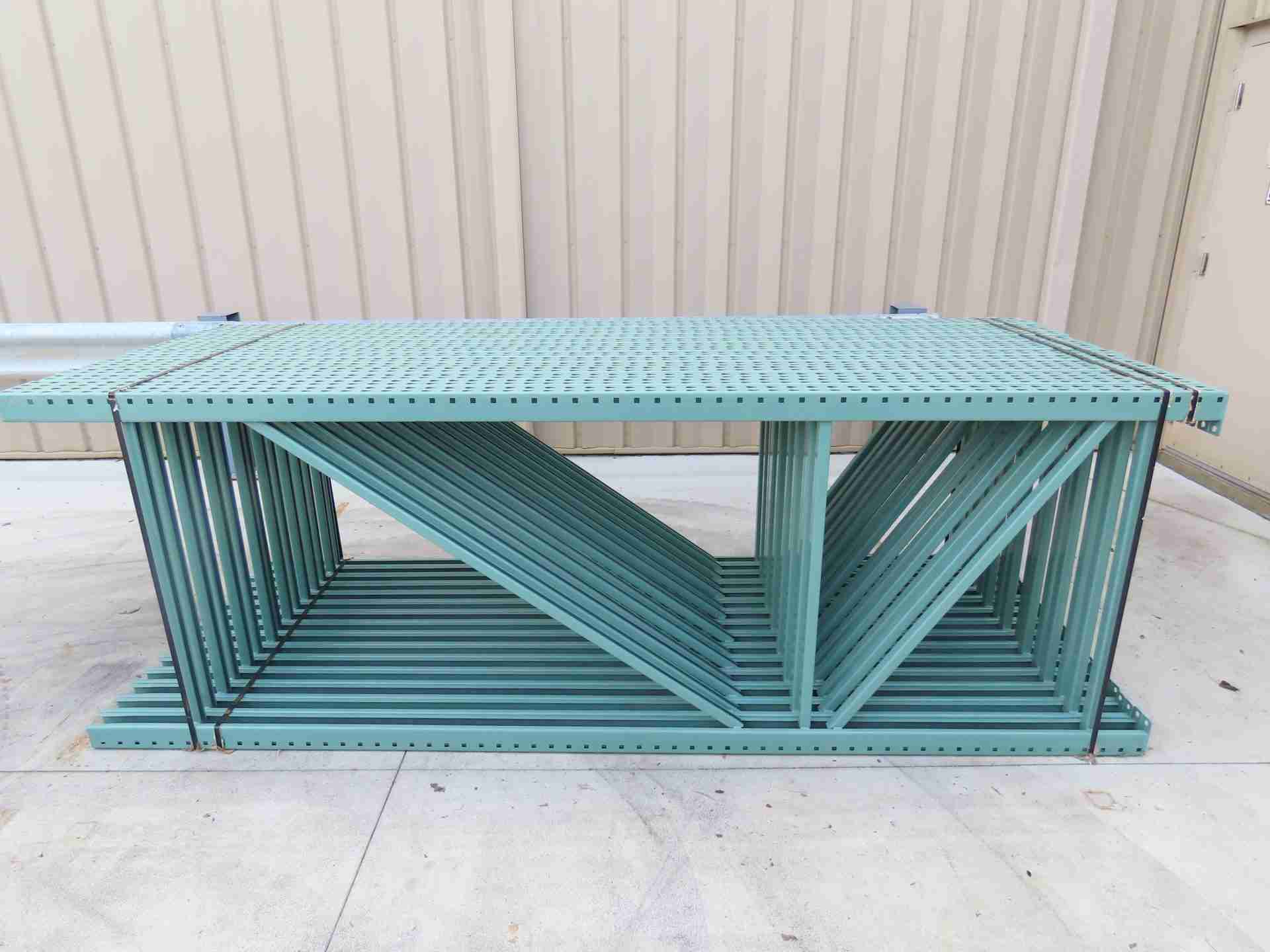
Are Outdated Warehouse Racking Systems Adding to Daily Frustrations?
Are Outdated Warehouse Racking Systems Adding to Daily Frustrations?
- In warehousing and logistics, operational inefficiencies due to outdated racking systems can significantly impact profits.
- Many warehouses struggle with cluttered aisles and difficult product access, leading to frustration for employees and management.
- An organized and optimized warehouse can boost productivity and reduce stress for team members.
- Outdated pallet racking can lead to disengagement among employees who spend excessive time managing ineffective equipment.
- Investing in modern racking solutions can transform operations and enhance team morale, making workflows more efficient.
- Upgrading to a new racking system allows for improved organization, helping staff focus on serving customers effectively.
- Embracing a new racking solution benefits both operational efficiency and overall workplace motivation and satisfaction.
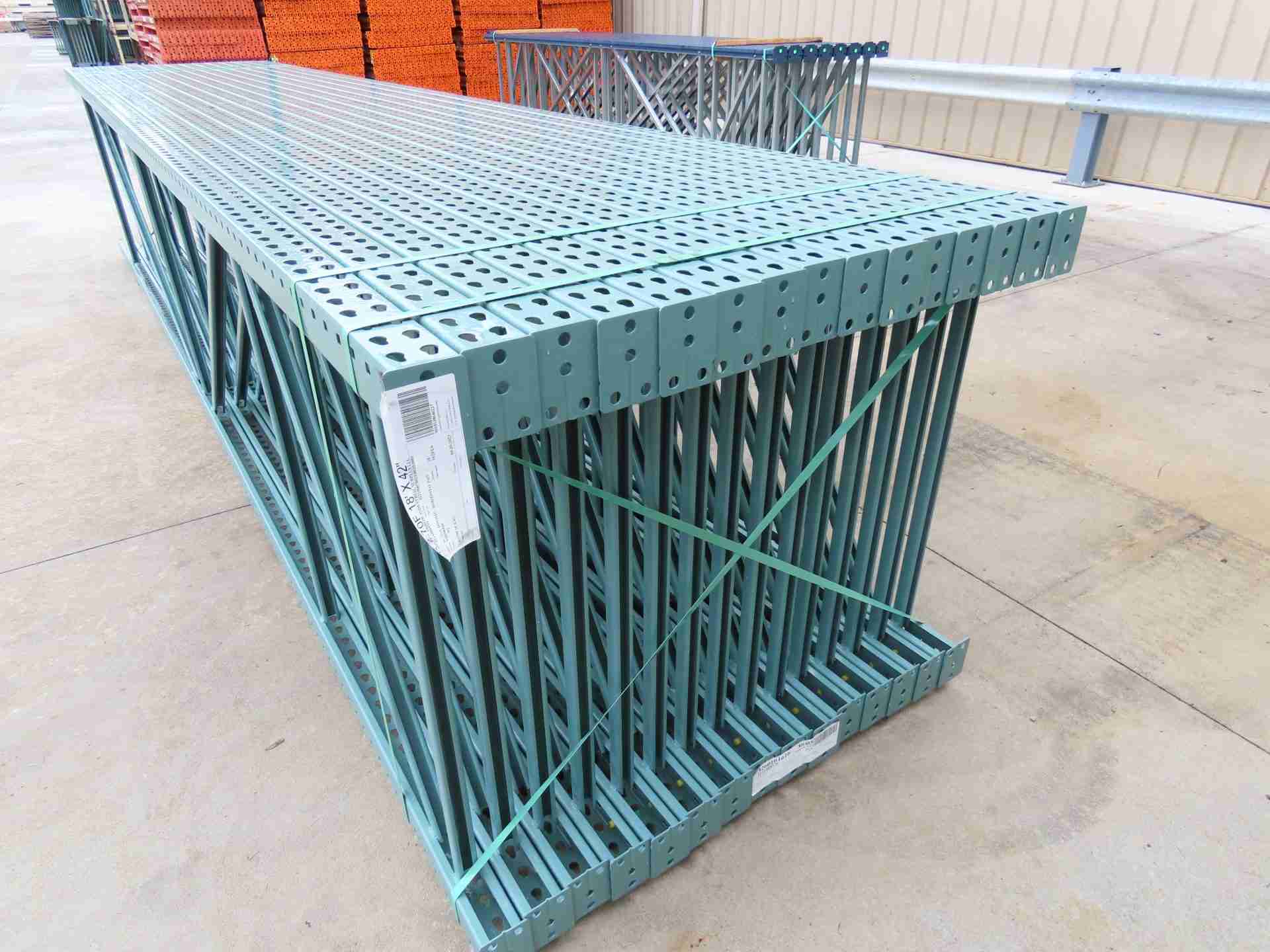
Are Outdated Warehouse Racking Systems Adding to Daily Frustrations?
Table Of Contents
- Are Outdated Warehouse Racking Systems Adding to Daily Frustrations?
- What Are The Signs Of An Outdated Racking System?
- How Do Outdated Racks Impact Efficiency?
- What Safety Risks Come With Old Warehouse Racking?
- How Can Modern Racking Solutions Improve Operations?
- What Is The Cost Of Maintaining Outdated Racking Systems?
- How Often Should Racking Systems Be Evaluated Or Replaced?
- Conclusion
- Other Resources
- Glossary Of Terms
- Other Questions
- Checklist
What Are The Signs Of An Outdated Racking System?
If you’re in the business of warehousing or distribution, you know that your pallet racking system is the backbone of your operations. Yet, just like any vital asset, it’s not immune to the passage of time. Over time, your racking system can become less efficient, presenting risks that can impact your bottom line and even safety. But what exactly constitutes an outdated pallet racking system? Let’s delve into the signs that might have you reconsidering that trustworthy old rack.
First off, consider the age of your equipment. Just as you wouldn’t drive a car with a hundred thousand miles without a thought, you shouldn’t rely on racking systems that have stood the test of time without proper assessment. If your pallet racking is more than a decade old, it’s time to evaluate it critically. New advancements in design and materials can increase efficiency and safety dramatically, leaving older systems lagging behind.
Next, pay attention to wear and tear. Observe your racking for physical damage—bent beams, rust, or missing components are glaring red flags. Visual deterioration is not just an aesthetic issue; it compromises structural integrity. A simple inspection may reveal whether you’re flirting with danger every time you load that pallet high.
You should also assess your operational capabilities. Is your current system adapting to your business’s growing demands? If fulfilling orders has become a juggling act, it’s a sign that your racking system is outdated. The cost of inefficiency due to cramped or poorly organized racking can easily overshadow the investment in an upgrade. Remember, increased workflow efficiency isn’t just convenient; it’s crucial for keeping customer satisfaction high.
Another critical factor to consider is safety compliance. Regulations are constantly evolving. If your racking system can’t meet the latest standards, you’re not just risking fines; you’re endangering lives. Competence in safety practices is not optional; it’s a necessity.
And lastly, think about future adaptability. Can your pallet racking system handle the dynamic needs of your industry? If it can’t expand or adjust to the rising demand, then it’s not just outdated—it’s a liability.
Investing in a modern, efficient pallet racking system isn’t just a good idea; it’s a responsibility to your team, your customers, and your future. Don’t wait for a crisis to spur action. Recognize the signs, trust your instincts, and take proactive steps toward a more secure and efficient operation today!
What Are The Signs Of An Outdated Racking System?
What Are The Signs Of An Outdated Racking System?
- The pallet racking system is essential for warehousing and distribution operations.
- Age of equipment matters; racking systems over a decade old should be critically evaluated.
- Physical wear and tear, such as bent beams and rust, indicate structural integrity issues.
- Operational capabilities must meet business demands; inefficiency could outweigh upgrade costs.
- Safety compliance with evolving regulations is crucial to avoid risks and potential fines.
- Future adaptability of the racking system is necessary to handle industry changes and demands.
- Investing in modern racking systems is essential for safety, efficiency, and meeting customer satisfaction.
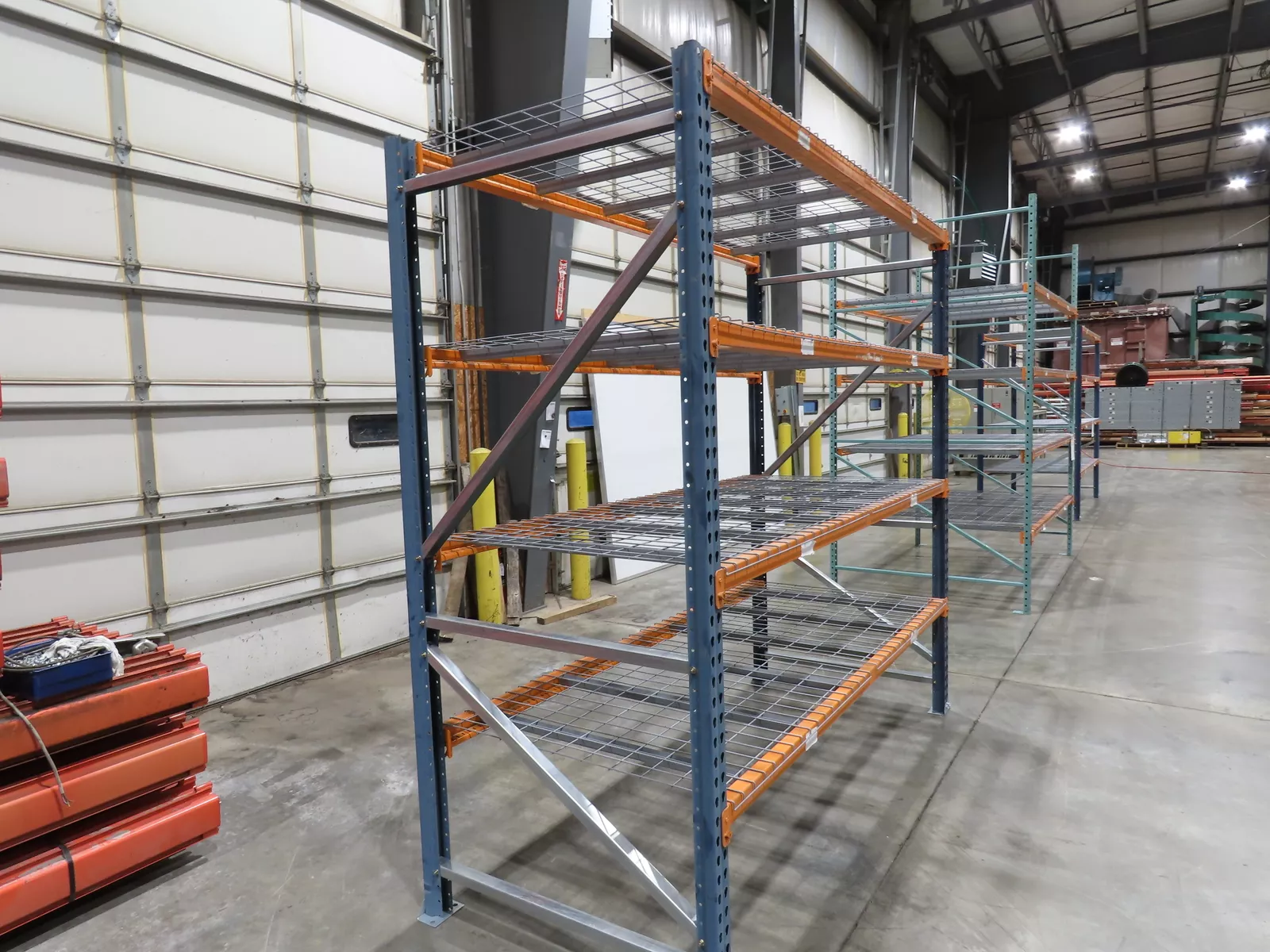
What Are The Signs Of An Outdated Racking System?
How Do Outdated Racks Impact Efficiency?
Picture this: you walk into a warehouse filled with outdated pallet racking systems. Dust gathers on the beams, the paint is chipped, and the whole setup seems like an artifact from a bygone era. Now, imagine workers navigating through this maze of inefficiency—a constant battle against time, frustration growing with every misstep. The reality is, outdated racks have a ripple effect that extends far beyond mere aesthetics. They stunt flow and create bottlenecks, impacting productivity in unimaginable ways.
At the heart of every successful warehouse operation lies an efficient pallet racking system. It’s not just about storing goods; it’s about maximizing space, streamlining processes, and optimizing workflow. When your racking is outdated, you’re not just dealing with a lack of organization or poor design—you’re losing money. Think about it. How many man-hours are wasted each day as employees wrestle with racks that are simply not up to the task? Those hours add up, and before you know it, those dollars slip straight through your fingers like sand.
Let’s consider a simple scenario: shipping out orders. With effective pallet racking, your team should be able to locate, retrieve, and package products with ease. However, if your racks are old and ill-suited for your current inventory needs, the process becomes a laborious task fraught with delays. This inefficiency can lead to missed shipping deadlines and dissatisfied customers. In today’s fast-paced market, falling behind is not an option.
Moreover, safety becomes a significant concern with outdated racks. Cracks, rust, and instability can create hazards that threaten not only your bottom line but also your personnel. Investing in modern, durable pallet racking systems translates to fewer accidents, which means your employees can focus on their jobs without the looming fear of injury.
This isn’t just a maintenance issue; it’s a call to action. Upgrading your pallet racking systems is an investment in your efficiency and safety. Don’t let outdated racks stall your success. Embrace change and boost your operation’s performance. Trust in modern solutions that accelerate production, safeguard your team, and ultimately lead to satisfied customers and healthy profits. The future of your business is waiting on the shelves—are you ready to seize it?

How Do Outdated Racks Impact Efficiency?
How Do Outdated Racks Impact Efficiency?
- Outdated pallet racking systems create inefficiencies in warehouse operations.
- They lead to wasted man-hours and increased frustration for workers.
- Efficient racking maximizes space, streamlines processes, and optimizes workflow.
- Old racks can cause delays in order shipping, risking customer satisfaction.
- Safety concerns arise with outdated racks, increasing the risk of accidents.
- Upgrading racking systems is both a maintenance necessity and an investment in safety.
- Modern racking solutions can enhance production efficiency and boost profits.
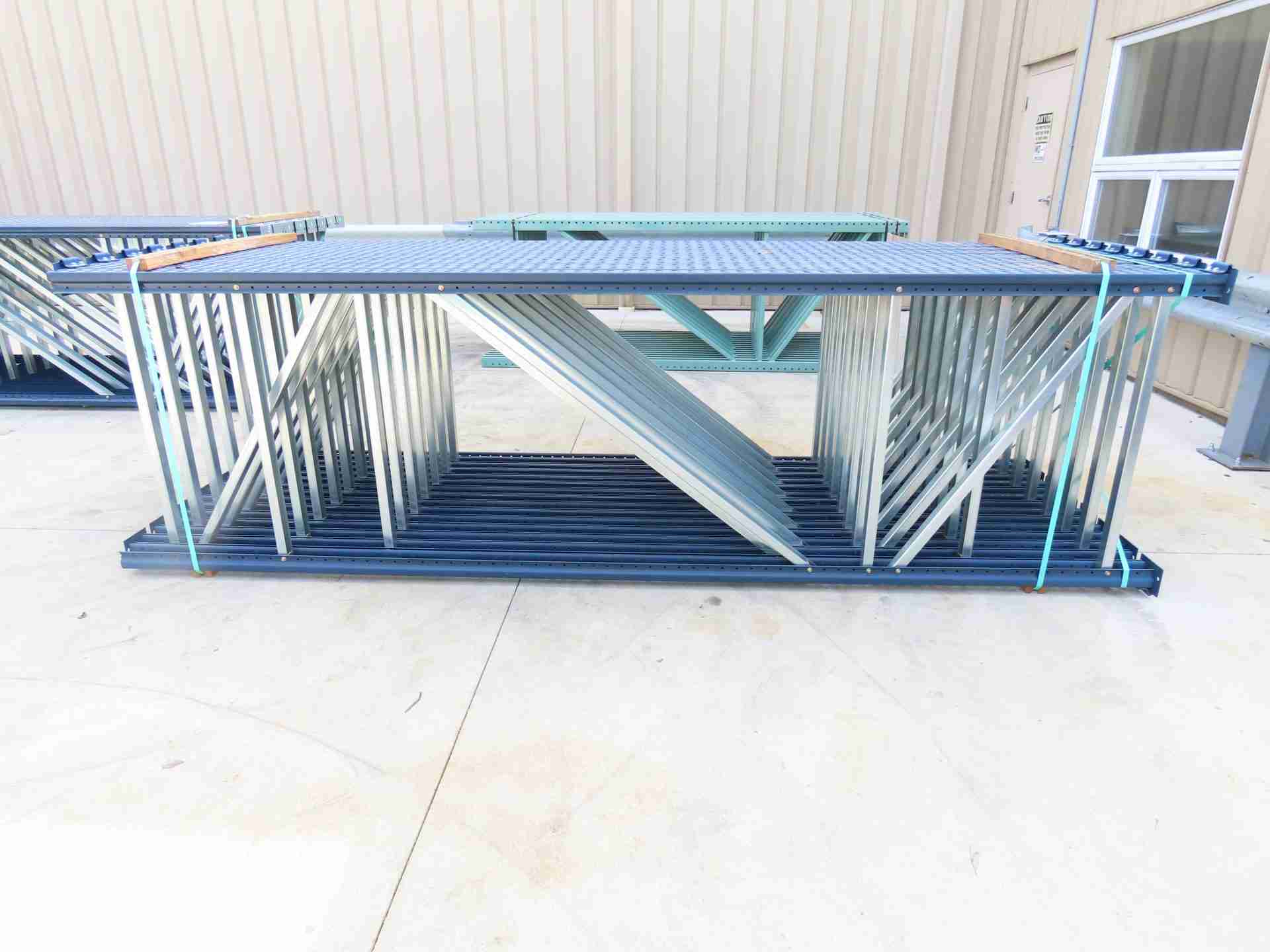
How Do Outdated Racks Impact Efficiency?
What Safety Risks Come With Old Warehouse Racking?
When it comes to pallet racking, many warehouse operators find themselves in a bind. They’re often juggling a tight budget while trying to maximize space and improve efficiency. But here’s the catch: that old, rusted racking system might seem like a cost-saving solution, yet it’s harboring a murky world of safety risks that could jeopardize both your inventory and, more importantly, your team.
Imagine walking into your warehouse and seeing your employees tangled in a maze of wobbling metal beams, precariously stacked pallets, and corroded supports. It’s a picture that could easily be avoided with a little foresight. Old warehouse racking can harbor hidden dangers, from structural failings to the risk of product collapse. Have you ever considered how much liability you put on your shoulders every day you choose to overlook these risks? One moment of carelessness caused by a failing rack can lead to significant injuries or worse.
Let’s break it down—first, think about load capacity. Older pallet racking systems may not be able to handle today’s heavier pallets and products. What once seemed robust could turn out to be an ill-conceived illusion, with capacity limits exceeded more often than you think. A failure here can mean disaster for your workforce and might even cause a costly shutdown.
Then there’s the issue of deterioration. Just like anything else, racking systems age. Wear and tear can create vulnerabilities that are hard to spot with the naked eye. Rust, dents, and even bolts that have seen better days can become ticking time bombs. Are you willing to risk a worker’s safety—or your company’s reputation—because you chose to stick with the ancient?
Let’s not forget about compliance. With OSHA regulations and industry standards increasingly focusing on workplace safety, staying ahead of outdated racking systems is not just a need but a duty. Non-compliance can lead to fines, legal repercussions, and, perhaps most crippling of all, a damaged reputation in your industry.
So, what should you do? Invest in modern pallet racking solutions designed for today’s demanding storage requirements. Not only will you safeguard your team, but you’ll also create a culture of safety that resonates throughout your entire workplace. Maintaining a safe and efficient warehouse is a direct investment—not just in your equipment, but in the heart and soul of your business: your people. It’s time to take action, protect your assets and elevate safety as a core value. After all, a secure workplace is a productive workplace.
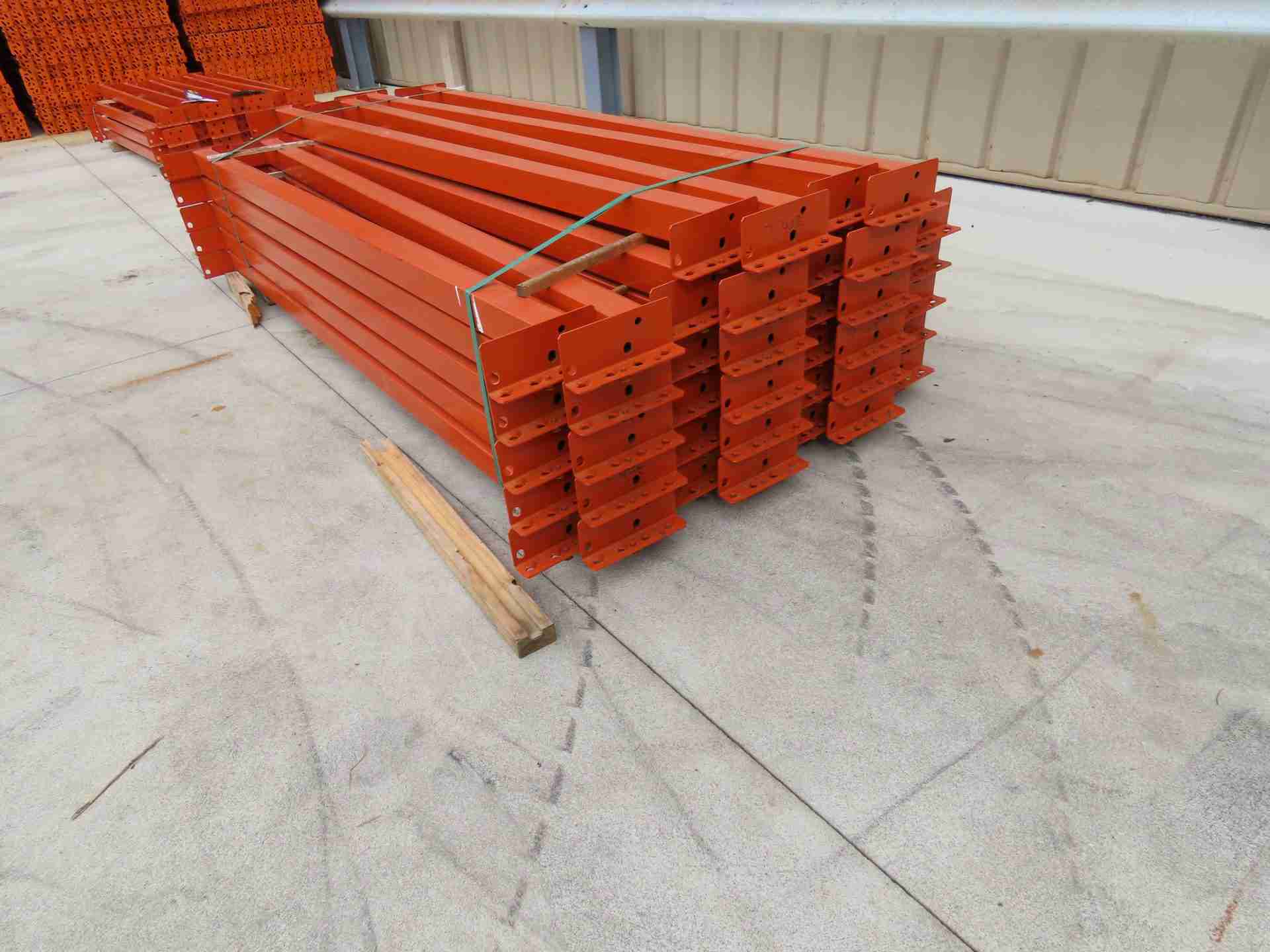
What Safety Risks Come With Old Warehouse Racking?
What Safety Risks Come With Old Warehouse Racking?
- Warehouse operators often face budget constraints while trying to maximize space and efficiency.
- Old racking systems may seem cost-effective but pose serious safety risks to inventory and staff.
- Older pallet racking may not support the heavier loads of today’s products, risking structural failures.
- Deterioration from rust and wear can create hidden vulnerabilities in aging racking systems.
- Compliance with OSHA regulations is critical; outdated systems may lead to fines and damage to reputation.
- Investing in modern pallet racking enhances safety and promotes a culture of protection for employees.
- A secure and efficient warehouse contributes to overall productivity and is vital for business success.

What Safety Risks Come With Old Warehouse Racking?
How Can Modern Racking Solutions Improve Operations?
Let’s face it: in today’s fast-paced business environment, operational efficiency is not just a goal; it’s a necessity. Enter modern racking solutions—your unsung heroes in the quest for optimized operations. With innovative designs tailored to meet the unique needs of your warehouse, these solutions can transform the way you store, retrieve, and manage inventory, making your business not just run, but thrive.
Consider the impact of pallet racking systems. Gone are the days of chaotic inventory clutter. Pallet racking streamlines your storage, allowing you to maximize vertical space while keeping your products secured and accessible. Imagine walking into a well-organized warehouse, every item in its rightful place. This isn’t a fantasy; it’s the reality that modern racking solutions can create for you.
Picture your team members moving with confidence and clarity. With efficient pallet racking configurations, your staff will spend less time searching for items and more time focusing on what truly matters: delivering exceptional service and driving sales. As operations become smoother, you’ll witness a ripple effect throughout your entire organization.
But it doesn’t stop there. Modern racking solutions can be customized to cater to the diverse shapes and sizes of your inventory. This adaptability means your operations can evolve with market demands. Whether you’re looking to store small components or bulk materials, pallet racking can be specifically designed to fit your requirements. All this translates into savings—time, labor, and ultimately, money.
Let’s talk about safety. Modern racking systems incorporate safety features that protect your employees and inventory alike. That’s trust you can rely on. When you invest in quality racking solutions, you’re not just investing in materials; you’re investing in the wellbeing and productivity of your workforce. That’s a smart, strategic decision that speaks volumes about your commitment to operational excellence.
In a world where every moment counts, don’t let outdated shelving systems drag you down. Embrace the change. Modern racking solutions like pallet racking are not merely storage options; they’re catalysts for growth and efficiency. When you enhance your operations, you empower your team and ultimately provide unparalleled value to your customers. Take that leap forward. Discover how modern racking can transform your operations and watch your business soar.
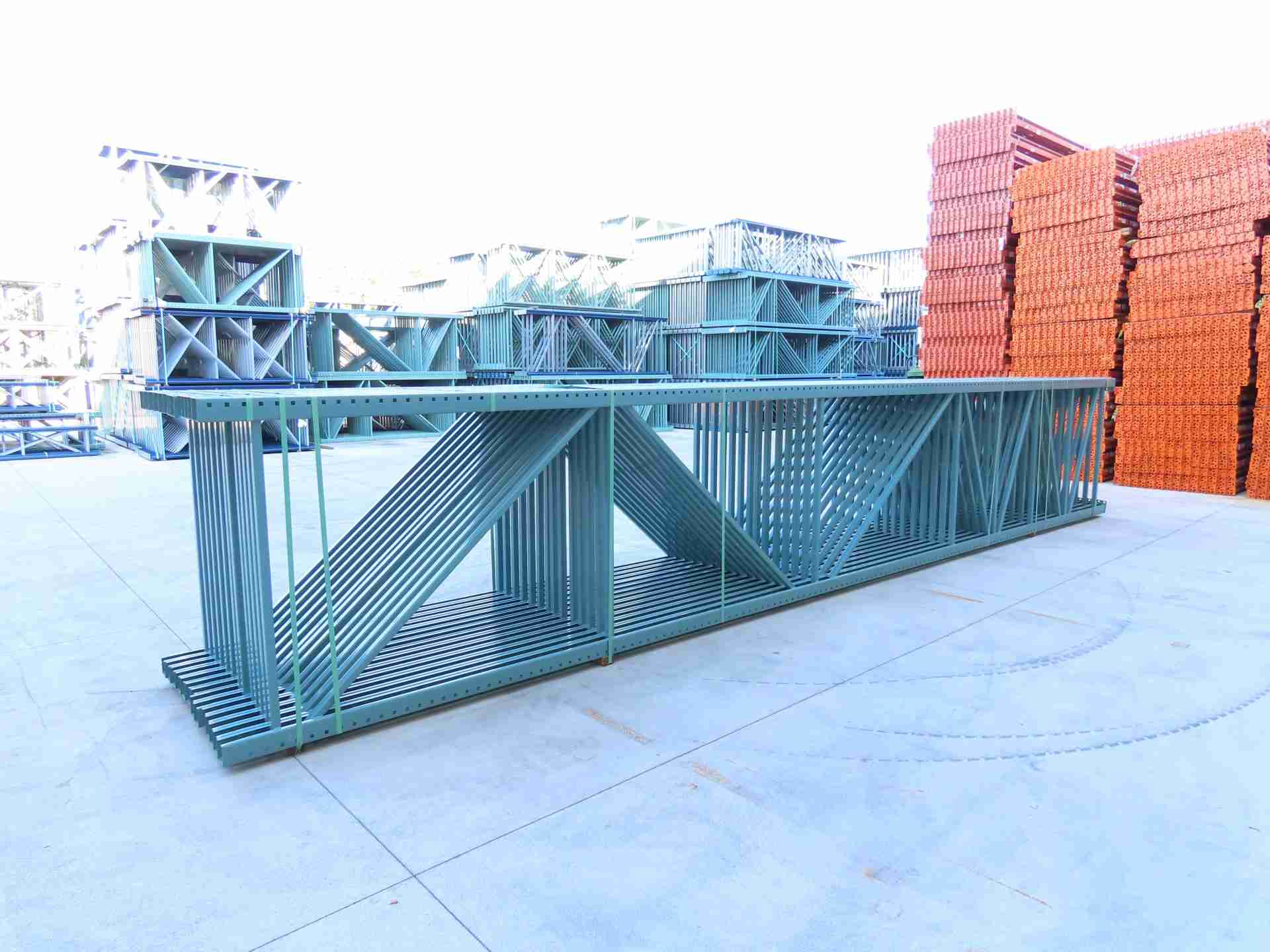
How Can Modern Racking Solutions Improve Operations?
How Can Modern Racking Solutions Improve Operations?
- Operational efficiency is essential in today’s fast-paced business environment.
- Modern racking solutions, such as pallet racking systems, streamline storage and maximize vertical space.
- Well-organized warehouses enhance productivity and reduce time spent searching for items.
- Customizable racking systems adapt to various inventory shapes and sizes, evolving with market demands.
- Investing in modern racking systems improves safety for employees and protects inventory.
- Upgrading to modern racking is a strategic decision that enhances operational excellence.
- Modern racking solutions are catalysts for growth, empowering teams and adding value to customers.
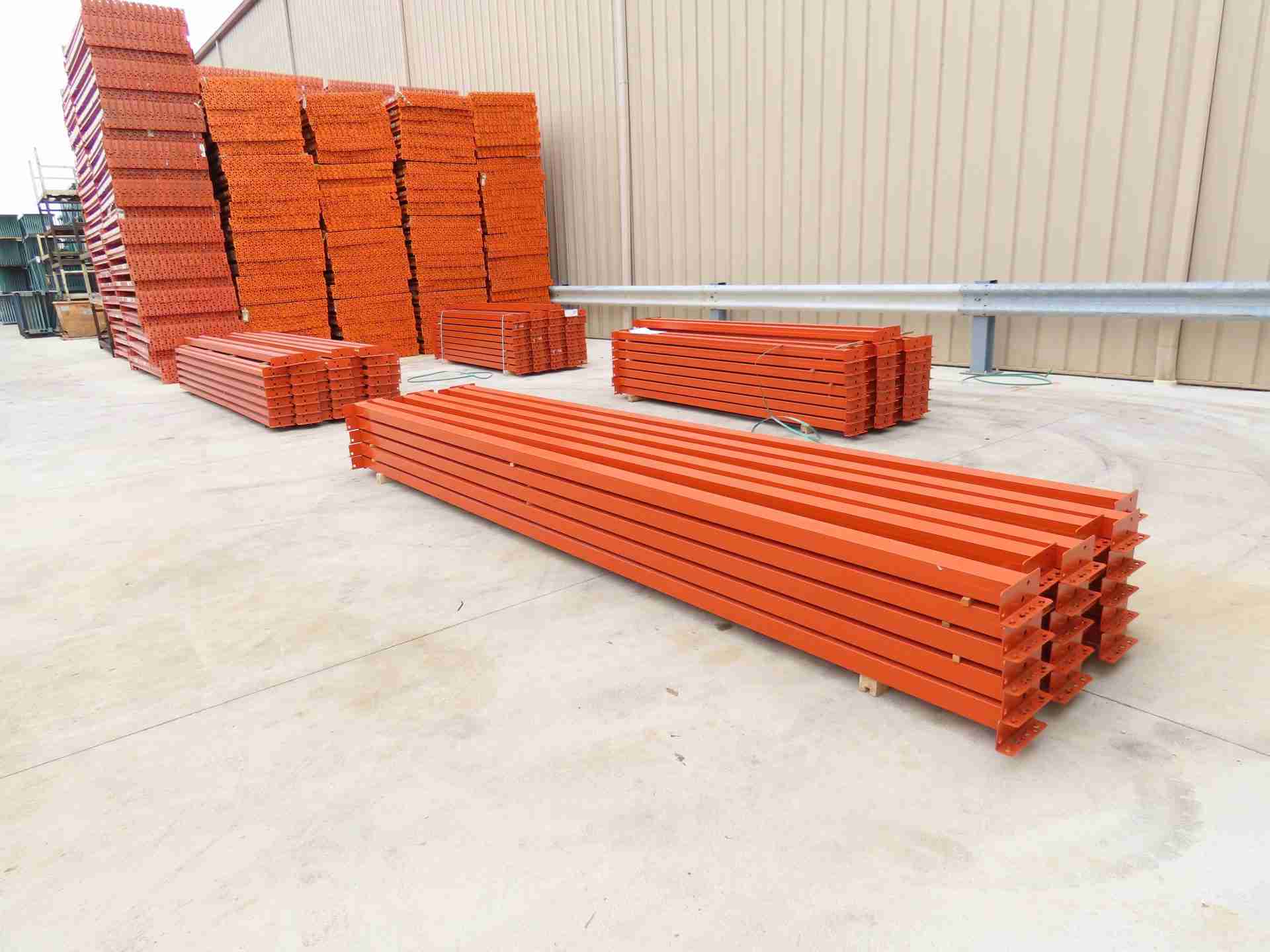
How Can Modern Racking Solutions Improve Operations?
What Is The Cost Of Maintaining Outdated Racking Systems?
When you think about the heart of your warehouse, what comes to mind? Is it the bustling activity, the organized chaos, or perhaps the reliable pallet racking that holds your inventory steady? Now, imagine if that core component—your racking systems—were outdated. What impact would that have on your operations?
Costs can escalate in multiple ways when it comes to maintaining these old systems. First, let’s consider safety. Outdated pallet racking can become a hazardous environment, leading to accidents that jeopardize your workforce. As your team navigates through old, wobbly racking, the chances of mishaps increase—potentially resulting in costly workers’ compensation claims and diminished employee morale. Is it worth the risk?
Then there’s efficiency. An outdated racking system often leads to wasted time. Employees spend precious minutes searching for items stored in inefficiently organized racking. Think about the cumulative effect: hours lost that could have been spent driving sales or enhancing customer relationships. You wouldn’t let a worn-out sales tactic linger; why allow your racking systems to contribute to inefficiency?
Furthermore, consider the financial implications of repairs. If your systems are constantly in need of maintenance, you’re throwing good money after bad. What was once a small fix can snowball into a major investment, while profits slip through your fingers like sand. Investing in modern systems can be a game-changer, providing savings that you can reinvest into your business’s growth.
Now let’s talk about capacity. Outdated pallet racking may not effectively utilize your warehouse space. Are you maximizing your vertical capacity? An outdated system may limit how much inventory can be stored, restricting your ability to grow and scaling your operations. It’s like trying to run a marathon with a boulder strapped to your back.
Finally, don’t forget about adaptability. The warehousing world is ever-evolving, and outdated racking systems can anchor you in the past. New technologies and methodologies promise improved efficiency, but sticking with outdated systems can leave you lagging behind competitors who embrace innovation.
So, when you’re evaluating your operations, take a moment to weigh the costs of maintaining outdated racking systems. Your shelving should support your business, not hold it back. Let’s make the smart investment in modernizing your pallet racking and watch your efficiency—and success—soar. After all, in a world where time is money, can you afford to cling to the past?
What Is The Cost Of Maintaining Outdated Racking Systems?
What Is The Cost Of Maintaining Outdated Racking Systems?
- Outdated racking systems can negatively impact warehouse operations.
- Safety hazards increase with old pallet racking, leading to accidents and potential workers’ compensation claims.
- Efficiency suffers as employees waste time searching for items in poorly organized racking.
- Constant maintenance of outdated systems leads to escalating costs and resource wastage.
- Limited capacity from old racking systems restricts inventory storage and business growth.
- Adaptability is hindered as outdated systems prevent the adoption of new technologies and methodologies.
- Investing in modern pallet racking can improve efficiency, safety, and overall business success.
What Is The Cost Of Maintaining Outdated Racking Systems?
How Often Should Racking Systems Be Evaluated Or Replaced?
When it comes to maintaining a smooth and efficient warehouse operation, your pallet racking systems deserve undivided attention. Imagine your warehouse as a bustling hub of activity, where every pallet turned brings your business closer to its goals. But how often should you stop and take stock of that essential infrastructure? The truth is, regular evaluations of your pallet racking are not just a suggestion—they’re an imperative.
The National Fire Protection Association (NFPA) and other safety organizations suggest conducting a thorough inspection of your pallet racking systems at least annually. But let’s take it a step further. Consider your specific usage. If your warehouse sees high traffic or handles heavy loads, bi-annual checks may be more appropriate. These evaluations can help spot potential issues before they escalate into costly downtimes or, worse, hazardous situations.
A warehouse that runs like a well-oiled machine relies heavily on the integrity of its racking systems. Regular assessments can identify wear and tear, bent beams, or damaged components that could undermine the stability of your pallet racking. That’s not just about avoiding accidents—it’s about ensuring your team feels safe and confident in their work environment.
And let’s be real: if you notice damage, don’t overlook it. The ROI of promptly replacing or repairing your racking systems can be substantial. Think of it as an investment in efficiency. You wouldn’t drive a car with a slowly leaking tire, would you? The same principle applies here.
So, whether you’re running a small distribution center or managing a large-scale warehouse, be proactive. Regular evaluations of pallet racking not only enhance safety but also optimize productivity, ensuring that you get the best performance out of your space. Additionally, an environment that prioritizes safety fosters a culture of professionalism and care within your team, inspiring confidence from your customers.
Remember, the world of warehousing is fast-paced, and your pallet racking systems should be agile enough to keep up. By committing to regular evaluations and knowing when to replace your racking systems, you’re not just protecting your investment—you’re empowering your entire operation.
Make it a priority—your business depends on it. Keep your pallet racking systems in pristine condition, and watch as efficiency springs forth, driving you closer to your business goals with every pallet you store. It’s time to take action; let’s get those evaluations scheduled!

How Often Should Racking Systems Be Evaluated Or Replaced?
How Often Should Racking Systems Be Evaluated Or Replaced?
- Regular evaluations of pallet racking systems are essential for efficient warehouse operations.
- Annual inspections are recommended by the National Fire Protection Association (NFPA) and other safety organizations.
- High traffic or heavy load environments may require bi-annual checks for safety and reliability.
- Assessments can identify wear and tear, bent beams, or damaged components, ensuring stability and safety.
- Promptly addressing any damage can provide a significant return on investment (ROI) in terms of efficiency.
- Investing in regular evaluations enhances safety, optimizes productivity, and fosters a professional work culture.
- Proactive maintenance of racking systems protects your investment and empowers your entire operation.

How Often Should Racking Systems Be Evaluated Or Replaced?
Conclusion
Are outdated racking systems causing daily friction in your warehouse operations? In today’s fast-paced logistics environment, where every second matters, lingering with antiquated storage solutions can spell disaster for your efficiency, morale, and ultimately, your bottom line. Imagine transforming your warehouse into a dynamic, well-organized haven where every item is easily accessible and workflows are streamlined—this is not a dream; it’s a tangible reality waiting for you at RackingWorld.com.
Outdated racking not only hampers productivity but also creates safety liabilities that can jeopardize your team’s wellbeing. If your racking system is more than a decade old or showing signs of wear and tear, like rust or physical damage, it’s high time to consider an upgrade. Modern racking solutions are designed not just to replace the old but to elevate your operational capabilities—enabling a smoother workflow, enhancing safety compliance, and adapting to your growing inventory needs.
But don’t just take our word for it; think of the costs associated with maintaining outdated racks. Every hour spent fixing equipment or searching for misplaced goods is money lost. And these inefficiencies can lead to dissatisfied customers, risking your reputation in an increasingly competitive market. Ignoring the signal signs of deteriorating racking systems not only affects your financial standing but also the morale of your workforce, who get weary of battling outdated structures.
Here at Arrow Industrial Sales, we offer cutting-edge racking solutions that can revolutionize your operations. Our expert team is ready to assess your unique warehouse requirements and implement tailored solutions that not only boost efficiency but also foster a culture of safety among your employees. This isn’t merely a purchasing decision—it’s a critical investment in the future of your business.
So, what are you waiting for? The time for action is now! Don’t let outdated racking systems hold your business back any longer. Call Arrow Industrial Sales at (574) 349-6575 today to seize the opportunity for a more efficient, safe, and productive warehouse environment. Remember, every moment you delay is a moment your competition could outpace you. Contact us now, and let’s turn your frustrations into a streamlined operational success!
Conclusion
Conclusion:
- Outdated racking systems can negatively impact warehouse efficiency and morale.
- Modern racking solutions can enhance operational capabilities and safety compliance.
- Maintaining old racks can lead to increased costs and dissatisfied customers.
- Ignoring signs of wear and tear can affect financial standing and employee morale.
- Arrow Industrial Sales offers tailored racking solutions to boost warehouse efficiency.
- Investing in new racking is crucial for the future of your business.
- Contact Arrow Industrial Sales now to improve your warehouse operations and reduce delays.

Conclusion
Other Resources
Other Resources
Here is a list of other resources you can review online to learn more:
- Interlake Mecalux
- Logic Material Handling
- Illinois Pallet Racking – Storage Solutions
- Material Handling Industry
- Wolter
- What is Selective Pallet Racking
- Pallet Rack Systems – New and Used Pallet Racking and Shelving Experts
- Selective Pallet Racking Systems
- Heavy-Duty Cantilever Storage Racks
- IIWS Inc. Rack Installation Illinois & Rack Repairs Illinois
Use This Prompt To Get More Resources With Your Favorite Online AI Tool: Please provide me with a list of online articles with their URLs in a bulleted list that I can read regarding Are Outdated Warehouse Racking Systems Adding to Daily Frustrations?
Other Resources
Glossary Terms
Are Outdated Warehouse Racking Systems Adding to Daily Frustrations? – Glossary Of Terms
1. Racking System: A framework for storing materials in a warehouse, typically made of metal, that holds inventory off the ground and organizes items for easy access.
2. Outdated: Referring to systems or practices that are no longer effective, efficient, or in alignment with current technology and needs.
3. Inventory Management: The process of overseeing and controlling stock levels, orders, and deliveries to ensure optimal supply and demand balance.
4. Space Utilization: The efficient use of available space in a warehouse to maximize storage capacity and streamline operations.
5. Safety Compliance: Adherence to regulations and standards designed to ensure safe working conditions in warehouses, particularly regarding equipment and storage methods.
6. Picking Efficiency: The effectiveness and speed at which items are retrieved from the warehouse for shipping or assembly, directly affected by the racking system design.
7. Load Capacity: The maximum weight that a storage rack can safely hold, which is crucial for preventing accidents and maintaining structural integrity.
8. Flexibility: The ability of a racking system to adapt to changes in inventory size, types of products stored, or warehouse layouts.
9. Ergonomics: The study of how to design equipment and processes to fit the human body’s needs, minimizing strain and maximizing comfort in warehouse operations.
10. FIFO (First In, First Out): An inventory management principle ensuring that the oldest stock is sold or used first, essential for perishable goods.
11. LIFO (Last In, First Out): A method of inventory management where the most recently acquired items are the first to be used or sold.
12. SKU (Stock Keeping Unit): A unique identifier for each distinct product and service that can be purchased, facilitating inventory tracking.
13. Automation: The use of technology to perform tasks with minimal or no human intervention, which can streamline warehouse operations and reduce errors.
14. Cross-Docking: A logistics process where incoming goods are directly transferred to outgoing shipments with little or no storage time, requiring efficient racking systems.
15. Lead Time: The amount of time from when an order is placed until it is fulfilled, which can be affected by the efficiency of the warehouse layout.
16. Throughput: The rate at which goods are processed through a warehouse, impacting overall productivity and efficiency.
17. Load-Bearing: Referring to the capacity of a racking structure to support weight safely without compromising stability.
18. SKU Rationalization: The process of analyzing product performance to determine which SKUs to keep, eliminate, or introduce, affecting space and racking decisions.
19. Obsolescence: The state of being out of date or no longer needed, especially concerning equipment that does not meet current operational requirements.
20. Vertical Space Optimization: The strategy of making the most of vertical warehouse space using taller racking systems to maximize storage potential.
21. Warehouse Layout: The design and arrangement of physical storage and workspaces in a warehouse, impacting workflow and efficiency.
22. Cold Storage: Specialized warehouse areas that maintain specific temperature ranges for the storage of temperature-sensitive goods.
23. Inventory Turnover: A metric that measures how frequently inventory is sold and replaced over a given time period, indicative of stock efficiency.
24. Maintenance Costs: Expenses associated with upkeep and repairs of racking systems and overall warehouse infrastructure to ensure safety and functionality.
25. Order Fulfillment: The complete process from receiving a customer order to delivering the product, closely related to the effectiveness of the racking system.
26. Palletization: The practice of loading and storing goods on pallets for easier handling, often influencing the choice of racking system.
27. Lean Warehousing: An approach aimed at reducing waste and improving efficiency in warehouse operations through optimized processes and layout.
28. Shelf Life: The length of time products can remain stored before they become unsuitable for use or sale, impacting inventory management strategies.
29. Gravity Flow Racking: A type of racking system where products are stored on inclined shelves, allowing items to flow down to the picking area, increasing efficiency.
30. RFID (Radio Frequency Identification): A tracking technology that uses radio waves to identify and manage inventory efficiently, helping to modernize warehouse operations.
Glossary Of Terms
Other Questions
Are Outdated Warehouse Racking Systems Adding to Daily Frustrations? – Other Questions
If you wish to explore and discover more, consider looking for answers to these questions:
- What are the benefits of upgrading to modern racking systems?
- How can I evaluate the current state of my racking system?
- What are the latest advancements in warehouse racking technology?
- How much should I expect to spend on a racking system upgrade?
- What factors should I consider when selecting a new racking system?
- How can I train my employees to adapt to new racking systems?
- What are the different types of modern racking systems available?
- Can upgrading racking systems improve employee morale?
- What are the industry standards for pallet racking safety?
- Are there financial incentives or grants for upgrading warehouse equipment?
- How often should maintenance checks be conducted on updated racking systems?

Other Questions
Checklist
Are Outdated Warehouse Racking Systems Adding to Daily Frustrations? – A Checklist
1. Assess the Age of Your Racking Systems
_____ Determine the age of your racking systems. (Older than 10 years?)
_____ Review product advancements in racking systems since installation.
2. Check for Wear and Tear
_____ Inspect for physical damage (e. g. , bent beams, rust, missing components).
_____ Evaluate structural integrity and safety of the existing racks.
3. Evaluate Operational Efficiency
_____ Analyze any workflow bottlenecks caused by the current system.
_____ Assess if the current racking meets your business’s current volume and type of inventory.
4. Ensure Safety Compliance
_____ Review current safety regulations and standards (e. g. , OSHA).
_____ Ensure racks can support the latest load requirements and safety guidelines.
5. Plan for Future Adaptability
_____ Consider if your racking system can adapt to your growing inventory needs.
_____ Evaluate scalability options based on potential business growth.
6. Identify Safety Risks
_____ Analyze potential hazards related to outdated racking systems.
_____ Review incident reports or near misses related to racking failures.
7. Calculate the Cost of Maintenance
_____ Estimate expenses incurred from ongoing repairs and maintenance.
_____ Compare ongoing costs with projected savings from upgrading.
8. Schedule Regular Evaluations
_____ Set a schedule for regular inspections (recommended at least annually).
_____ Consider increasing inspection frequency if high traffic or heavy loads are common.
9. Explore Modern Racking Solutions
_____ Research innovative racking systems that align with your operational goals.
_____ Evaluate customization options that fit your inventory types and sizes.
10. Create a Replacement Plan
_____ Develop a timeline for phased upgrades if immediate replacement isn’t feasible.
_____ Budget for future investments in racking systems to prevent disruption.
11. Involve Your Team
_____ Gather feedback from warehouse staff on current racking frustrations.
_____ Share plans for upgrading and involve them in the transition process.
12. Monitor Performance Post-Upgrade
_____ Keep track of efficiency, safety incidents, and team morale after implementing new systems.
_____ Conduct feedback sessions with employees to continually improve operations.
By following this checklist, you can systematically evaluate your warehouse racking systems and ensure your operations remain efficient and safe as you move forward.
Checklist
At RackingWorld, we help guide you through selecting warehouse storage systems and racking.
Be sure to read our other related stories at RackingWorld to learn more about warehouse storage systems.
0 Comments