
Prevent Inventory Chaos Before It’s Too Late
By Tom Seest
At RackingWorld, we help guide you through selecting warehouse storage systems and racking.
Be sure to read our other related stories at RackingWorld to learn more about warehouse storage systems.
Are Mismanaged Inventories Driving Your Team to The Brink Of Disaster?
Picture this: Your warehouse is bustling with activity. Employees dart between aisles, navigating a labyrinth of inventory that seems more chaotic than controlled. Boxes are stacked haphazardly on mismatched pallet racking, creating a precarious environment where productivity could flop at any moment. Frustration levels soar, errors multiply, and your once-efficient team is now teetering on the brink of disaster. Sound familiar?
Mismanaged inventory doesn’t just cause a few hiccups; it steers the ship of your business into stormy waters. Overturned pallet racking systems can lead to a heartbreaking cascade of problems—from lost sales opportunities to the dreaded inventory write-offs. In today’s fast-paced marketplace, every second counts, and inefficiencies are like an anchor dragging you down.
But here’s the kicker: the path to reclaiming your team’s sanity is within reach! You have the power to turn this chaos into harmony. Imagine optimizing your inventory management—transforming that chaotic warehouse into an organized haven where pallet racking is expertly configured to streamline operations. Think of the time saved, the errors reduced, and the boost in team morale.
You don’t need to navigate this journey alone. Start by assessing your current system. Is your pallet racking designed to facilitate easy access and visibility? A simple reconfiguration could make a world of difference. The secret to preventing disaster lies in effective allocation and regular audits of inventory levels. By embedding proactivity into your strategy, you can foster a sense of trust among your team, proving that their efforts are recognized and appreciated.
Take a proactive approach to inventory management. Invest in technology that tracks your products in real time, allowing you to forecast demands accurately and adjust accordingly. Empower your team with training, ensuring they understand the value of an organized inventory system. When they see how their efforts translate into success, you’ll cultivate an environment of camaraderie, resilience, and high performance.
So, let’s turn this potential disaster into your greatest triumph. Take the first step toward inventory mastery today, and watch as your business thrives in newfound efficiency. After all, a well-managed inventory is not just about the numbers; it’s about nurturing a team that feels confident, capable, and ready to meet the challenges of tomorrow head-on.

Are Mismanaged Inventories Driving Your Team to The Brink Of Disaster?
Are Mismanaged Inventories Driving Your Team to The Brink Of Disaster?
- Warehouse chaos can hinder productivity and increase errors among employees.
- Mismanaged inventory leads to significant issues, including lost sales and inventory write-offs.
- Optimizing inventory management can transform a chaotic warehouse into an efficient workspace.
- Assess current systems to ensure pallet racking allows for easy access and visibility.
- Implement regular audits and effective allocation to prevent inventory-related disasters.
- Invest in technology for real-time product tracking and empower your team with proper training.
- A well-managed inventory nurtures a confident and capable team, ready to face challenges.
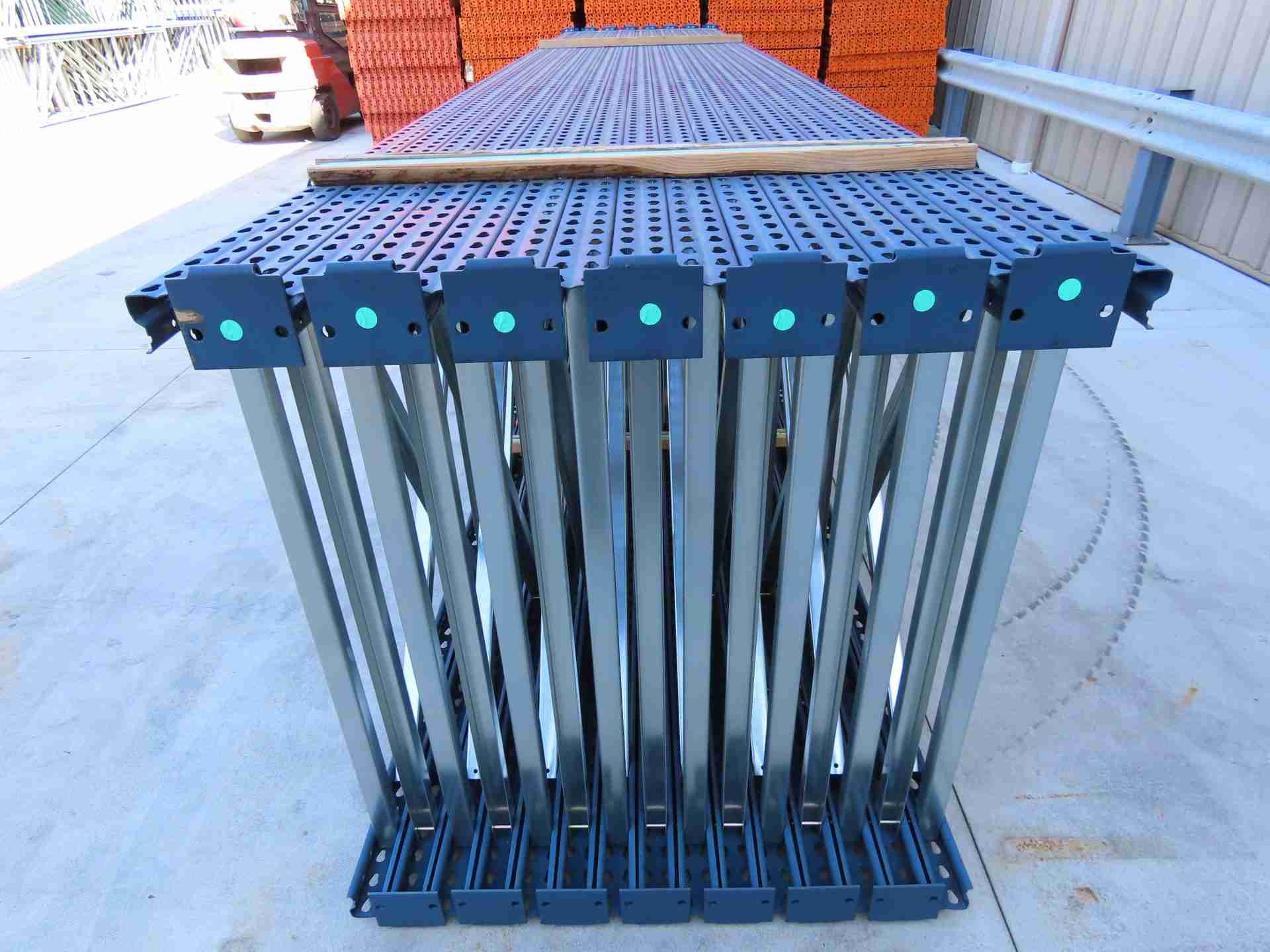
Are Mismanaged Inventories Driving Your Team to The Brink Of Disaster?
Table Of Contents
- Are Mismanaged Inventories Driving Your Team to The Brink Of Disaster?
- What Are The Signs Of Mismanaged Inventory In Your Business?
- How Can Mismanaged Inventories Affect Team Morale?
- What Strategies Can Help Prevent Inventory Mismanagement?
- How Does Poor Inventory Management Impact Customer Satisfaction?
- What Are The Financial Consequences Of Mismanaged Inventories?
- How Can Technology Improve Inventory Management Practices?
- Conclusion
- Other Resources
- Glossary Of Terms
- Other Questions
- Checklist
What Are The Signs Of Mismanaged Inventory In Your Business?
When it comes to the health of your business, your inventory management tells a story—one that can either propel you to success or drag you down into chaos. Have you ever felt a nagging suspicion that something isn’t quite right with your inventory? You’re not alone. Mismanaged inventory often reveals itself through a series of unmistakable signs that demand your immediate attention.
Let’s start with an excess of stock. You walk into your warehouse and see a sea of Pallet Racking overflowing with products that aren’t moving. This isn’t just unsightly; it’s a financial anchor that weighs heavily on your cash flow. If your shelves are continuously stocked to the brim without consistent sales, it’s time to dig deeper. Excess inventory ties up resources, and each idle product serves as a reminder that your capital could be better utilized elsewhere.
Another red flag is stockouts, which can be even more detrimental. Imagine a customer rushing to buy a hot product, only to find it’s out of stock. Not only does this mean lost revenue, but it also creates a less-than-stellar customer experience. When your team is relying on guesswork to predict demand, the risk of stockouts escalates. This inconsistency communicates a lack of professionalism, a turn-off for any discerning customer who values reliability.
Let’s talk about disorganization. If your inventory area resembles a chaotic maze where employees can’t find what they need, you have a recipe for inefficiency. Time wasted in searching for products translates into lost productivity and increased labor costs. A streamlined process, with well-organized Pallet Racking, can not only boost your team’s morale but also translate into quicker delivery times and happier clients.
And what about your data? If you’re relying on outdated or inaccurate inventory counts, you’re sailing blind. Real-time tracking is essential for making informed decisions. Mismanaged inventory often leads to discrepancies that can compromise reporting accuracy, leaving you second-guessing your next moves.
If you recognize these signs within your business, don’t despair. Acknowledge them as vital clues to a better inventory approach. With the right strategies and tools, you can transform overwhelming chaos into a well-oiled machine. So take action—evaluate your inventory system, empower your team, and reclaim control over your business’s fate. Remember, managing inventory effectively isn’t just a task; it’s a cornerstone of your overall success. Take that first step today!
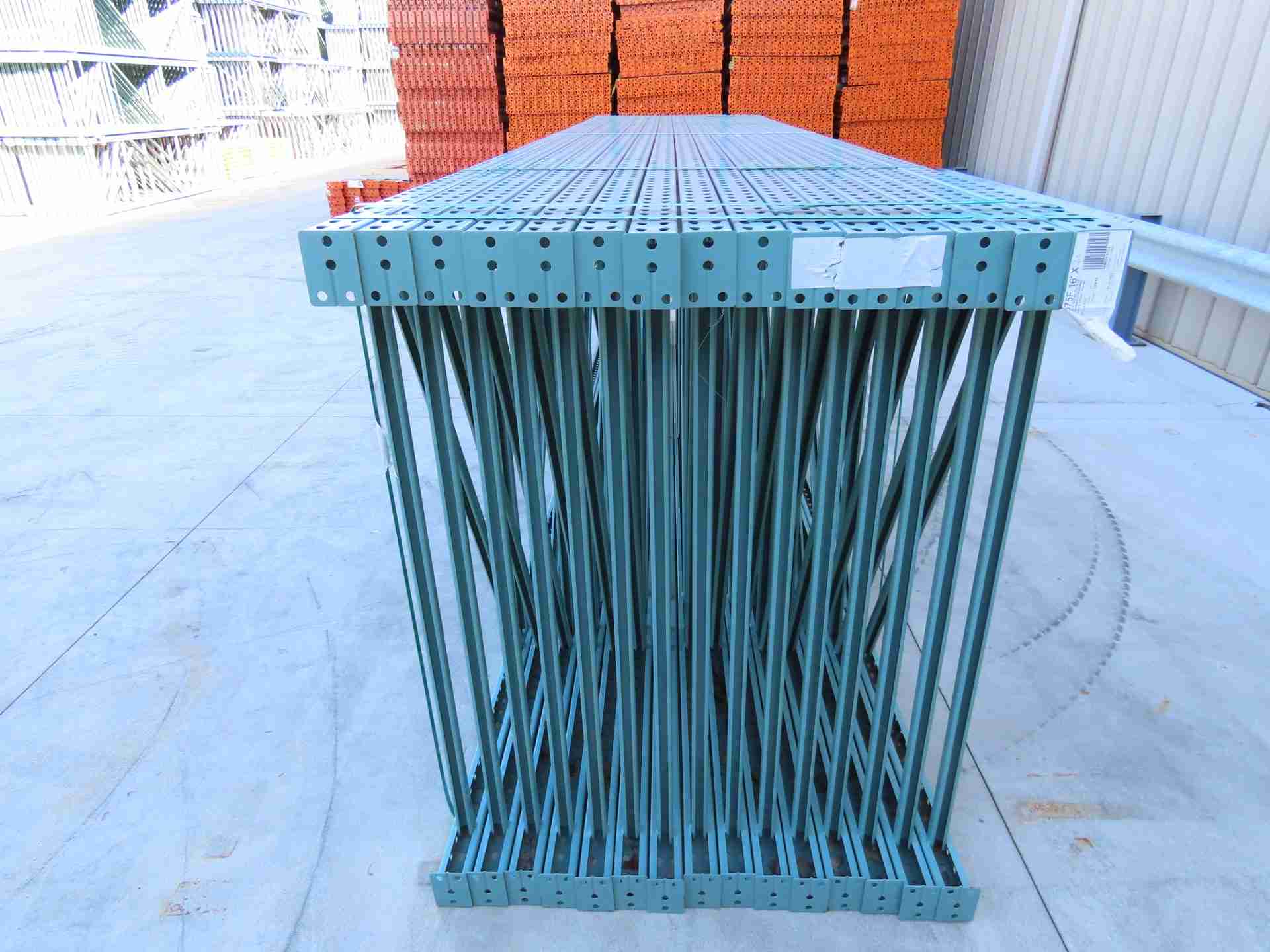
What Are The Signs Of Mismanaged Inventory In Your Business?
What Are The Signs Of Mismanaged Inventory In Your Business?
- Inventory management is crucial for business health and can lead to success or chaos.
- Excess stock is a significant issue, tying up resources and negatively impacting cash flow.
- Stockouts result in lost revenue and poor customer experiences, reflecting a lack of reliability.
- Disorganization in the inventory area can lead to inefficiency, lost productivity, and increased labor costs.
- Accurate and real-time inventory data is essential for informed decision-making.
- Identifying these inventory issues is the first step towards improving your approach.
- Effective inventory management is a cornerstone of overall business success, requiring immediate action.

What Are The Signs Of Mismanaged Inventory In Your Business?
How Can Mismanaged Inventories Affect Team Morale?
When you walk into a warehouse filled with high-quality products stacked neatly on pallet racking, you can sense the efficiency in the air. Everything has its place, and every worker knows exactly how to find it. But what happens when that inventory gets mismanaged? Chaos ensues—and with it, a ripple effect that can disrupt the very fabric of your team’s morale.
Picture a scenario where team members scramble to locate items, wrestling with outdated records and cluttered aisles. Suddenly, the buzz of productivity is replaced by frustration, and the camaraderie that once united your staff begins to fray. When your inventory system is off-kilter, deadlines become harder to meet, leading to stress and dissatisfaction. The experience is not just a logistical nightmare; it’s a blow to your team’s spirit.
Mismanaged inventories don’t just impact warehouse operations; they can also tarnish relationships among employees. When workers feel the pressure of disorganization, the blame game often follows. “Why didn’t someone stock the pallet racks properly?” or “Who let the inventory levels drop?” These questions can create an environment riddled with tension and misunderstandings. Team morale takes a nosedive as a sense of distrust begins to settle.
Moreover, consider the personal investment your team members have in their work. Each item on those pallet racks represents not just merchandise but their collective efforts and contributions. When that inventory is treated haphazardly, it sends a clear message: “Your hard work doesn’t matter.” This perception can lead to disengagement, where employees merely clock in and out, devoid of pride in what they do.
Conversely, a well-organized inventory system fosters an atmosphere of confidence and security. Clarity in processes allows your team to operate smoothly, leading to increased job satisfaction and a stronger sense of belonging. When they see items neatly arranged on pallet racking and understand the entire operation runs like a well-oiled machine, your employees feel empowered and valued.
So, as a business leader, it’s crucial to recognize the profound impact of inventory management on your team’s morale. Invest in the right systems and foster a culture of organization. By doing so, you not only enhance productivity but also cultivate a motivated workforce that thrives on teamwork and shared successes. Your dedication to maintaining a seamless inventory connection will fuel not just your bottom line but the very heart of your organization.

How Can Mismanaged Inventories Affect Team Morale?
How Can Mismanaged Inventories Affect Team Morale?
- A well-organized warehouse promotes efficiency and clarity for workers.
- Mismanaged inventory leads to chaos, reducing productivity and team morale.
- Disorganization fosters frustration and can create divisions among employees.
- Workers may feel their efforts are undervalued, resulting in disengagement.
- A streamlined inventory system enhances job satisfaction and fosters belonging.
- Leadership must recognize the importance of effective inventory management on team morale.
- Investing in organization can boost productivity and cultivate a motivated workforce.
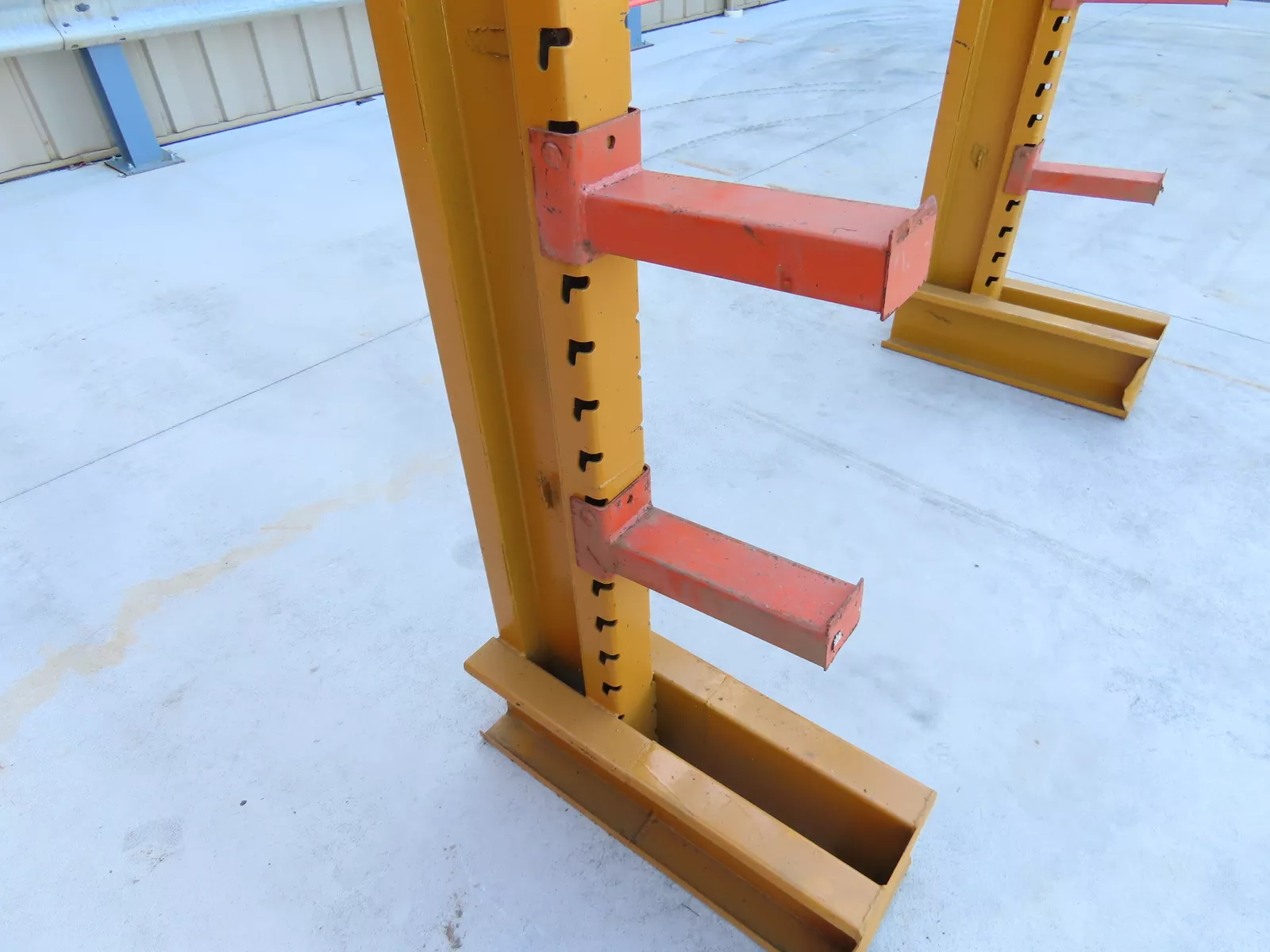
How Can Mismanaged Inventories Affect Team Morale?
What Strategies Can Help Prevent Inventory Mismanagement?
In the world of business, managing inventory should feel like a finely-tuned orchestra rather than a chaotic symphony. Mismanagement can lead to costly consequences, wasted resources, and frustrated customers. So, how can you ensure that your inventory strategies strike just the right note? Let’s explore some proven tactics that will not only inspire confidence but also keep your business humming along smoothly.
First, embrace technology. In today’s fast-paced market, relying on outdated methods such as spreadsheets or even worse, guesswork, can doom your inventory management efforts. Opt for advanced inventory management software that provides real-time data and insights. This allows you to make educated decisions based on actual stock levels and trends. The best part? It frees up valuable time, enabling you to focus on growth strategies while ensuring that your shelves remain stocked with what matters most.
Next up, consider the power of Pallet Racking systems. These robust storage solutions maximize your warehouse space and keep your products organized and accessible. By optimizing your logistics with automated shelving, you significantly reduce picking times and errors—resulting in a smoother operation. Just imagine walking into your warehouse and seeing everything perfectly arranged, with every item having its home! This not only boosts efficiency but also elevates employee morale, creating a more productive work atmosphere.
Building strong relationships with suppliers is another cornerstone of effective inventory management. Engaging in open conversations about lead times, stock levels, and order quantities fosters collaboration that benefits both parties. Imagine having a supplier who understands your business rhythms, ensuring you never face stockouts or overstock situations—this level of partnership elevates you above the competition.
Lastly, don’t overlook the importance of regular audits and reviews. Schedule consistent inventory checks to catch discrepancies before they spiral out of control. This practice not only weeds out issues but also instills a culture of accountability within your team.
Inventory management isn’t just about numbers; it’s about creating an ecosystem where your business can thrive. By embracing technology, investing in smart solutions like pallet racking, fostering supplier relationships, and sticking to a regular review schedule, you set the stage for success. Remember, inventory is more than stock—it’s your promise to customers. When you manage it well, you’re not just organizing items; you’re cultivating trust. So take action today—your business and your customers will thank you!

What Strategies Can Help Prevent Inventory Mismanagement?
What Strategies Can Help Prevent Inventory Mismanagement?
- Effective inventory management should resemble a well-organized orchestra instead of chaos.
- Utilize advanced inventory management software for real-time data and insights to make informed decisions.
- Implement pallet racking systems to maximize warehouse space and improve product organization.
- Fostering strong relationships with suppliers leads to better collaboration and inventory flow.
- Regular audits and reviews help identify discrepancies and promote accountability within the team.
- Appropriate inventory management cultivates trust with customers and enhances business success.
- Taking proactive steps in inventory management benefits both the business and its customers.

What Strategies Can Help Prevent Inventory Mismanagement?
How Does Poor Inventory Management Impact Customer Satisfaction?
Imagine walking into a store, excitement bubbling within you as you hunt for that perfect item. Your heart sinks when you discover it’s out of stock. You might think, “I’ll check online,” only to find the website echoing that same dreaded phrase—“Currently unavailable.” This scenario, unfortunately, is no stranger in the retail world, and it all circles back to poor inventory management.
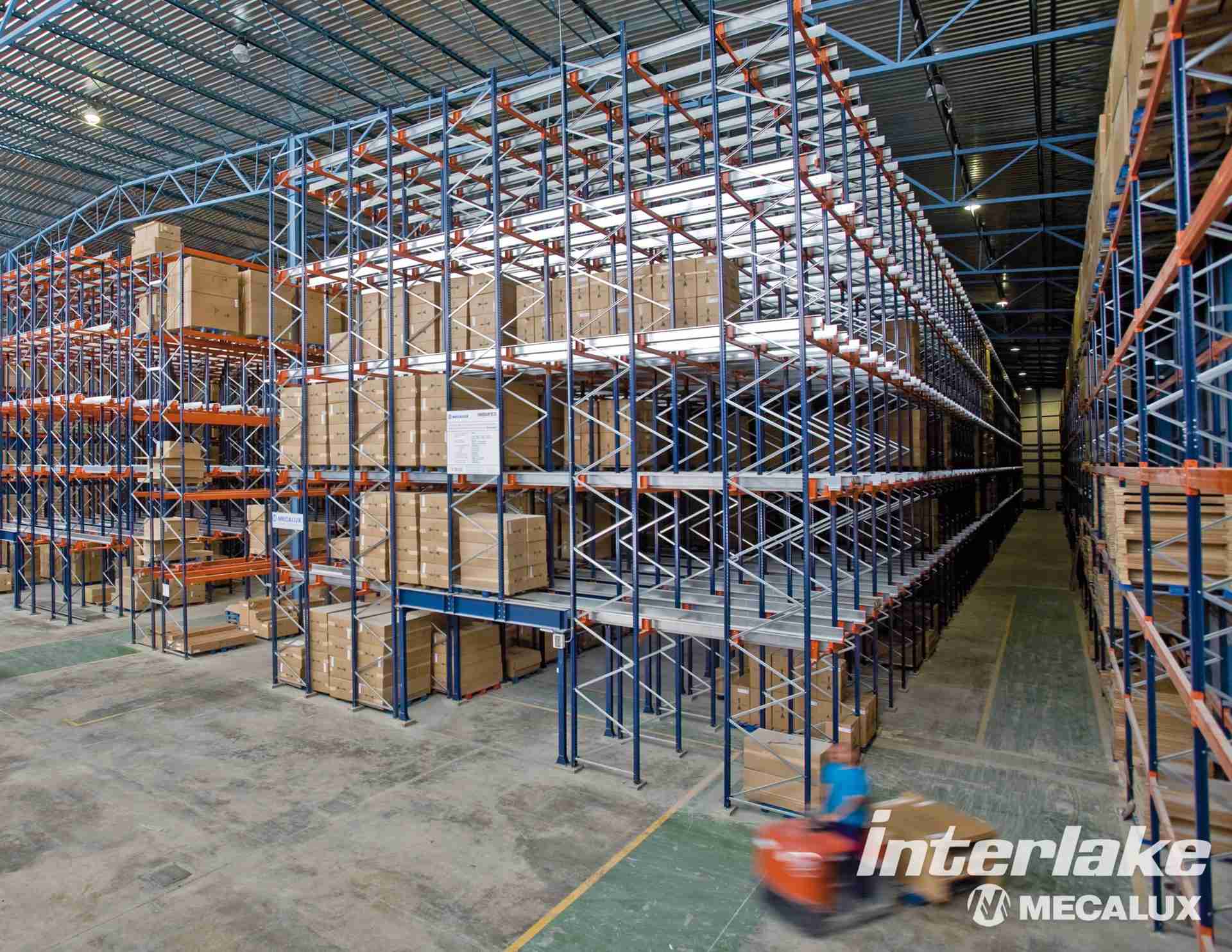
Effective inventory management isn’t just a logistical need; it’s the cornerstone of an exceptional customer experience. When businesses fail to keep track of what’s on the shelves—or lack a strategic approach to their pallet racking systems—they risk disappointing the very customers who fuel their success.
Think about it. Imagine your ideal product taking center stage on your store’s shelves, displayed beautifully among well-organized pallet racking systems. It’s no coincidence that a well-executed inventory plan translates to products being available for eager consumers. When a customer can rely on you to have their desired items in stock, their trust in your brand deepens. They feel valued, understood, and appreciated.
On the contrary, inconsistency in stock levels drives customers away. Each time they encounter an out-of-stock situation, it chips away at their loyalty. How long will they endure checking back, only to find the same empty shelves? Every missed opportunity to fulfill a customer’s need creates a ripple effect—poor reviews, lost sales, and ultimately, a tarnished reputation.
It’s tempting to think that inventory management is only crucial for large-scale operations. The truth is, even small businesses can suffer catastrophic impacts from poor practices. The connection between effective management and customer satisfaction should spark action in every business owner. By embracing robust inventory solutions, including smart methods for optimizing pallet racking, you open the door to successful customer interactions, repeat purchases, and brand loyalty.
So, don’t overlook the power of proper inventory management. Your customers deserve the best, and you have the ability to deliver just that. In a world where consumer choices are endless, let your brand stand out by consistently offering what customers want—when they want it. Make that commitment today, because your customers aren’t just looking for a product; they’re looking for an experience, and it starts with the inventory on your shelves.
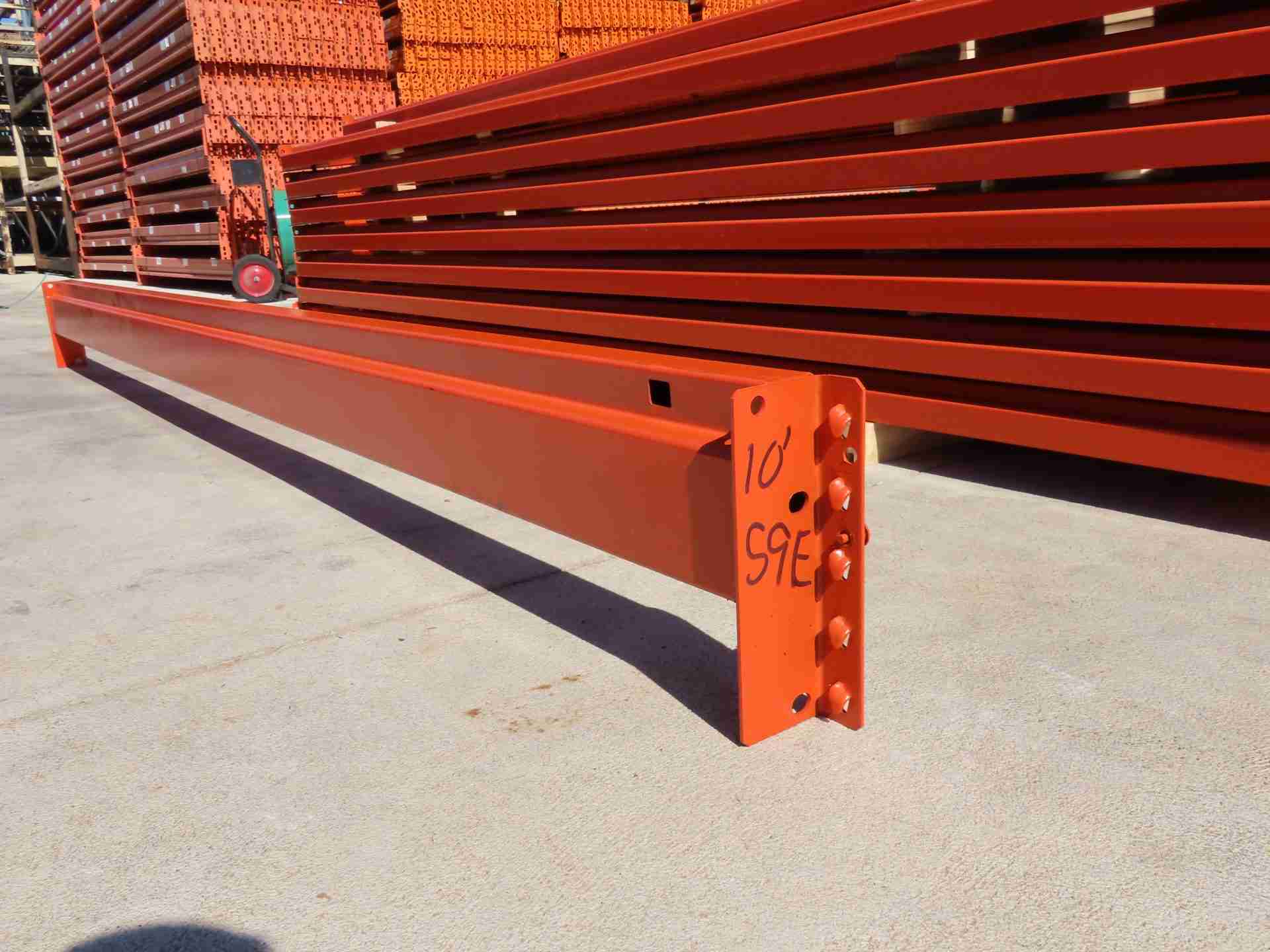
How Does Poor Inventory Management Impact Customer Satisfaction?
How Does Poor Inventory Management Impact Customer Satisfaction?
- Walking into a store and finding desired items out of stock leads to disappointment.
- Poor inventory management is a common issue in the retail world, affecting customer experiences.
- Effective inventory management is essential for ensuring product availability and enhancing customer trust.
- A well-executed inventory plan allows customers to find desired products, deepening their loyalty to the brand.
- Inconsistency in stock levels can lead to poor reviews, lost sales, and damage to a brand’s reputation.
- Even small businesses can be severely impacted by inadequate inventory practices.
- Robust inventory solutions foster successful customer interactions, repeat purchases, and brand loyalty.
How Does Poor Inventory Management Impact Customer Satisfaction?
What Are The Financial Consequences Of Mismanaged Inventories?
Imagine the lifeblood of your business – a seamless flow of products, satisfied customers, and profits steadily climbing. Now, picture the exact opposite: stock piled high in disarray, cash flow trapped in unsold goods, and customers leaving empty-handed. That’s the stark reality of mismanaged inventories.
At the heart of effective inventory management lies the often-overlooked infrastructure, such as pallet racking systems. These structures are designed for efficiency, reliability, and organization, but they can be rendered useless if your inventory planning and control fail. The financial consequences? They can be staggering.
First, consider the immediate impact on cash flow. Every dollar tied up in excess stock is a dollar not working for you. When products sit idle, they’re not just taking up space; they become expensive liabilities. If your shelves are overflowing because you overestimated demand, that’s frozen capital that could have been reinvested into your business for marketing, expansion, or even hiring that next great employee.
Next, let’s talk about shrinkage – that blend of theft, loss, or damage that occurs when inventory isn’t adequately monitored. Mismanaged inventories invite this risk, leading to unexpected financial hits. With products languishing on poorly organized pallet racking, you run the risk of losing track of what you own. How many times have you discovered merchandise missing, only to realize it was hiding in plain sight at the back of a cluttered shelf? Each missing item is money out of your pocket.
Additionally, customer satisfaction hinges on availability. Let’s say you have a product that’s been selling like hotcakes, but due to lackluster inventory control, you run out. Customers turn to competitors in the blink of an eye, which leads to lost sales and, worse yet, lost loyalty. Recapturing that trust can cost more than just a few missed transactions; it can take months of effort to rebuild a tarnished reputation.
So what’s the solution? Invest in a robust inventory management system, leverage technology, and ensure your pallet racking is optimized for your specific needs. Embrace the notion that every product counts, and remember that the right organizational strategy can translate to increased sales and faster turnover.
Mismanaged inventories may appear as a minor issue, but ignoring them can mean major financial woes. Take a proactive stance today; turn your inventory from chaos to clarity, and watch your business flourish.
What Are The Financial Consequences Of Mismanaged Inventories?
What Are The Financial Consequences Of Mismanaged Inventories?
- Effective inventory management is crucial for maintaining a seamless flow of products and profits.
- Pallet racking systems are vital for organization, efficiency, and reliability in inventory management.
- Excess stock negatively impacts cash flow, tying up capital that could be reinvested in the business.
- Shrinkage from theft, loss, or damage increases with poorly monitored inventories, leading to financial losses.
- Inadequate inventory control can result in lost sales and customer loyalty when popular products run out.
- Investing in a robust inventory management system and optimizing pallet racking can significantly improve performance.
- Ignoring mismanaged inventories can lead to major financial challenges; proactive management is essential.

What Are The Financial Consequences Of Mismanaged Inventories?
How Can Technology Improve Inventory Management Practices?
In today’s fast-paced business world, keeping track of inventory can feel like navigating a ship in a storm. You know that every misstep can lead to lost sales, frustrated customers, and ultimately, a hit to your bottom line. That’s where technology steps in as your trusty lighthouse, guiding you to calmer, more manageable waters. The tools available now can transform your inventory management from a cumbersome chore into a streamlined process that runs like a well-oiled machine.
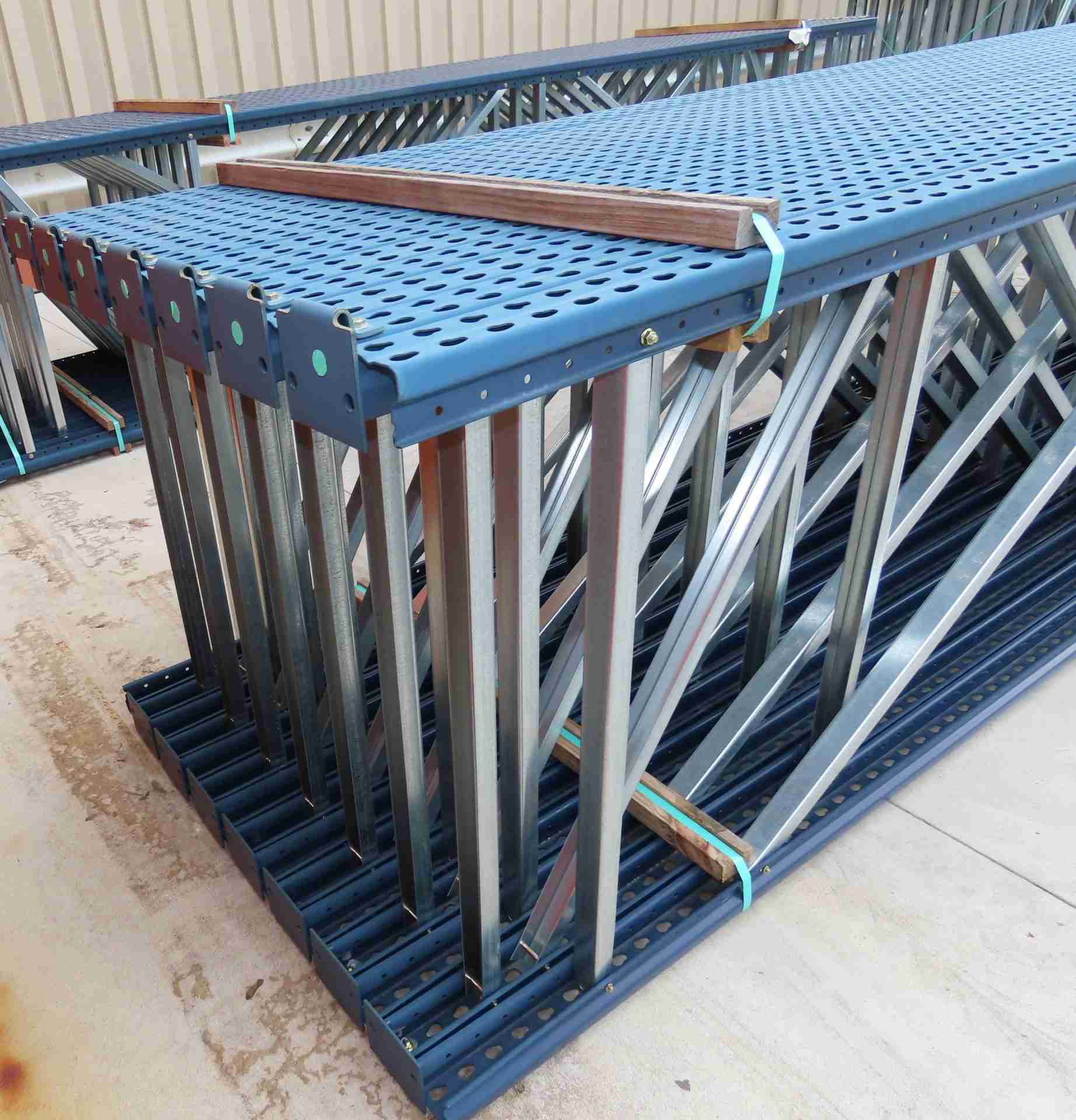
Imagine your warehouse, filled with rows of Pallet Racking, efficiently organized and easily accessed. With the right technology, you can monitor stock levels in real-time, ensuring you have just the right amount of inventory at your fingertips. Gone are the days of scrambling to locate items or making frantic last-minute orders. Instead, modern inventory management systems provide data-driven insights, empowering you to make informed decisions that keep your operations running smoothly.
Consider implementing barcoding and RFID scanning systems. These technologies can drastically reduce human error, allowing you to track products from the moment they arrive until they leave your shelves. Picture scanning a barcode instead of manually counting items. The savings in time and effort is remarkable, and the accuracy gains? Even more significant. You’ll build a reputation for reliability, driving customer satisfaction and loyalty through the roof.
But that’s just the beginning. Cloud-based inventory management software opens the door to incredible flexibility. You can access your data from anywhere, whether you’re on the sales floor or off-site. Need to check stock levels while discussing a big order with a client? No problem. Instant access ensures you never miss an opportunity to delight your customers.
Investing in technology doesn’t just improve efficiency—it mitigates risk. Accurate inventory levels help minimize the issues of overstock and stockouts, both of which can strain cash flow and damage relationships. With analytics, you can anticipate demand cycles and align your purchasing strategy effectively. When your business is prepared for peak seasons, you create a seamless experience that keeps customers coming back.
So, whether it’s leveraging smart tools for your Pallet Racking or adopting advanced analytics, embracing technology in your inventory management is a crucial step toward scaling your business. It’s not just about keeping things in order; it’s about opening the door to opportunities that can elevate your brand and drive your growth forward. Make the leap today, and watch your operational effectiveness soar.
How Can Technology Improve Inventory Management Practices?
How Can Technology Improve Inventory Management Practices?
- Inventory management can be challenging in a fast-paced business environment.
- Technology acts as a guiding tool, transforming chaotic inventory management into a streamlined process.
- Real-time stock monitoring ensures optimal inventory levels and reduces frantic last-minute orders.
- Implementing barcoding and RFID systems decreases human error and improves accuracy in tracking products.
- Cloud-based inventory management software allows data access from anywhere, facilitating customer interactions.
- Investing in technology helps mitigate risks related to overstock and stockouts, enhancing cash flow.
- Embracing advanced analytics and smart tools positions businesses for growth and operational effectiveness.

How Can Technology Improve Inventory Management Practices?
Conclusion
The complexities of inventory management can serve as a major pitfall for businesses of all sizes. In today’s fast-paced market, a chaotic inventory system can pull your operations into a whirlwind of frustration, wasted resources, and missed opportunities. At Arrow Industrial Sales, we understand that a disorganized warehouse isn’t just an aesthetic issue; it can directly impact employee morale, customer satisfaction, and your bottom line. But here’s the good news: You don’t have to navigate this storm alone!
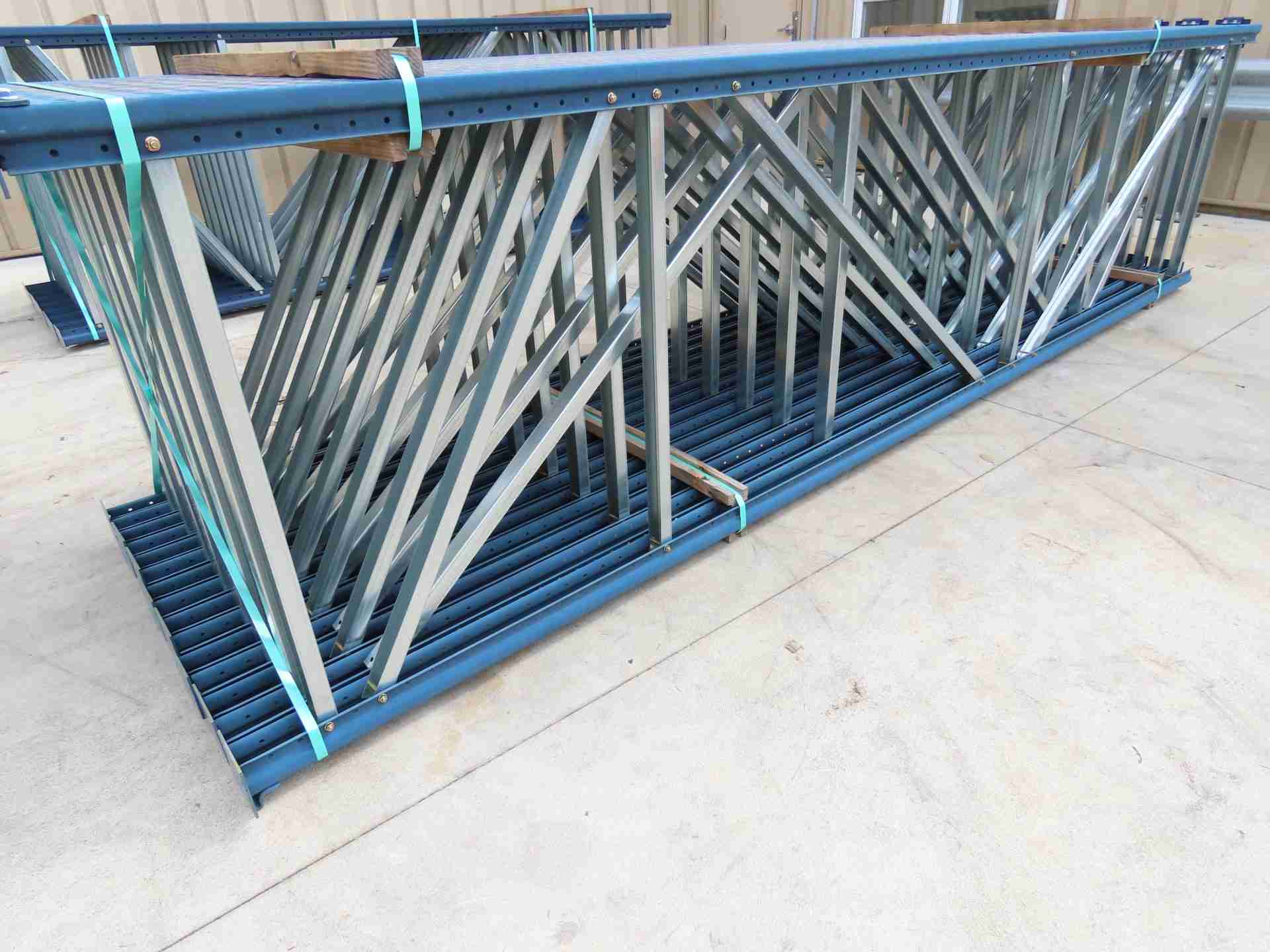
The signs of mismanaged inventory often lurk beneath the surface, manifesting through excessive stock, stockouts, and disorganization. Such issues not only lead to monetary losses but also cultivate an environment of discontent among your team. A well-structured inventory management strategy, complemented by effective pallet racking solutions, can turn your warehouse from chaos into a streamlined hub of productivity, morale, and growth. Imagine your employees moving efficiently through organized aisles, inspired by the effectiveness of their surroundings.
To revolutionize your inventory management, consider implementing advanced technologies like real-time tracking systems and automated inventory solutions. These innovations can transform your logistics into a finely-tuned operation, removing guesswork and ensuring that you are always stocked to meet customer demand. A proactive approach to your inventory—combined with regular auditing and optimally configured pallet racking—can ensure your business operates at peak efficiency.
But the clock is ticking! Every moment spent neglecting your inventory management is a moment lost to inefficiencies that can threaten your sustainability. Don’t let your organization drift further into chaos! Empower your team, streamline your inventory, and fulfill your customers’ expectations with confidence.
Start today by calling Arrow Industrial Sales at (574) 349-6575. Our experts are ready to assist you in identifying your unique inventory challenges and implementing tailored solutions that not only solve existing issues but also prevent future ones. Time is of the essence—tackle your inventory disarray before it spirals into a crisis. Secure your team’s productivity, enhance your customer satisfaction, and safeguard your bottom line today. Let us help you shape your inventory into a powerhouse of efficiency that propels your business to unprecedented heights!
Conclusion
Conclusion:
- Inventory management complexities can lead to significant operational challenges for businesses.
- A disorganized inventory negatively affects employee morale, customer satisfaction, and profitability.
- Common signs of mismanaged inventory include excessive stock, stockouts, and overall disorganization.
- Implementing an effective inventory management strategy and pallet racking solutions enhances productivity.
- Advanced technologies like real-time tracking and automated inventory systems can streamline logistics.
- Proactive inventory strategies, regular audits, and optimal warehouse configurations ensure peak efficiency.
- Contact Arrow Industrial Sales at (574) 349-6575 to address your inventory challenges.
Conclusion
Other Resources

Other Resources
Here is a list of other resources you can review online to learn more:
- Rack Manufacturers Institute
- MHI
- Teardrop Pallet Rack – Ridg-U-Rak
- Selective Racking
- SEMA
- WERC
- Pallet Racking 101: A Comprehensive Guide & Options Explained
- RMI
- Warehouse Racking Layout: The Ultimate Guide – Conger
Use This Prompt To Get More Resources With Your Favorite Online AI Tool: Please provide me with a list of online articles with their URLs in a bulleted list that I can read regarding Are Mismanaged Inventories Driving Your Team to The Brink Of Disaster?

Other Resources
Glossary Terms
Are Mismanaged Inventories Driving Your Team to The Brink Of Disaster? – Glossary Of Terms
1. Inventory: The total stock of goods and materials that a business holds for production, sale, or servicing customers.
2. Mismanagement: Ineffective handling or administration of resources, leading to operational inefficiencies and potential losses.
3. Stockout: A situation where inventory is depleted or unavailable for sale, resulting in missed sales opportunities.
4. Overstocking: Maintaining excess inventory that may lead to increased holding costs and obsolescence.
5. Lead Time: The amount of time it takes for a product to be restocked after an order is placed, crucial for effective inventory planning.
6. Safety Stock: Extra inventory kept on hand to mitigate the risk of stockouts due to demand fluctuations or supply chain disruptions.
7. Turnover Rate: A measure of how often inventory is sold and replaced over a specific period, indicating efficiency in inventory management.
8. Demand Forecasting: The process of estimating future customer demand to optimize inventory levels and avoid over or understocking.
9. Holding Costs: Expenses associated with storing unsold goods, including warehousing, insurance, and depreciation.
10. Just-in-Time (JIT): An inventory management strategy that aims to reduce holding costs by receiving goods only as they are needed in the production process.
11. ABC Analysis: A method of categorizing inventory based on importance, helping businesses prioritize management efforts.
12. Cycle Counting: A periodic inventory auditing procedure that counts a portion of the inventory to ensure accuracy and identify discrepancies.
13. Stock Keeping Unit (SKU): A unique identifier for each distinct product, aiding in tracking and managing inventory.
14. Inventory Audit: A thorough review of stock levels to verify accuracy and assess the financial status of inventory.
15. Shrinkage: The loss of inventory due to factors such as theft, damage, or mismanagement, impacting profit margins.
16. Excess Inventory: Inventory that is not expected to sell at a desired rate, often resulting in increased costs for storage and handling.
17. Demand Variability: Fluctuations in customer demand over time that can complicate inventory management.
18. Perpetual Inventory: A continuous tracking system that provides real-time data on inventory levels, sales, and stock movements.
19. Inventory Management System: Software tools designed to oversee inventory levels, orders, sales, and deliveries to streamline operations.
20. Supply Chain Management (SCM): The coordination of the flow of goods, information, and finances from suppliers to customers, crucial for effective inventory management.
21. Forecast Accuracy: The measure of how closely demand forecasts match actual sales, impacting inventory planning.
22. Obsolete Inventory: Goods that are no longer sellable due to changes in demand, technology, or trends, leading to financial losses.
23. Vendor Managed Inventory (VMI): An inventory management model where the supplier takes responsibility for managing the inventory of their products at the customer’s location.
24. Lead Time Variability: Fluctuations in the time it takes for orders to arrive, affecting planning and inventory levels.
25. Cost of Goods Sold (COGS): The direct costs attributable to the production of goods sold by a company, closely tied to inventory management.
26. Inventory Replenishment: The process of restocking inventory to maintain adequate levels for meeting customer demand.
27. Stock Rotation: A process for ensuring that older inventory is sold before newer stock, reducing the risk of obsolescence.
28. Service Level: A measure of the ability of a business to meet customer demand by having the right products available at the right time.
29. Inventory Turn: A ratio showing how many times a company’s inventory is sold and replaced over a period, useful for assessing efficiency.
30. Backorder: A situation where a customer’s order cannot be filled at the current time due to insufficient inventory, often leading to dissatisfaction.
These terms should give you a comprehensive understanding of inventory management and the potential pitfalls of mismanagement that can lead teams toward disaster.
Glossary Of Terms
Other Questions
Are Mismanaged Inventories Driving Your Team to The Brink Of Disaster? – Other Questions
If you wish to explore and discover more, consider looking for answers to these questions:
- What are the key indicators that my inventory is mismanaged?
- How can I assess the effectiveness of my current inventory management system?
- What specific technologies should I invest in for better inventory management?
- How can I train my team effectively on new inventory systems?
- What are common pitfalls to avoid in inventory management?
- How often should I perform inventory audits, and what should they include?
- What are the best practices for organizing a warehouse layout?
- How can improving inventory management practices enhance customer experience?
- What role does automated inventory management play in organizational efficiency?
- How do supplier relationships impact inventory management?
- What are the long-term benefits of investing in technology for inventory management?
- Can mismanaged inventory lead to legal or compliance issues?
- How do seasonal fluctuations in demand affect inventory management strategies?
- What cost-saving measures can I implement in my inventory management process?
- How can I measure the success of my inventory management initiatives?
Other Questions
Checklist
Are Mismanaged Inventories Driving Your Team to The Brink Of Disaster? – A Checklist
1. Assess Your Current Inventory Management System
_____ Evaluate the design and layout of your pallet racking systems.
_____ Ensure easy access and visibility for all inventory items.
2. Identify Signs of Mismanaged Inventory
_____ Look for excess stock that isn’t moving.
_____ Monitor for frequent stockouts and customer complaints.
_____ Check for disorganization in your inventory area.
_____ Review the accuracy of your inventory data.
3. Implement Proactive Inventory Strategies
_____ Regularly audit inventory levels (monthly or quarterly).
_____ Use advanced inventory management software for real-time tracking.
_____ Optimize pallet racking to maximize storage and efficiency.
4. Foster Employee Engagement and Training
_____ Train your team on the benefits of organized inventory.
_____ Encourage an open culture where employees can suggest improvements.
_____ Recognize and reward efforts that enhance inventory management.
5. Utilize Technology Effectively
_____ Invest in barcode and RFID systems to minimize human error.
_____ Use cloud-based software for flexible access to inventory data.
_____ Implement analytics tools for forecasting demands effectively.
6. Strengthen Supplier Relationships
_____ Regularly communicate with suppliers about stock levels and lead times.
_____ Establish collaborative processes to avoid stockouts and overstock situations.
7. Monitor and Improve Customer Satisfaction
_____ Collect customer feedback on product availability and satisfaction.
_____ Ensure reliable inventory levels to enhance customer experience.
8. Regularly Review and Adjust Strategies
_____ Schedule periodic reviews of inventory practices and performance.
_____ Adjust strategies according to market changes and business growth.
9. Invest in Continuous Improvement
_____ Stay updated on inventory management best practices and technology.
_____ Encourage a culture of continuous improvement within your team.
By following this checklist, you can transform any potential inventory chaos into organized efficiency, ensuring your team is equipped to meet the challenges of a fast-paced business environment.

Checklist
At RackingWorld, we help guide you through selecting warehouse storage systems and racking.
Be sure to read our other related stories at RackingWorld to learn more about warehouse storage systems.
0 Comments