
Unlocking The Potential Of Modern Warehouse Storage Tactics
By Tom Seest
At RackingWorld, we help guide you through selecting warehouse storage systems and racking.
Be sure to read our other related stories at RackingWorld to learn more about warehouse storage systems.
Are Conventional Warehouse Storage Methods Holding You Back?
Let’s face it: in the fast-paced world of logistics and fulfillment, outdated storage methods could be your greatest hurdle. Conventional pallet racking systems—while once the gold standard—may now resemble a well-worn pair of shoes: comfortable, familiar, but they no longer take you where you need to go. Have you found yourself squeezed in between rows of towering racks, feeling more claustrophobic than efficient? You’re not alone.
Many warehouse operators cling to traditional storage methods like a lifeline, but these systems can contribute to bottlenecks that slow down operations and eat away at your bottom line. Imagine navigating through a labyrinth of pallet racking that hasn’t kept pace with your growing inventory demands. When chaos reigns, it’s not just about space; it’s about lost time, frustrated workers, and missed opportunities to optimize your workflow. Ask yourself: Is this really the best we can do?
But what if there’s a better way? Embracing modern storage solutions allows you to break free from the chains of convention. Innovative systems tailored to your specific needs can transform your warehouse from a bottleneck into a streamlined operation. Adaptive pallet racking, for instance, optimizes space and improves accessibility, making your product inventory a breeze to manage. Your storage setup shouldn’t just store goods; it should enhance your growth objectives and operational efficiency.
This isn’t just about making changes for the sake of change. It’s about empowering your workforce with effective tools to do their jobs better, fostering a culture of productivity and agility. When your team isn’t struggling against a sea of clutter and inefficiency, they can focus on what really matters: serving customers and driving revenue.
So, take a moment to evaluate your current storage methods. Are they protecting your profits or holding you back? It’s time to invest in a storage strategy that serves your vision and drives your success. The right pallet racking system can breathe new life into your warehouse, liberating both space and potential. Don’t just play the game—redefine it. Your future self will thank you for it. Remember, warehouse solutions that adapt to your growth are not just smart—they’re essential. Make the leap today, and watch your operations soar.
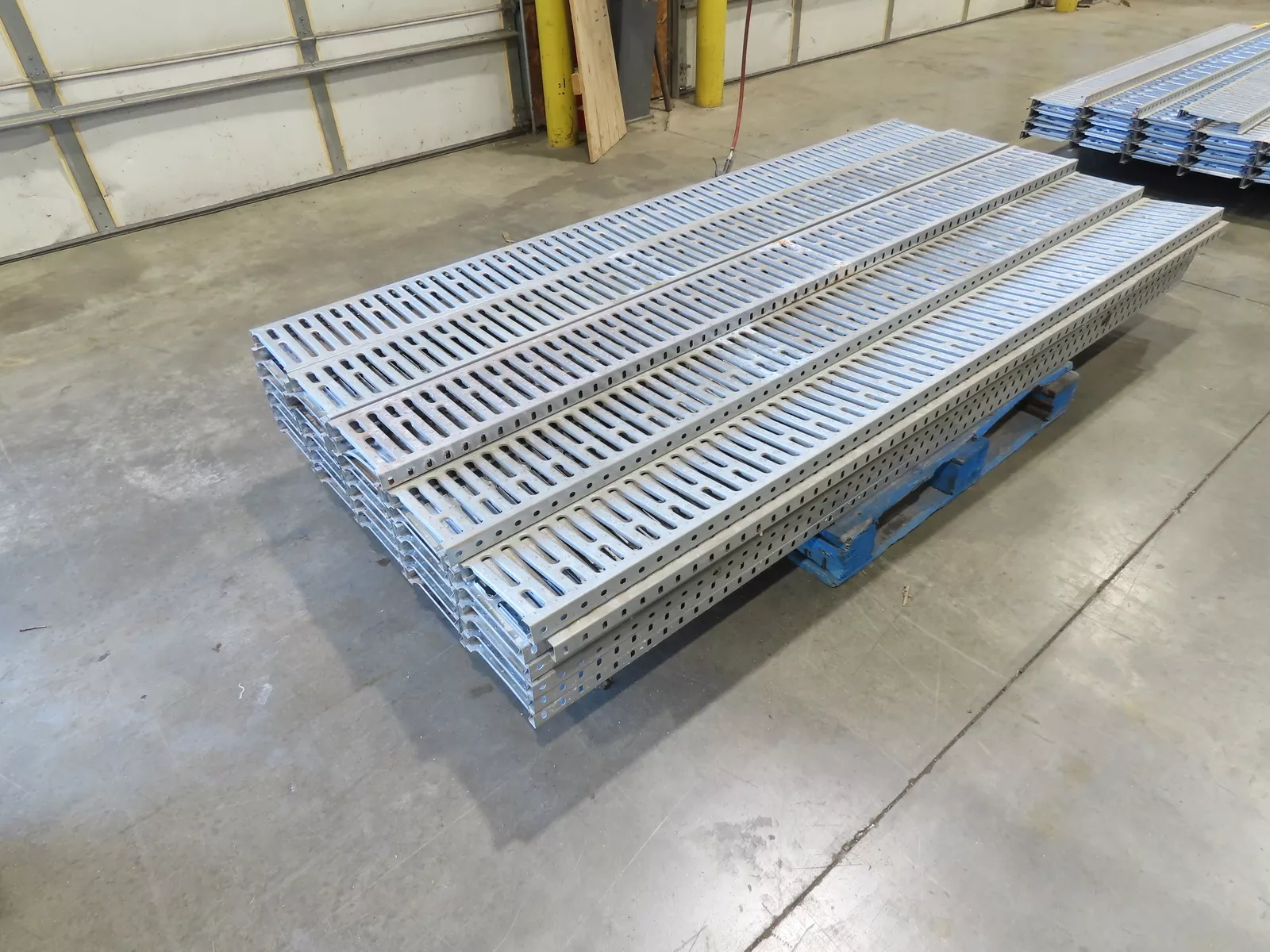
Are Conventional Warehouse Storage Methods Holding You Back?
Are Conventional Warehouse Storage Methods Holding You Back?
- Outdated storage methods can hinder efficiency in logistics and fulfillment.
- Conventional pallet racking systems may create bottlenecks and slow down operations.
- Traditional storage methods contribute to spatial inefficiencies and lost time.
- Embracing modern storage solutions can transform warehouses from bottlenecks to streamlined operations.
- Adaptive pallet racking can optimize space and improve accessibility for better inventory management.
- Investing in effective storage strategies can empower the workforce and enhance productivity.
- Warehouse solutions that adapt to growth are essential for driving success and operational efficiency.

Are Conventional Warehouse Storage Methods Holding You Back?
Table Of Contents
- Are Conventional Warehouse Storage Methods Holding You Back?
- Is Your Warehouse Space Being Utilized Efficiently?
- Are You Struggling With Inventory Management?
- Do Outdated Storage Systems Slow Down Your Operations?
- How Can You Reduce Overhead Costs In Your Warehouse?
- Are Your Employees Facing Safety Issues In Conventional Setups?
- Is Your Current Storage Solution Adaptable To Changing Needs?
- Conclusion
- Other Resources
- Glossary Of Terms
- Other Questions
- Checklist
Is Your Warehouse Space Being Utilized Efficiently?
In the bustling confines of your warehouse, every square foot matters immensely. Imagine what you could achieve if your space was not just a holding area, but a well-oiled machine—an energizing hub that propels your business forward. Are you confident that your warehouse is doing everything it can to support your goals?
First, let’s talk about pallet racking. It’s not just a storage solution; it’s the backbone of effective warehouse management. Properly designed pallet racking maximizes vertical space, allowing you to store more while reducing clutter. Think about it: does your existing setup allow for smooth operations, or does chaos reign supreme? If you find yourself struggling to locate goods or tripping over disorganized inventory, it’s time to reassess your layout.
But it’s not only about the physical structures—the efficiency of human interaction within that space is crucial. When conflicts arise over equipment and pathways, or when employees are slowed down by unnecessary obstacles, productivity plummets. Why not take a close look at how your staff navigates their daily tasks? Are they empowered to work efficiently, or are they wrestling with inefficiencies?
Now, let’s delve into the numbers. Inventory turnover and storage costs are key performance indicators that can reveal a lot about your warehouse’s performance. Too often, businesses are oblivious to the silent erosion of profits caused by underutilized spaces. By harnessing effective pallet racking strategies, you might discover unlocked potential and resources that you didn’t know you had.
Think of the ripple effects—more efficient use of space means reduced operational costs, enhanced employee morale, and ultimately, happier customers. When your team can find what they need swiftly, orders are fulfilled faster, and your bottom line thrives.
So, what can you do today? Start with a warehouse audit. Invite your team to provide insights; their boots-on-the-ground knowledge is invaluable. A fresh set of eyes can reveal inefficiencies that have simply become a part of the scenery.
In a competitive landscape, more than half-hearted efforts won’t suffice. Resolving to optimize your warehouse is not just an operational choice; it is a strategic stepping stone towards greater profitability. Make the investment in your space—it’s not just about storing goods; it’s about building a legacy of efficiency and excellence. Start now and transform your warehouse into a powerhouse of productivity!

Is Your Warehouse Space Being Utilized Efficiently?
Is Your Warehouse Space Being Utilized Efficiently?
- Every square foot in a warehouse is crucial for operational efficiency.
- Properly designed pallet racking maximizes vertical space and reduces clutter.
- Assess your warehouse layout for smooth operations versus chaos.
- Human interaction efficiency is vital; conflicts can diminish productivity.
- Key performance indicators like inventory turnover reveal profit erosion from underutilization.
- Improving space usage leads to reduced costs, improved employee morale, and happier customers.
- Conduct a warehouse audit with team insights to identify inefficiencies and optimize processes.
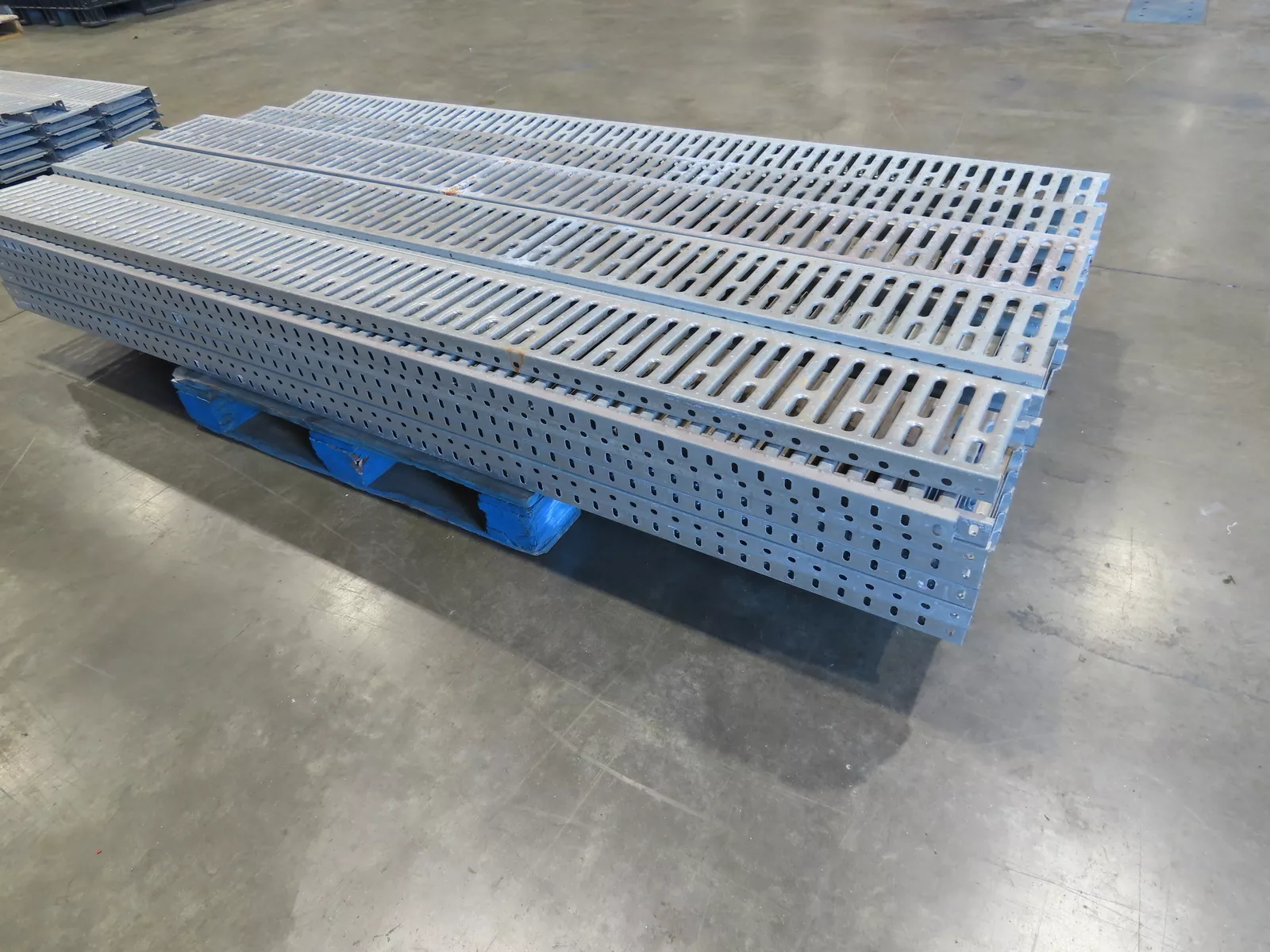
Is Your Warehouse Space Being Utilized Efficiently?
Are You Struggling With Inventory Management?
If managing your inventory feels like navigating a labyrinth, you’re far from alone. Many businesses find themselves buried under piles of goods, uncertain about what they have and how to maximize their space. The old adage, “Out of sight, out of mind,” rings painfully true in the world of inventory management. But the good news? You can reclaim your time and sanity, and it starts with a solid strategy that utilizes tools like pallet racking.
Imagine walking into your warehouse and having instant clarity. No more frantically searching for that elusive product just to meet a customer’s demand. Picture everything neatly organized, each item easy to access, and your workflow streamlined. With the right pallet racking system, you can transform your warehouse from a chaotic mess into a model of efficiency.
Pallet racking isn’t just about storing items; it’s about structuring your space to work for you. Think about it: every inch of your warehouse is valuable real estate. By optimizing your inventory layout with adjustable pallet racking, you can maximize vertical space, reduce aisle congestion, and easily monitor your inventory levels. Your team can move faster, serve customers better, and ultimately boost your bottom line.
Now, let’s get personal for a moment. Have you ever felt the frustration of missing stock or over-ordering because you simply couldn’t find what you needed? Or the embarrassment of late shipments because your inventory was in utter disarray? It’s a touchpoint we can all relate to, and it’s why investing in smart inventory management solutions isn’t just a choice; it’s a necessity.
As you explore options for refining your inventory system, remember that the key to success lies in adopting a solution tailored to your specific needs. Consult with inventory management experts who can guide you through the maze and help you implement a pallet racking setup that aligns with your operational goals.
When you take control of your inventory, you’ll not only reduce stress but also elevate your customer experience. So, let go of the chaos—embrace an organized, efficient approach. Start now, and watch how your operations transform, your employees thrive, and your customers come back time and time again. It’s time to conquer inventory management once and for all. Don’t you deserve that?
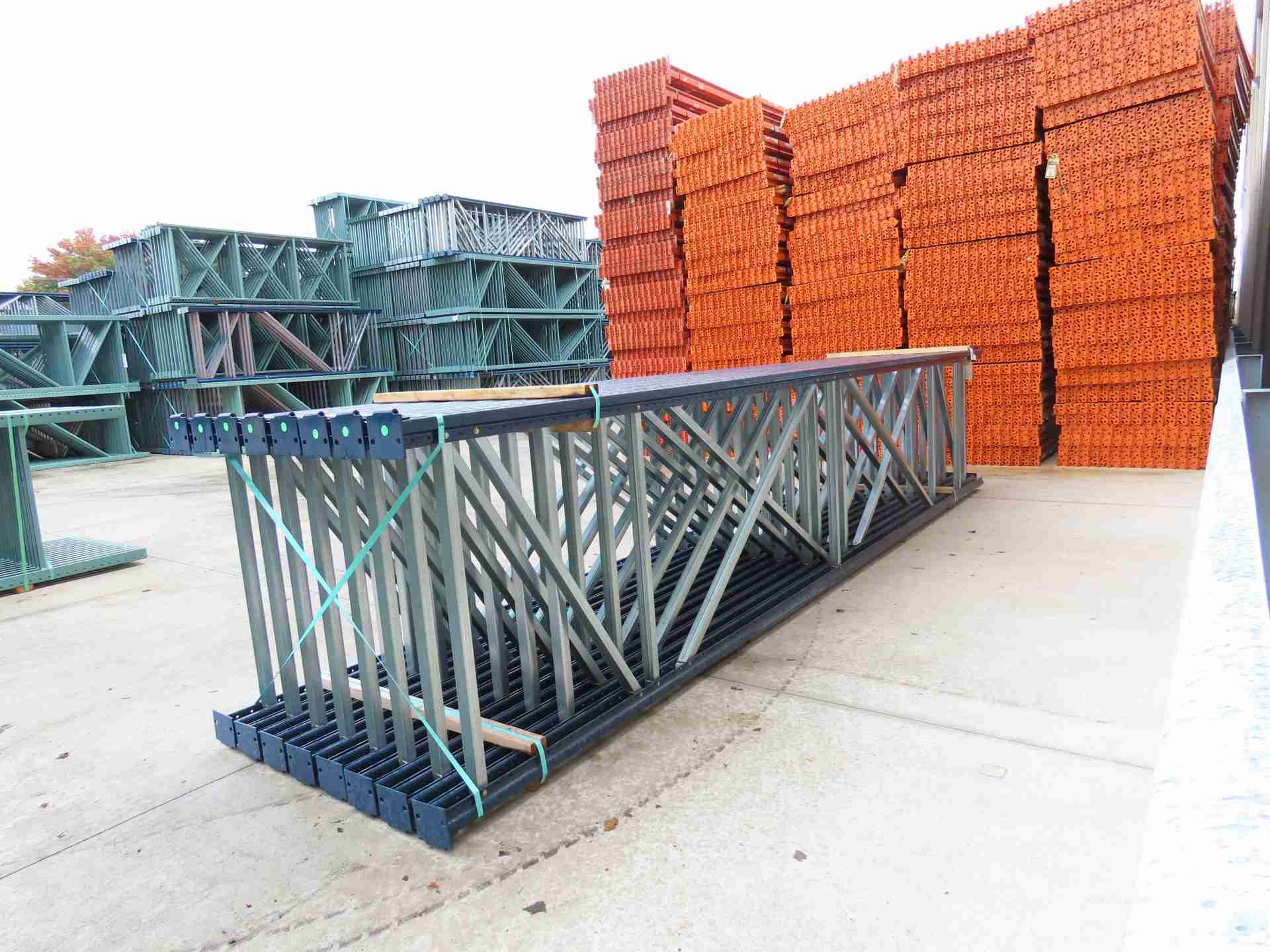
Are You Struggling With Inventory Management?
Are You Struggling With Inventory Management?
- Many businesses struggle with inventory management, often leading to confusion and disorganization.
- The phrase “Out of sight, out of mind” highlights the challenges faced when managing stock.
- Implementing a solid inventory strategy, such as using pallet racking, can drastically improve organization.
- Efficient pallet racking systems allow for better accessibility, reducing time spent searching for items.
- Utilizing vertical space with adjustable pallet racking optimizes your warehouse layout and decreases congestion.
- Investing in tailored inventory management solutions can help avoid issues like stock shortages and late shipments.
- Taking control of your inventory will enhance customer experiences and improve operational efficiency.
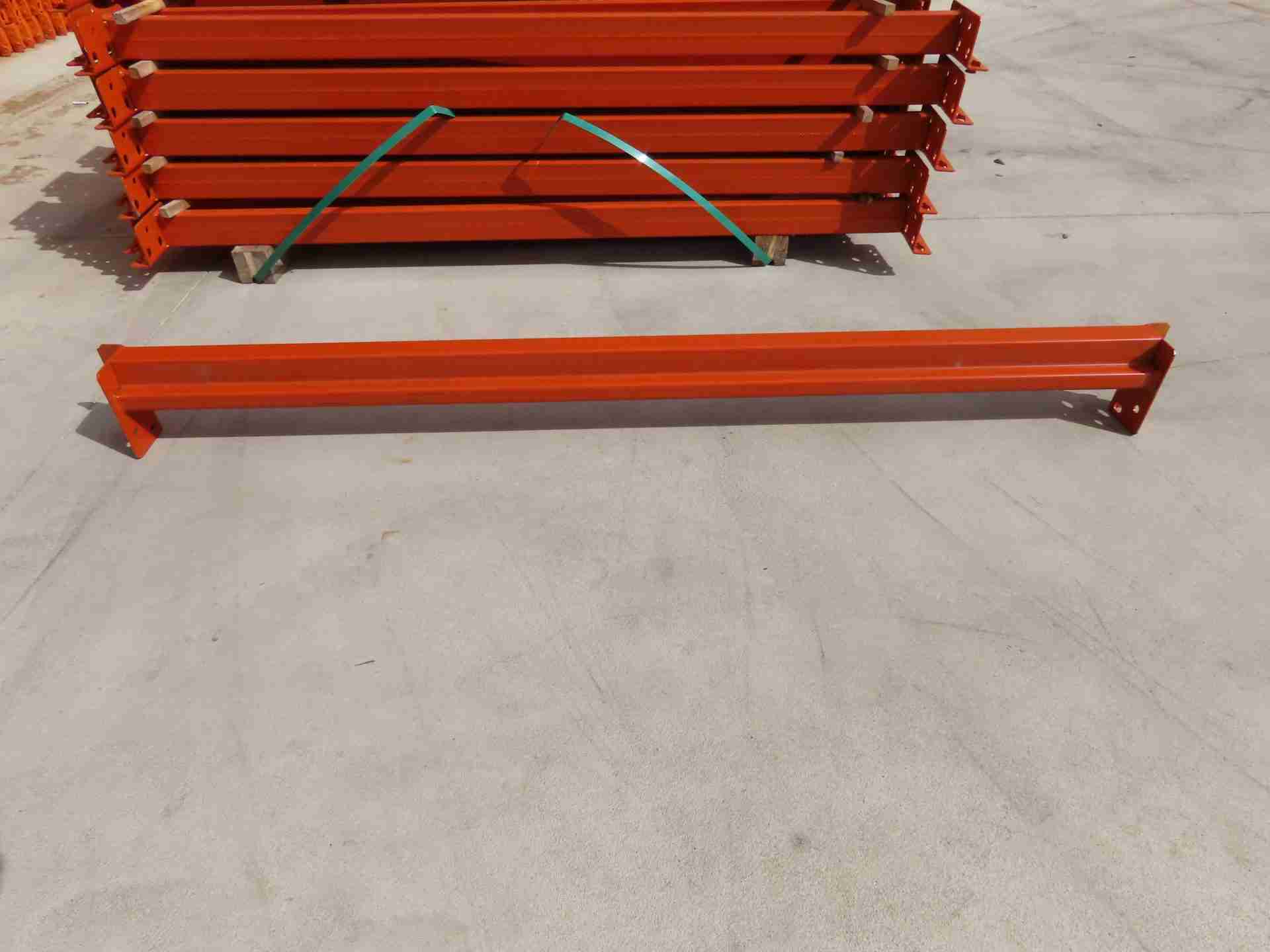
Are You Struggling With Inventory Management?
Do Outdated Storage Systems Slow Down Your Operations?
Picture this: It’s a bustling Monday morning at your warehouse, and your team is gearing up to meet the week’s demands. Orders are pouring in, each one promising to keep the business thriving. But as your staff races to fulfill these orders, they’re met with a frustrating roadblock—outdated storage systems. This isn’t just a hassle; it’s a bottleneck that can lead to delays, errors, and ultimately, unhappy customers.
Let’s talk about pallet racking. These systems are more than just a means to stack your products; they’re the backbone of your storage efficiency. Imagine a well-organized pallet racking system where every item has its place, where forklifts glide through aisles as if on autopilot, and where your team can locate inventory with ease. Now, contrast this with an outdated system rife with disorganization, inefficiencies, and even safety hazards. Which environment do you think will not only boost morale but also enhance productivity?
The truth is, outdated storage solutions can slow operations down to a crawl, eroding your bottom line one misplaced item at a time. When your logistics are streamlined, your business flows seamlessly, allowing you to focus on what truly matters—serving your customers and scaling your operations.
Investing in modern pallet racking systems doesn’t just mean an upgrade in your physical space; it translates to enhanced workflow, reduced downtime, and a noticeable boost in overall productivity. It’s about equipping your business with the tools that facilitate growth and adaptability in an ever-evolving market.
Now, you may wonder if it’s worth the investment. Ask yourself: can your business afford the cost of continued inefficiency? The answer is simple: embracing innovation in your storage solutions is not merely an option; it’s a necessity. Those who cling to the past often find themselves drowned by competitors who have embraced modern systems.
Are you ready to overcome the hurdles of outdated storage? It’s time to take action! Don’t let old practices dictate your potential. Reach out today to explore how you can revamp your pallet racking systems and drive your operations toward greater heights. Trust us—your future self (and your customers) will thank you.
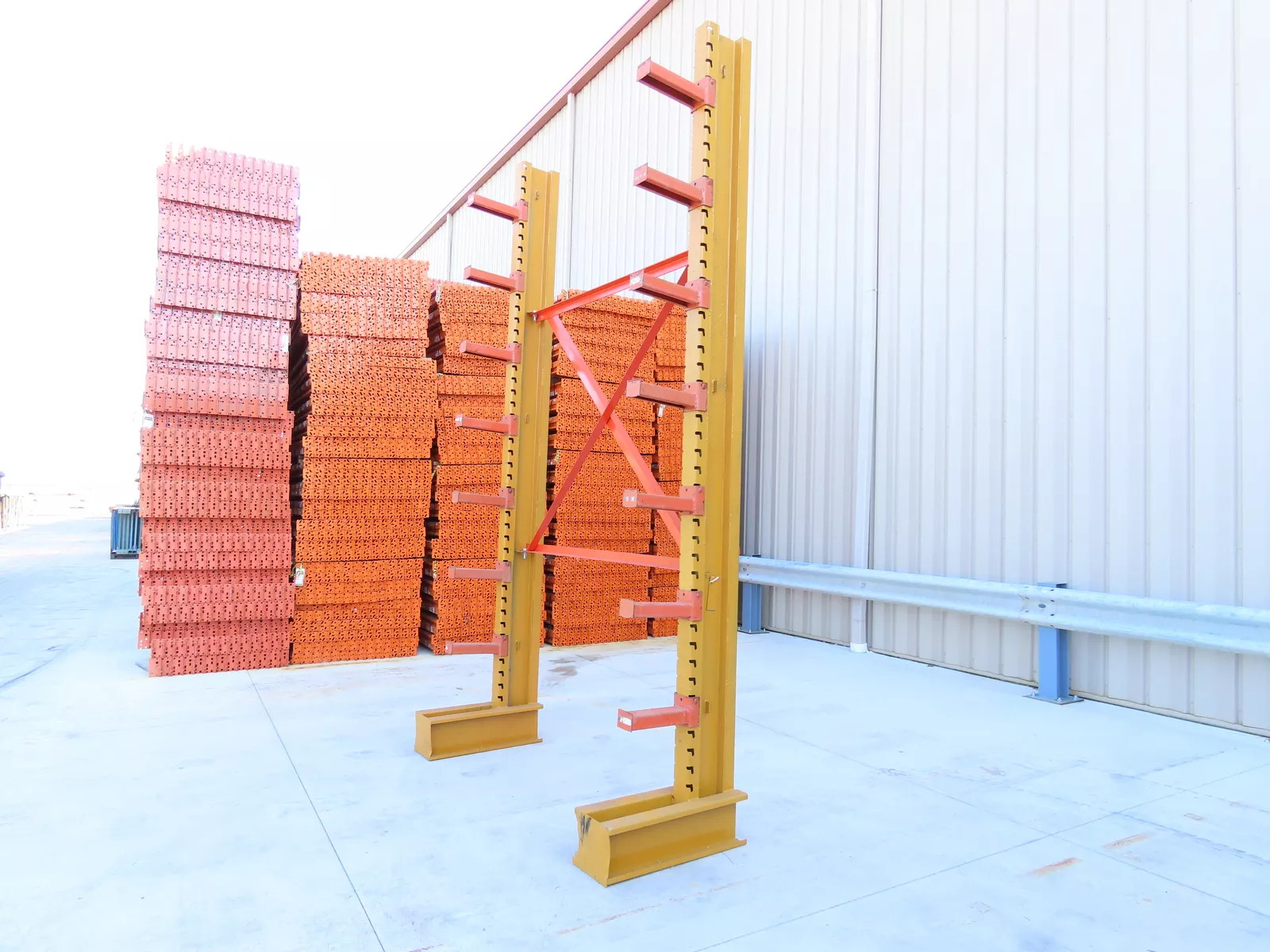
Do Outdated Storage Systems Slow Down Your Operations?
Do Outdated Storage Systems Slow Down Your Operations?
- Monday mornings in warehouses are busy with high order demand.
- Outdated storage systems create bottlenecks, leading to delays and unhappy customers.
- Modern pallet racking systems enhance storage efficiency and organization.
- An organized system allows for smooth operations and easy inventory location.
- Investing in new pallet racking translates to improved workflow and productivity.
- Innovation in storage solutions is essential to stay competitive in the market.
- Taking action to revamp your storage systems can lead to better outcomes for your business.

Do Outdated Storage Systems Slow Down Your Operations?
How Can You Reduce Overhead Costs In Your Warehouse?
In today’s fast-paced market, every dollar counts, especially when it comes to managing your warehouse operations. Reducing overhead costs is not just about slashing budgets; it’s about smart strategies that drive efficiency and profitability. So, where do we start?
First, let’s talk about the power of *Pallet Racking*. This isn’t just about storing goods; it’s about optimizing your space. Think of your warehouse as a puzzle, where each piece must fit perfectly to minimize wasted resources. By investing in high-quality pallet racking systems, you can utilize vertical space like never before. This not only maximizes your storage capacity but also decreases the time employees spend looking for products. With the right setup, you can increase warehouse throughput, meaning more products getting out the door faster — all while keeping costs down.
Next, consider your workforce. They are your greatest asset but can also be a substantial source of overhead if not managed well. Implementing effective training programs can significantly boost productivity, allowing your team to maneuver through the warehouse like seasoned pros. Streamlined processes, paired with motivated employees, lead to less downtime and more efficient operations.
Another area to assess is technology. Are you leveraging tools and software that track inventory in real time? This isn’t just a fancy extra; it’s an essential element for reducing overhead. Automated inventory management systems minimize human error, cut unnecessary labor costs, and help maintain optimal stock levels.
Furthermore, don’t underestimate the power of regular audits. Understanding where your expenses are coming from gives you the power to make informed decisions. Are there items sitting idle on your shelves? Get rid of them! Inventory that isn’t moving is money tied up that could be used elsewhere.
Finally, embrace partnerships with reliable suppliers. Building strong relationships can lead to better pricing strategies, bulk discounts, and more efficient deliveries. This not only lowers your costs but can also foster a greater sense of community within your operational network.
Reducing overhead costs in your warehouse doesn’t have to be an insurmountable challenge. With thoughtful planning, efficient systems like pallet racking, and a focus on workforce optimization, you can transform your overhead into streamlined savings. Ultimately, the goal is to create a warehouse that isn’t just functional — it’s a dynamic hub of productivity and profitability waiting to elevate your business to new heights.
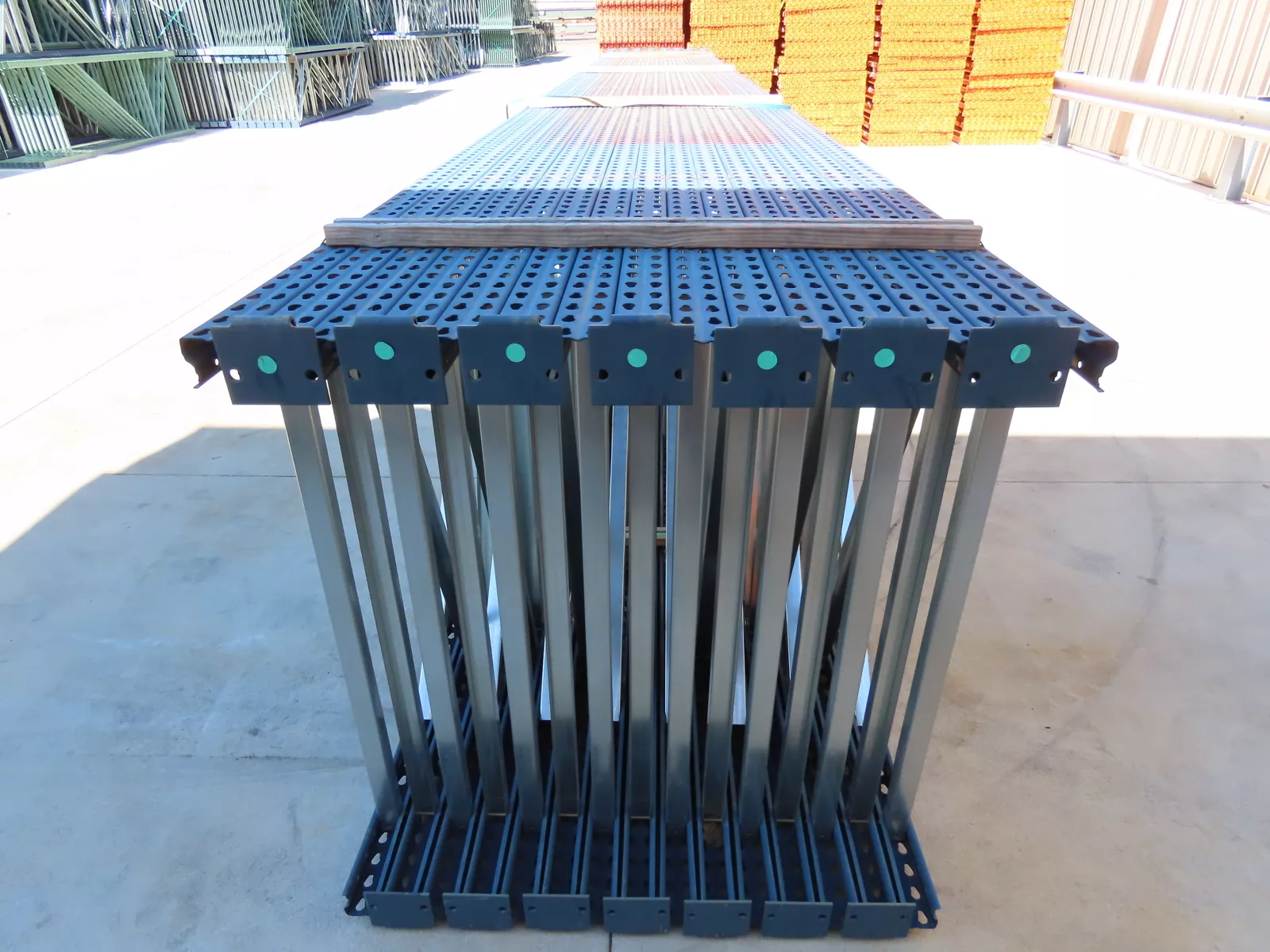
How Can You Reduce Overhead Costs In Your Warehouse?
How Can You Reduce Overhead Costs In Your Warehouse?
- Every dollar counts in managing warehouse operations and reducing overhead costs.
- Investing in high-quality *Pallet Racking* optimizes space and increases storage capacity.
- Effective training programs for the workforce boost productivity and efficiency.
- Leveraging technology with real-time inventory tracking minimizes errors and labor costs.
- Regular audits help identify and eliminate idle inventory, freeing up cash flow.
- Building partnerships with reliable suppliers leads to better pricing and efficient deliveries.
- With thoughtful planning and optimized systems, warehouses can transform overhead into savings and enhanced productivity.
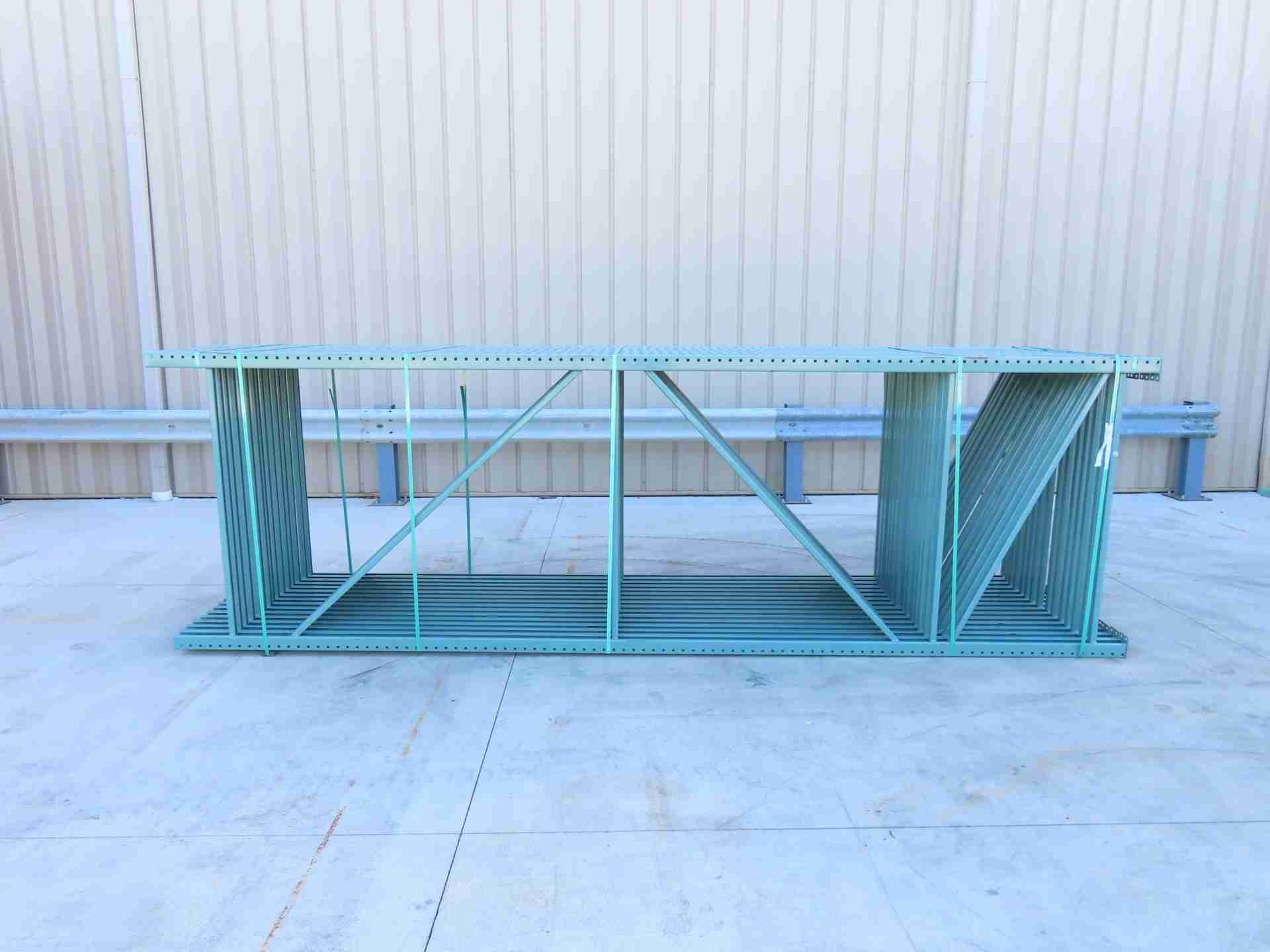
How Can You Reduce Overhead Costs In Your Warehouse?
Are Your Employees Facing Safety Issues In Conventional Setups?
When it comes to the heart of your operations, nothing is more crucial than ensuring a safe environment for your employees. But let’s be honest—if your workspace relies on conventional setups, it might be time to take a hard look at your pallet racking systems and overall safety protocols.
Picture this: A bustling warehouse filled with hardworking employees, each committed to keeping the wheels of your business turning. Amidst the hustle, however, are hidden risks that can turn an ordinary day into a catastrophe. Are your pallet racking structures installed securely? Are they designed to withstand not just the weight of the inventory, but also the everyday bumps and bruises of a fast-paced environment? When safety takes a back seat, it’s only a matter of time before accidents happen—and the aftermath can be devastating for both employees and your bottom line.
It’s not just about compliance with safety regulations; it’s about cultivating a culture of care within your organization. When employees feel valued and know their safety is a priority, they are more engaged and productive. Investing in robust pallet racking systems is an essential step to foster this culture. Well-designed pallet racking can minimize hazards, simplifying how goods are stored and retrieved while reducing the risk of injuries.
Imagine a workplace where employees confidently navigate the aisles, where the right moves are instinctual, and where the environment inspires inherently safe behaviors. Investing in the right pallet racking solutions not only protects your team but also propels your business forward. Plus, with the right implementation, you could see a noteworthy reduction in downtime related to accidents—a win-win that enhances both safety and efficiency.
Choose to be proactive rather than reactive. Review your workspace today. Are your pallet racking systems up to par? Is your safety training comprehensive and easily accessible? Engage your employees in the conversation. Their insights can be invaluable in pinpointing potential risks and creating a safer environment.
When it comes to safety, there’s no room for complacency. Trust yourself to make changes that matter. Your employees deserve it, and so does your business. Take action now and create the safe, efficient work environment your team can thrive in—because every day should start and end with your employees stepping into a safe haven.
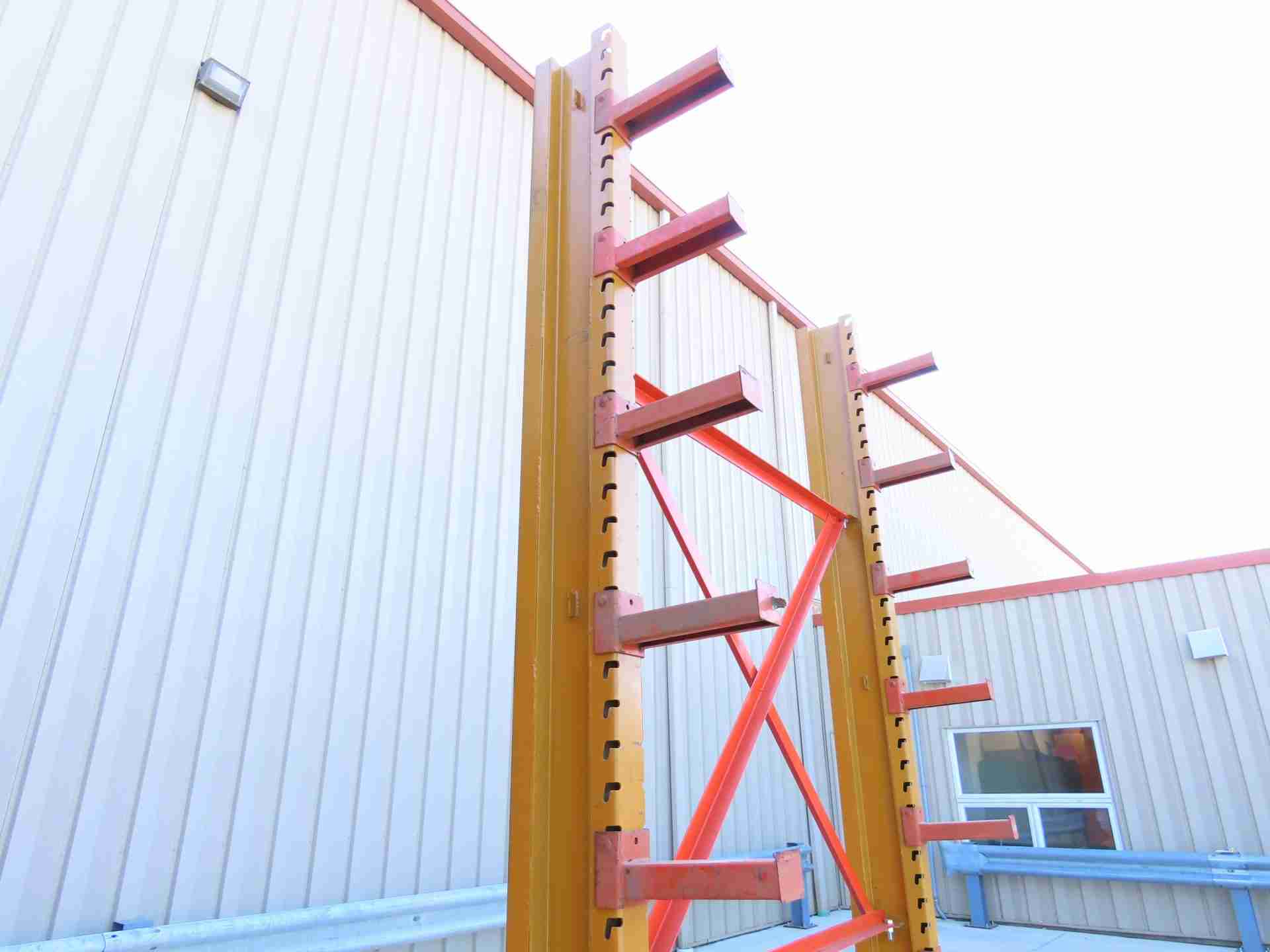
Are Your Employees Facing Safety Issues In Conventional Setups?
Are Your Employees Facing Safety Issues In Conventional Setups?
- Ensuring a safe environment for employees is crucial for operational success.
- Conventional pallet racking setups may be inadequately meeting safety standards.
- Hidden risks in busy warehouses can lead to significant accidents and financial loss.
- Prioritizing safety breeds a culture of care, which enhances employee engagement and productivity.
- Investing in robust pallet racking systems reduces hazards and simplifies storage and retrieval processes.
- Proactive safety measures can decrease downtime due to accidents, benefiting both safety and efficiency.
- Engaging employees in safety discussions can help uncover risks and improve workplace safety.
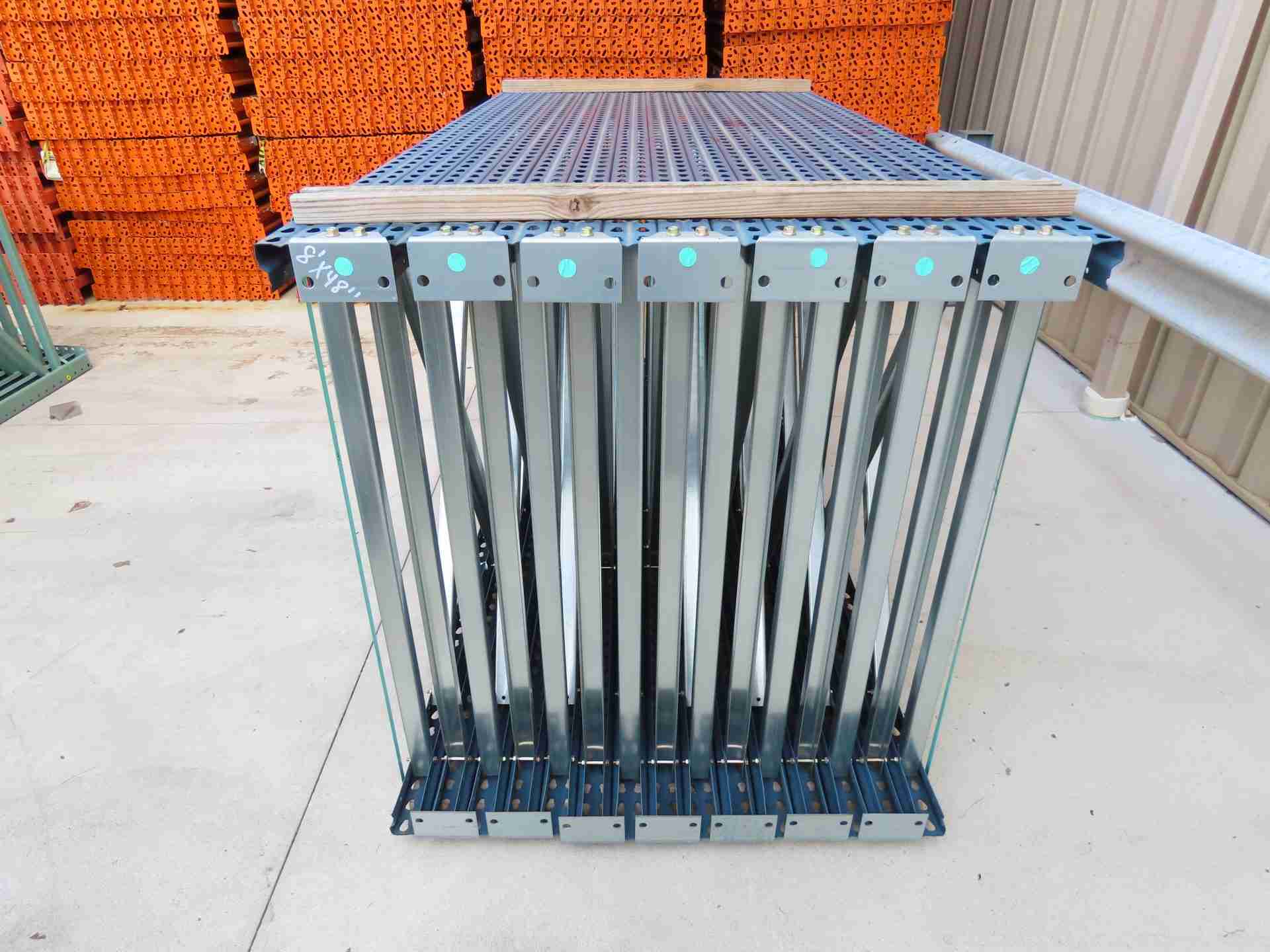
Are Your Employees Facing Safety Issues In Conventional Setups?
Is Your Current Storage Solution Adaptable To Changing Needs?
In today’s fast-paced business environment, adaptability isn’t just a luxury—it’s a necessity. Imagine your operations as a living organism, constantly reacting to the ever-evolving marketplace, customer demands, and even internal changes. Now, think about your current storage solution. Is it flexible enough to keep pace, or is it an anchor weighing your organization down?
Let’s talk about pallet racking for a moment. While it might seem like just another storage option, a properly designed pallet racking system can become the backbone of your operation. It’s not just a framework—it’s a foundation for growth. You see, the right storage system doesn’t just hold your goods; it should be a vehicle that propels your business forward.
Picture this scenario: It’s Q3, and you’re experiencing a surge in orders. The demand is massive, and you find yourself scrambling to fulfill your commitments. If your storage solution is static, you are already several steps behind. But imagine a pallet racking system that allows you to easily adjust configurations, add levels, or even reallocate space for new product lines—now that’s investment worth making.
Flexibility is key. Your business is bound to change—new products will emerge, or perhaps an unexpected market shift will occur. Whatever the case, your storage solution should evolve along with you. When you invest in a dynamic pallet racking system, you’re saying yes to innovation, yes to efficiency, and yes to a future where your operations can pivot effortlessly.
Moreover, security and organization are vital. An adaptable pallet racking system doesn’t just enhance your storage capabilities; it streamlines your processes. The right setup minimizes wasted time and maximizes productivity, transforming a cluttered warehouse into a well-oiled machine. Picture your team moving efficiently, all thanks to an intelligent storage system that meets their changing needs.
So take a moment to evaluate your current solution. Is it holding you back? Are you stretching it to its limits, or—and this is crucial—does it inspire confidence that you can scale and adapt as your business grows? One thing is certain: by choosing a flexible storage system, you’re not just upgrading your storage; you’re investing in the future of your business. Embrace change, and see how a simple pallet racking transformation can lead to extraordinary outcomes.

Is Your Current Storage Solution Adaptable To Changing Needs?
Is Your Current Storage Solution Adaptable To Changing Needs?
- Adaptability is essential in today’s fast-paced business environment.
- Storage solutions should be flexible to keep up with market changes and customer demands.
- A well-designed pallet racking system serves as a foundation for business growth.
- Dynamic pallet racking allows for easy adjustments in configuration and space allocation.
- Investing in versatile storage systems promotes innovation and operational efficiency.
- Security and organization are enhanced, streamlining processes and maximizing productivity.
- Evaluate your current storage solution to ensure it supports future growth and adaptability.
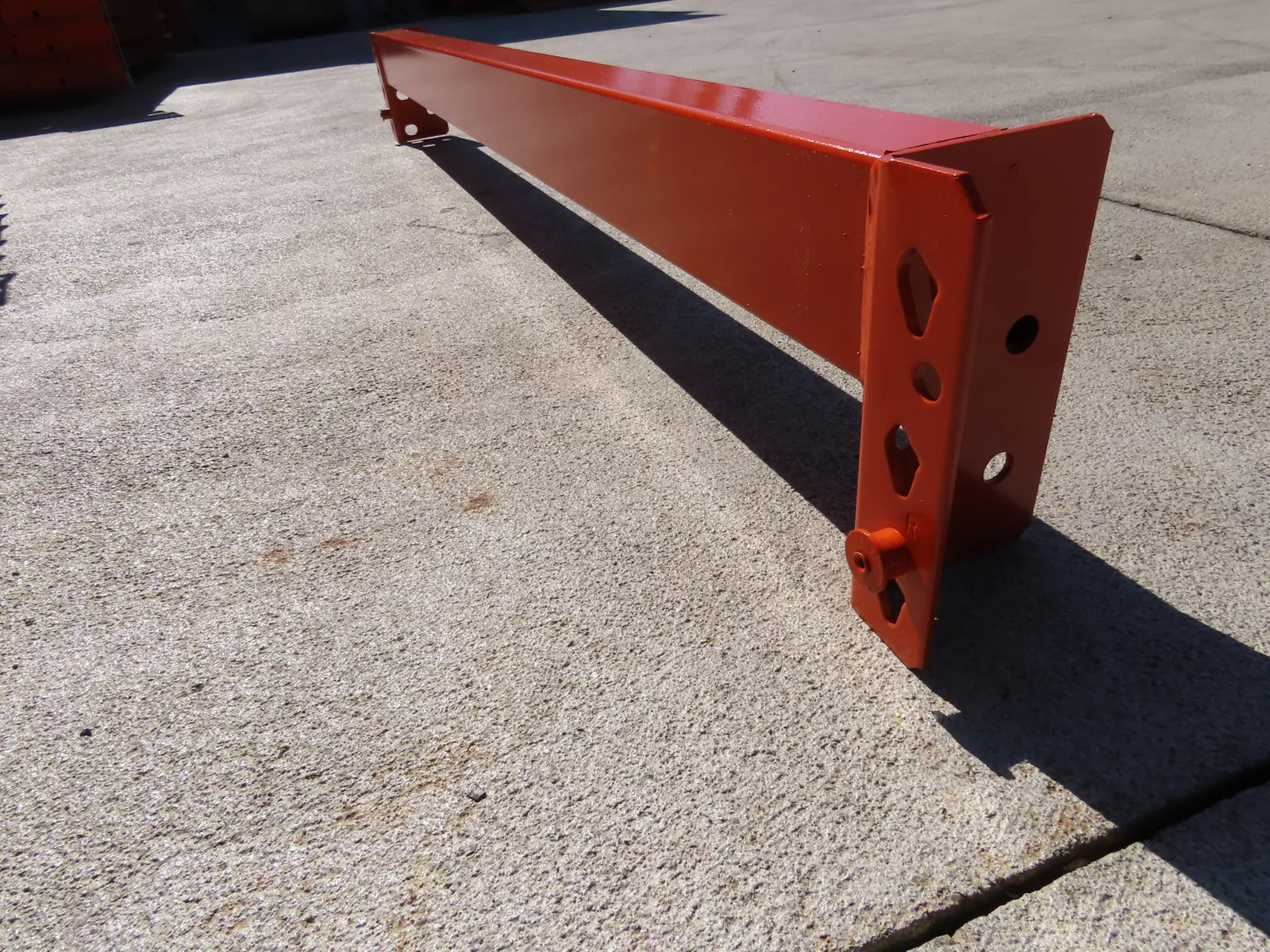
Is Your Current Storage Solution Adaptable To Changing Needs?
Conclusion
As you reach the end of this exploration into the pivotal role of modern warehouse storage systems, it’s clear that sticking with outdated, conventional methods may be stifling your operational potential. Yes, traditional pallet racking systems have served us in the past, but in today’s fast-paced logistics landscape, they may very well serve as an anchor weighing you down rather than propelling you forward. Picture this: a warehouse space transformed from a chaotic maze into a powerhouse of productivity, where every square foot is utilized to its maximum potential, and your inventory is managed seamlessly.
The pressing questions remain: Are your current storage solutions creating bottlenecks? Are they yielding inefficiencies that cost you time and profits? If you find yourself grappling with disorganized inventory and frustrated employees, it’s high time to take action. The good news is that modern storage tactics—like adaptive pallet racking—can turn your warehouse into a streamlined hub that not only meets your growing inventory demands but also energizes your workforce to fulfill orders efficiently and effectively.
The time for complacency is long gone. It’s not just about upgrading space; it’s about meeting your business’s changing needs with agility and precision. Today’s market requires you to be nimble, responsive, and equipped for growth. By adopting innovative storage strategies, you’re not only enhancing workflows but creating a culture of safety and efficiency in your operations.
Let us not forget the urgency of the moment—every day you delay may cost you valuable competitive ground. Reach out to Arrow Industrial Sales at (574) 349-6575—your gateway to expert guidance on transforming your warehouse operations. Our team is ready to work with you to design a solution tailored to your specific needs. Now is not the time to wait for change to force your hand; rather, seize the opportunity to redefine your storage capabilities today.
In conclusion, investing in modern pallet racking isn’t merely an operational decision; it’s a strategic imperative that will shape the future of your business. Unlock potential, enhance efficiency, and drive profitability. Don’t let outdated systems dictate your trajectory—take charge of your warehouse space and propel your business toward a prosperous future. Your success story starts with a single step—make it today!
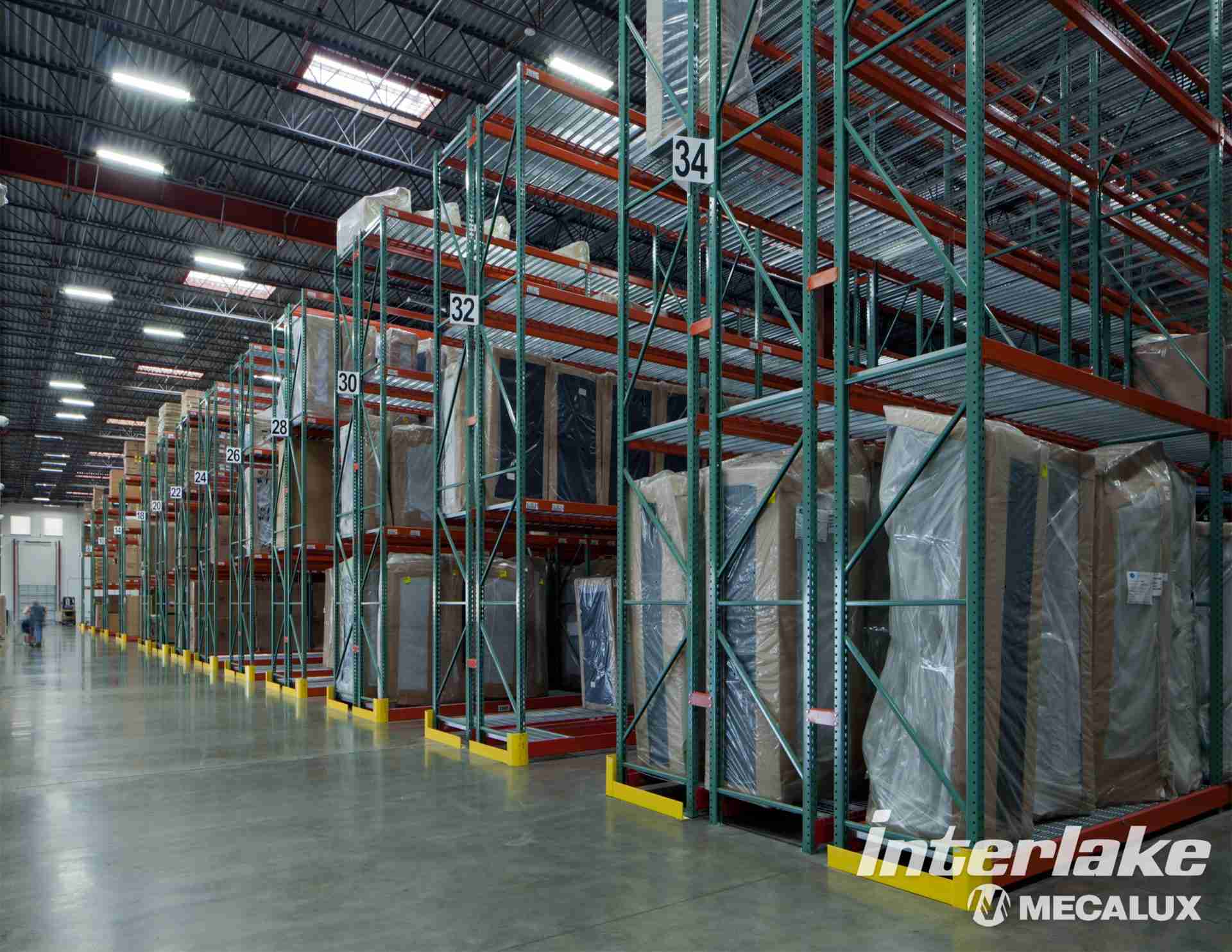
Conclusion
Conclusion:
- Modern warehouse storage systems are crucial for operational potential, moving away from outdated methods.
- Traditional pallet racking may hinder productivity in today’s fast-paced logistics environment.
- Evaluate if current storage solutions are causing bottlenecks and inefficiencies hurting time and profits.
- Modern storage tactics, like adaptive pallet racking, can streamline operations and improve inventory management.
- Agility and precision in storage solutions are vital to meet changing business needs and support growth.
- Delay in upgrading systems risks losing competitive advantage; prompt action is essential.
- Investing in modern pallet racking transforms not just operations but shapes the strategic future of the business.
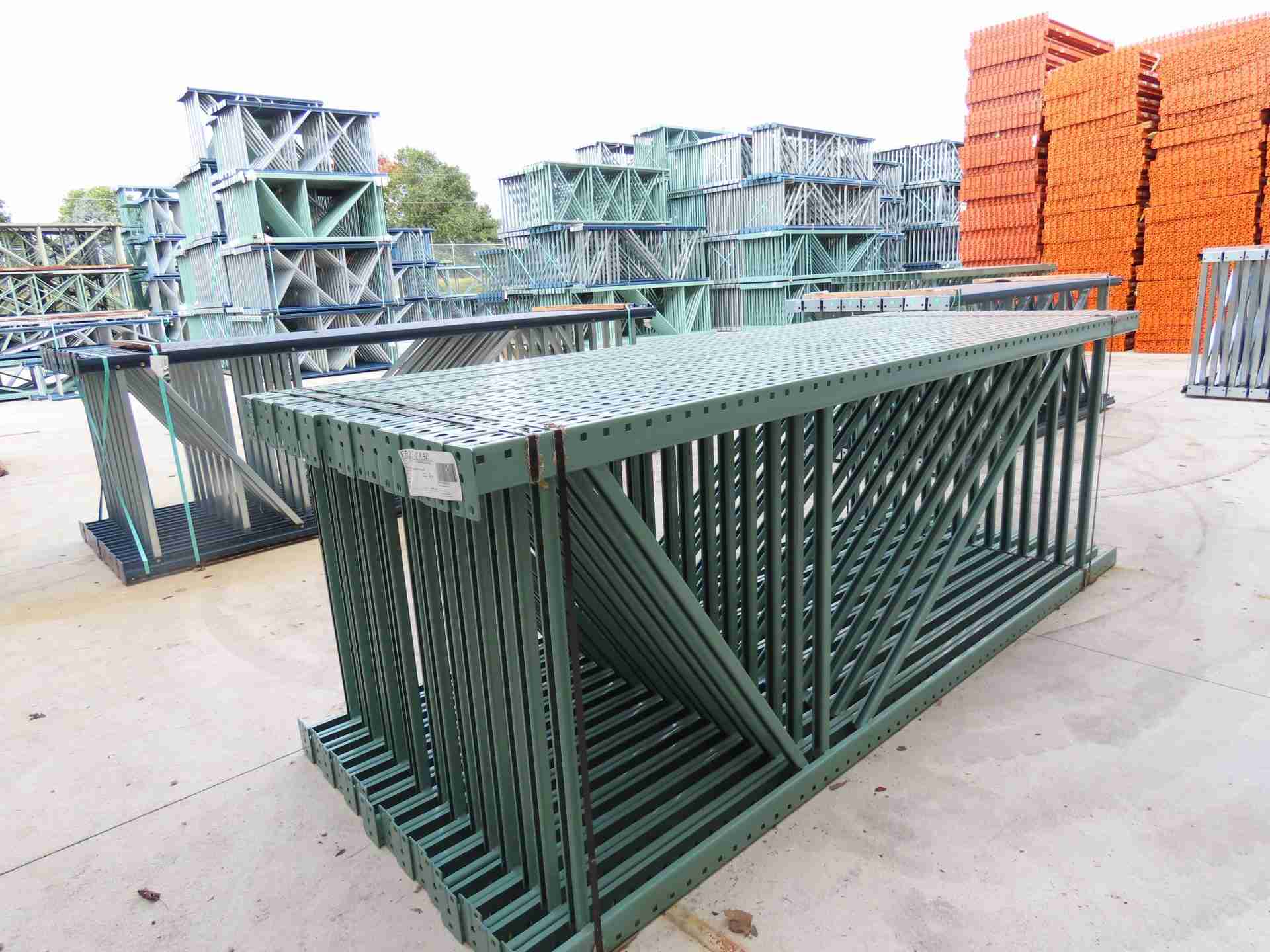
Conclusion
Other Resources
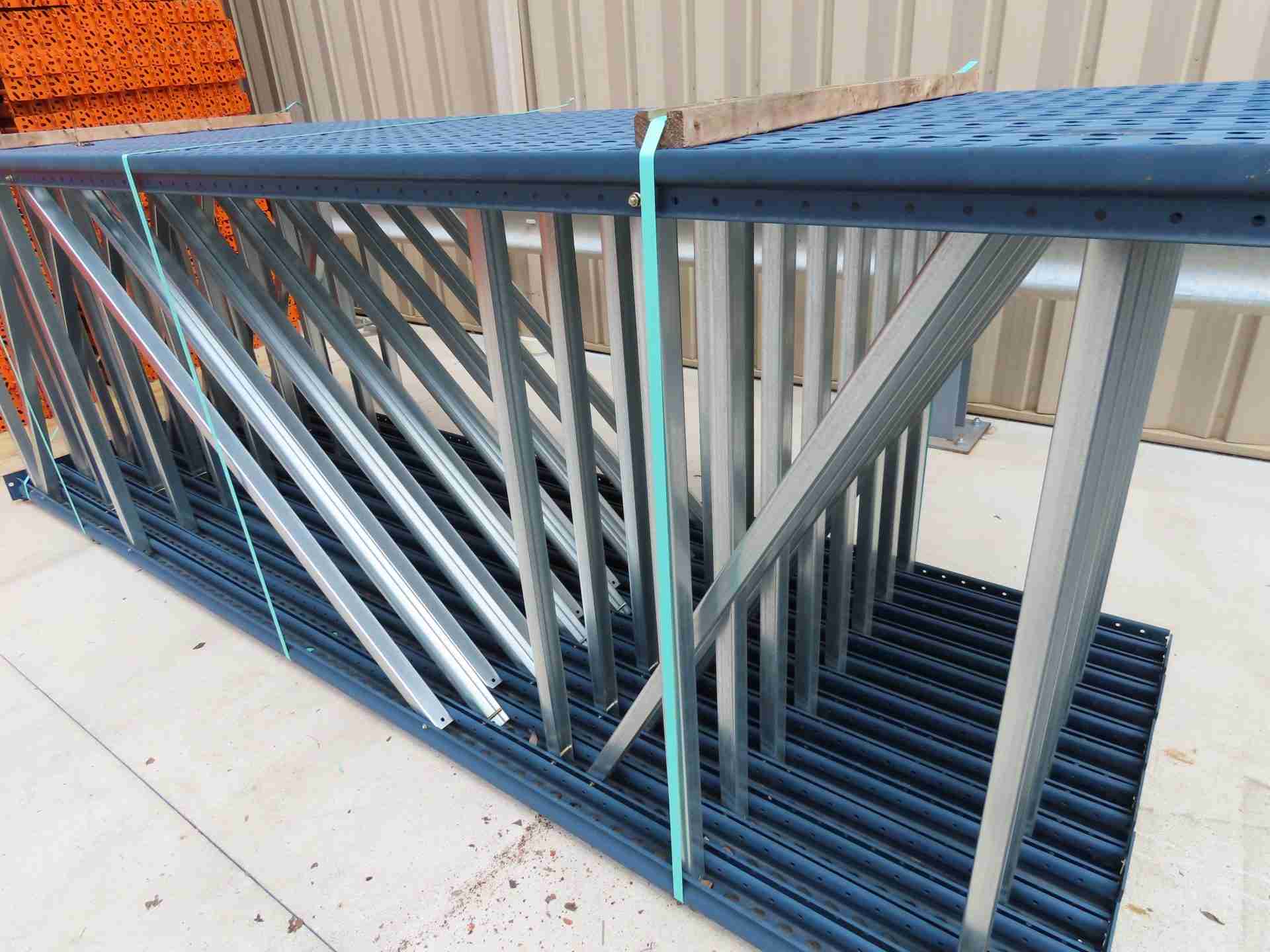
Other Resources
Here is a list of other resources you can review online to learn more:
- National Safety Council
- Teardrop Uprights
- Rack Manufacturers Institute
- Teardrop Pallet Rack – Ridg-U-Rak
- Warehouse Racks, Warehouse Racking in Stock – ULINE
- Mustang Material Handling
- Chicago Pallet Racking
- Overhead Lifting
- ASSP
- Used Pallet Rack for Sale in Illinois – American Surplus
Use This Prompt To Get More Resources With Your Favorite Online AI Tool: Please provide me with a list of online articles with their URLs in a bulleted list that I can read regarding Are Conventional Warehouse Storage Methods Holding You Back?
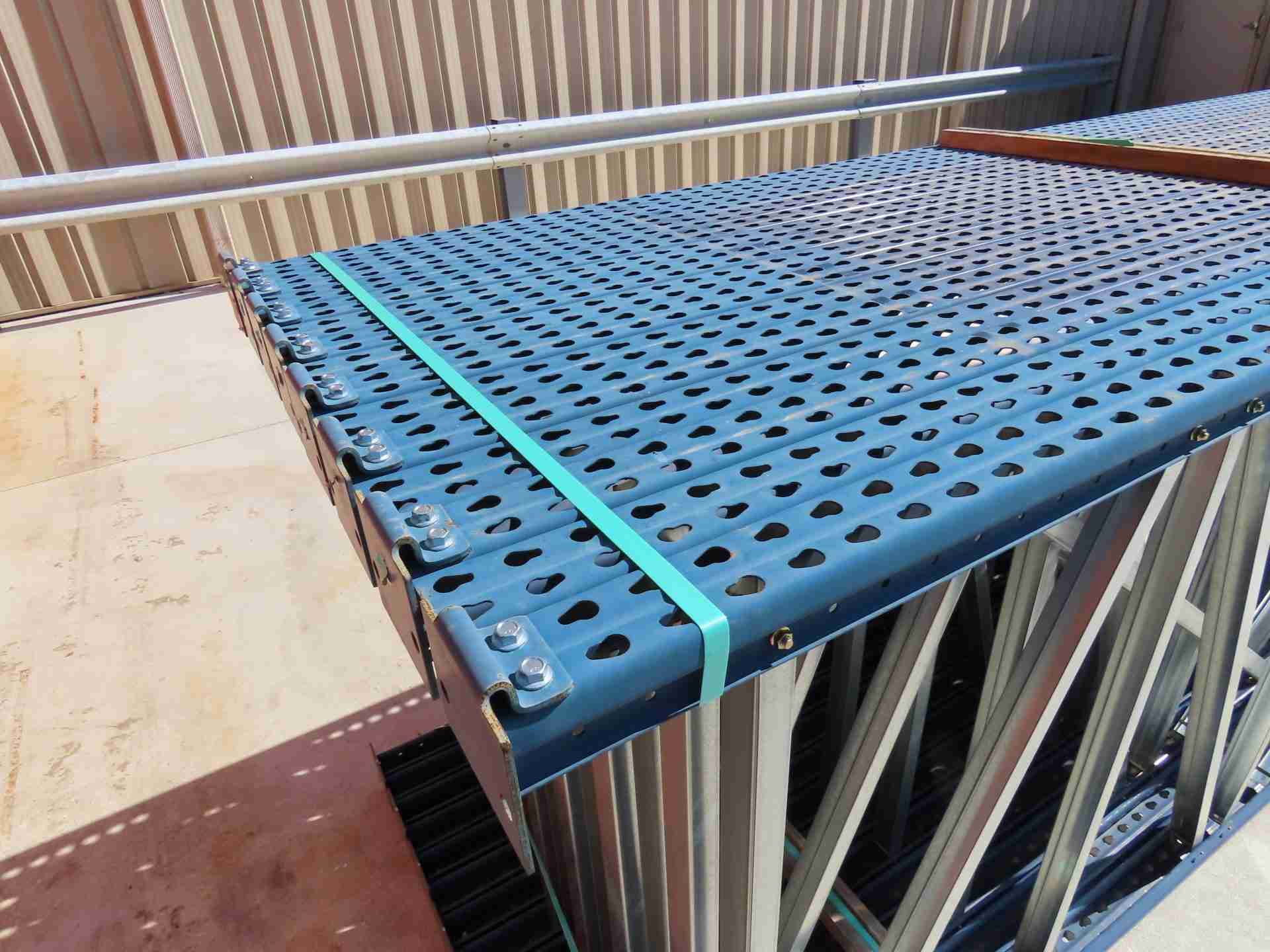
Other Resources
Glossary Terms
Are Conventional Warehouse Storage Methods Holding You Back? – Glossary Of Terms
1. Conventional Warehousing: Traditional storage methods that use fixed shelving and dedicated aisles for pallets and goods.
2. Pallet Racking: A storage system used to store palletized goods, usually in rows that can be easily accessed.
3. FIFO (First In, First Out): Inventory management strategy where the oldest stock is sold first to reduce spoilage or obsolescence.
4. LIFO (Last In, First Out): Inventory method where the most recently stocked items are the first to be sold, often used for bulk goods.
5. Bulk Storage: Storing large quantities of goods in a warehouse without specific shelving; often leads to inefficient space usage.
6. Space Utilization: The percentage of warehouse space that is actively being used for storage versus that which is wasted or inefficient.
7. Throughput: The amount of product that is processed and moved through a warehouse within a specific period.
8. Cross-Docking: A method of unloading materials from an incoming vehicle and loading them directly onto outbound vehicles, minimizing storage time.
9. Slotting Optimization: The practice of arranging products in a warehouse to minimize travel time and maximize picking efficiency.
10. Warehouse Management System (WMS): Software that helps manage warehouse operations, including inventory tracking, order fulfillment, and shipping logistics.
11. Labor Cost: The total expenses associated with employing staff to pick, pack, and ship goods within a warehouse.
12. Inventory Turnover: A measure of how quickly inventory is sold and replaced over a certain period; high turnover indicates efficiency.
13. Automated Storage and Retrieval Systems (AS/RS): Mechanized systems that automatically place and retrieve items from storage without human intervention.
14. Lean Warehousing: A methodology that focuses on minimizing waste within warehouse operations to improve efficiency and reduce costs.
15. Shelving Units: Structures used to hold goods in a warehouse, which can vary in size and type depending on the product being stored.
16. Gravity Flow Racking: A type of racking system that uses gravity to allow items to flow from the back of the rack to the front for easy retrieval.
17. Just-In-Time (JIT) Inventory: A strategy that aligns inventory orders with production schedules to reduce holding costs.
18. First-Party Logistics (1PL): The use of one’s own resources to handle logistics and warehousing without outsourcing.
19. Second-Party Logistics (2PL): Companies that provide transportation or storage services using their own assets.
20. Third-Party Logistics (3PL): Outsourced services for logistics management, including warehousing, transportation, and distribution.
21. Cloud-Based Solutions: Technology solutions hosted in the cloud for data storage and management, improving accessibility and scalability.
22. Cold Storage: Warehousing designed to keep goods at controlled temperatures, necessary for perishable items.
23. Flexible Storage Solutions: Adaptive storage methods designed to allow quick reconfiguration for varying inventory types and volumes.
24. Dock-to-stock Cycle: The process that includes unloading goods from a delivery vehicle and getting them into storage, affecting efficiency.
25. Real-Time Inventory Tracking: The ability to monitor inventory levels in real-time using technology like RFID or barcoding.
26. Demand Forecasting: The practice of predicting future customer demand to optimize inventory levels and reduce excess stock.
27. Picking Efficiency: A metric that measures how quickly and accurately orders are picked from a warehouse.
28. Inventory Carrying Costs: The total cost associated with storing unsold goods, including storage space, insurance, and depreciation.
29. Return on Investment (ROI): A performance measure used to evaluate the efficiency or profitability of an investment, crucial for storage solutions.
30. Sustainability in Warehousing: Practices aimed at reducing the environmental impact of warehouse operations, including energy efficiency, waste reduction, and eco-friendly materials.
These terms and their descriptions provide a comprehensive understanding of the conventional warehouse storage methods and the challenges they present in today’s fast-evolving logistics landscape.
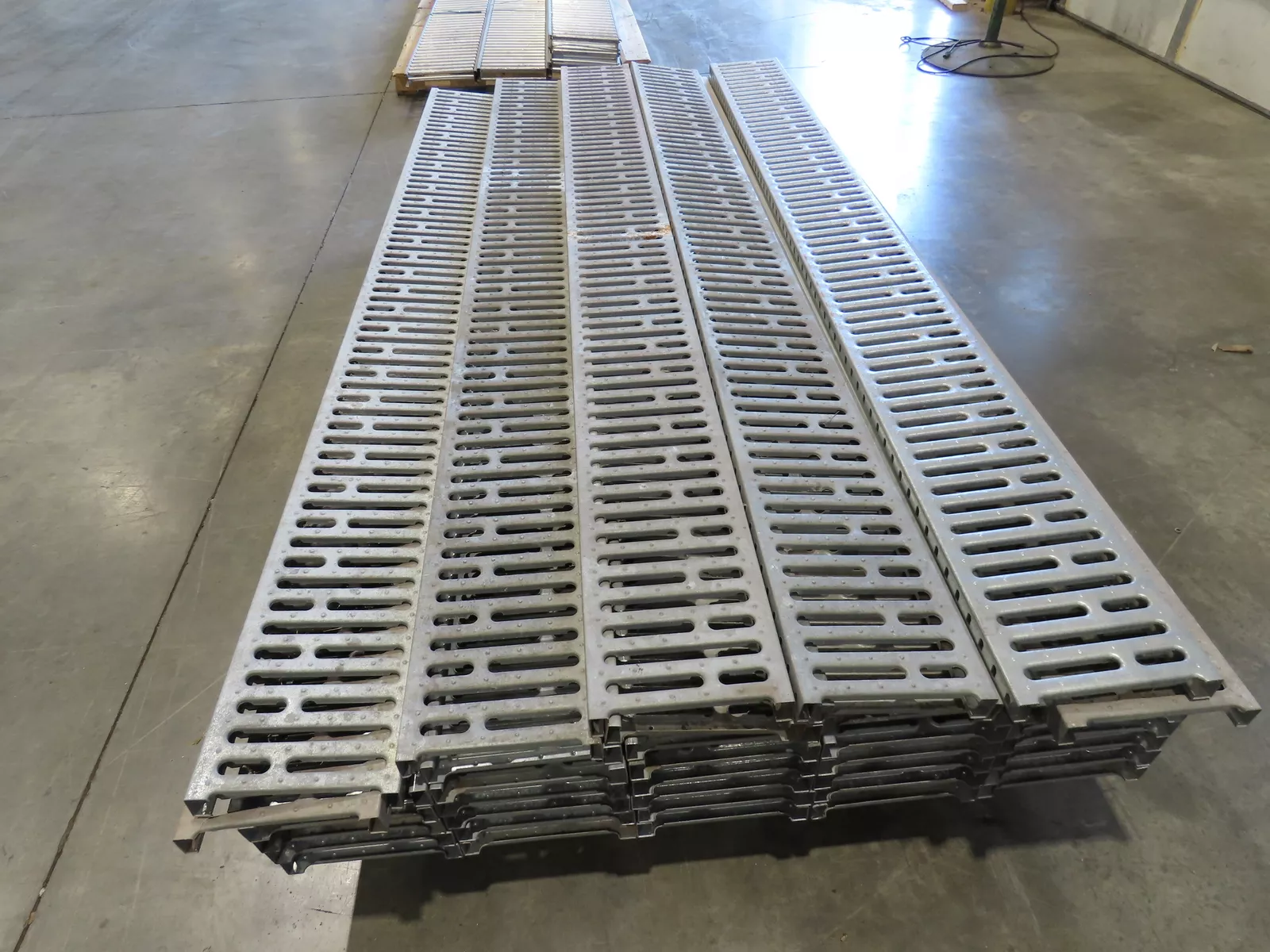
Glossary Of Terms
Other Questions
Are Conventional Warehouse Storage Methods Holding You Back? – Other Questions
If you wish to explore and discover more, consider looking for answers to these questions:
- What are the signs that my warehouse storage methods are outdated?
- How do modern pallet racking systems differ from traditional ones?
- What benefits can be gained from switching to adaptive pallet racking?
- How can I effectively assess the efficiency of my current warehouse space?
- What key performance indicators should I monitor for warehouse efficiency?
- How can I welcome employee feedback in optimizing warehouse layout?
- What factors should I consider when choosing a new storage system?
- How does inventory management impact overall warehouse efficiency?
- What technologies can assist in modern inventory management?
- How often should I conduct audits of my warehouse operations?
- What are the long-term cost benefits of investing in modern storage solutions?
- How can I ensure workplace safety while utilizing pallet racking systems?
- What are common safety hazards related to outdated storage systems?
- How does employee engagement affect warehouse productivity?
- What steps can I take to create a more adaptable storage solution?
- How can I prepare my warehouse for unexpected changes in demand?
- What is the impact of ineffective storage solutions on customer satisfaction?
- Are there industry best practices for warehouse layout and design?
- How can collaboration with suppliers reduce warehouse costs?
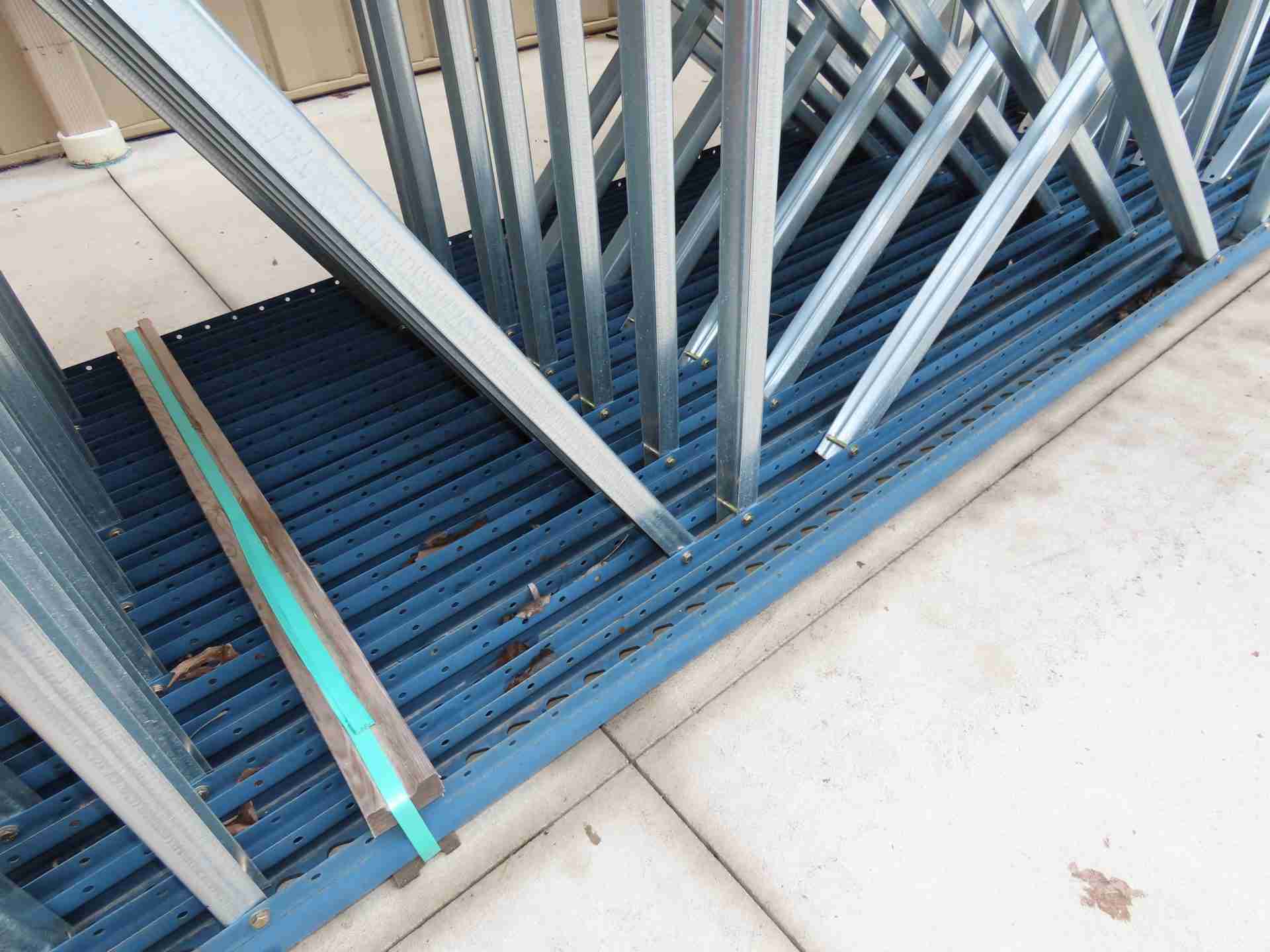
Other Questions
Checklist
Are Conventional Warehouse Storage Methods Holding You Back? – A Checklist
Assess Your Current Storage Methods
_____ Conduct a warehouse audit to evaluate existing storage systems.
_____ Identify bottlenecks and inefficiencies in your current layout.
_____ Gather employee feedback on navigating and accessing inventory.
Evaluate Space Utilization
_____ Determine if vertical space is maximized with current pallet racking.
_____ Check for clutter and disorganization that slows down operations.
_____ Analyze inventory turnover rates to identify underutilized areas.
Optimize Inventory Management
_____ Implement a systematic inventory tracking solution.
_____ Assess how well current pallet racking meets your inventory needs.
_____ Review procedures for locating and managing stock to minimize errors.
Upgrade to Modern Storage Solutions
_____ Research adaptive pallet racking options that fit your operational goals.
_____ Consider solutions that enhance both space efficiency and accessibility.
_____ Explore custom solutions tailored to your specific warehousing demands.
Enhance Employee Productivity
_____ Develop training programs focused on new storage systems.
_____ Ensure staff have the necessary tools to work efficiently.
_____ Regularly assess the workflow to identify further improvement areas.
Prioritize Safety Measures
_____ Review safety protocols associated with your storage systems.
_____ Check that pallet racking installations comply with safety regulations.
_____ Initiate safety training that emphasizes best practices for using storage equipment.
Monitor Costs and Performance
_____ Analyze overhead costs related to current storage practices.
_____ Evaluate the impact of storage configurations on overall productivity.
_____ Conduct regular reviews of expenses associated with outdated systems.
Maintain Flexibility and Adaptability
_____ Assess whether your current storage solution can adapt to changing business needs.
_____ Explore possibilities for easily modifying your storage system configuration.
_____ Plan for future growth by investing in scalable storage options.
Engage Team in Improvement Processes
_____ Involve employees in discussions about storage solutions and improvements.
_____ Establish a feedback loop for ongoing assessment of storage effectiveness.
_____ Encourage a culture of continuous improvement within your team.
Take Action
_____ Set a timeline for implementing changes based on this checklist.
_____ Commit to regular evaluations of storage systems to foster ongoing improvements.
_____ Start investing in the future of your warehouse today!
Use this checklist as a guide to refine your warehouse operations for improved efficiency, safety, and adaptability. Making informed choices about your storage solutions can unlock significant potential for growth and profitability.
Checklist
At RackingWorld, we help guide you through selecting warehouse storage systems and racking.
Be sure to read our other related stories at RackingWorld to learn more about warehouse storage systems.
0 Comments