
Unlocking Warehouse Efficiency: Tackling Bottlenecks Head-On
By Tom Seest
At RackingWorld, we help guide you through selecting warehouse storage systems and racking.
Be sure to read our other related stories at RackingWorld to learn more about warehouse storage systems.
Are Bottlenecks In Your Warehouse Draining Your Resources Daily?
Let’s face it: your warehouse should be a well-oiled machine, humming along smoothly as orders are fulfilled with speed and accuracy. Yet, if you’ve been noticing delays, increased costs, or frustrated employees, chances are those bottlenecks are like chains around your business’s ankles, dragging you down every single day.
Imagine a typical day in your warehouse. The moment you walk in, you’re greeted by piles of products that should be flying off the shelves but are instead creating a cluttered mess. Employees are running in circles, searching for items that are trapped in a maze of poorly arranged pallet racking. What was once a streamlined operation is now a chaotic symphony of inefficiency.
Sounds familiar? Don’t worry, you’re not alone. Many businesses struggle with optimizing their warehouse space. Those unyielding bottlenecks can feel insurmountable, leading to frustration and decreased productivity. But here’s the silver lining: you have the power to change that narrative.
When pallet racking is managed effectively, you cultivate not just organization, but also speed. Rethinking your storage systems is akin to discovering hidden treasure. Imagine all that lost time morphing into productive hours! With the right configuration and materials, you can not only alleviate those bottlenecks but eliminate them altogether.
The first step in your transformation lies in recognizing the culprits. Are your aisles too narrow? Is your product arrangement lacking logic? Don’t let operational inertia cloud your vision. It’s time to get proactive!
Consider strategic adjustments such as multi-tier pallet racking systems or implementing inventory management software designed to give you real-time insights. Investing in these solutions may seem daunting, but they will yield exponential returns. By streamlining your processes, you’ll empower your team and foster an environment where everyone is focused on reaching their goals—rather than being bogged down by inefficiencies.
So, stop letting your warehouse drain your resources. Start viewing it as a vital asset rather than an obstacle. The time is ripe for change. Take the first step today, and watch your productivity soar as you bid farewell to those frustrating bottlenecks. You’re closer to the efficient operation you’ve always envisioned—let’s make that vision a reality.
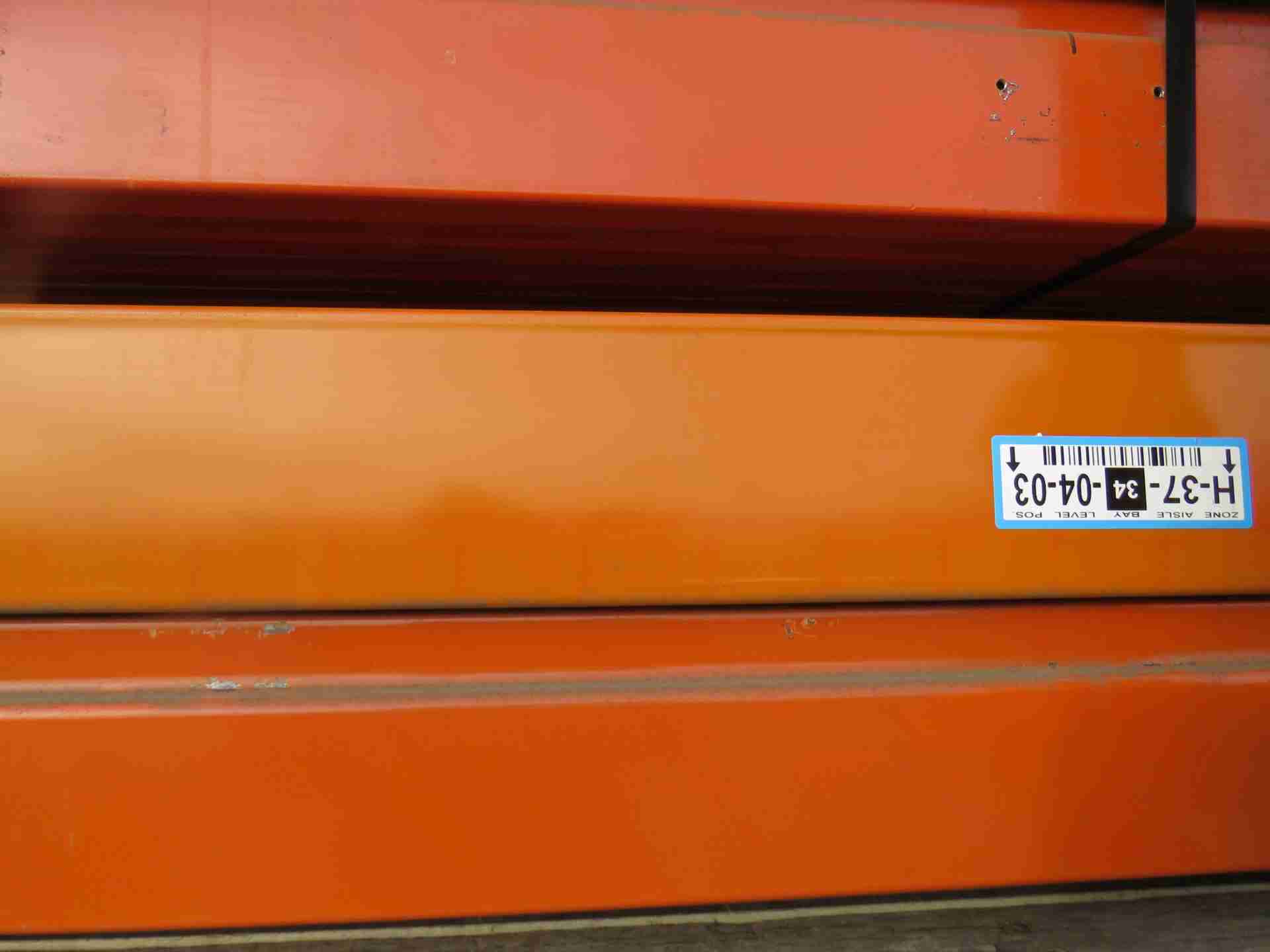
Are Bottlenecks In Your Warehouse Draining Your Resources Daily?
Are Bottlenecks In Your Warehouse Draining Your Resources Daily?
- A well-organized warehouse is crucial for fulfilling orders quickly and accurately.
- Bottlenecks can cause delays, increased costs, and employee frustration.
- Poorly arranged pallet racking leads to inefficiency and clutter.
- Many businesses face challenges in optimizing warehouse space.
- Effective pallet racking management promotes organization and boosts speed.
- Strategic adjustments, like multi-tier systems and inventory management software, can alleviate bottlenecks.
- Transforming your warehouse into a vital asset will enhance productivity and team focus.
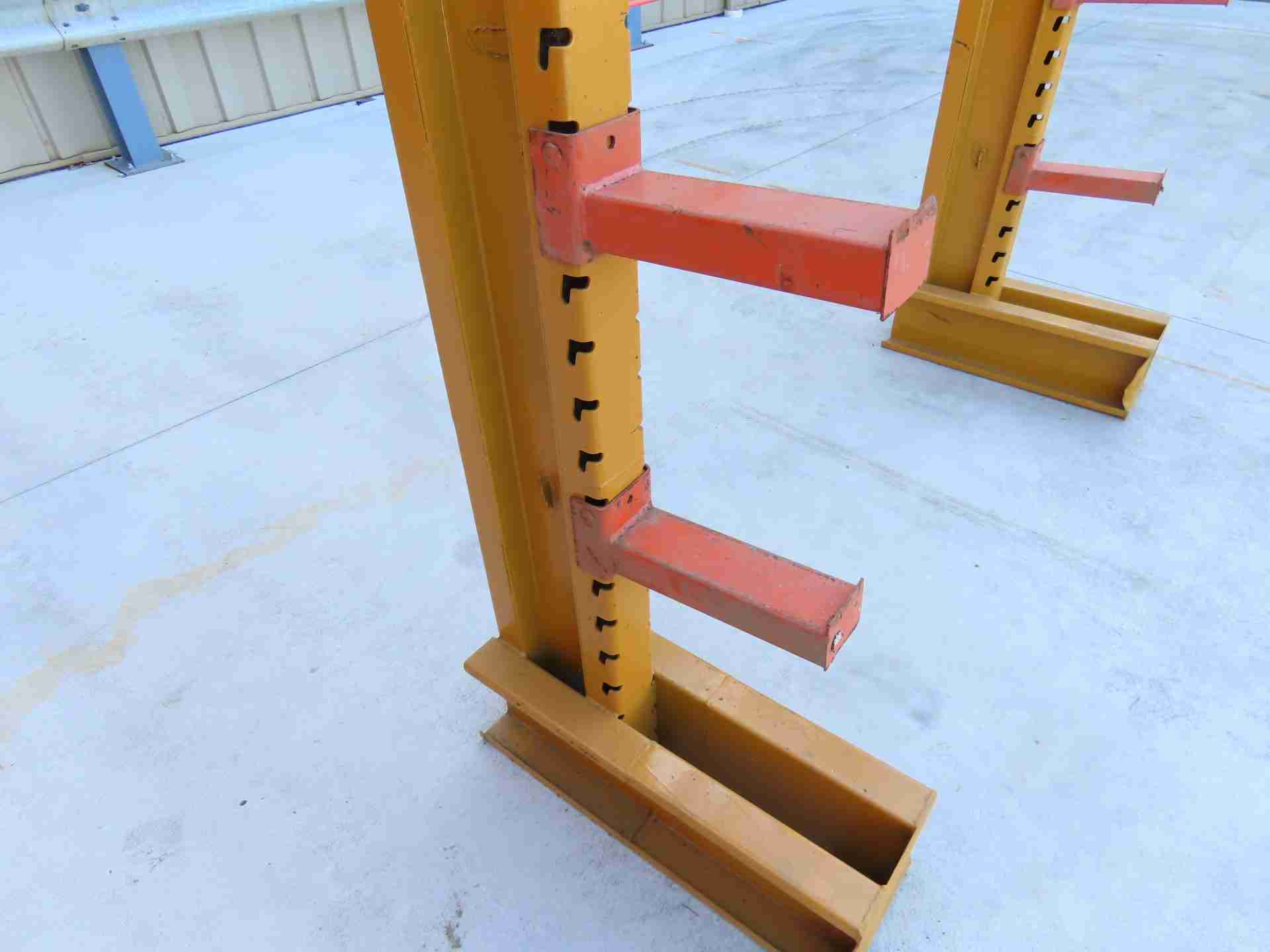
Are Bottlenecks In Your Warehouse Draining Your Resources Daily?
Table Of Contents
- Are Bottlenecks In Your Warehouse Draining Your Resources Daily?
- What Are The Common Signs Of Bottlenecks In Warehousing?
- How Can You Identify Causes Of Warehouse Bottlenecks?
- What Impact Do Bottlenecks Have On Warehouse Efficiency?
- How Do Bottlenecks Affect Order Fulfillment Times?
- What Tools Can Help Analyze Warehouse Workflow Issues?
- How Can Staff Training Reduce Warehouse Bottlenecks?
- Conclusion
- Other Resources
- Glossary Of Terms
- Other Questions
- Checklist
What Are The Common Signs Of Bottlenecks In Warehousing?
Imagine a well-oiled machine—every cog and gear working in harmony to create a seamless flow of operations. Now, picture that same machine suddenly grinding to a halt. Frustrating, right? That’s exactly what can happen in warehousing when bottlenecks creep in. Understanding the common signs of these slowdowns can save you from costly delays and keep your warehouse running smoothly.
1. Piling Inventory: One of the first red flags you might notice is pallets stacks of product accumulating in certain areas. Overburdened pallet racking systems, once a bastion of organization, can start to resemble a chaotic display. When you see excess inventory building up, it’s a clear indication that things aren’t flowing as they should. Proper management ensures that products are moving in and out in a timely manner.
2. Slow Pick and Pack Times: If you find your team members struggling to locate items, scanning barcodes is taking longer than usual, or shipments are delayed, you’re witnessing firsthand the impact of a bottleneck. Slow pick and pack times can erode customer confidence and hurt your bottom line. If your warehouse feels more like a maze than a well-structured layout, it’s time to reassess your processes.
3. Backlogged Orders: Are you facing a backlog of orders that seem to grow every day? When shipments are delayed and orders pile up, it may be time to take a hard look at your warehouse operations and the potential inefficiencies in your system. A consistent backlog is not just a symptom; it reflects deeper issues that require immediate attention.
4. Frequent Equipment Failures: If your pallet racking or other essential equipment is breaking down regularly, you’re not just facing an inconvenience. Each failure signifies a disruption in productivity that can lead to larger bottlenecks. Investing in reliable equipment and regular maintenance can prevent this financial drain and keep your operations on track.
5. Employee Frustration: Lastly, listen to your workforce. If team members express frustration or stress about the current workflow, it’s a signal that something is off. A disengaged team reflects a breakdown in process efficiency. Fostering an open communication channel can not only enhance employee morale but can also provide valuable insights into where improvements are needed.
By staying vigilant and recognizing these signs, you can proactively address warehousing bottlenecks before they become critical issues. Remember, a smooth-running operation not only maximizes efficiency but also enhances your reputation, ensures happier customers, and positively impacts your profits. After all, in the world of warehousing, every second counts!

What Are The Common Signs Of Bottlenecks In Warehousing?
What Are The Common Signs Of Bottlenecks In Warehousing?
- Piling Inventory: Excess pallets stacking up indicate a disruption in product flow and prompt the need for better management.
- Slow Pick and Pack Times: Difficulties in locating items and delayed shipments suggest operational inefficiencies that can harm customer trust.
- Backlogged Orders: A growing backlog of orders signals deeper issues in warehouse processes that require urgent attention.
- Frequent Equipment Failures: Regular breakdowns of essential equipment disrupt productivity and indicate the need for better maintenance and investment.
- Employee Frustration: Team members expressing stress about workflows signal inefficiencies and highlight potential areas for improvement.
- Proactive Monitoring: Recognizing these bottleneck signs early is key to maintaining a smooth operation.
- Overall Impact: Efficient warehousing enhances reputation, customer satisfaction, and profitability.
What Are The Common Signs Of Bottlenecks In Warehousing?
How Can You Identify Causes Of Warehouse Bottlenecks?
In the fast-paced arena of warehouse management, bottlenecks can feel like the dreaded traffic jams of logistics; they frustrate productivity, delay deliveries, and ultimately impact your bottom line. But fear not! Identifying these barriers doesn’t have to be a roadblock itself. With a keen eye and a structured approach, you can pinpoint causes that may be hiding in plain sight.
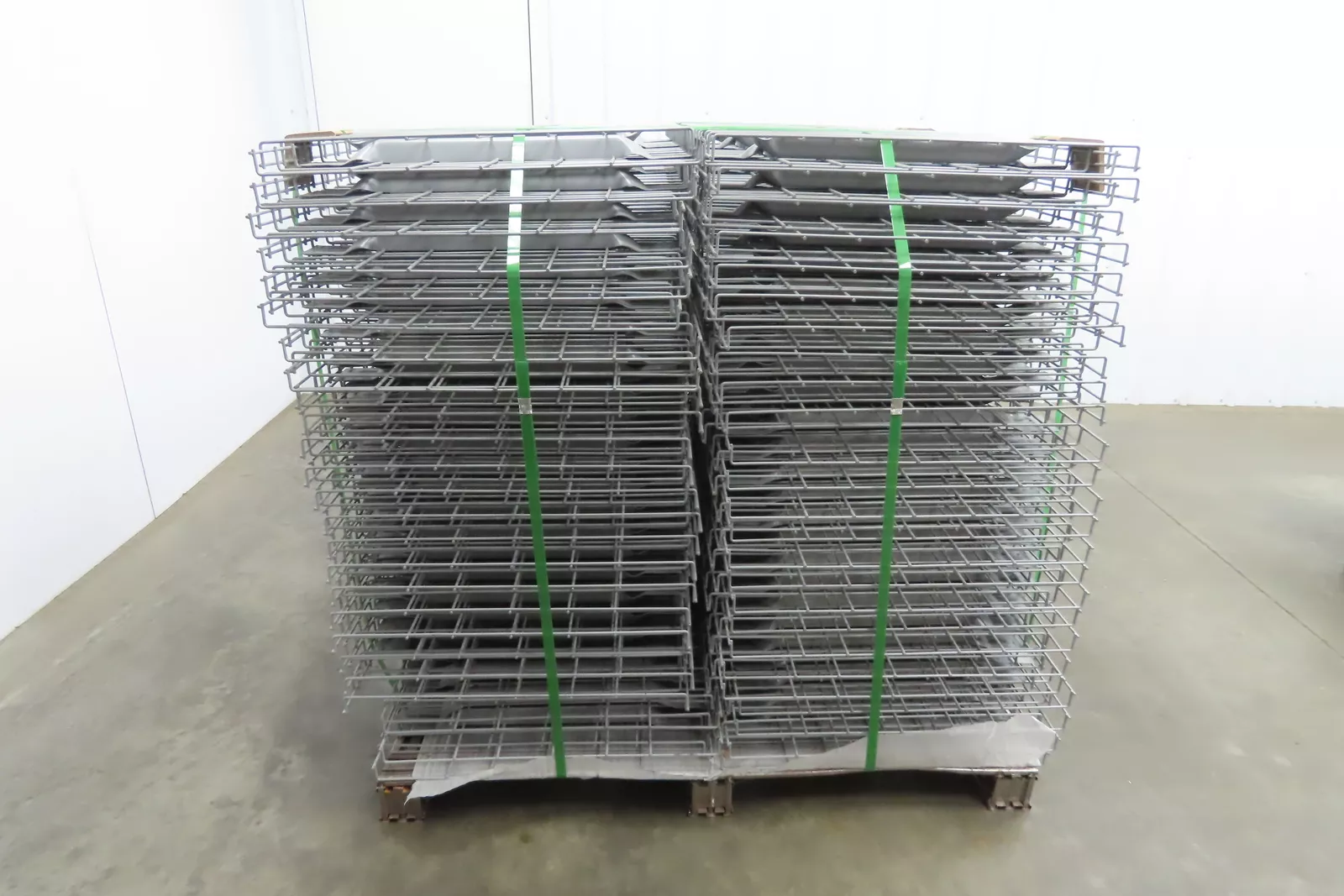
First, let’s talk about the heart of your operations: pallet racking systems. These structures are more than just shelves; they’re the lifeline that dictates the flow of goods entering and exiting your warehouse. Are your pallet racking configurations optimized for efficient loading and unloading? Consider conducting a walk-through of your facility. As you stroll down the aisles, ask yourself if the flow feels natural or if you’re constantly maneuvering around obstacles. When racks are overloaded or improperly organized, they can create a domino effect, leading to inefficiencies that ripple throughout your operation.
Next, observe the processes around your pallet racking. Is the time taken to retrieve products excessive? Are your picking paths simplified, or do they resemble a maze? The best warehouses embrace lean principles, eliminating waste and optimizing every step. Engage your team—those who interact with the racking daily will provide invaluable insight into where time is lost. Use tools like time and motion studies to see firsthand how long it takes to complete various tasks.
Also, don’t overlook technology. Implementing the right warehouse management system can illuminate patterns that might go unnoticed. Data analytics can unveil trends in product movement, helping you identify slow-moving items that clog up your racking space, or predict seasonal inventory shifts that require a strategic reorganization.
But remember, the journey doesn’t end with identifying the bottlenecks. Once recognized, it’s crucial to develop actionable strategies to streamline processes. Regular training sessions for your staff can enhance efficiency and remind them of best practices in handling goods around pallet racking.
When you embrace a proactive approach, not only do you conquer the sticking points, but you also create a culture of continuous improvement within your warehouse. Engaging your team, utilizing technology, and optimizing your physical space will not just eliminate these bottlenecks; they will transform your entire operation into a well-oiled machine. Trust in the process, and take consistent action! Your productivity—and profitability—will thank you for it.
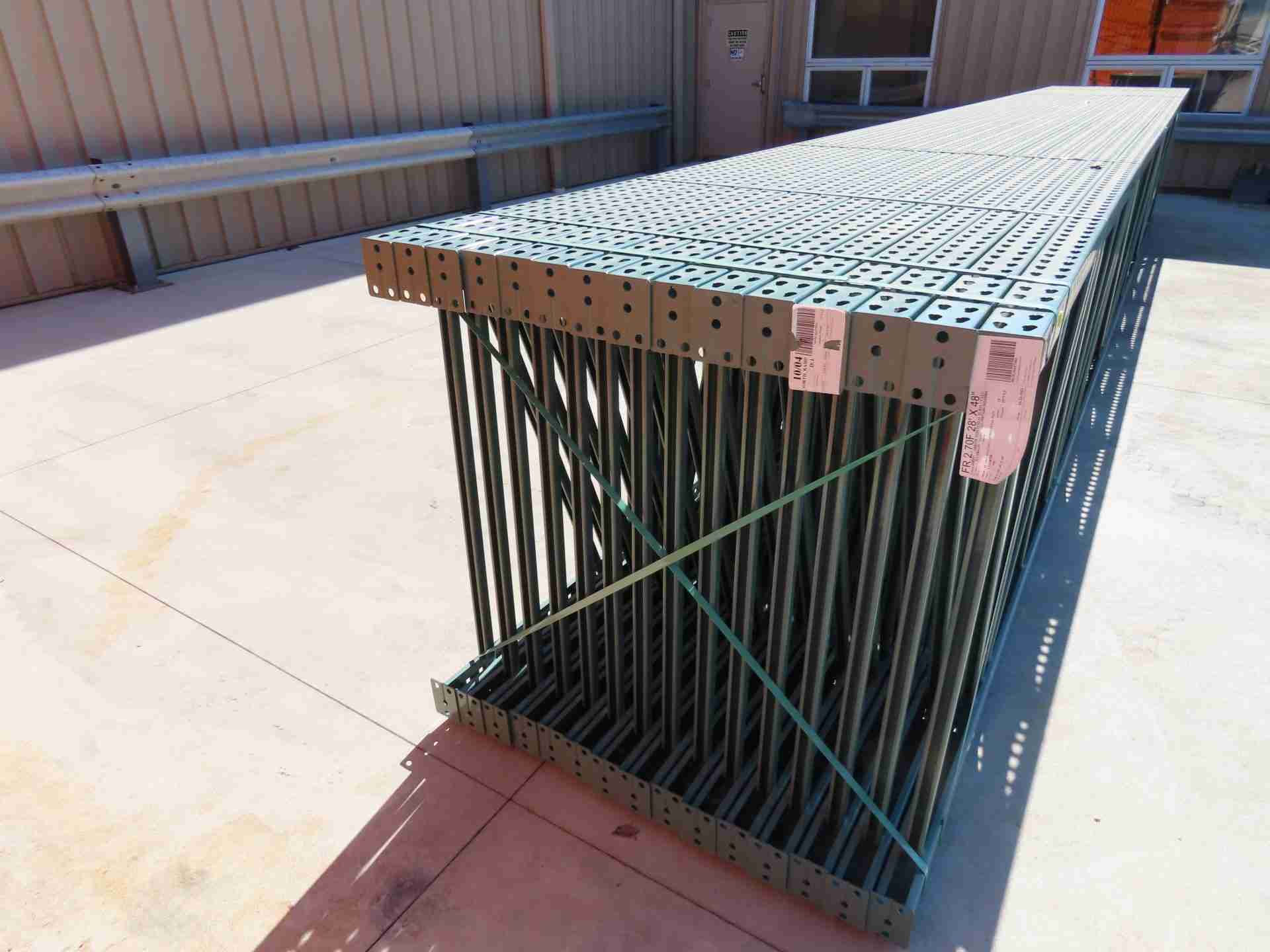
How Can You Identify Causes Of Warehouse Bottlenecks?
How Can You Identify Causes Of Warehouse Bottlenecks?
- Bottlenecks in warehouse management can hinder productivity and delay deliveries.
- Examine pallet racking systems to ensure they are optimized for efficient loading and unloading.
- Conduct facility walk-throughs to identify flow issues and obstacles in aisles.
- Analyze retrieval times and simplify picking paths by engaging team insights.
- Utilize technology and warehouse management systems to track product movement and identify trends.
- Develop actionable strategies and provide regular staff training to enhance efficiency.
- Adopt a proactive approach to foster a culture of continuous improvement in operations.
How Can You Identify Causes Of Warehouse Bottlenecks?
What Impact Do Bottlenecks Have On Warehouse Efficiency?
Picture this: Your warehouse is humming like a well-oiled machine, orders are flying out the door, and customers are thrilled with the speed of fulfillment. But wait! A bottleneck arises—perhaps due to inefficient pallet racking systems or an outdated picking process. Suddenly, that fluid operation slows to a frustrating crawl, and your warehouse’s efficiency plummets. Sounds familiar?
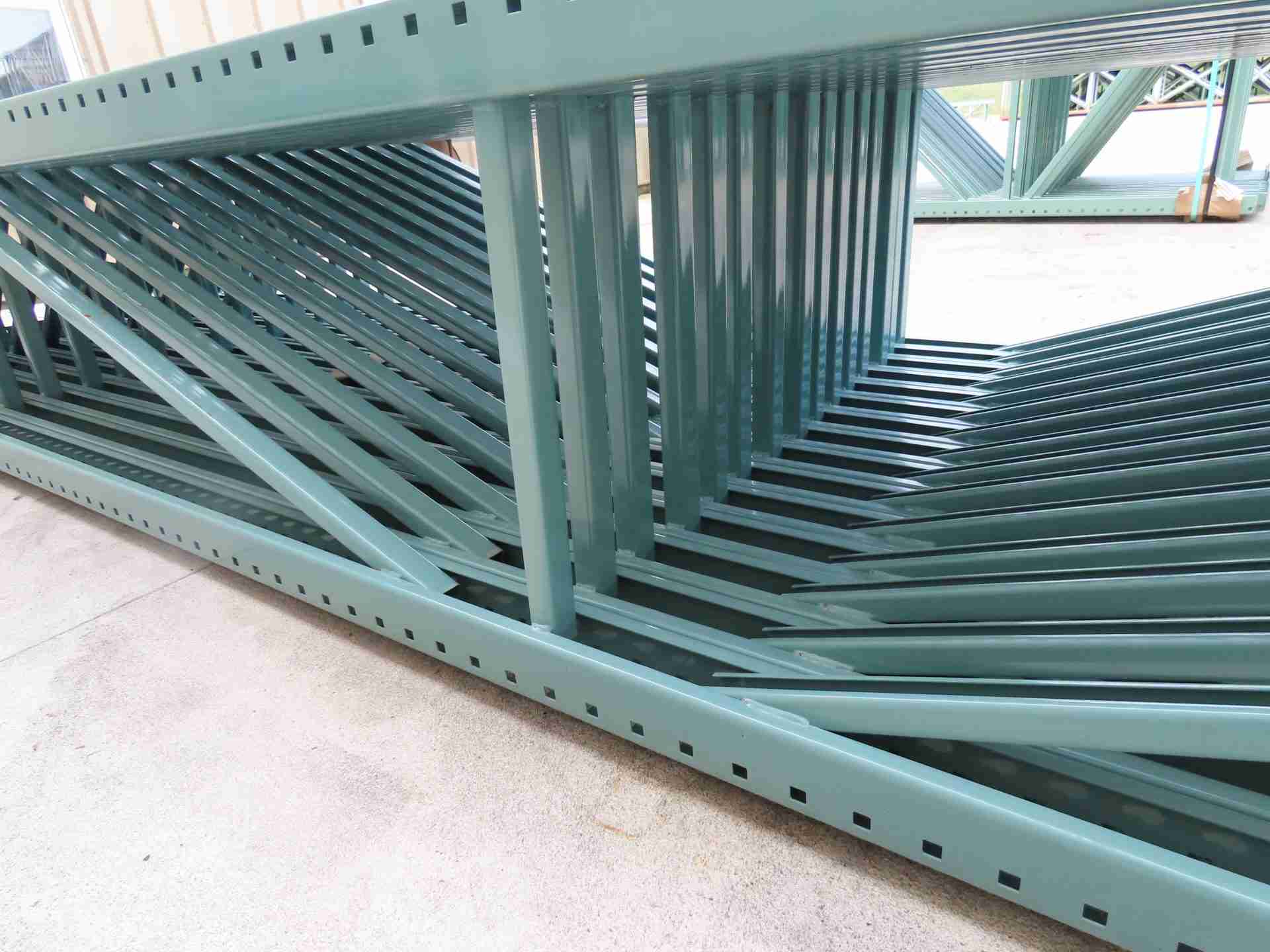
Bottlenecks in warehouse operations can manifest in many forms, often tied to layout, staffing, and, yes, even the technology you use. When these inefficiencies rear their ugly heads, the repercussions ripple out, affecting everything from order fulfillment times to customer satisfaction. Think of pallet racking as the backbone of your storage solution. If it’s misaligned or poorly structured, it can lead to excessive downtime as employees spend unnecessary minutes navigating through aisles that aren’t optimized for rapid access. Each moment wasted translates to lost profits, and that’s something no business can afford.
But here’s the silver lining: recognizing and addressing these bottlenecks is your opportunity for growth. By investing in smarter pallet racking solutions, enhancing training for your team, or adopting innovative warehouse management software, you can transform your operations from sluggish to streamlined. Imagine your team moving seamlessly around an efficient warehouse floor, retrieving and packing orders with precision. That’s the kind of environment that breeds not just satisfaction, but loyalty—both from employees and customers.
Let’s break it down further. Say you implement a new workflow designed to reduce pick times or optimize pallet racking height for better accessibility. The benefits won’t stop there. Faster order processing means happier customers, leading to positive reviews and repeat business. Additionally, an efficient warehouse attracts top-tier talent, as employees prefer streamlined environments where they can shine.
Now is the time to evaluate your processes critically. Identify areas where bottlenecks are stalling your progress. Engage with your team for insights; their firsthand experience can be invaluable. Then, act decisively to implement the changes needed to eliminate those blockages. In the world of warehousing, efficiency isn’t just a goal—it’s a competitive advantage.
Resolve to not only recognize the symptoms of bottlenecks but to tackle them head-on. Your warehouse deserves to be a hub of productivity, not a victim of stagnation. Embrace change, and watch your efficiency soar!
What Impact Do Bottlenecks Have On Warehouse Efficiency?
What Impact Do Bottlenecks Have On Warehouse Efficiency?
- Bottlenecks in warehouse operations can lead to decreased efficiency and customer satisfaction.
- Inefficiencies may arise from issues with layout, staffing, and outdated technology.
- Pallet racking systems play a crucial role; misalignment can cause excessive downtime.
- Addressing bottlenecks presents opportunities for growth and improved operations.
- Implementing smarter solutions and innovative management software can streamline processes.
- Focusing on efficiency not only increases order processing speed but also attracts top talent.
- Regular evaluation of processes and team engagement is essential for eliminating operational blockages.
What Impact Do Bottlenecks Have On Warehouse Efficiency?
How Do Bottlenecks Affect Order Fulfillment Times?
Imagine this: you’ve put in countless hours strategizing your inventory, sourcing top-quality products, and marketing them to perfection. Your business is poised for success, yet, when customers click “buy,” they are left waiting and wondering. What went wrong? In many cases, those frustrating delays can be traced back to a single point of failure—a bottleneck. It’s a situation that many business owners dread, yet it’s easier to overlook than you might think.
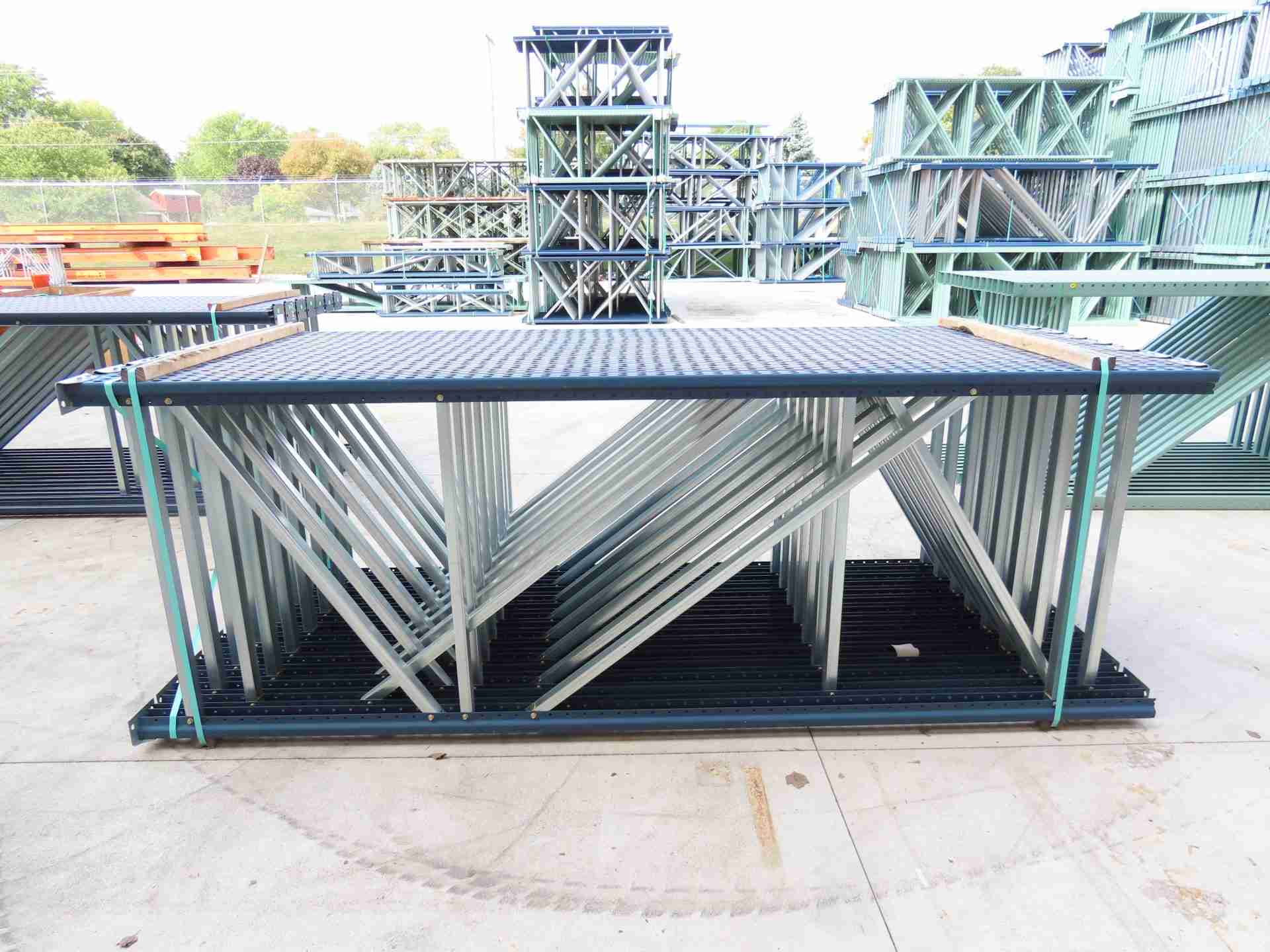
Let’s break it down. Picture your warehouse, bustling with activity, where every pallet is expertly organized on pallet racking systems. Everything seems streamlined until one small hiccup occurs. Maybe it’s a shortage of staff during peak hours, an unexpected shipment delay, or a cluttered workspace that slows down picking times. Each of these issues may seem minor in isolation, but together, they can create a bottleneck. This not only disrupts your operations but also jeopardizes your customers’ experience.
Now, think about the implications. A customer places an order with eager anticipation, only to be met with lengthy wait times. Trust me, that enthusiasm can quickly turn into frustration. When your fulfillment times are delayed, you risk losing not just that order but potentially dozens more. Customers today have options, and they won’t hesitate to pivot to a competitor who offers a faster, more reliable service. In the highly competitive landscape of e-commerce, even a single missed deadline can tarnish your brand’s reputation.
However, the silver lining is that identifying and understanding these bottlenecks is the first step to resolving them. It’s all about recognizing where the breakdown occurs within your operations, whether it’s on the loading dock or within your inventory management system. By taking the time to streamline processes and optimize your pallet racking systems, you can significantly reduce those delays that plague order fulfillment.
So, what can you do? Start by analyzing each step of your workflow. Engage your team in identifying pain points, and embrace technology to automate wherever possible. This proactive approach not only speeds up fulfillment but also builds trust with your customers. The message is clear: a smooth, efficient operation enhances customer satisfaction and drives repeat business. Don’t wait for the next bottleneck to appear; act now, and let your business flow. Because in the world of e-commerce, it’s not just about selling; it’s about delivering excellence every single time.
How Do Bottlenecks Affect Order Fulfillment Times?
How Do Bottlenecks Affect Order Fulfillment Times?
- Effective inventory management and marketing are crucial for business success.
- Fulfillment delays often stem from operational bottlenecks within the warehouse.
- Common issues include staff shortages, shipment delays, and cluttered workspaces.
- Delays can lead to frustrated customers, risking loss of current and future sales.
- Competitors offering faster service can easily attract dissatisfied customers.
- Identifying and addressing bottlenecks is essential for improving operations.
- Analyzing workflows and leveraging technology can enhance efficiency and customer trust.
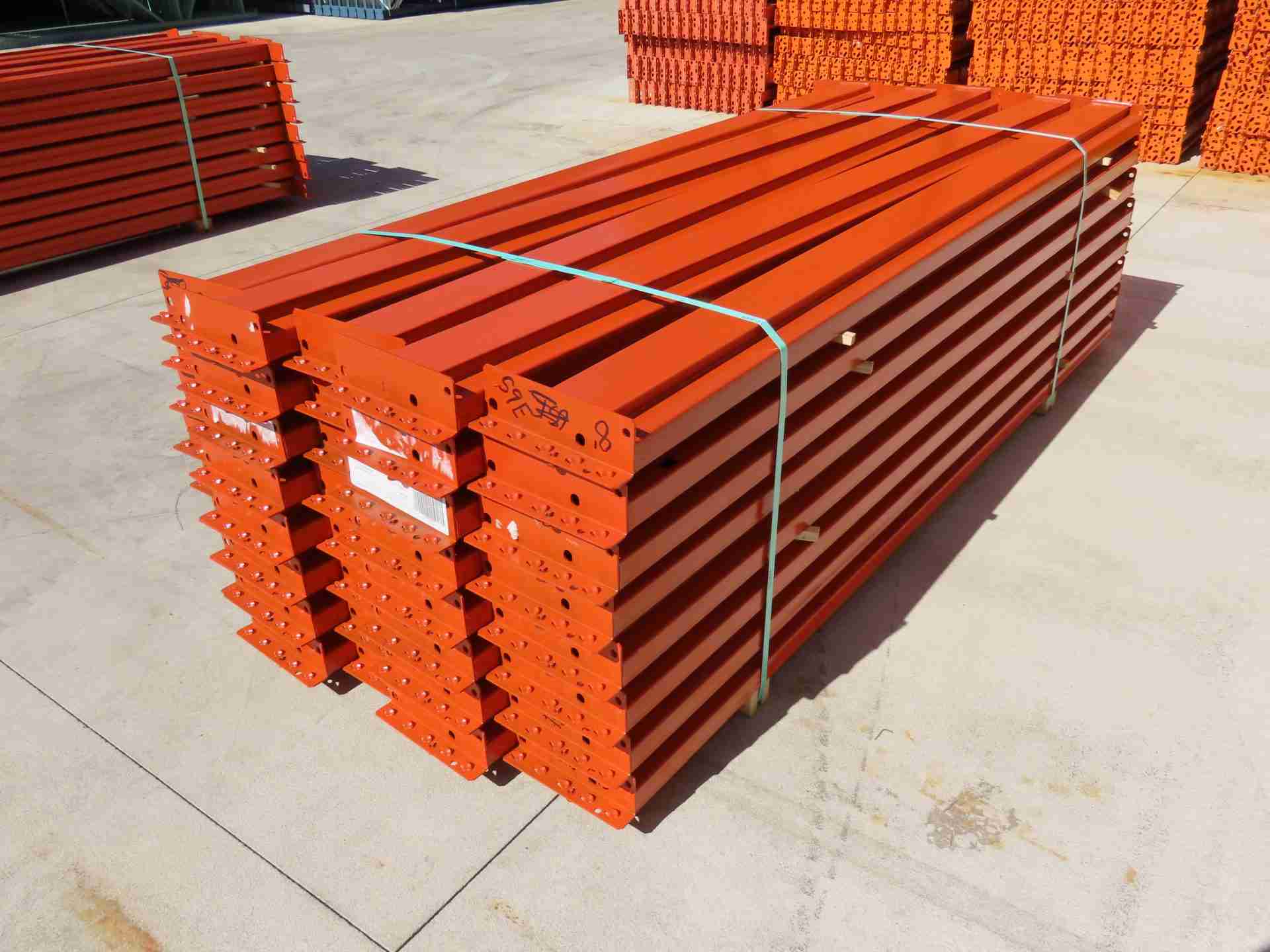
How Do Bottlenecks Affect Order Fulfillment Times?
What Tools Can Help Analyze Warehouse Workflow Issues?
In the bustling realm of warehouses, where efficiency reigns supreme, you might feel like a conductor orchestrating a symphony of pallets, forklifts, and people. Yet, without the right tools, your harmony can quickly turn into cacophony. Don’t fret; there are innovative solutions at your disposal to assist in analyzing your workflow and resolving those pesky bottlenecks.
First, let’s talk about warehouse management systems (WMS). These powerful digital solutions act as the backbone of any efficient warehouse, offering real-time data on inventory levels, order statuses, and even labor productivity. Imagine a dashboard that not only tells you how many pallets are in stock but also pinpoints whether those pallets are optimally racked within your pallet racking systems. By harnessing this data, you can make informed decisions that drive efficiency and cut operational costs.
Next on the list is data analytics software. With robust analytical tools, you can delve deep into the nitty-gritty of your warehouse operations. Are certain areas of your pallet racking experiencing congestion? Is the flow of goods slower than molasses in January? Utilizing this software can illuminate trends and patterns, enabling you to tackle workflow issues with laser precision. You’re not just guessing anymore; you have the power of insights on your side.
Don’t underestimate the potential of process mapping tools. Visualizing your warehouse workflow can be a game-changer. By creating detailed process maps, you can identify unnecessary steps and streamline operations. Think of it as a blueprint for your warehouse’s efficiency, guiding you to redesign the layout of your pallet racking for maximum accessibility. This drawing doesn’t just highlight problems; it reveals opportunities—opportunities for enhanced safety, speed, and satisfaction for your workforce.
Lastly, consider investing in collaborative platforms where your team can share insights and feedback. Successful warehouse operations are built on communication and teamwork. These platforms can spark conversations about how best to optimize your pallet racking and tackle workflow snags, all while fostering a culture of continuous improvement.
So, if you’re ready to transform your warehouse from a bottleneck to an efficiency machine, embrace these tools. With the right resources, your operations can flow like a well-tuned engine, and the burdens of inefficiency will soon be a distant memory. Act now, and watch your warehouse thrive!
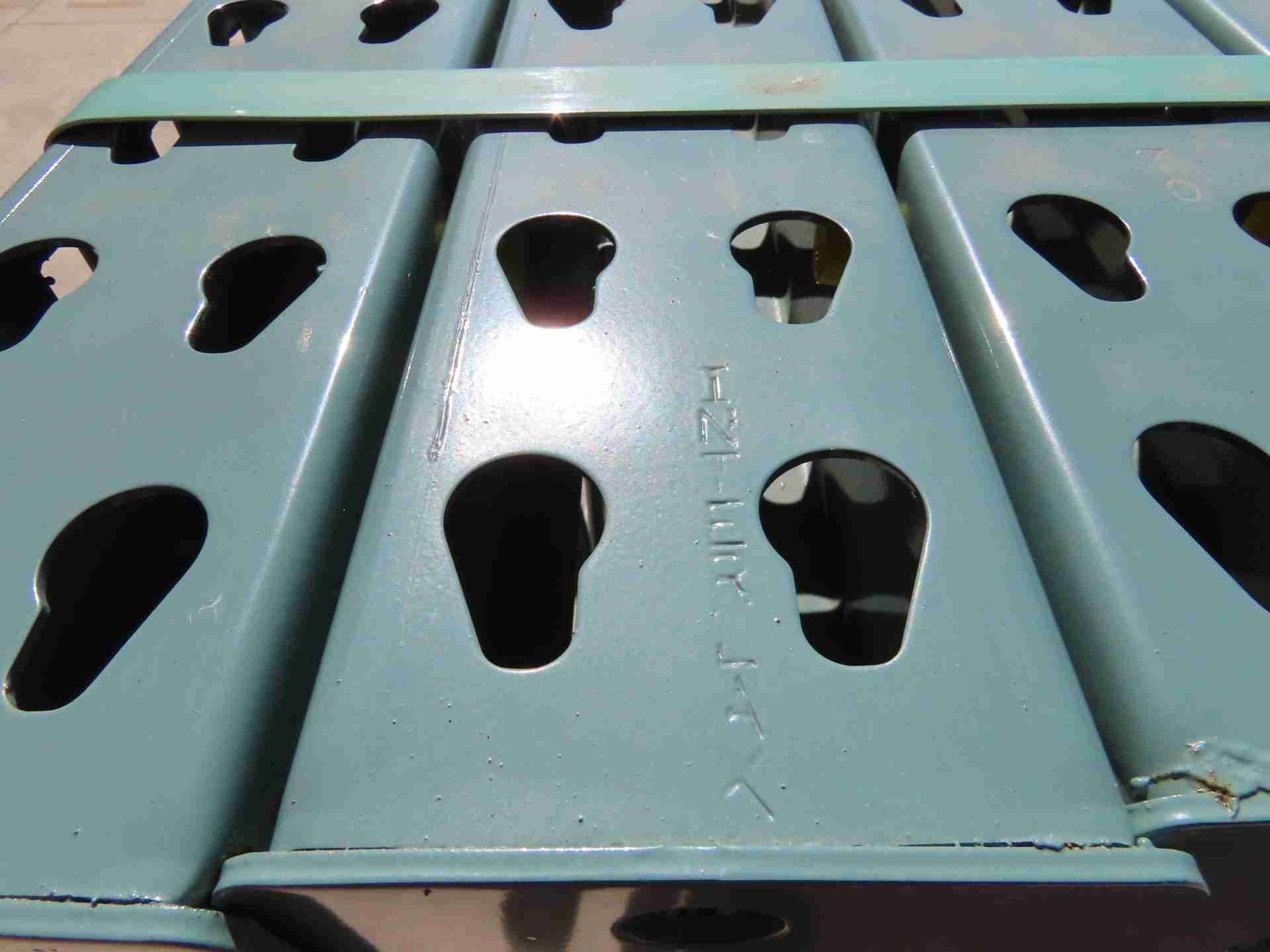
What Tools Can Help Analyze Warehouse Workflow Issues?
What Tools Can Help Analyze Warehouse Workflow Issues?
- Warehouse operations require the right tools to maintain efficiency and avoid chaos.
- Warehouse management systems (WMS) provide real-time data on inventory, orders, and labor productivity.
- Data analytics software helps identify trends and bottlenecks in warehouse processes.
- Process mapping tools enable visualization of workflows, allowing for the streamlining of operations.
- Effective layout redesigns can enhance accessibility and operational efficiency.
- Collaborative platforms foster communication and teamwork among warehouse staff.
- Embracing these tools can transform a warehouse into an efficient operation, reducing inefficiencies.
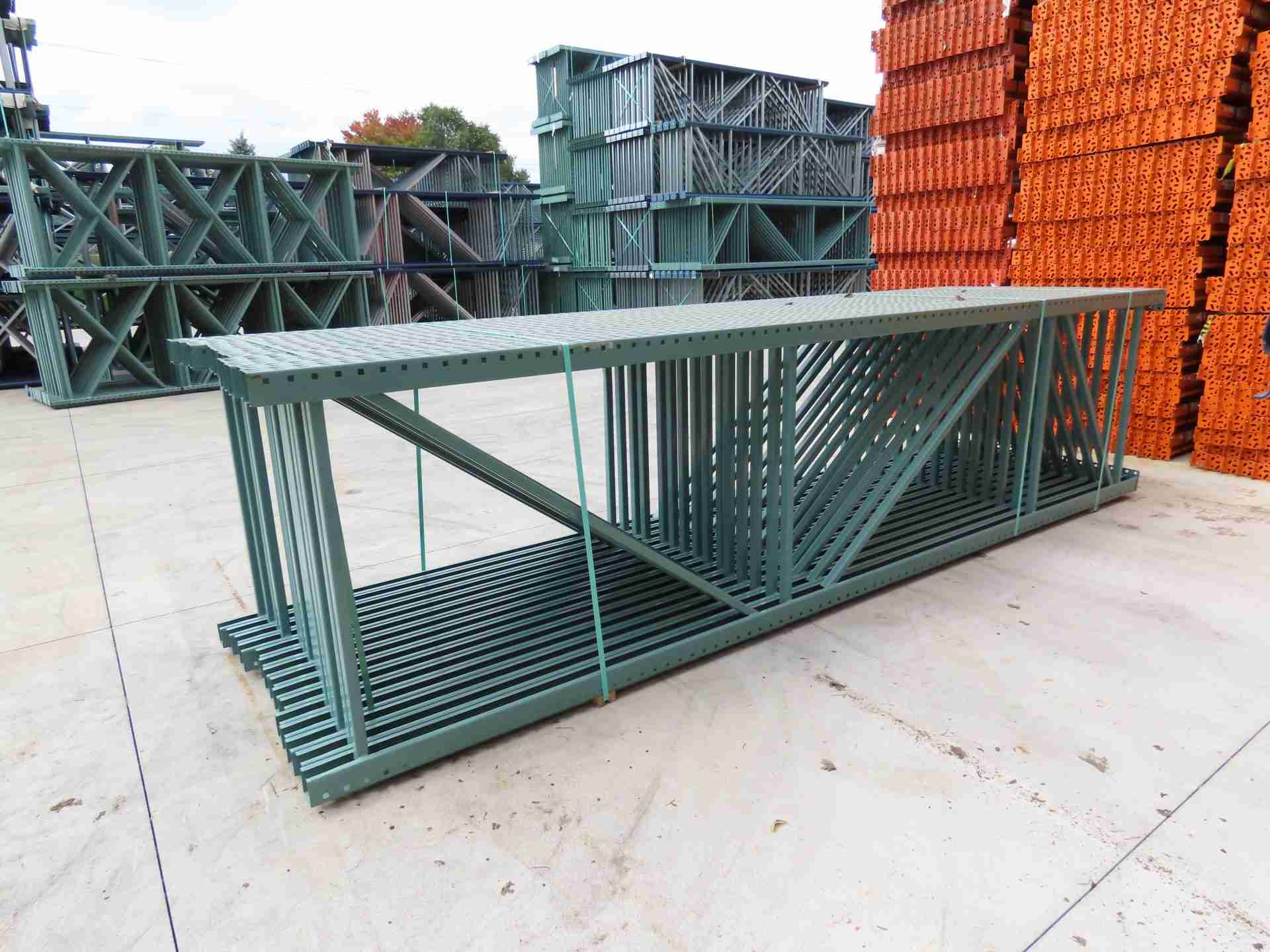
What Tools Can Help Analyze Warehouse Workflow Issues?
How Can Staff Training Reduce Warehouse Bottlenecks?
In the fast-paced world of warehousing operations, the efficiency of your team is directly tied to the effectiveness of your systems. Inevitably, bottlenecks arise, and those interruptions can feel like a cumbersome chain dragging down productivity. But here’s a powerful truth: many times, these challenges are rooted not in your equipment but in how well your staff understands and utilizes it. That’s where targeted staff training comes in.
Imagine a bustling warehouse, rows of well-structured pallet racking standing tall, yet chaos reigns as employees search for items, unsure of their flow. Without proper training, even the most sophisticated mechanisms—like your pallet racking systems—can become a source of frustration. Employees might struggle to locate products, leading to unnecessary delays and missed shipment deadlines. However, with a commitment to comprehensive staff education, you can transform that scenario into a streamlined operation.
Think of training as the grease that keeps the wheel of your operation spinning smoothly. When your team is armed with knowledge about the layout, the flow of goods, and how to optimize their processes, you’ll see immediate improvements. Your workers will become adept at navigating the warehouse, swiftly moving through the aisles, maximizing the potential of pallet racking systems that were already in place but underutilized.
One of the greatest benefits of investing in staff training is fostering a culture of ownership and accountability. When employees are well-versed in their responsibilities and are educated on the tools at their disposal, they take pride in their work. Trust grows as they become adept at identifying inefficiencies and proposing improvements. This heightened engagement not only reduces downtime but propels motivation, creating a dynamic workspace where bottlenecks are tackled head-on.
Moreover, consider the ripple effect of a well-trained workforce. Your praise-worthy results of improved delivery times and reduced costs don’t just benefit your business bottom line; they enhance customer satisfaction and loyalty. Happy customers don’t just return—they become ambassadors for your brand.
Implementing a training program tailored to your unique workflow does not have to be a daunting endeavor. Start small, observe the immediate results, and watch as enthusiasm spreads. The message is clear: invest in your people, and they will invest in your operations. Create an environment where training has a permanent place at the table, and witness the transformation of bottlenecks into seamless performance.
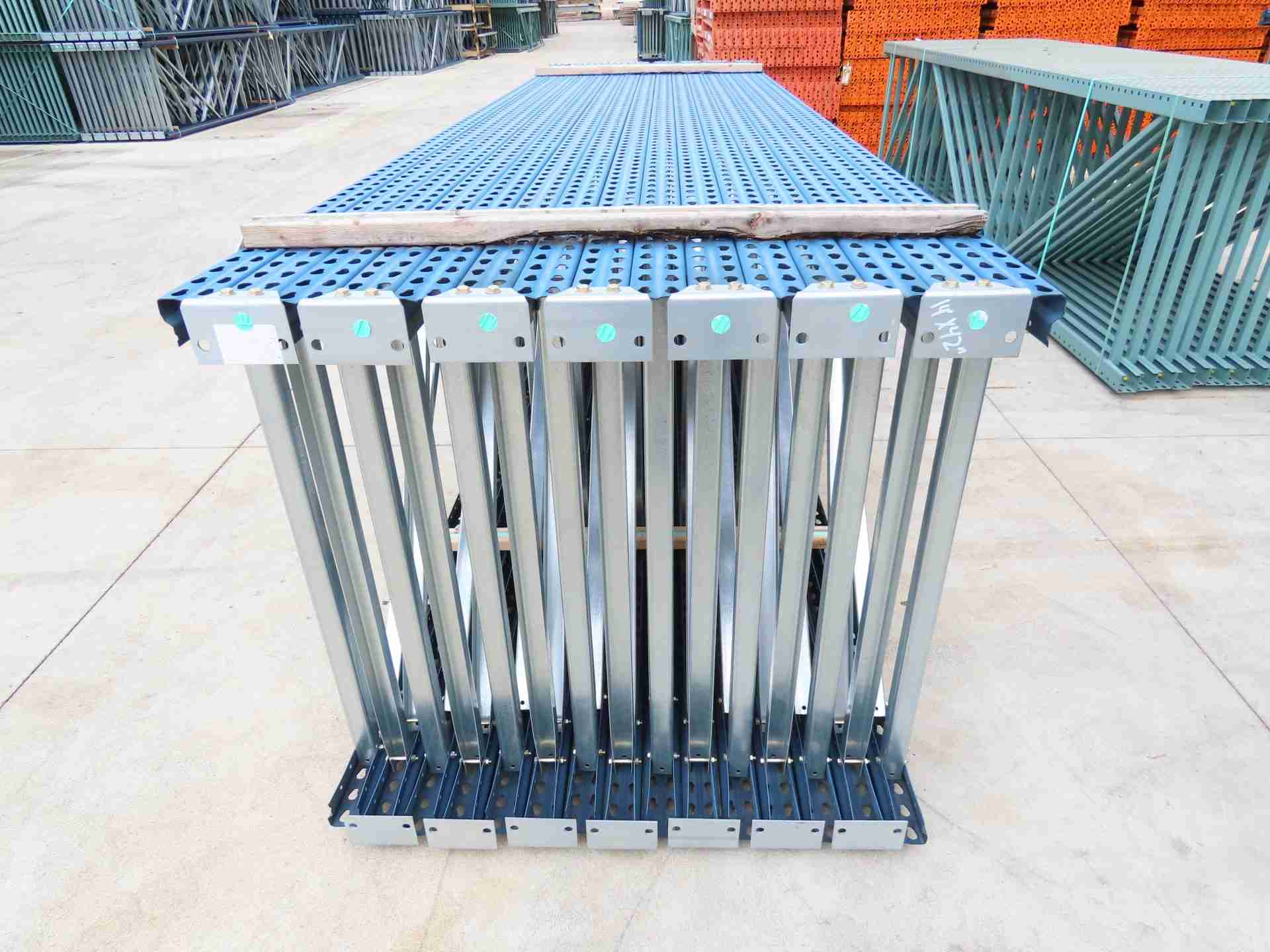
How Can Staff Training Reduce Warehouse Bottlenecks?
How Can Staff Training Reduce Warehouse Bottlenecks?
- Efficiency in warehousing operations is linked to the effectiveness of systems and staff training.
- Bottlenecks often stem from staff not fully understanding or utilizing equipment.
- Proper training can transform chaotic environments into streamlined operations.
- A well-trained workforce enhances knowledge of layout and processes, improving productivity.
- Investing in training fosters a culture of ownership, accountability, and pride among employees.
- Improved training leads to better delivery times, reduced costs, and increased customer satisfaction.
- Implementing a tailored training program can start small, yielding immediate benefits and enthusiasm.
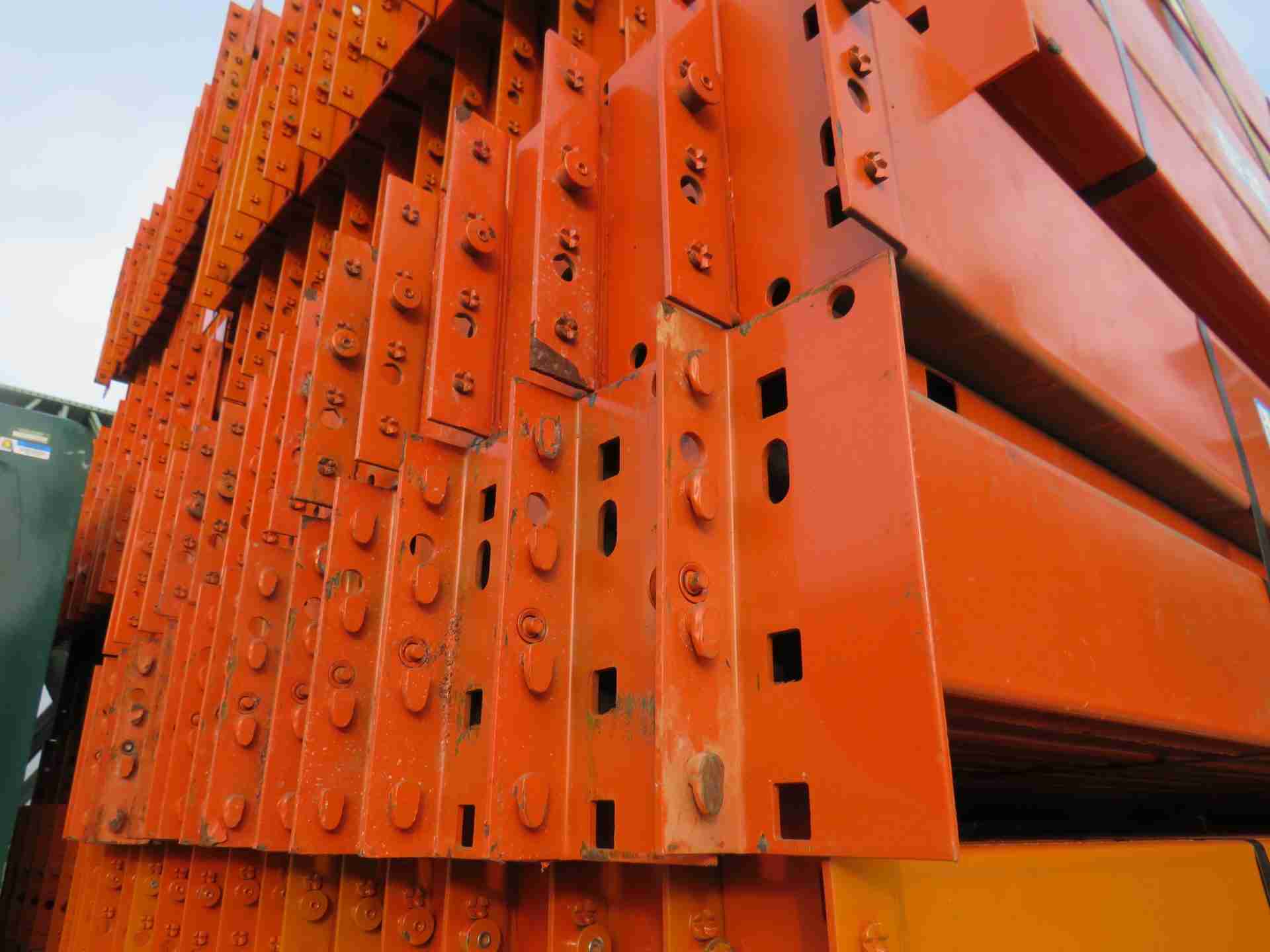
How Can Staff Training Reduce Warehouse Bottlenecks?
Conclusion
Are you tired of the daily chaos in your warehouse—disorganization, delays, and diminishing morale? Bottlenecks can feel like chains dragging you down, siphoning your resources and stifling productivity. At Arrow Industrial Sales, we know that recognizing and resolving these issues is not just essential; it’s critical for the health of your business.
As we’ve unpacked, the signs of bottlenecks can manifest in many ways: excessive inventory piles, slow pick and pack times, backlogged orders, frequent equipment failures, and frustrated employees. Acknowledging these pain points is your first step toward streamlining operations and fostering a culture of proactive efficiency.
The next piece of the puzzle is identifying the root causes of these bottlenecks. Is your pallet racking configured for optimal flow? Is your layout intuitive, or does it resemble a maze? By employing innovative tools such as warehouse management systems, data analytics software, and process mapping, you unlock the secrets to smoother operations. Additionally, investing in targeted staff training can bolster understanding and enhance engagement—transforming your team into valued problem solvers rather than mere order-takers.
But it doesn’t stop there! The impact of addressing these inefficiencies can alter the trajectory of your entire business—from increased employee satisfaction and retention to happier customers and enhanced profitability. If your warehouse runs like a well-oiled machine, your competitive advantage skyrockets, positioning your brand for sustained growth.
So, are you ready to take action? Don’t let bottlenecks become a permanent fixture in your operations. Now is the time to seize the opportunity for change. Call Arrow Industrial Sales at (574) 349-6575 today! Our team is here to help you identify solutions tailored to your unique needs, and we’re committed to transforming your warehouse into a powerhouse of efficiency.
Remember, every moment you delay is another moment inefficiency impedes your success. The urgency is clear: harness the potential of your warehouse now! Transform frustration into functionality, and watch your productivity soar. The efficient operation you’ve always envisioned is within reach—let’s make it a reality together!
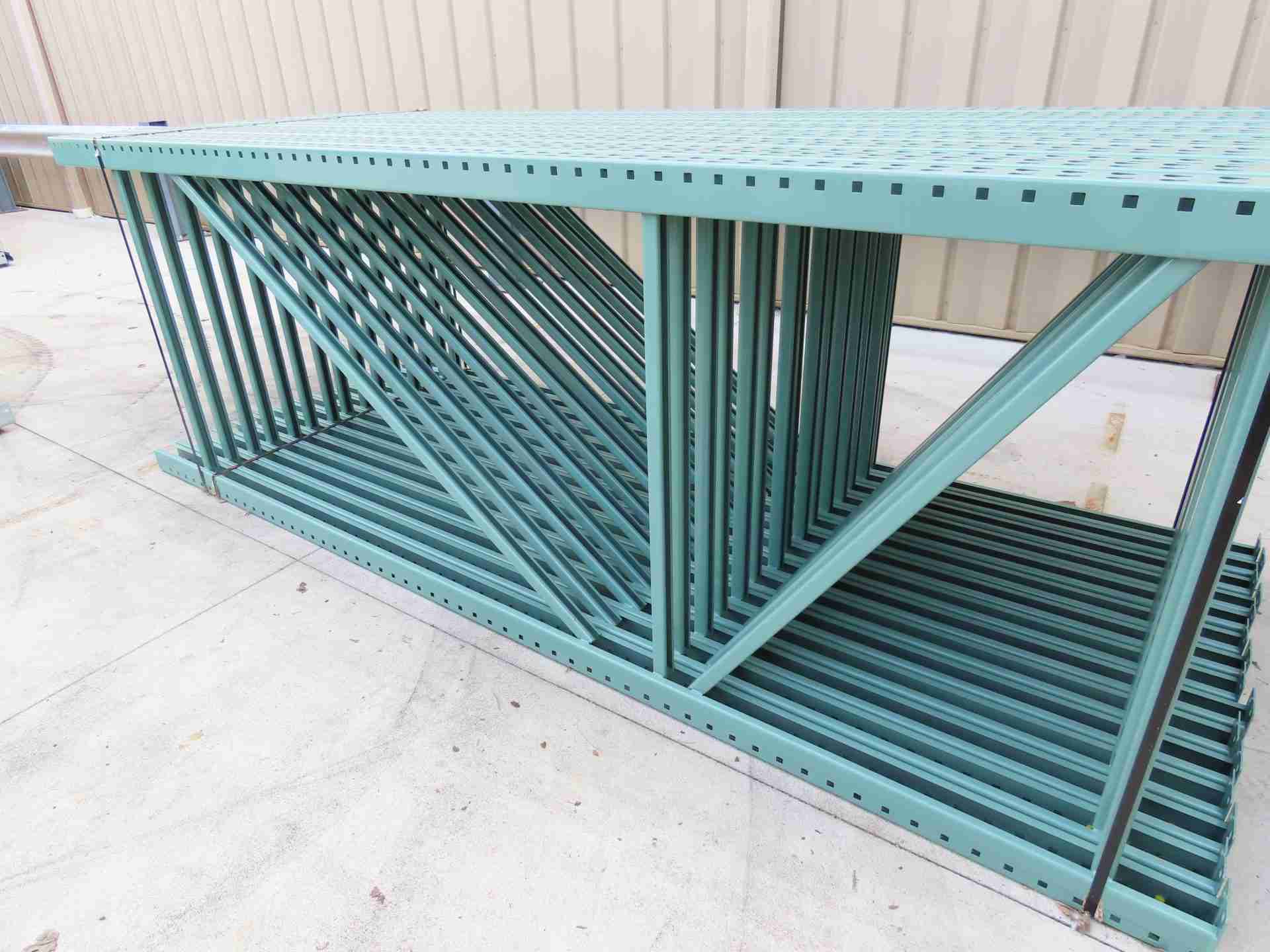
Conclusion
Conclusion:
- Address chaos in your warehouse caused by disorganization, delays, and low morale.
- Recognize signs of bottlenecks such as excessive inventory, slow pick and pack times, and equipment failures.
- Identify root causes of inefficiencies through layout optimization and innovative tools like warehouse management systems.
- Invest in targeted staff training to transform employees into proactive problem solvers.
- Resolving inefficiencies can lead to increased employee satisfaction, customer happiness, and enhanced profitability.
- Take immediate action to address bottlenecks and seize opportunities for change.
- Contact Arrow Industrial Sales for tailored solutions to improve warehouse efficiency.
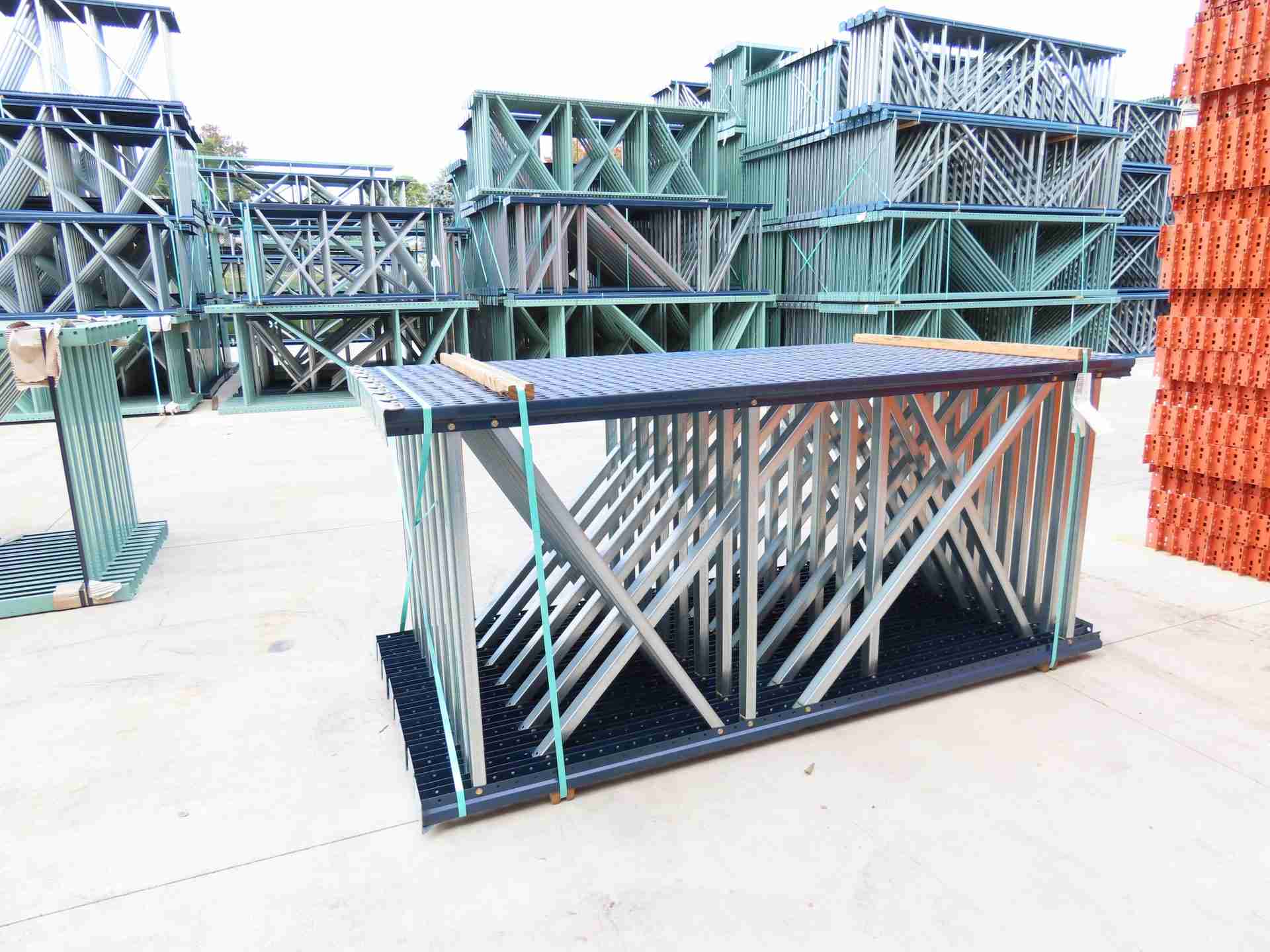
Conclusion
Other Resources
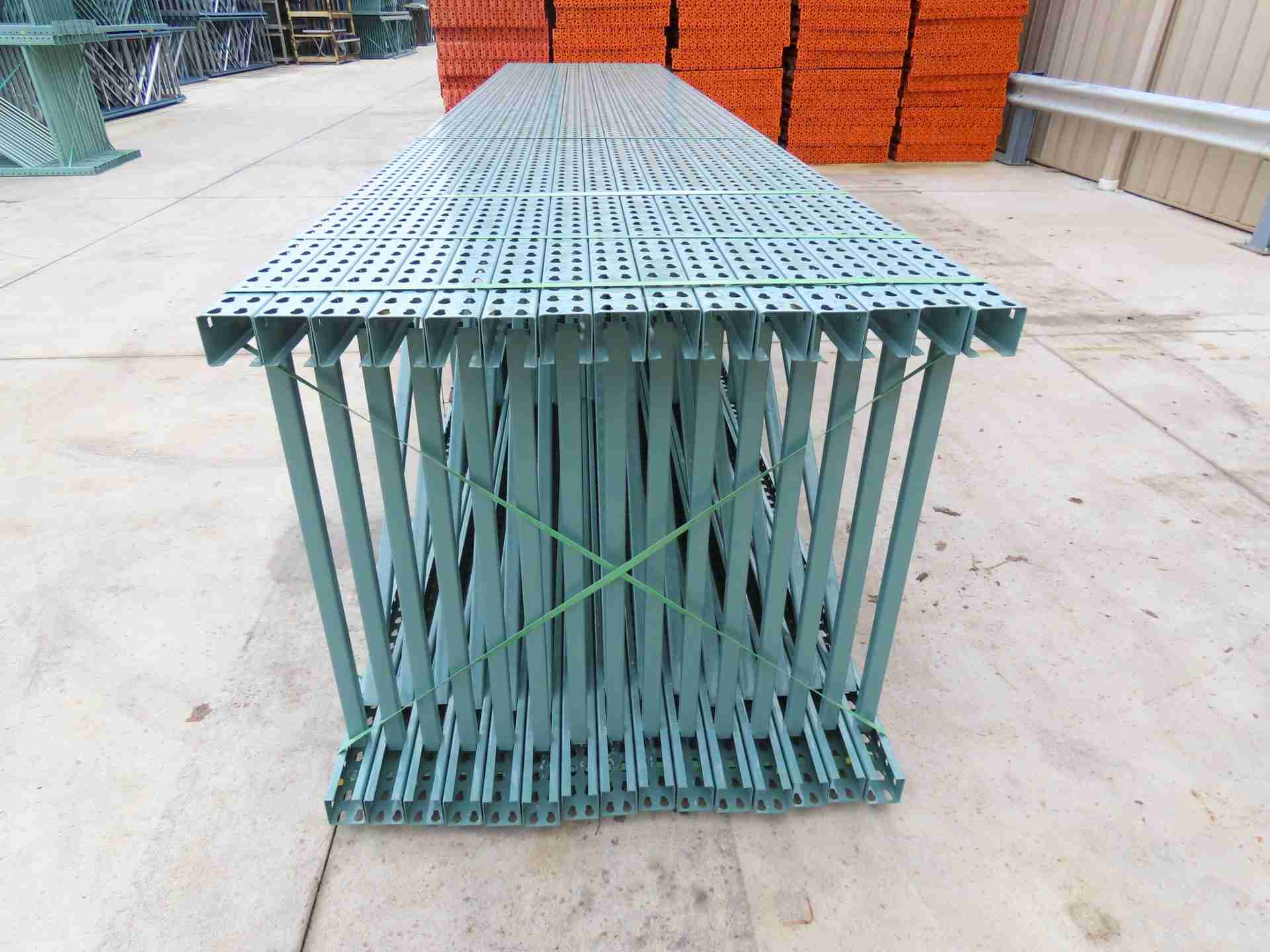
Other Resources
Here is a list of other resources you can review online to learn more:
- Teardrop Pallet Rack – Ridg-U-Rak
- Cantilever Racks Chicago
- Warehouse Storage Racking in Illinois
- Selective Pallet Racking Systems
- Rack Manufacturers Institute
- Logic Material Handling
- What is Cantilever Racking? – AK Material Handling Systems
- Pallet Racking systems in Illinois and Great Lakes
- Shipping Boxes, Packaging Materials, Pallet Racking
- Material Handling Industry
Use This Prompt To Get More Resources With Your Favorite Online AI Tool: Please provide me with a list of online articles with their URLs in a bulleted list that I can read regarding Are Bottlenecks In Your Warehouse Draining Your Resources Daily?
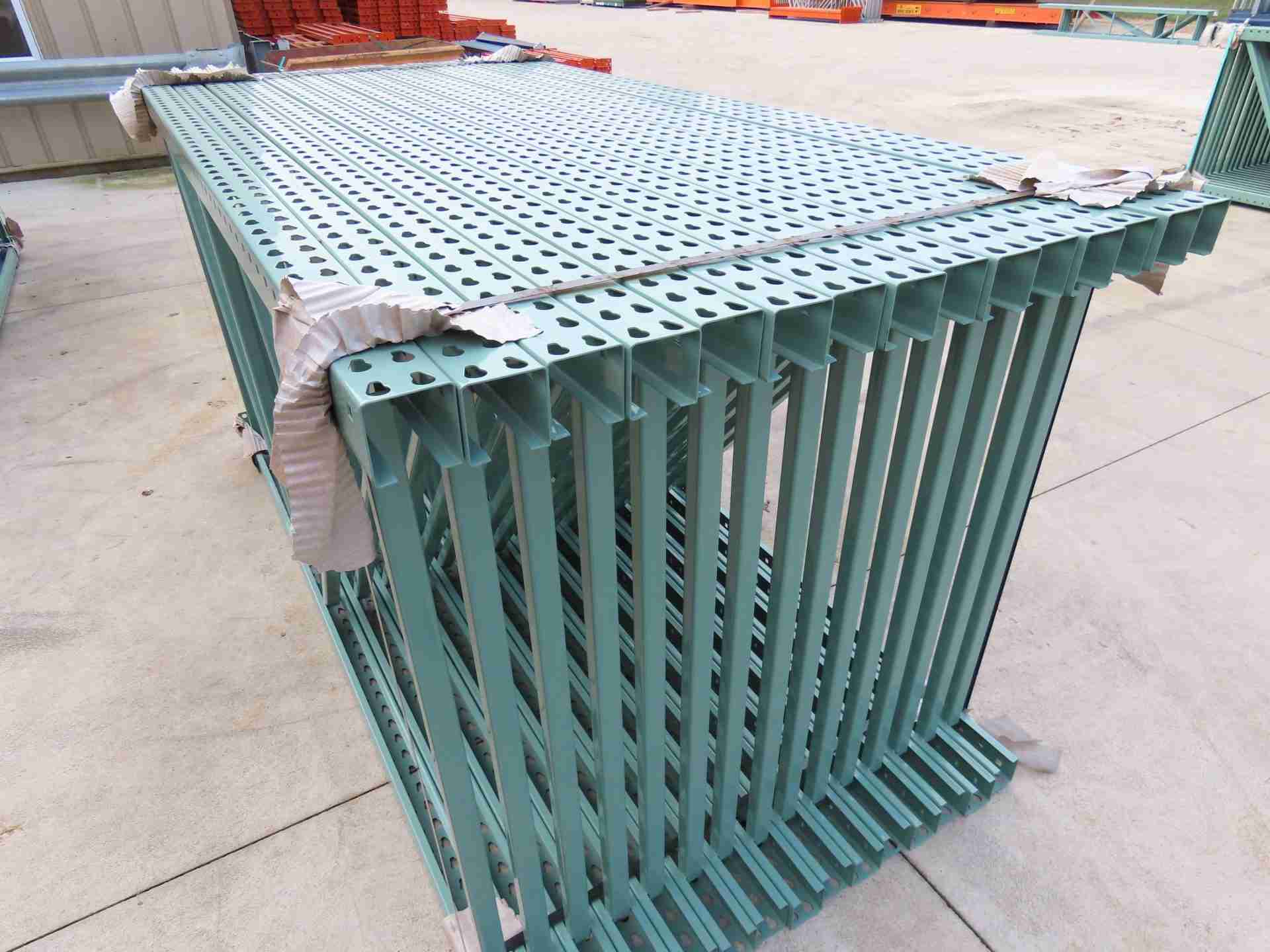
Other Resources
Glossary Terms
Are Bottlenecks In Your Warehouse Draining Your Resources Daily? – Glossary Of Terms
1. Bottleneck: A point in a process that slows down production or delivery, causing delays and inefficiencies.
2. Throughput: The amount of product that is processed or moved through a system in a given time period.
3. Inventory Management: The systematic approach to sourcing, storing, and selling inventory—both raw materials and finished goods.
4. Lead Time: The total time it takes from the initiation of a process until its completion, especially in order fulfillment.
5. Cycle Time: The total time it takes to complete one cycle of a business process, from start to finish.
6. Capacity: The maximum output that an operation or process can produce within a specific timeframe.
7. Workflow: The sequence of processes through which a piece of work passes from initiation to completion.
8. Automation: The use of technology to perform tasks with reduced human intervention, aimed at increasing efficiency.
9. Lean Warehousing: An organization strategy that focuses on minimizing waste and maximizing value in warehouse operations.
10. Supply Chain Management: The management of the flow of goods and services from point of origin to consumption, including its planning and execution.
11. Performance Metrics: Quantifiable measures used to gauge the efficiency and effectiveness of warehouse operations.
12. Queue: A line of items or equipment waiting for processing, often the result of a bottleneck.
13. Cross-Docking: A logistics process where products are directly transferred from incoming to outgoing transportation without storage.
14. Order Fulfillment: The complete process from point of sales inquiry to the delivery of a product to the customer.
15. Warehouse Layout: The physical arrangement of equipment and storage spaces within a warehouse, strategically designed to optimize flow and efficiency.
16. FIFO (First In, First Out): An inventory management method where the oldest stock is the first to be sold or used.
17. LIFO (Last In, First Out): An inventory management method where the most recently acquired stock is the first to be sold or used.
18. Inventory Turnover: A ratio that shows how many times inventory is sold and replaced over a period.
19. Replenishment: The process of restocking inventory to maintain optimal levels and avoid shortages.
20. Pick and Pack: The process of selecting items from inventory and packing them for shipment.
21. Returns Processing: The workflow involved in managing returned goods, often a critical aspect of customer satisfaction.
22. Kanban System: A visual scheduling system that triggers actions in a lean workflow, particularly useful in inventory control.
23. Value Stream Mapping: A visual tool used to analyze and improve the flow of materials and information in a process.
24. Warehouse Management System (WMS): Software designed to support and optimize warehouse functionality and distribution center management.
25. Workforce Management: The process of ensuring that all parts of an organization are staffed correctly, including scheduling and workload management.
26. Shipping Accuracy: A measure of how accurately orders are picked and delivered to customers, critical for customer satisfaction.
27. Safety Stock: Extra inventory held to prevent stockouts caused by uncertainties in supply and demand.
28. Demand Forecasting: The process of predicting future customer demand to ensure products are available when needed.
29. Ergonomics: The study of how to design workplaces and tasks to fit the capabilities and limitations of workers, aiming to improve safety and productivity.
30. Continuous Improvement: An ongoing effort to improve products, services, or processes by making incremental improvements over time.
Glossary Of Terms
Other Questions
Are Bottlenecks In Your Warehouse Draining Your Resources Daily? – Other Questions
If you wish to explore and discover more, consider looking for answers to these questions:
- What specific strategies can I implement to identify bottlenecks in my warehouse?
- How frequently should warehouse assessments be conducted to prevent bottlenecks?
- What role does technology play in addressing warehouse inefficiencies?
- Are there specific metrics I should monitor to evaluate warehouse performance?
- How can I motivate my team to actively participate in reducing bottlenecks?
- What are the financial implications of bottlenecks in warehouse operations?
- How do different warehouse layouts affect productivity and bottleneck occurrences?
- What are some common mistakes that lead to the creation of bottlenecks?
- How can I measure the effectiveness of the changes I implement to reduce bottlenecks?
- What additional training resources are available for warehouse staff?
Other Questions
Checklist
Are Bottlenecks In Your Warehouse Draining Your Resources Daily? – A Checklist
1. Identify Bottlenecks
_____ Assess for piling inventory in specific areas.
_____ Evaluate pick and pack times for delays.
_____ Check for backlogged orders and regular shipment delays.
_____ Monitor equipment functionality for frequent breakdowns.
_____ Gather employee feedback on workflow frustrations.
2. Improve Warehouse Layout
_____ Review aisle widths for ease of movement.
_____ Optimize pallet racking systems for better accessibility.
_____ Implement multi-tier storage solutions where appropriate.
_____ Evaluate product arrangement for logical flow and retrieval.
3. Implement Technology Solutions
_____ Invest in a Warehouse Management System (WMS) for real-time insights.
_____ Use data analytics software to identify trends and slow-moving items.
_____ Consider process mapping tools to visualize workflow inefficiencies.
_____ Explore collaborative platforms for team communication and feedback.
4. Enhance Staff Training
_____ Develop training programs focusing on warehouse layout and operational processes.
_____ Teach best practices in equipment use and inventory handling.
_____ Encourage employee involvement in identifying bottlenecks.
_____ Foster a culture of continuous improvement through ongoing education.
5. Regularly Evaluate Performance
_____ Conduct regular walkthroughs of the warehouse to assess flow and identify obstacles.
_____ Perform time and motion studies to analyze efficiency in workflows.
_____ Set KPIs to monitor the impact of changes on productivity and throughput.
_____ Review customer feedback regarding order fulfillment times and service quality.
6. Encourage Feedback & Iteration
_____ Create channels for employees to share insights on operational improvements.
_____ Schedule regular meetings for discussing workflow issues and solutions.
_____ Adapt improvements based on performance data and employee suggestions.
_____ Celebrate successes and recognize contributions to efficiency improvements.
Use this checklist to proactively address and eliminate bottlenecks in your warehouse, improving overall efficiency and productivity!
Checklist
At RackingWorld, we help guide you through selecting warehouse storage systems and racking.
Be sure to read our other related stories at RackingWorld to learn more about warehouse storage systems.
0 Comments